

Graham's Port
Vila Nova de Gaia
Winery in Vila Nova de Gaia, Portugal
 Book with Pearl
The Read
Estate-Rooted Vintage Port
Price
$30–50tasting
Why go
Graham's Port is the Gaia lodge to prioritise if port is the point of the trip, not just a filler tasting between Porto viewpoints. The World's 50 Best Vineyards #40 recognition gives it a stronger trust signal than a generic cellar stop, but casual wine tourists should compare Churchill's, Ferreira, and Cockburn's Port if they want a lighter or easier-feeling visit.
About Graham's Port
World's 50 Best Vineyards #40 in 2023, alongside Pearl 3 Star Prestige (2025), gives Graham's Port clear external recognition. For travelers planning a stop in Vila Nova de Gaia, Graham's Port is best evaluated as a recognized venue; check practical details such as price, tasting format, menus, and visit length directly before making plans.
The value case depends on intent. Compare by purpose: choose Graham's Port if a clearly recognized venue in Vila Nova de Gaia is the priority. If the goal is to compare several venues, cross-shop Churchill's, Ferreira, or Cockburn's Port before committing.
Consider this when recognition matters more than a quick checklist
Graham's Port has two strong recognition signals in this guide: Pearl 3 Star Prestige (2025) and World's 50 Best Vineyards #40 (2023). Those credentials make it a strong candidate when you want one recognized visit in Vila Nova de Gaia and prefer a venue with clear external recognition. If the plan is to compare options, pair the decision with Ramos Pinto or Niepoort rather than relying on Graham's Port alone.
For repeat visitors, the smarter move is to use Graham's Port as the recognition-led benchmark and let the rest of the itinerary provide contrast. Ferreira, Churchill's, and Cockburn's Port are useful comparison names when deciding how many stops to include. The dress code is smart casual.
Worth it for recognition-led visitors, less essential for a casual itinerary
The main reason to consider Graham's Port is confidence: the recognition gives it a stronger case than a generic listing. The main reason to skip is also direct. If nobody in the group is focused on this kind of recognized venue, use your time elsewhere in Vila Nova de Gaia and consult current official information before making plans.
Planning details
- Location
- Rua do Agro 141, 4400-003 Vila Nova de Gaia
- Website
- grahams-port.com
- Phone
- +351 22 377 6490
The take
The Take
The Vibe
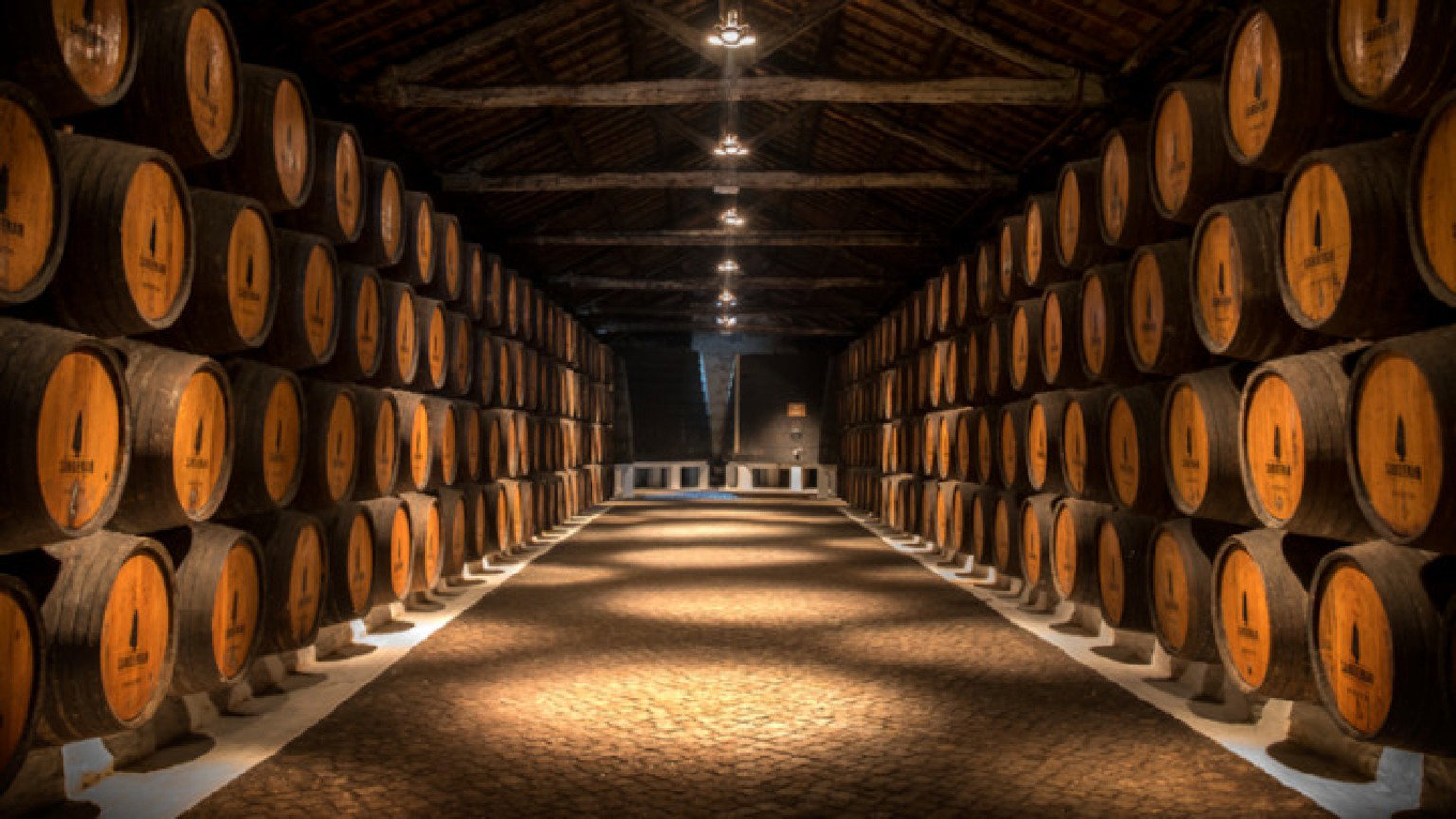
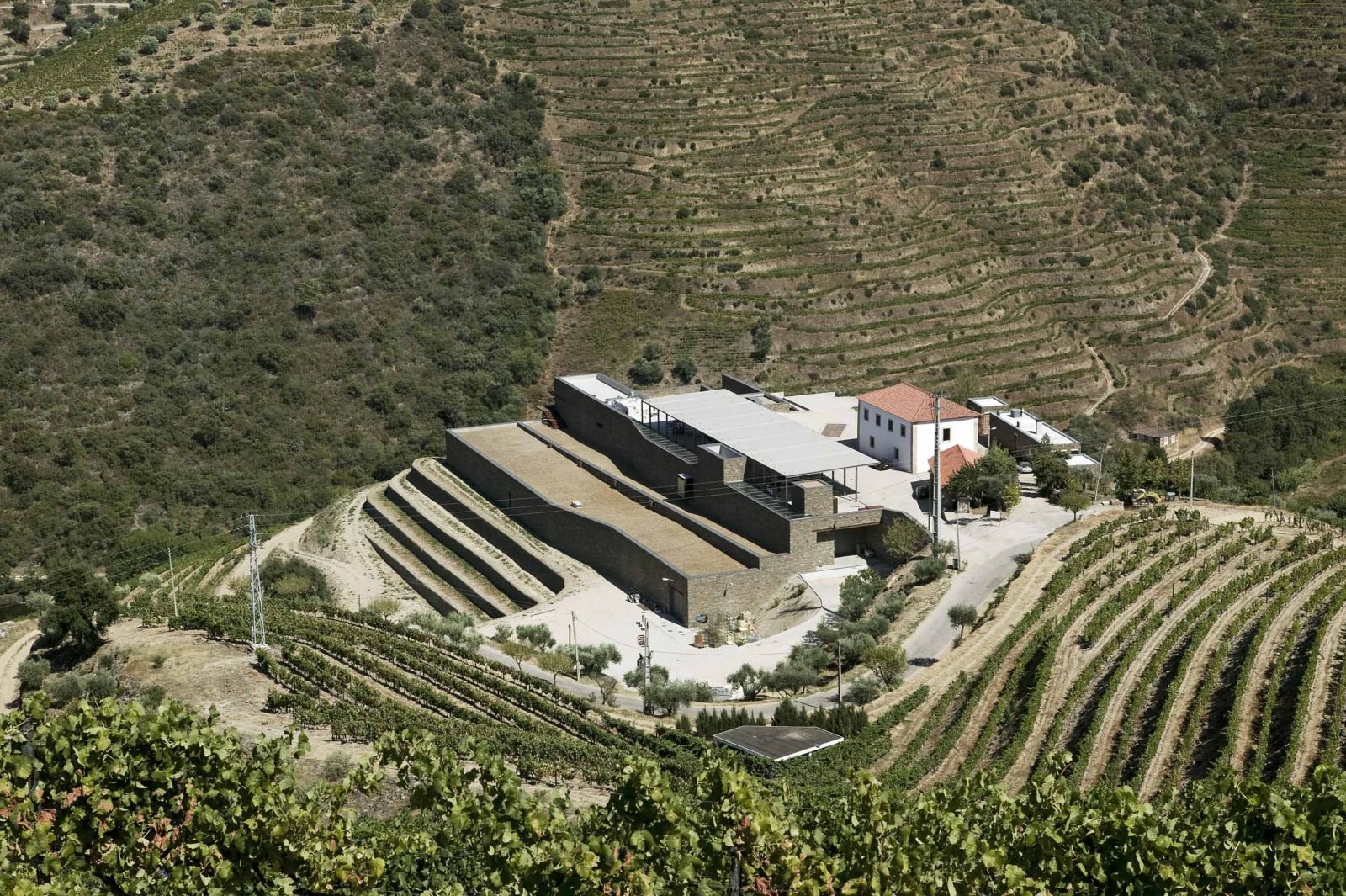
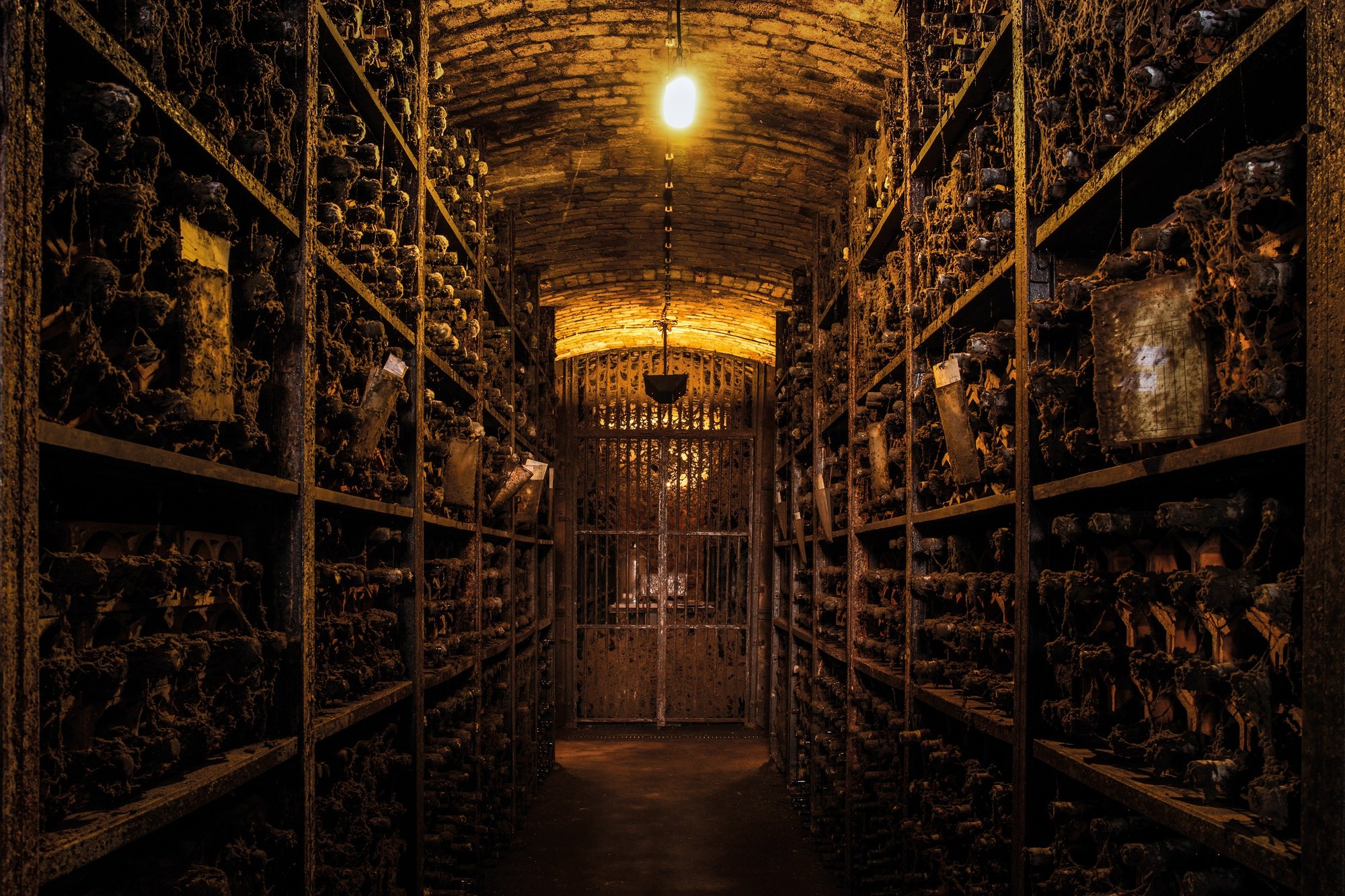
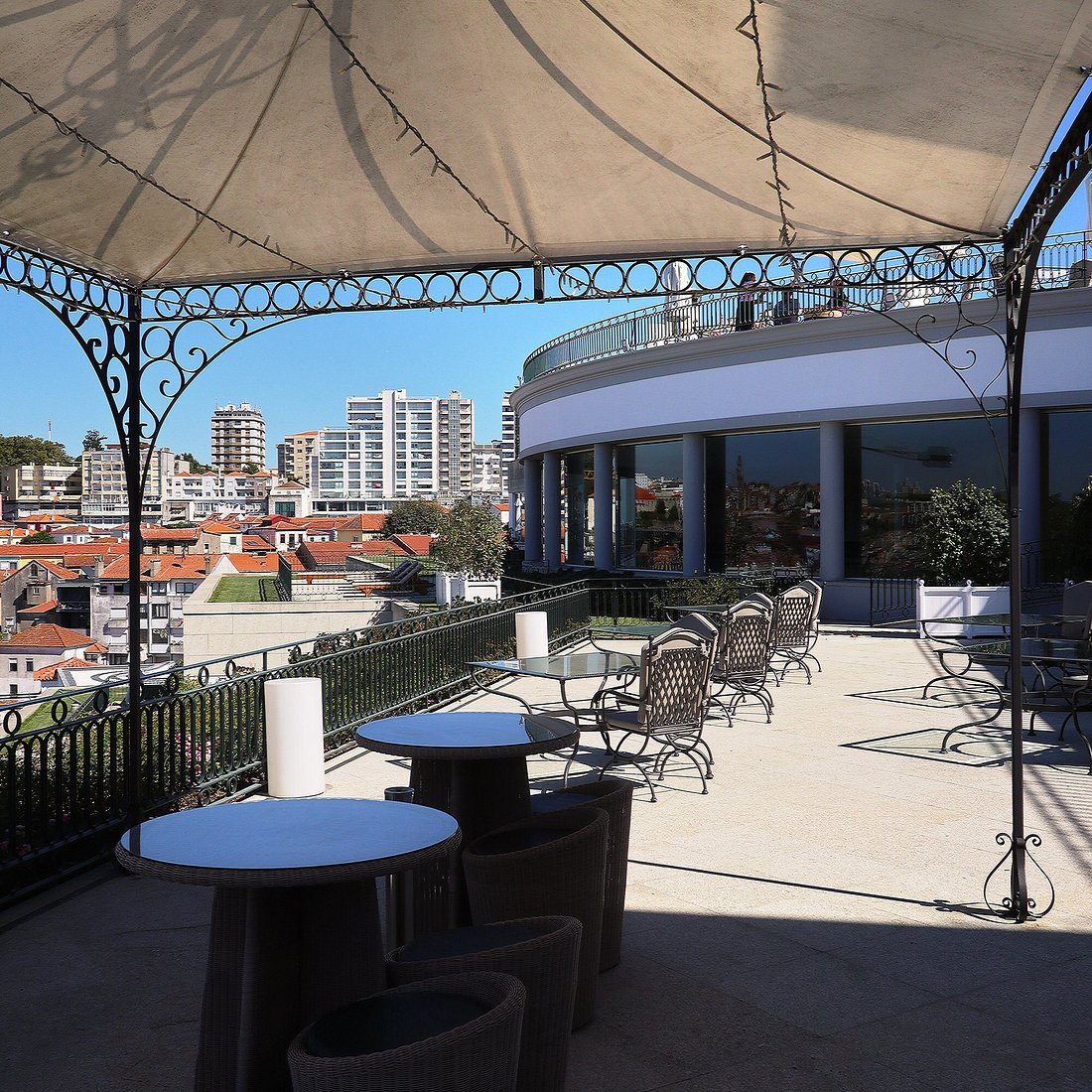
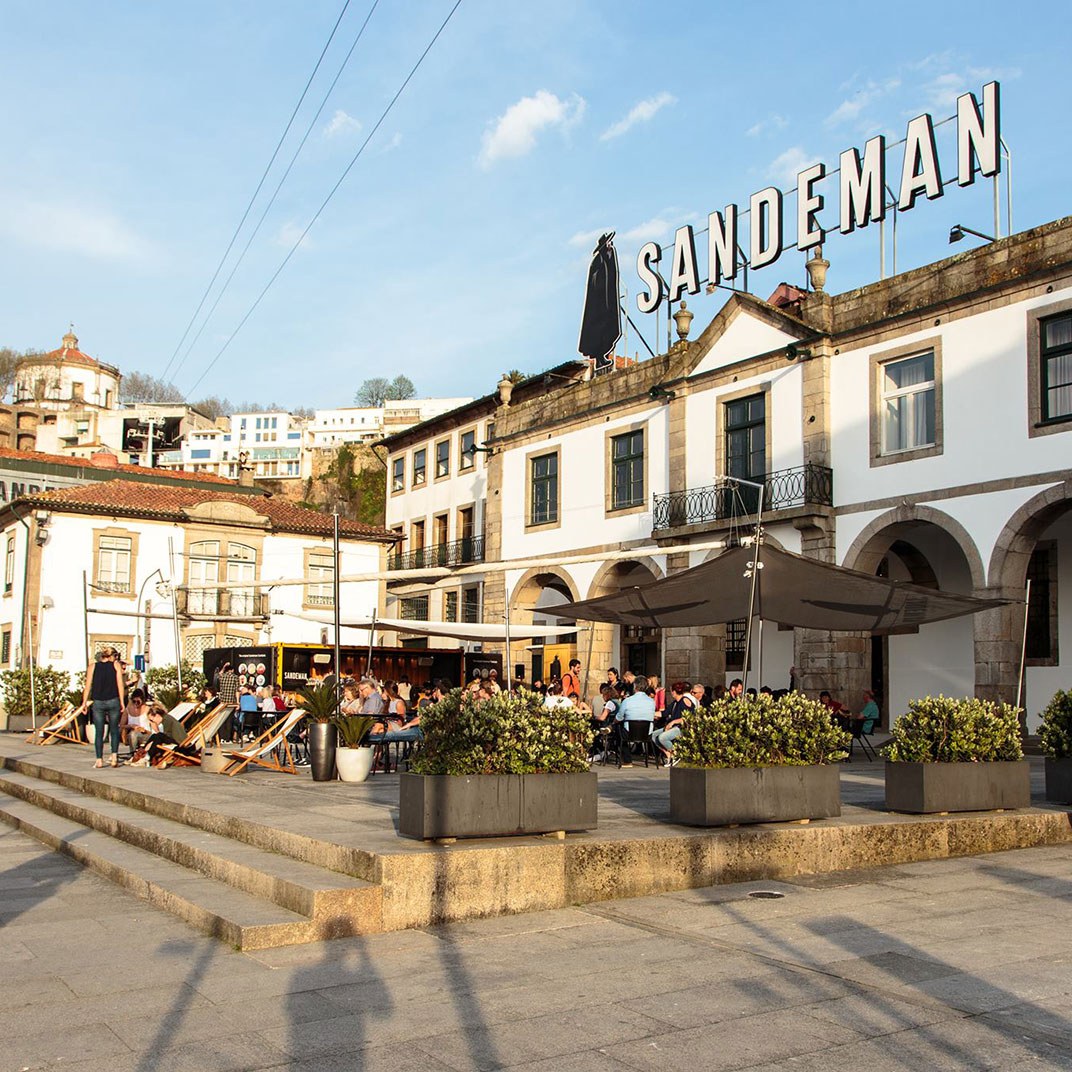
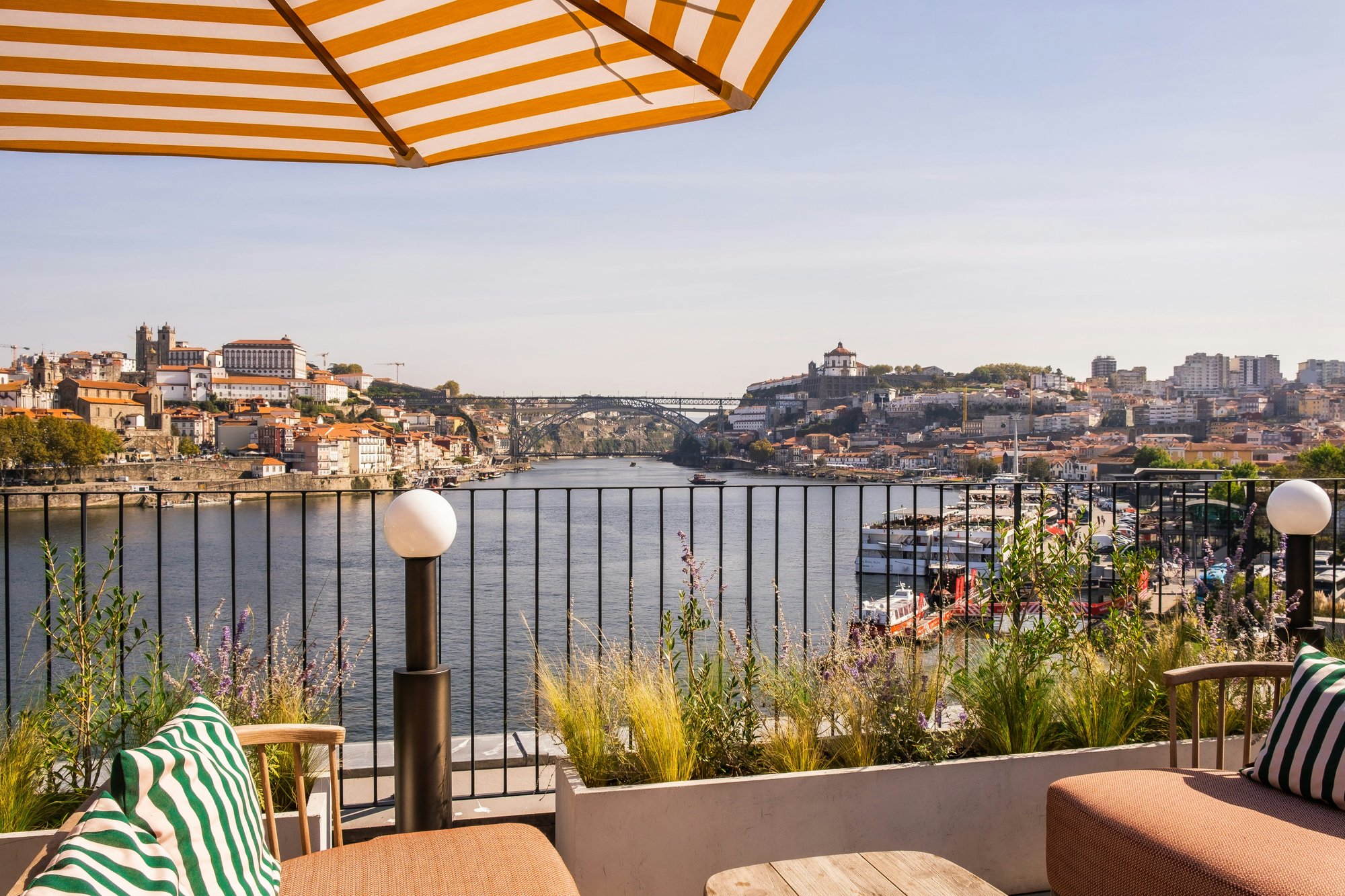
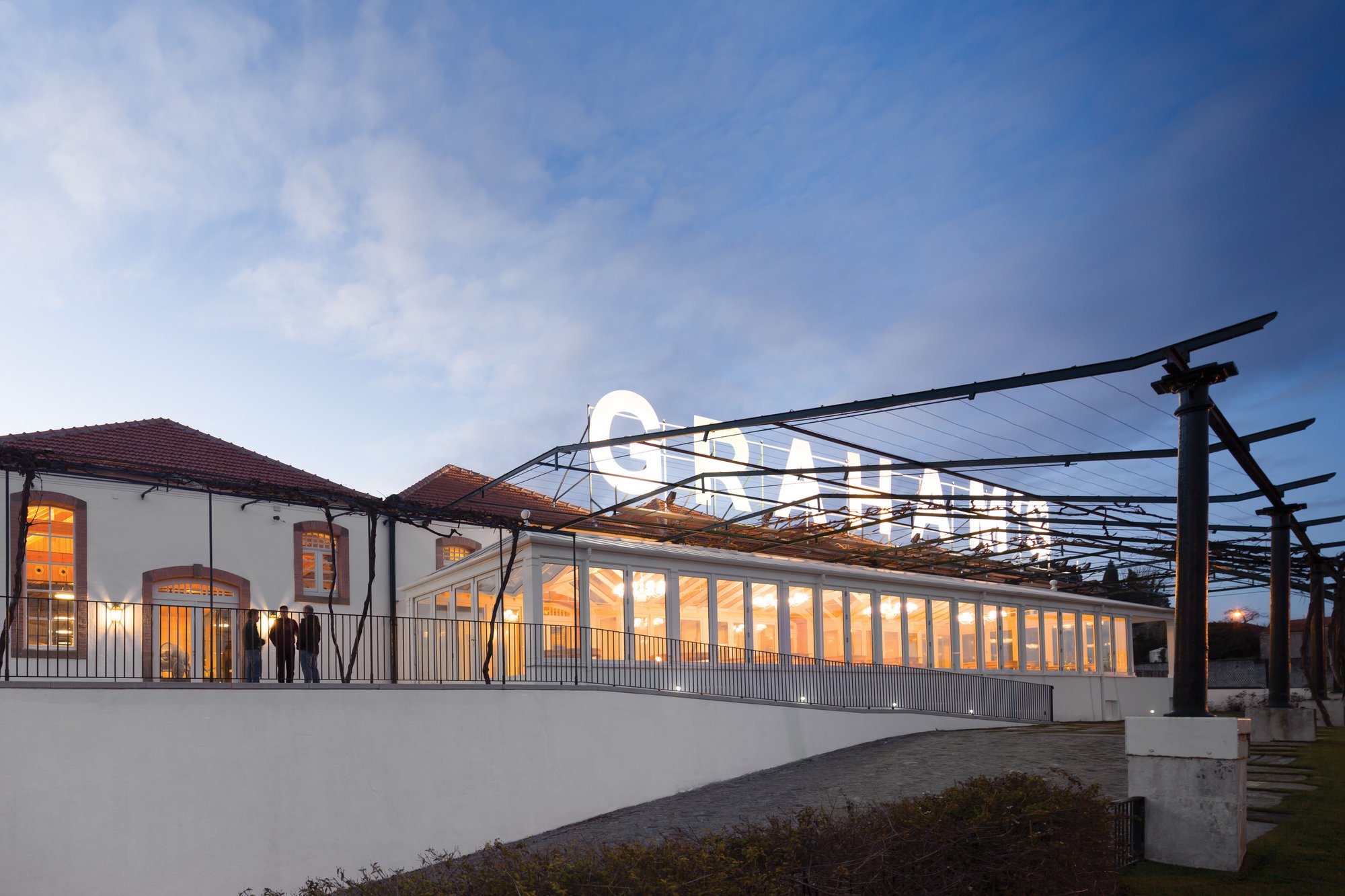
Perched above the Gaia lodges with the Douro unfolding below, Graham's reads like a working diagram of Port’s geography. The house leans on two centuries of history—founded in 1820—and on a material logic that links Douro schist terraces to the cool, Atlantic-influenced air of the riverside lodges. The writing emphasizes provenance and industry: stone steps, quayside views and the lodge district’s role in maturation form a quietly monumental setting. It feels authoritative rather than flashy, the kind of place where landscape, architecture and winemaking practice combine to tell the story of premium Port.
Best For
Graham’s is best for visitors who want a grounded lesson in Port—its history, its sourcing and its maturation. The house’s Pearl 3 Star Prestige rating (EP Club, 2025) and its documented role in establishing estate ownership make it a reference stop for serious wine-minded travelers and those marking a special occasion. The site’s position above the waterfront also makes it rewarding for anyone who values context: the view and the lodge district together explain how Douro fruit becomes aged Port. It’s less about nightlife spectacle and more about heritage, terroir and tasting with context.
Tasting Tips
When exploring Graham’s, orient your curiosity toward provenance and aging. The text highlights the house’s early practice of owning Douro quintas and the role of the Gaia lodges in maturation, so prioritize bottles and tastings that emphasize estate sources or older vintages tied to specific quintas. Ask about the house’s vineyard history and how harvest and selection practices shaped particular bottlings—the description frames those production choices as central to Graham’s identity. Approach the visit as both a tasting and a lesson in the logistics that make premium Port distinct.
Venue details
Ambiance
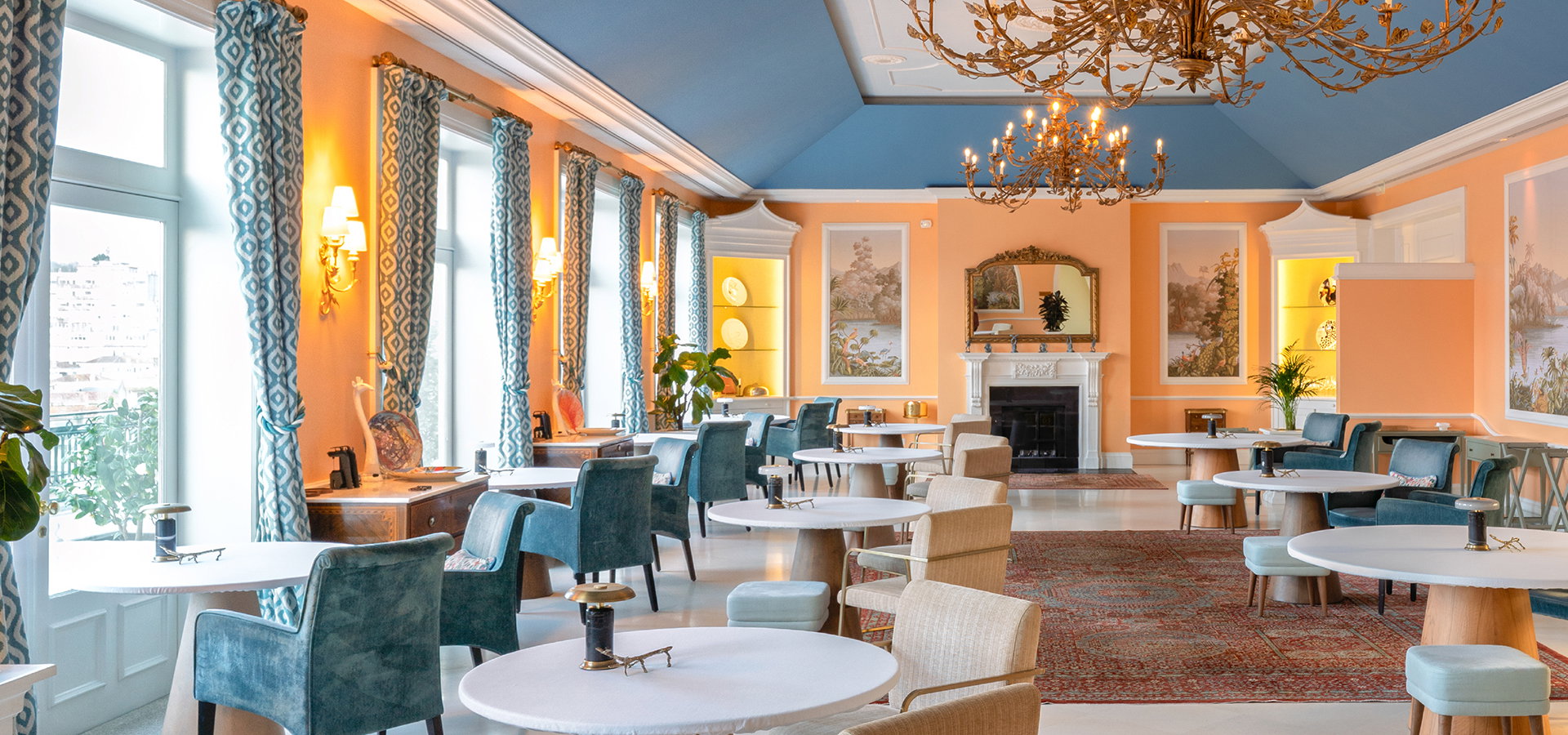
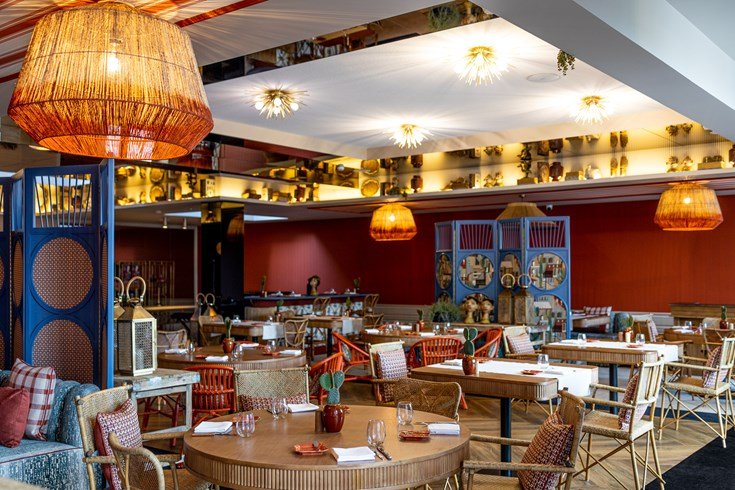
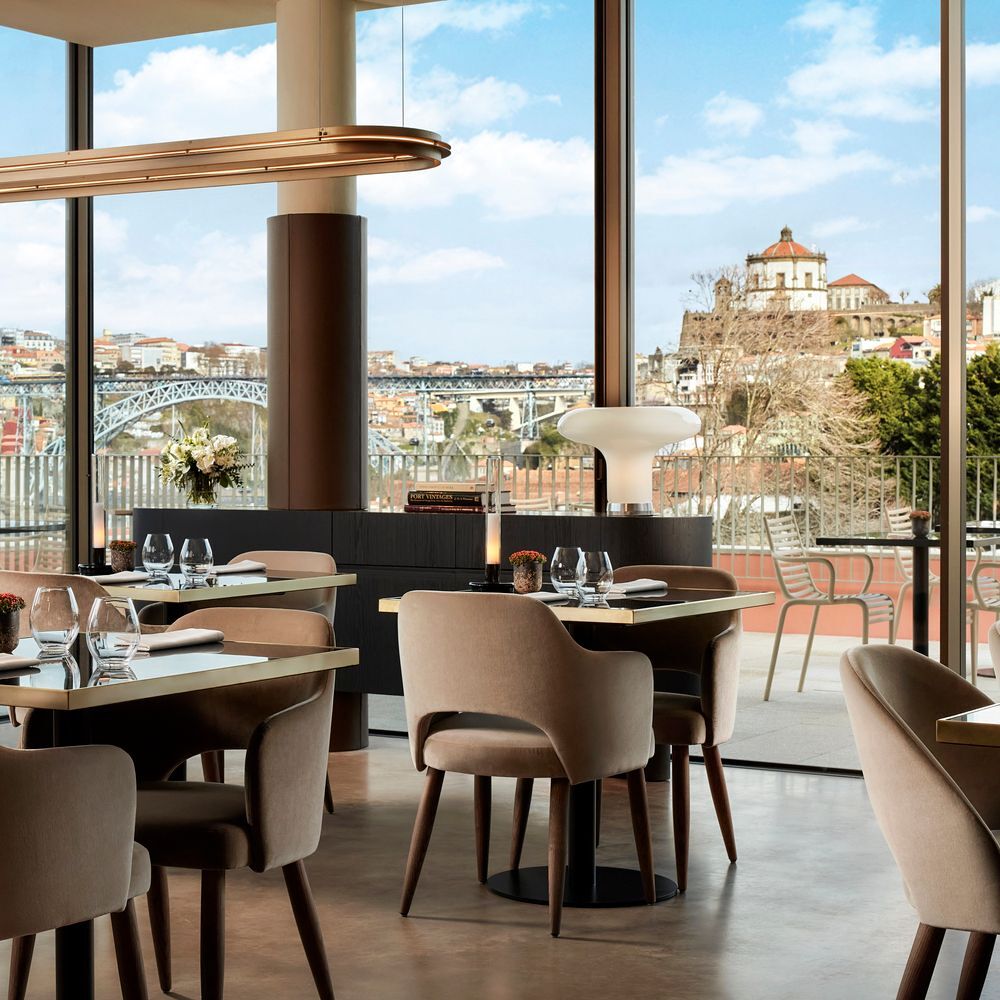
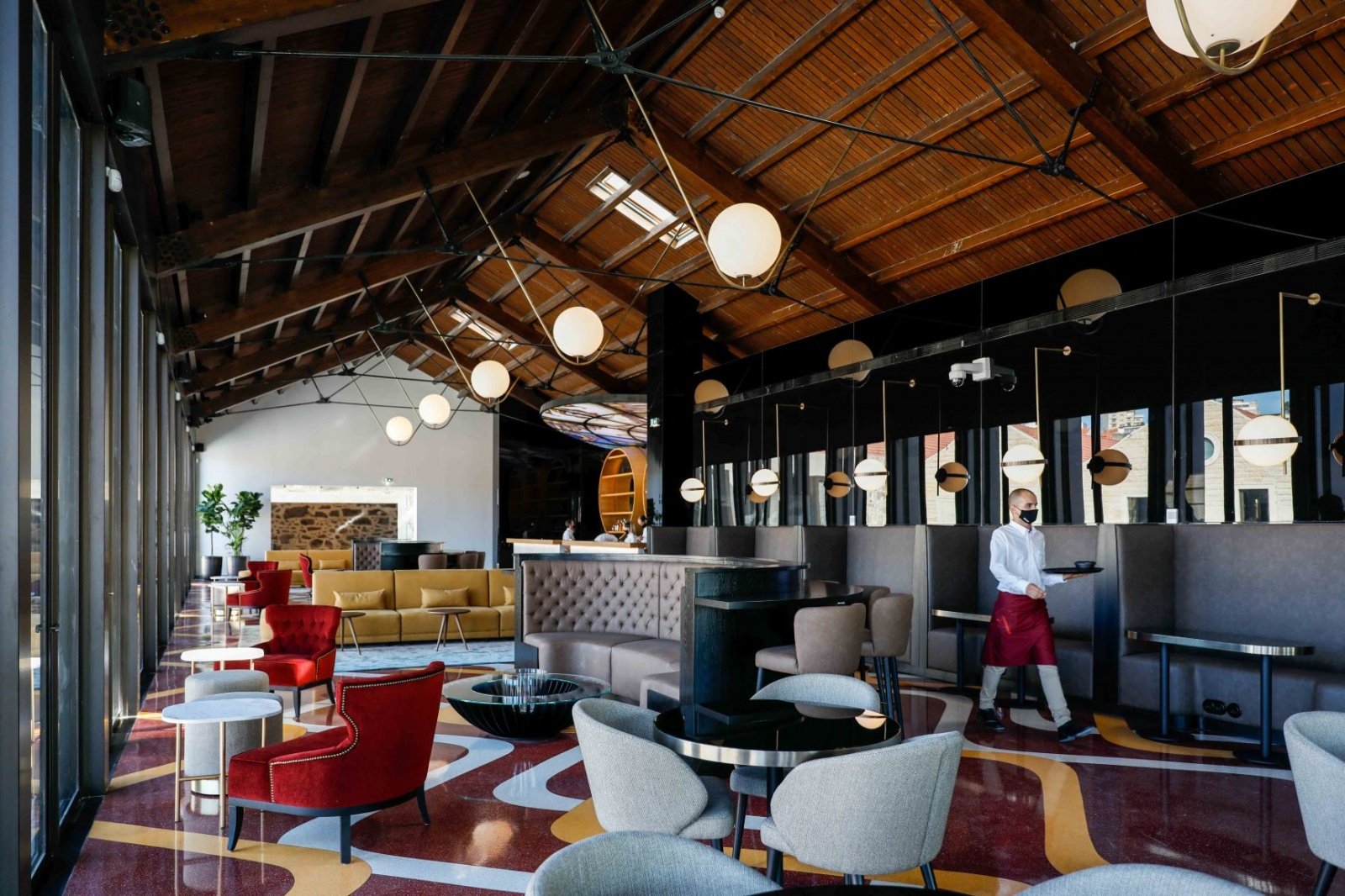
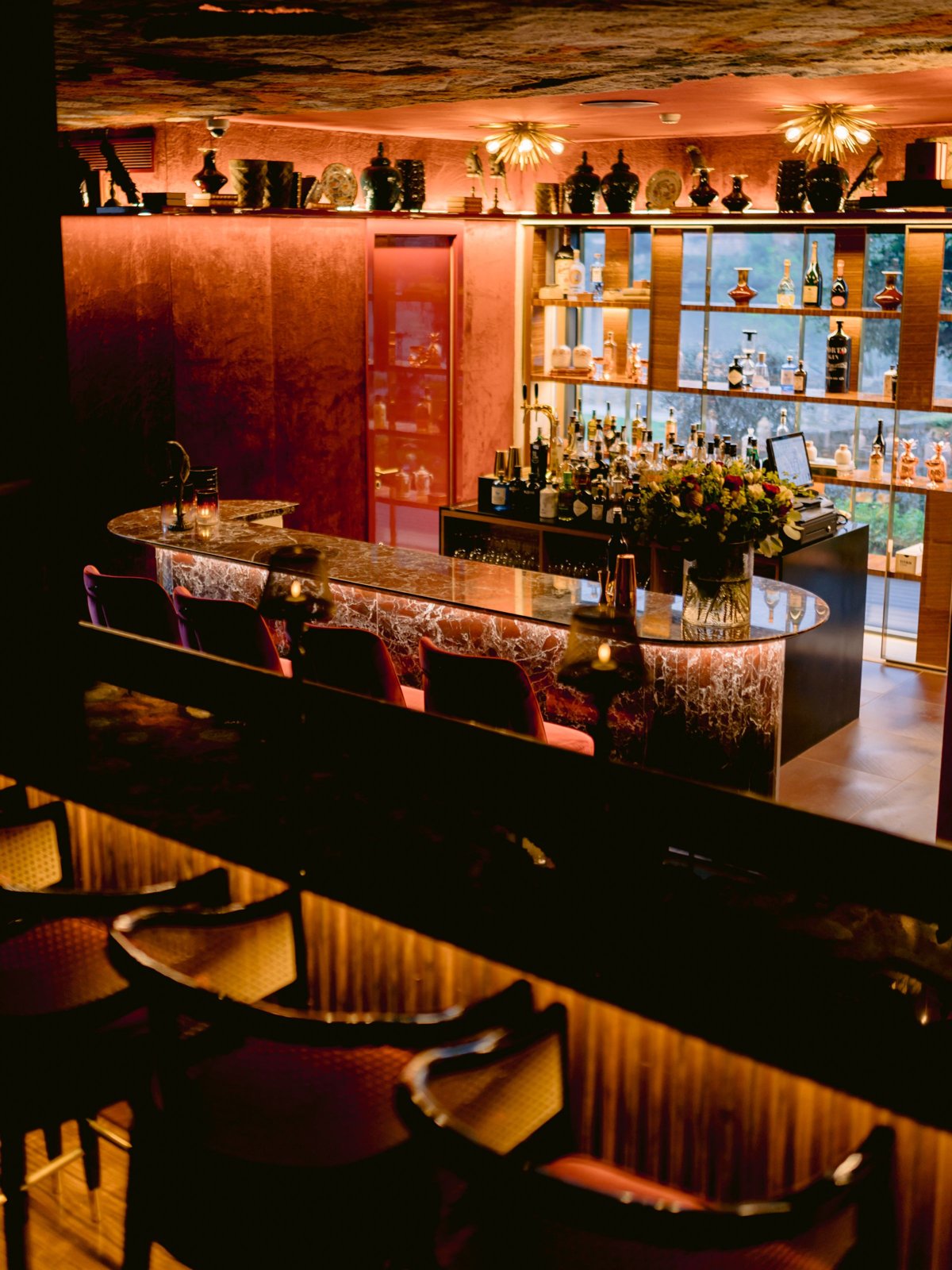
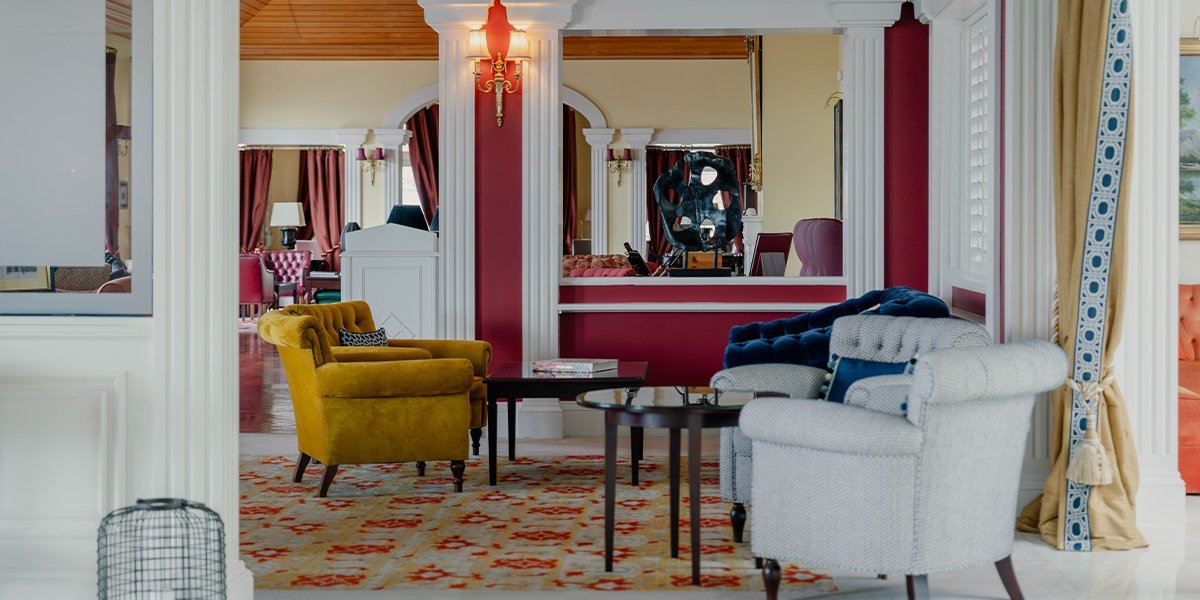
Elegant and historic with a welcoming, relaxed atmosphere, featuring terrace views of Porto and professional, unrushed tastings.
Tags
Vibe
Best For
Experience
View
At the Vineyard
- Appellation
- Douro
- Varietals
- Touriga Nacional, Touriga Franca, Tinta Barroca, Tinta Roriz, Alicante Bouschet
- Tour Duration
- 45-90 minutes
- Tour Languages
- English, French
- Visits
- By reservation
- Wine Styles
- Fortified
- Food Pairing
- Offered
- Shipping
- Available
- Wine Club
- Not available
Know before you go
Know Before You Go
- Getting there
- Rua do Agro 141, 4400-003 Vila Nova de Gaia
Planning details
Location
Recognition and awards


Also consider
Where to look if this is hard to book
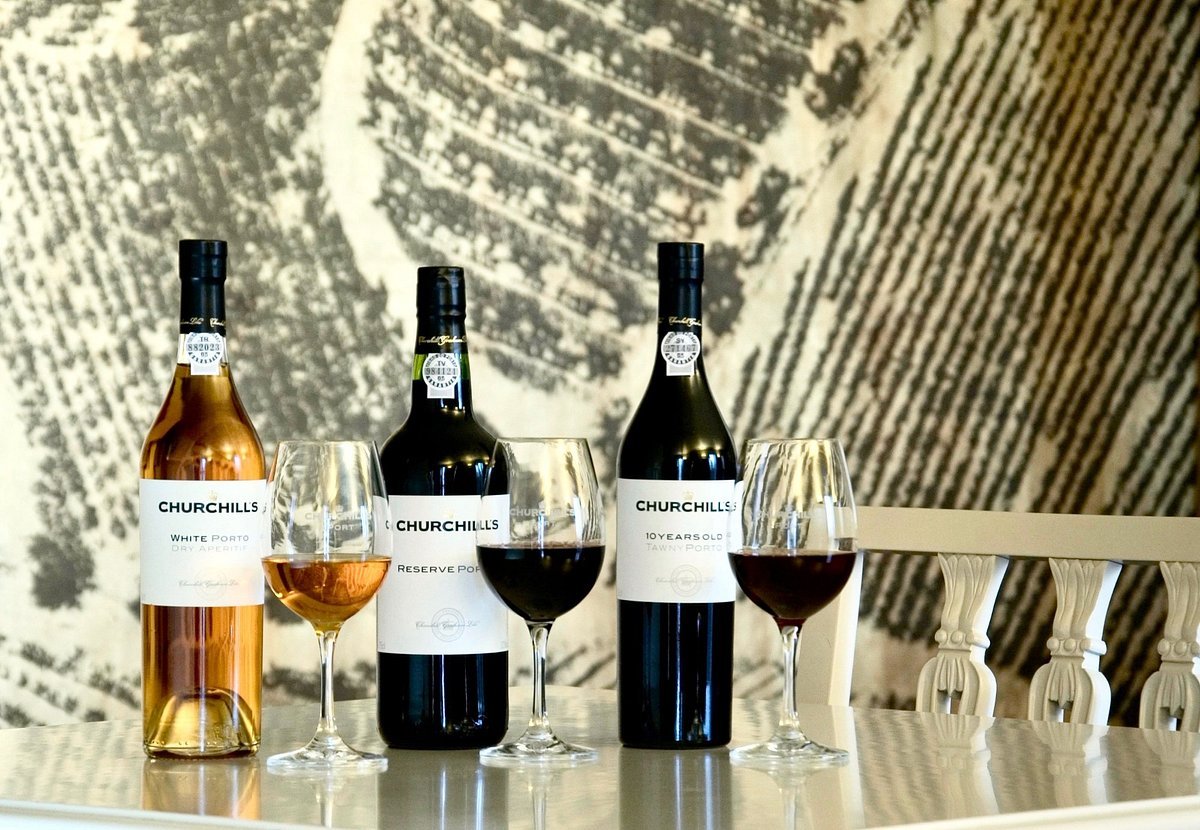
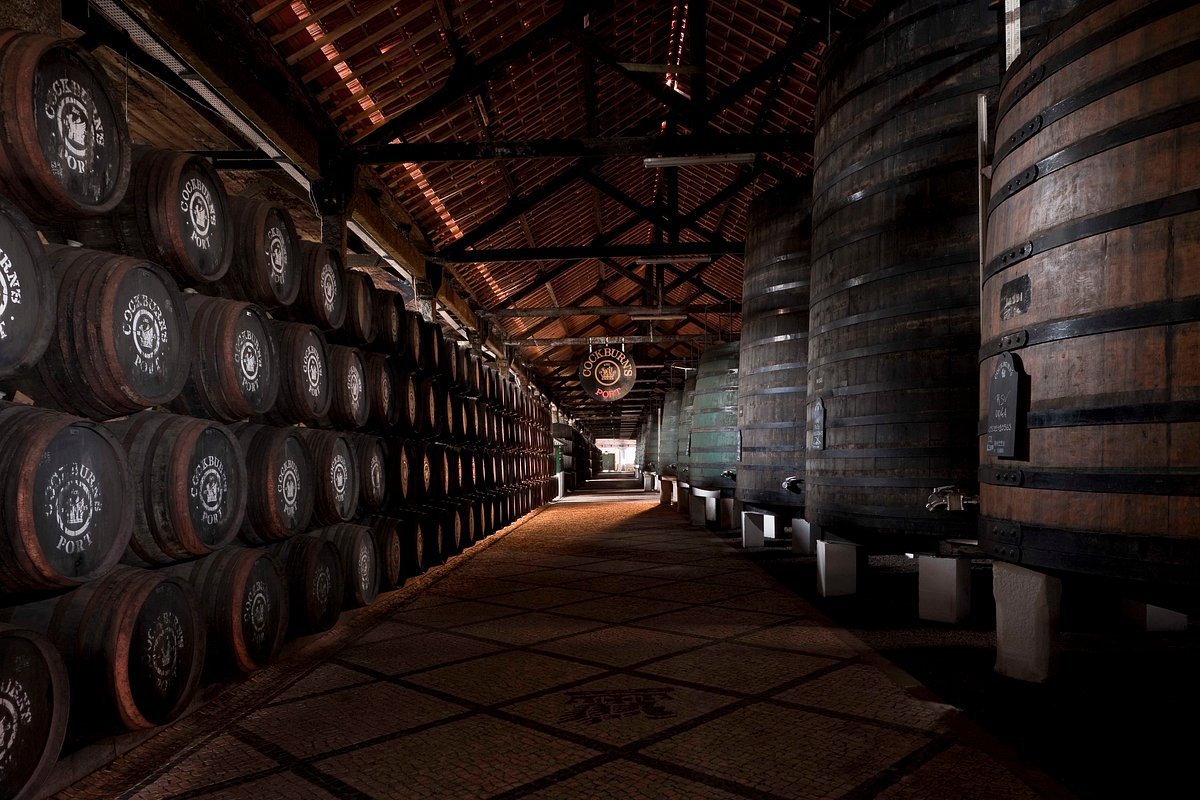
Try Churchill's first if the group wants a more intimate-feeling port visit, or Cockburn's Port if the priority is a broader, easier Gaia tasting stop. For a second serious comparison, Ferreira is the heritage-led alternative, while Niepoort is better for drinkers who want to go deeper on style.
Winery context
How it compares in Vila Nova de Gaia
Choose Graham's Port when the goal is a prestige-led port visit with strong external recognition. Churchill's is the better cross-shop for drinkers who want a smaller-house feel, while Ferreira makes more sense for visitors who care most about heritage context.
For groups, Cockburn's Port is the safer practical alternative if the priority is a broad, accessible Gaia port stop. Ramos Pinto is a useful second booking if the day needs contrast in atmosphere rather than another similar lodge experience.
Niepoort is the sharper cross-shop for visitors who already know port and want a more specialist-feeling comparison. If booking friction is high, start with Churchill's or Cockburn's Port, then keep Graham's Port as the anchor if a stronger recognition signal matters.
Around this place
Discover more on Pearl
Unlock the full Graham's Port guide in Pearl, including awards, comparisons, FAQs, planning details, and nearby places.
Compare Graham's Port
| Venue | Location | Awards |
|---|---|---|
| Graham's Port | Vila Nova de Gaia | 2026 Falstaff Winery Guide2023 World's 50 Best Vineyards · #40 |
| Churchill's | Vila Nova de Gaia | 2026 Falstaff Winery Guide |
| Ferreira | Vila Nova de Gaia | 2026 Falstaff Winery Guide |
| Niepoort | Vila Nova de Gaia | 2026 Falstaff Winery Guide |
| Cockburn's Port | Vila Nova de Gaia | 2026 Falstaff Winery Guide |
| Ramos Pinto | Vila Nova de Gaia | 2026 Falstaff Winery Guide |
How Graham's Port compares with similar nearby venues.
FAQ
Frequently Asked Questions
When is the best time to visit Graham's Port?
Plan around the venue's current information for opening hours and timing. Graham's Port has enough recognition, including Pearl 3 Star Prestige (2025), to justify treating it as a planned stop rather than an improvised add-on. If your day also includes other comparison venues, consider Churchill's or Ferreira as part of the same research process.
How long should I plan for a visit to Graham's Port?
Set aside enough time for a proper stop in Vila Nova de Gaia, especially if you want to compare Graham's Port with Cockburn's Port or Ramos Pinto in your itinerary research. Its recognition signals that this is a venue worth considering carefully rather than treating as an interchangeable listing.
What other venues are near Graham's Port?
For comparison research, consider Churchill's, Cockburn's Port, Ferreira, Ramos Pinto, and Niepoort alongside Graham's Port. If the plan is a short list, start with Graham's Port plus one or two comparison venues rather than trying to fit every name into the same outing.