Book with Pearl

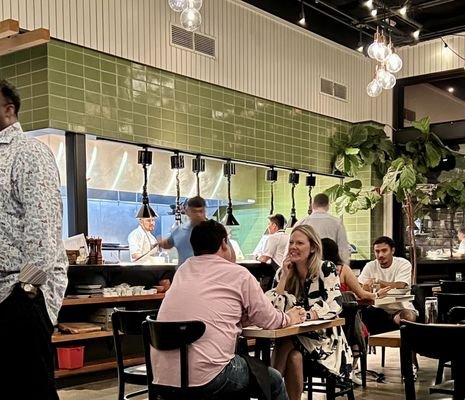
An Evening with Jasmine Hirsch at Miller Union
A collaborative winemaker dinner in Atlanta pairing Hirsch Vineyards wines with a multi-course dinner from Miller Union.

Cazadero
Winery in Cazadero, United States
Site-Fidelity Viticulture
Why go
Hirsch Vineyards is worth targeting if the goal is a serious coastal Sonoma producer visit rather than an easy tasting-room crawl. The Cazadero location rewards wine travelers who plan carefully, but visitors who need simple logistics should compare it with Fort Ross Vineyard & Winery before committing the day.
Hirsch Vineyards in Cazadero has one confirmed recognition: Pearl 2 Star Prestige (2025). The confirmed dress code is smart casual. For planning details such as hours, visit format, food availability, reservations, pricing, shipping, and purchase terms, confirm current information directly before making plans.
The strongest grounded reason to keep Hirsch Vineyards on a Cazadero shortlist is its confirmed Pearl 2 Star Prestige (2025) recognition. The venue is in Cazadero, and smart casual dress is the confirmed attire guidance, but specific claims about menus, appointment rules, visit structure, accessibility, food, or timing are not available.
For comparison shopping, Fort Ross Vineyard & Winery is another option to consider alongside Hirsch Vineyards. Bella Vineyards and Wine Cave, Ferrari-Carano Vineyards and Winery, Korbel Champagne Cellars, and Preston Farm & Winery may also be useful alternatives depending on the broader route, but they should not be treated as confirmed substitutes for the same exact visit experience. Use those names as planning references, then verify each venue's current details directly.
Keep the confirmed facts simple: Hirsch Vineyards is in Cazadero, has smart casual dress guidance, and carries Pearl 2 Star Prestige (2025). Do not assume lunch, a food program, delivery, takeout, a specific visit format, exact hours, prices, or reservation requirements from this listing alone. If those details matter to the day, confirm them before committing to an itinerary.
If you are comparing destinations, keep the decision grounded in your needs: location, current availability, dress expectations, and the kind of visit you want. Hirsch Vineyards is the Cazadero venue in this set; Fort Ross Vineyard & Winery, Bella Vineyards and Wine Cave, Ferrari-Carano Vineyards and Winery, Korbel Champagne Cellars, and Preston Farm & Winery are separate options to research for a broader plan.
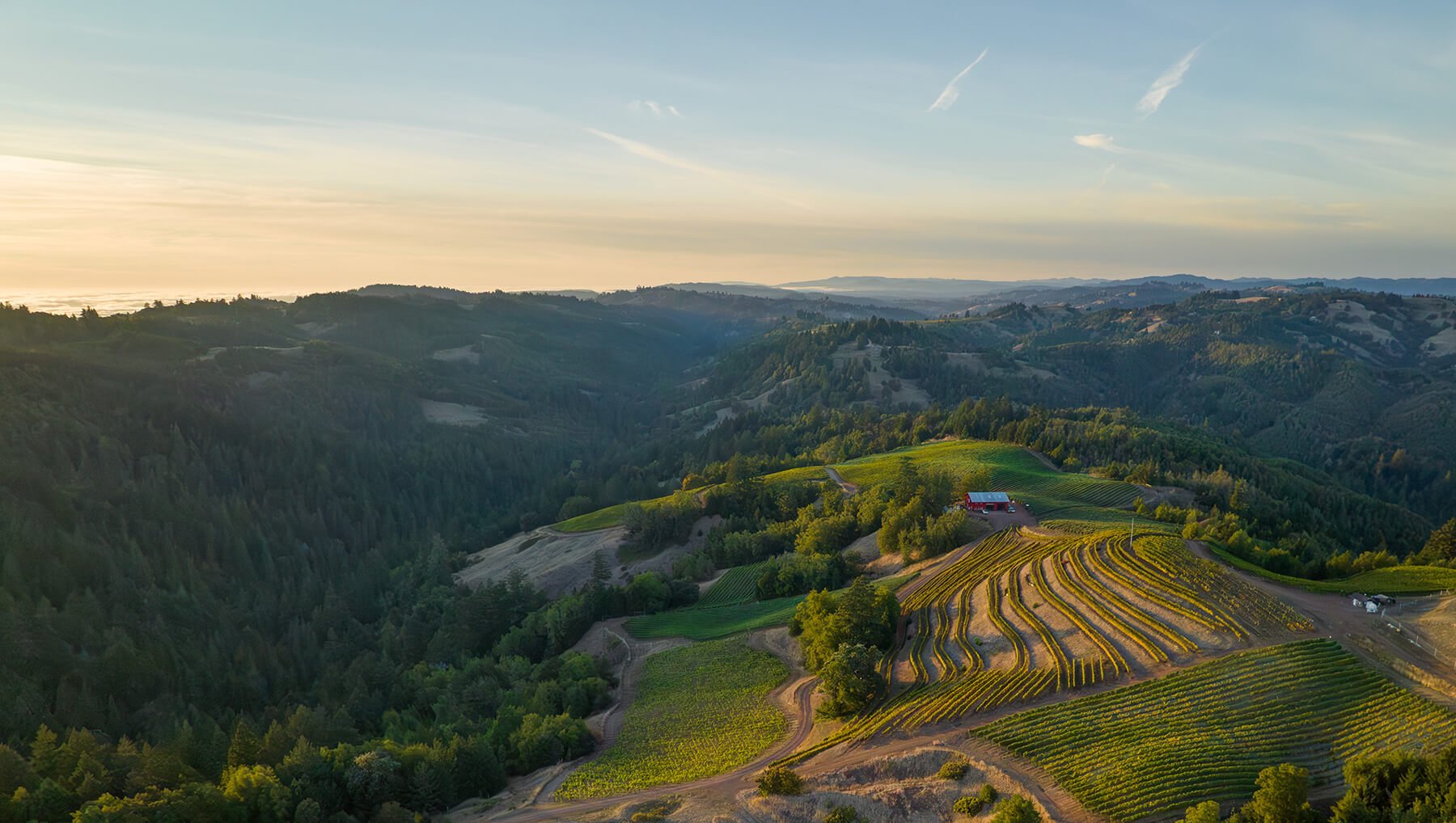
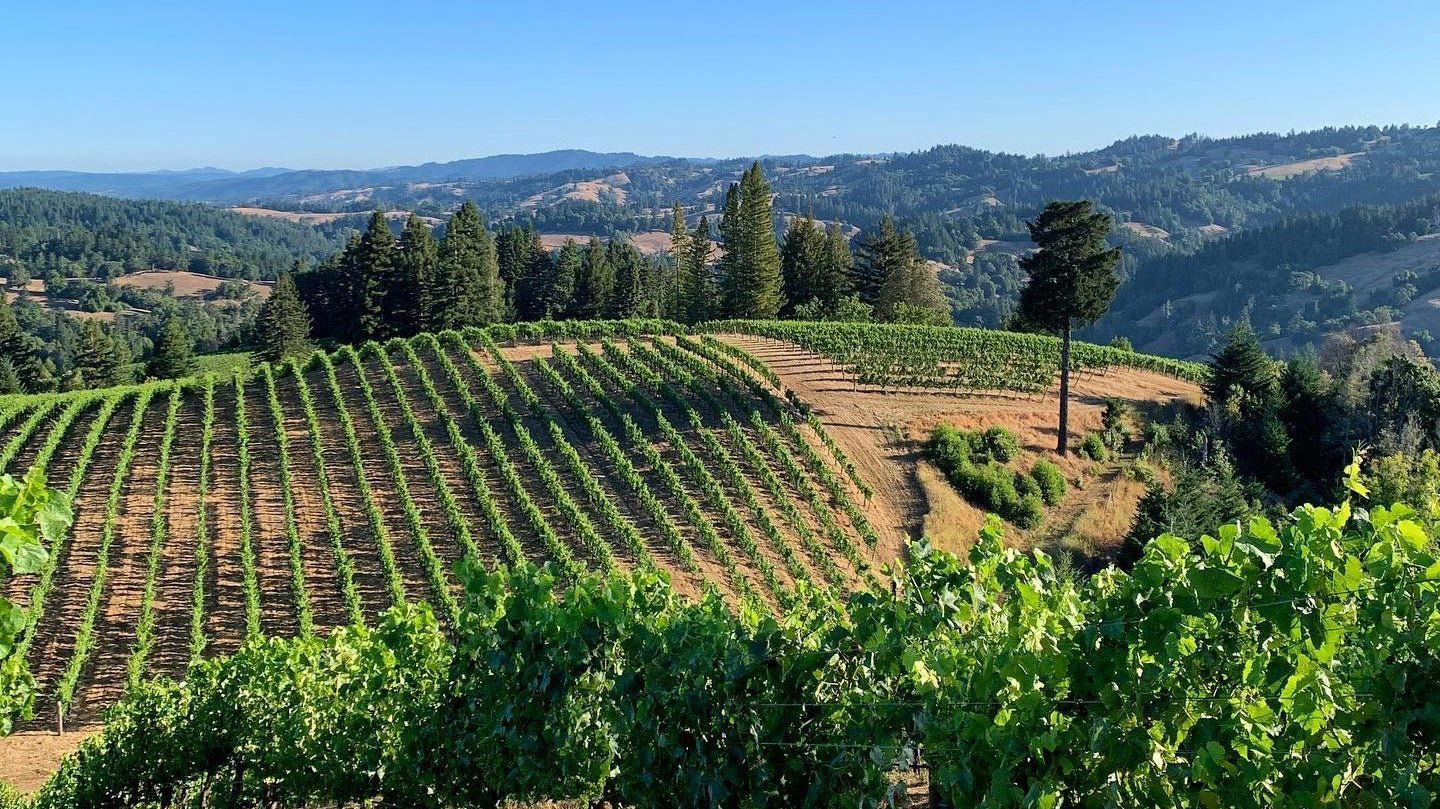
Hirsch Vineyards sits on the far western edge of the Sonoma Coast, where fog and wind sculpt a cool-climate viticultural identity. The approach along narrow redwood-lined roads feels secluded, and the ridge-leading vineyard blocks look out toward the Pacific, reinforcing a sense of remoteness and calm. The writing frames the estate as a focused, collector-minded operation—serene and exacting rather than visitor-driven—so the overall personality reads like a quietly sophisticated outpost for serious Pinot Noir and Chardonnay, a place that rewards patience and attention rather than casual drop-ins.
This is a visit best suited to committed wine enthusiasts, collectors and students of cool-climate Pinot and Chardonnay. The estate’s Pearl 2 Star Prestige designation signals allocation-worthy bottlings that attract serious buyers, and the remote access discourages casual weekend traffic. Guests who come for focused tasting, comparative study and to experience the unique maritime influence will get the most out of a trip; the setting also lends itself to special-occasion visits for those who are prepared for the effort required to reach the ridge-top vineyards.
Wilderness setting deep in redwood forest with dramatic coastal views, profound purity, and scale in a rugged, elemental atmosphere.
Start with Fort Ross Vineyard & Winery if the goal is to stay close to the Cazadero coastal Sonoma plan. For a more conventional wine-country day with easier group appeal, compare Korbel Champagne Cellars or Ferrari-Carano Vineyards and Winery.
Hirsch Vineyards is the higher-effort choice in this set: better for visitors who want a focused coastal Sonoma producer stop, weaker for anyone prioritizing simple logistics or a casual multi-winery route. Fort Ross Vineyard & Winery is the closest practical comparison for a Cazadero-area wine day and is the first backup to check if access to Hirsch is difficult.
Korbel Champagne Cellars is the easier pick for visitors who want a more familiar wine-country stop with broader visitor appeal, while Bella Vineyards and Wine Cave and Ferrari-Carano Vineyards and Winery are stronger fits for groups that care about a more conventional tasting-room experience and a less remote day plan.
Preston Farm & Winery is the better cross-shop for travelers who want a relaxed agricultural feel rather than a single-minded wine stop. Choose Hirsch when the producer and place are the reason for the trip; choose the peers when convenience, group flexibility, or a softer itinerary matters more.
Unlock the full Hirsch Vineyards guide in Pearl, including awards, comparisons, FAQs, planning details, and nearby places.
| Venue | Location | Awards |
|---|---|---|
| Hirsch Vineyards | Cazadero | 2026 Falstaff Winery Guide |
| Fort Ross Vineyard & Winery | Cazadero | 2026 Falstaff Winery Guide |
| Korbel Champagne Cellars | Guerneville | No published awards |
| Bella Vineyards and Wine Cave | Healdsburg | 2025 Pearl 3 Star Prestige |
| Ferrari-Carano Vineyards and Winery | Healdsburg | 2026 Falstaff Winery Guide2025 Pearl 2 Star Prestige |
| Preston Farm & Winery | Healdsburg | No published awards |
How Hirsch Vineyards Cazadero compares with similar nearby venues.
Hirsch Vineyards is confirmed in Cazadero and has Pearl 2 Star Prestige (2025), but current booking rules should be checked directly before visiting.
Fort Ross Vineyard & Winery is a relevant comparison for a broader area plan. Bella Vineyards and Wine Cave, Ferrari-Carano Vineyards and Winery, Preston Farm & Winery, and Korbel Champagne Cellars may also be useful alternatives to research, though each should be checked directly for current visit details.
Confirm any shipment cadence, allocation details, discounts, pickup rules, or delivery rules directly with Hirsch Vineyards.
Do not assume lunch or a food program unless Hirsch Vineyards confirms it directly for your visit.
Pearl events
Public events currently associated with this Pearl venue.
A collaborative winemaker dinner in Atlanta pairing Hirsch Vineyards wines with a multi-course dinner from Miller Union.
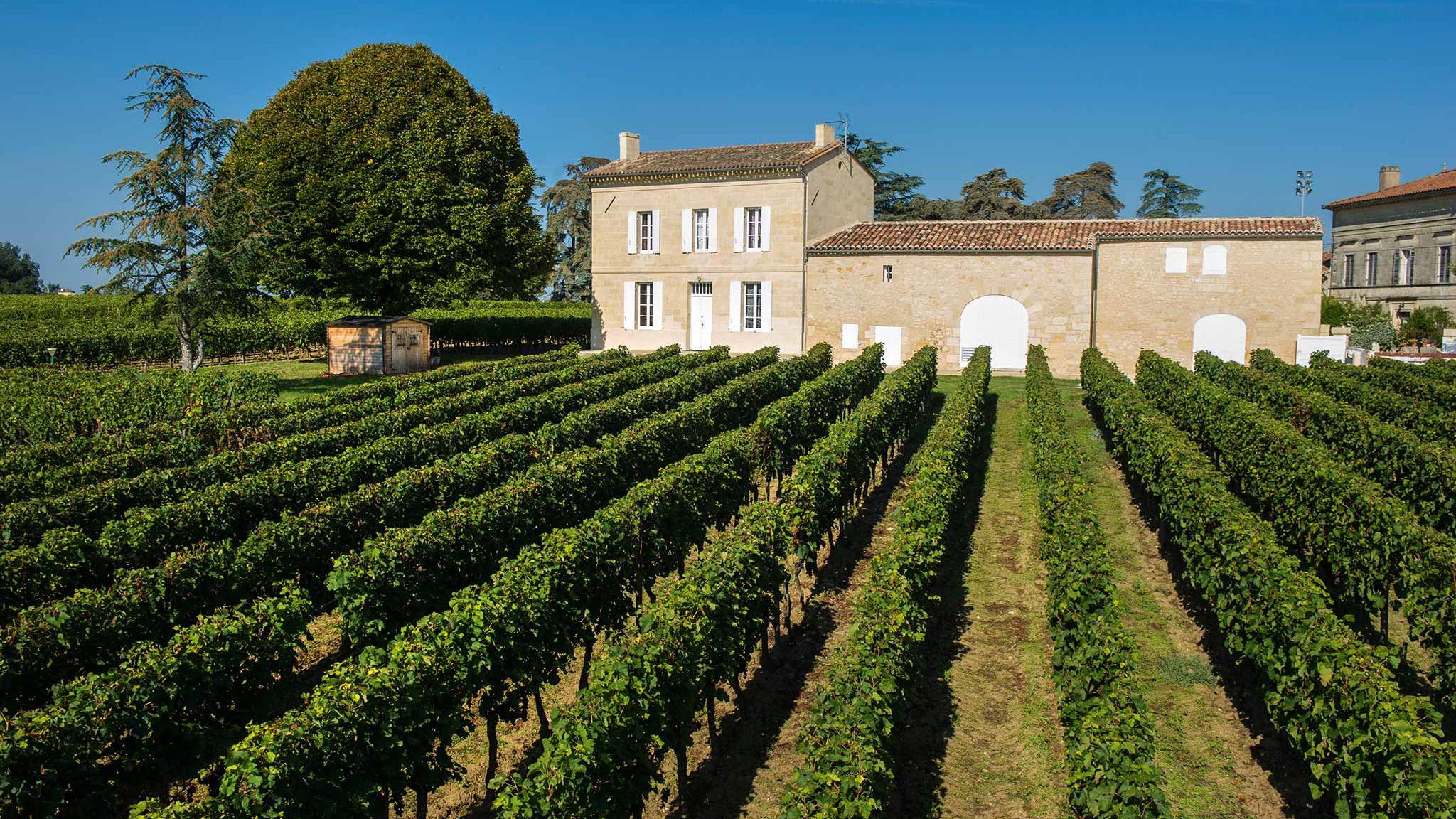 PingusRibera del DueroPingus is for serious Ribera del Duero collectors, not casual winery browsing. Book the pursuit if Peter Sisseck's producer name is the point of the trip; otherwise, use Arzuaga Navarro, Abadía Retuerta, or Vega Sicilia for a more rounded wine-day experience.
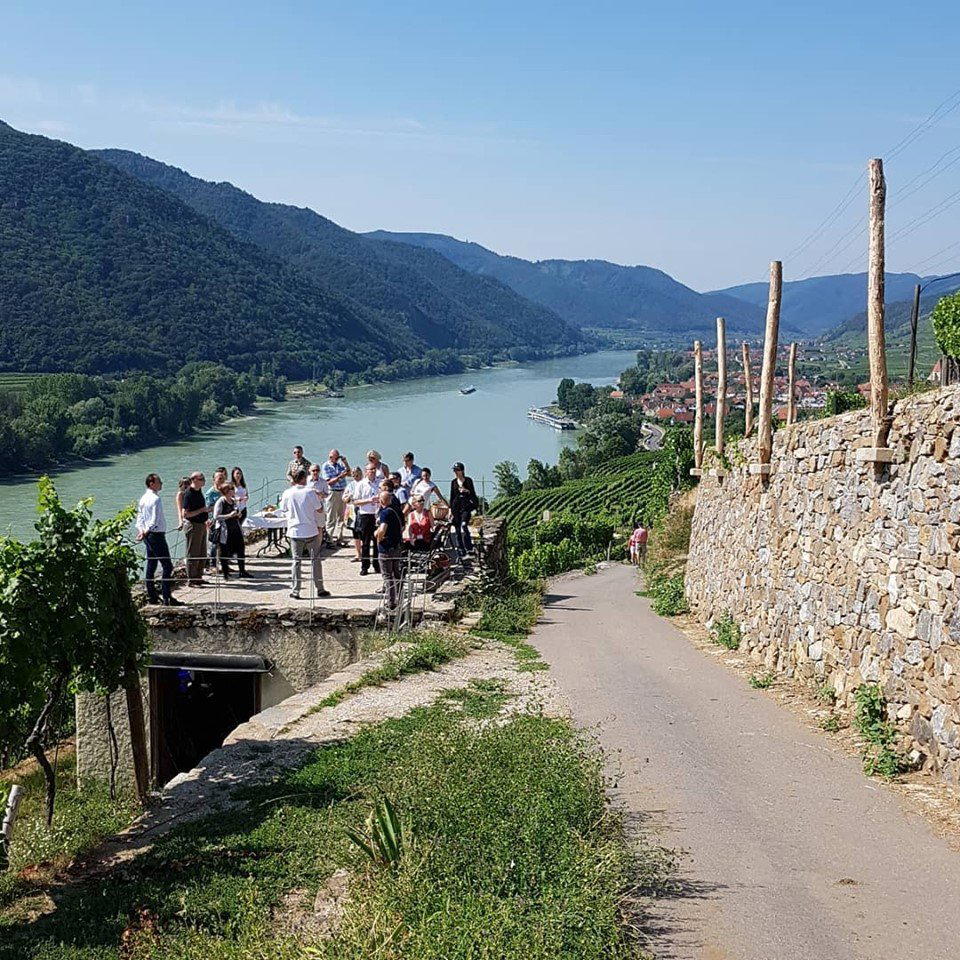 Weingut JamekJochingPrioritise Weingut Jamek if the trip is built around serious Wachau wine and selective bottle buying, not a casual tasting stop. Booking pressure makes it a risky anchor without a backup, but the value case is strong for visitors who want a quieter, credibility-led Joching winery experience.
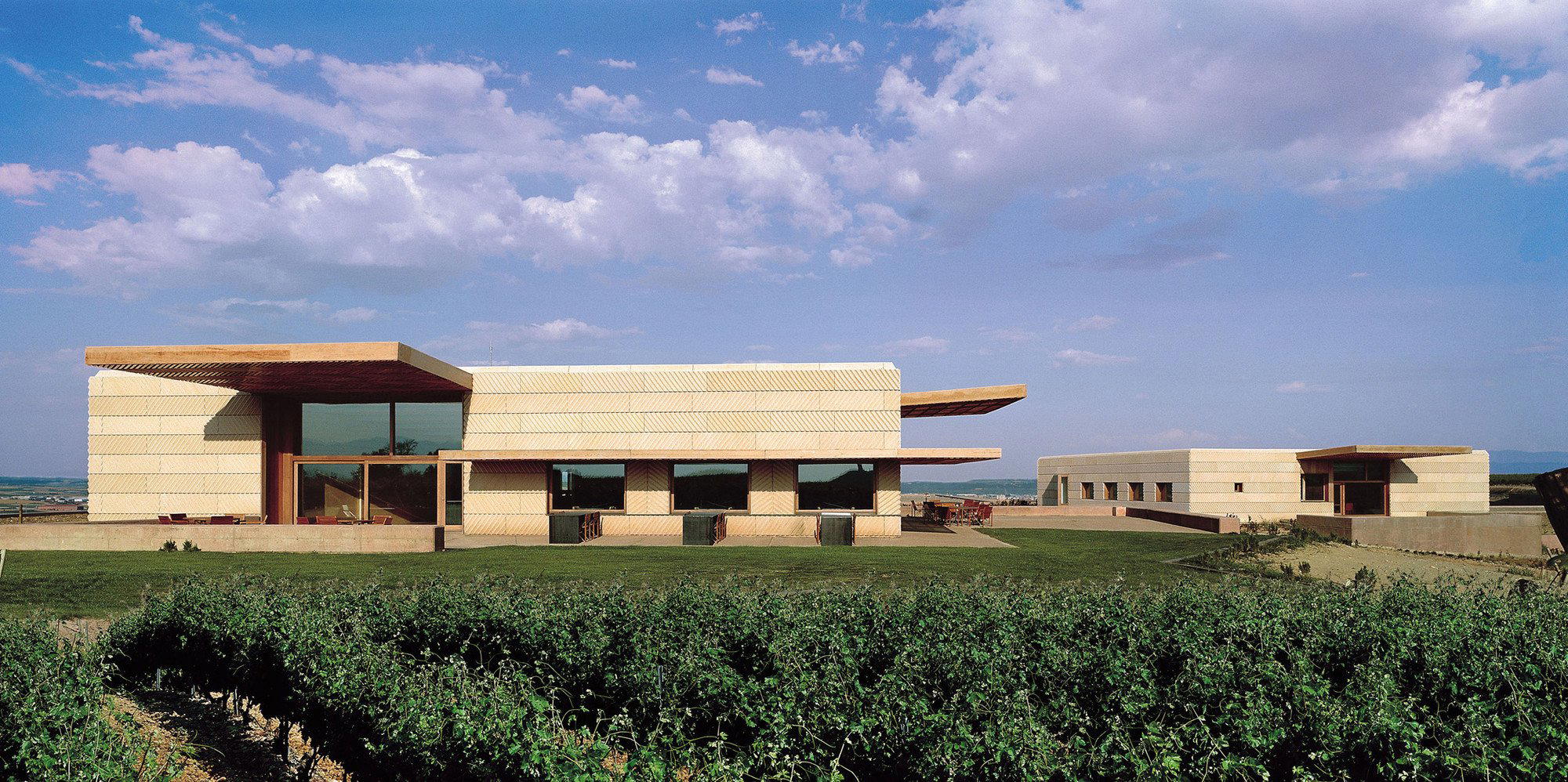 Campo ViejoLogroñoCampo Viejo is worth prioritizing if the aim is a structured Rioja winery stop in Logroño, especially as part of a food-and-wine weekend rather than a standalone meal plan. Treat the wine visit as the anchor and arrange restaurants, bars, and hotels around it; travelers wanting easier spontaneity should cross-shop Bodegas Franco-Españolas or Marqués de Murrieta.
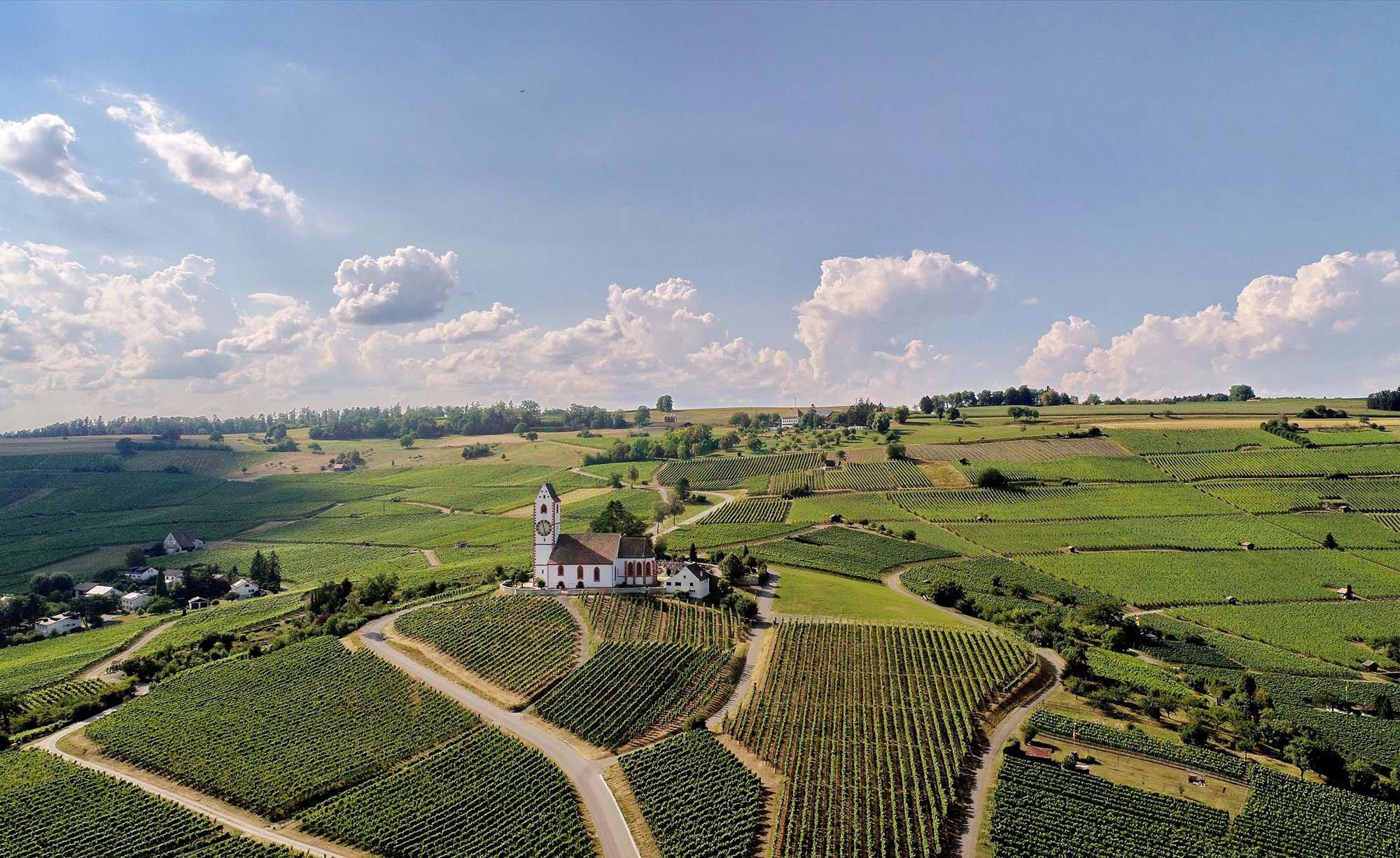 aagne weingutHallauBook aagne weingut only if wine is the main reason for the Hallau stop. The case for visiting is strongest for serious Swiss-wine buyers and celebration trips built around a focused tasting, with Falstaff 3 Stars in 2026 giving it a clear quality signal. Confirm logistics before planning around food, groups, or shipping.
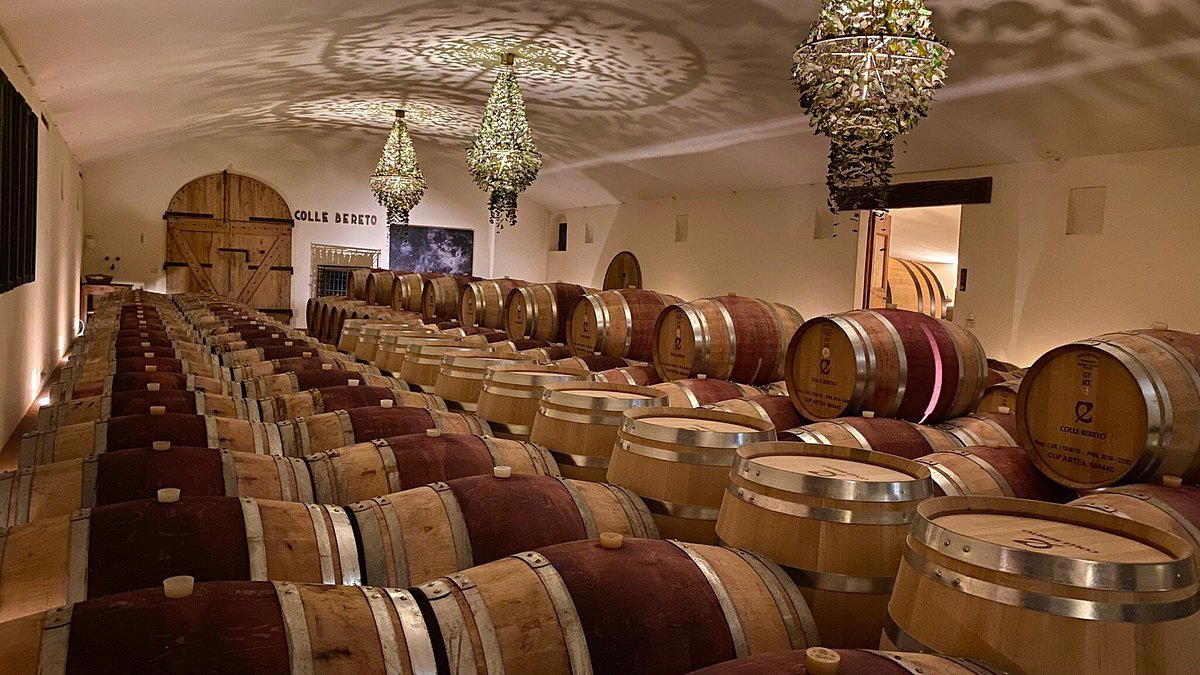 Azienda Agricola Colle BeretoRadda in ChiantiAzienda Agricola Colle Bereto is worth prioritizing in Radda if the goal is a polished Chianti Classico tasting rather than a quick cellar stop. The draw is the full portfolio, from Sangiovese-led labels to Pinot Noir, Merlot, Brut rosé, and white wine, plus historic brick cellars and quiet vineyard views that suit a special-occasion afternoon.