
Weingut Ebner-Ebenauer
Poysdorf
Winery in Poysdorf, Austria
 Book with Pearl
The Read
Loess-Driven Weinviertel Precision
Why go
Plan Weingut Ebner-Ebenauer as a serious Poysdorf winery stop, not a casual add-on. It is strongest for small groups, special occasions, and wine-focused itineraries where the cellar visit is the main event; if the group needs confirmed food service or flexible timing, compare nearby producers first.
About Weingut Ebner-Ebenauer
Weingut Ebner-Ebenauer is a Poysdorf venue with Pearl 2 Star Prestige recognition for 2025. It is best presented around its confirmed facts rather than as a restaurant, hotel, bar, or broader hospitality concept.
For visitors comparing options, keep the decision focused on the confirmed facts: the venue is in Poysdorf, the dress code is casual, and the recognition is Pearl 2 Star Prestige (2025). Details such as food service, visitor format, group capacity, prices, hours, and reservation requirements should be checked directly with the venue before making plans.
Plan it as a Poysdorf stop
Use Weingut Ebner-Ebenauer as part of a Poysdorf-focused itinerary if the recognition and location match your plans. Avoid building the day around assumptions about a tasting structure, meal, or specific visitor setup.
If you are comparing options, Weingut Dürnberg, Weingut Graf Hardegg, and Weingut R&A; Pfaffl are useful names to consider alongside Weingut Ebner-Ebenauer. Weingut Fritz Wieninger and Weingut Walter Wien Distillery may also be relevant for a wider Austria route, but they should not be treated as Poysdorf alternatives unless your itinerary extends beyond the city.
Who should choose it
Choose Weingut Ebner-Ebenauer if you want a Poysdorf venue with Pearl 2 Star Prestige recognition and a casual dress code. It is a better fit for travelers who are comfortable verifying practical details directly than for anyone who needs fully confirmed information on food, timing, group handling, or pricing before shortlisting a stop.
For a simple planning approach, separate what is confirmed from what still needs checking. The confirmed basics support considering it for a Poysdorf itinerary; the remaining details should be handled through the venue's own channels before you finalize the day.
The verdict: worth considering for a Poysdorf stop, especially if Pearl 2 Star Prestige recognition matters to your shortlist. Confirm the practical details directly before treating it as the anchor of a schedule.
Planning details
- Location
- Laaer Str. 5, 2170 Poysdorf
- Website
- ebner-ebenauer.at
- Phone
- +43 2552 2653
The take
The Take
The Vibe
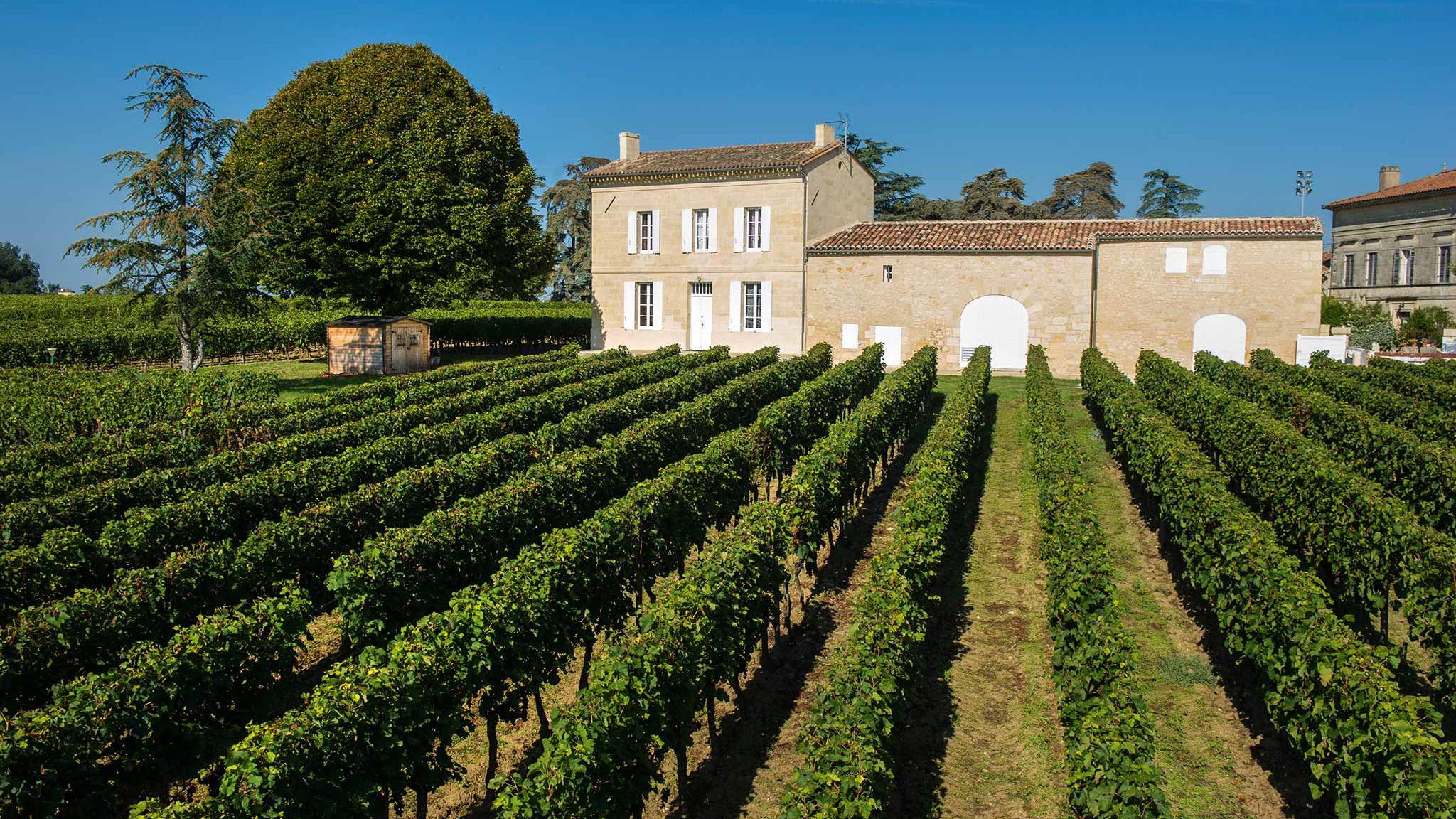
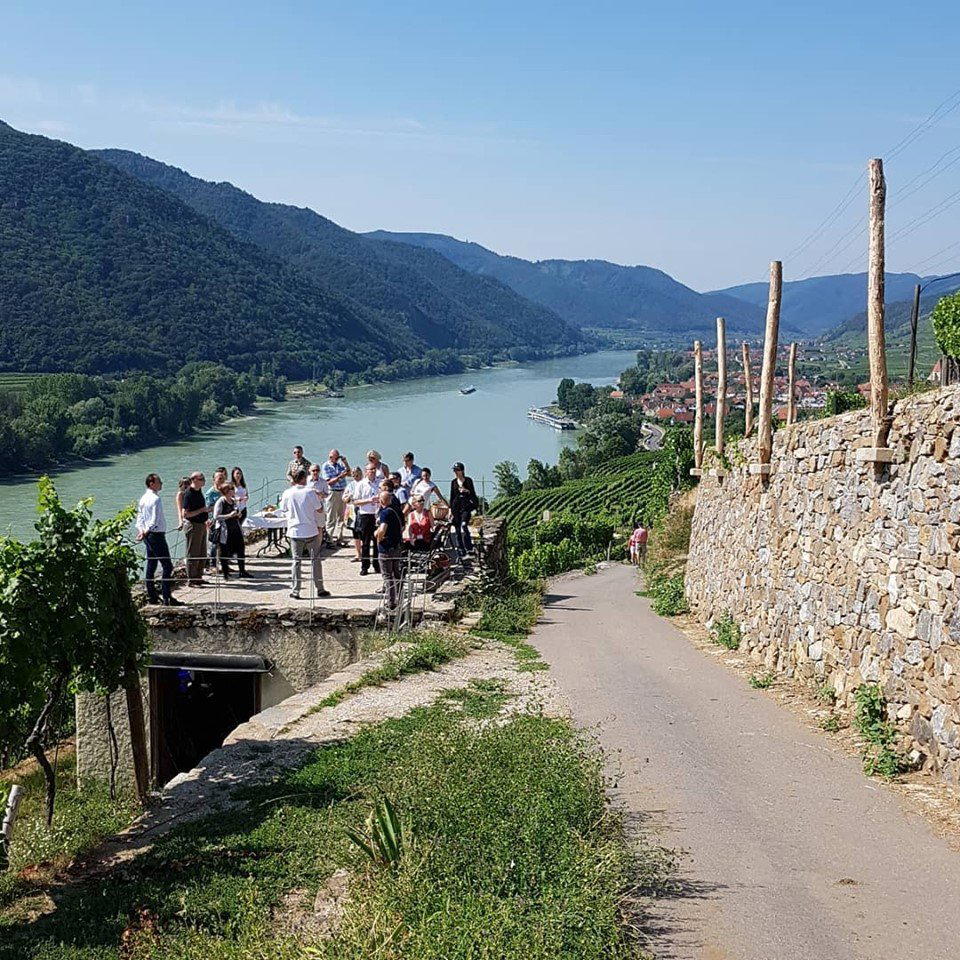
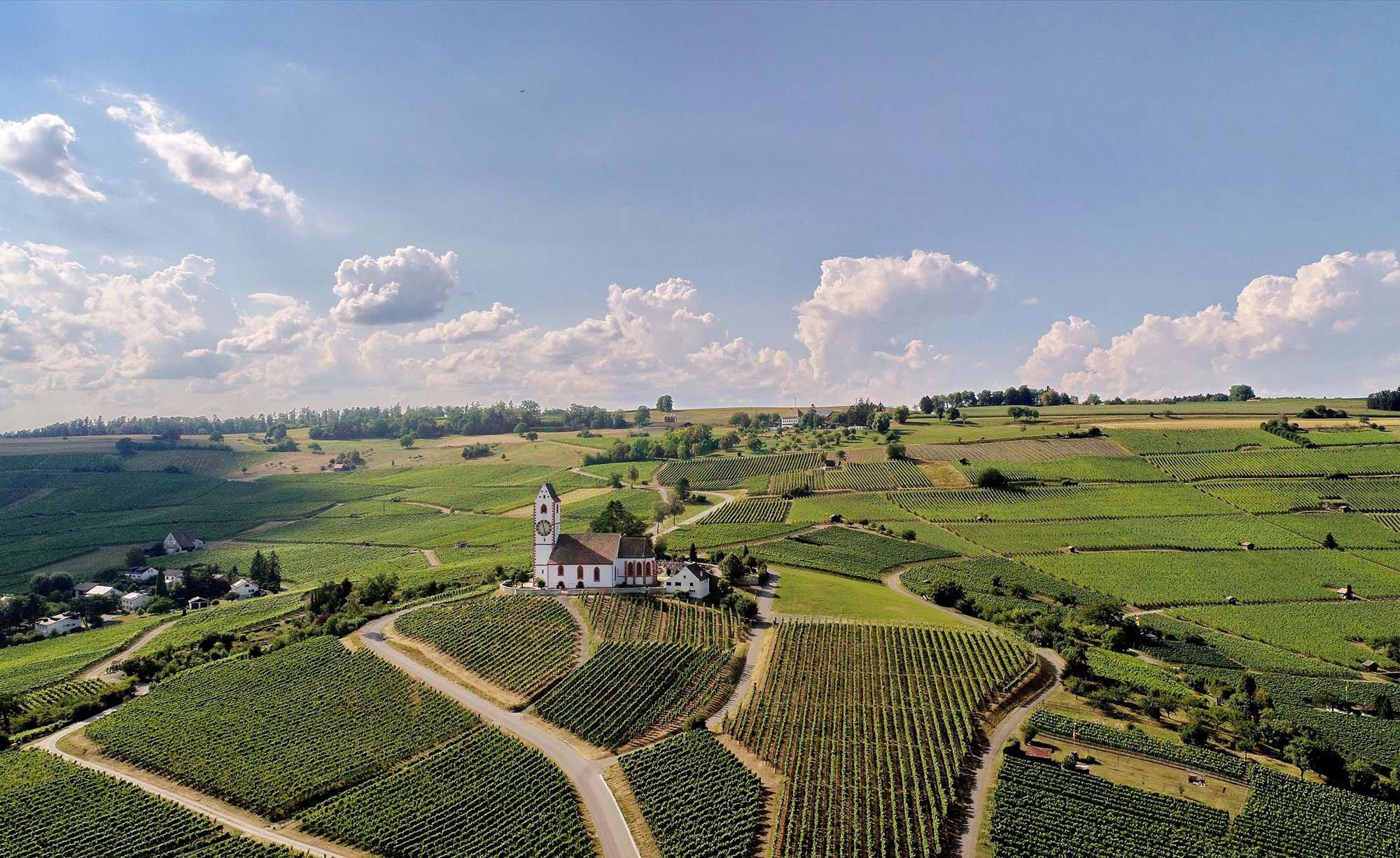
Weingut Ebner-Ebenauer reads as a quietly sophisticated country estate focused on terroir. The writing frames the producer as part of a regional reassessment — an estate that has earned a Pearl 2 Star Prestige designation and now stands among the Weinviertel’s more serious voices. The setting is open and unassuming: gently rolling ridgelines and wide skies, vineyards that shape the local rhythm and a northern edge to the wines. The result feels measured rather than flashy: wines that argue their case through texture, clarity and acidity rather than theatrical presentation.
Best For
This estate is most rewarding for serious wine-minded visitors: those interested in wine education, solo exploration and considered special occasions. The profile emphasizes terroir and stylistic clarity, so people who want to study Grüner Veltliner expressions from loess soils find rich material here. It also works well as a short escape from Vienna — the description notes it sits roughly an hour north of the city — making the winery a convenient weekend or day-trip destination for anyone seeking a quiet, focused tasting experience in the Weinviertel.
Tasting Tips
When visiting, prioritize the Grüner Veltliner and the estate-designated bottlings that speak to Poysdorf’s loess soils: the text highlights white-pepper notes, slatey minerality and mid-palate texture as regional signatures. Look for the house’s Pearl 2 Star Prestige releases as indicators of its top expressions. Plan tastings during daylight to appreciate the vineyard-dominated ridgelines and the broader landscape that shapes the wines. If you’re coming from Vienna, treat the visit as a short excursion — it’s about an hour’s drive and worth giving time to walk or view the surrounding vines while you taste.
Venue details
Ambiance
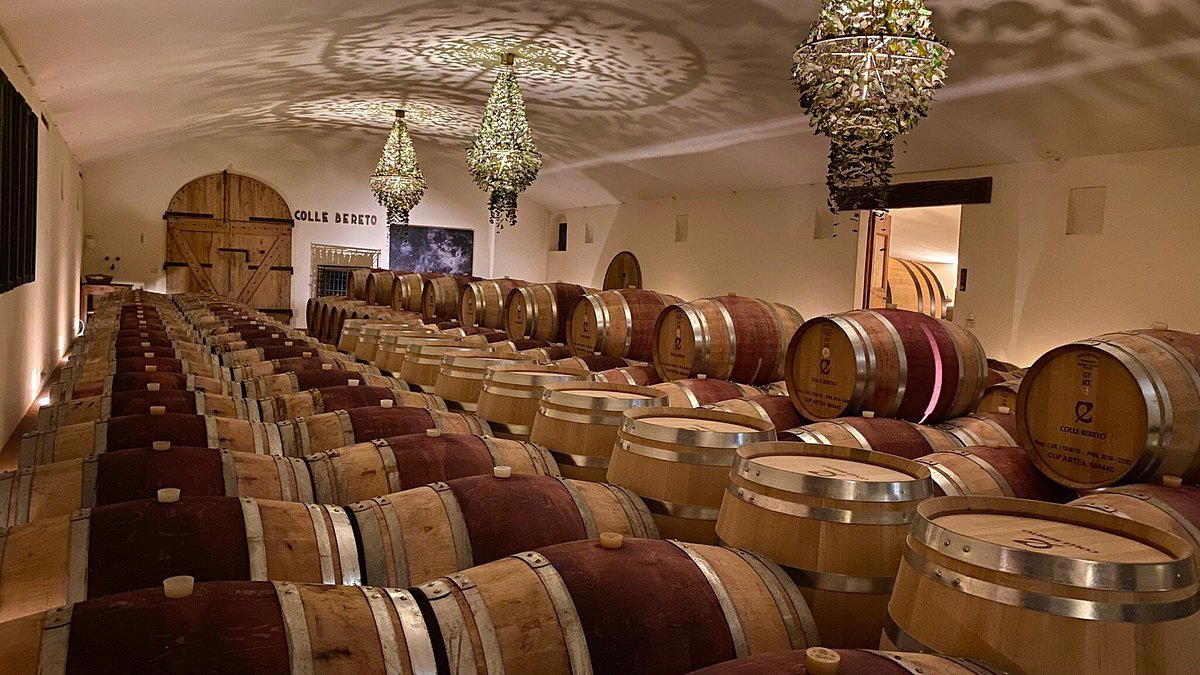
Traditional, historic underground cellar atmosphere with gentle, natural winemaking.
Tags
Vibe
Best For
Experience
Sourcing
View
At the Vineyard
- Appellation
- Weinviertel
- Varietals
- Grüner Veltliner, Chardonnay, Pinot Noir, Riesling, Zweigelt
- Tour Languages
- En
- Visits
- By appointment only
- Farming
- Biodynamic
- Wine Styles
- Still White, Still Red, Sparkling
- Wine Club
- Not available
Know before you go
Know Before You Go
- Getting there
- Laaer Str. 5, 2170 Poysdorf
Planning details
Location
Recognition and awards

Also consider
Where to look if this does not fit
If the timing does not work, start with Weingut Dürnberg for another winery-led option in the wider comparison set. For a route that needs easier city pairing, look at Weingut Fritz Wieninger instead.
Winery context
How it compares with nearby winery options
Choose Weingut Ebner-Ebenauer when the priority is a focused Poysdorf wine visit and the group is willing to plan ahead. Weingut Dürnberg is the cleaner cross-shop if the itinerary needs another regional winery option, while Weingut Graf Hardegg makes more sense for readers comparing a broader countryside stop rather than concentrating only on Poysdorf.
Weingut R&A Pfaffl is the practical alternative if the group wants a recognizable Weinviertel name to compare against. Weingut Fritz Wieninger and Weingut Walter Wien Distillery suit a more Vienna-linked drinks itinerary, especially if the day is split between wine and city logistics.
For value, the right choice depends on how much structure the group wants. Weingut Ebner-Ebenauer is the pick for a more deliberate wine appointment; the other names are better fallback options when timing, group size, or route planning matters more than centering the day on one Poysdorf producer.
Explore Poysdorf
Around this place
Discover more on Pearl
Unlock the full Weingut Ebner-Ebenauer guide in Pearl, including awards, comparisons, FAQs, planning details, and nearby places.
Compare Weingut Ebner-Ebenauer
| Venue | Location | Awards |
|---|---|---|
| Weingut Ebner-Ebenauer | Poysdorf | 2026 Falstaff Winery Guide |
| Weingut Dürnberg | Falkenstein | 2026 Falstaff Winery Guide |
| Weingut Graf Hardegg | Seefeld | No published awards |
| Weingut R&A Pfaffl | Stetten | 2026 Falstaff Winery Guide |
| Weingut Fritz Wieninger | Vienna | 2026 Falstaff Winery Guide |
| Weingut Walter Wien Distillery | Vienna | No published awards |
How Weingut Ebner-Ebenauer Poysdorf compares with similar nearby venues.
FAQ
Frequently Asked Questions
Can Weingut Ebner-Ebenauer handle large groups?
If you are planning for a larger party, contact Weingut Ebner-Ebenauer directly before making it part of the itinerary.
What other venues can I compare with Weingut Ebner-Ebenauer?
Weingut Dürnberg, Weingut Graf Hardegg, Weingut R&A; Pfaffl, Weingut Fritz Wieninger, and Weingut Walter Wien Distillery are useful comparisons for a broader shortlist. For a Poysdorf-only plan, compare Weingut Ebner-Ebenauer with other local options generically unless you have confirmed the geography of each stop.
Does Weingut Ebner-Ebenauer serve food?
Plan only on the confirmed basics: Weingut Ebner-Ebenauer is in Poysdorf, has a casual dress code, and holds Pearl 2 Star Prestige recognition for 2025. Check directly with the venue for the latest details.
What practical details should I confirm before visiting Weingut Ebner-Ebenauer?
Hours, prices, visitor format, and any booking requirements should be confirmed before finalizing plans.
What is Weingut Ebner-Ebenauer known for in this guide?
The recognition here is Pearl 2 Star Prestige for 2025. No specific products, menus, prices, or visitor formats are highlighted in this guide.
Do I need a reservation at Weingut Ebner-Ebenauer?
When is the best time to visit Weingut Ebner-Ebenauer?
Choose a time only after confirming current availability with the venue. The confirmed location is Poysdorf.