
Weingut Stadlmann
Traiskirchen
Winery in Traiskirchen, Austria
 Book with Pearl
The Read
Thermenregion Prestige Viticulture
Why go
Prioritize Weingut Stadlmann if you want a focused Traiskirchen winery stop and are comfortable planning around a harder-to-secure visit. It is a stronger fit for wine-led travelers than casual groups looking for easy walk-in logistics or a broad tasting-room setup.
About Weingut Stadlmann
Weingut Stadlmann is a Traiskirchen venue with Pearl 2 Star Prestige recognition for 2025. Beyond that recognition and a casual dress code, details are limited, so visitors should confirm directly before building an itinerary around it.
Travelers should consider it when they specifically want to include Weingut Stadlmann in a Traiskirchen plan and are comfortable checking practical details with the venue. Do not assume a published format, price, schedule, visitor program, or walk-in availability; these details should be confirmed through the venue's own channels before committing.
Choose this for a focused Traiskirchen stop, not a fully documented itinerary anchor
The practical value is strongest for travelers who already know they want Traiskirchen on the route and are willing to confirm the details before visiting. A visit here makes sense when Weingut Stadlmann itself is the reason for the stop, rather than when the group needs a broad, low-friction day with fully published logistics. If you want another name to compare while planning, Weingut Alphart is a natural reference point.
For travelers building a full day, use Traiskirchen planning resources as the main planning layer, then add meals, lodging, or other stops from Our full Traiskirchen restaurants guide or other Traiskirchen guides. If the trip is more about structured activities than a single venue visit, confirm available options directly before setting the schedule.
The decision comes down to effort versus certainty
This is worth pursuing when the group is comfortable confirming the essential details directly. It is not the right pick for visitors who need every planning point established in advance, because format, pricing, hours, and booking mechanics require direct confirmation. That does not make it a weak choice; it makes it a choice that needs direct confirmation.
If this cannot be arranged, compare other relevant names without assuming they offer the same type of visit. Weingut Alphart, Weingut Heinrich Hartl, and Weingut Familie Reinisch are useful comparisons. Weingut Christian Fischer Distillery and Ginmacher Distillery may also be worth checking separately depending on the kind of stop you want.
Planning details
- Location
- Wr. Str. 41, 2514 Traiskirchen
- Website
- stadlmann-wein.at
- Phone
- +43 2252 52343
The take
The Take
The Vibe
Weingut Stadlmann reads like an insider discovery: a functional, working estate set in the Thermenregion where the wines do the talking. The building and yard are deliberately prosaic, the kind of operational architecture that signals serious production rather than showy hospitality. Long local histories and an earned Pearl 2 Star Prestige recognition give the place a quietly assured air; it feels both rooted in regional tradition and carefully high-achieving. Visits here register as authentic and purposeful — low-key, resolutely unsentimental, and ultimately about the craft and pedigree of the wines themselves.
Best For
This is a stop for people who care about regional identity and quality: wine students, committed enthusiasts, and travelers who prefer discovery over spectacle. The estate’s framing of Thermenregion varieties makes it a natural fit for wine-education outings and solo exploration by people who want to trace local grape stories. With its recognized Prestige status, it also suits special-occasion purchases or tastings for those seeking highly regarded local bottlings rather than tourist-focused experiences.
Tasting Tips
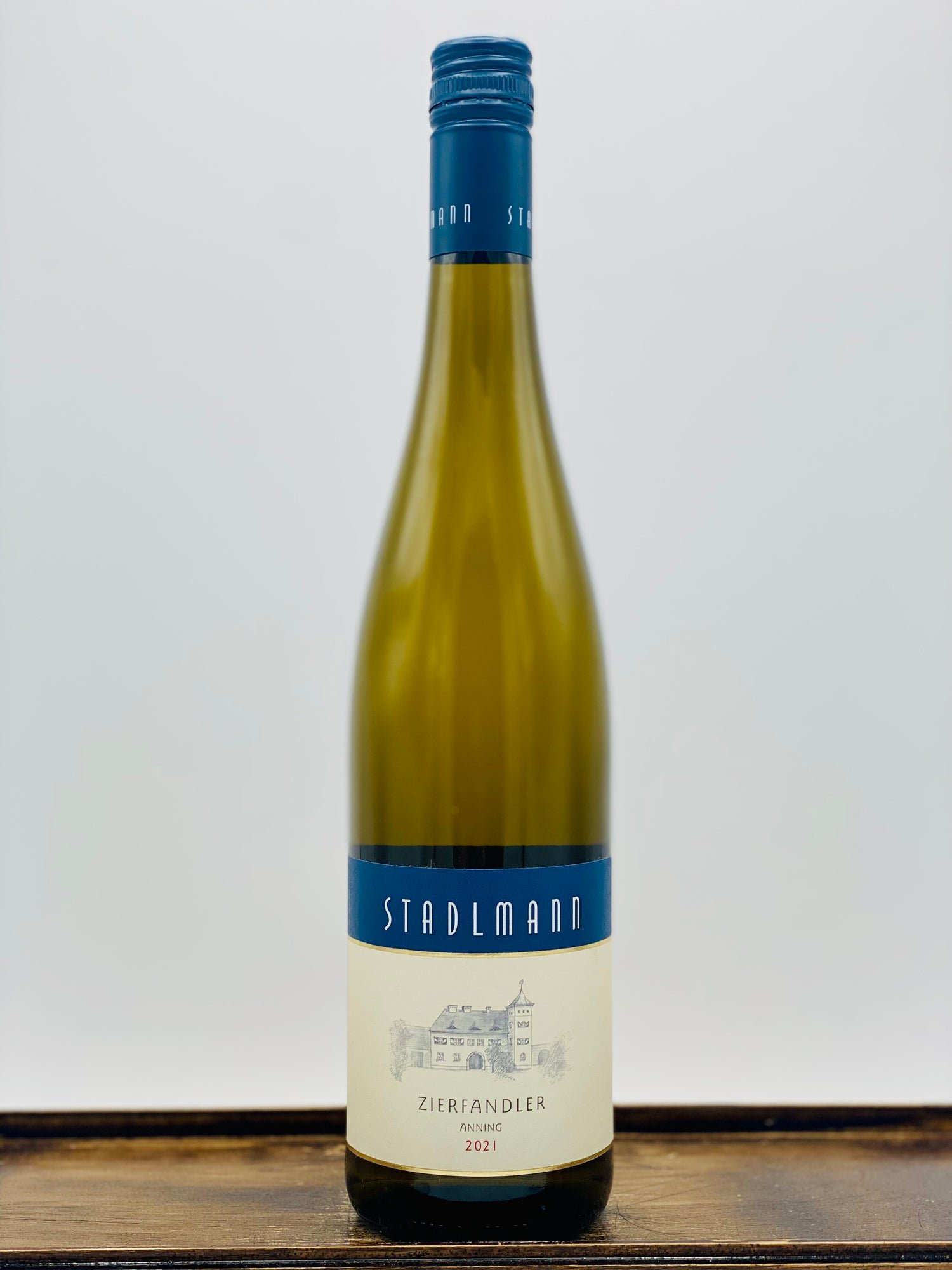
Focus on the region’s signature varieties when engaging with Stadlmann’s portfolio: the text highlights Zierfandler and Rotgipfler as defining grapes of the Thermenregion. Look for the estate’s higher-tier, Pearl-recognized bottlings to sample the wines that earned critical distinction. Because the address reads as a working winery rather than a visitor showcase, prioritize tasting or purchasing estate-labelled wines that reflect the vineyard and cellar work rather than expecting a theatrical tourist tasting program.
Venue details
Ambiance
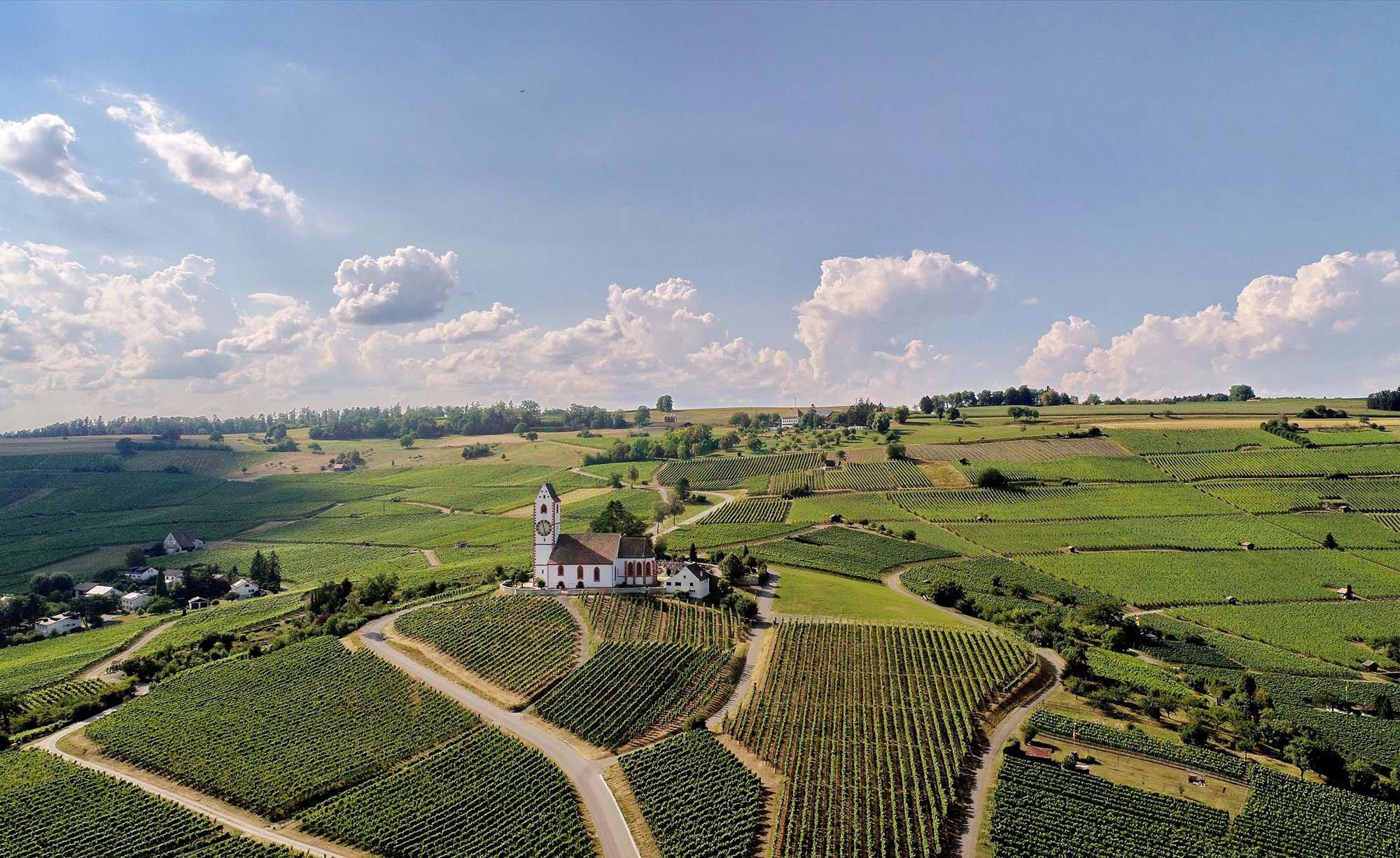
Traditional and serene with focus on terroir-driven wines aged in large neutral oak, evoking rustic elegance amid limestone hillside vineyards.
Tags
Vibe
Best For
Experience
Sourcing
View
At the Vineyard
- Appellation
- Thermenregion
- Varietals
- Rotgipfler, Zierfandler, Grüner Veltliner, Weißburgunder, Pinot Noir
- Tour Duration
- 60-90 minutes
- Tour Languages
- German
- Visits
- By reservation
- Farming
- Organic
- Wine Styles
- Still White
- Wine Club
- Not available
Know before you go
Know Before You Go
- Getting there
- Wr. Str. 41, 2514 Traiskirchen
Planning details
Location
Recognition and awards

Also consider
Also Consider
- Weingut Alphart, Notable alternative
- Weingut Heinrich Hartl, Notable alternative
- Weingut Familie Reinisch, Notable alternative
- Weingut Christian Fischer Distillery, Notable alternative
- Ginmacher Distillery, Notable alternative
Winery context
How It Compares
Among Traiskirchen-area options, Weingut Stadlmann is the pick for travelers who want the wine appointment to be the anchor of the day and are willing to trade convenience for focus. Weingut Alphart is the closest practical cross-shop in town, and it is the first place to check if staying within Traiskirchen matters more than chasing the hardest booking.
Weingut Heinrich Hartl and Weingut Familie Reinisch make more sense when the group can travel outside the immediate town and wants a broader comparison set. Choose those when flexibility matters; choose Stadlmann when the priority is a more targeted winery visit.
For mixed groups, Weingut Christian Fischer Distillery and Ginmacher Distillery are the better alternatives if spirits will keep more people engaged. They are not like-for-like winery swaps, but they can be easier to sell to a group that wants variety over a wine-only itinerary.
Explore Traiskirchen
Around this place
Discover more on Pearl
Unlock the full Weingut Stadlmann guide in Pearl, including awards, comparisons, FAQs, planning details, and nearby places.
Compare Weingut Stadlmann
| Venue | Location | Awards |
|---|---|---|
| Weingut Stadlmann | Traiskirchen | 2026 Falstaff Winery Guide |
| Weingut Alphart | Traiskirchen | 2026 Falstaff Winery Guide |
| Weingut Heinrich Hartl | Oberwaltersdorf | 2026 Falstaff Winery Guide |
| Weingut Familie Reinisch | Tattendorf | 2026 Falstaff Winery Guide |
| Weingut Christian Fischer Distillery | Sooß | 2026 Falstaff Winery Guide |
| Ginmacher Distillery | Brunn am Gebirge | No published awards |
How Weingut Stadlmann Traiskirchen compares with similar nearby venues.
FAQ
Frequently Asked Questions
What other venues are useful to compare with Weingut Stadlmann?
Weingut Alphart, Weingut Heinrich Hartl, and Weingut Familie Reinisch are relevant comparisons to check while planning. You can also compare Weingut Christian Fischer Distillery or Ginmacher Distillery separately.
Is there a membership or regular-purchase option at Weingut Stadlmann?
Information about a membership, allocation, or regular-purchase offering is not provided, so do not assume one is available. Confirm any such arrangement directly with Weingut Stadlmann and compare your options with other names such as Weingut Alphart and Weingut Familie Reinisch.
Do I need a reservation at Weingut Stadlmann?
Reservation requirements are not provided. Because format, hours, and visitor arrangements require direct confirmation, contact Weingut Stadlmann directly before planning a structured visit to Traiskirchen.
Does Weingut Stadlmann offer shipping or delivery?
Shipping or delivery options are not provided. Use the venue's direct contact channels to confirm whether any purchase or delivery arrangement is available before planning around it.
How long should I plan for a visit to Weingut Stadlmann?
A specific visit length is not provided. Plan only after confirming the available format directly with Weingut Stadlmann, especially if you are pairing it with other stops in Traiskirchen.
When is the best time to visit Weingut Stadlmann?
Specific visiting hours or best times are not provided. Choose a time only after confirming current availability with Weingut Stadlmann and fitting it into your Traiskirchen itinerary.