
Romano Dal Forno
Cellore d'Illasi
Winery in Cellore d'Illasi, Italy
 Book with Pearl
The Read
Appassimento-Driven Precision
Why go
Romano Dal Forno is the Cellore d'Illasi choice for collectors who care more about bottle reputation and depth than easy access. It is better treated as a planned special-occasion winery visit than a casual Veneto stop, with Pieropan, Prà, or Gini making more sense for a lighter Soave-led day.
About Romano Dal Forno
Romano Dal Forno in Cellore d'Illasi is listed with a smart casual dress code and Pearl 2 Star Prestige recognition for 2025. Beyond those points, this guide should be treated as a concise planning note rather than a source for unconfirmed details about format, pricing, hours, access, or specific offerings.
For any visit, base practical arrangements on the venue's current official information. The location is Cellore d'Illasi; no street address or more specific location detail is confirmed here.
Worth considering for a Cellore d'Illasi plan
The strongest confirmed reason to place Romano Dal Forno on a premium itinerary is its Pearl 2 Star Prestige recognition for 2025. The guide does not verify a specific service format, menu, tasting structure, product focus, price, opening schedule, or reservation policy, so avoid building plans around those details unless you have confirmed them directly.
The smart casual dress code is the only style guidance. For a polished visit, dress accordingly and confirm all timing and access details before you go.
Who should compare it with other premium venues
If you are comparing premium names, consider Romano Dal Forno alongside Bertani, Gini, Giuseppe Quintarelli, Pieropan, and Prà. Use those comparisons for broad itinerary planning, but confirm each venue's location, access, hours, and current visitor arrangements separately.
For other dining or hospitality options in Cellore d'Illasi, compare generically by convenience, timing, and current availability rather than relying on assumptions about Romano Dal Forno's service format.
Quick reference: Romano Dal Forno is a Cellore d'Illasi venue with a smart casual dress code and Pearl 2 Star Prestige recognition for 2025; other practical details should be confirmed directly before planning around them.
Planning details
- Location
- d'Illasi, Località Lodoletta, 1, 37031 Cellore VR
- Website
- dalfornoromano.it
- Phone
- +39 045 783 4923
The take
The Take
The Vibe
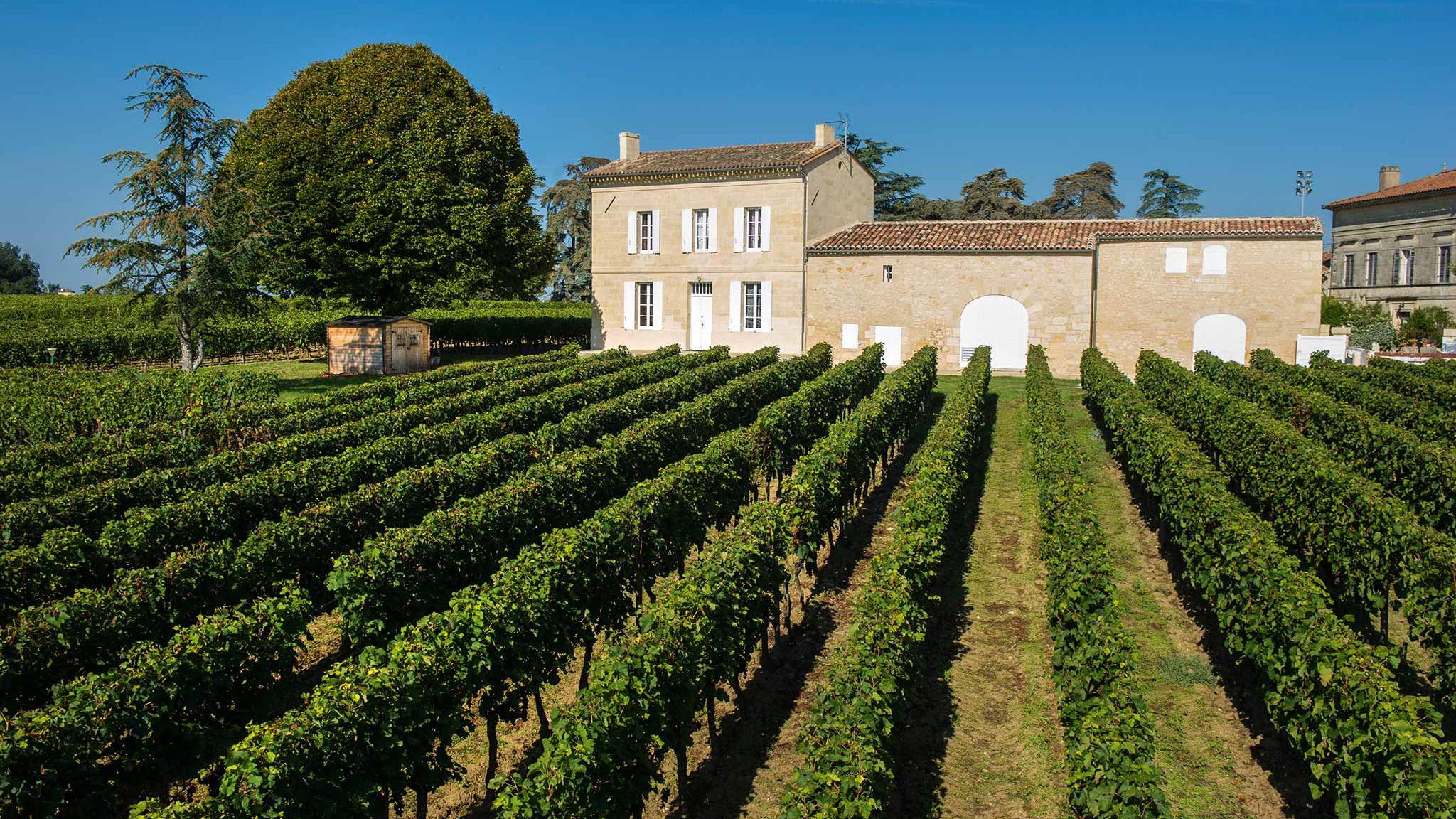
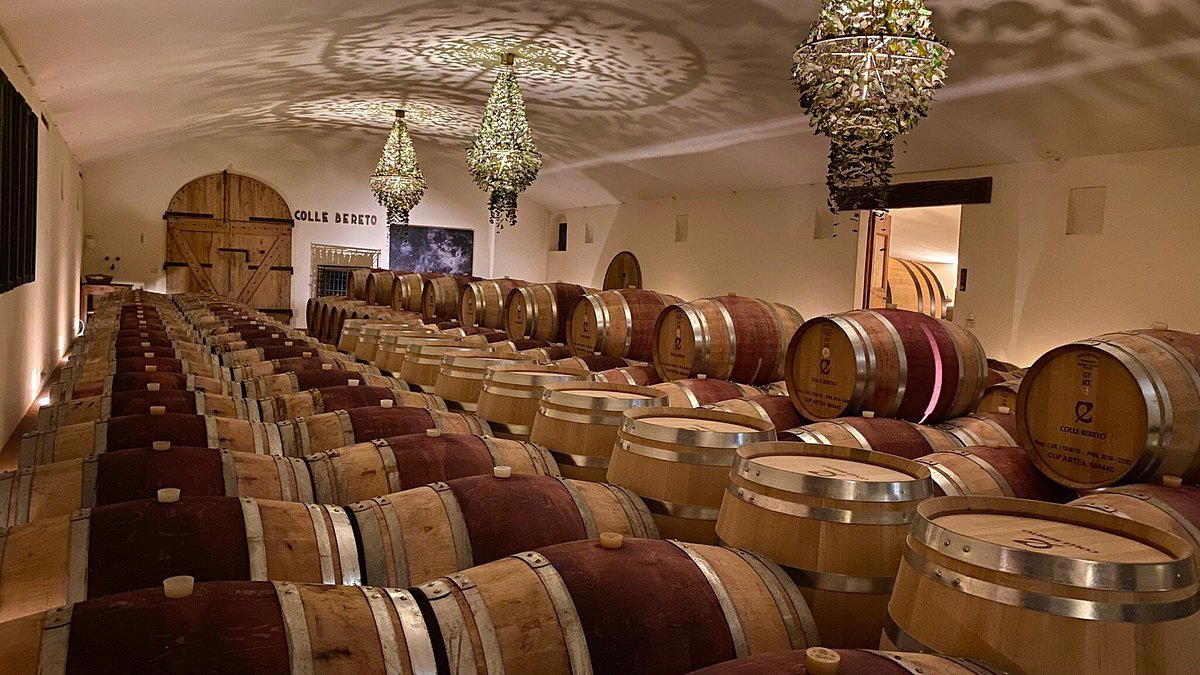
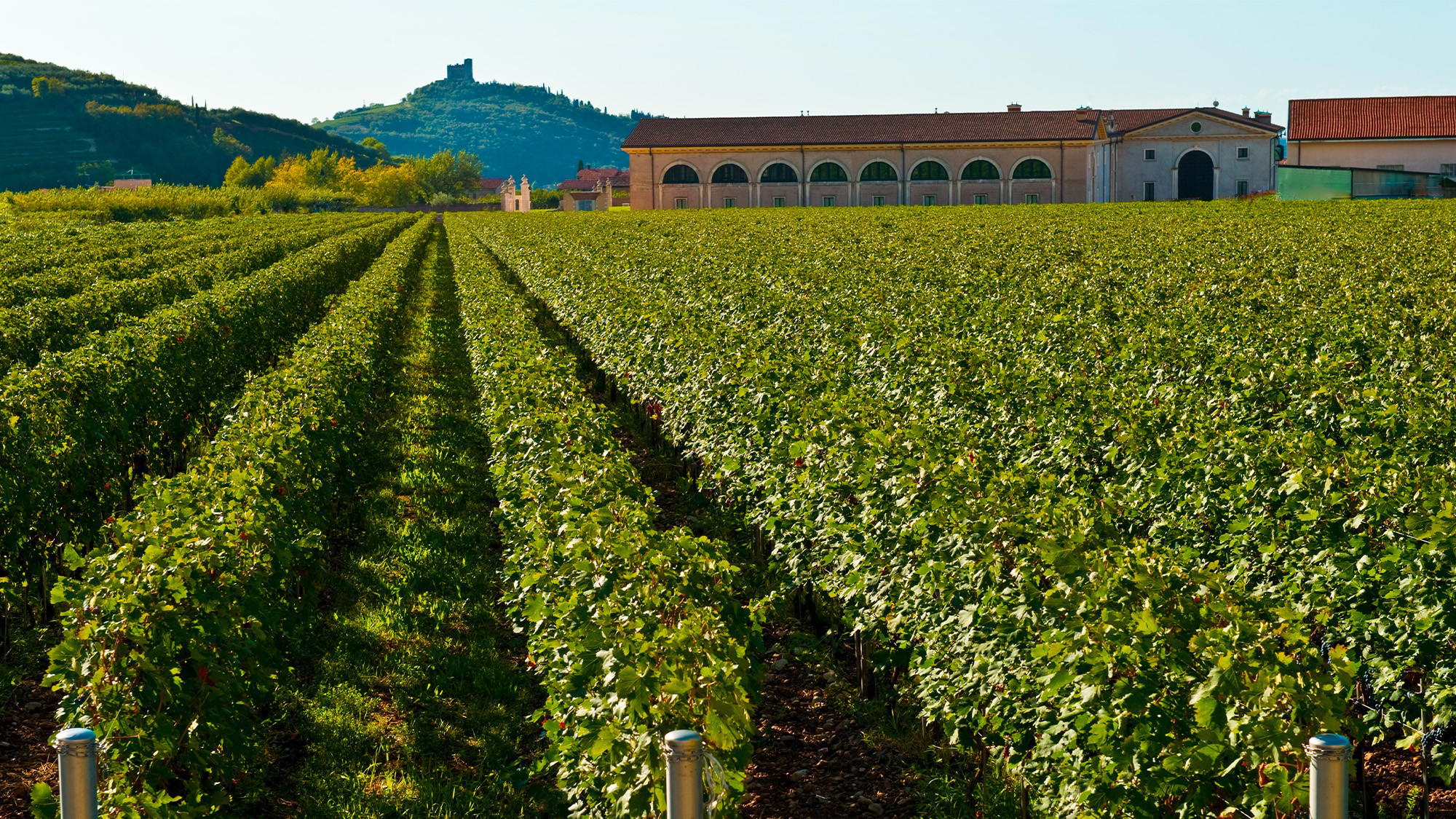
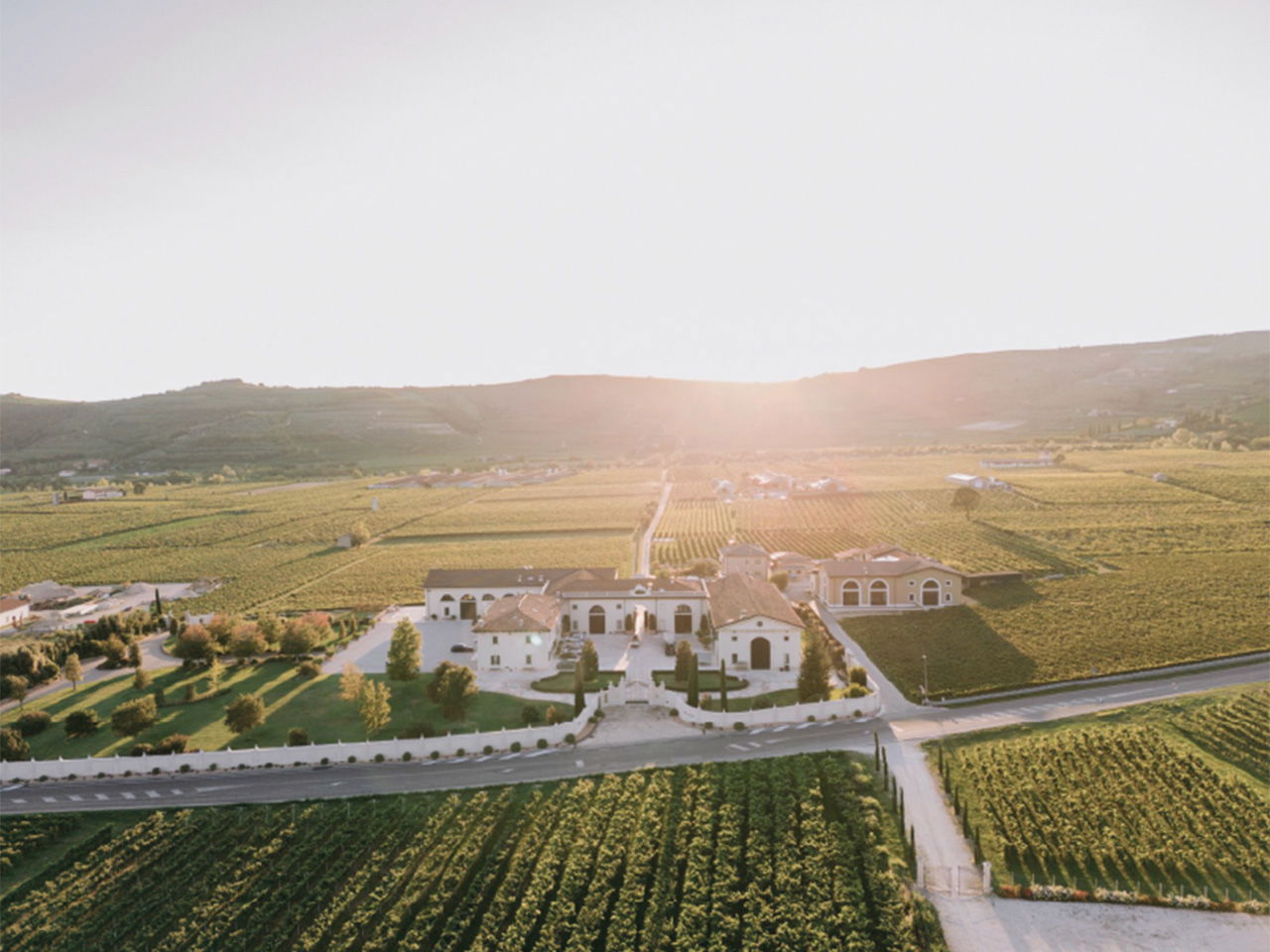
Romano Dal Forno presents a terroir-first personality rooted in steep Valpolicella hillsides. The description emphasizes concentrated, demanding viticulture in the Illasi Valley—glacial moraine over limestone and basalt—that forces deep roots, low yields and intense extraction. The winery reads as a place that prioritizes structure and mineral presence over high-volume production, with an aesthetic strongly tied to Amarone and the appassimento drying technique. The writing frames the operation as a serious, vineyard-driven producer whose wines speak of place and patience rather than casual, crowd-pleasing immediacy.
Best For
This winery suits visitors and buyers who want to study serious Amarone and terroir-driven Valpolicella. The account of extended appassimento, significant weight loss in dried grapes and structural concentration makes it an apt destination for wine education, collectors and special-occasion purchases. Tastings reward attention to variety and technique—Corvina, Corvinone and companions—as well as patience, since the text stresses that these wines have the density and phenolic mass to age for decades. It is a place to explore winemaking method and the ways hillside vineyards shape concentration and longevity.
Tasting Tips
When seeking bottles from Romano Dal Forno, focus on Amarone and vintages that showcase appassimento. Ask producers or retailers about the drying timeline and typical weight loss during appassimento—those specifics explain concentration and tannic structure. Compare multiple vintages to see how extended aging softens tannin and develops complexity; the notes stress that these wines can age for decades. If building a cellar allocation, prioritize releases known for ageability. For tastings, look to taste examples that highlight Corvina and Corvinone to understand how the steep, well-drained vineyards inform the wines described.
Venue details
Tags
Vibe
Best For
Experience
View
At the Vineyard
- Appellation
- Amarone della Valpolicella DOCG
- Varietals
- Corvina, Corvinone, Rondinella, Oseleta, Croatina
- Visits
- By appointment only
- Wine Styles
- Still Red
- Wine Club
- Available
Know before you go
Know Before You Go
- Getting there
- d'Illasi, Località Lodoletta, 1, 37031 Cellore VR
Planning details
Location
Recognition and awards

Also consider
If this is not workable
Try Bertani if the group needs a broader Veneto reference point and a less specialist feel. Try Pieropan if the day would work better around Soave, lighter wines, and an easier pairing with nearby white-wine producers.
Winery context
How it compares with nearby Veneto winery choices
Romano Dal Forno is the splurge-minded, access-sensitive pick in this set. Choose it when the trip is built around serious Amarone and cellar value rather than convenience. Pieropan, Prà, and Gini are better fits for a Soave-focused day where the experience should feel lighter, easier to sequence, and less dependent on collector-level interest.
Bertani is the safer choice for travelers who want a broader Veneto name and a less niche decision. Romano Dal Forno is the stronger call when the priority is intensity and reputation within structured red wine, but it asks more from the planner. If the group includes casual drinkers, Bertani will usually be the less risky booking.
Giuseppe Quintarelli is the closest peer for a high-recognition Valpolicella trip. If both are realistic, choose based on access and itinerary flow: Quintarelli for a cult-estate focus, Romano Dal Forno for a collector visit anchored by power, concentration, and long-cellar appeal.
Explore Cellore d'Illasi
Around this place
Discover more on Pearl
Unlock the full Romano Dal Forno guide in Pearl, including awards, comparisons, FAQs, planning details, and nearby places.
Compare Romano Dal Forno
| Venue | Location | Awards |
|---|---|---|
| Romano Dal Forno | Cellore d'Illasi | 2026 Falstaff Winery Guide |
| Pieropan | Soave | 2026 Falstaff Winery Guide |
| Prà | Monteforte d'Alpone | 2026 Falstaff Winery Guide |
| Gini | Monteforte d'Alpone | 2026 Falstaff Winery Guide |
| Bertani | Grezzana | 2026 Falstaff Winery Guide |
| Giuseppe Quintarelli | Negrar | 2026 Falstaff Winery Guide |
How Romano Dal Forno Cellore d'Illasi compares with similar nearby venues.
FAQ
Frequently Asked Questions
When is the best time to visit Romano Dal Forno?
What other venues should I compare with Romano Dal Forno?
For broader comparison, consider Bertani, Pieropan, Prà, Gini, and Giuseppe Quintarelli. Confirm each venue's current access, location, and visiting arrangements separately.