
Szent Donát Winery
Csopak
Winery in Csopak, Hungary
 Book with Pearl
The Read
Balaton Hillside Terroir
Why go
Szent Donát Winery is the Csopak pick for a wine-first visit, especially if the goal is to understand which local bottles are worth buying rather than just adding a scenic tasting. Booking looks difficult, so plan around it early and cross-shop Jásdi Winery if you need another Csopak option.
About Szent Donát Winery
Szent Donát Winery is a winery in Csopak with a casual dress code and Pearl 2 Star Prestige recognition for 2025. Consider it when you are specifically planning a visit to Szent Donát Winery in Csopak, and confirm menus, prices, tasting formats, hours, and bottle selections directly with the venue.
Book this as a Csopak winery and confirm the details directly
Szent Donát Winery's profile is concise: it is in Csopak, the dress code is casual, and it holds Pearl 2 Star Prestige recognition for 2025. If you are organizing a wider visit, use that information as the anchor and confirm practical details before arranging the rest of the day.
For value, the key question is not a published price or package, because those details are not provided here. The safer approach is to decide whether Szent Donát Winery fits your Csopak plans, then confirm current availability and visit format directly with the venue before committing.
What first-timers should expect from the decision
The advantage here is clarity about the essentials, not an abundance of operational detail. Szent Donát Winery is a Csopak winery with casual dress and Pearl 2 Star Prestige recognition in 2025. Beyond that, specifics such as menu structure, tasting format, individual wines, prices, and timing should be confirmed directly.
Cross-shopping should stay focused and accurate. For other winery options to consider, compare Szent Donát Winery with Bujdosó Winery, Figula Winery, Homola Pincészet, Ikon Winery, and Jásdi Winery, or look at other dining in Csopak generically without assuming they offer the same experience.
Verdict: consider Szent Donát Winery if you want a Csopak winery with Pearl 2 Star Prestige recognition and a casual dress code. Before planning around it, verify the current practical details directly with the venue.
Planning details
- Location
- Csopak, Szitahegyi u. 28, 8229
- Website
- stdonat.hu
- Phone
- +36 20 352 5560
The take
The Take
The Vibe
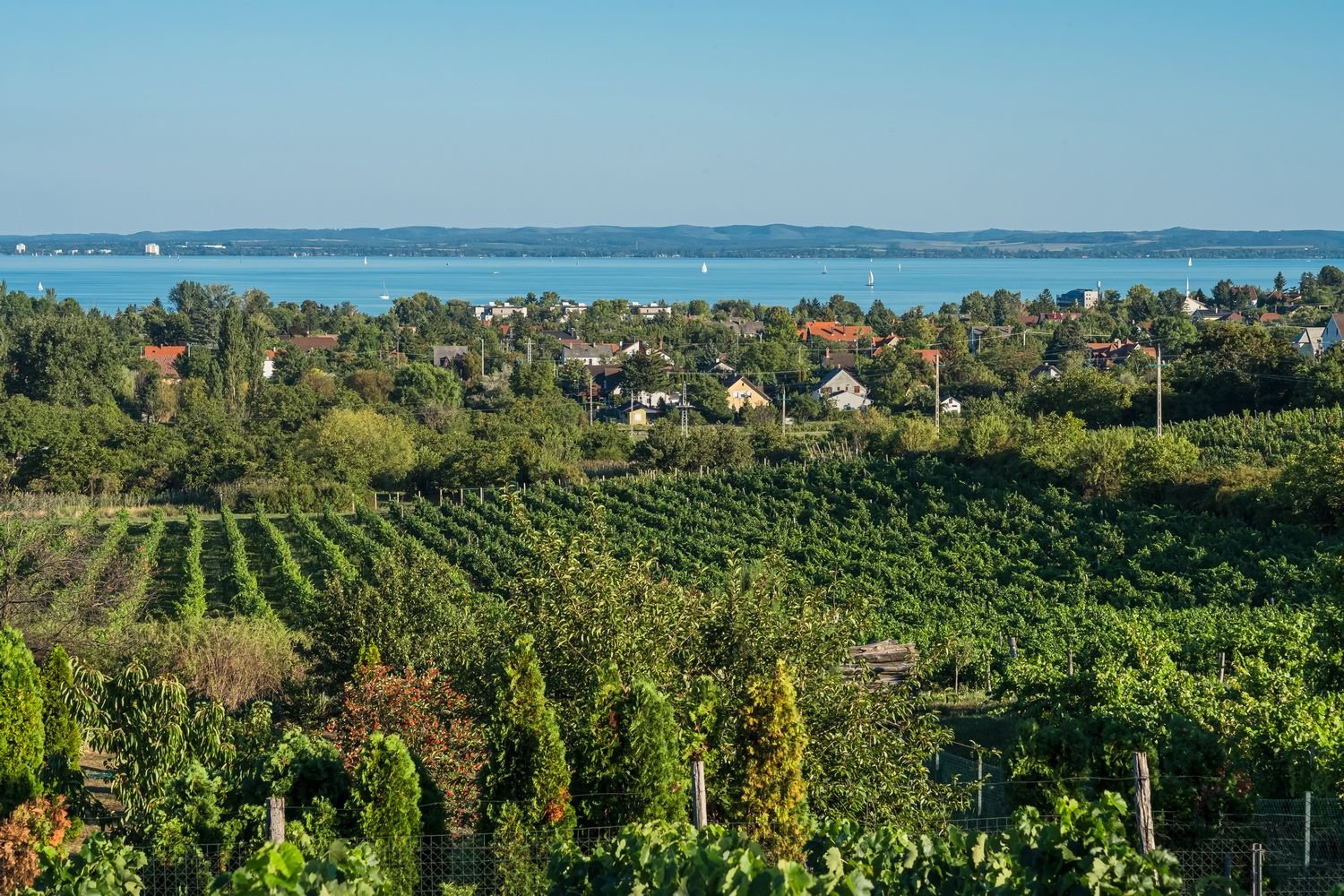
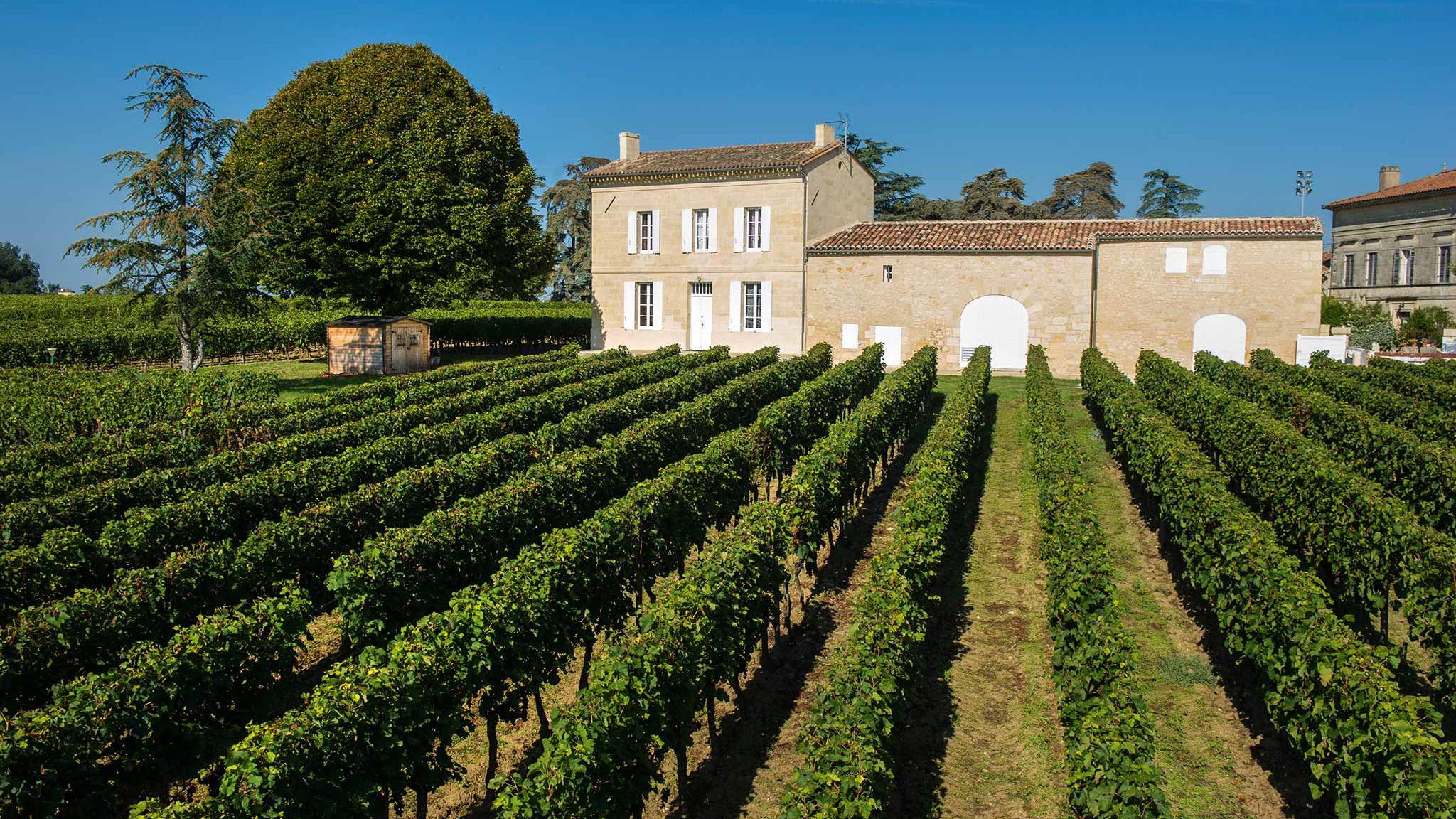
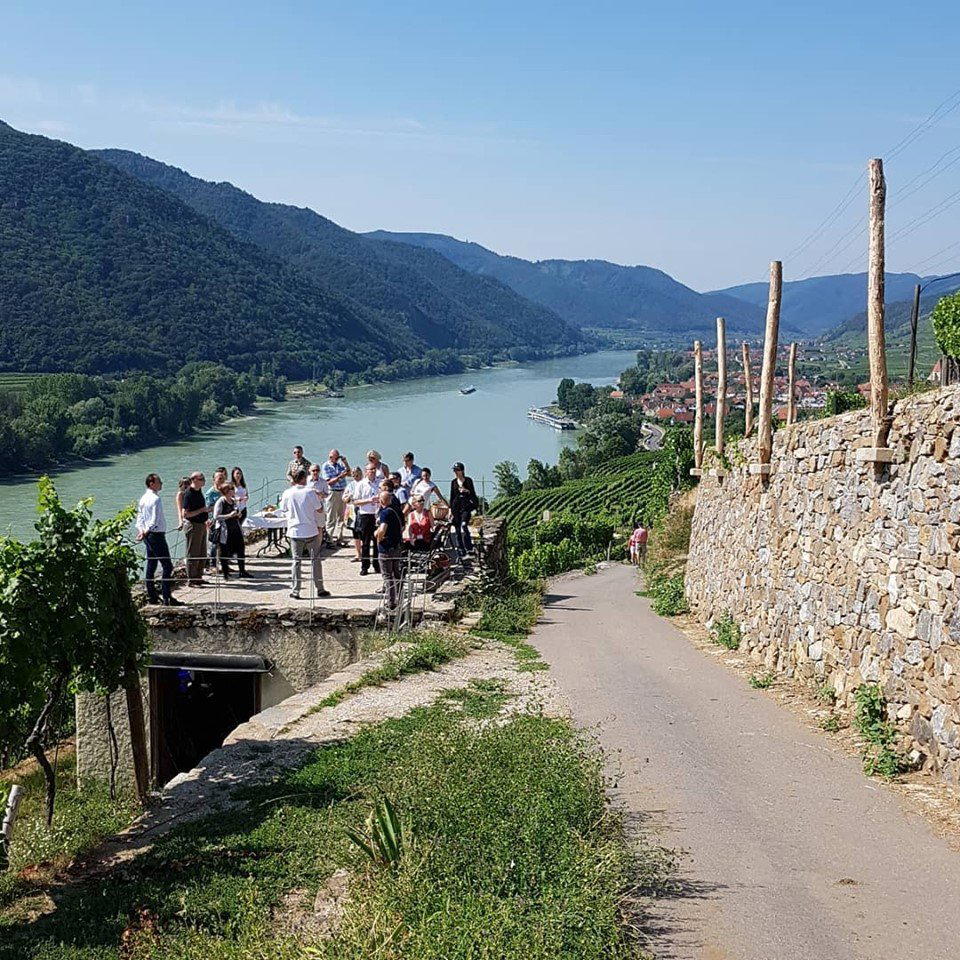
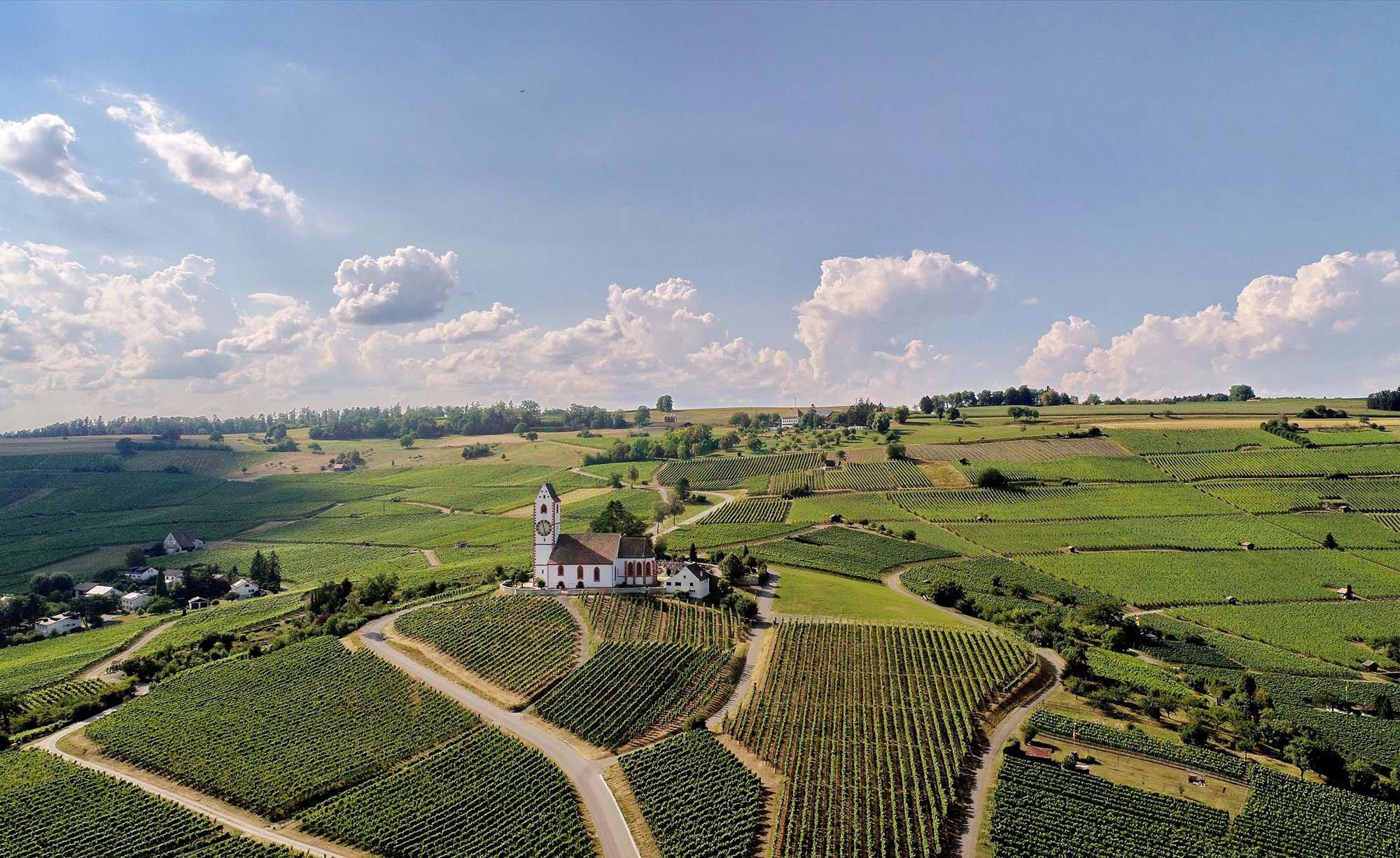
Szent Donát Winery presents itself as a hillside, terroir-first estate where the landscape is the principal actor. The basalt and red sandstone soils, the slope of Szitahegy and the lake’s reflective influence are foregrounded; the writing emphasizes structural acidity, slow-building texture and a mineral thread in the wines. The property reads as a working vineyard rather than a flashy showpiece: rows of vines orient the approach, and the overall impression is focused, quiet and deliberately small-scale. Visitors encounter a sense of discipline and place — the winery feels scenic, rustic and intimate, with the land shaping every bottle.
Best For
This estate is best for people who want to learn why Csopak matters. The copy frames Szent Donát as a site-specific producer, making it well suited to wine-education visits where terroir and vineyard practice are the focus. It also rewards slow, solitary exploration — walking the hillside and reading soils and aspect clarifies what the wines are trying to say. The combination of a compact estate, scenic lakeside setting and an intimate scale makes it a quiet option for couples seeking a low-key romantic escape grounded in place-based tasting.
Tasting Tips
When you visit, center your tasting on the estate’s Olaszrizling from Szitahegy and ask specifically about the hill’s soils and aspect — the profile is driven by basalt and red sandstone and the lake’s moderating effect. Mention the Pearl 2 Star Prestige recognition and ask which bottlings reflect that consistent quality across vintages. If available, request a walk among the vineyard rows or a close read of site-specific cuvées so you can compare how slope and exposure influence acidity and texture; these details are the point of a visit here.
Venue details
Ambiance
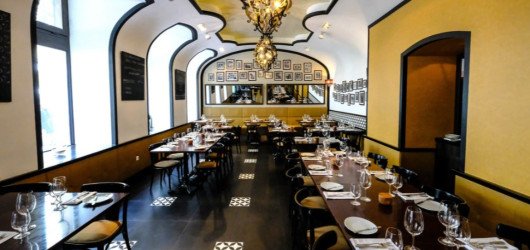
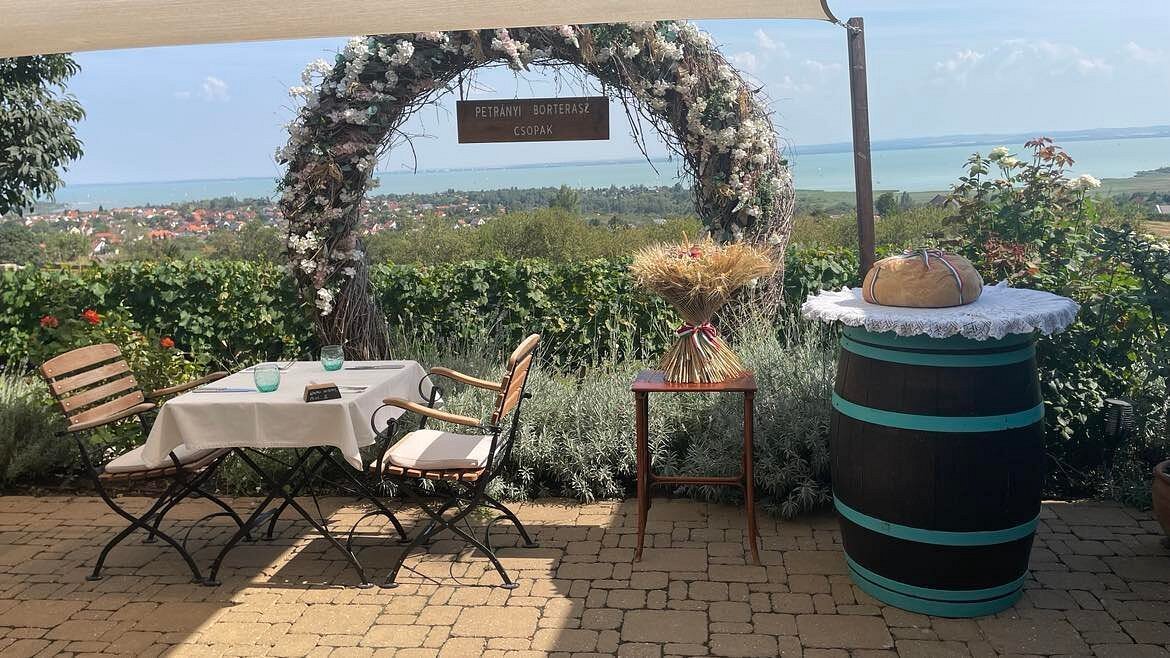
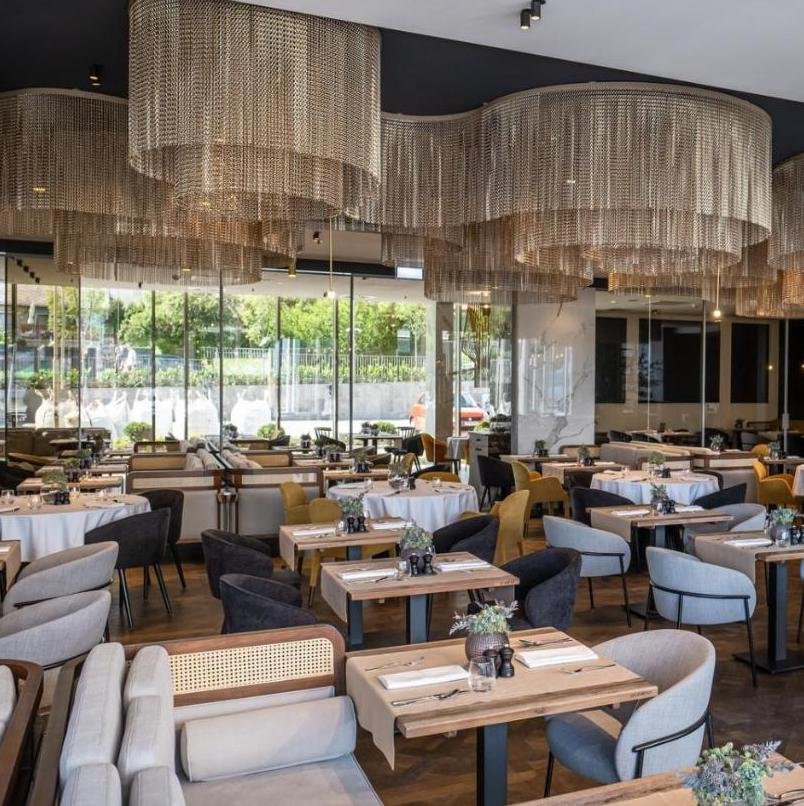
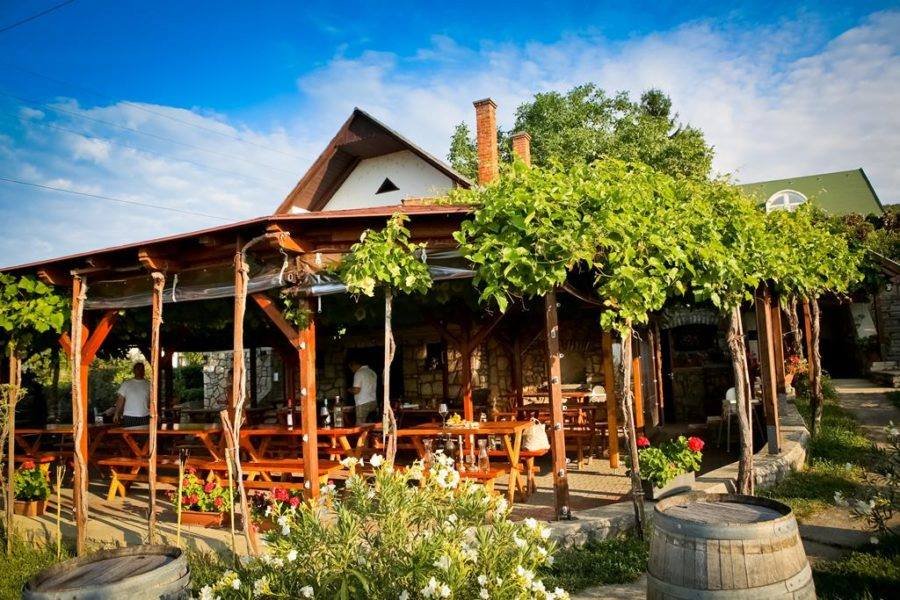
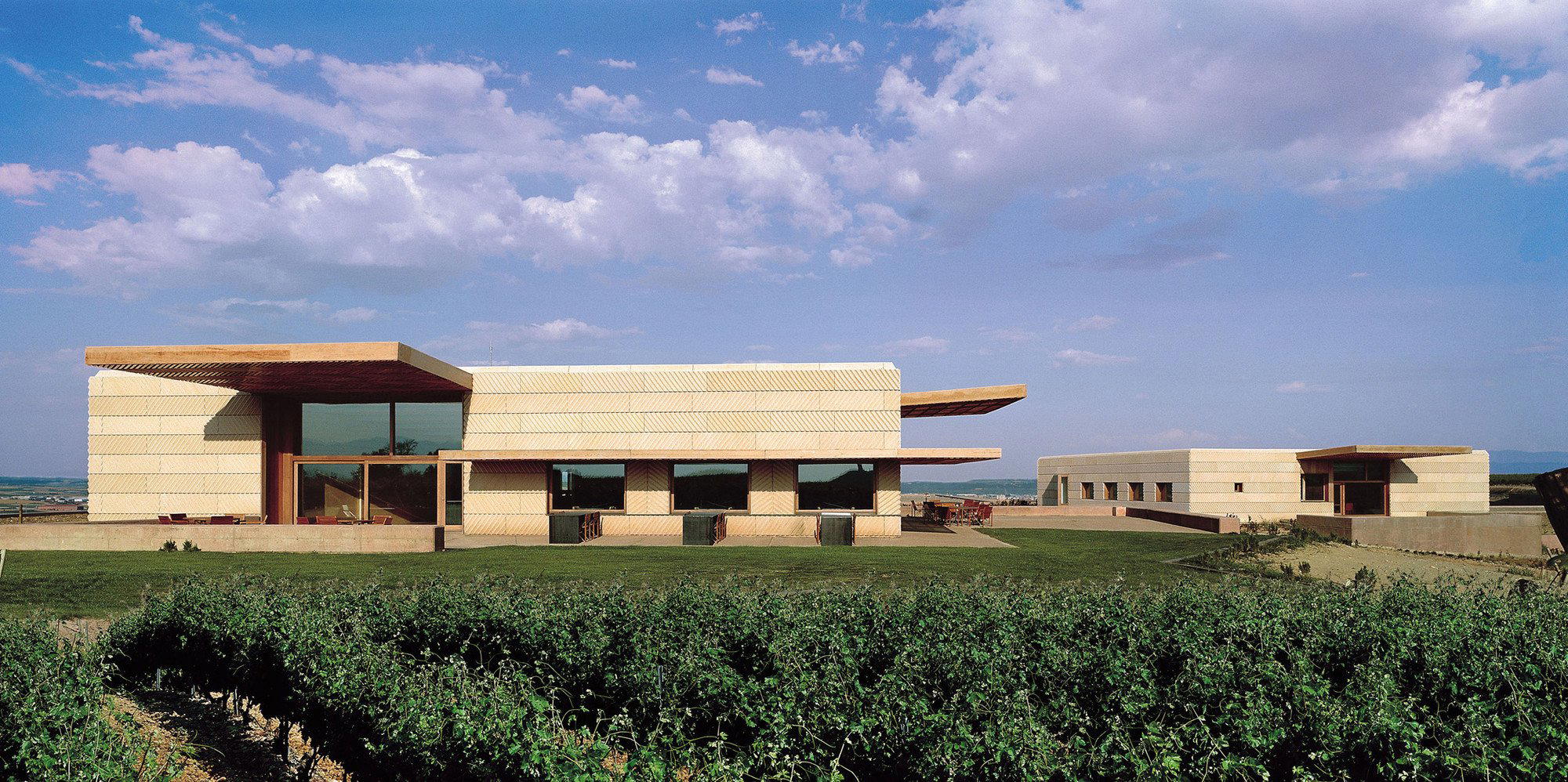
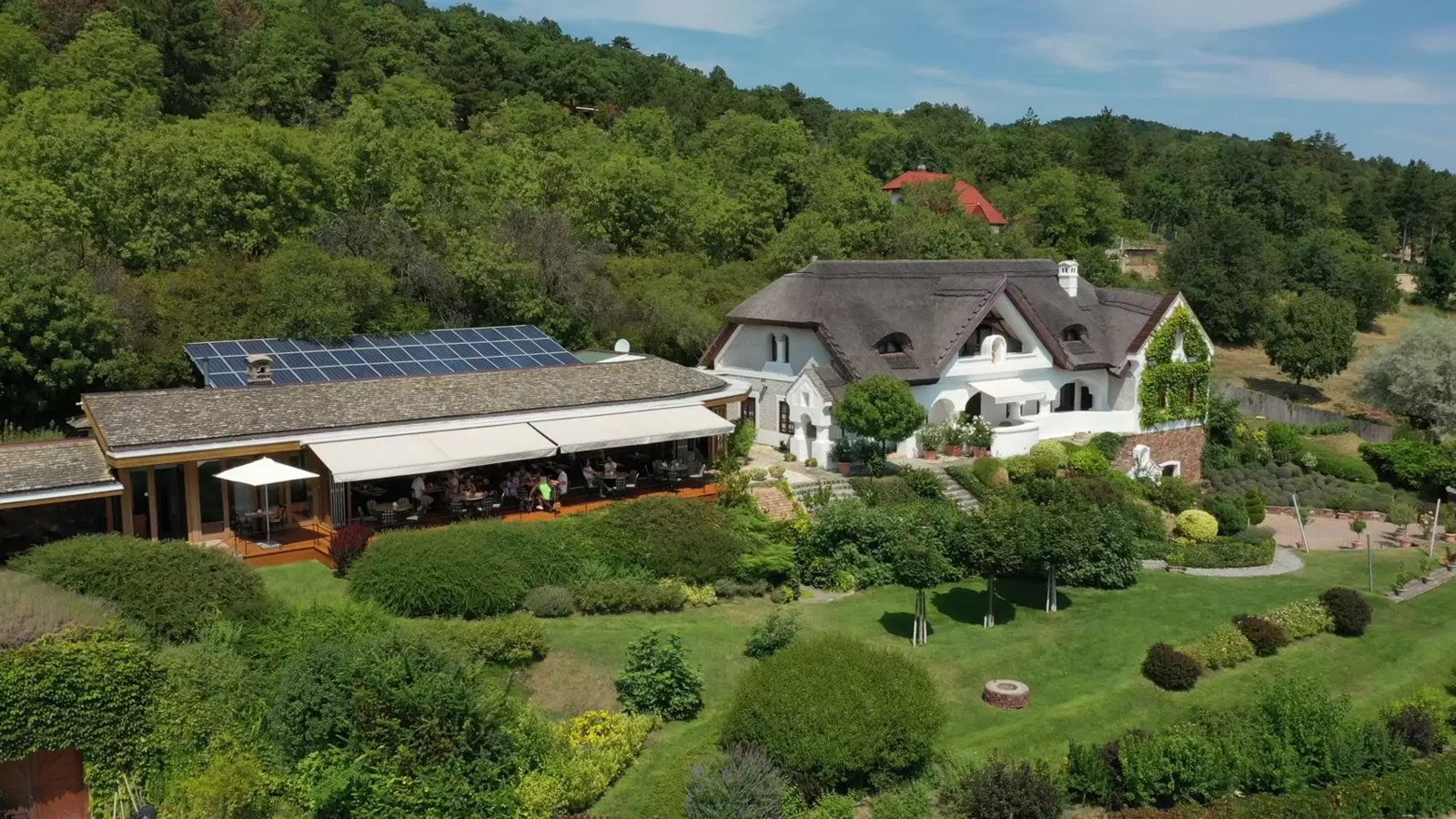
Scenic terrace with stunning Lake Balaton views, relaxed summer atmosphere in a modern winery building.
Tags
Vibe
Best For
Experience
Sourcing
View
At the Vineyard
- Appellation
- Balatonfüred-Csopak
- Varietals
- Olaszrizling, Kékfrankos, Furmint
- Wine Club
- Not available
Know before you go
Know Before You Go
- Getting there
- Csopak, Szitahegyi u. 28, 8229
Planning details
Location
Recognition and awards

Also consider
Also Consider
- Jásdi Winery, Notable alternative
- Homola Pincészet, Notable alternative
- Figula Winery, Notable alternative
- Ikon Winery, Notable alternative
- Bujdosó Winery, Notable alternative
Winery context
How It Compares
Szent Donát Winery is the stronger choice if the visit is meant to be a focused Csopak wine assessment rather than a casual tasting crawl. Jásdi Winery is the closest cross-shop for staying in Csopak; choose Jásdi if you want another local reference point, but prioritise Szent Donát when the itinerary has room for only one serious, bottle-led appointment.
Against Homola Pincészet and Figula Winery, this is less about broad regional variety and more about committing to Csopak as the lens. That makes it a better fit for first-timers who want clarity on local style, while Homola Pincészet or Figula Winery may suit readers building a wider Balaton route.
Ikon Winery and Bujdosó Winery make more sense when the plan is to compare beyond Csopak rather than stay tightly focused. If booking Szent Donát proves too difficult, start with Jásdi Winery for the nearest like-for-like alternative, then look to Homola Pincészet or Figula Winery for a broader day.
Explore Csopak
Around this place
Discover more on Pearl
Unlock the full Szent Donát Winery guide in Pearl, including awards, comparisons, FAQs, planning details, and nearby places.
Compare Szent Donát Winery
| Venue | Location | Awards |
|---|---|---|
| Szent Donát Winery | Csopak | 2026 Falstaff Winery Guide |
| Jásdi Winery | Csopak | No published awards |
| Homola Pincészet | Paloznak | No published awards |
| Figula Winery | Balatonfüred | 2026 Falstaff Winery Guide |
| Ikon Winery | Rádpuszta | No published awards |
| Bujdosó Winery | Balatonlelle | No published awards |
How Szent Donát Winery Csopak compares with similar nearby venues.
FAQ
Frequently Asked Questions
What should I confirm before visiting Szent Donát Winery?
Confirm current practical details directly with the venue. The information here establishes Csopak, a casual dress code, and Pearl 2 Star Prestige recognition for 2025, but it does not specify a particular format, price, or schedule.
What is the flagship wine at Szent Donát Winery?
What is the dress code at Szent Donát Winery?
The dress code for Szent Donát Winery is casual.
How long should I plan for a visit to Szent Donát Winery?
A specific visit length is not specified. Plan only after confirming the current format, timing, and availability directly with Szent Donát Winery in Csopak.