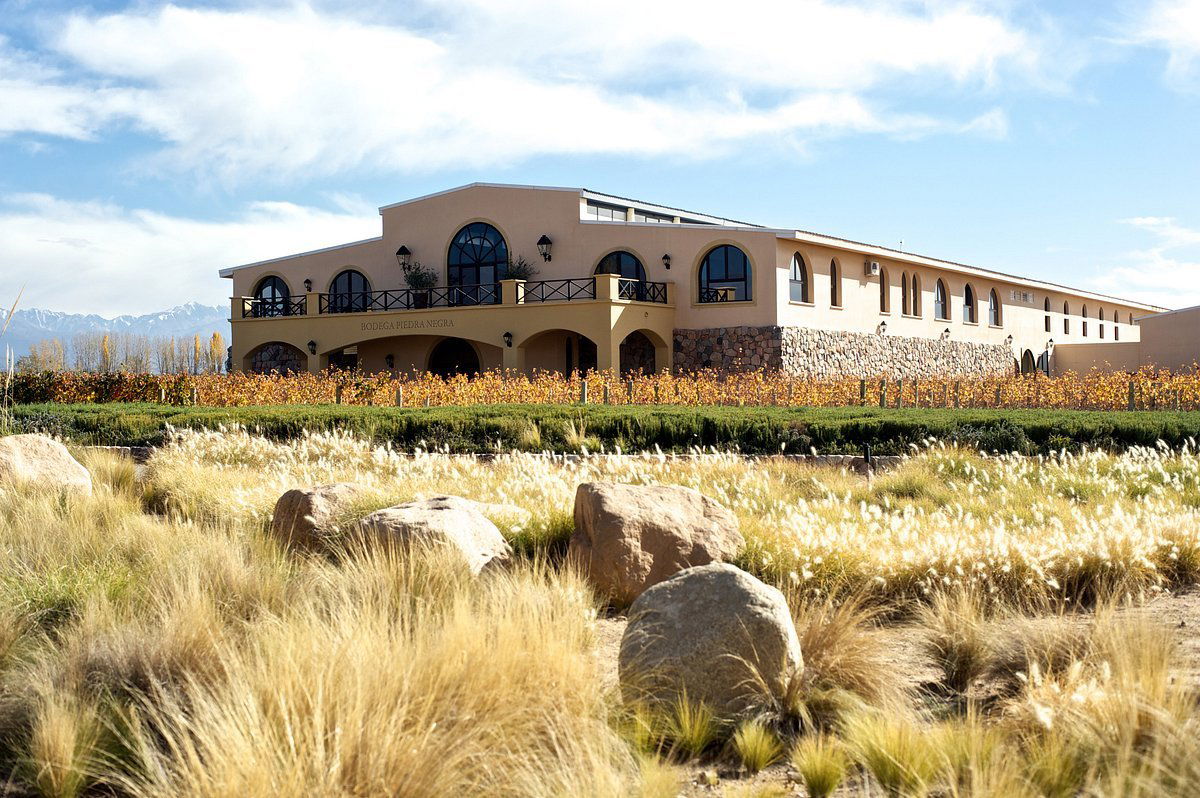

Bodega Piedra Negra
Vista Flores, Tunuyán
Winery in Tunuyán, Argentina
 Book with Pearl
The Read
Volcanic-Terroir Malbec
Why go
Bodega Piedra Negra is worth booking if a Tunuyán trip is built around a serious Vista Flores winery visit rather than a casual tasting crawl. Its Pearl 2 Star Prestige recognition adds a clear trust signal, but the smart move is to plan ahead and treat it as the anchor stop of the day.
About Bodega Piedra Negra
Bodega Piedra Negra is a venue in Tunuyán with a casual dress code and Pearl 2 Star Prestige recognition for 2025. Plan it as a Tunuyán stop and confirm the specifics of any visit directly with the venue before building a day around it.
Before you go, ask about hours, menu format, restaurant service, tasting format, pricing, seat count, and group policy rather than assuming those details. If Bodega Piedra Negra is an important part of the trip, contact the venue first, then shape the rest of the Tunuyán itinerary around the timing and format they confirm.
Choose it for a Tunuyán stop, not for assumed extras
The grounded case for Bodega Piedra Negra is direct: it is in Tunuyán, the dress code is casual, and it holds Pearl 2 Star Prestige recognition for 2025. Do not assume a restaurant format, chef, seat count, public schedule, cuisine, menu detail, or drinks program without checking directly. For a broader Tunuyán plan, compare it with other venues and confirm each stop directly before setting an itinerary.
For comparison, consider Antucura, Bodega DiamAndes, Bodega Cuvelier Los Andes, Bodega Monteviejo, or SuperUco. Those names are useful reference points when deciding how to structure a day, but Bodega Piedra Negra should still be evaluated on the details the venue confirms for your specific visit.
How to build the day around it
The smart plan is conservative: confirm the visit directly, keep transfers flexible, and avoid relying on assumptions about food, timing, pricing, or group capacity. The experience will be easier to plan if Bodega Piedra Negra is treated as one Tunuyán stop whose exact format needs confirmation rather than as a fully defined restaurant or tasting itinerary.
Bottom line: choose Bodega Piedra Negra if a casual-dress Tunuyán venue with Pearl 2 Star Prestige recognition for 2025 fits the trip, and confirm the practical details before going. Defer if the group needs meal service, published schedules, or specific logistics in advance. For the rest of the stay, use current local information to fill the non-venue parts of the trip.
Planning details
- Location
- RP94 km 20, M5567 Vista Flores, Mendoza
- Website
- linktr.ee/BPNlinktree
- Phone
- +54 261 454-8556
The take
The Take
The Vibe
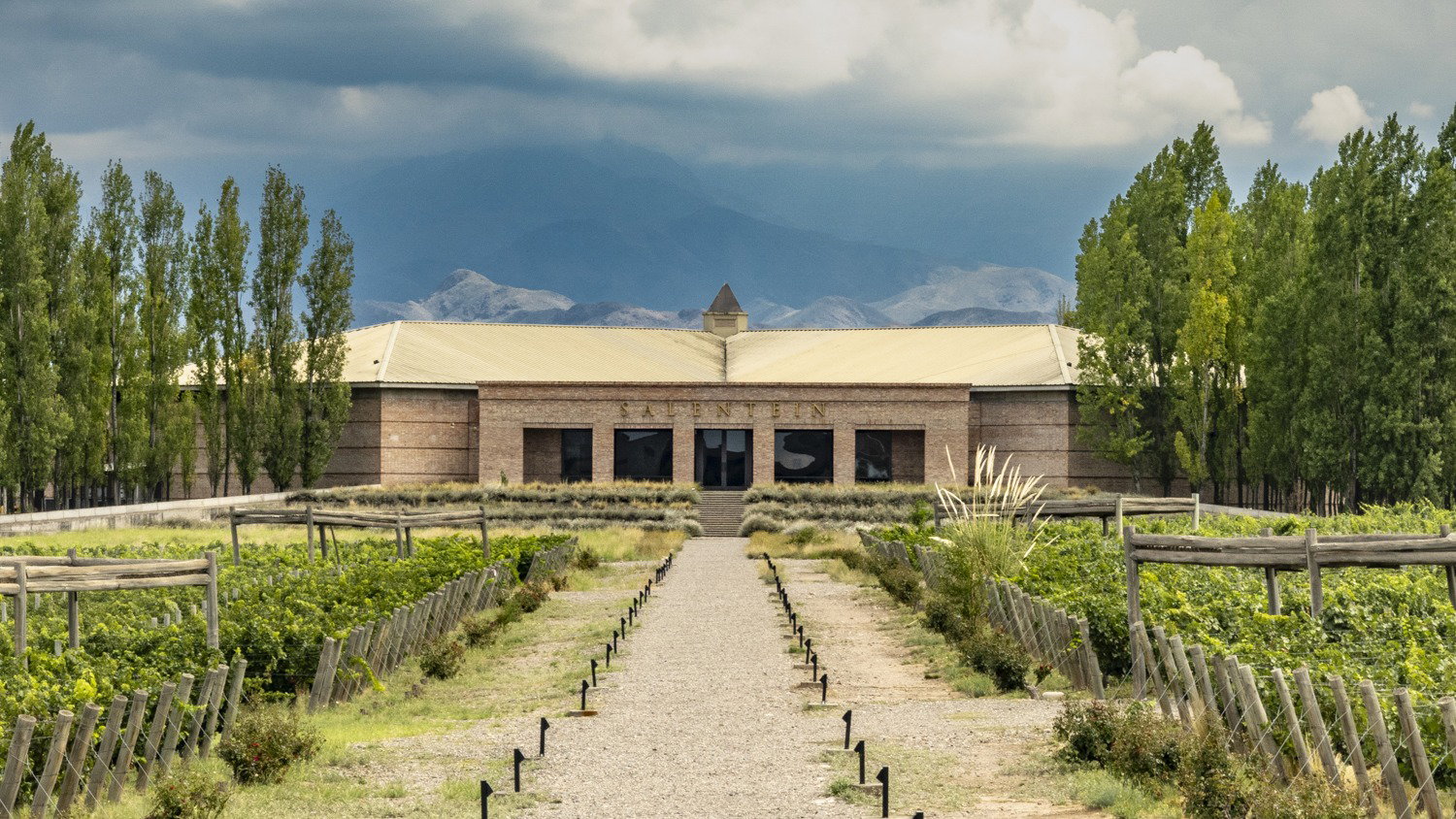
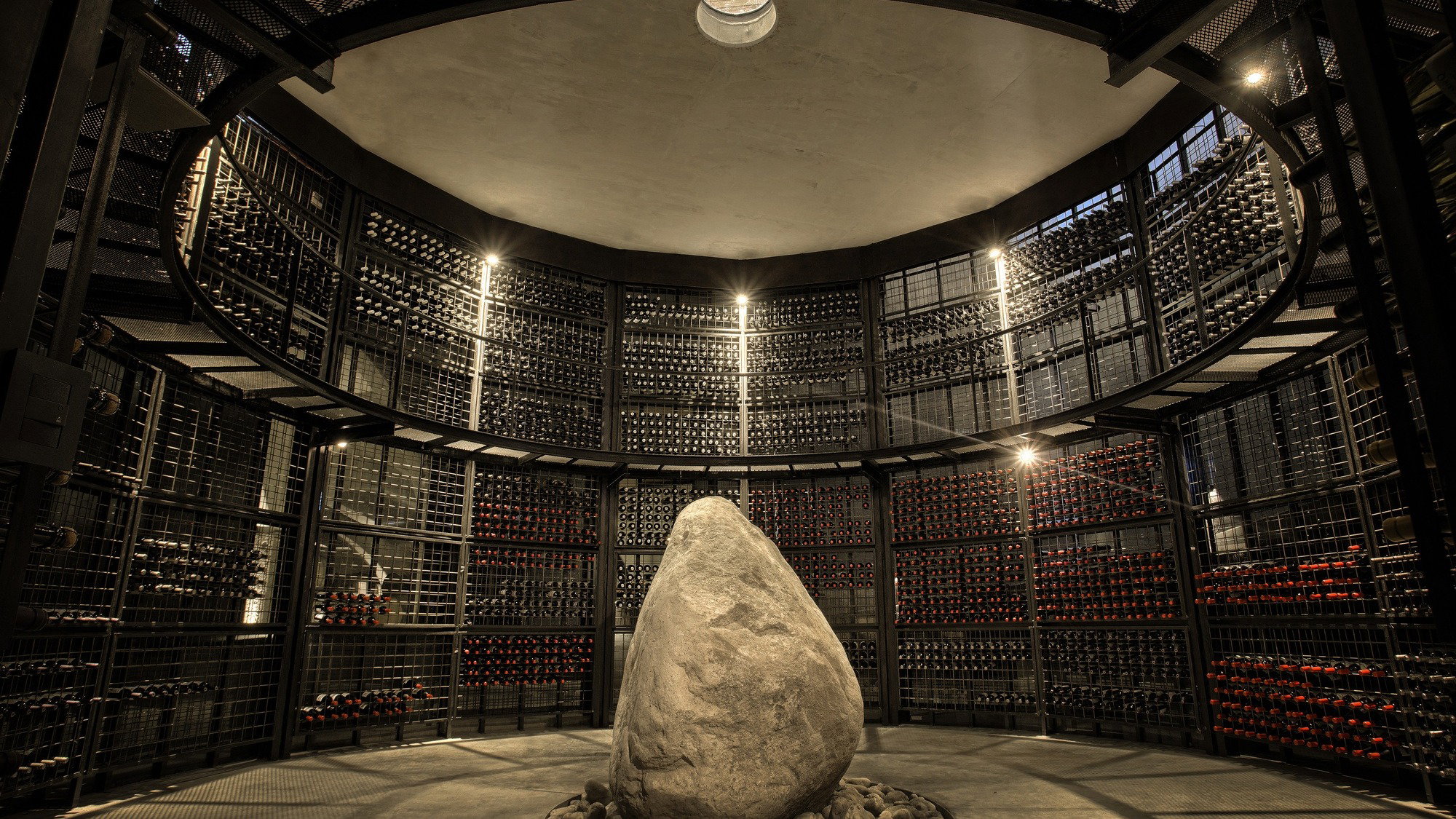
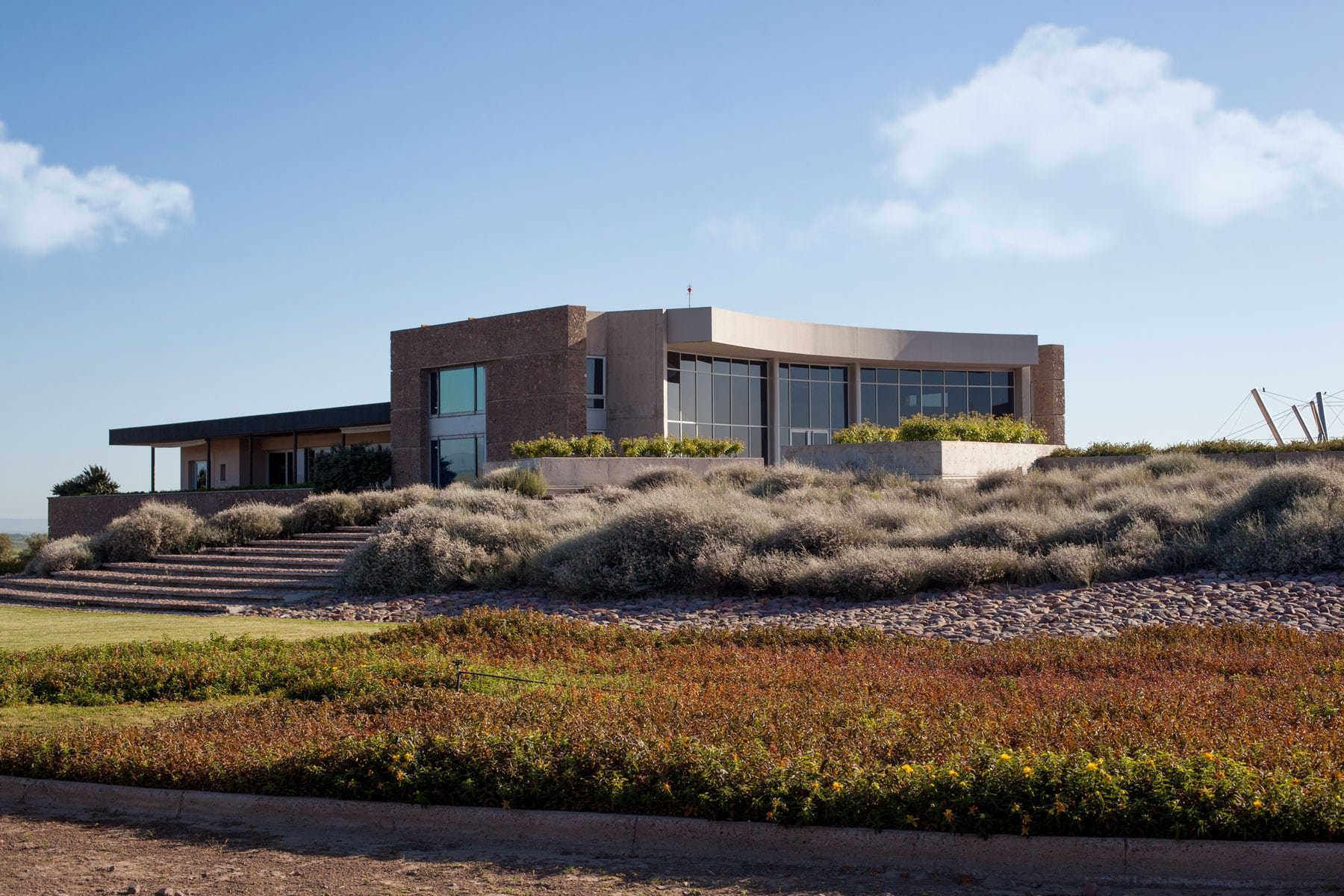
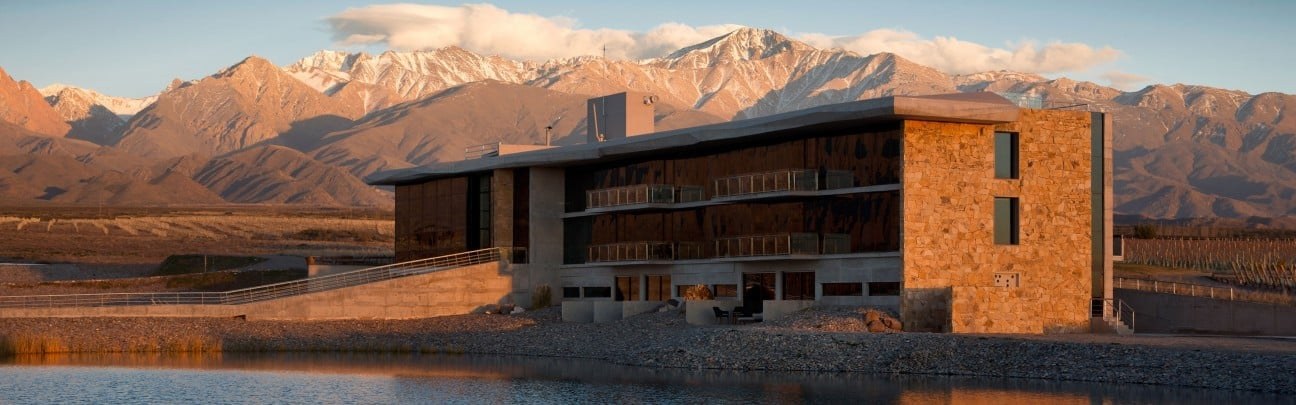
Bodega Piedra Negra presents a refined, terroir-first personality set against the dramatic topography of the Uco Valley. Perched near 1,000 metres, the site foregrounds volcanic stone, glacial meltwater and afternoon cloud cover — elements that create a high‑altitude, contemplative atmosphere. The text emphasizes a premium, altitude-driven profile rather than flashy architecture, so the impression is of a serious, measured place where geology and climate do the aesthetic work. Visitors encounter a sophisticated, serene landscape that favor wines built on minerality and acidity rather than overt ripeness.
Best For
This estate is best for visitors focused on wine education and terroir study. The copy insists that a 'serious visit' to Vista Flores requires understanding sub‑appellations, soils and microclimate differences; Piedra Negra is presented as an exemplar of that lesson. It suits people who want to trace how altitude, volcanic soils and afternoon cloud cover translate into sharper acidity and longer ripening windows. Sommeliers, students and curious wine travellers benefit most from a visit that focuses on site expression rather than spectacle.
Tasting Tips
When tasting at Piedra Negra, center conversations on place rather than varietal mystique: ask how the volcanic stone, glacial meltwater and afternoon cloud cover influence ripeness, acidity and texture. Prioritize wines that are described as showing altitude-driven profiles or volcanic-soil expression to appreciate the estate’s defining features. Use tastings to compare bottles that highlight pedological differences across the valley; the description frames sub‑appellations as the key lesson here, so request vertical or site-focused comparisons when possible.
Venue details
Ambiance
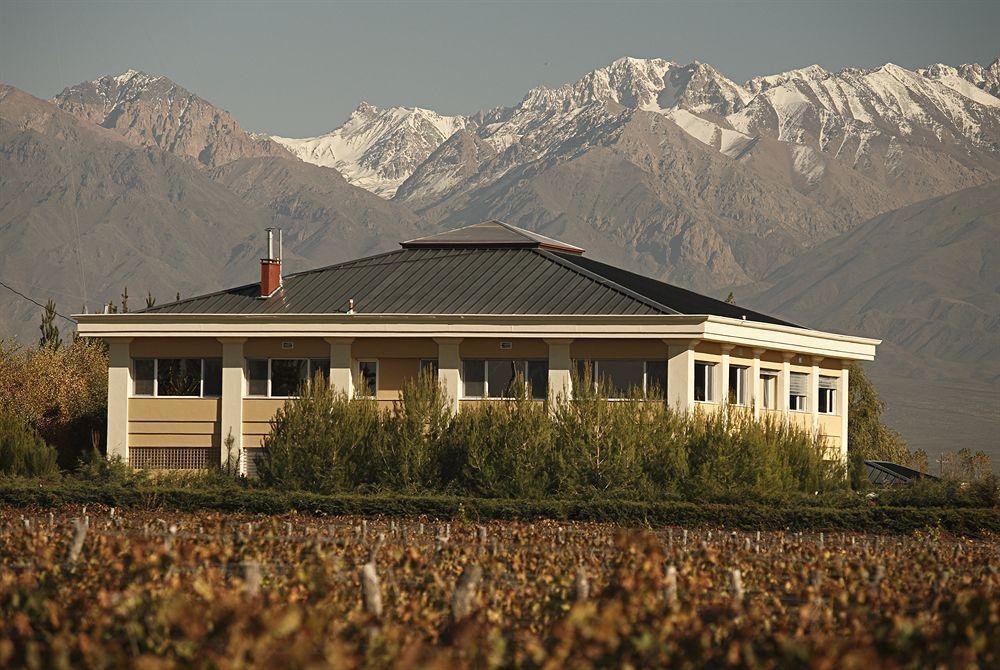
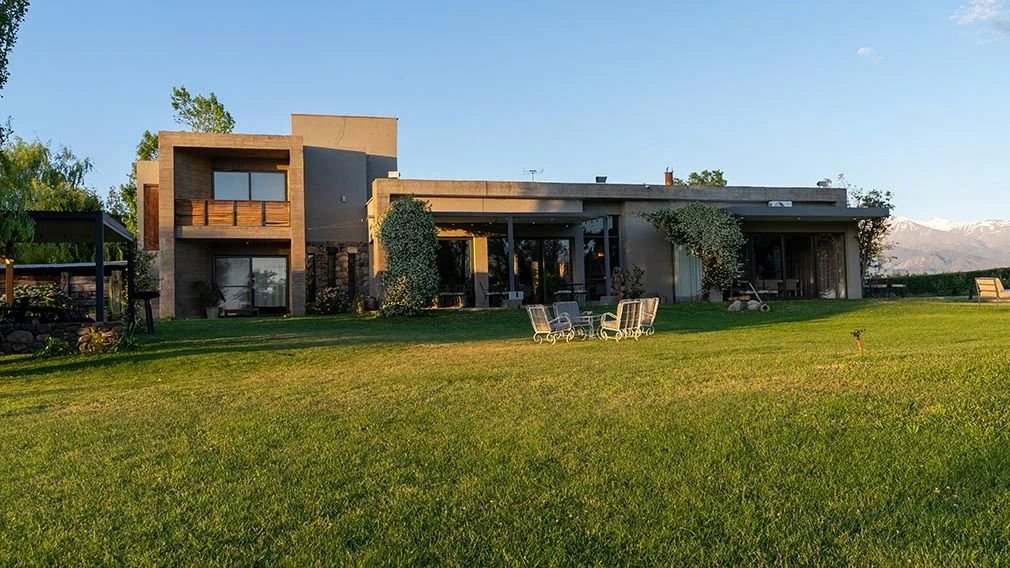
Relaxed and welcoming with panoramic vineyard views, informative guided tours, and a focus on organic winemaking philosophy amid semi-desert surroundings.
Tags
Vibe
Best For
Experience
Sourcing
View
At the Vineyard
- Appellation
- Uco Valley
- Varietals
- Malbec, Cabernet Sauvignon, Pinot Gris, Cabernet Franc, Côt
- Tour Duration
- 60-90 minutes
- Visits
- By reservation
- Farming
- Organic
- Production
- Small producer
- Wine Styles
- Still Red, Still White, Still Rose
- Food Pairing
- Offered
- Wine Club
- Not available
Know before you go
Know Before You Go
- Getting there
- RP94 km 20, M5567 Vista Flores, Mendoza
Planning details
Location
Recognition and awards

Also consider
If you cannot secure it
Start with Bodega DiamAndes or Bodega Monteviejo if the goal is to stay within the Tunuyán winery circuit. For a wider Argentina wine itinerary, compare Achaval Ferrer in Luján de Cuyo; for unrelated long-range wine and spirits planning, keep 00 Wines in Carlton, Achtung Gin in Bariloche, and 1310 Spirit of the Country Distillery in Sierning as separate trip ideas, not local substitutes.
Winery context
How it compares in Tunuyán
Bodega Piedra Negra is the better pick when the priority is a focused Vista Flores winery appointment and the group is willing to plan around a difficult booking. SuperUco sits outside the immediate Tunuyán set here, so it makes more sense as a separate itinerary choice than a same-day fallback.
For easier cross-shopping inside Tunuyán, compare Antucura, Bodega DiamAndes, and Bodega Cuvelier Los Andes. These are the names to check when date flexibility matters more than securing one highly constrained tasting slot.
Bodega Monteviejo is the useful comparison for visitors trying to build a winery-led Uco Valley day with a strong sense of place. Choose Bodega Piedra Negra when scarcity and a more appointment-driven visit are part of the appeal; choose a peer when the day needs looser timing, easier logistics, or a broader tasting crawl.
Explore Tunuyán
Around this place
Discover more on Pearl
Unlock the full Bodega Piedra Negra guide in Pearl, including awards, comparisons, FAQs, planning details, and nearby places.
Compare Bodega Piedra Negra
| Venue | Location | Awards |
|---|---|---|
| Bodega Piedra Negra | Tunuyán | 2026 Falstaff Winery Guide |
| SuperUco | Mendoza | 2026 Falstaff Winery Guide2021 World's 50 Best Vineyards · #42 |
| Antucura | Tunuyán | 2025 Decanter Winery Prestige |
| Bodega DiamAndes | Tunuyán | 2026 Falstaff Winery Guide2025 World's 50 Best Vineyards · #932024 World's 50 Best Vineyards · #392023 World's 50 Best Vineyards · #48 |
| Bodega Cuvelier Los Andes | Tunuyán | No published awards |
| Bodega Monteviejo | Tunuyán | No published awards |


How Bodega Piedra Negra Tunuyán compares with similar nearby venues.
FAQ
Frequently Asked Questions
Does Bodega Piedra Negra serve food?
Do not plan on a meal unless Bodega Piedra Negra confirms it directly. The core details to plan around are that it is in Tunuyán, has a casual dress code, and holds Pearl 2 Star Prestige recognition for 2025.
Do I need a reservation at Bodega Piedra Negra?
How long should I plan for a visit to Bodega Piedra Negra?
Plan with buffer time and rely on the timing Bodega Piedra Negra confirms for your visit.
What should I know before visiting Bodega Piedra Negra?
Plan around its Tunuyán location, casual dress code, and Pearl 2 Star Prestige recognition for 2025. Confirm any practical visit details directly with Bodega Piedra Negra before making plans.
Can Bodega Piedra Negra handle large groups?
Larger parties should contact Bodega Piedra Negra directly before making plans.
Are detailed visit policies available for Bodega Piedra Negra?
If a specific policy matters to your plans, ask Bodega Piedra Negra directly before or during your visit.
What other venues should I compare with Bodega Piedra Negra?
For comparison, consider SuperUco, Antucura, Bodega DiamAndes, Bodega Cuvelier Los Andes, and Bodega Monteviejo, along with other Tunuyán venues. Confirm current visit details directly with each venue before planning the day.