

La Motte Wine Estate
Franschhoek
Winery in Franschhoek, South Africa
 Book with Pearl
The Read
Cape Estate Hospitality
Why go
La Motte Wine Estate is a polished Franschhoek choice for a serious tasting day, especially when the visit is tied to a celebration or client-friendly itinerary. Its 2025 recognition, including World's 50 Best Vineyards #94, makes it more compelling for wine-focused travellers than for casual drop-ins trying to stack multiple stops.
About La Motte Wine Estate
For a Franschhoek itinerary, La Motte Wine Estate is best framed as a recognised estate stop rather than a casual filler between other plans. The dress code is smart casual, and the estate carries Pearl 3 Star Prestige (2025) recognition as well as a World's 50 Best Vineyards #94 placing for 2025. Those credentials make it a deliberate choice for travellers who want a recognised Franschhoek estate on the itinerary.
The practical verdict: make it a priority if that recognition and a smart-casual dress code matter to the day. For menus, prices, hours, group capacity, shipping, or a particular service format, check the current operational details directly before visiting. This is a stronger fit for guests who value a prestige-led stop than for anyone building a day around dining, shopping, or timing requirements that need to be locked in advance.
A recognised Franschhoek estate choice for occasions
La Motte Wine Estate is in Franschhoek, which makes it direct to consider as part of a focused day in the area. For a special occasion, the appeal rests on the estate name, smart-casual dress code, and 2025 recognition, rather than on any single room, route, or menu. Keep the plan simple and confirm the current visitor arrangements directly with the estate.
Against other comparable estate options, the appeal is its prestige signal. Rickety Bridge Winery is another option to consider if the group wants a different choice. Grande Provence, Mullineux & Leeu Family Wines, Backsberg, and Anthonij Rupert Wyne (L'Ormarins) can also sit on the broader shortlist depending on the route and the tone of the day. La Motte's strongest hook is clear: it is a Franschhoek wine estate with Pearl 3 Star Prestige (2025) and World's 50 Best Vineyards #94 (2025) recognition.
Who should put it first, and who should cross-shop
Prioritise this estate when the guest list cares about recognition and a smart-casual environment. For large groups, dining-led plans, shipping purchases, or highly specific timing needs, check the current arrangements directly before making it the first choice. For a broader comparison, Rickety Bridge Winery, Grande Provence, Mullineux & Leeu Family Wines, Backsberg, and Anthonij Rupert Wyne (L'Ormarins) are natural names to weigh alongside La Motte Wine Estate.
The planning call is simple: if La Motte is important to the day, confirm the current arrangements directly rather than relying on assumptions about hours, food, group handling, or purchase options. If the arrangements match your plans, it can work as a recognised stop on a Franschhoek itinerary. If not, compare other options and choose the one that best fits the group's timing, formality, and expectations.
Planning details
- Location
- R45, Franschhoek, 7691
- Website
- la-motte.com
- Phone
- +27 21 876 8000
The take
The Take
The Vibe
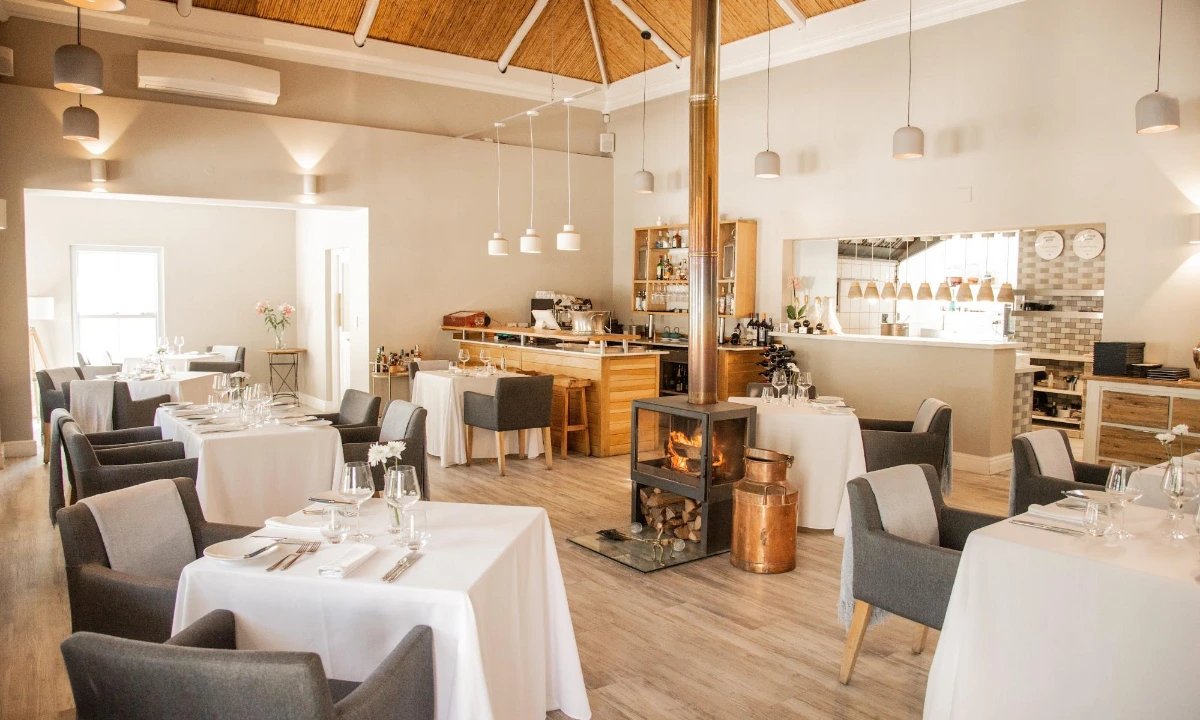
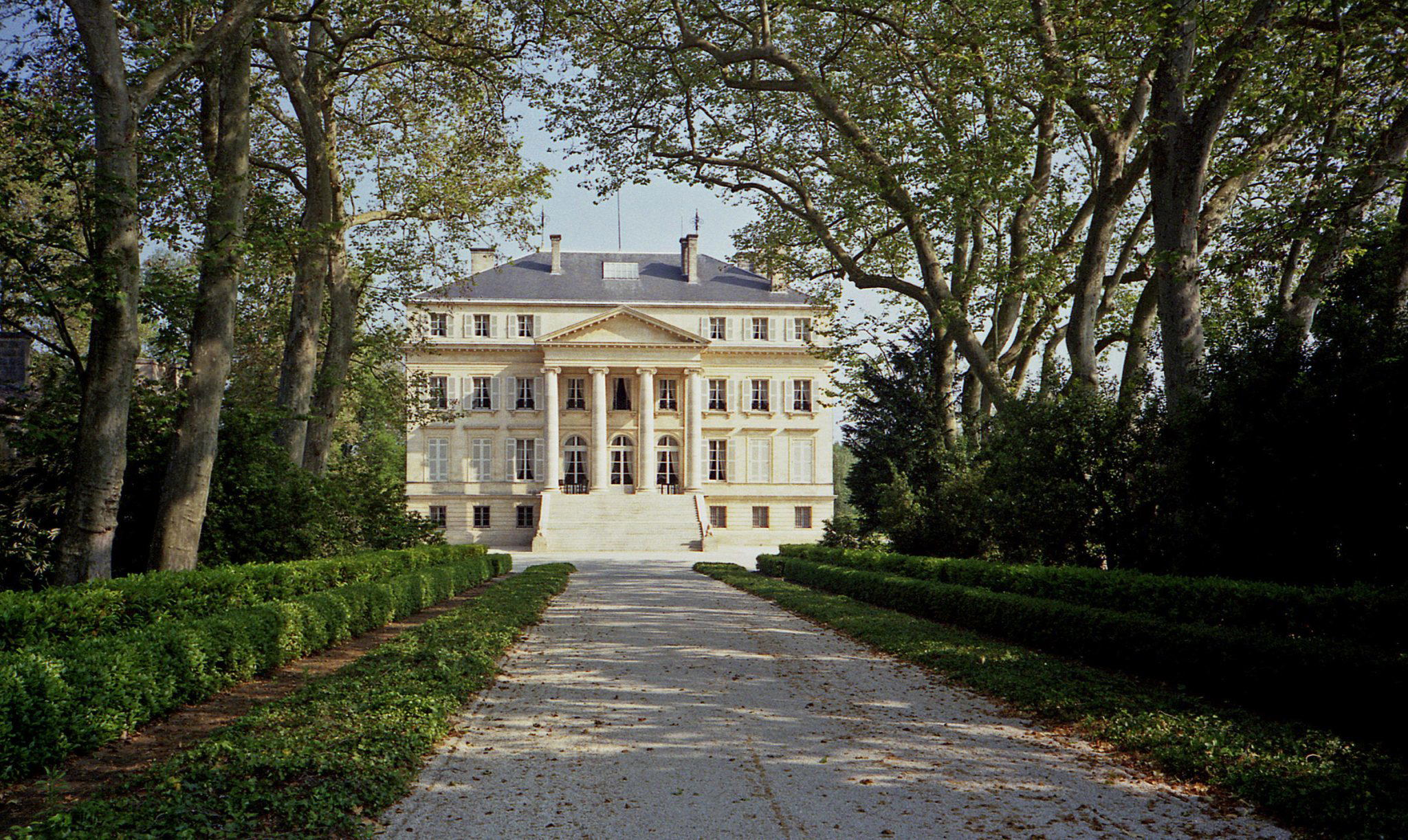
La Motte presents a composed, slow-paced atmosphere that invites visitors to decelerate and follow the estate's rhythm. The approach along oak-lined drives and the framing of multiple estate elements — an artisan bakery, botanicals used for body products and a considered wine programme — reinforce a serene, charming experience. Hospitality is deliberate here; the estate treats a visit as a sequence of connected moments rather than a quick transaction. The overall tone is refined without being fussy, favoring a relaxed attentiveness that encourages lingering over bread, wine and the landscape.
Best For
This estate suits visitors who plan to spend an afternoon, whether they're deepening their wine knowledge, marking a special occasion or slipping away on a romantic getaway. The description emphasizes a longer arc — tasting alongside on-site baking and estate-grown botanicals — so La Motte works well for travelers who want a measured, immersive experience rather than a brief stop. Its hospitality accolades and curated programme make it a fit for anyone looking to combine tasting with thoughtful food and estate exploration.
Tasting Tips
Give yourself time: the estate is designed as a sequence, so build an afternoon rather than a single tasting into your visit. Prioritize the artisan bakery as part of the experience—bread and pastries are made on-site and are described as integral to how food and wine are presented together. Expect the wine programme to be more than a quick flight; approach tastings with curiosity and let one element inform the next to get the most from La Motte's composed hospitality.
Venue details
Ambiance
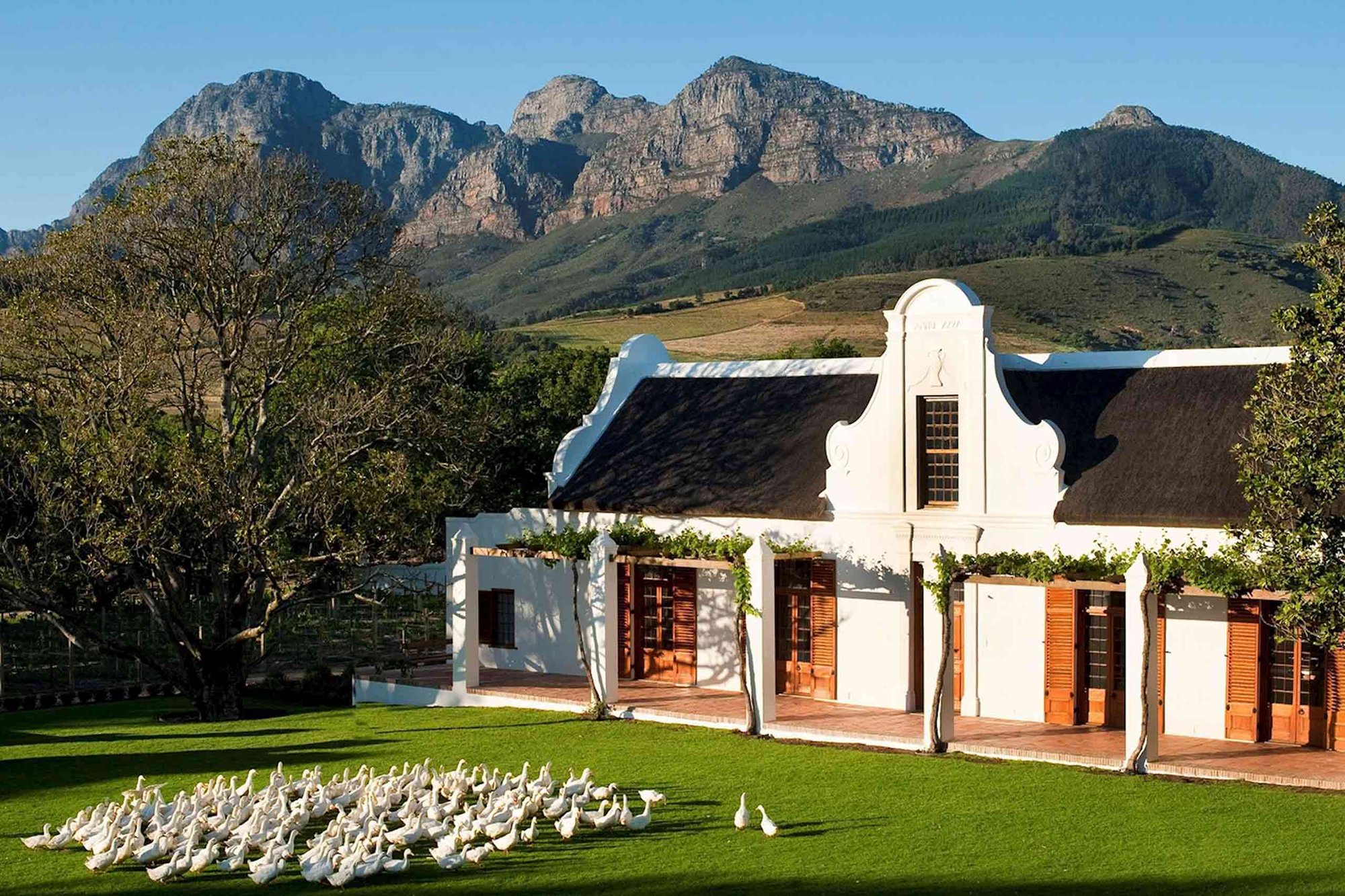
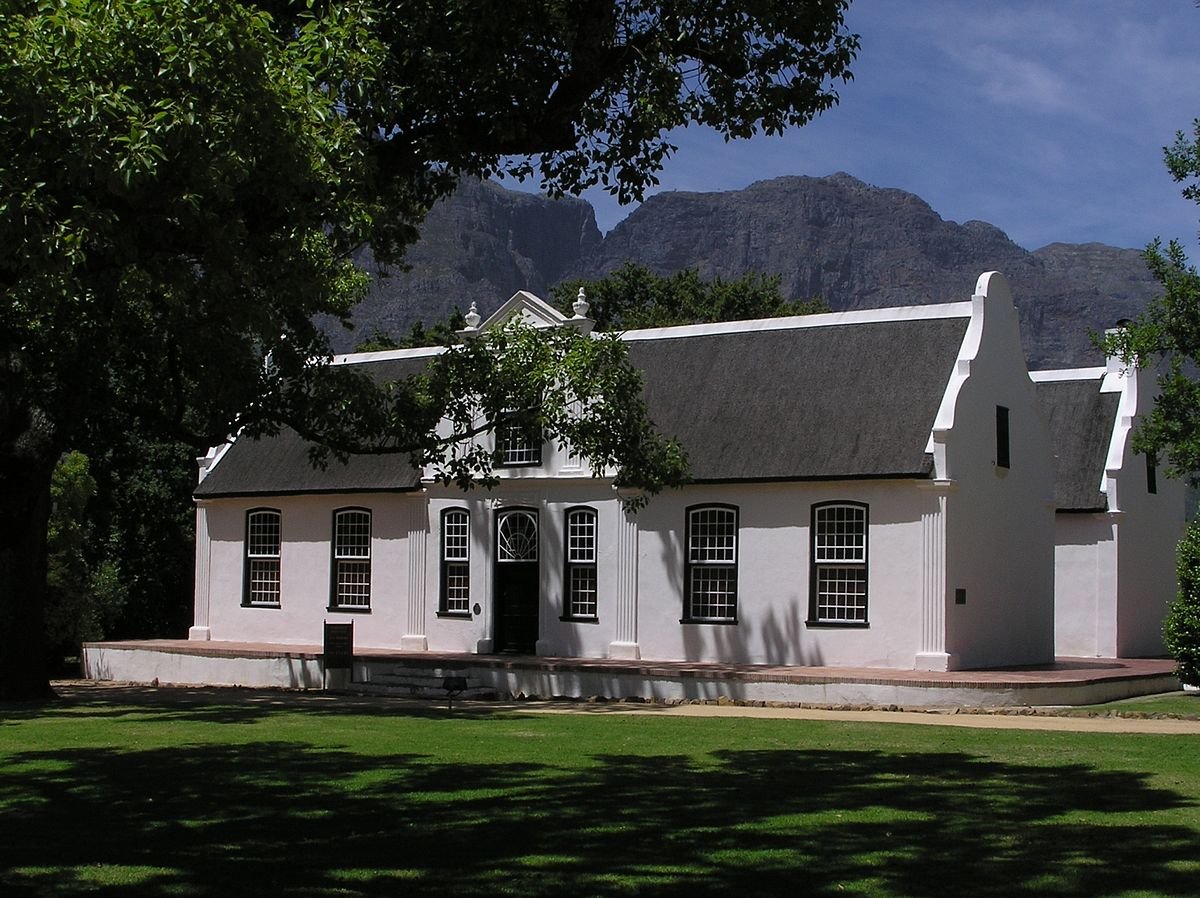
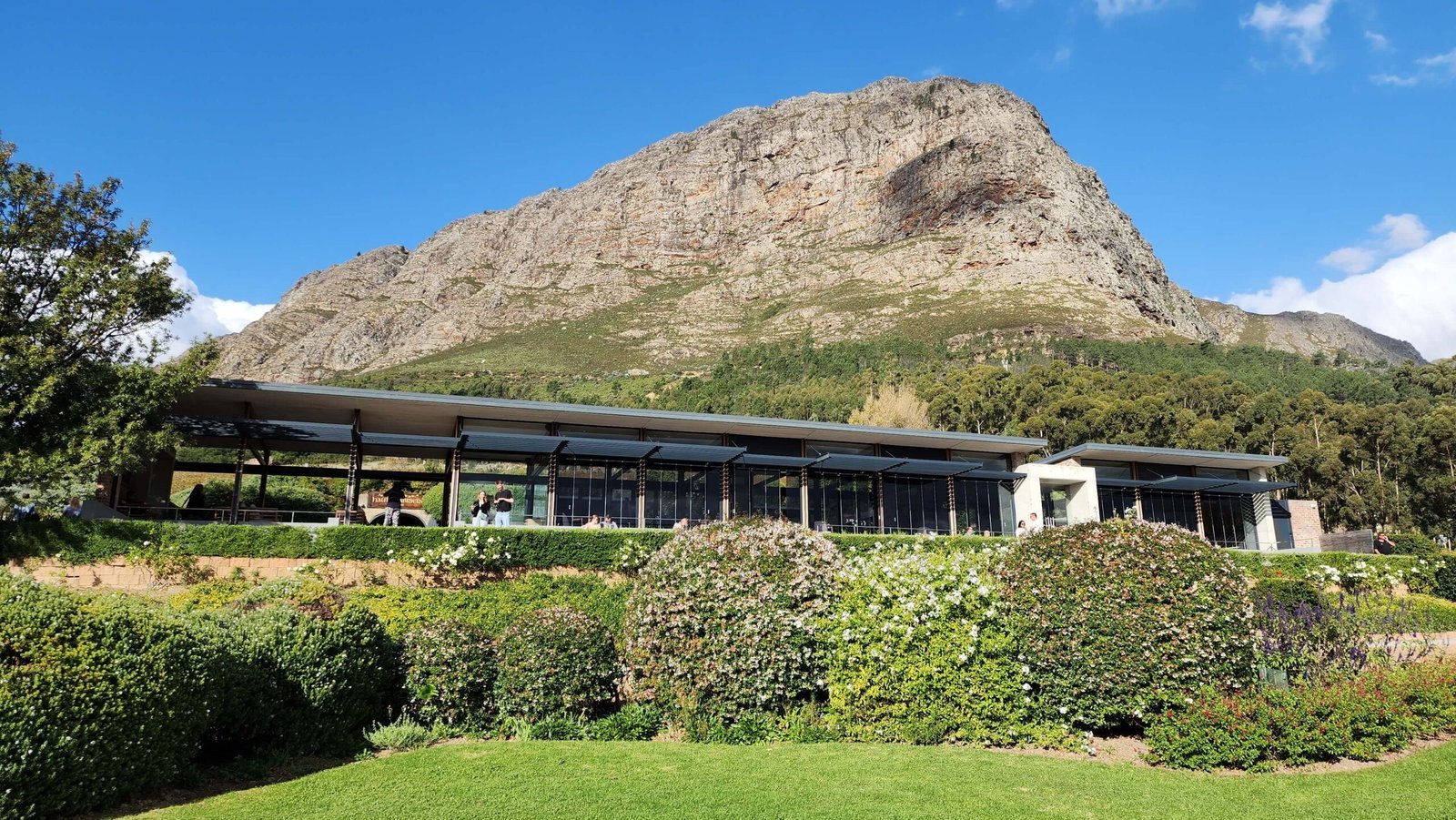
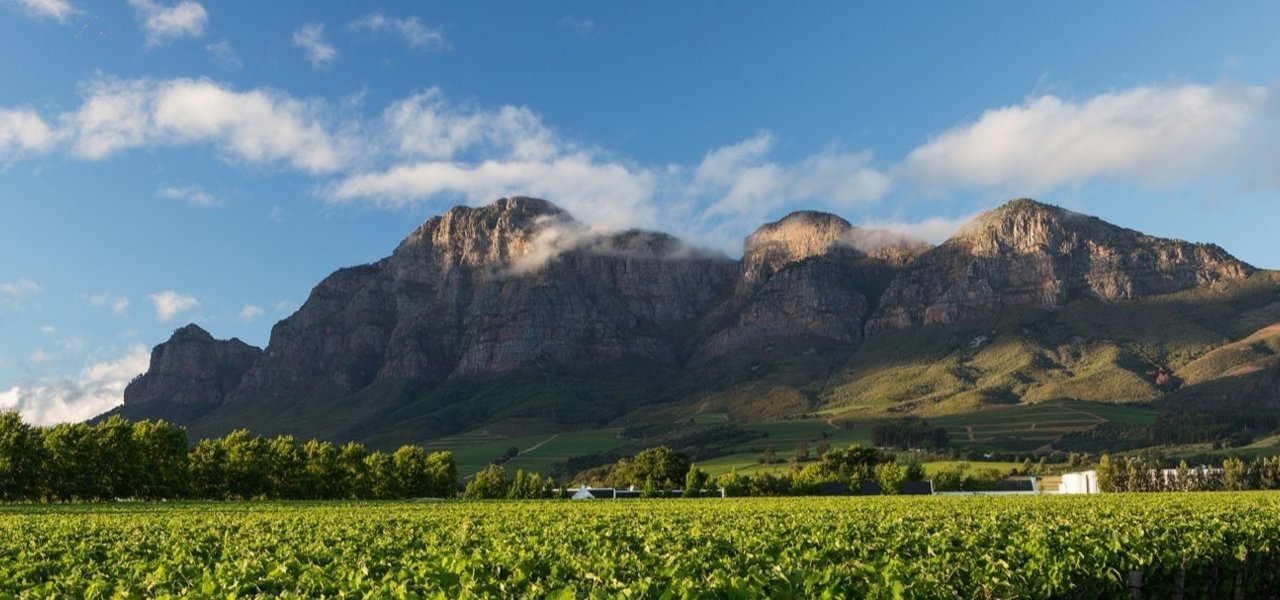
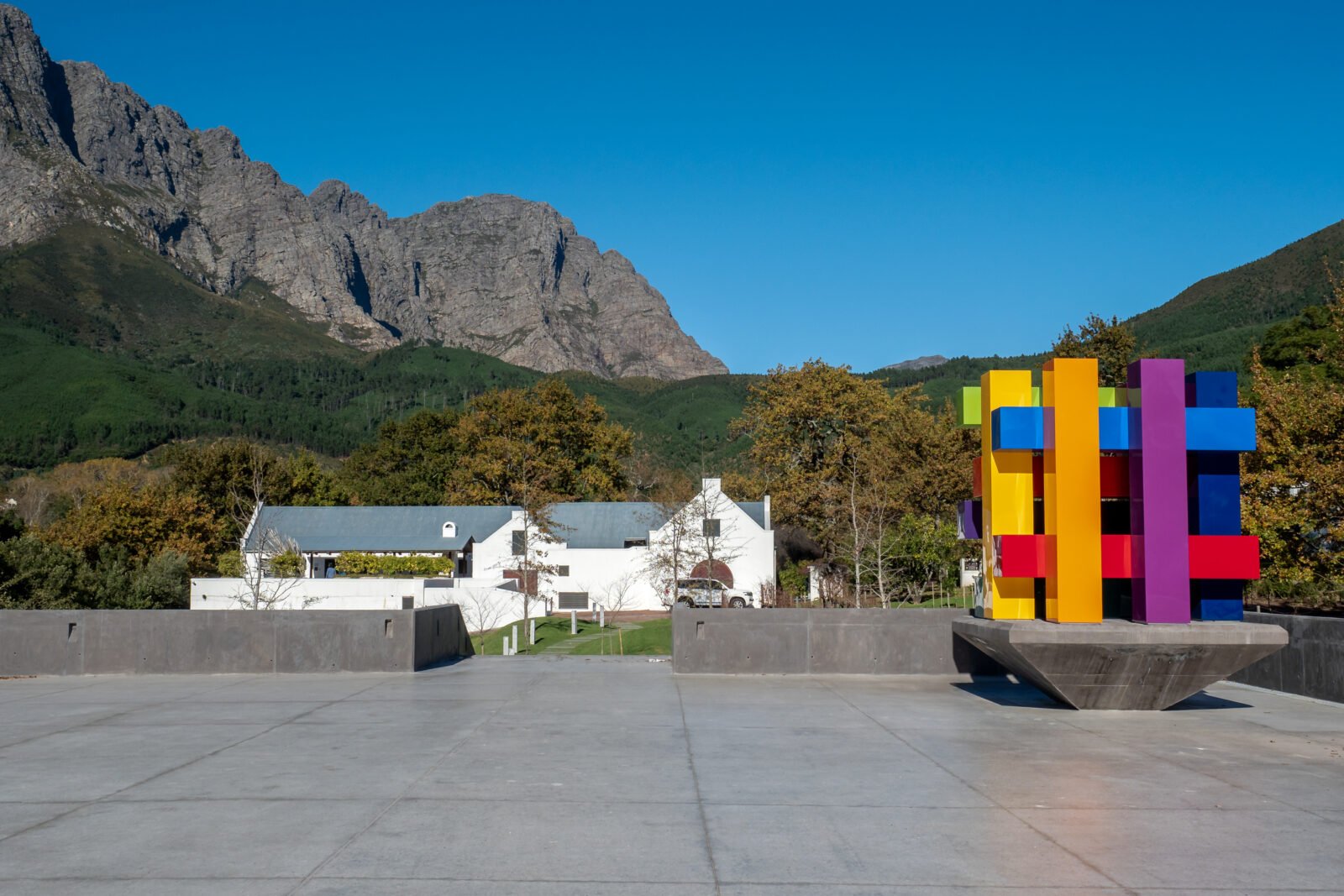
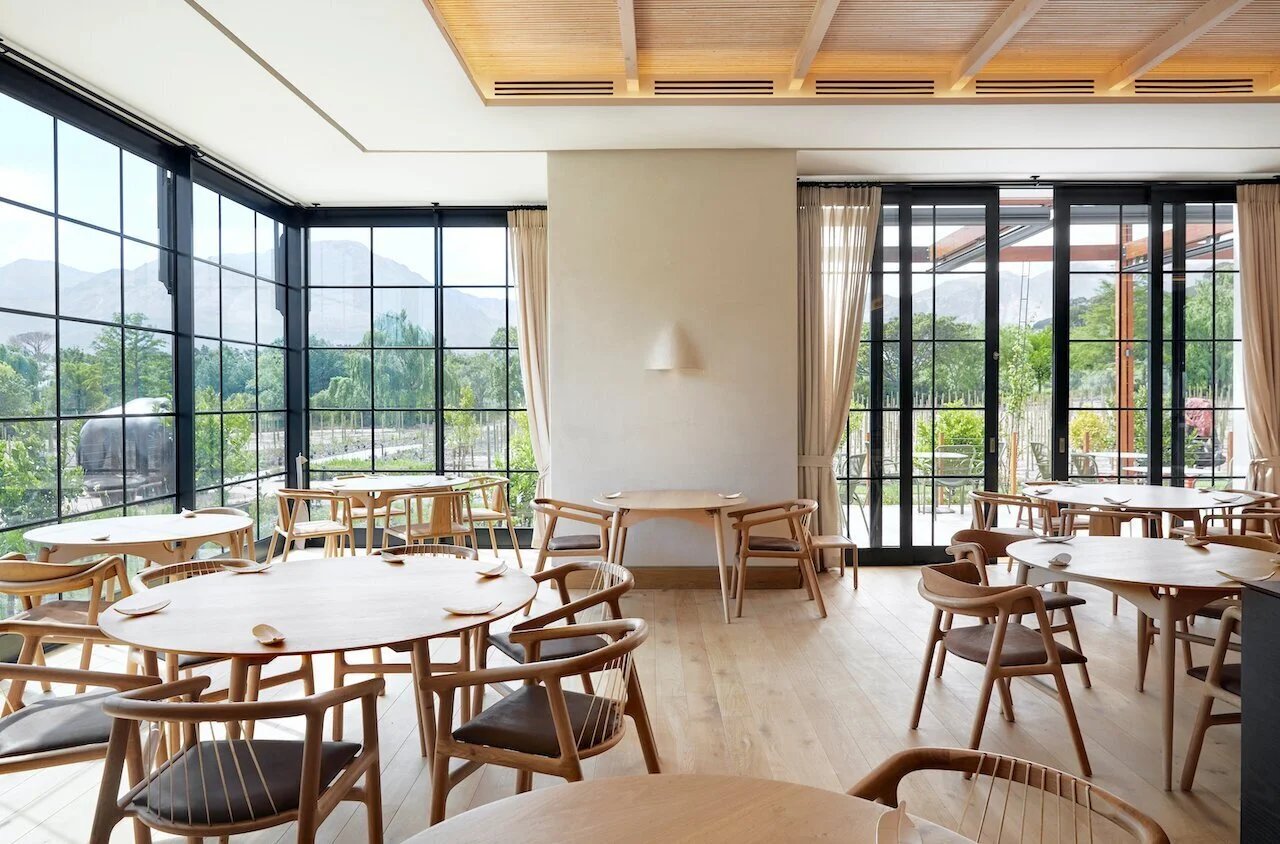
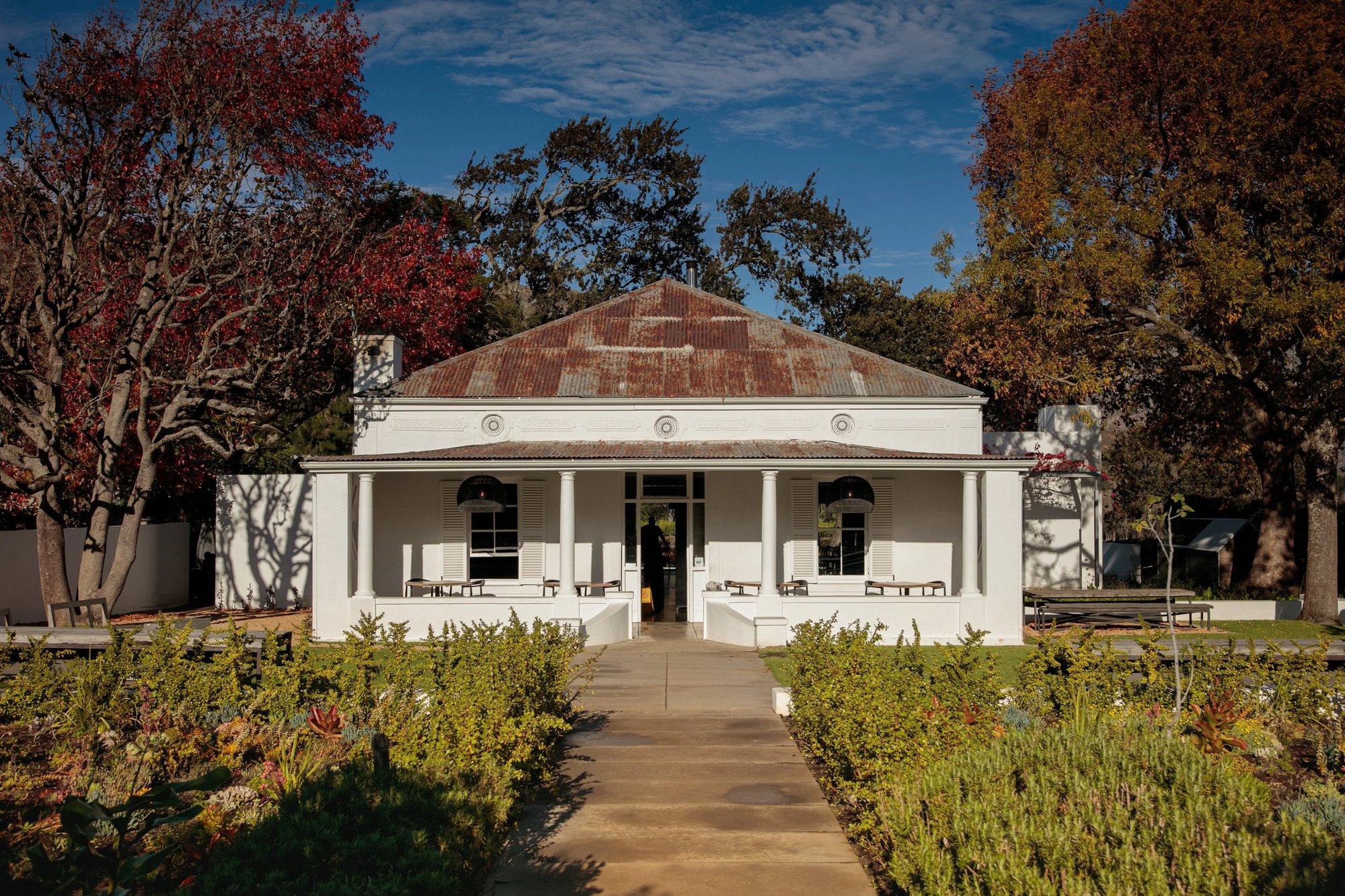
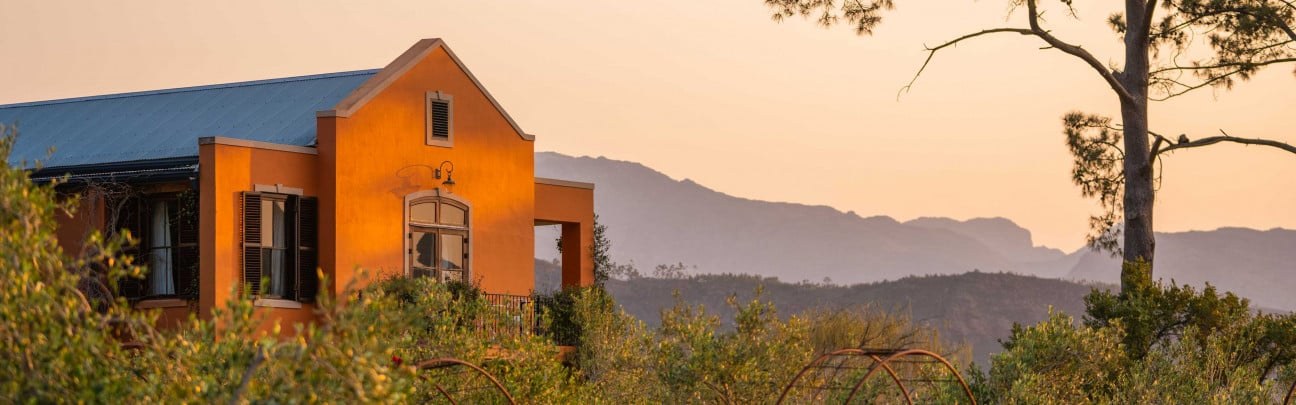
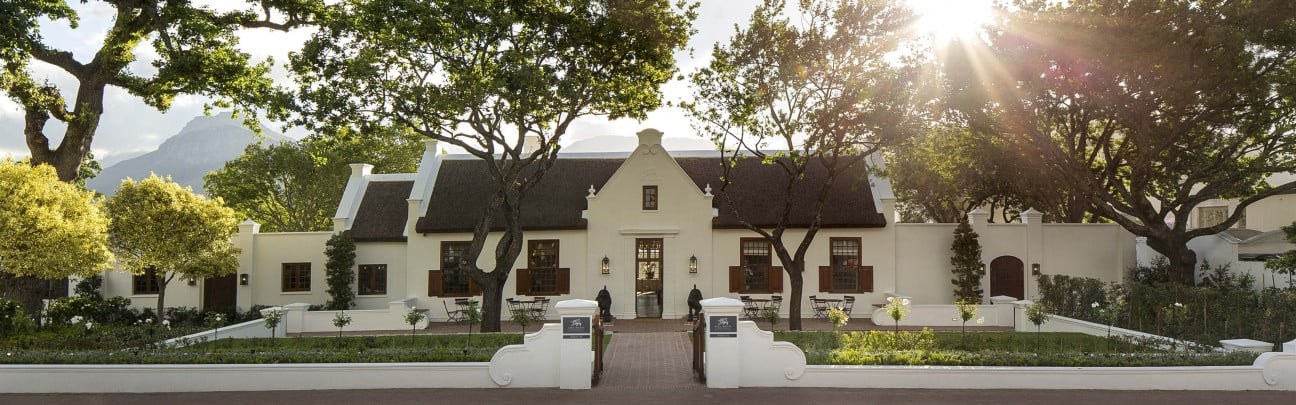
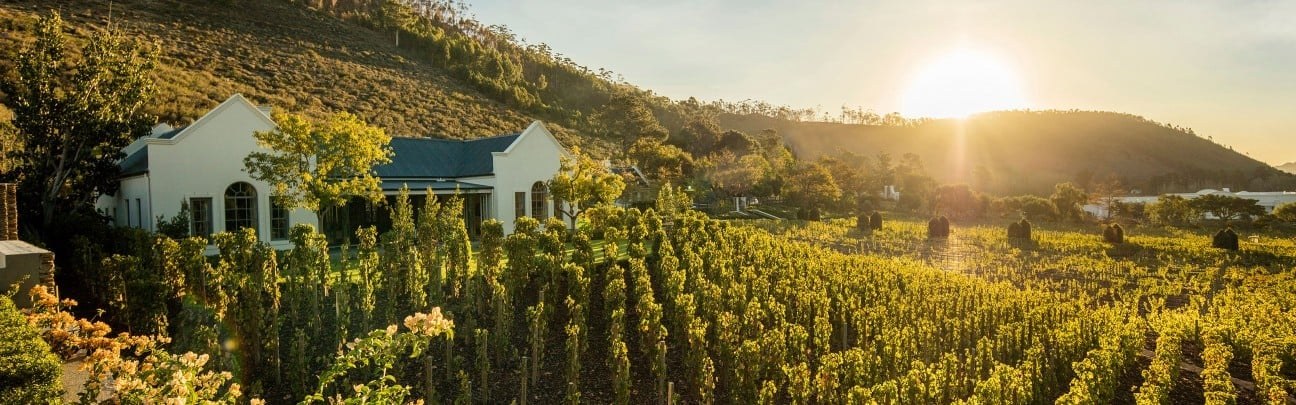
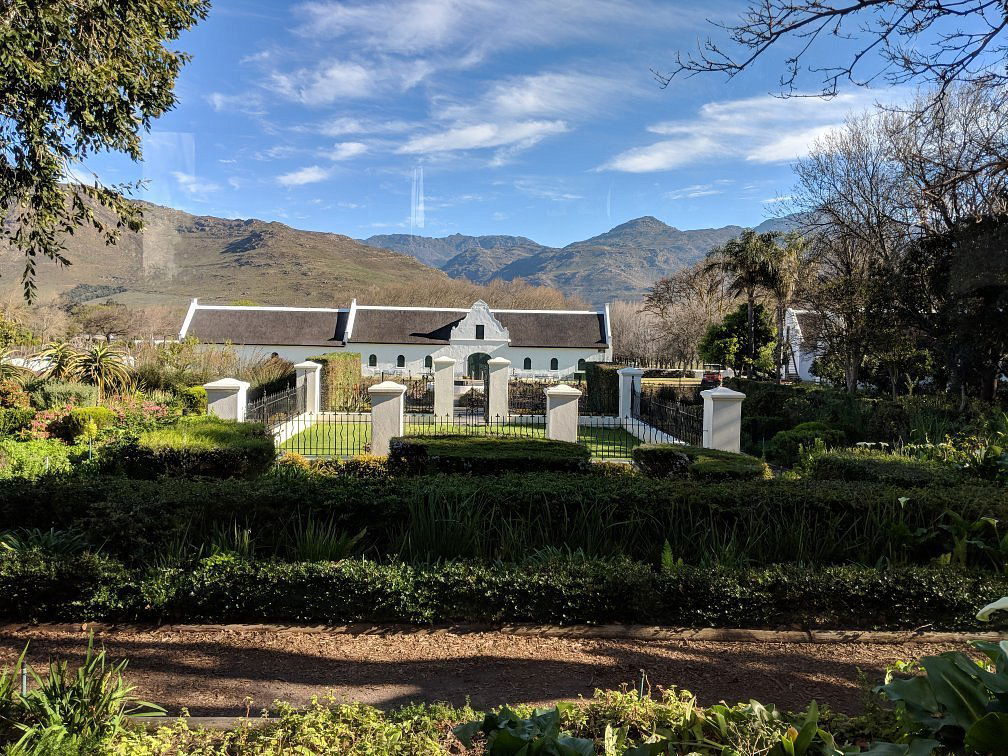
Serene and elegant with historic Cape Dutch architecture, lush gardens, lavender fields, and panoramic mountain and vineyard vistas.
Tags
Vibe
Best For
Experience
Sourcing
View
Accessibility
At the Vineyard
- Appellation
- Franschhoek
- Varietals
- Syrah, Sauvignon Blanc, Cabernet Sauvignon, Chardonnay, Merlot
- Tour Duration
- 120-180 minutes
- Visits
- By reservation
- Farming
- Sustainable
- Wine Styles
- Still Red, Still White, Still Rose, Sparkling
- Food Pairing
- Offered
- Wine Club
- Not available
Know before you go
Know Before You Go
- Getting there
- R45, Franschhoek, 7691
Planning details
Location
Recognition and awards


Also consider
Where to go if La Motte is not the right fit
Try Rickety Bridge Winery if the group wants a more relaxed Franschhoek stop. Choose Grande Provence if the goal is a broader estate experience without leaving the valley.
Winery context
How it compares in Franschhoek
Choose La Motte Wine Estate when the tasting needs to feel polished and occasion-ready. Rickety Bridge Winery is the easiergoing cross-shop for a relaxed Franschhoek stop, while Grande Provence is better for visitors who want a broader estate-style outing with a strong sense of place.
For wine-focused travellers, Mullineux & Leeu Family Wines is the sharper comparison: pick it if producer focus matters more than estate polish. Anthonij Rupert Wyne (L'Ormarins) is the better alternative when the brief is a grand Franschhoek wine day and the group wants a more expansive-feeling stop.
Backsberg sits outside the immediate Franschhoek set, so it makes more sense for travellers building a wider Cape Winelands route than for anyone trying to keep the day tight around the R45. If availability is the deciding factor, start with La Motte for the higher-prestige slot, then use Rickety Bridge or Grande Provence as more flexible backups.
Explore Franschhoek
Around this place
Discover more on Pearl
Unlock the full La Motte Wine Estate guide in Pearl, including awards, comparisons, FAQs, planning details, and nearby places.
Compare La Motte Wine Estate
| Venue | Location | Awards |
|---|---|---|
| La Motte Wine Estate | Franschhoek | 2026 Falstaff Winery Guide2025 World's 50 Best Vineyards · #94 |
| Rickety Bridge Winery | Franschhoek | No published awards |
| Grande Provence | Franschhoek | No published awards |
| Mullineux & Leeu Family Wines | Franschhoek | 2026 Falstaff Winery Guide |
| Backsberg | Paarl | 2025 Decanter Winery Prestige |
| Anthonij Rupert Wyne (L’Ormarins) | Franschhoek | No published awards |

How La Motte Wine Estate Franschhoek compares with similar nearby venues.
FAQ
Frequently Asked Questions
What other venues can I compare with La Motte Wine Estate?
If you are building an itinerary around La Motte Wine Estate, other options to compare include Rickety Bridge Winery, Grande Provence, and Anthonij Rupert Wyne (L'Ormarins). Keep the final route based on current arrangements rather than assuming specific distances or services.
When is the best time to visit La Motte Wine Estate?
The best time depends on the current visitor arrangements and how La Motte fits into your route. The estate's Pearl 3 Star Prestige (2025) and World's 50 Best Vineyards #94 (2025) recognition make it worth checking those details before placing it on a packed route.
Does La Motte Wine Estate ship wine?
If shipping matters to your visit, ask La Motte Wine Estate directly about current shipping options before planning purchases around it.
Is the wine club at La Motte Wine Estate worth joining?
If La Motte Wine Estate offers a wine club or membership, judge it by the terms provided directly by the estate.
Does La Motte Wine Estate serve food?
What is the flagship wine at La Motte Wine Estate?
Ask the estate directly for current guidance on flagship or signature wines.
Can La Motte Wine Estate handle large groups?
If you are planning a group visit, contact La Motte Wine Estate directly and confirm the current requirements before finalising the itinerary.