

2026 Falstaff Winery Guide: The Ultimate Wine Authority — Page 104
Falstaff's 2026 Wineries guide.

Venues on this list
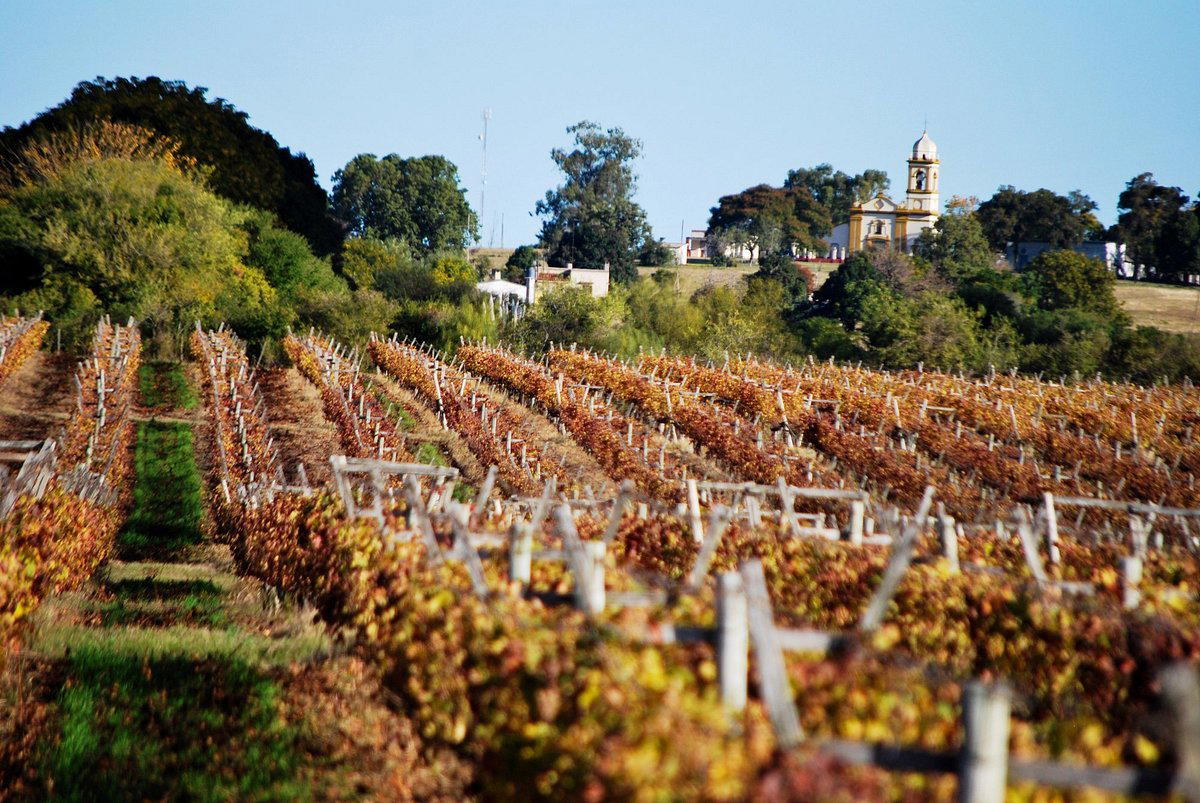
Familia Irurtia
Carmelo, Uruguay
Familia Irurtia is worth prioritising for a focused Carmelo wine stop, especially if the trip is about producer context rather than a winery-lodge or restaurant-led day. It is a weaker fit for travelers who need confirmed food pairings, large-group infrastructure, or a full hospitality package in one place.
Gorgo
Sommacampagna, Italy
Book Gorgo if you want a relaxed Sommacampagna winery stop focused on organic Bardolino character rather than a formal tasting-room production. The key draw is a Corvina-Rondinella red from the morainic hills near Lake Garda, with fresh red-fruit, spice, and savory structure. A private tasting is worth it only if it adds producer and subzone context.
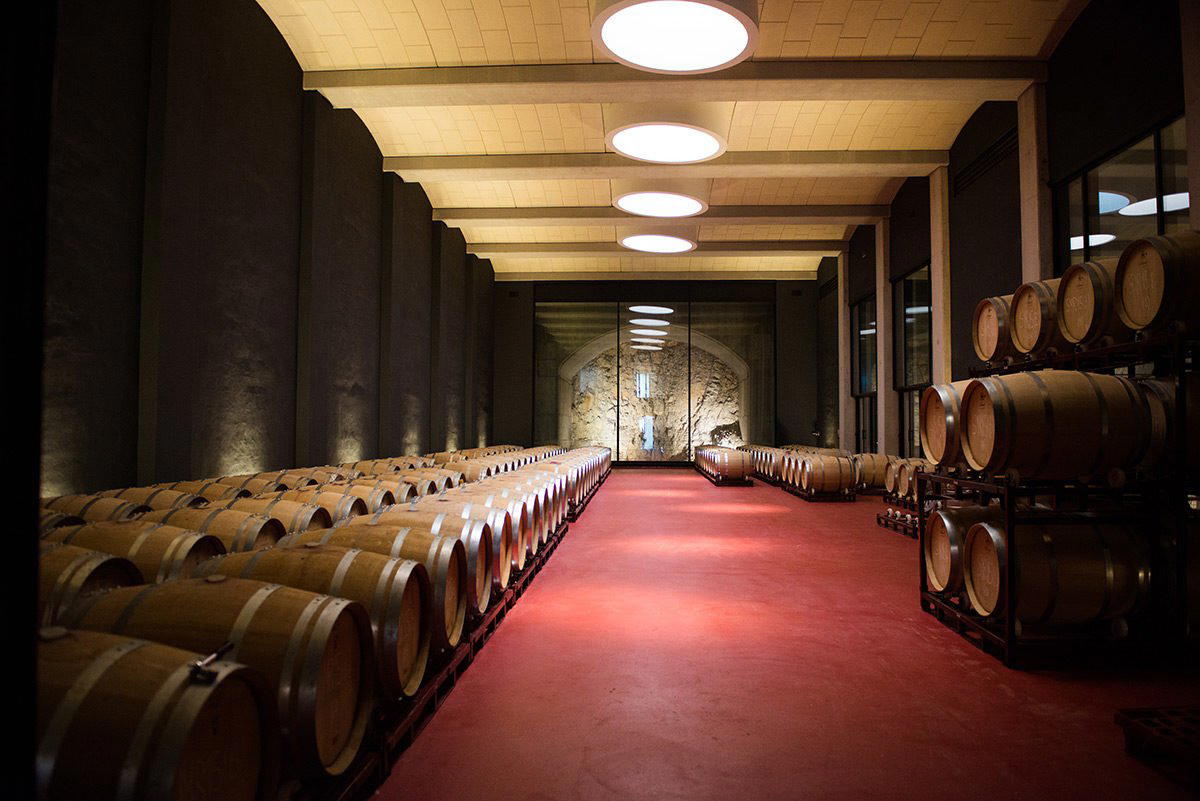
Can Axartell
Pollença, Spain
Prioritise Can Axartell if you want a polished Mallorcan winery visit with serious architectural impact and organic, gravity-flow production behind the wines. It is strongest for design-minded couples, celebration groups, and drinkers interested in local varieties rather than a quick cellar-door stop.
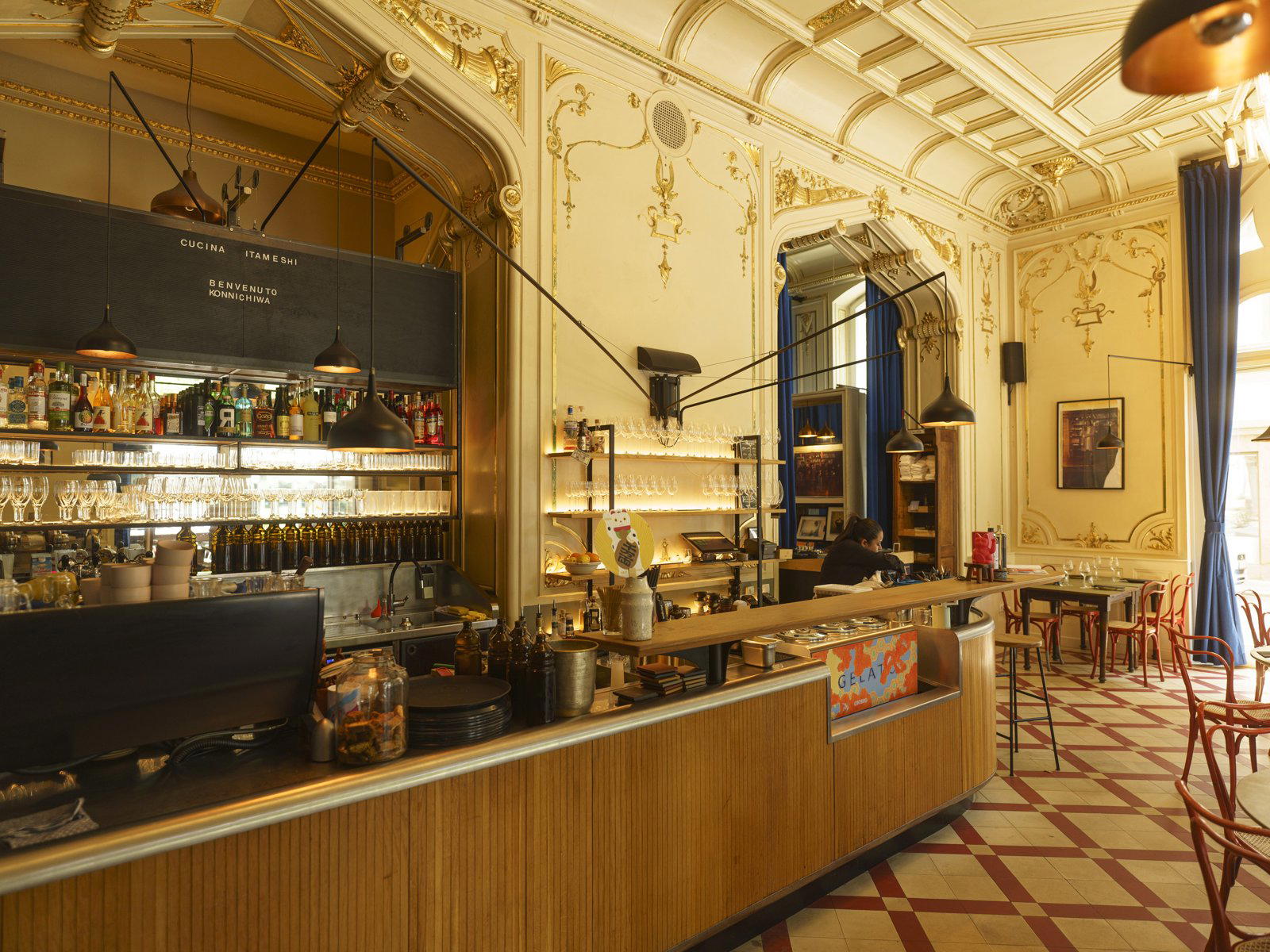
Weingut Joh. Bapt. Schäfer
Burg Layen, Germany
A focused Burg Layen winery pick for repeat Nahe visitors who care more about estate context than hospitality extras. Choose Weingut Joh. Bapt. Schäfer for a lean, wine-first stop; compare Schlossgut Diel or Weingut Georg Breuer if setting scale, name recognition, or a broader visitor setup matters more.
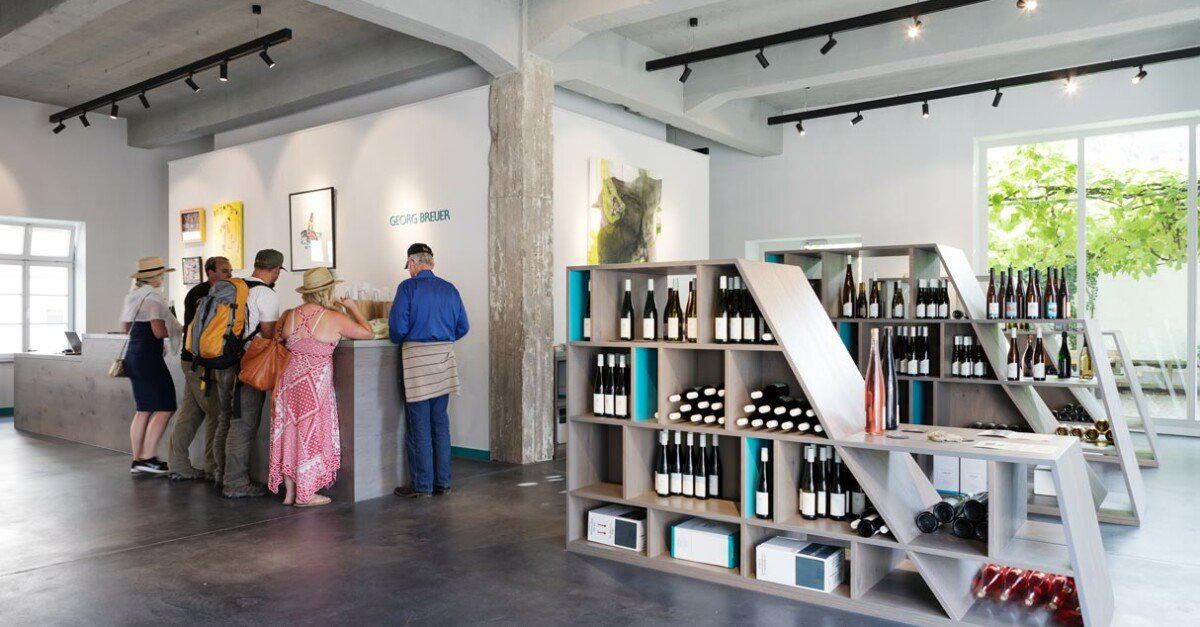
Weingut Georg Breuer
Rüdesheim am Rhein, Germany
Book Weingut Georg Breuer if the brief is a focused Rheingau wine stop in central Rüdesheim, not a full winery-lunch experience. It suits couples or business guests building a polished day around wine, with dining planned separately. Cross-shop Schloss Johannisberg for a grander estate setting.
Landesweingut Gumpoldskirchen
Gumpoldskirchen, Austria
Book Freigut Thallern for a celebration-style wine visit rather than a quick tasting. The draw is the complete estate setup: regional food at the Klostergasthaus, historic vineyard surroundings, lodging, wine education, and Falstaff 2 Stars in 2026. It is strongest for couples, weddings, and business meals where the meal and setting matter as much as the wine.
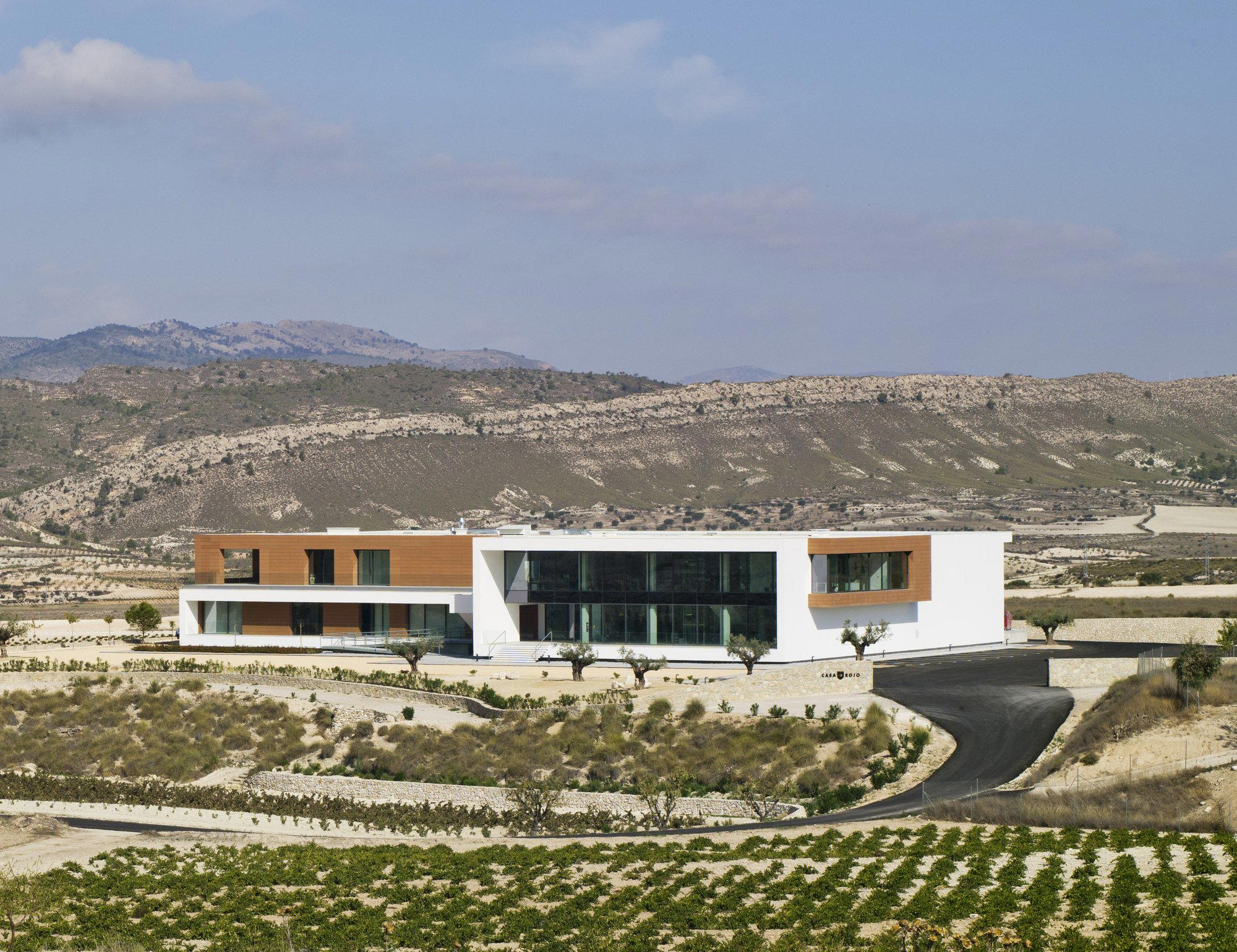
Bodegas Casa de la Viña, S.L.
Alhambra Ciudad Real, Spain
A quiet, appointment-only La Mancha estate winery worth booking for a traditional cellar-and-vineyard tasting rather than a glossy hospitality experience. The draw is history, production context, and a calm rural setting, backed by Falstaff 1 Star recognition in 2026. Best for couples, small groups, or business hosts who want a serious wine stop with conversation built in.
Constantia Uitsig
Cape Town, South Africa
Constantia Uitsig works for a calm Cape Town wine-estate occasion, especially when the group wants an easygoing Constantia setting rather than a technical collector tasting. The Falstaff Listed 2026 recognition gives it a useful credibility signal, but the stronger reason to choose it is occasion fit: relaxed, polished, and better for conversation than for a high-friction plan.
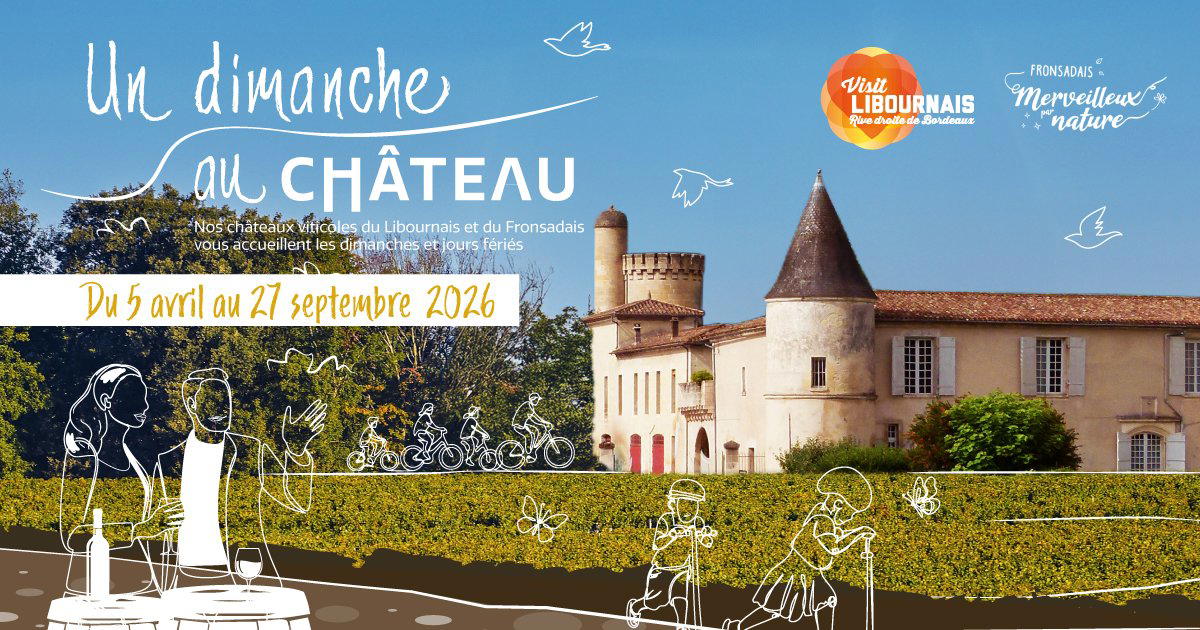
Château Barrabaque
Fronsac, France
Château Barrabaque is worth booking if you want a focused Fronsac tasting built around Merlot-led reds, sensible bottle pricing, and a quiet 18th-century estate setting above the Dordogne. The appointment-only format suits planners, couples, and small wine-focused groups better than casual drop-ins or visitors looking for a large hospitality setup.
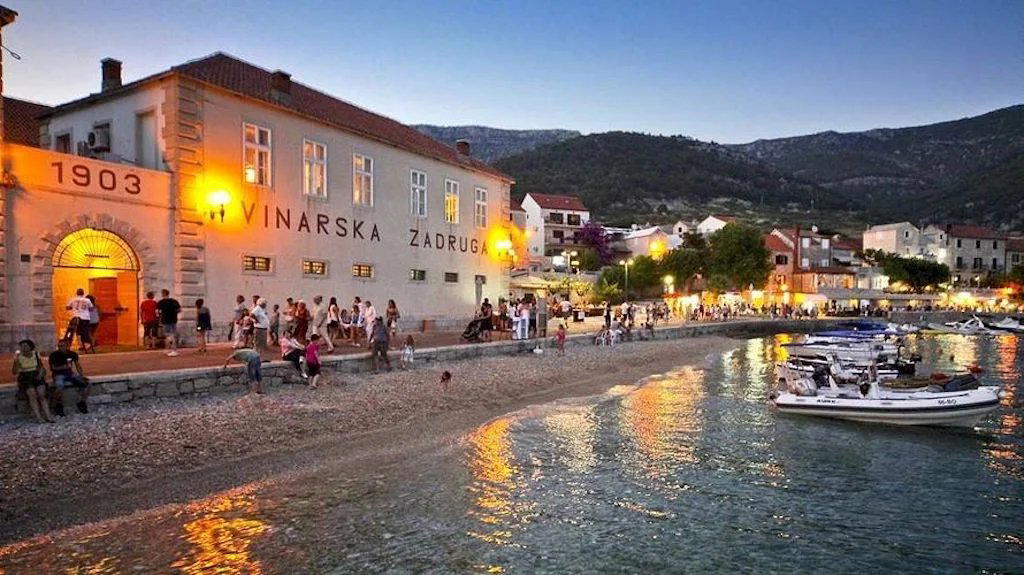
Stina Winery
Bol, Croatia
Stina Winery is a practical Bol pick for a waterfront wine stop rather than a full dinner plan. Choose it when the priority is Croatian wine context and an easy Riva location; choose BioMania Bistro Bol, Boket78, Taverna Riva, Topolino, or Vusio when the evening needs a restaurant-led meal.
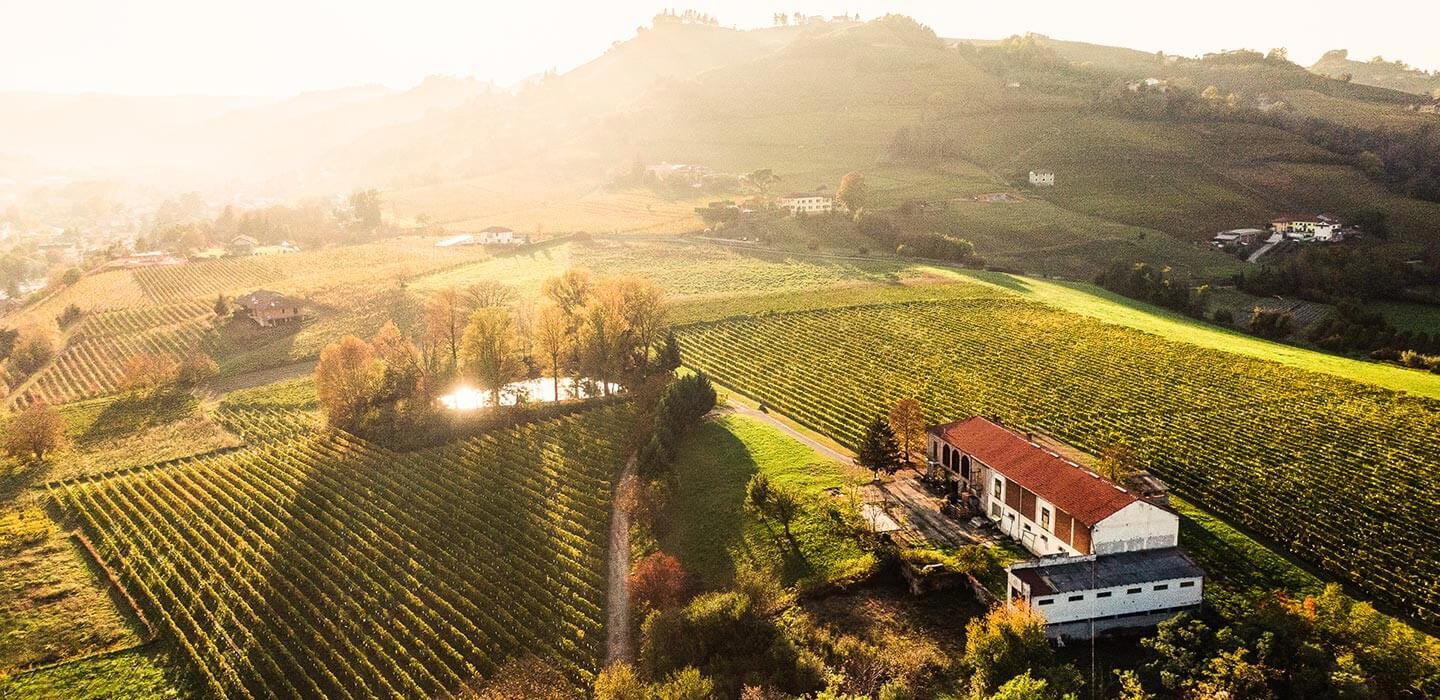
Casa Vinicola Abbazia
Santo Stefano Belbo, Italy
Casa Vinicola Abbazia is a strong Santo Stefano Belbo pick when the setting matters as much as the wine. Go for family-run heritage, a hill-country Piedmont mood, and a sparkling-wine-led portfolio tied to Asti DOCG, Prosecco DOC, and Moscato rather than a tiny-production cellar visit.
Cascina Bretta Rossa
Tagliolo Monferrato, Italy
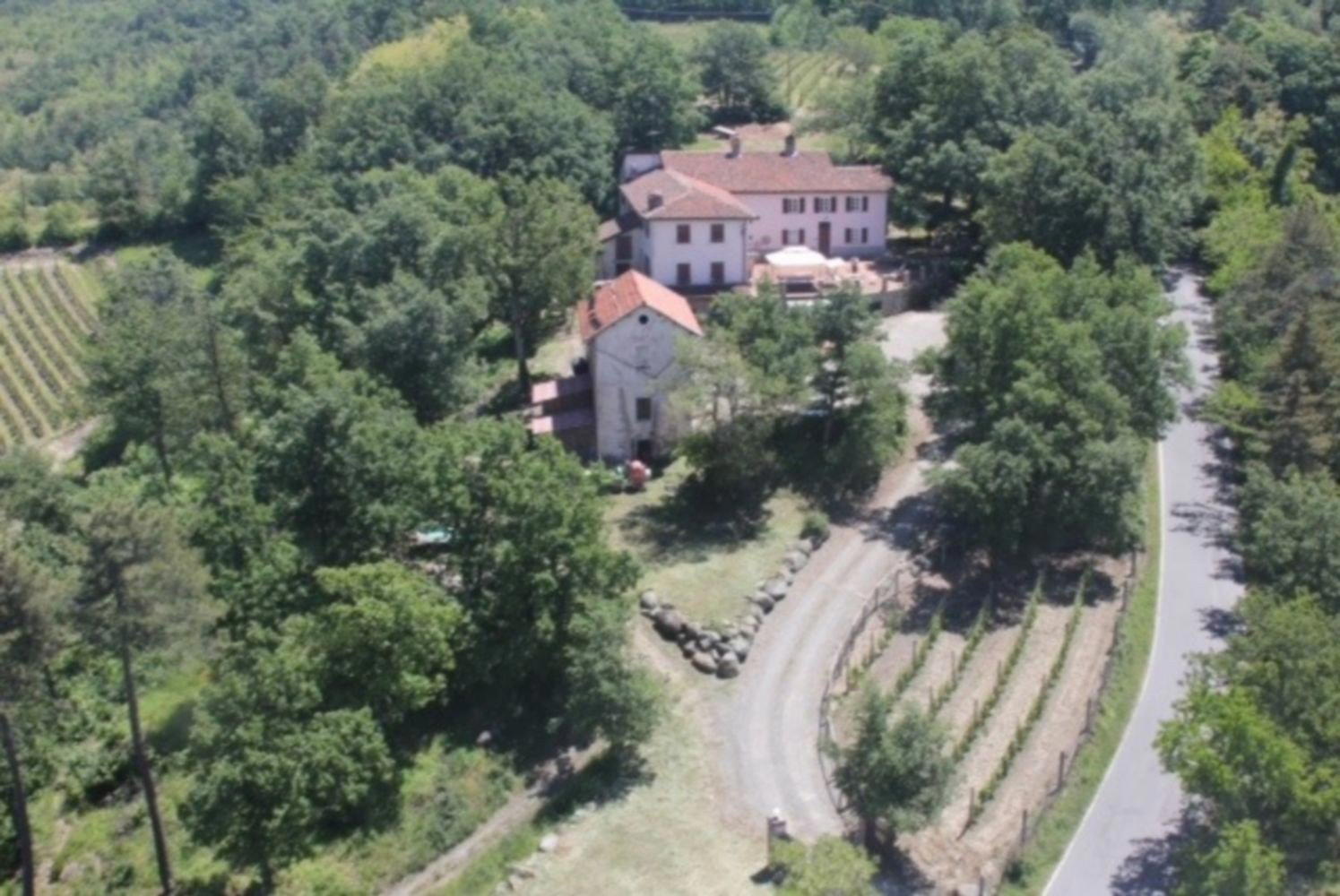
Cascina Bretta Rossa is worth planning for if Alta Langa DOCG is on the agenda: the strongest draw is Cuvée Leonora, a Pinot Noir and Chardonnay Brut Nature aged 36 months on the lees. Treat it as a wine-depth stop in Monferrato, especially for travelers comparing sparkling Piedmont with DOCG reds.
Caiarossa
Riparbella, Italy
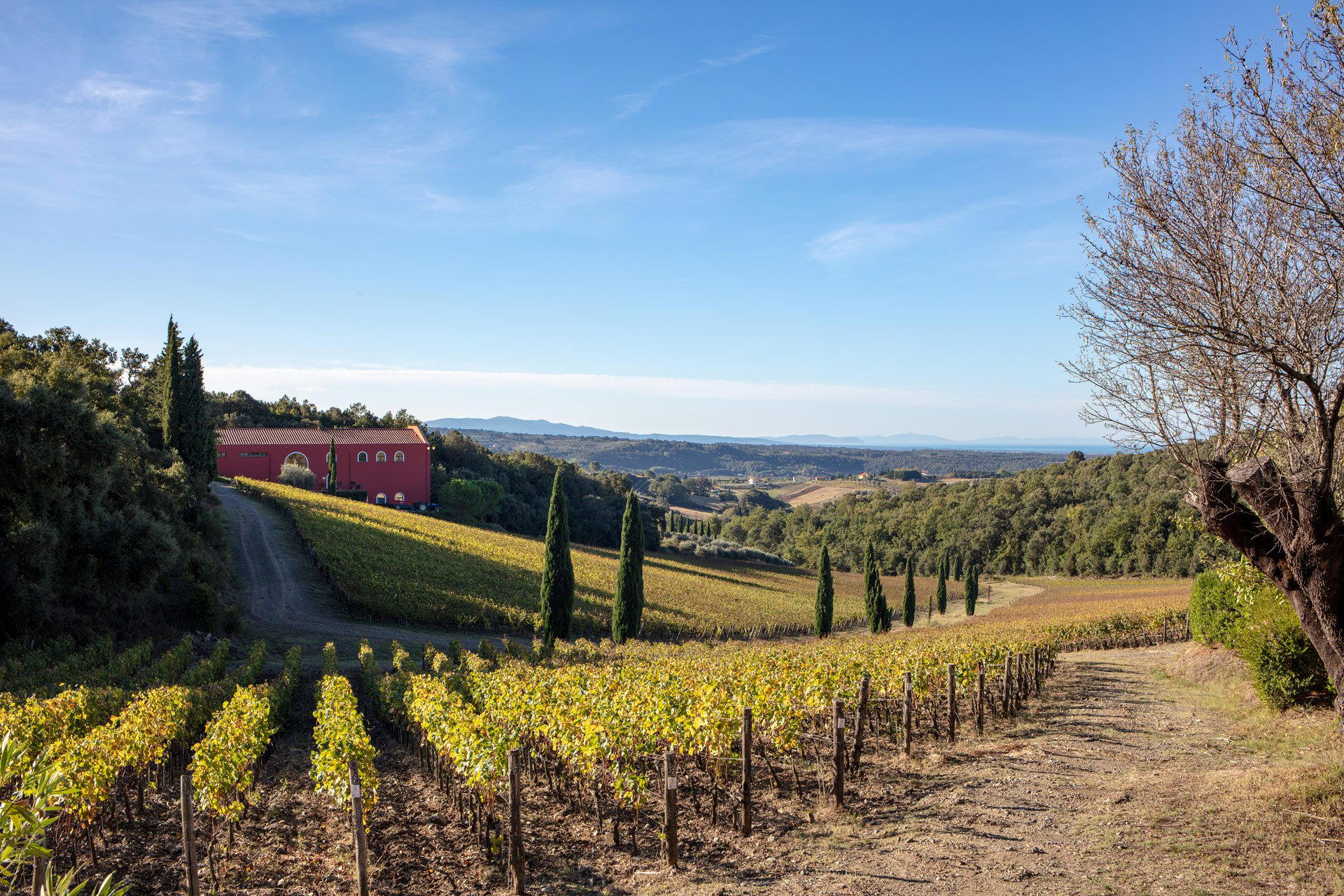
Caiarossa is worth planning around if the draw is biodynamic Tuscan winemaking, coastal soils, and a slower vineyard-and-cellar experience. At $65 per person, it makes sense for visitors who want production detail and estate context, not a casual walk-in tasting or food-led stop.
Cantina Sabaini
Illasi, Italy
Cantina Sabaini is worth booking if you want a Val d’Illasi winery visit where the estate setting adds real context. The draw is the family-run atmosphere, guided access through production and grape-drying areas, and a seated tasting style suited to couples, celebrations, and small wine-focused groups.
Cantina Ceresa
Pozzolengo, Italy
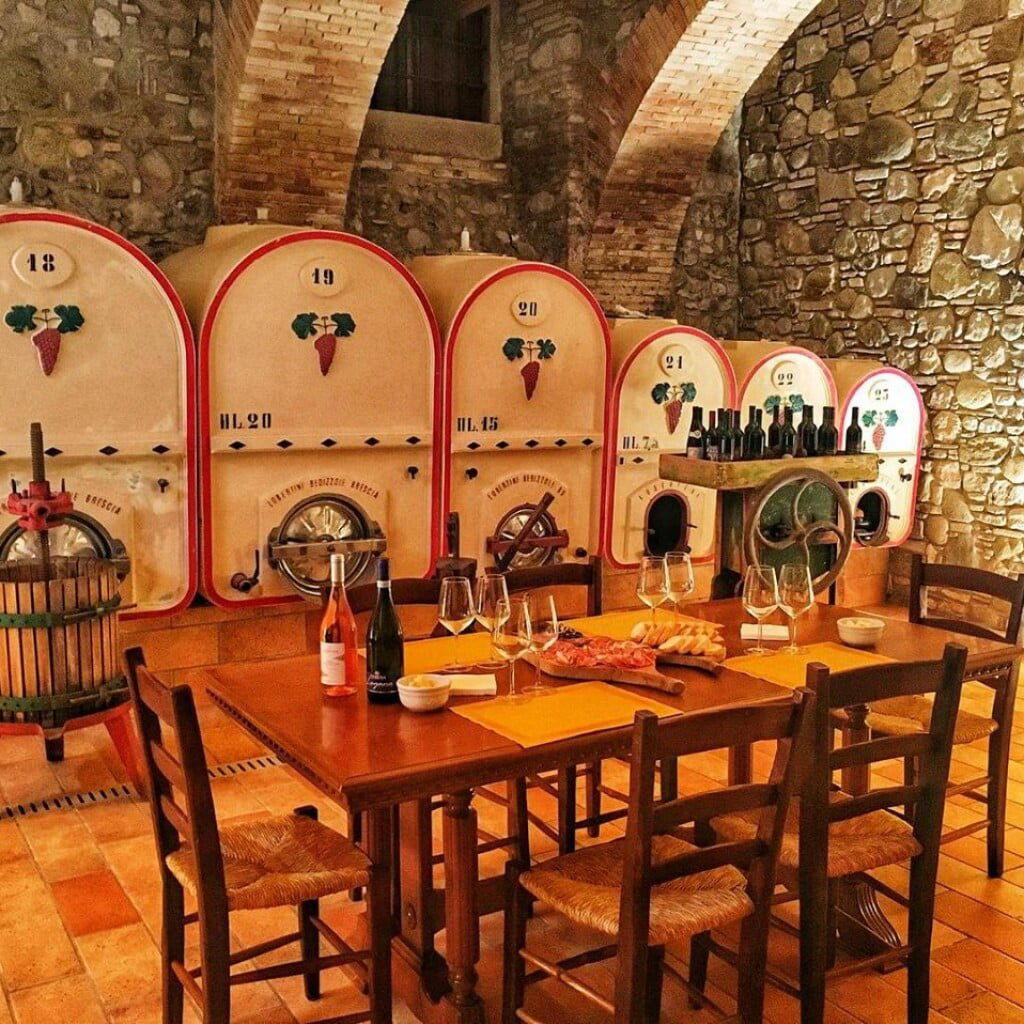
Book Cantina Ceresa if the goal is a small, atmospheric Lugana tasting with food pairing rather than a high-volume cellar stop. The former-monastery setting, underground stone cellar, guided format, and local pairings make it especially strong for couples, celebrations, and compact groups.
Cossignani L.E. Tempo
Massignano, Italy
A sensible Massignano wine stop for travelers already building a Marche itinerary, especially if the plan is flexible and wine-led. It is less suited to visitors who need confirmed dining, group, or tasting details before setting the day.
Château La Fleur de Boüard
Neac, France
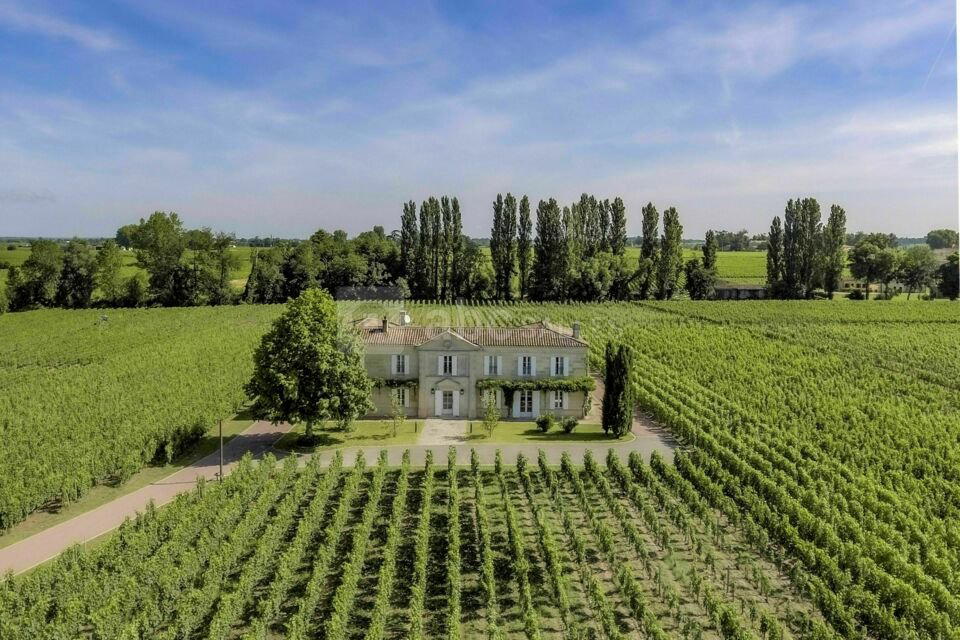
Book Château La Fleur de Boüard if you want a polished Right Bank winery visit with real production substance, not just a vineyard backdrop. The draw is the Merlot-led Lalande-de-Pomerol flagship, the OVNI gravity-fed cellar setup, and a private-tasting format that suits dates, celebrations, and small wine-focused groups.
Fontana Bodegas & Viñedos
Fuente De Pedro Naharro, Spain
Fontana Bodegas & Viñedos works if the goal is a planned Castilla-La Mancha winery stop with estate context, not a restaurant-style outing. Its Falstaff 1 Star recognition for 2026 gives it a clear quality signal, but practical details around food, shipping, and group handling should be checked before making it the anchor of a day.
Château La Commanderie de Queyret
Saint Antoine Du Queyret, France
Château La Commanderie de Queyret is worth seeking out for affordable, estate-grown Bordeaux rather than for a winery visit. With bottles listed from €8.55 and a 95-point Decanter-recognized Bordeaux Supérieur Révélation, the value case is strong; the tradeoff is that the experience is bottle-first, not hospitality-led.
Château de Muzot SA
Veyras Vs, Switzerland
Book Château de Muzot SA if you want a quiet Valais wine stop with historic-manor atmosphere and vineyard scenery near Veyras. It is a stronger fit for small groups and repeat regional visitors than for anyone chasing a busy tasting-room format, food service, or a detailed public schedule.
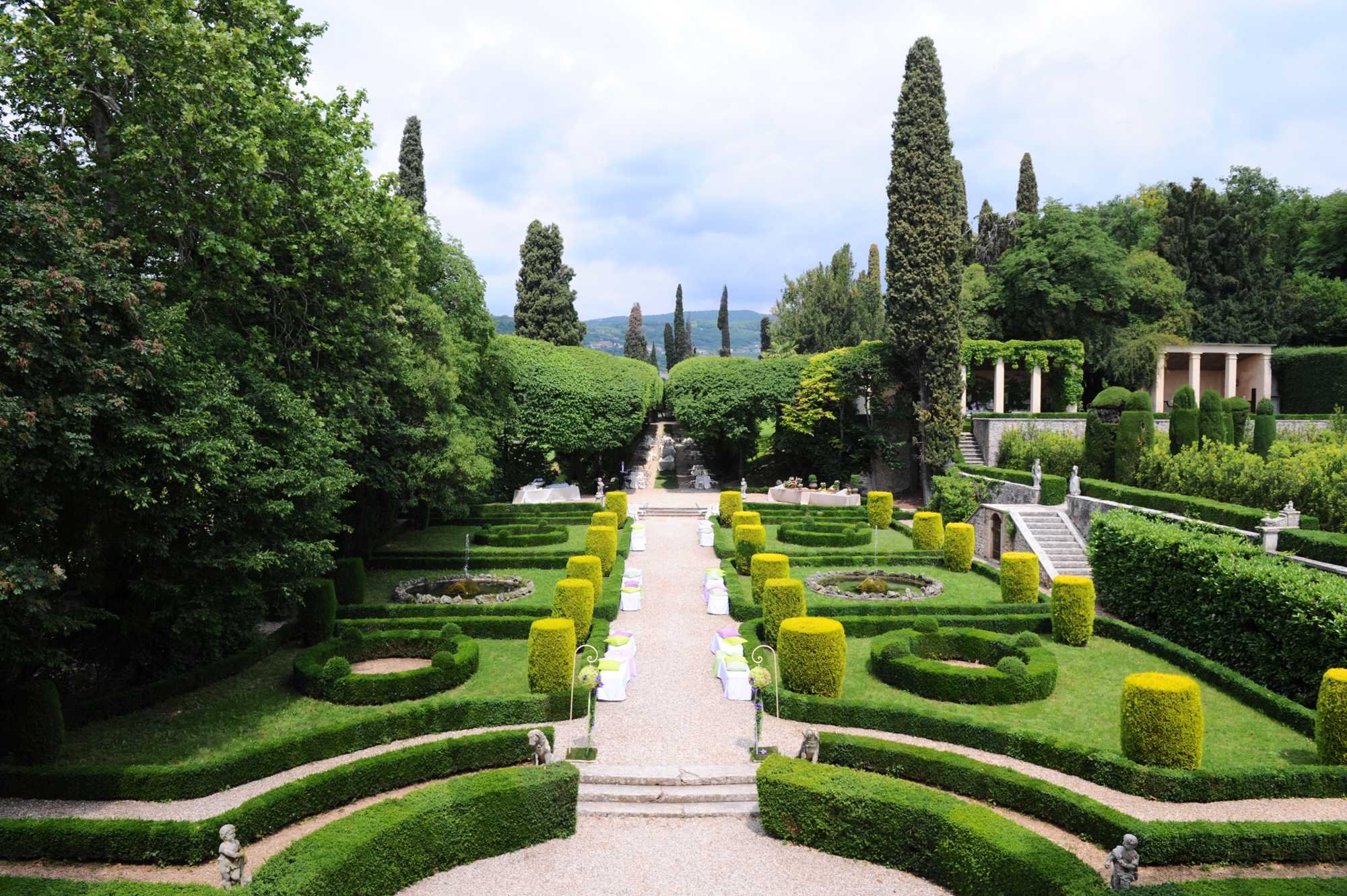
Guerrieri Rizzardi
Bardolino, Italy
A good Bardolino choice for visitors who want a polished, educational Veneto tasting rather than a casual pour-and-go stop. The appeal is the estate’s breadth across Bardolino, Valpolicella, Soave, Ripasso, Amarone and Merlot, plus a modern solar-powered winery rooted in a family history dating to the 1913 union of older estates.
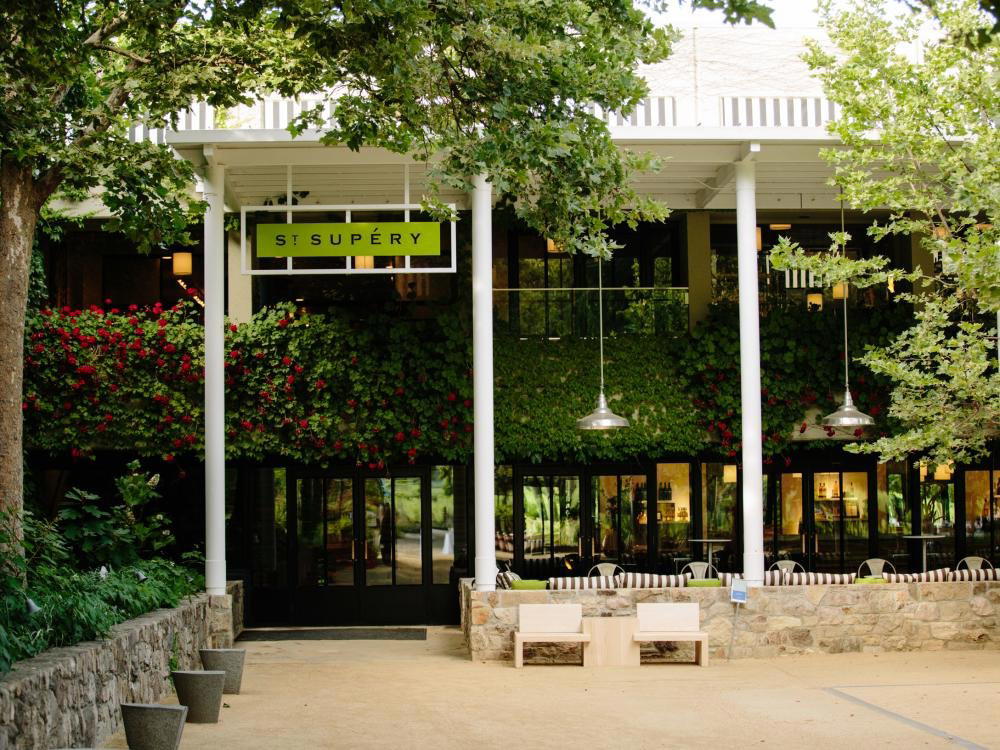
Band of Vintners
Napa, United States
Band of Vintners is a sensible Napa add-on if flexibility matters more than a heavily scripted tasting. Its Falstaff Listed recognition for 2026 gives it a credible signal, but plan around confirmed logistics elsewhere if this is for a celebration, client outing, or tightly timed wine-country day.
Corpinnat
Sant Sadurni D Anoia, Puerto Rico
Choose Corpinnat if the goal is a serious Alt Penedès sparkling-wine day built around organic farming, estate-grown grapes, and longer aging. It is less useful as a casual drop-in stop because the experience depends on selecting the right member winery and format.
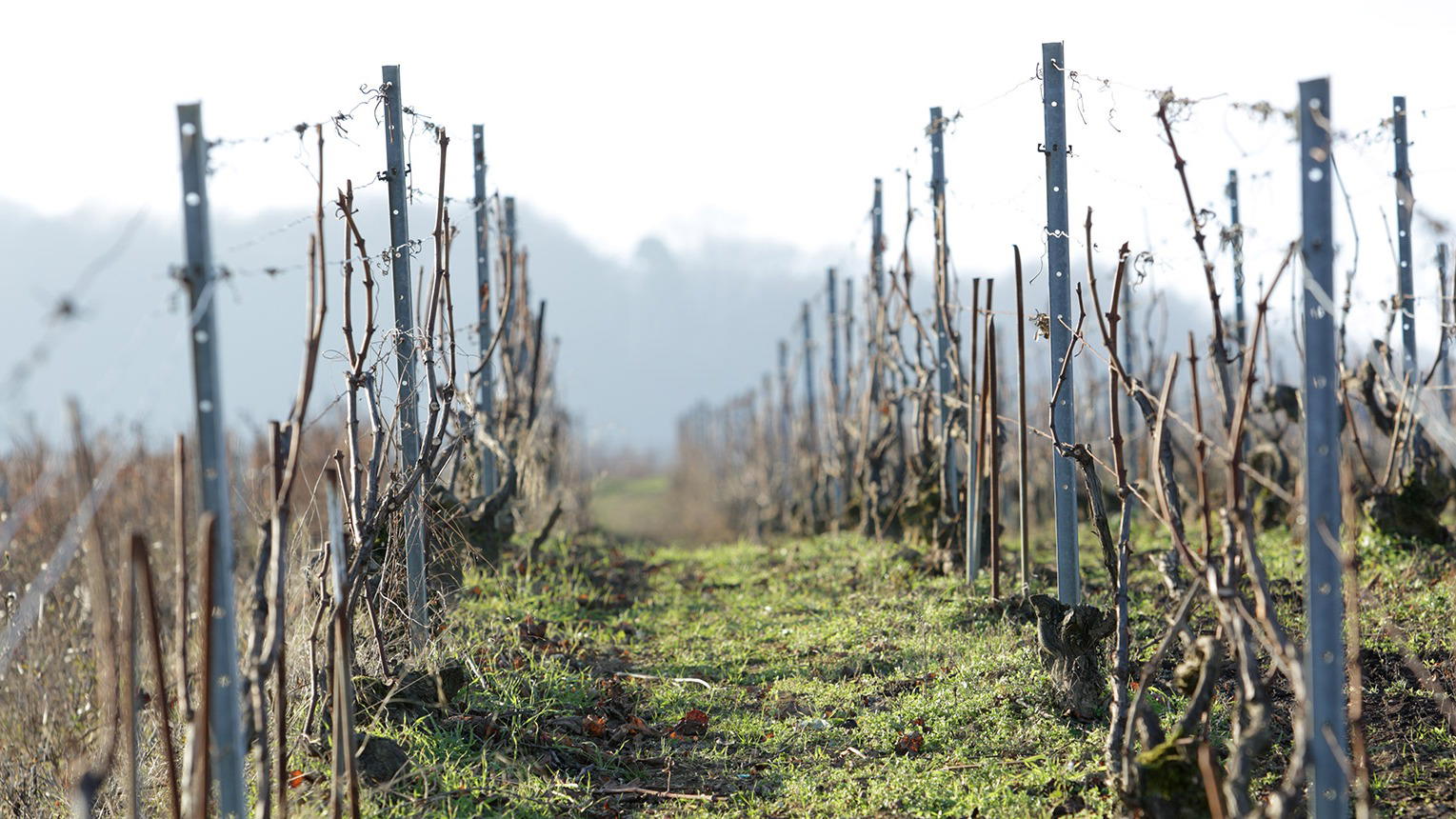
Agrapart & Fils
Avize, France
Book Agrapart & Fils if the point of the trip is serious grower Champagne rather than a broad visitor-center experience. It is a strong fit for a wine-led celebration in Avize, especially for drinkers comparing it with Jacques Selosse, Delamotte, Champagne Salon, Pierre Peters, and Pierre Gimonnet & Fils.
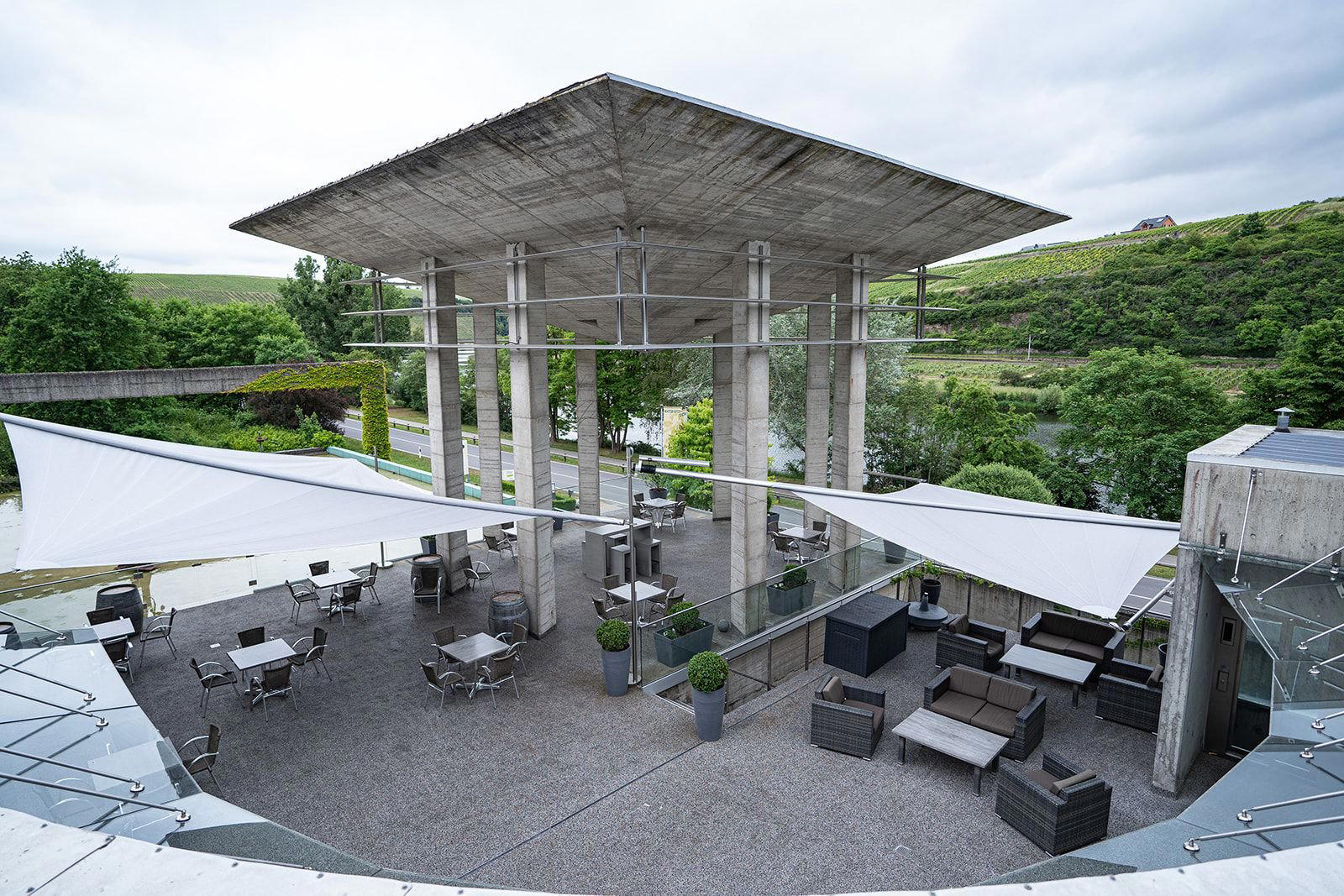
Domaine Viticole Cep d’Or
Hettermillen, Luxembourg
Domaine Viticole Cep d’Or is worth booking if you want a relaxed Moselle tasting built around low-yield, terroir-led Luxembourg wines rather than luxury staging. The draw is the family continuity, terrace, boutique, accessible setup, and range across Riesling, Pinot Gris, Pinot Noir, Auxerrois, Crémant, late-vintage wines, and straw wine.
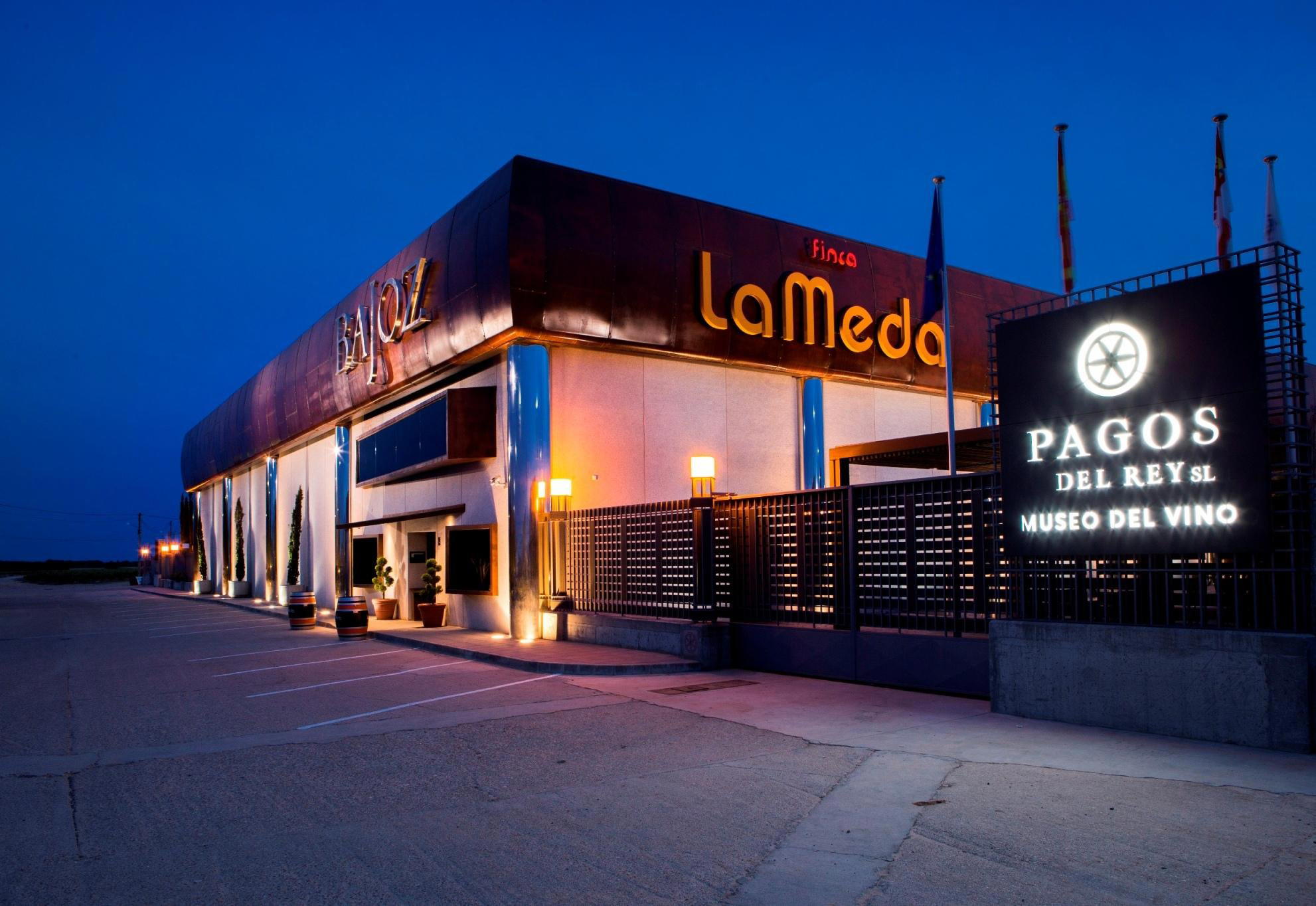
Bodega Vega Sauco S.L.
Morales de Toro, Spain
Bodega Vega Sauco S.L. works for a wine-led Morales de Toro itinerary, especially if external recognition matters more than a fully described visitor program. It is a stronger fit for serious wine travelers than for guests seeking a guaranteed long tasting, meal, or estate-style hospitality day.
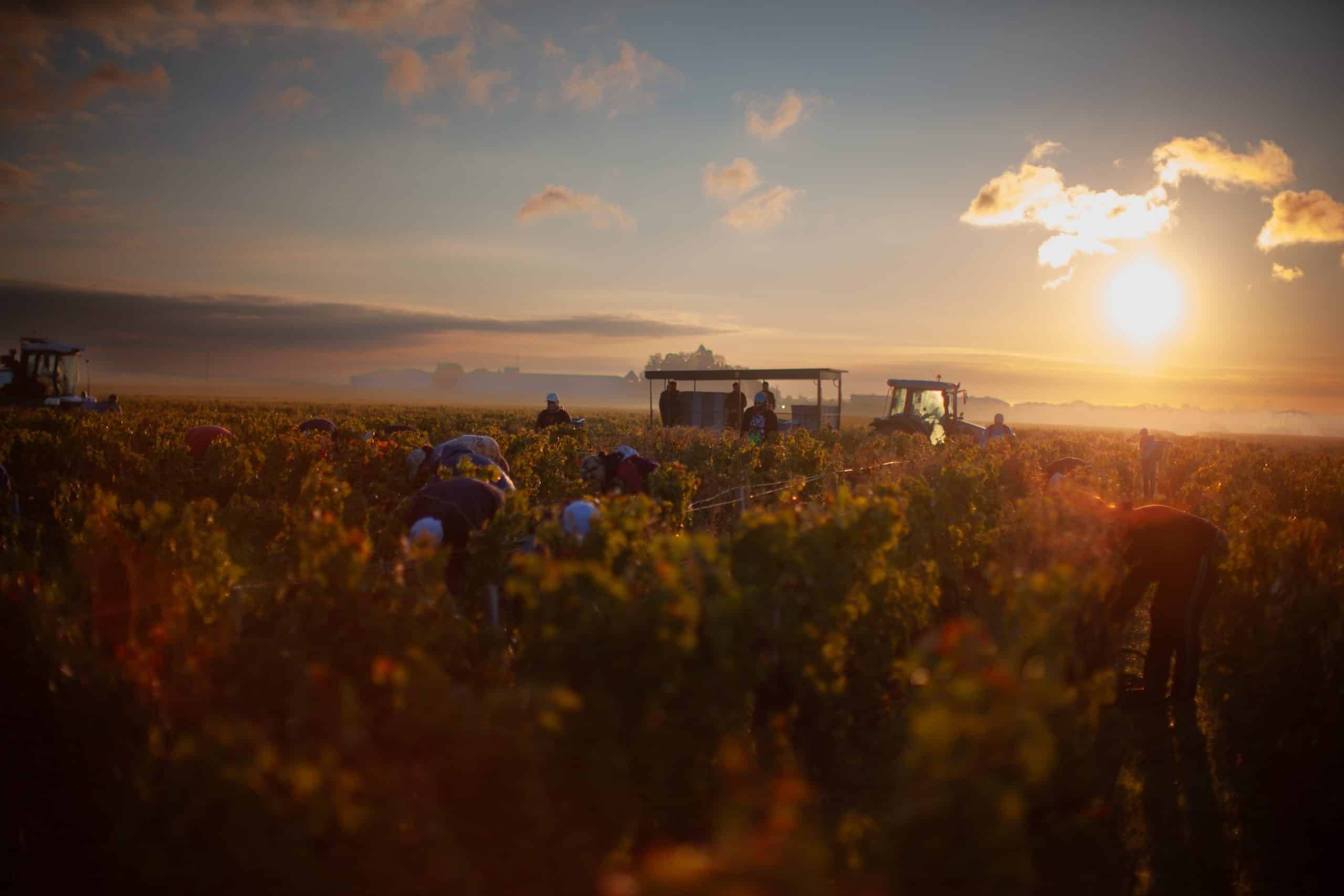
Château Cos d'Estournel
Saint-Estèphe, France
Château Cos d'Estournel is a winery in Saint-Estèphe, Bordeaux.
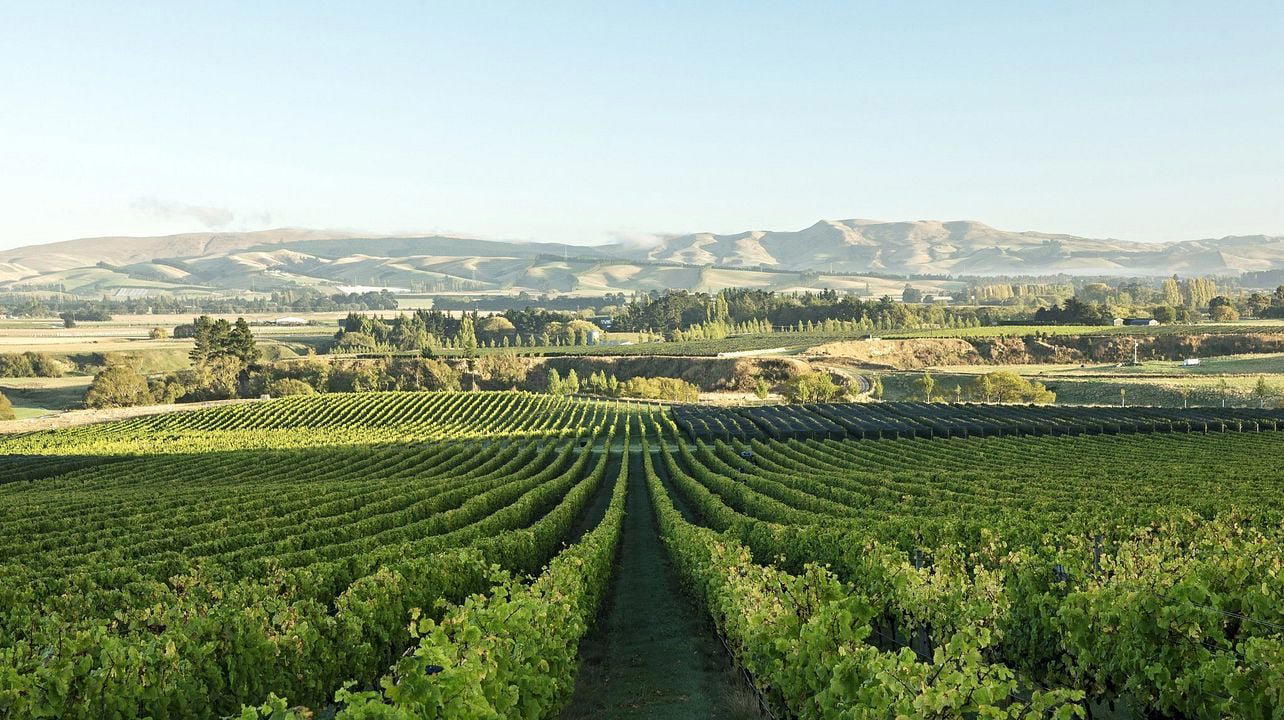
Bellbird Spring Wines
Amberley, New Zealand
Book Bellbird Spring Wines if you want a quiet, appointment-led Waipara tasting with real regional context rather than a high-production cellar-door experience. The draw is single-estate North Canterbury wine, older vines, family stewardship, and a Falstaff Listed 2026 signal that makes it a credible stop for serious wine travelers near Amberley.
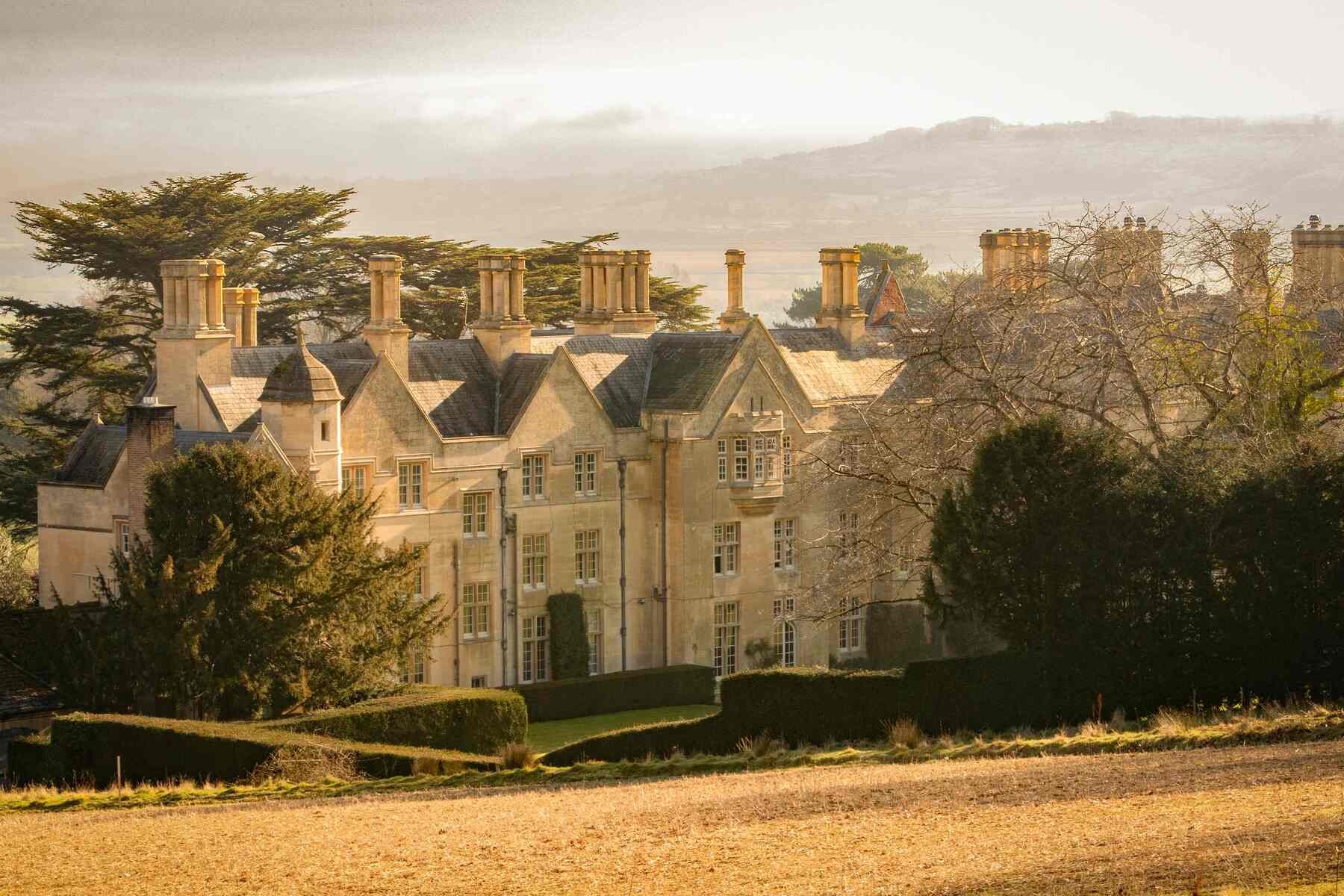
Bibendum Wine
London, United Kingdom
Bibendum Wine is a smart choice for serious wine buying, trade planning, and event selection, not for a casual tasting-room outing. Its value sits in premium portfolio curation, producer access, and education-led support, with Falstaff Listed recognition in 2026 adding a credible quality signal.
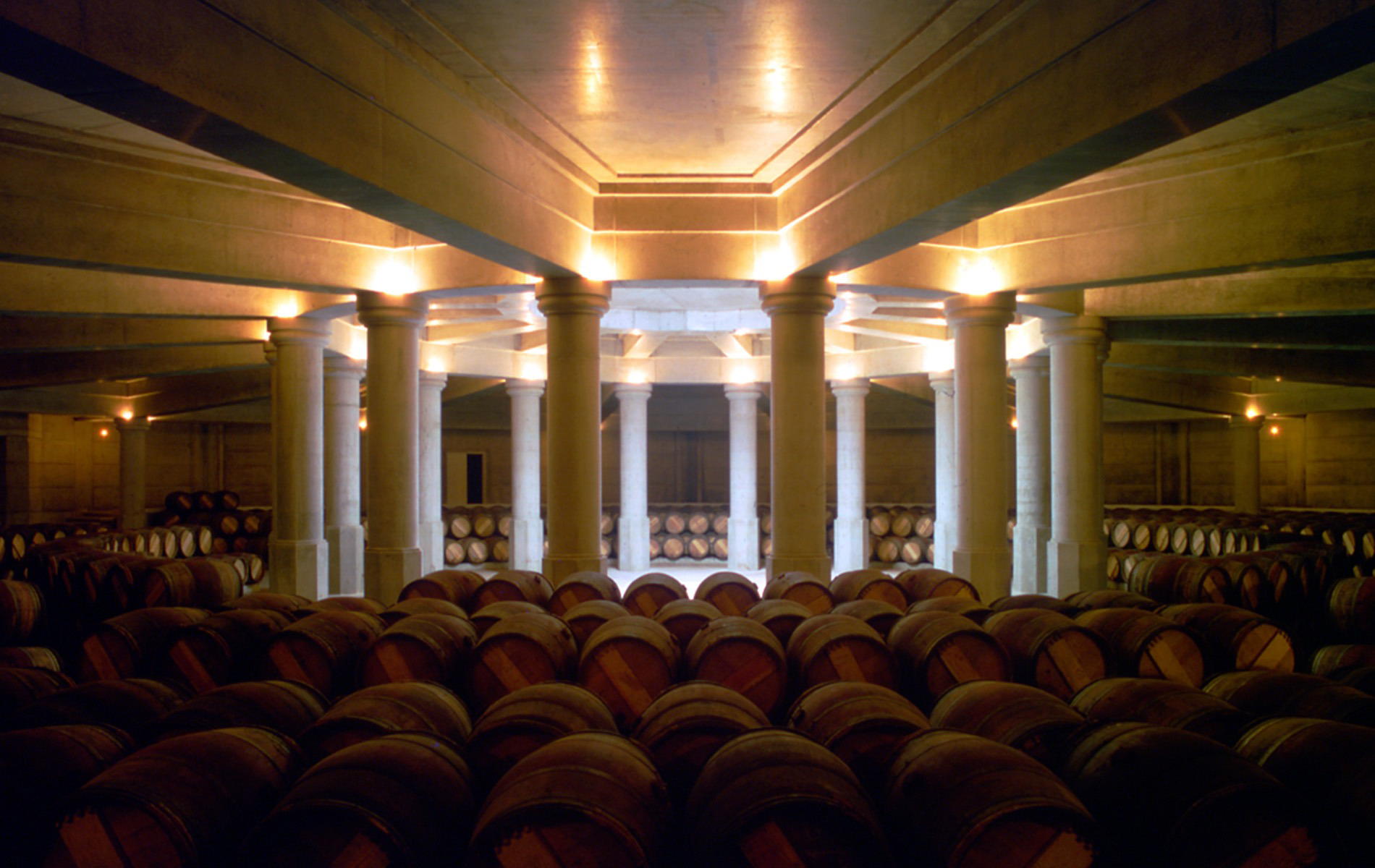
Chateau Lafite Rothschild
Pauillac, France
Château Lafite Rothschild is a wine estate in Pauillac, Bordeaux.
Clarabella
Iseo, Italy
Clarabella is worth booking if you want a quiet Franciacorta stop with substance beyond the tasting glass. The draw is the combination of DOCG sparkling wines, agriturismo calm, and a social-cooperative model, not luxury polish or a formal allocation program. Falstaff Listed in 2026, it suits curious wine travelers, couples, and families using Iseo as a slower countryside base.
Brezza dal 1885
Barolo, Italy
Brezza dal 1885 is a plan-ahead Barolo winery pick for travelers who care about heritage and regional credibility. Falstaff’s 4-star 2026 recognition gives it a clear trust signal, making it a strong special-occasion shortlist option when the day is built around serious Nebbiolo country rather than a casual tasting crawl.
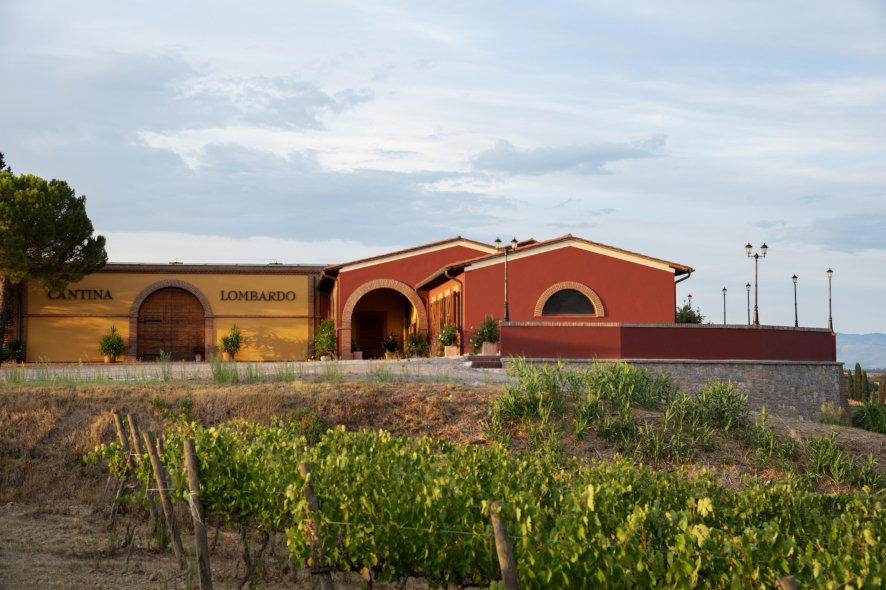
Azienda Agricola Lombardo
Gracciano Di Montepulciano, Italy
Azienda Agricola Lombardo works for a flexible Montepulciano-area wine stop, especially for travelers who value regional context over a fully published visitor format. Falstaff listing for 2026 gives it a credible reason to shortlist, but confirm logistics before building a celebration or group itinerary around it.
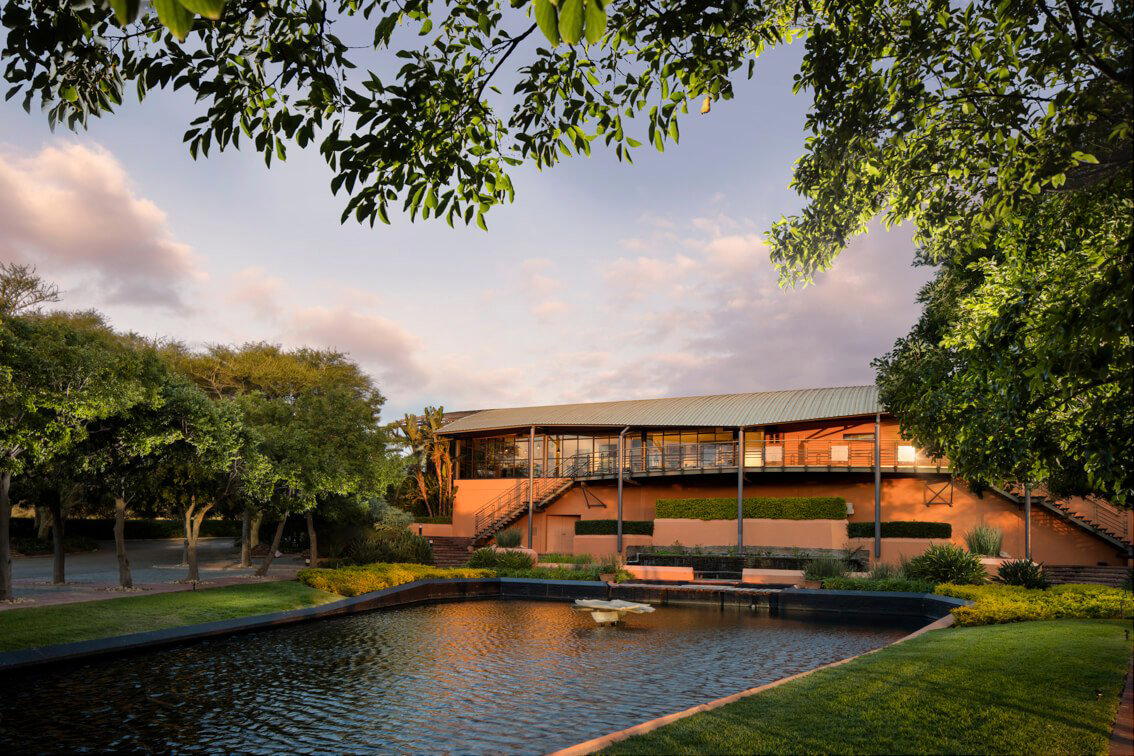
Graham Beck Wines
Robertson, South Africa
Graham Beck Wines is the Robertson stop to prioritise when the day is built around wine rather than casual browsing. Plan ahead and make it the anchor of the route; for easier, more flexible alternatives, cross-shop Van Loveren Family Vineyards, Robertson Winery, or Klipdrift Distillery.
Ghiga Enrico
Castiglione Tinella, Italy
Book Ghiga Enrico if you want a rural, production-led Piedmont winery visit focused on Moscato d’Asti DOCG, Barbera d’Asti DOCG Superiore, and Langhe Nebbiolo DOC rather than a highly staged tasting-room experience. It is strongest for first-timers who value family continuity, appellation context, and a quieter working-estate feel.
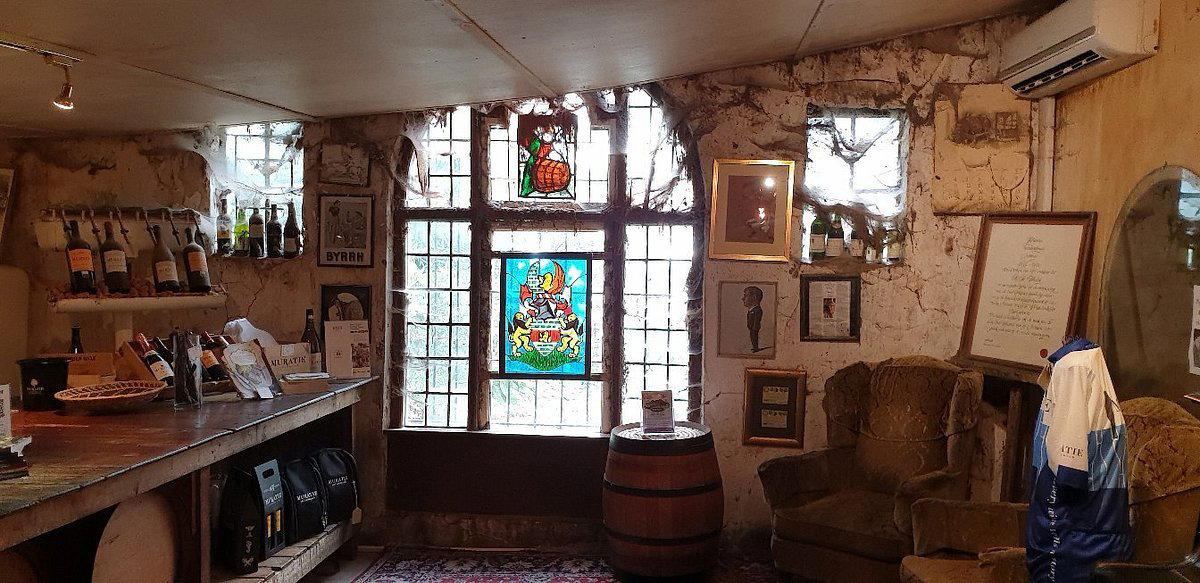
Muratie Wine Estate
Stellenbosch, South Africa
Choose Muratie Wine Estate if the goal is a slower, atmosphere-led Stellenbosch stop rather than a highly managed estate circuit. It works well for first-timers building regional context, especially when paired with Kanonkop, Warwick, Delheim, L'Avenir, or Simonsig for contrast.
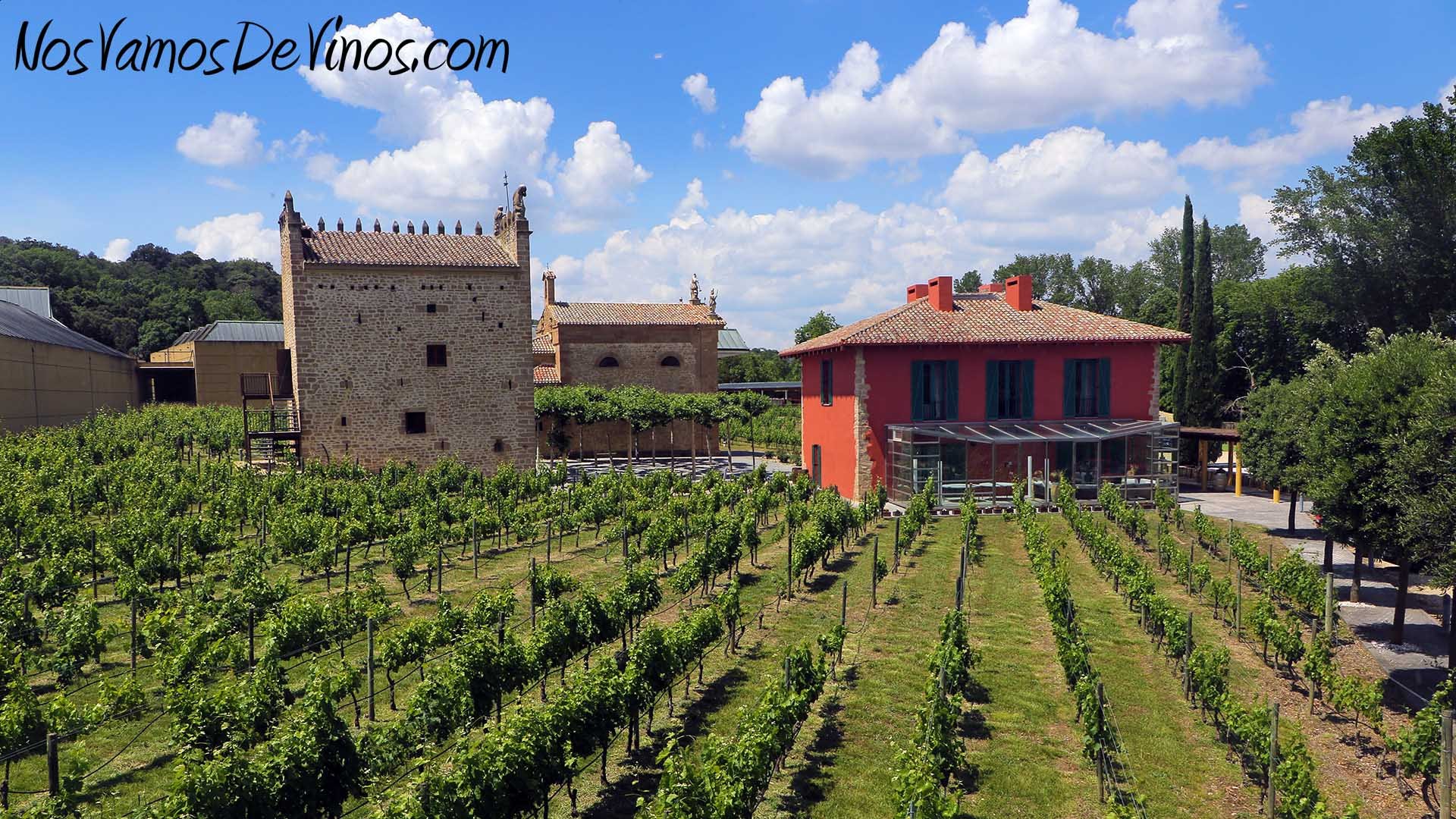
Bodegas Gil Luna
Toro Zamora, Spain
A strong pick for wine-focused travelers in Toro who care more about ecological vineyards and old-vine Tinta de Toro than polished visitor facilities. The value is in the bottles and regional context, not food service or a long hospitality format, so plan meals elsewhere and treat this as a targeted winery stop.
Château La Patache
Pomerol, France
Château La Patache is worth targeting if the goal is a focused Pomerol winery visit rather than a food-led tasting. The draw is its small 3.18-hectare scale, converted historic buildings, and technical cellar approach, with Vinification Intégrale and barrel aging central to the story. Plan meals separately and treat this as the wine-depth stop in the day.
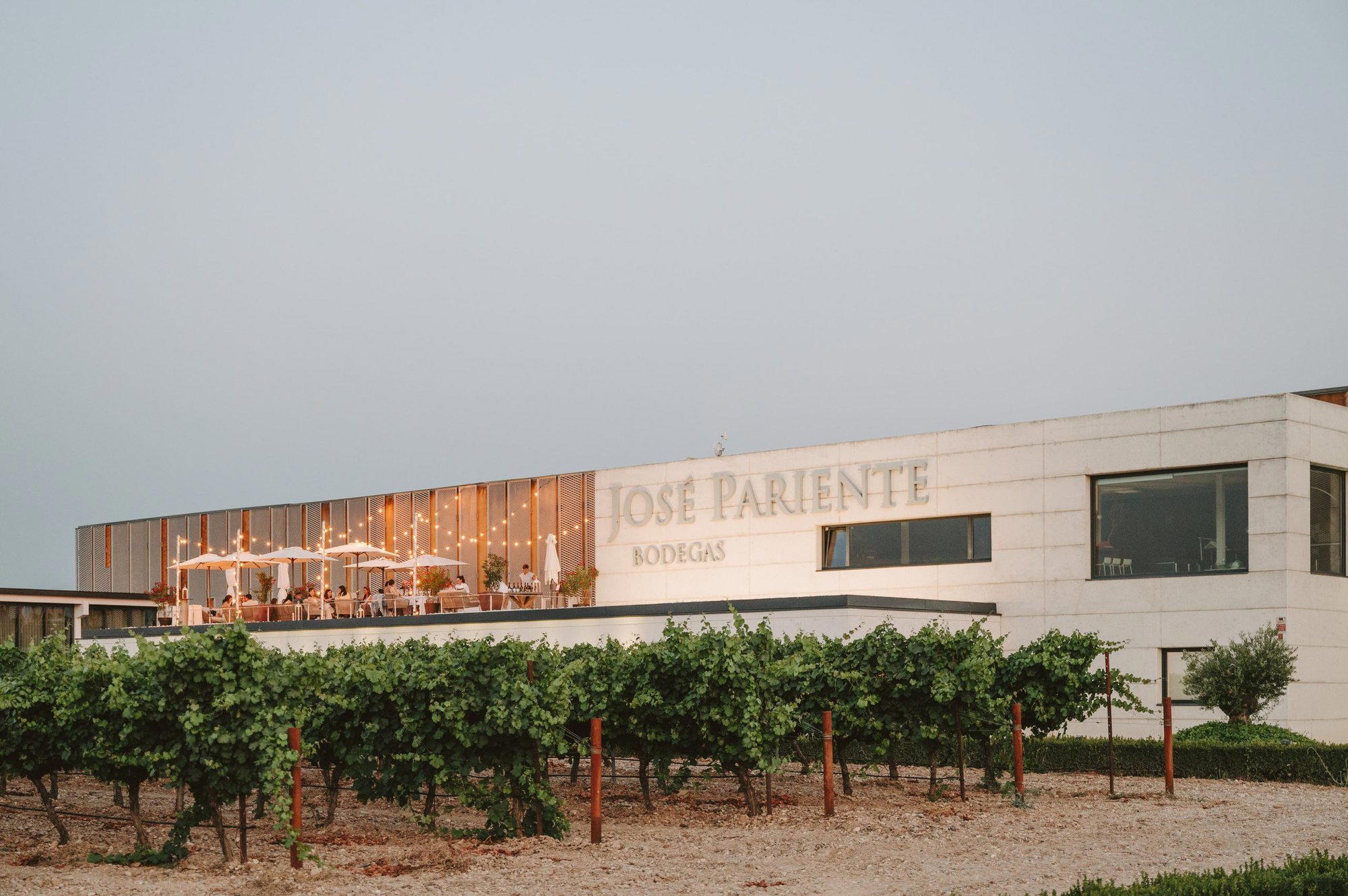
Bodegas José Pariente
La Seca, Spain
Worth planning around if Rueda wine is the reason for the trip. Bodegas José Pariente has a clear 2026 Falstaff 3 Stars quality signal, making it better suited to a focused tasting day or special-occasion wine itinerary than an improvised stop in La Seca.
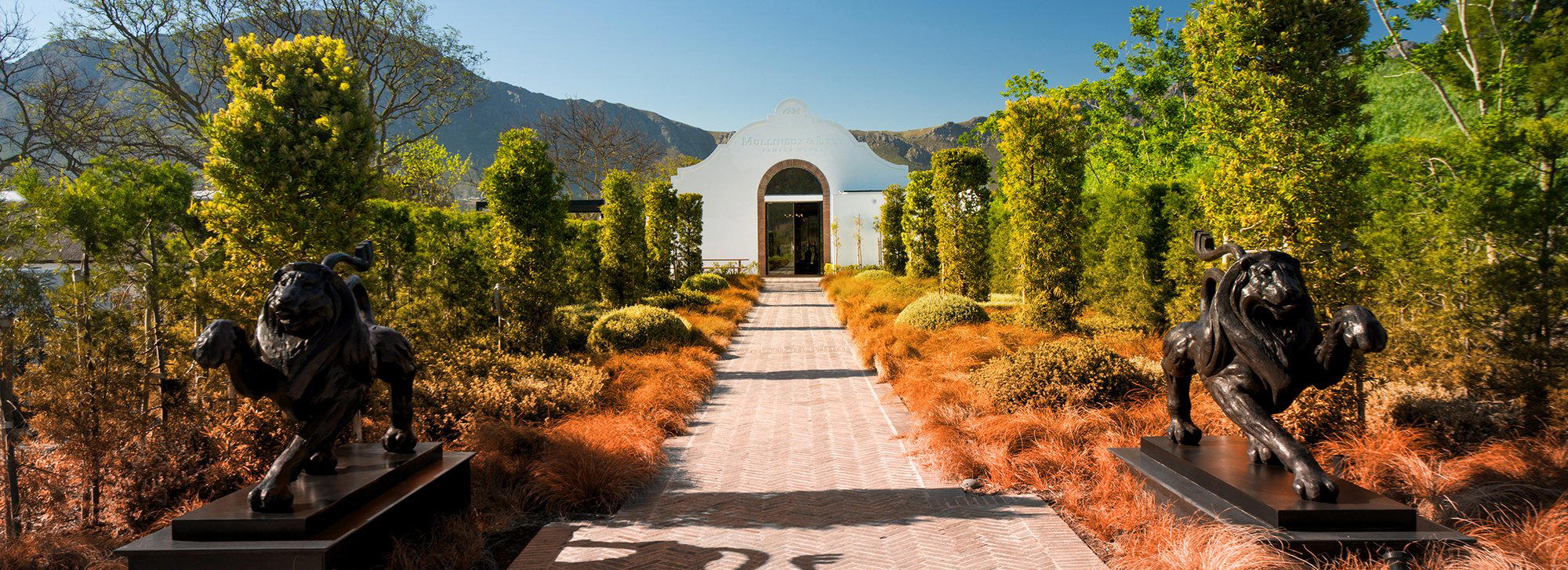
Mullineux & Leeu Family Wines
Franschhoek, South Africa
Book Mullineux & Leeu Family Wines if the goal is a serious Franschhoek producer stop, not a broad leisure-estate day. It suits wine-focused travelers who want a quieter, more intentional appointment and are willing to plan ahead rather than relying on easy availability.
Field Day Wine Co.
Willunga, Australia
Field Day Wine Co. is a wine-first Willunga shortlist pick, backed by a Falstaff Listed 2026 signal but with limited confirmed hospitality details. Treat it as a tasting-and-bottle-assessment stop rather than a guaranteed food, tour, or large-group venue; verify logistics before shaping the day around it.
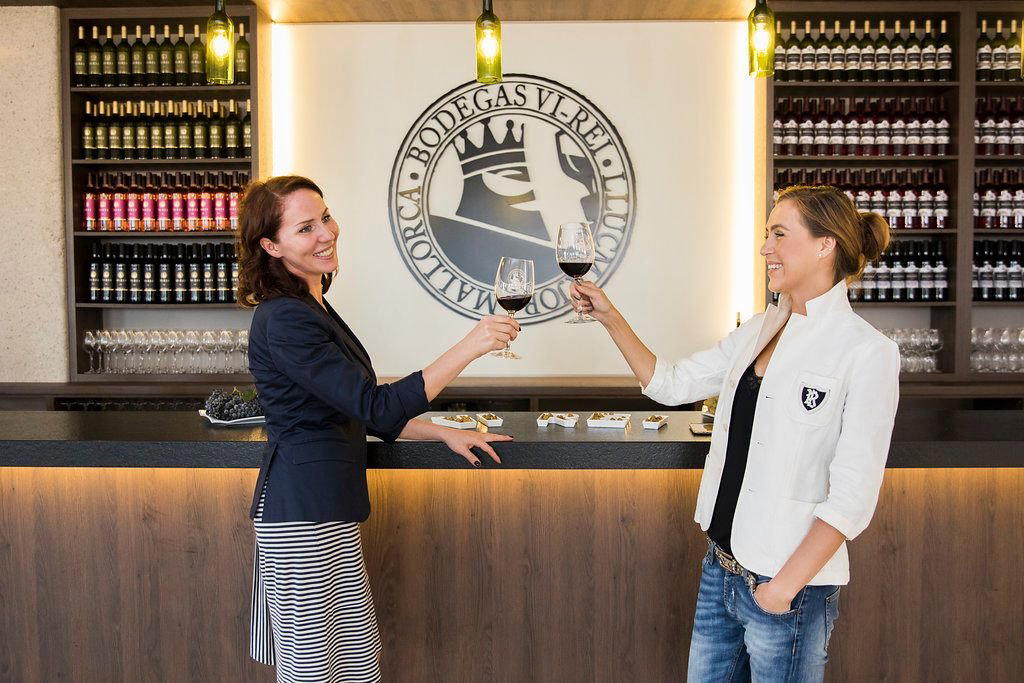
Bodegas Vi Rei
Llucmajor, Spain
Bodegas Vi Rei is a good fit for a slower Llucmajor wine stop, especially when the vineyard setting is part of the occasion. The 2026 Falstaff listing adds credibility, but confirm practical details before planning a large group, food-led visit, or shipping-dependent purchase.
Weingut Gesellmann
Deutschkreutz, Austria
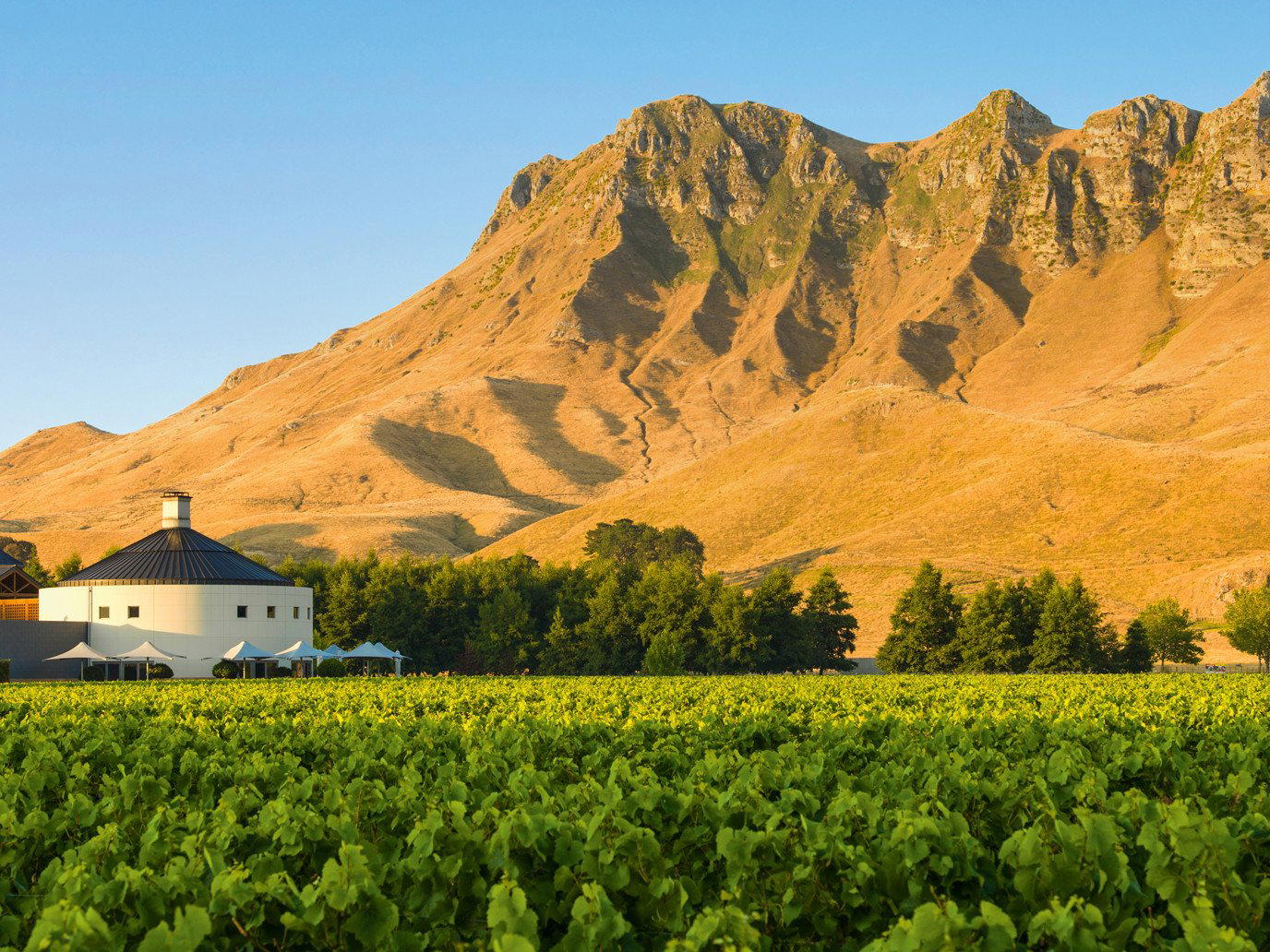
Book Weingut Gesellmann if Deutschkreutz is already the focus of a serious Burgenland wine trip. It suits collectors, couples, and hosted occasions better than spontaneous tasting-room hopping; cross-shop Weingut Gager and Weingut Strehn if you want nearby alternatives with a similar local frame.
Cantina Giubiasco
Giubiasco, Switzerland
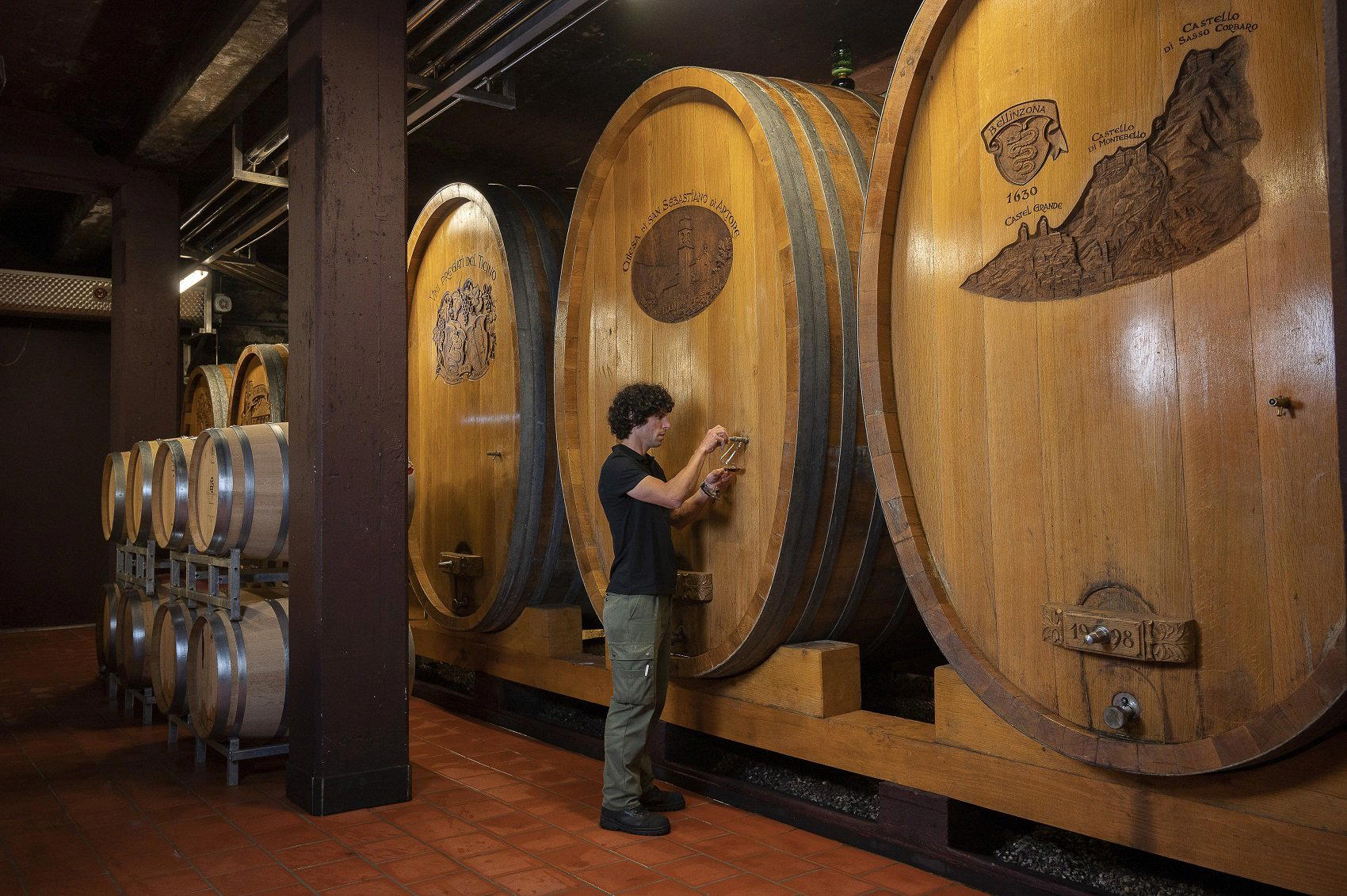
Choose Cantina Giubiasco for a reservation-led Ticino winery visit with real regional context, not for a casual walk-in drink. The draw is the Merlot-focused cellar format, the cooperative history dating to 1929, and a quiet rustic atmosphere that works well for a low-key celebration or business-friendly tasting.
Domaine Horgelus
Cazeneuve, France
Book Domaine Horgelus if you want a relaxed Gascony estate with production substance rather than luxury staging. The draw is its family-run Côtes de Gascogne model, estate-grown grapes, regional varieties, and Armagnac alongside approachable wines. Appointment-only planning matters, but the booking difficulty is easy if you arrange ahead.
Familie Stich Traubengenuss
Trasdorf, Austria
A good fit for wine travelers who want a quiet, appointment-led Trasdorf tasting rather than a polished destination experience. The value is in the rustic setting, slower pace, and Falstaff-listed credibility; larger groups or visitors needing detailed advance logistics should plan more cautiously.
Kapellenhof
Selzen, Germany
Kapellenhof is a good fit for a planned Selzen wine-country meal when the priority is a quiet, rustic winery atmosphere with restaurant-level hospitality. It is less convincing as a wine-club or allocation-led decision because no clear membership structure, bottle list, or release model is visible here; judge the value in person.
Fassati
Montepulciano, Italy
Sangiovese, Vinsanto, and Grappa make Fassati a strong pick for a quieter Montepulciano tasting with a classic Tuscan feel. Choose it for a date, celebration, or business-friendly wine stop where Vino Nobile is the point, not a rushed tasting-room checklist.
Château Franc-Maillet
Saint-Émilion, France
Book Château Franc-Maillet if the priority is a focused Pomerol visit built around Merlot-Cabernet Franc structure, traditional methods, and a smaller-estate perspective. It is less compelling for travelers who want polished visitor amenities, but worthwhile for wine-focused guests seeking a deeper Right Bank conversation near Saint-Émilion.
Adami
Colbertaldo Di Vidor, Italy
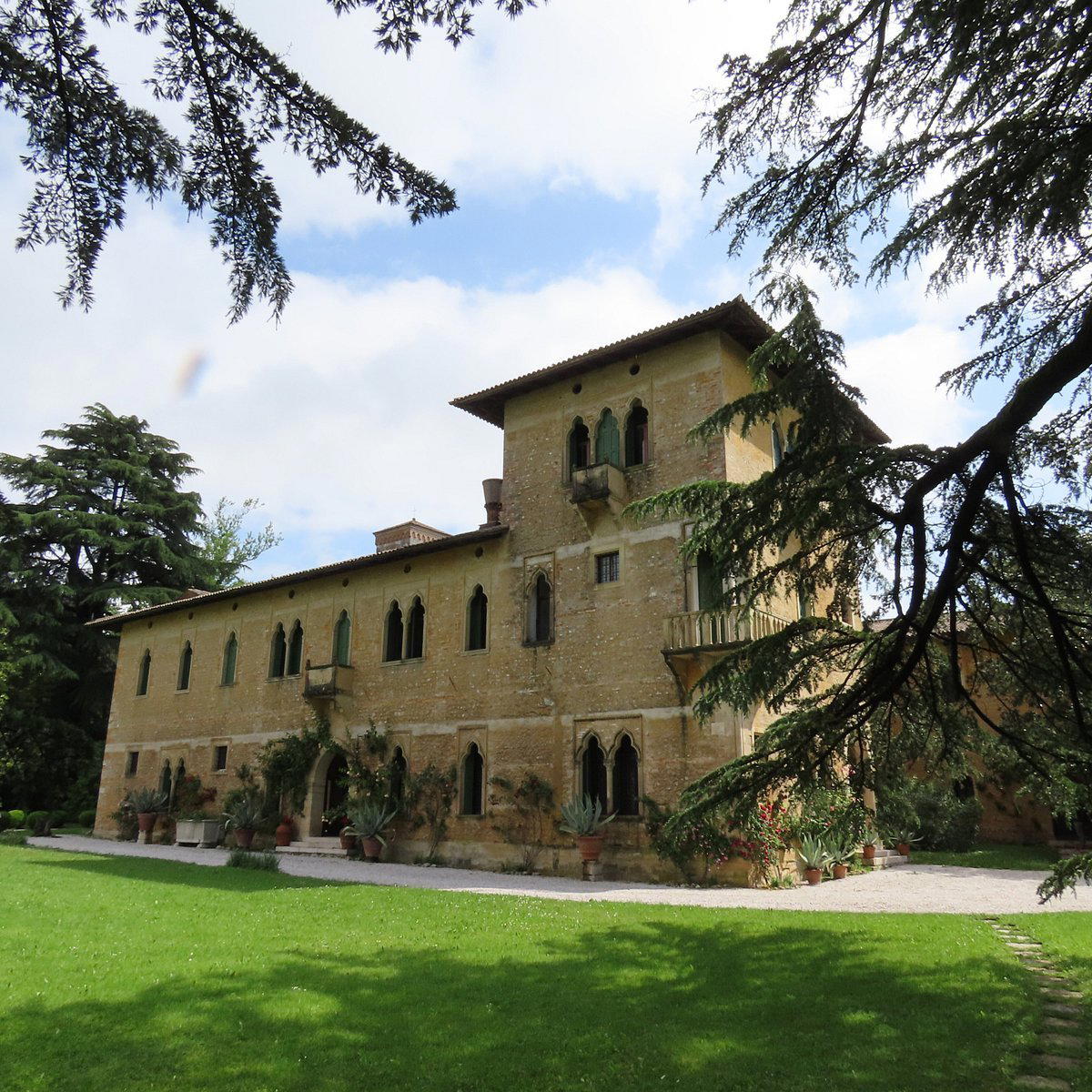
Adami is worth booking if you want a structured Prosecco Superiore tasting that explains the Colbertaldo hills rather than a casual pour. The strongest reason to go is the guided comparison across house styles, anchored by Vigneto Giardino Asciutto, Col Fondo, and the estate’s DOCG focus.
Bodegas Triton SL
Jumilla, Spain
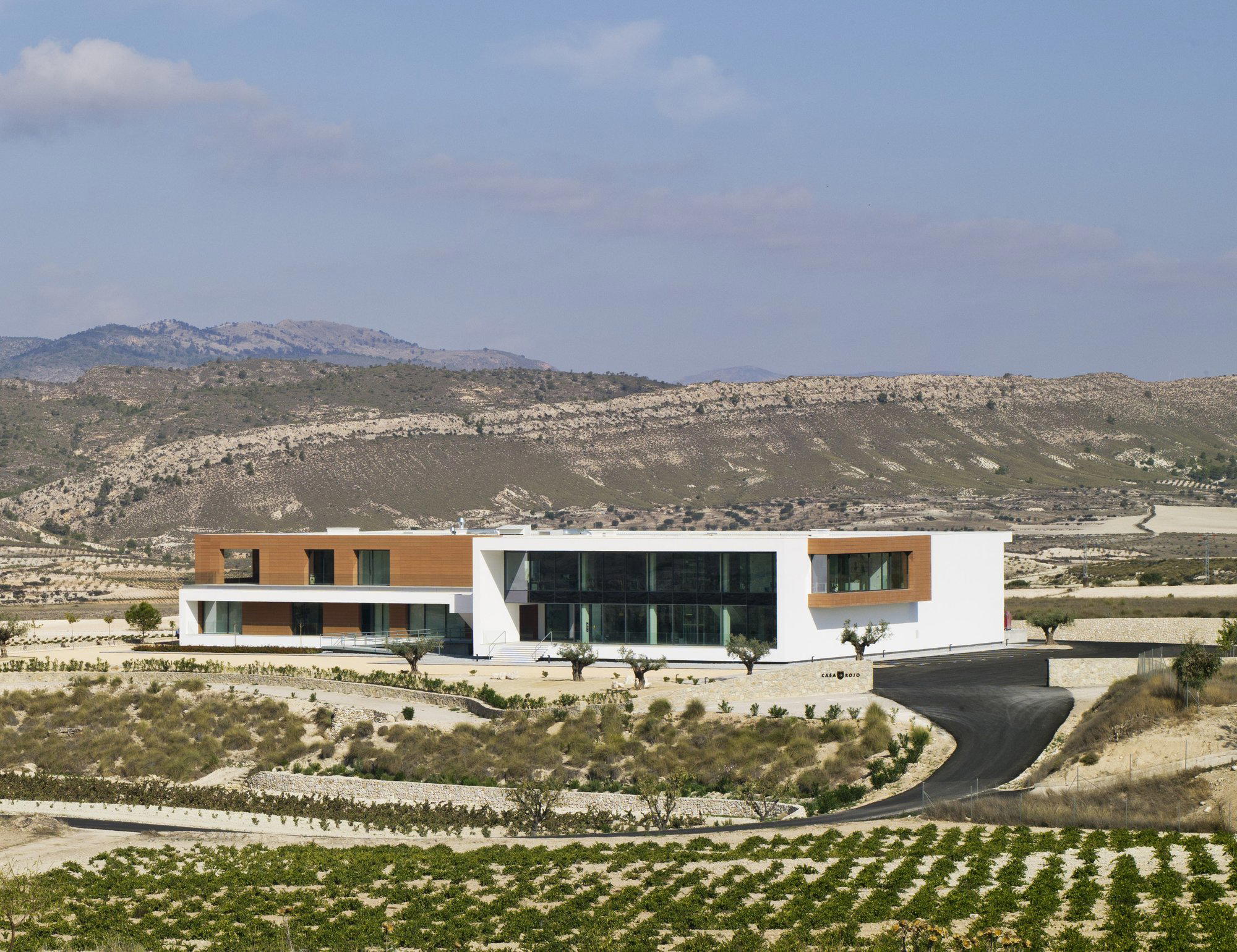
Worth considering only if the goal is a focused, appointment-based winery stop in Jumilla rather than a full hospitality experience. Bodegas Triton SL carries a moderate price signal and Falstaff Listed recognition for 2026, but readers planning a celebration should confirm the tasting format before building the day around it.
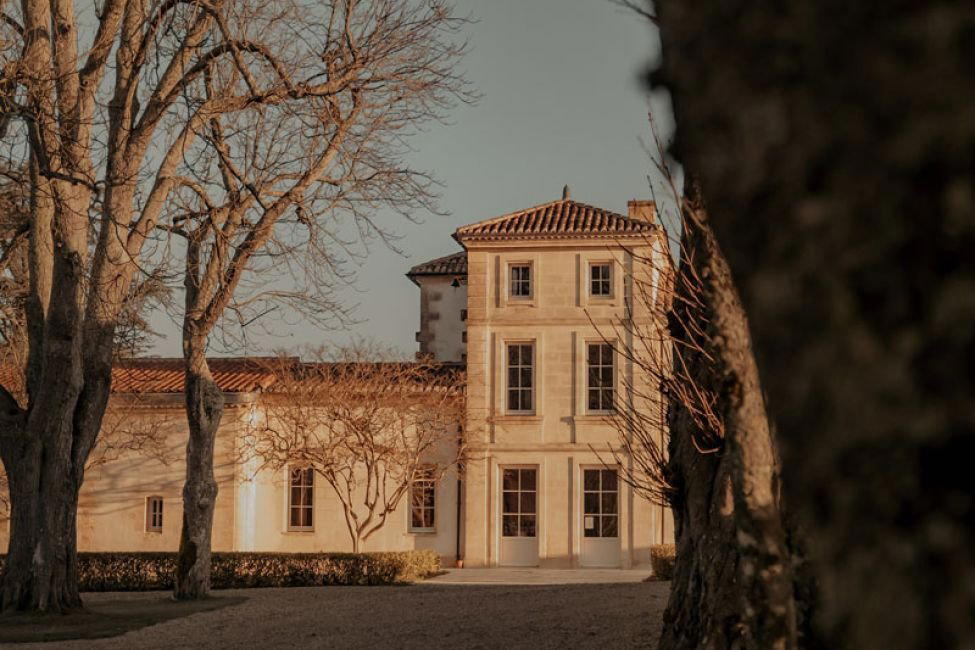
Château Fonroque
Saint-Émilion, France
Château Fonroque works as a calm, wine-focused Saint-Émilion stop, especially for return visitors who want a more concentrated estate visit rather than a headline-driven itinerary. Falstaff Listed in 2026, it makes the strongest case as an easy-to-plan addition to a broader wine day, not as a standalone destination.
How many of these have you visited?
Find out on Pearl and keep score across every place in 2026 Falstaff Winery Guide.