

2026 Falstaff Winery Guide: The Ultimate Wine Authority — Page 105
Falstaff's 2026 Wineries guide.

Venues on this list
Cave aux Hirondelles
Praz Vully, Switzerland
Cave aux Hirondelles is a practical Praz Vully wine stop for travelers already building time around the village and its vineyards. The draw is regional context, supported by a Falstaff Listed 2026 signal, rather than a destination-style hospitality setup. Plan it as a focused cellar visit and confirm details before arranging groups or food around it.
Alexs – Alexander Schreiner
Gols, Austria
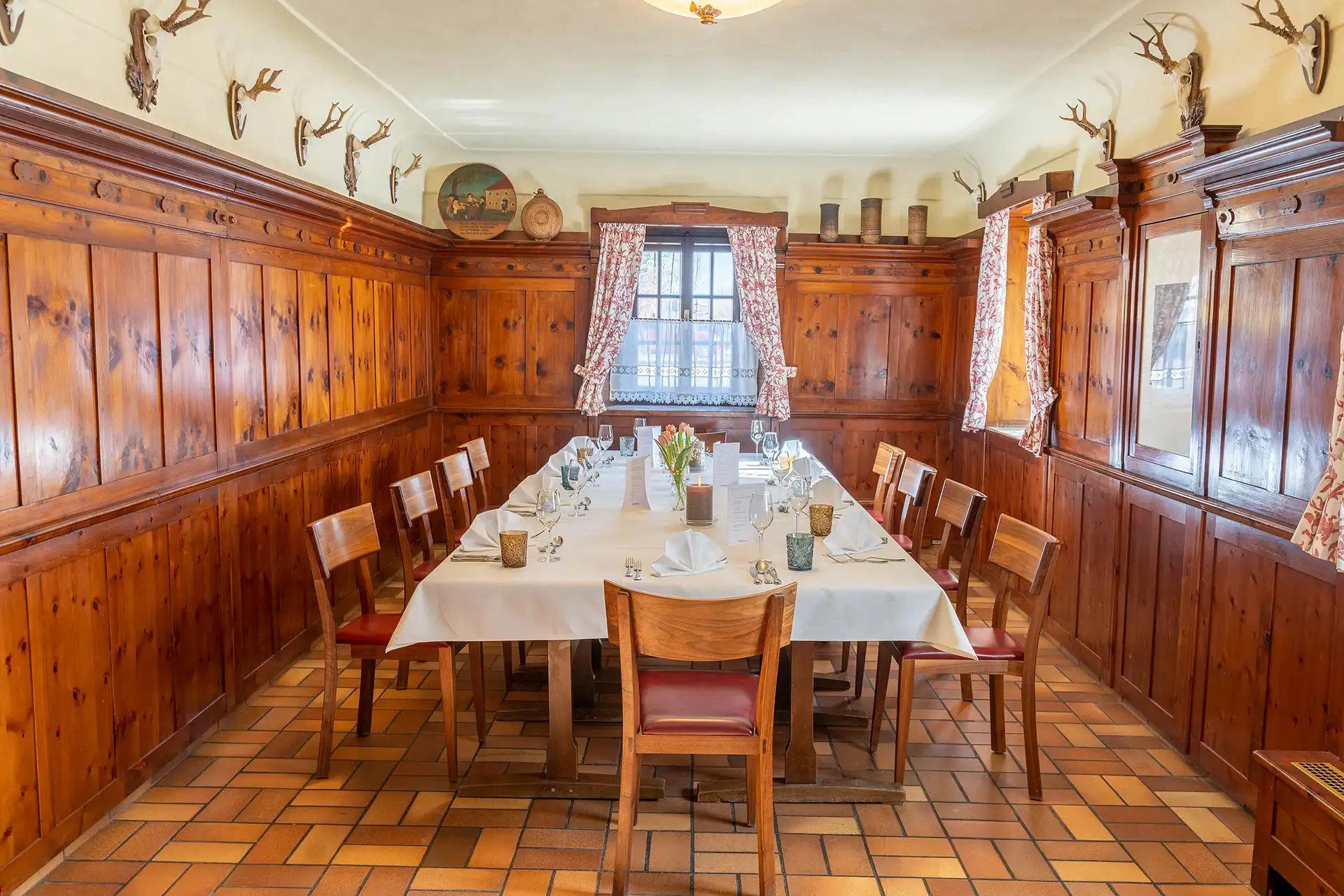
Choose Alexs – Alexander Schreiner as a focused Gols winery stop, not as the anchor for a fully scripted tasting or restaurant-style celebration. It works well when the day is already built around Lake Neusiedl and Burgenland wine, with nearby food, hotels, and bars planned separately.
Casetta
Vezza D Alba, Italy
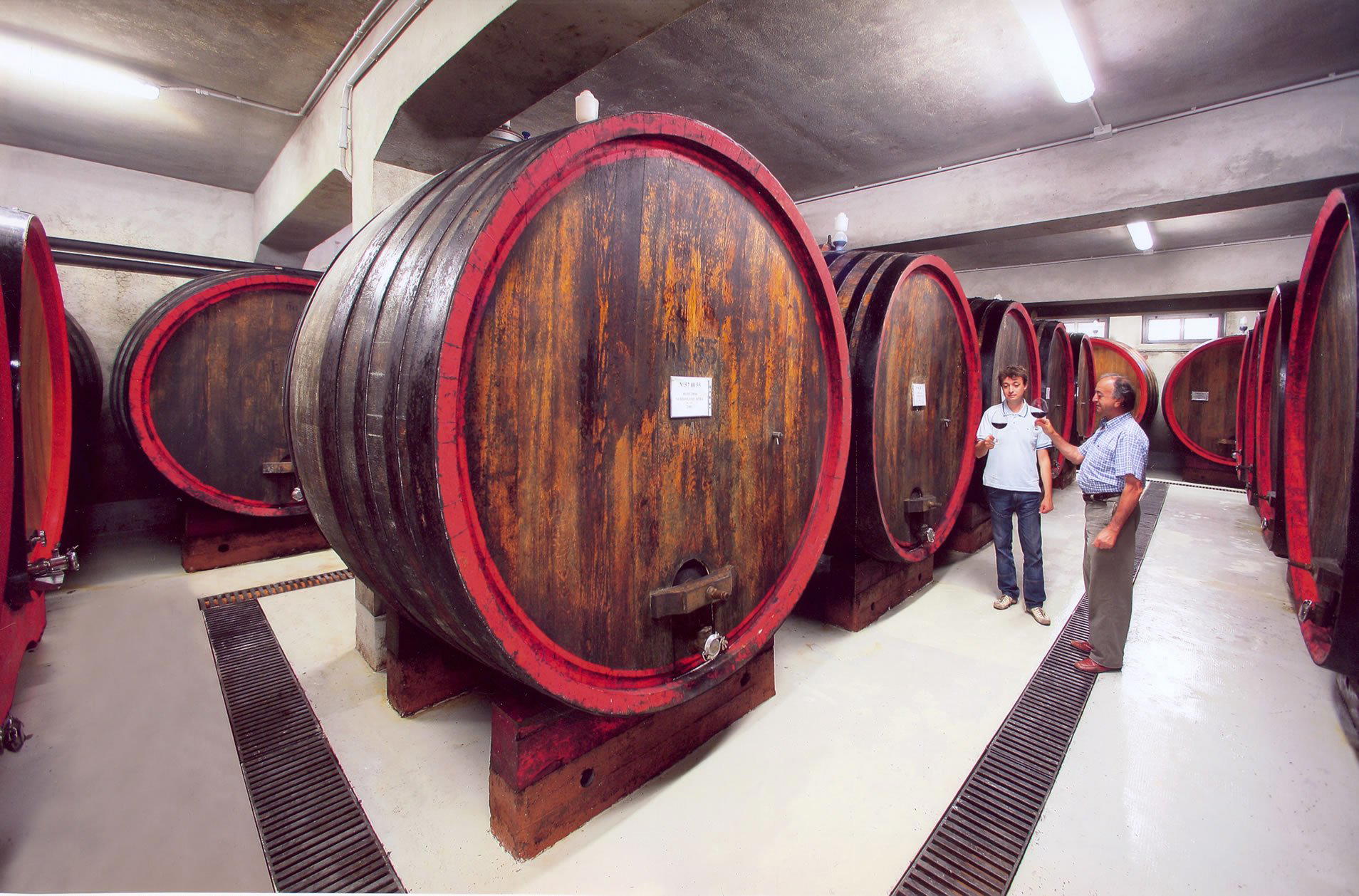
Casetta is worth booking if you want a grounded Roero estate visit rather than a showy Langhe tasting stop. The draw is the combination of family history, manual vineyard work, modern cellar equipment, and a broad Piedmont portfolio that gives regular visitors something beyond the obvious Nebbiolo route.
Familia Zuccardi
Maipú, Argentina
Familia Zuccardi is a stronger fit for wine travelers who want to assess Mendoza bottles seriously than for visitors looking for a fully pre-packaged Maipú stop. Its Falstaff Listed 2026 recognition is the key trust signal; confirm tasting format, food, group handling, and shipping before building the day around it.
Château Siaurac
Neac, France
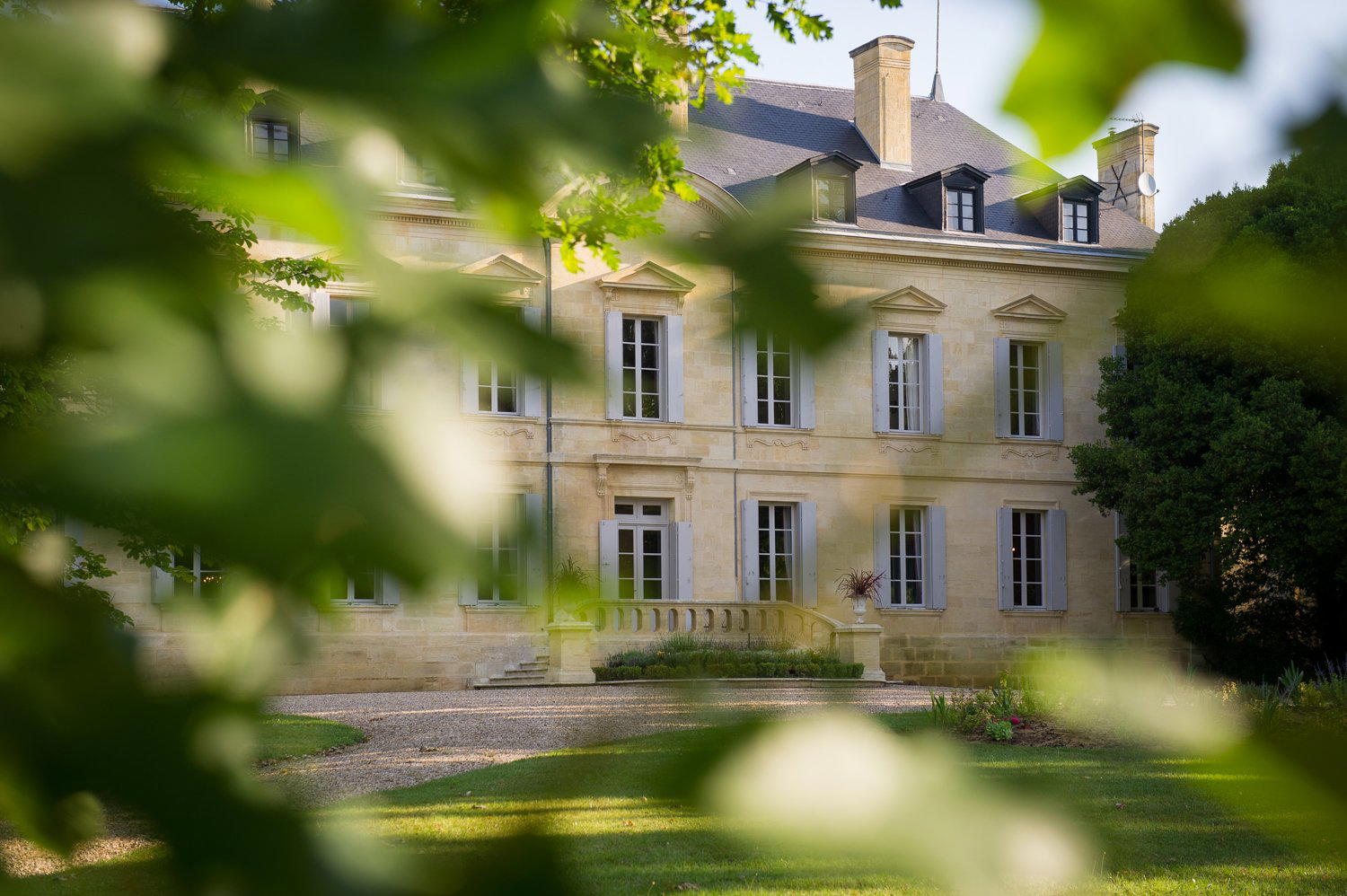
Château Siaurac is worth booking if you want a garden-led Lalande de Pomerol château visit with credible right-bank reds and a relaxed special-occasion feel. The value is strongest for visitors who care about Bordeaux terroir, outdoor setting, and a less formal atmosphere than a prestige-first appointment.
Château de Carles
Saillans, France
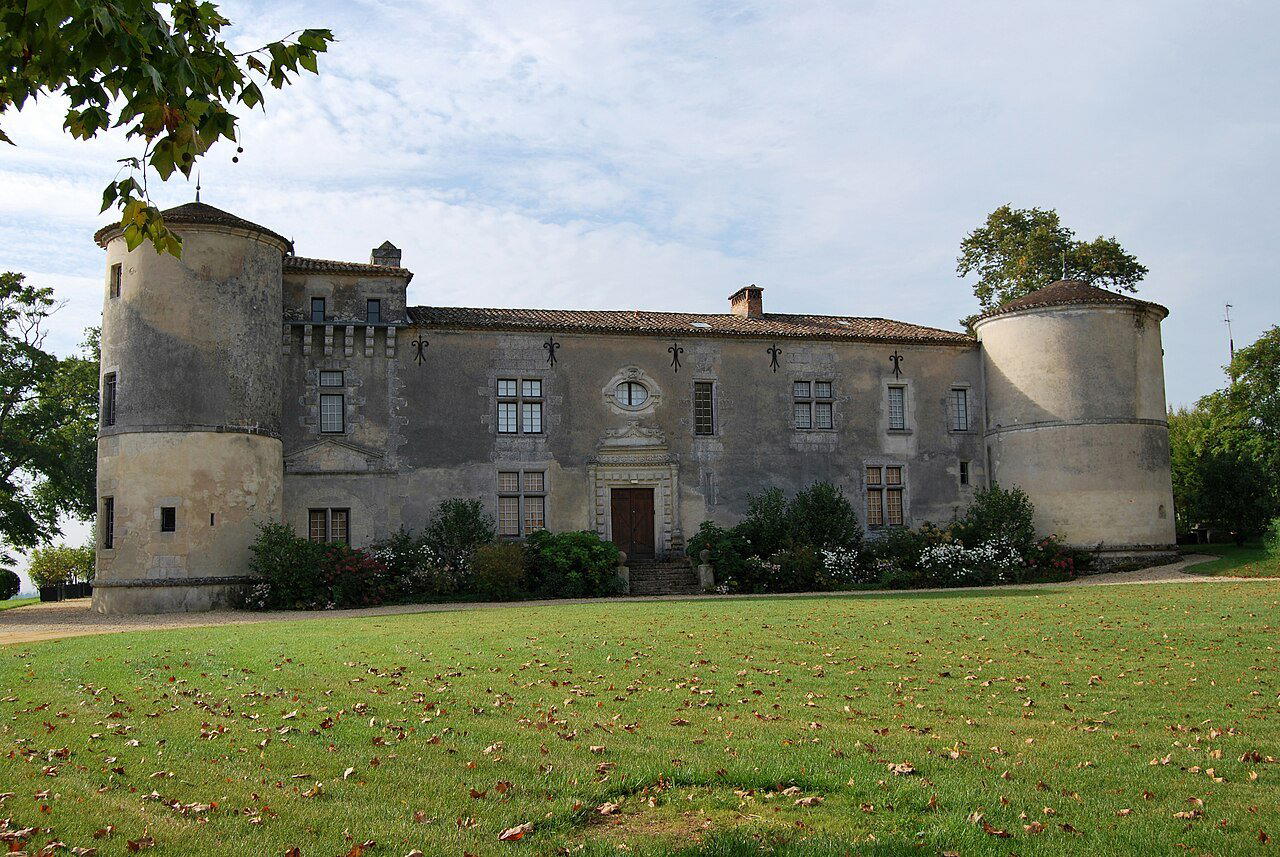
Château de Carles works for a focused Saillans wine stop in 2026, especially if the aim is a quieter château visit rather than a dining-led experience. Falstaff listing adds a useful trust signal, but plan it as a winery appointment: confirm timing, wine availability, shipping, and any club details before building the day around it.
Francisco Nunes Garcia
Moura, Portugal
Worth considering if you are already in Moura and want a quieter Alentejo wine stop with a 2026 Falstaff listing behind it. Treat Francisco Nunes Garcia as visit-first: taste before thinking about any club, allocation, or repeat-buy commitment, because value depends on the terms and the wines in front of you.
Gut Obercarlenbach – Weingut Bernd & Annette Meckel
Kleinkarlbach, Germany
A small, family-run Pfalz winery for travelers who want a calm estate visit rather than a formal tasting production. The Falstaff 2 Stars 2026 recognition helps justify the stop, but food-pairing expectations should stay modest unless confirmed directly through the booking channel.
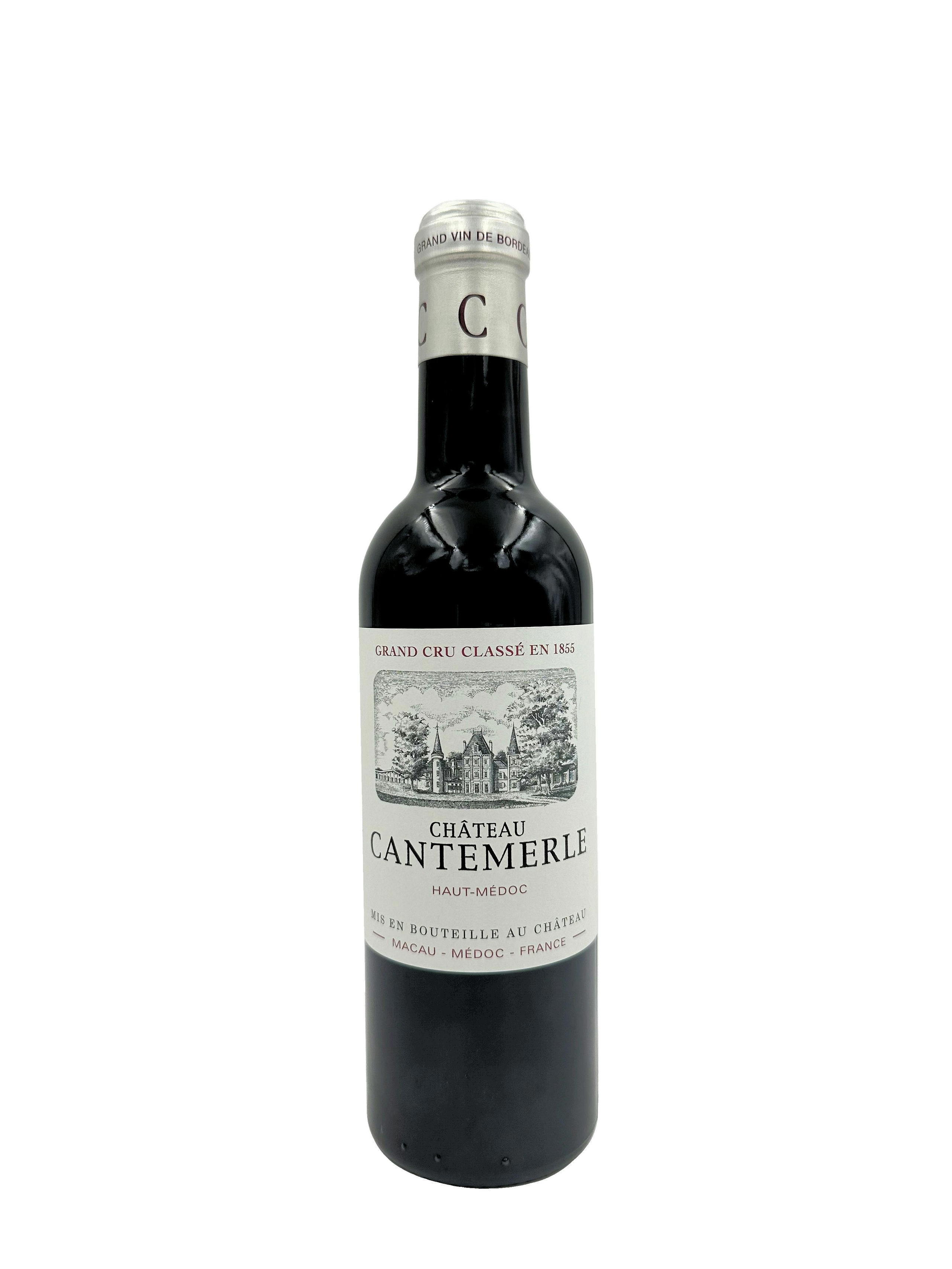
Château Cantemerle
Macau En Medoc, France
Château Cantemerle is worth prioritizing for a planned Haut-Médoc winery day, especially for a celebration or business-leaning Bordeaux itinerary. It is a stronger fit for visitors who want a composed classified-growth estate stop than for anyone trying to improvise a quick tasting route.
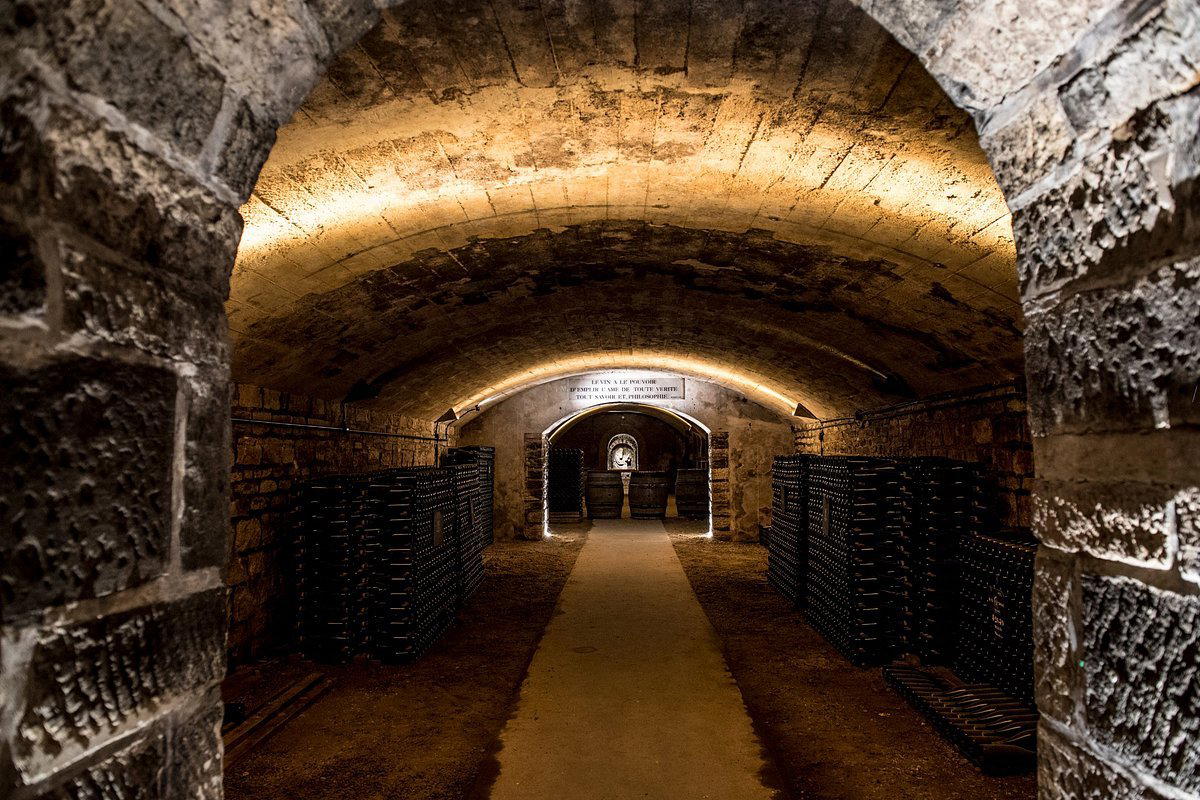
Chanson Père & Fils
Beaune, France
Book Chanson Père & Fils if the goal is a serious Beaune tasting with historic-cellar atmosphere and a clear Burgundy education. The draw is the Bastion de l’Oratoire setting, the 1750 house history, and a portfolio anchored by Beaune Premier Cru Clos des Fèves, with recent organic certification adding a current reason to pay attention.
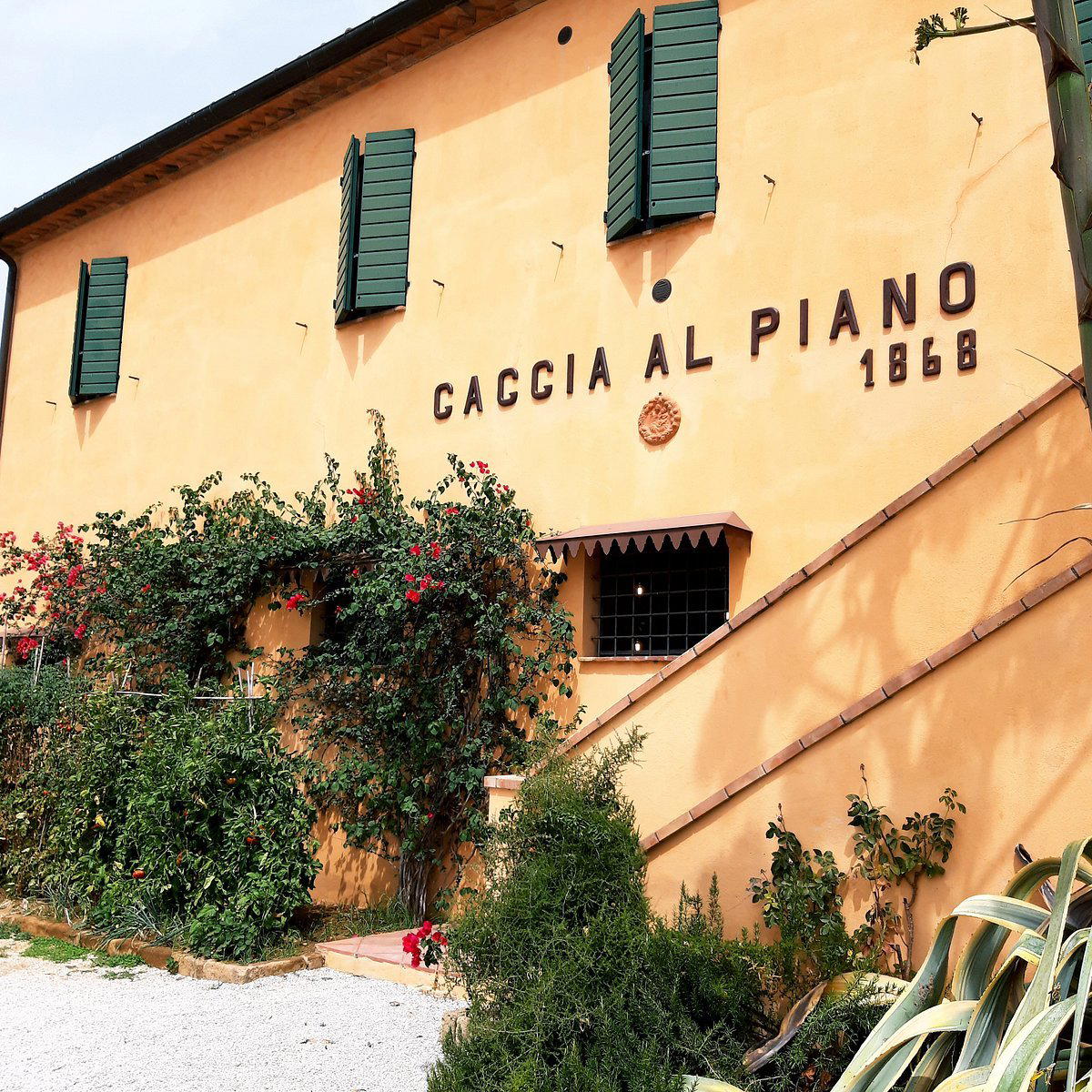
Caccia Al Piano
Castagneto Carducci, Italy
Caccia Al Piano is a strong choice for a planned wine-country stop in Castagneto Carducci when recognition matters: it carries Falstaff 3 Stars (2026). Treat it as an occasion winery rather than a casual fallback, especially if the day is built around Bolgheri-area wine touring and you need a confident anchor.
Grupo Salute
Las Heras, Argentina
Grupo Salute is a practical Las Heras pick for travelers more interested in Argentine wine and gourmet-product discovery than a scenic winery day. The Falstaff listing adds a trust signal, but the format reads more commercial than estate-led, so book it as a focused stop rather than the centerpiece of a Mendoza wine itinerary.
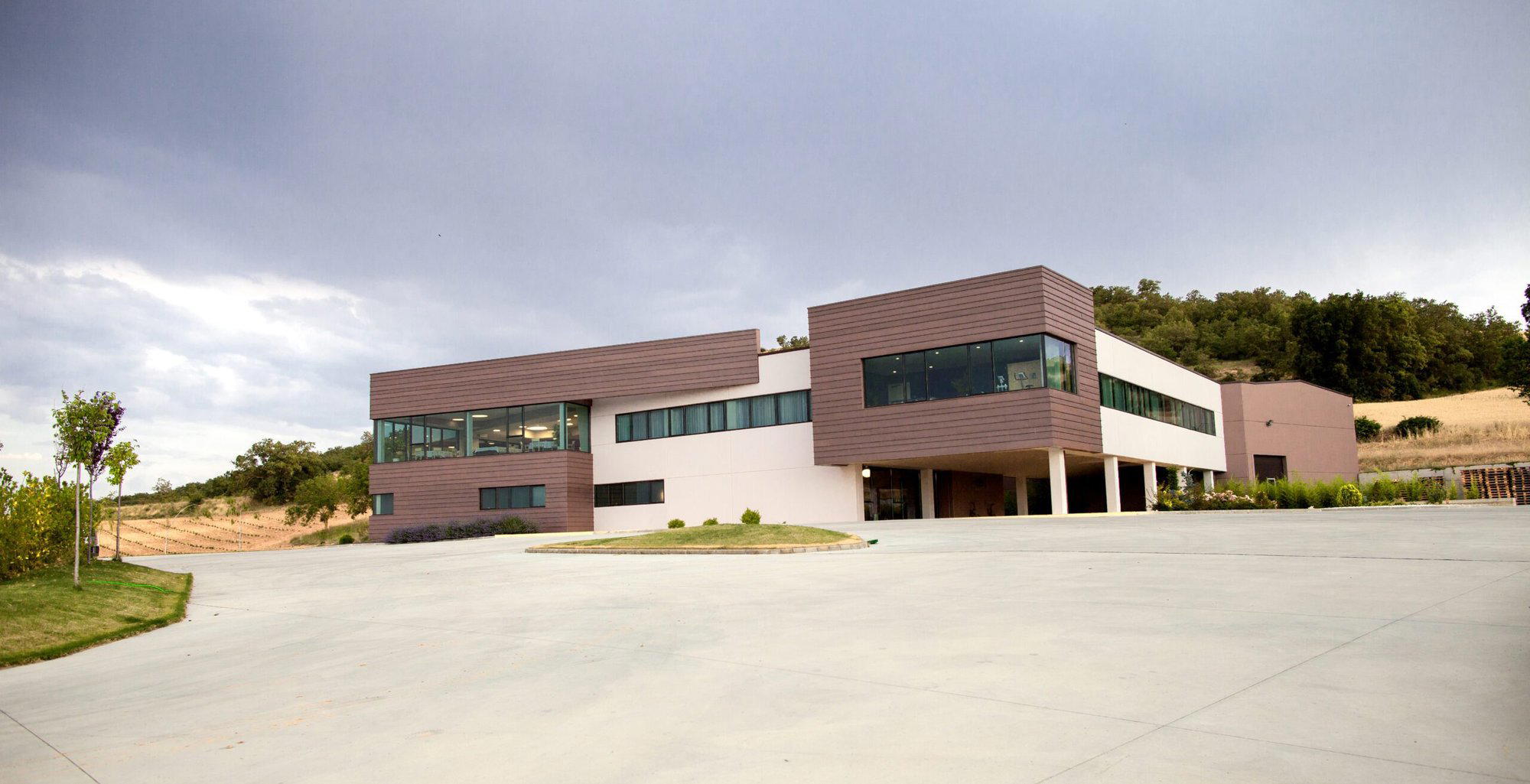
Bodegas Traslascuestas
Valcavado De Roa, Spain
Book Bodegas Traslascuestas if you want a calm Ribera del Duero winery-hotel stop built around Tempranillo, vineyard context, and a guided tasting rather than a high-volume cellar visit. The 2026 Falstaff 2 Stars recognition adds confidence, and the format works especially well for couples or wine-route travelers who want to slow down in Valcavado de Roa.
Fontanabianca
Neive, Italy
Book Fontanabianca if the goal is a serious, rural Neive tasting centered on Barbaresco rather than a glossy visitor experience. The draw is the Bordini-linked estate setting, family continuity since 1969, and a cellar approach that pairs stainless steel with oak, barrique, cement, and underground bottle storage.
Champagne Sophie Baron
Nouvelle Aquitaine, France
Book Champagne Sophie Baron when the goal is a classic, heritage-led Champagne tasting rather than a casual pour. The private or upgraded format is the smarter choice for celebrations, because the house’s Baron-Fuenté family story, 1961 origin, and Pinot Noir-led Grande Réserve Brut NV give the visit enough context to justify a more guided experience.
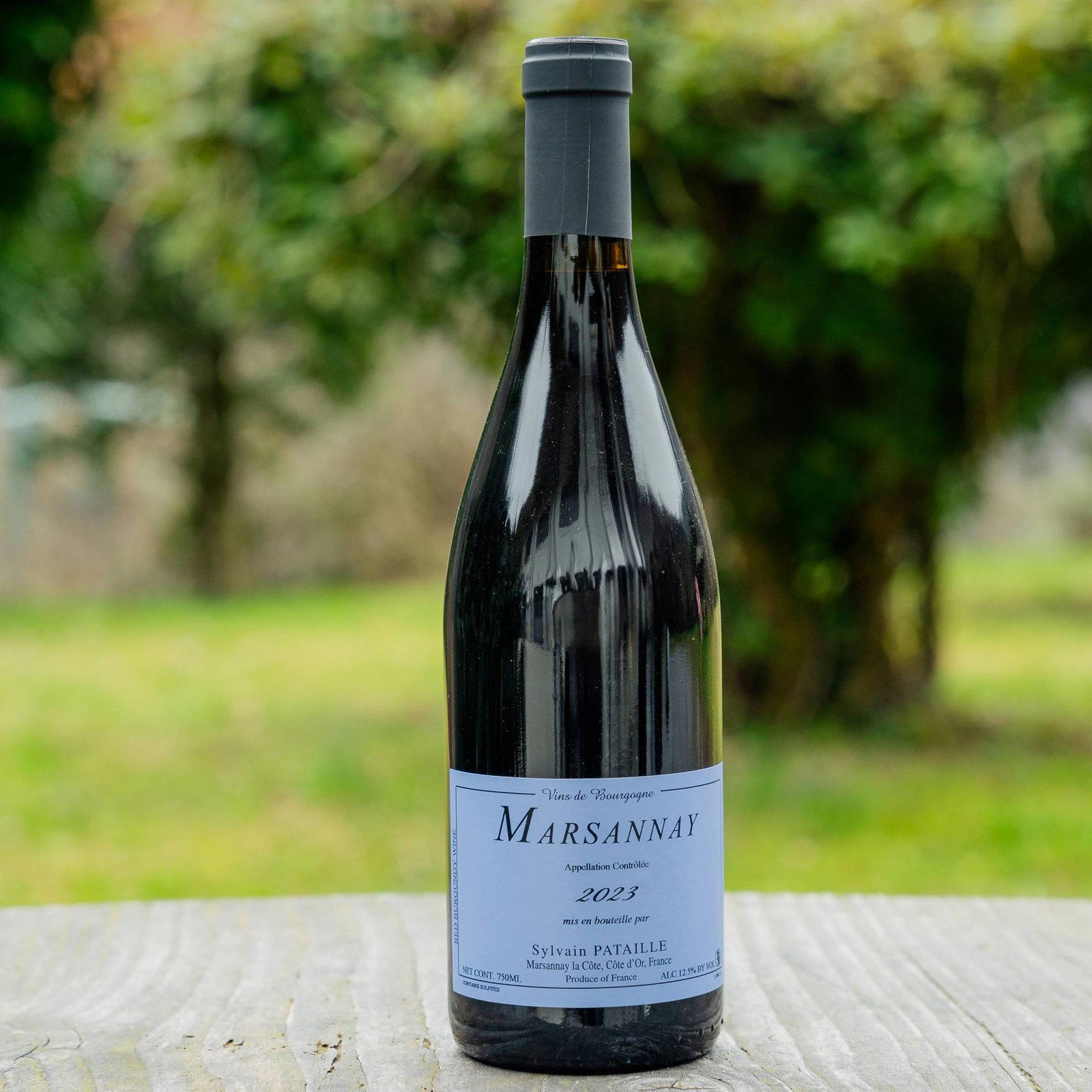
Domaine Sylvain Pataille
Marsannay, France
Prioritize Domaine Sylvain Pataille if the trip is built around serious Marsannay wine rather than casual cellar tourism. It is a strong special-occasion choice for Burgundy-focused guests, but plan food separately and start the reservation process early because public booking details are not provided.
Domaine L'Oustal Blanc
Creissan, France
Domaine L'Oustal Blanc is worth booking for a focused, small-production Minervois tasting with a strong value argument in its €10.90–€45 range. Go for native varieties, estate-grown fruit, and a quieter La Livinière experience; skip it if you want a polished drop-in tasting room.
Cave de l'Etat du Valais - Domaine du Grand Brûlé
Leytron, Switzerland
A practical Leytron wine stop for first-timers who want a regional reference point before visiting smaller producers. The strongest reason to go is context and value comparison, not a confirmed flagship bottle, food program, or luxury tasting format. Falstaff listing in 2026 adds a useful recognition signal.
Cottinelli Weinbau
Malans, Switzerland
Cottinelli Weinbau is a smart Malans pick for bottle-focused visitors who care about Graubünden Pinot Noir, regional whites, and a polished alpine producer profile. Prioritise the Reserve tier if the purchase is for a celebration, gift, or cellar; look elsewhere if the goal is a full hospitality-led tasting with food and a long hosted format.
EnoPartner Italia S.r.l.
Neumarkt, Italy
Not a leisure tasting-room pick. EnoPartner Italia S.r.l. is primarily a wholesale wine supplier in Neumarkt, so it suits trade research better than travelers looking for flights, cellar tours, food pairings, or a clear flagship estate wine. Use it as market context, then look to estate-led Neumarkt wineries for a more visitor-focused wine experience.
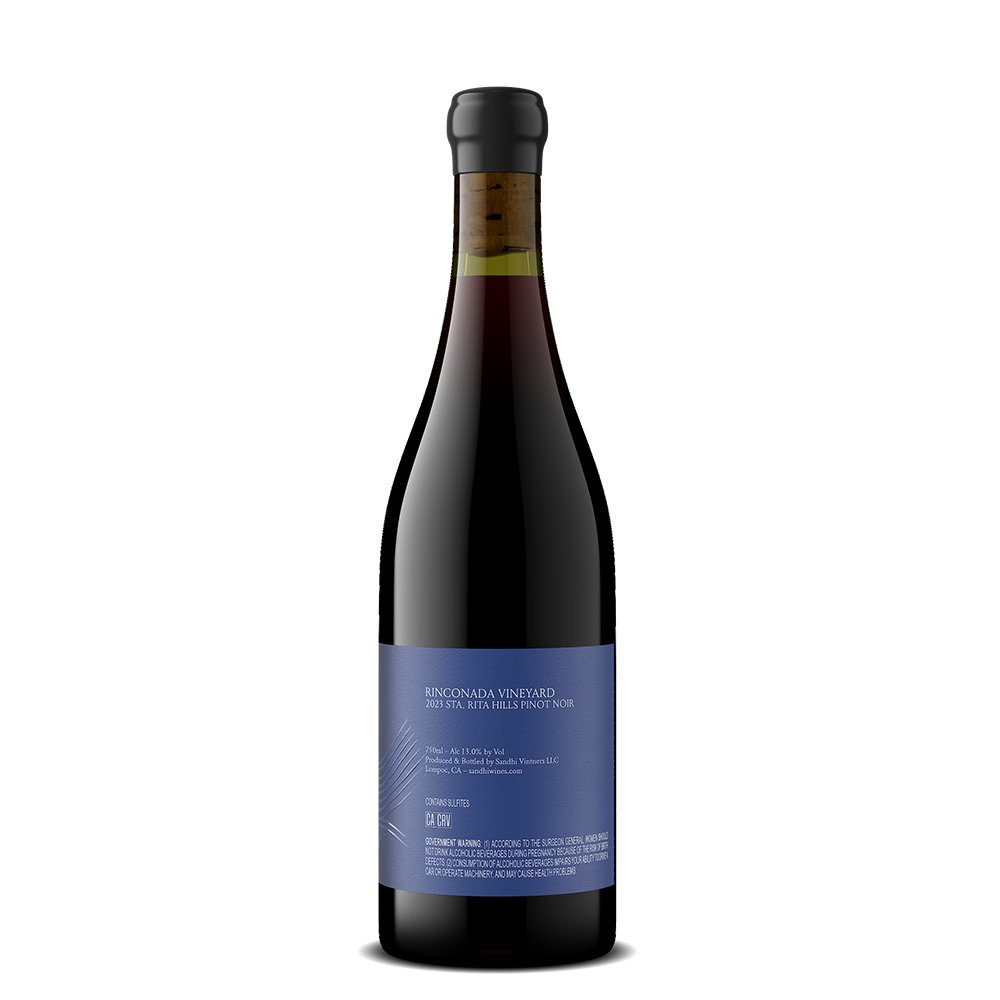
Sandhi Wines
Lompoc, United States
Sandhi Wines is worth prioritizing for a serious Lompoc wine itinerary when the trip is about bottle assessment rather than a casual tasting-room crawl. Plan ahead, especially for weekends or celebration visits, and cross-shop nearby producers if the group needs clearer logistics or easier scheduling.
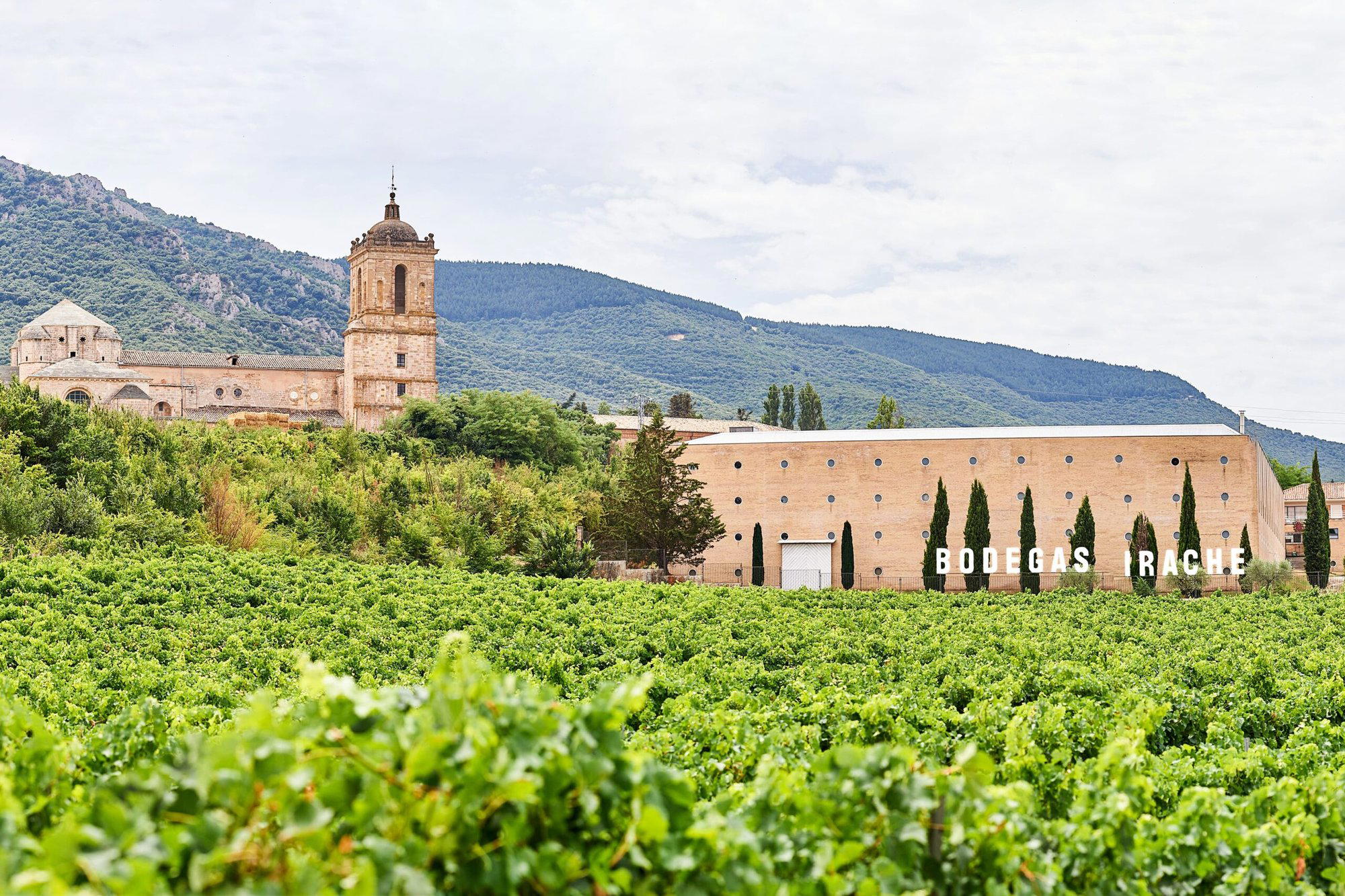
Bodegas Santa Eulalia, S.A.
Cigales, Spain
A focused choice for wine travelers who want a classic Cigales address with Frutos Villar’s wider Castilla y León portfolio behind it. Worth pursuing for serious reds, Rueda whites, and regional breadth; less suited to spontaneous visits or travelers looking for a full-service hospitality complex.
Fet a Sóller
Soller, Spain
A smart Sóller stop for Mallorcan pantry shopping and curated local wine, not a formal winery tasting. Go if you want a casual delicatessen-style visit with regional products, giftable bottles, and Falstaff 2 Stars recognition in 2026; skip it if you need a guided flight, cellar tour, or producer-led wine appointment.
Bodega Vinum Vitae
Gumiel De Izan, Spain
Bodega Vinum Vitae is a planned-in-advance Ribera del Duero winery pick for visitors who want a focused tasting stop in Gumiel De Izan. The Falstaff 1 Star recognition adds a useful quality signal, but absent published details on food, hours, pricing, and group capacity mean it works better for small, intentional visits than loose walk-in planning.
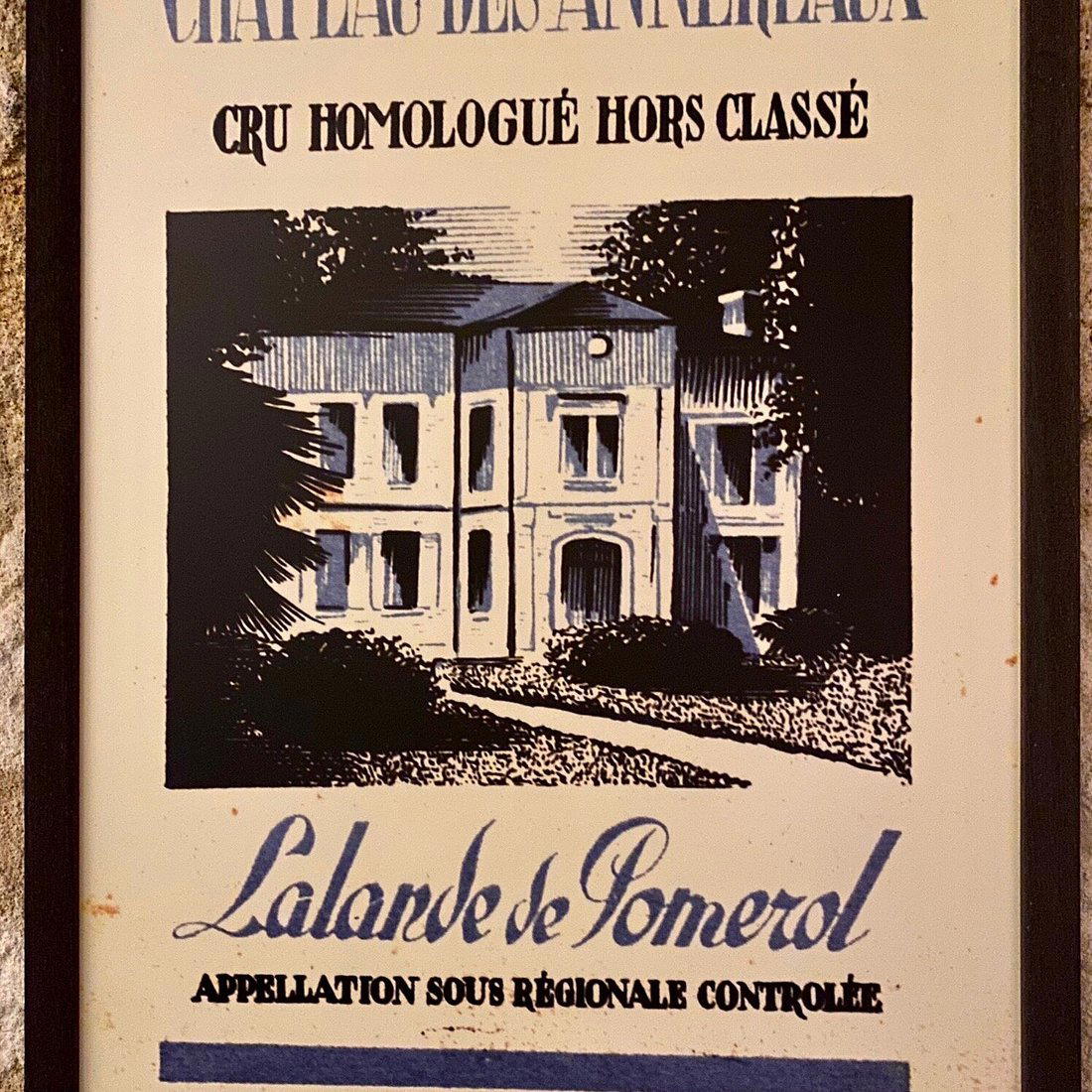
Château des Annereaux
Lalande De Pomerol, France
A good choice for a quieter Lalande-de-Pomerol tasting focused on organic Right Bank Bordeaux, heritage, and Merlot-led structure rather than polished hospitality theater. Book ahead for a special occasion, and choose an upgraded or private-style visit if vineyard context and vintage comparison matter more than food service or a highly produced visitor format.
Domaine Les Faunes
Dardagny, Switzerland
A calm, family-run Dardagny winery for visitors who want personal advice and a broad look at Geneva-area grapes rather than a formal hospitality production. Worth booking for a relaxed date, small celebration, or easy wine-day stop, especially if Chasselas, Chalamont, Scheurebe, and approachable Swiss pricing are part of the appeal.
Ionis
Martina Franca, Italy
Ionis works for a relaxed, cellar-door tasting in Martina Franca, especially if the goal is to sample Puglian grapes without building the day around a formal winery experience. The $$ positioning and walk-in-friendly format suit couples or small parties; larger groups should confirm details before making it the centerpiece of a celebration.
Eas Amyntaion
Amyntaio, Greece
Book Eas Amyntaion for Amyntaio context, not a polished estate-day experience. The value is its cooperative scale, 1946 roots, and focus on Xinomavro from a high-altitude PDO known for red, still rosé, and sparkling rosé. It suits visitors who want to understand the region’s farming base; skip it if design-led hospitality is the priority.

Azienda Agricola Biologica Salvatore Tamburello
Poggioreale, Italy
Book this for a focused organic-wine stop in Poggioreale, especially if native Sicilian grapes and a family-run estate matter more than polished visitor infrastructure. The setting is intimate and rural, with vineyard and cellar context, so it works better for couples and small wine-focused groups than for casual large parties.
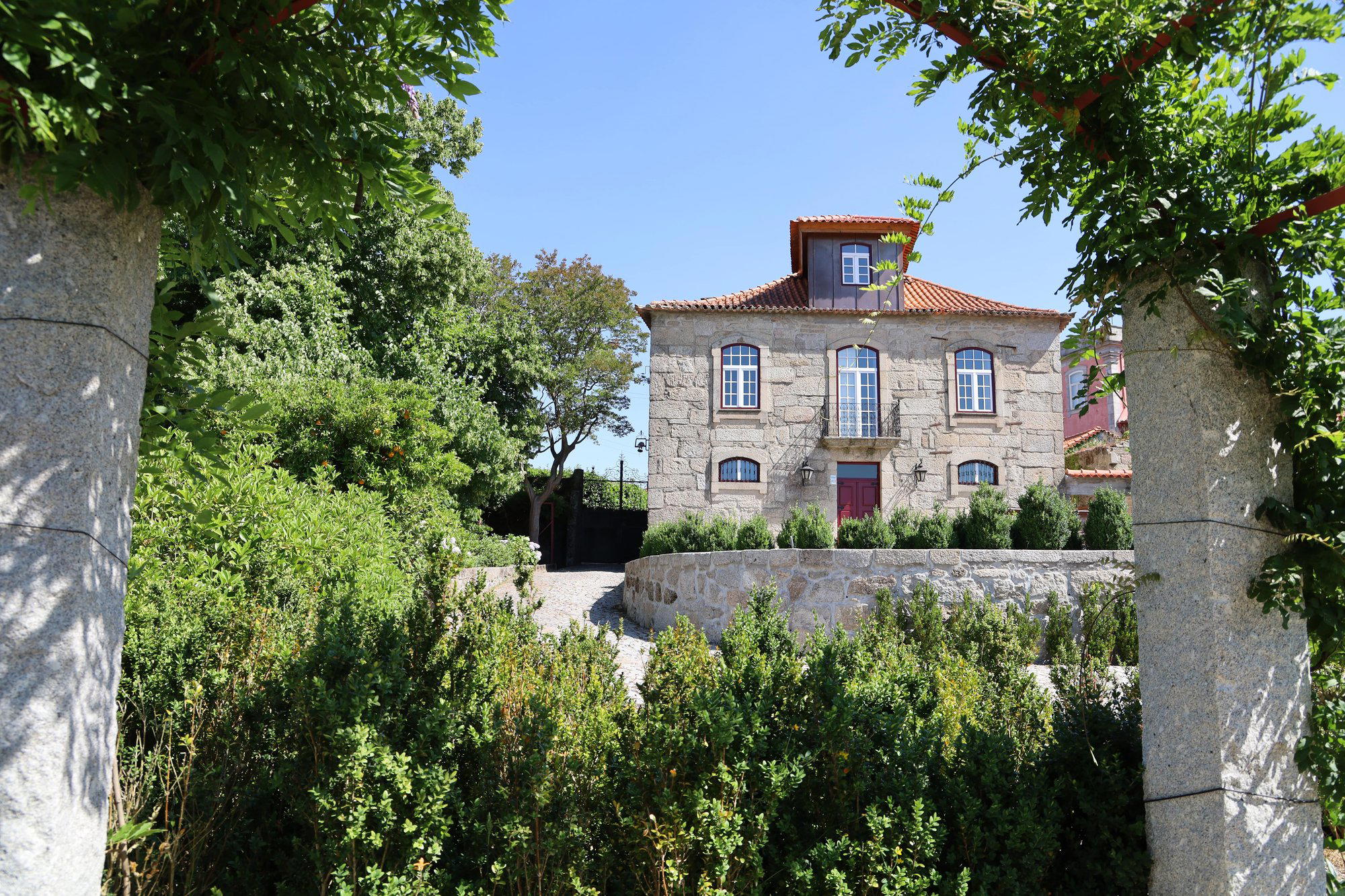
Casa de Santar
Santar, Portugal
Casa de Santar is worth prioritising if your Portugal wine route already runs through Nelas and you want a serious producer-led stop rather than a casual tasting add-on. Booking should be handled early, especially for small groups trying to keep a tight central-Portugal itinerary.
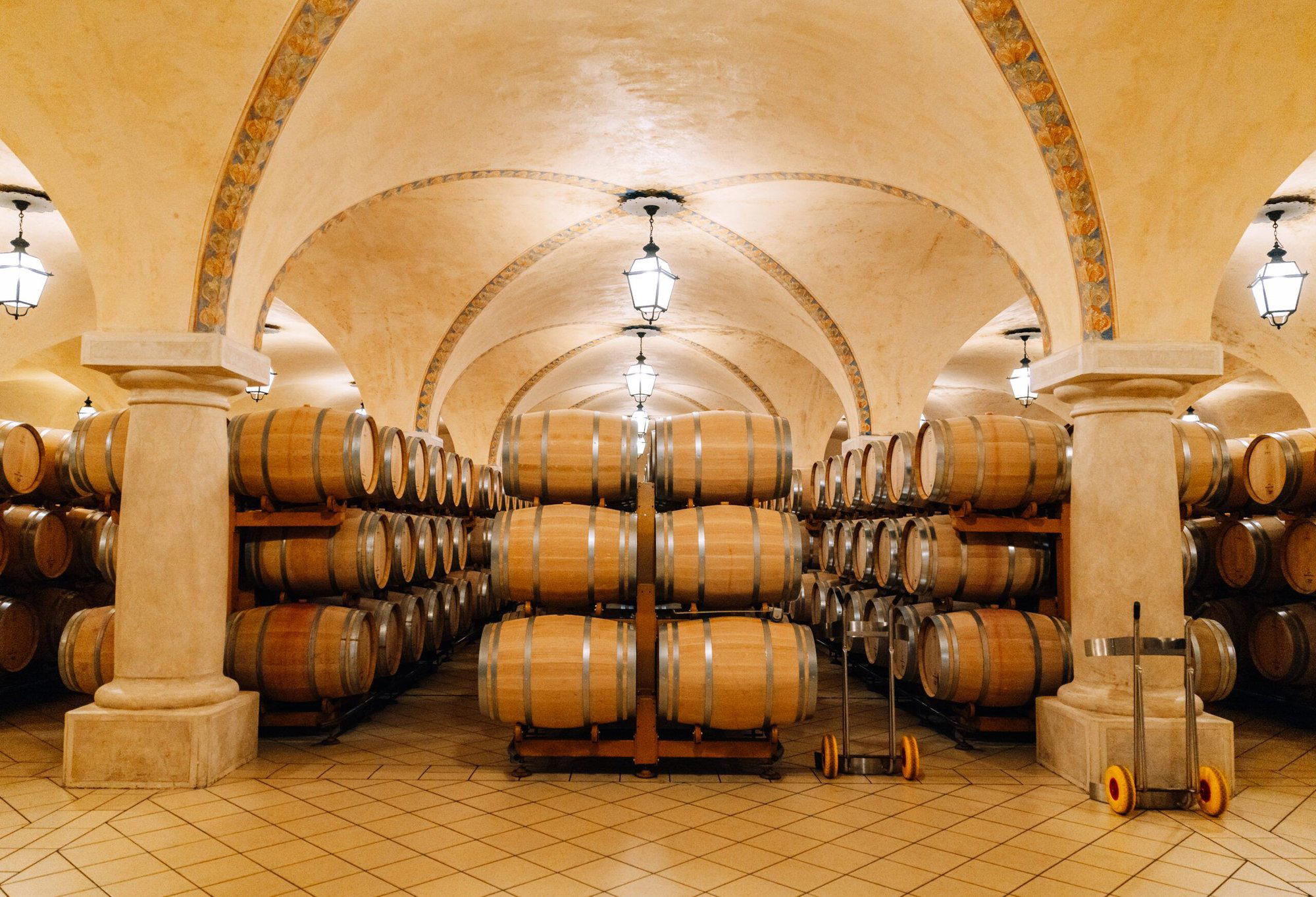
Ca' dei Frati
Sirmione, Italy
Book Ca' dei Frati if the Sirmione plan needs a serious wine anchor rather than a casual lake stop. The strongest trust signal is Falstaff 5 Stars (2026); food, hours, pricing, and formal tasting details are not listed, so plan around wine first and arrange meals separately.
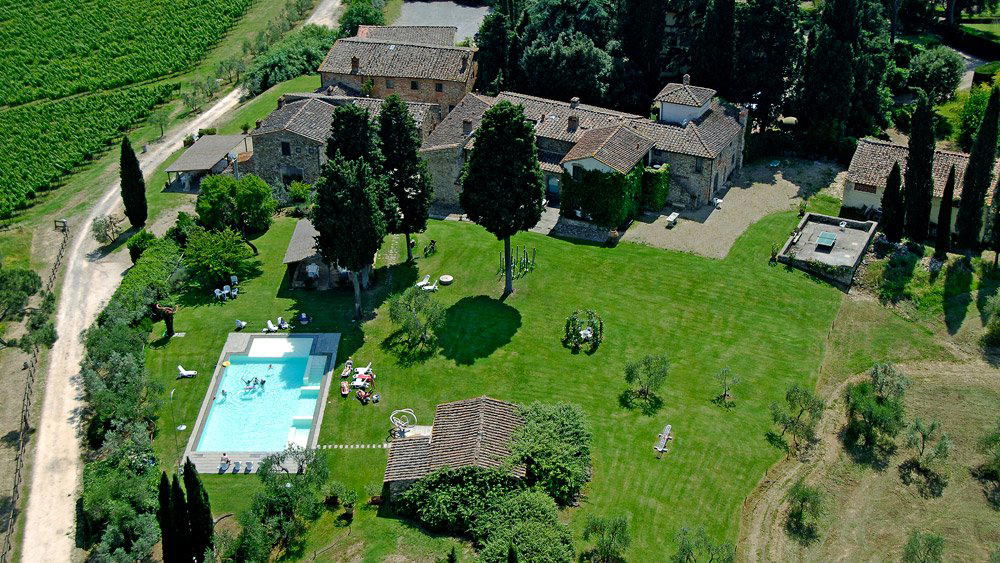
Fattoria La Loggia
San Casciano in Val di Pesa, Italy
Fattoria La Loggia is a strong choice if the appeal is a slower Chianti Classico estate experience with wine, olive oil, restored farmhouse architecture, and contemporary art across the grounds. It is less compelling for travelers who want detailed bottle-by-bottle technicals, but the value is clear for atmosphere-led tasting near San Casciano in Val di Pesa. Falstaff Listed in 2026.
Craven Wines
Stellenbosch, South Africa
Craven Wines is a strong choice if the goal is focused, site-specific Stellenbosch wine rather than a grand estate day out. The $$$ case is strongest for drinkers who value small production, single-vineyard bottlings, minimal-intervention cellar work, and a producer-led view of Polkadraai Hills fruit.
Domaine Michel Magnien
Morey-Saint-Denis, France
Book Domaine Michel Magnien if the priority is serious Côte de Nuits Pinot Noir from a biodynamic Morey-Saint-Denis family estate. The appeal is terroir detail, old-vine farming, and a low-oak cellar approach, not food service or a broad hospitality setup. It suits collectors, couples, and small groups building a focused Burgundy wine day.
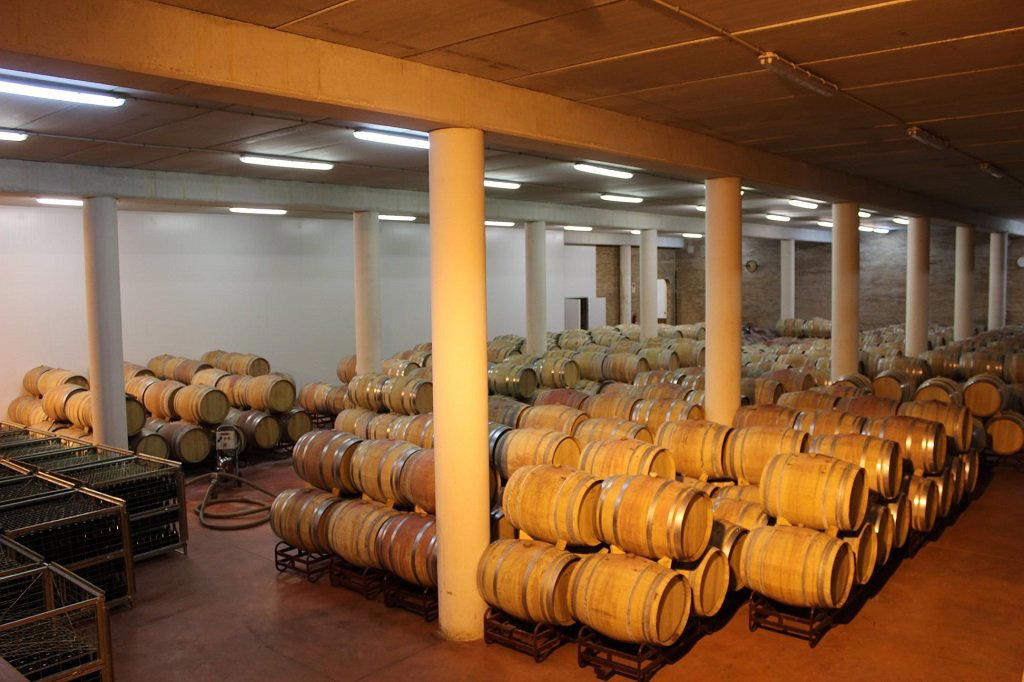
Bodegas y Viñedos Nekeas
Anorbe, Spain
Book Bodegas y Viñedos Nekeas if you want a grounded Navarra winery visit centered on Valdizarbe, old-vine Garnacha, and a rural estate setting. The draw is wine depth over luxury polish, with Falstaff 2 Stars in 2026 adding a credible quality signal for travelers deciding which Anorbe winery deserves time.
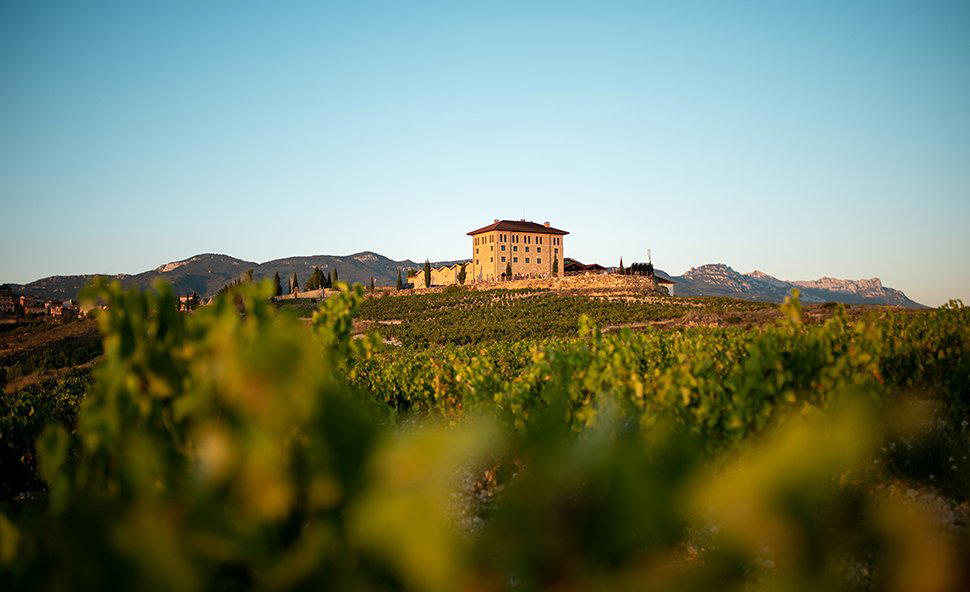
Hacienda López de Haro
San Vicente de la Sonsierra, Spain
Hacienda López de Haro is a strong Rioja Alta pick for visitors who want mature, value-led Rioja in a relaxed hilltop setting. Book it for classic ageing categories, terrace atmosphere, and a social tasting style; skip it if the priority is a highly technical, small-production cellar appointment.
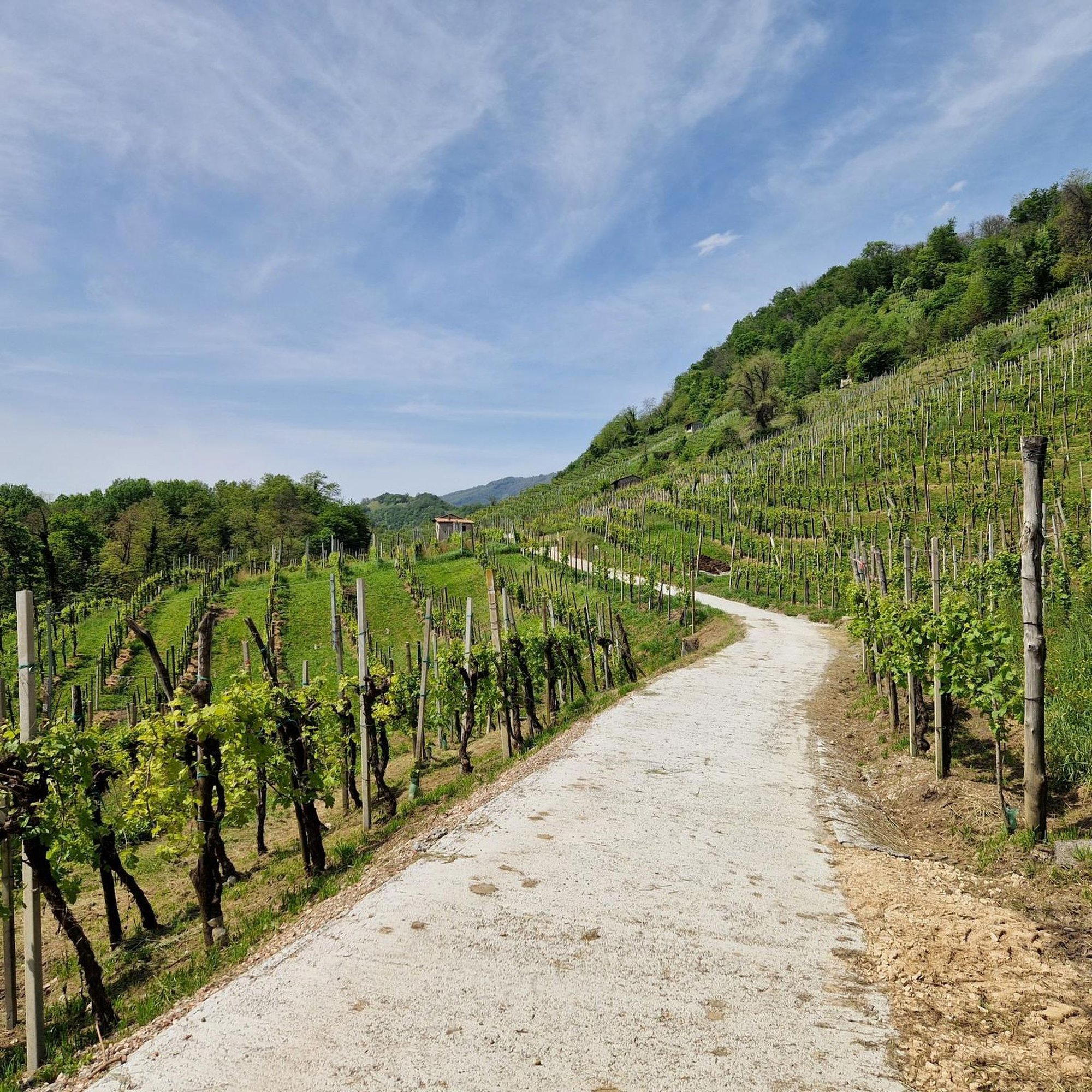
C. C. Soligo
Pieve Di Soligo, Italy
C. C. Soligo is a good fit if the goal is a grounded Prosecco Hills tasting with cooperative context rather than a luxury cellar visit. The value is strongest for wine travellers who want DOCG orientation, regional breadth, and a practical stop in Pieve di Soligo before going deeper into Conegliano-Valdobbiadene producers.
Domaine de montcy
Cheverny, France
Domaine de montcy is worth booking for a quiet, wine-first Cheverny tasting built around biodynamic farming, local Loire varieties, and a cellar-visit feel. It is a stronger fit for couples or small groups who care about production choices than for anyone seeking a full food-pairing occasion.
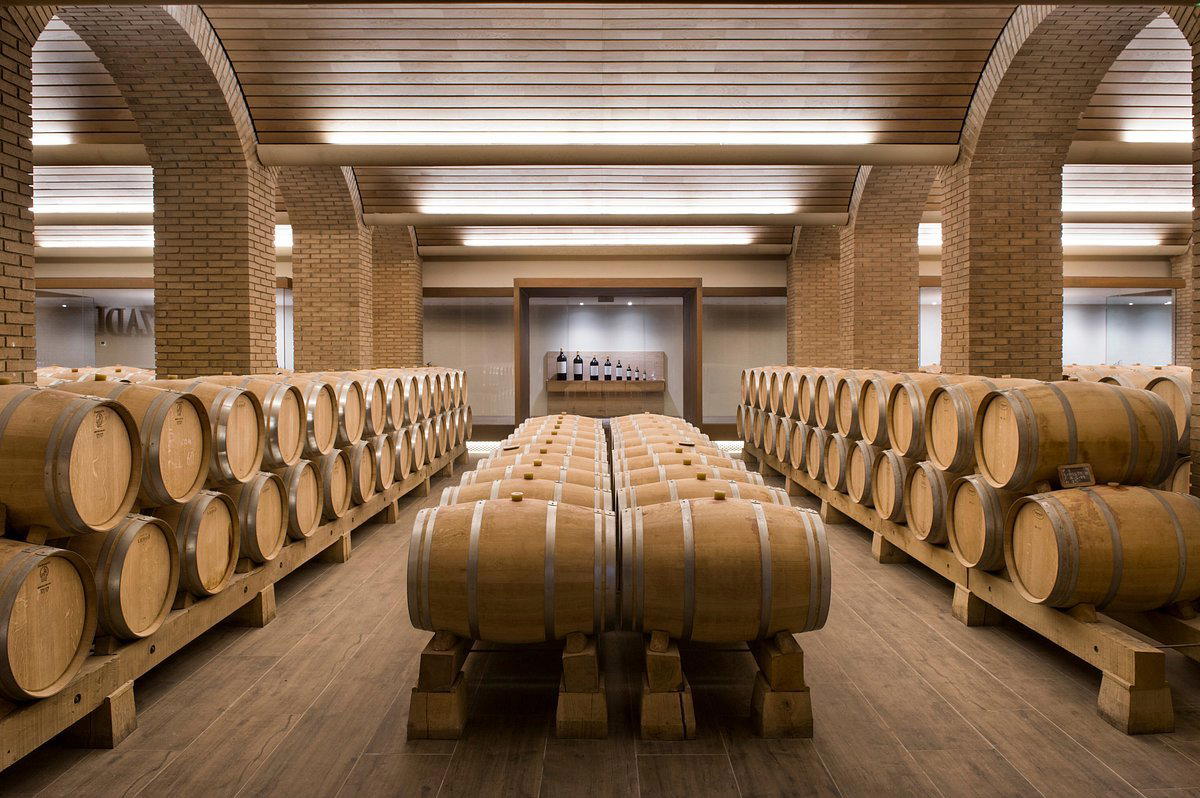
Bodegas Izadi
Villabuena De Alava, Spain
Bodegas Izadi is a strong shortlist choice for a planned Rioja Alavesa winery visit, especially for couples, small groups, or special-occasion travelers who want outside recognition behind the booking. Falstaff 4 Stars (2026) is the key quality signal; confirm tasting format and inclusions before treating any upgraded or private option as worth the extra spend.
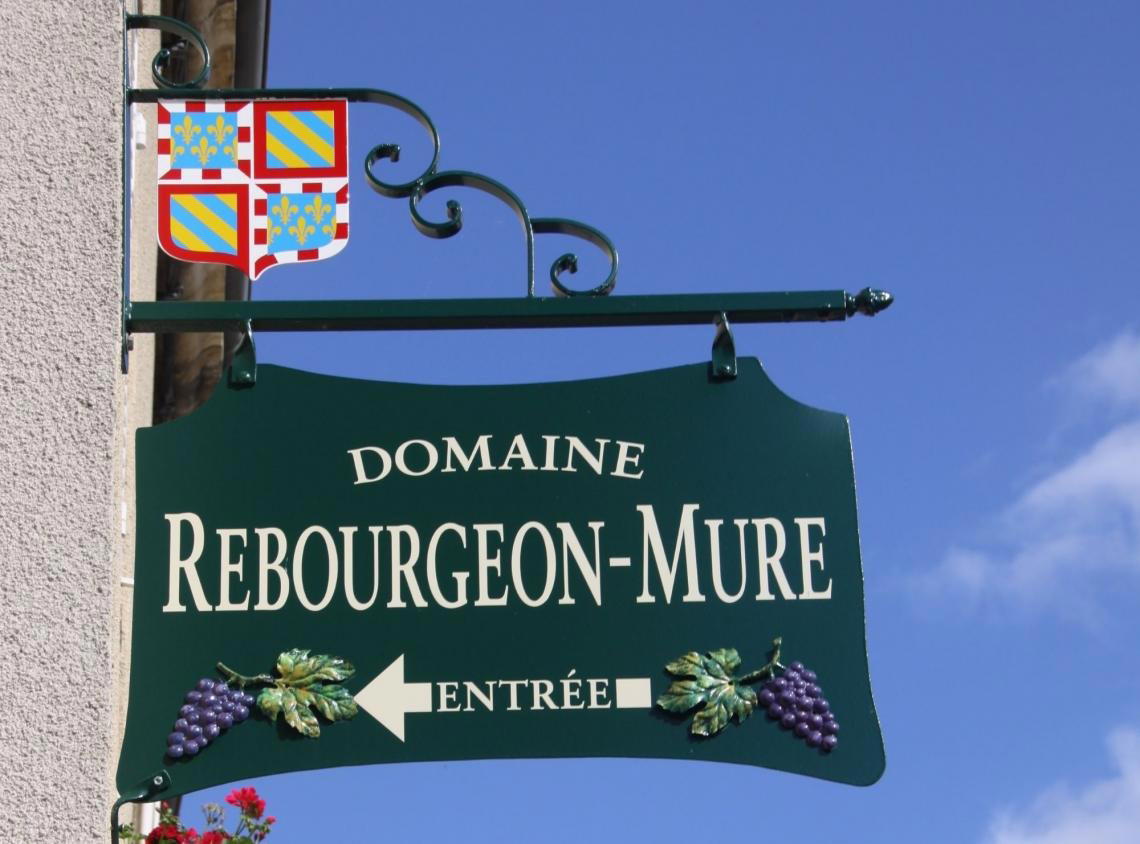
Domaine Rebourgeon-Mure
Pommard, France
A Falstaff-listed Pommard domaine that makes sense for a focused Burgundy visit, especially if the occasion calls for a quieter, more wine-led experience. Prioritize it for a serious tasting day rather than a casual drop-in itinerary, and leave schedule room around the village.
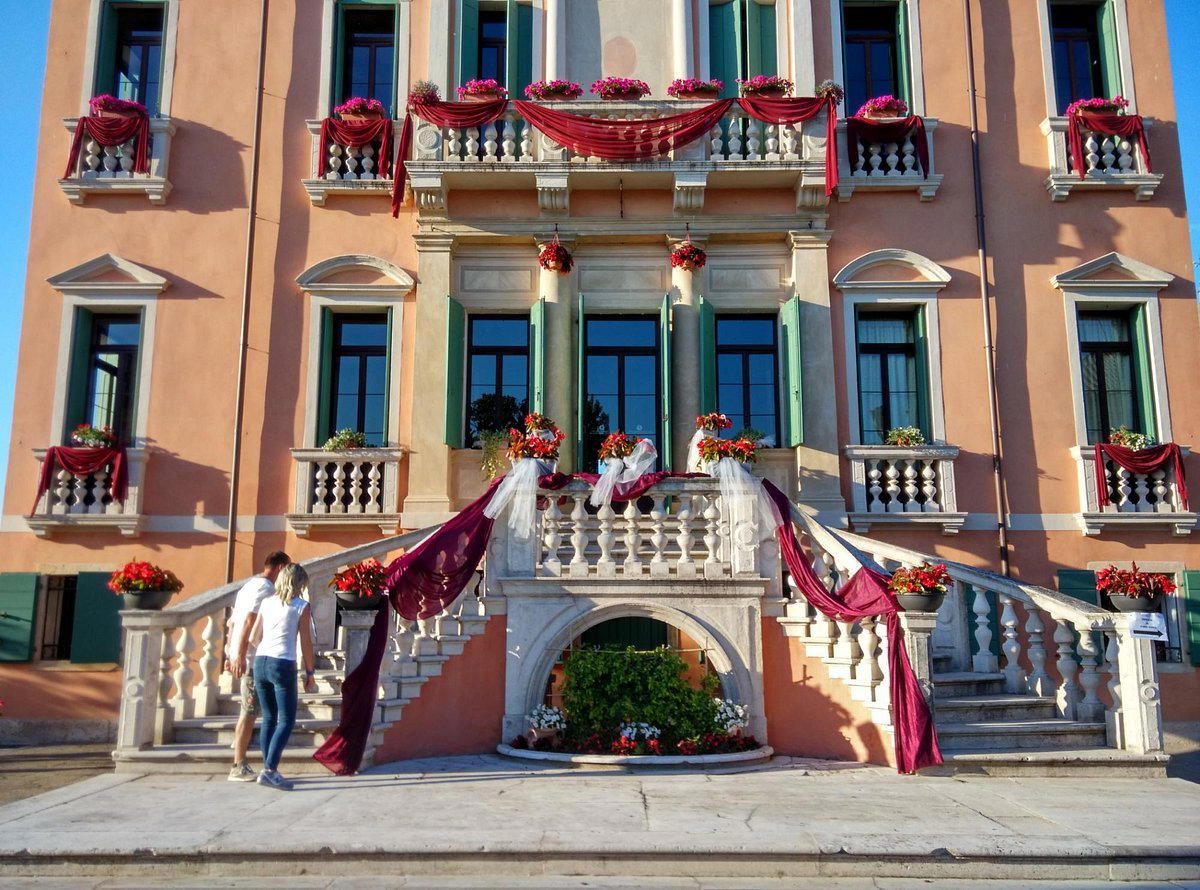
Bacco e Arianna
Vo, Italy
Bacco e Arianna is worth booking for a Colli Euganei food-and-wine stop where the meal is central, not secondary. Go for farm-grown and farm-raised products, estate DOC wines, and a rustic agriturismo setting in Vo; skip it if the goal is a formal, technical tasting-room appointment.
Finca Bacara
Churra Cabezo De Torres, Spain
Finca Bacara is worth booking for travelers who want a focused, contemporary read on Jumilla Monastrell rather than a broad, traditional bodega experience. Its appeal is the single-grape identity, barrel-led lineup, design-forward image, and vegan, gluten-free positioning. Go for regional context and comparison tasting, not for a casual drop-in winery day.
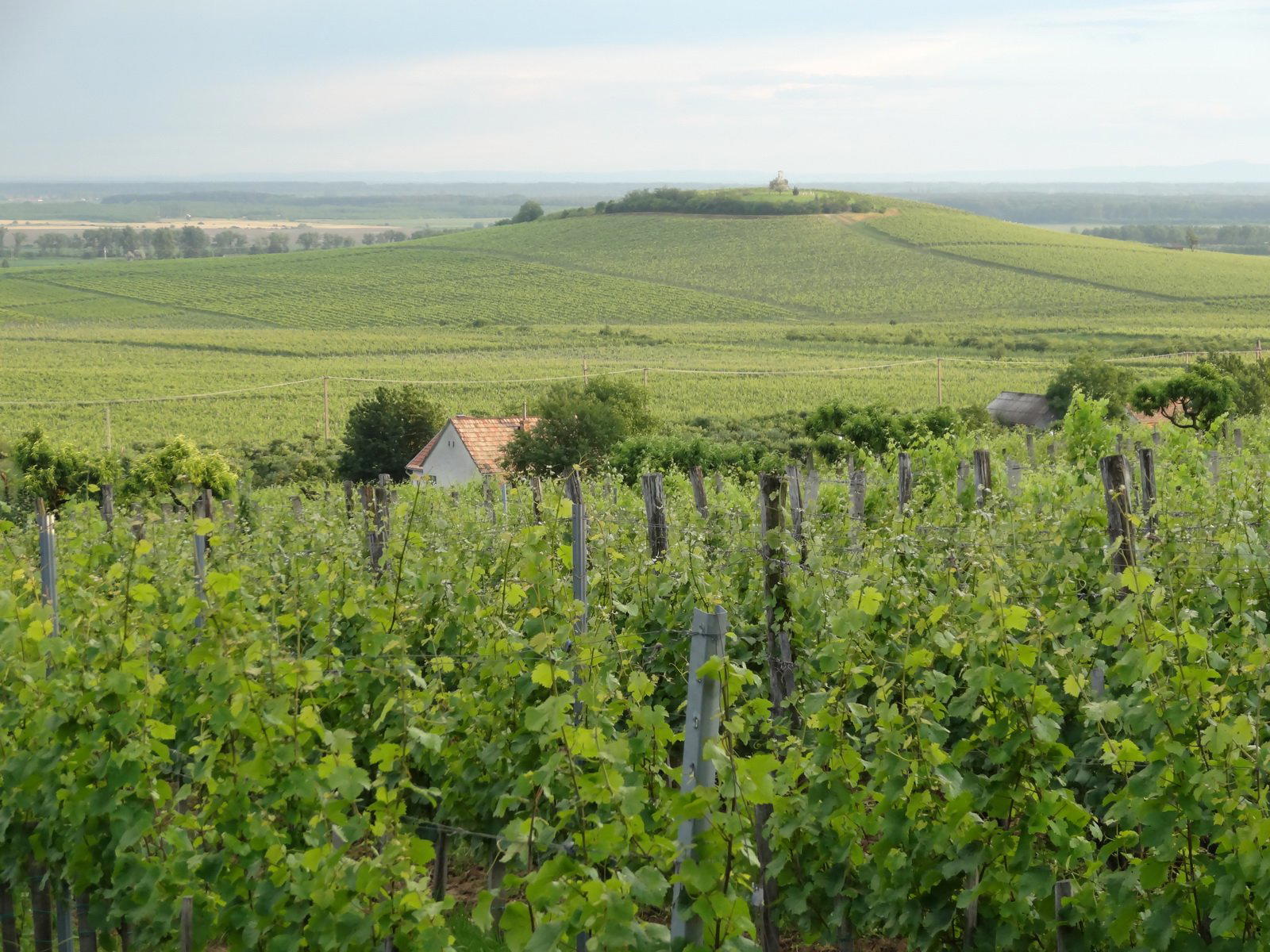
Heumann Winery
Villány, Hungary
Heumann Winery works as a focused Villány producer stop, especially for travelers comparing cellar styles rather than looking for a large estate experience. Because visitor logistics are thin and booking demand is high, it works better as part of a planned wine route than as a spontaneous standalone visit.
Charcoal Gully Vineyard
Christchurch, New Zealand
A good booking for wine travelers who want a quiet, small-scale cellar-door experience tied to Central Otago Pinot Noir and Gewürztraminer. The $$$ positioning makes sense if the plan includes a guided vineyard element or al fresco meal, not just a quick tasting. Book ahead and treat it as a destination stop rather than an urban Christchurch add-on.
Davino
Ceptura, Romania
Book Davino if the goal is a serious Dealu Mare tasting with Romanian grape identity, not just a scenic cellar stop. The $$$ price tier makes sense for wine-focused visitors who value Fetească Neagră, Romanian oak, low-yield farming, and a working-estate feel; casual groups may find the format more technical than social.
Duemani
Riparbella, Italy
A serious pick for wine-focused travelers who want biodynamic coastal Tuscany without a hospitality-heavy setup. Duemani is worth the effort for Cabernet Franc, estate-grown fruit, and a quiet vineyard setting, but not if the occasion depends on a full food-pairing program. The $$$$ tier makes sense for collectors and committed wine drinkers, less so for casual tasters.
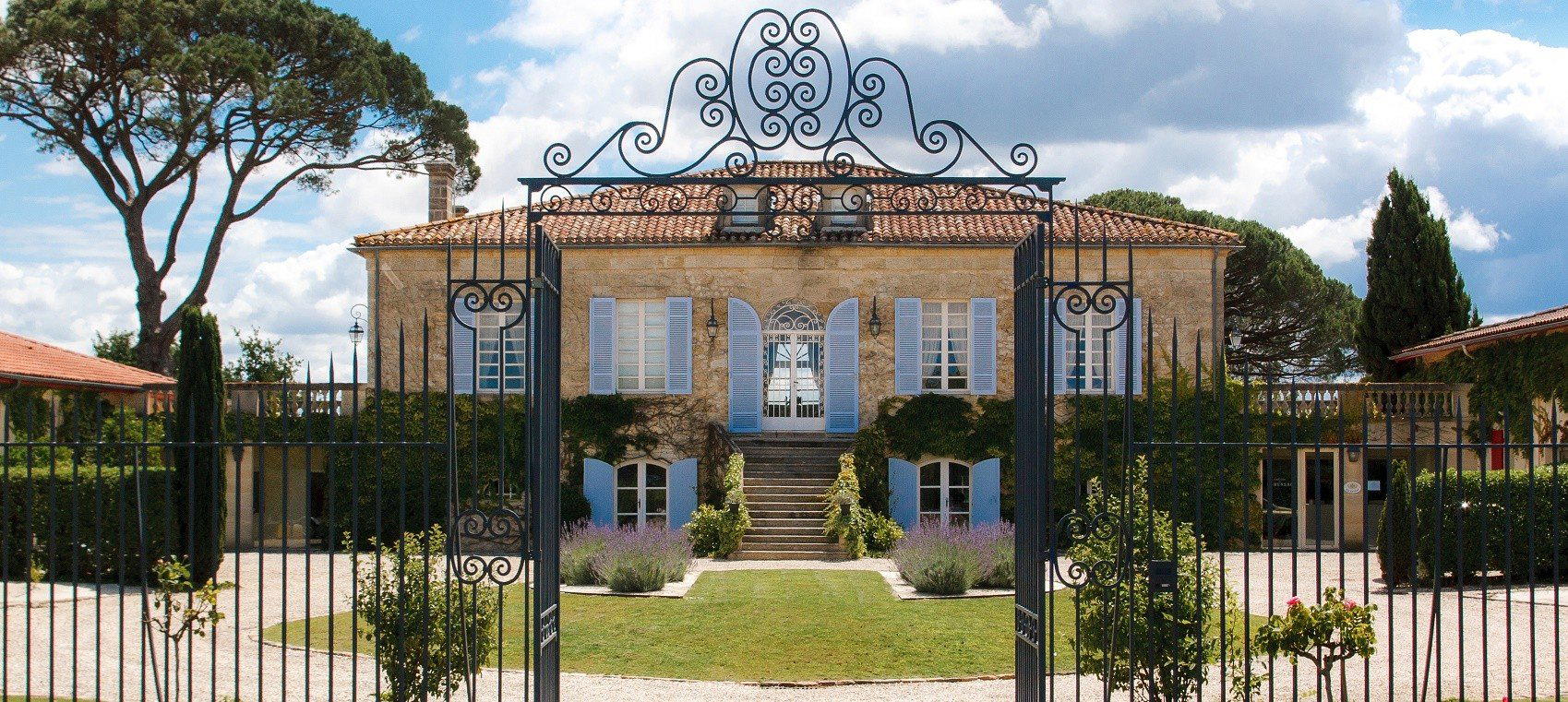
Château de Camensac
Saint-Laurent-Médoc, France
Book Château de Camensac if you want a serious Haut-Médoc château tasting with 1855 classification weight and a polished special-occasion feel. The strongest case is value: classified-growth heritage, modernised cellar work, and a classic Cabernet Sauvignon-Merlot profile make the fee easier to justify for Bordeaux-focused visitors.
Domaine Sunnen-Hoffmann
Remerschen, Luxembourg
Worth booking for a quiet, organic-focused Luxembourg Moselle tasting with more substance than spectacle. The draw is the estate’s Bio Lëtzebuerg role, intimate rustic-modern room, and focus on Riesling, Pinot Gris, and Crémant. Go for a date, small celebration, or thoughtful wine afternoon rather than a large-group cellar stop.
Ampeleia
Roccatederighi, Italy
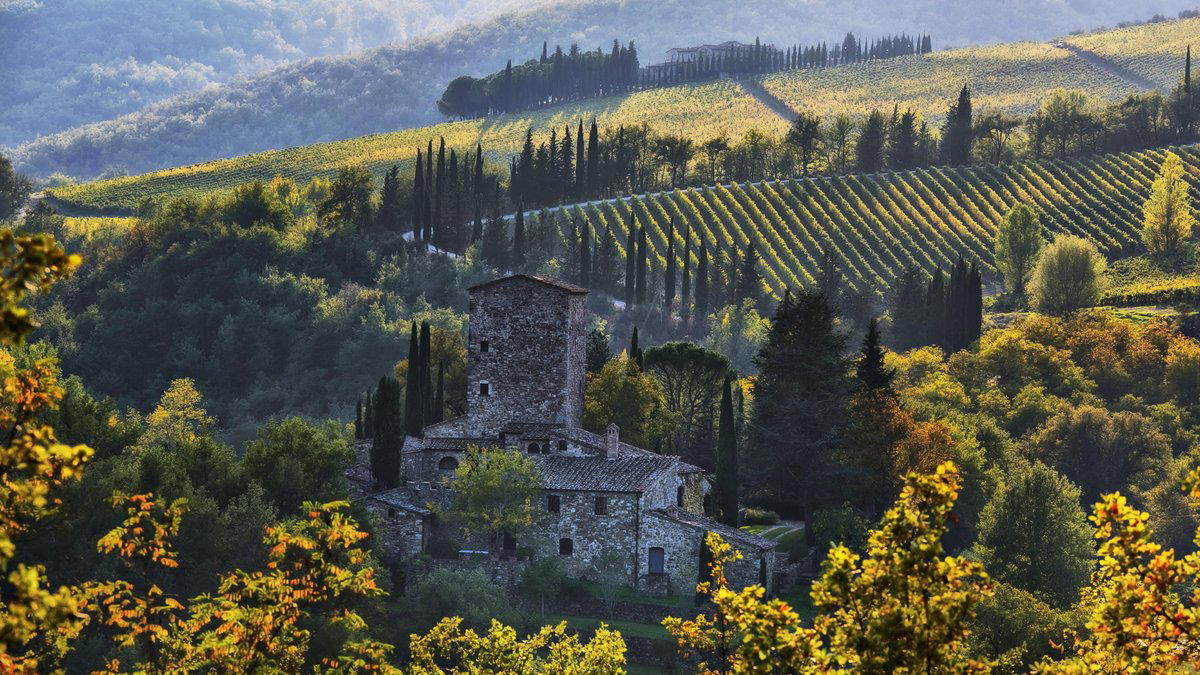
Ampeleia is a better fit for wine-focused travellers than casual Tuscan day-trippers. Its Falstaff 3 Stars recognition in 2026 gives it a credible reason to be on a Roccatederighi wine route, but plan meals, timing, and backup stops separately rather than assuming a broad visitor setup.
Ca'n Verdura Viticultors
Binissalem, Spain
Ca'n Verdura Viticultors works if Binissalem wine is already part of the trip and the goal is a focused winery stop rather than a long estate experience. Falstaff 3 Stars (2026) gives it a credible quality signal, but confirm visit logistics before building a day around it.
Domaine Marquis d'Angerville
Volnay, France
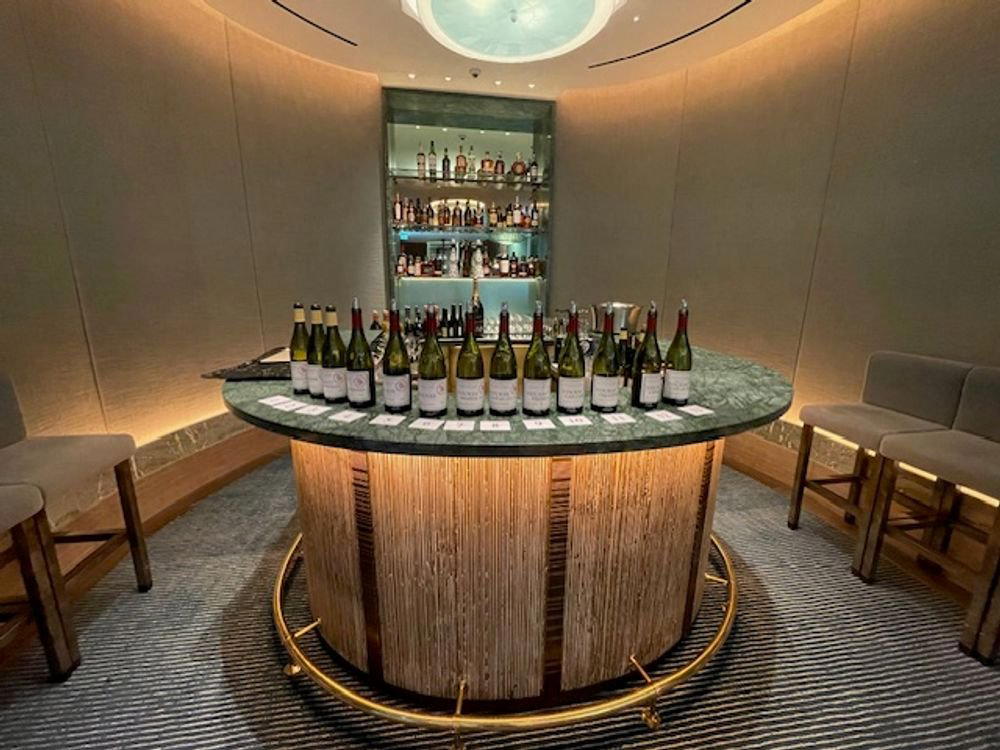
A serious Volnay target for Burgundy drinkers who want a benchmark domaine rather than an easy casual tasting. Worth pursuing if the priority is bottle significance and village context, but first-timers should plan backup visits nearby because access is difficult and the experience is better treated as a focused request than a drop-in stop.
Il Mottolo
Baone, Italy
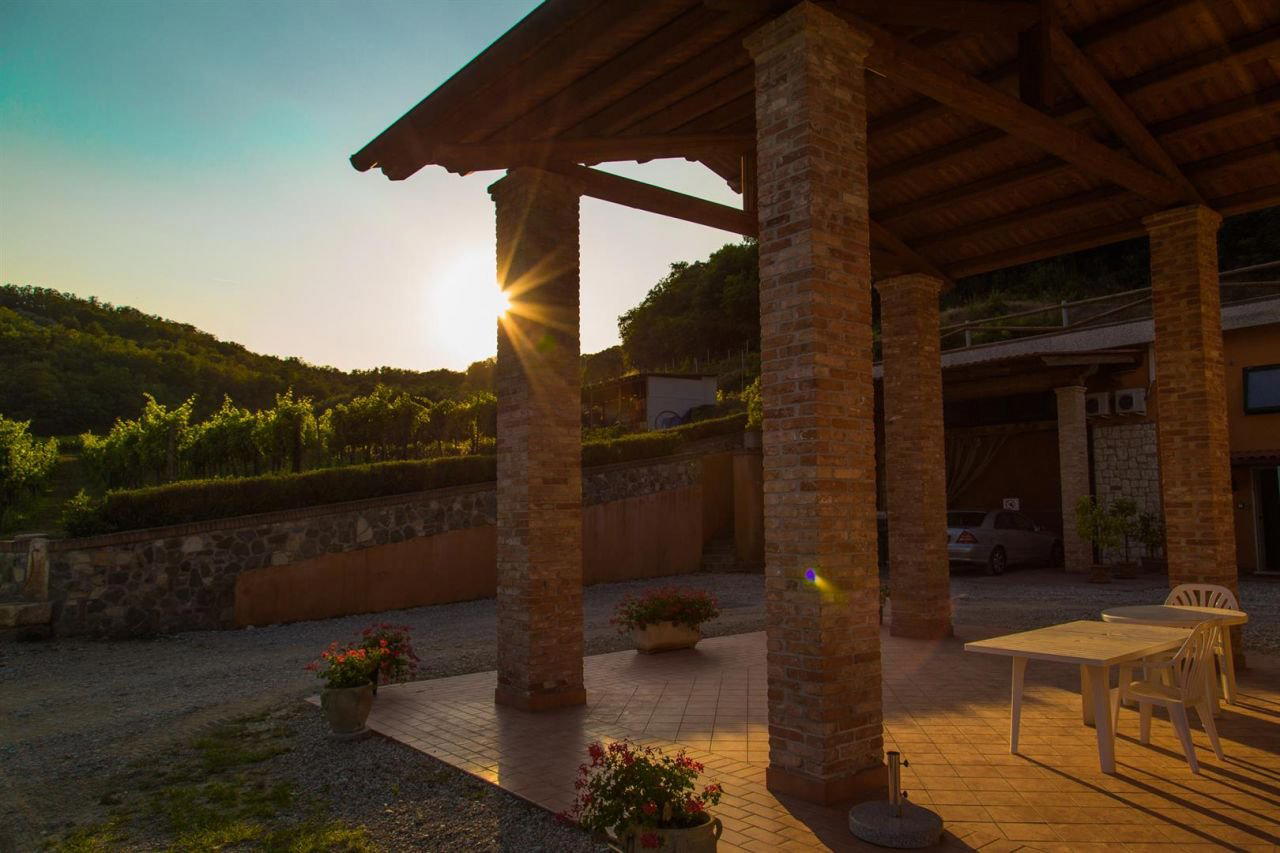
Il Mottolo works for a quiet Baone winery stop focused on Colli Euganei DOC still red and white wines. It suits travelers who want a rural, small-producer feel more than a formal food-pairing or hospitality-heavy tasting; plan it as part of a wider Euganean Hills day rather than the whole itinerary.
How many of these have you visited?
Find out on Pearl and keep score across every place in 2026 Falstaff Winery Guide.