
Sandhi Wines
Lompoc
Winery in Lompoc, United States
 Book with Pearl
The Read
Cool-Climate Appellation Focus
Why go
Sandhi Wines is worth prioritizing for a serious Lompoc wine itinerary when the trip is about bottle assessment rather than a casual tasting-room crawl. Plan ahead, especially for weekends or celebration visits, and cross-shop nearby producers if the group needs clearer logistics or easier scheduling.
About Sandhi Wines
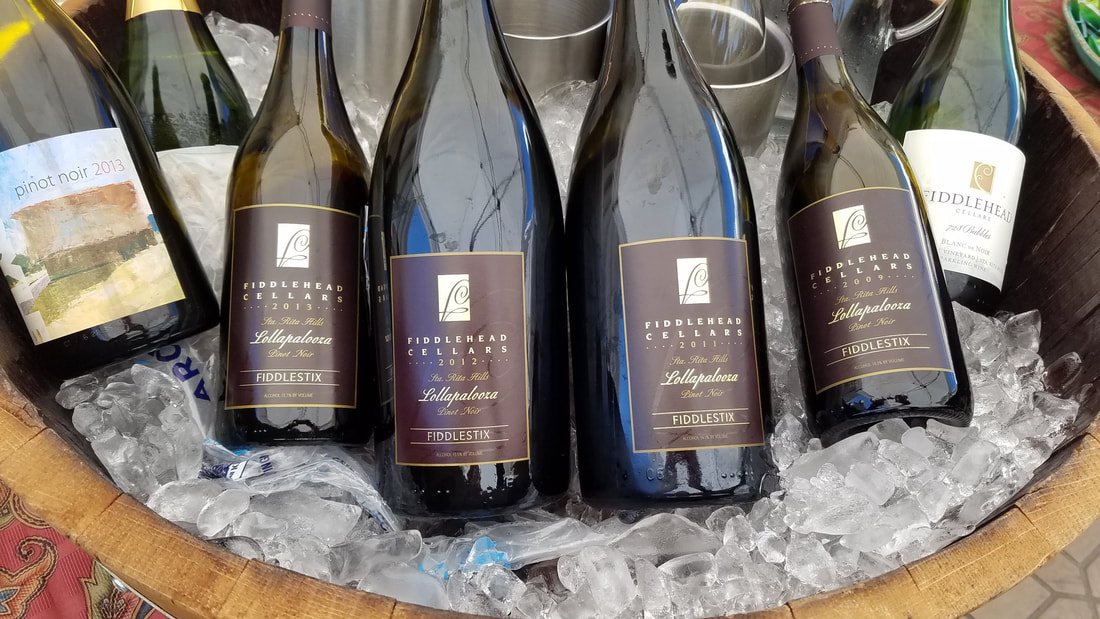
Sandhi Wines is a Lompoc venue with a casual dress code and Pearl 2 Star Prestige recognition for 2025. That combination gives it a clear place on a shortlist. The dress code note is practical rather than decorative: a casual standard suggests visitors do not need to plan around formal attire when considering the venue, though it does not answer other planning questions. The 2025 Pearl 2 Star Prestige recognition is the strongest distinction, and it is the main reason Sandhi Wines stands out. For readers comparing other relevant venues, names to consider include Fiddlehead Cellars, Chanin Wine Co. Domaine de la Cote, Flying Goat Cellars, and Zotovich Vineyards. Those names help frame the decision alongside other comparable options rather than as a single isolated choice.
Prioritize Sandhi Wines for a Lompoc stop
The grounded reason to consider Sandhi Wines is direct: it is a Lompoc venue with Pearl 2 Star Prestige recognition for 2025 and a casual dress code. In a planning context, those two points are useful because they answer two different questions: why the venue merits attention, and what level of dress is appropriate. Beyond that, specific public details such as visit format, pricing, hours, booking method, and group capacity are not available, so the safest planning approach is to confirm current details directly before making it the anchor of a day in Lompoc. That caution matters because an itinerary can quickly become dependent on assumptions about when a venue is open, how visits are handled, or whether advance arrangements are needed.
Because price, hours, or booking channel is not available, treat Sandhi Wines as a venue to plan around only after confirming the current experience. The recognition makes it worth a closer look, but the absence of those operational details means it should not be treated as fully settled. For an itinerary, compare it with other named options such as Fiddlehead Cellars, Chanin Wine Co. Flying Goat Cellars, and Zotovich Vineyards, while also considering Domaine de la Cote as another relevant comparison. Keeping those alternatives in view can help if your schedule depends on specific timing, a known process, or the ability to structure multiple stops with confidence. Sandhi Wines may still be the right stop, but the decision is strongest when the practical details are known.
Who should choose a different Lompoc stop
Choose another option first if your plans require details that are not available, such as current hours, a published price, a specific reservation process, group capacity, or named offerings. This is especially relevant for visitors building a tightly sequenced day, coordinating with others, or trying to compare venues on concrete planning criteria rather than recognition alone. Sandhi Wines remains notable for its 2025 Pearl 2 Star Prestige recognition, but practical trip planning should rely on known details before you commit the rest of the day. If certainty is the priority, the better move is to place Sandhi Wines on the consideration list, learn the missing information directly, and only then decide whether it should lead the itinerary or sit alongside other relevant options.
Planning details
- Location
- 1503 E Chestnut Ave, Lompoc, CA 93436
- Website
- sandhiwines.com
- Phone
- +1 805-500-8337 ext. 2
The take
The Take
The Vibe
Sandhi Wines presents a workmanlike, terroir-first personality that favors production rigor over pastoral presentation. Set in Lompoc’s cluster of converted commercial buildings, the tasting context reads industrial and focused: corrugated metal, loading bays and a sense that attention is directed toward the bottle rather than the lawn. The writing emphasizes cool Sta. Rita Hills provenance — ocean-driven temperatures, fossilized marine soils and measured minerality — and the EP Club Pearl 2 Star rating underscores a disciplined, critically consistent approach. Visits feel purpose-driven, appealing to drinkers who value terroir clarity and winemaking precision.
Best For
Sandhi is best for visitors who come to learn and taste with intent. The narrative is all about appellation expression — Sta. Rita Hills’ fog influence, diatomaceous soils and cool-climate Pinots and Chardonnays — so it suits solo explorers, wine students and collectors seeking allocation-level names. This is not a scenic estate stop or a picnic destination; instead, it’s a place to interrogate sourcing, vineyard sites and stylistic nuance. Small-party tastings and focused educational visits are a natural fit given the producer’s emphasis on provenance and critical credibility.
Tasting Tips
When tasting at Sandhi, concentrate on the Sta. Rita Hills expressions: Pinot Noir and Chardonnay are central to the producer’s reputation. Ask about vineyard sources, the role of diatomaceous and marine-derived soils, and how the Pacific-driven coolness shapes ripeness and acidity. The write-up highlights a Pearl 2 Star Prestige rating — request context on what that designation signals about sourcing and consistency. Because the operation sits in an industrial tasting district rather than an estate setting, use the visit to dig into technical details and allocation availability rather than scenic amenities.
Venue details
Ambiance
Intimate and educational atmosphere centered on winemaking process and vineyard terroir.
Tags
Vibe
Best For
Experience
At the Vineyard
- Appellation
- Sta. Rita Hills
- Varietals
- Chardonnay, Pinot Noir
- Tour Duration
- 60-90 minutes
- Visits
- By appointment only
- Farming
- Natural wine
- Production
- Small producer
- Wine Styles
- Still White, Still Red
- Wine Club
- Available
Know before you go
Know Before You Go
- Getting there
- 1503 E Chestnut Ave, Lompoc, CA 93436
Planning details
Location
Recognition and awards

Also consider
Where to go if this is not available
If Sandhi Wines is not workable, try Domaine de la Cote first for another serious wine-led Lompoc option. For a more flexible backup, Chanin Wine Co. is the cleaner second choice.
Winery context
How it compares in Lompoc
Choose Sandhi Wines when the day is built around a high-intent wine visit rather than convenience. Compared with Flying Goat Cellars and Fiddlehead Cellars, it reads as the more collector-leaning choice, while those peers are the safer cross-shops for visitors who want a simpler backup plan in Lompoc.
Domaine de la Cote is the most natural comparison for a serious wine-focused itinerary, especially if the goal is to stack respected Lompoc-area producers in one day. Zotovich Vineyards and Chanin Wine Co. make sense as alternates when scheduling matters more than anchoring the day around one difficult target.
For value, do not judge this set by tasting-room comfort alone. The better question is whether the visit helps decide what to buy or ship afterward. Sandhi is the stronger pick for that kind of focused assessment; the others are better if the group wants a broader, lower-friction Lompoc crawl.
Explore Lompoc
Around this place
Discover more on Pearl
Unlock the full Sandhi Wines guide in Pearl, including awards, comparisons, FAQs, planning details, and nearby places.
Compare Sandhi Wines
| Venue | Location | Awards |
|---|---|---|
| Sandhi Wines | Lompoc | 2026 Falstaff Winery Guide |
| Flying Goat Cellars | Lompoc | No published awards |
| Fiddlehead Cellars | Lompoc | No published awards |
| Domaine de la Cote | Lompoc | 2026 Falstaff Winery Guide |
| Zotovich Vineyards | Lompoc | 2026 Falstaff Winery Guide |
| Chanin Wine Co. | Lompoc | No published awards |
How Sandhi Wines Lompoc compares with similar nearby venues.
FAQ
Frequently Asked Questions
Do I need a reservation at Sandhi Wines?
Confirm directly before you go. There is no information on current hours, a booking channel, or a walk-in policy, so it is safest to check the latest visit details before heading to Lompoc.
Can Sandhi Wines handle large groups?
Group capacity is not available. If you are planning with more than a small party, confirm directly with Sandhi Wines before making it the anchor of your Lompoc itinerary.
What are the key facts about Sandhi Wines?
Sandhi Wines is in Lompoc, has a casual dress code, and holds Pearl 2 Star Prestige recognition for 2025.
What should I check before visiting Sandhi Wines?
What other venues can I compare with Sandhi Wines?
Relevant comparison venues include Fiddlehead Cellars, Chanin Wine Co. Domaine de la Cote, Flying Goat Cellars, and Zotovich Vineyards.