




Chateau Lafite Rothschild
Pauillac
Winery in Pauillac, France
 Book with Pearl
The Read
Médoc First-Growth Benchmark
Why go
Château Lafite Rothschild is a wine estate in Pauillac, Bordeaux.
About Chateau Lafite Rothschild
Chateau Lafite Rothschild is a Pauillac venue with Pearl 5 Star Prestige recognition for 2025. For travelers comparing notable names in the wider area, other options to consider include Château Clerc Milon, Chateau Mouton Rothschild, Château d'Armailhac, Château Lafon-Rochet, and Château Cos d'Estournel.
Éric Kohler is the named chef/owner, the dress code is smart casual, and the venue is in Pauillac. Other practical details such as format, access, hours, pricing, menus, services, or visitor procedures should be confirmed directly before making plans.
Choose this for a confirmed Pauillac prestige pick
Chateau Lafite Rothschild is best treated as a premium Pauillac anchor. Its 2025 Pearl 5 Star Prestige recognition makes it a strong candidate for travelers prioritizing recognized venues in Pauillac, while other regional names such as Château Lafon-Rochet, Château Cos d'Estournel, Château Clerc Milon, and Château d'Armailhac may also be worth comparing depending on the trip.
For a practical decision: pursue Chateau Lafite Rothschild if a Pauillac venue with Pearl 5 Star Prestige recognition fits the purpose of the itinerary. If the priority is to compare several options, use Our full Pauillac wineries guide to build a route, then add Our full Pauillac restaurants guide, Our full Pauillac hotels guide, Our full Pauillac bars guide, and Our full Pauillac experiences guide around the plans you confirm directly.
How to time a Pauillac visit
Timing should be handled directly with the venue or through the relevant booking channel rather than assumed from general Pauillac travel patterns. Confirm availability, dress expectations, and any visit requirements before committing the rest of the day.
If Chateau Lafite Rothschild is the main reason for going to Pauillac, keep the rest of the itinerary flexible until its details are confirmed. Add comparison venues only after you have confirmed the practical arrangements for Chateau Lafite Rothschild.
Planning details
- Location
- 33250 Pauillac
- Website
- lafite.com/domaines/chateau-lafite-rothschild
- Phone
- +33 5 56 73 18 18
The take
The Take
The Vibe
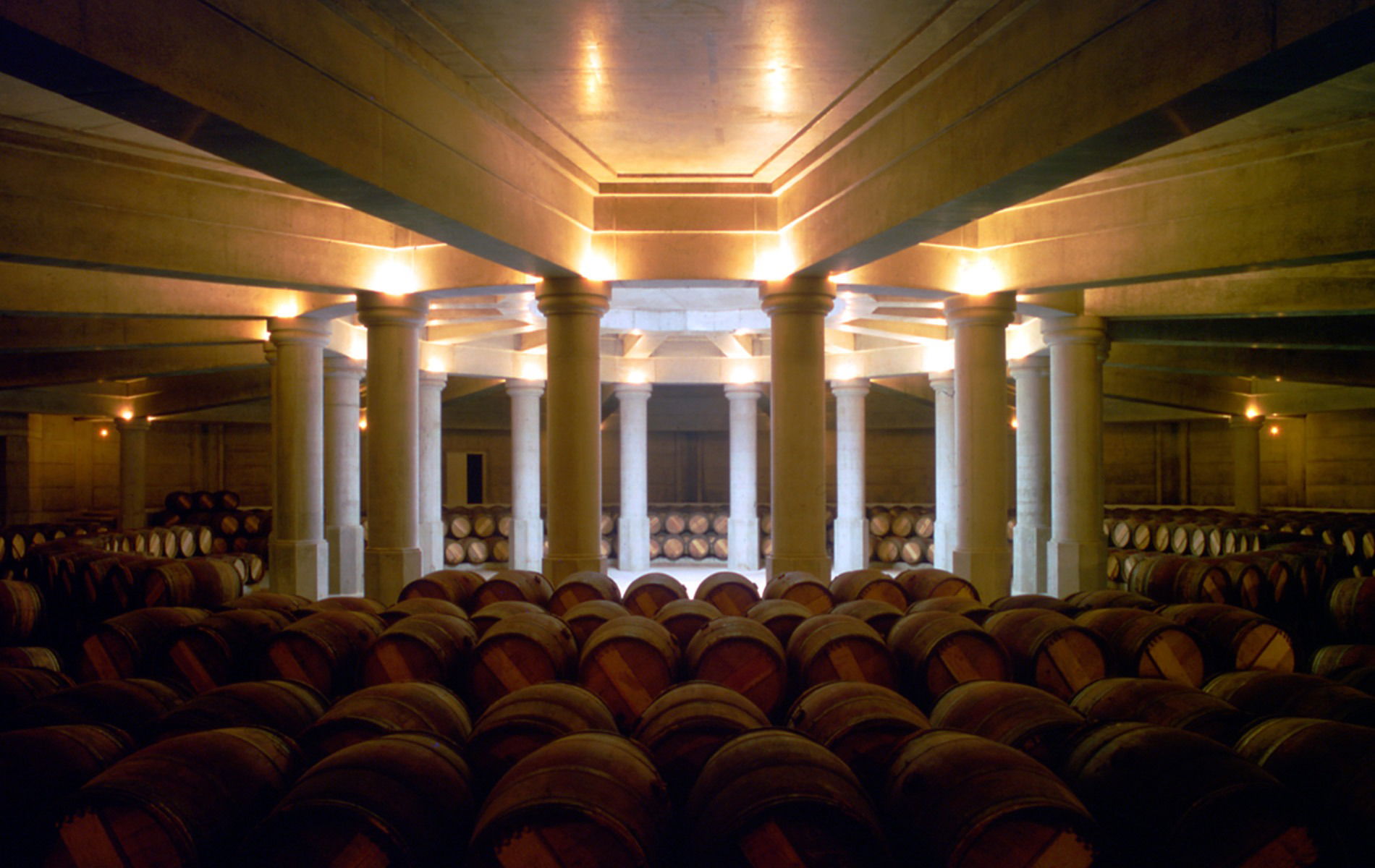
Château Lafite Rothschild reads like a living archive: centuries of documented vintages, château architecture and a deliberately paced approach through managed woodland set a historic, scenic tone. The gravel ridges and plateau vineyards frame the property visually and viticulturally, while the mention of the chai and château buildings reinforces the estate’s built heritage. Visits are structured and purposeful rather than casual, so the overall impression is one of restrained grandeur — a serene, historically rooted place where the landscape and legacy are very much part of the experience.
Best For
Lafite is best for guests seeking a deep, serious engagement with Bordeaux’s history and top-tier wine culture. Its standing as a first growth and the long-recorded lineage of production make it a natural destination for collectors, students of Bordeaux classification and anyone treating a tasting as a special occasion. Because the estate operates within an allocation and appointment model, visits tend to attract focused groups or individuals who prioritize provenance and context over casual cellar-door shopping.
Tasting Tips
Plan ahead: access is explicitly 'structured and appointment-driven' and 'visitors arriving without prior arrangement are unlikely to get far.' The estate operates in an allocation tier rather than as a walk-in cellar-door, so secure appointments well in advance and expect invitation- or allocation-based availability for sought-after releases. Allow time for the long drive through the managed woodland approach to the chai and château buildings, and be prepared for a visit that privileges curated, appointment-only experiences over casual drop-in tastings.
Venue details
Ambiance
Immaculate historic estate with old world charm, circular cellars, underground aging rooms, and enormous gardens.
Tags
Vibe
Best For
Experience
View
At the Vineyard
- Appellation
- Pauillac AOC
- Varietals
- Cabernet Sauvignon, Merlot, Cabernet Franc, Petit Verdot
- Tour Duration
- 60-90 minutes
- Visits
- By appointment only
- Wine Styles
- Still Red
- Wine Club
- Available
Know before you go
Know Before You Go
- Getting there
- 33250 Pauillac
Planning details
Location
Recognition and awards

Also consider
Where to look if access does not line up
If this appointment does not work, try Château Clerc Milon or Château d'Armailhac first for a Pauillac-focused day with easier routing. If the trip can stretch beyond Pauillac, Château Lafon-Rochet is the better value-minded cross-shop, while Château Cos d'Estournel adds a different Saint-Estèphe angle.
Winery context
How it compares in Pauillac
Chateau Lafite Rothschild is the hardest sell for convenience but the strongest choice for collectors who want the highest-prestige Pauillac anchor. Château Clerc Milon and Château d'Armailhac are better cross-shops if the priority is a more manageable Pauillac itinerary with less pressure around access.
Chateau Mouton Rothschild is the closest prestige comparison for travelers deciding where to spend one major Pauillac slot. Choose Mouton if the appeal is a broader cultural château experience; choose Lafite if the draw is cellar seriousness and long historical continuity. Château Cos d'Estournel and Château Lafon-Rochet work better when the itinerary extends beyond Pauillac and the goal is contrast rather than one headline estate.
For value, Lafon-Rochet is the more pragmatic alternative; for a Pauillac cluster, Clerc Milon and d'Armailhac are easier to pair with other local stops. For a splurge-caliber, allocation-minded trip, Lafite remains the one to pursue first, with the understanding that booking friction is part of the decision.
Explore Pauillac
Around this place
Discover more on Pearl
Unlock the full Chateau Lafite Rothschild guide in Pearl, including awards, comparisons, FAQs, planning details, and nearby places.
Compare Chateau Lafite Rothschild
| Venue | Location | Awards |
|---|---|---|
| Chateau Lafite Rothschild | Pauillac | 2026 Michelin 3 Grapes - Bordeaux2026 Falstaff Winery Guide2025 Pearl 5 Star Prestige |
| Château Clerc Milon | Pauillac | 2026 Michelin 1 Grape - Bordeaux2026 Falstaff Winery Guide2025 Pearl 4 Star Prestige |
| Château Cos d'Estournel | Saint-Estèphe | No published awards |
| Château Lafon-Rochet | Saint-Estèphe | 2026 Michelin Grape Main Selection - Bordeaux2026 Falstaff Winery Guide |
| Chateau Mouton Rothschild | Pauillac | 2026 Michelin 2 Grapes - Bordeaux2026 Falstaff Winery Guide2025 Pearl 5 Star Prestige2022 World's 50 Best Vineyards · #222021 World's 50 Best Vineyards · #362020 World's 50 Best Vineyards · #332019 World's 50 Best Vineyards · #39 |
| Château d’Armailhac | Pauillac | 2026 Michelin Grape Main Selection - Bordeaux2026 Falstaff Winery Guide |




How Chateau Lafite Rothschild Pauillac compares with similar nearby venues.
FAQ
Frequently Asked Questions
What other venues can I compare with Chateau Lafite Rothschild?
Château Mouton Rothschild and Château d'Armailhac are natural comparisons if you are building a Pauillac-focused day; Château Clerc Milon, Château Cos d'Estournel, and Château Lafon-Rochet may also fit the same broader trip. Chateau Lafite Rothschild is in Pauillac, so confirm practical details directly before planning around it.
Do I need a reservation at Chateau Lafite Rothschild?
When is the best time to visit Chateau Lafite Rothschild?
What is Chateau Lafite Rothschild known for?
Chateau Lafite Rothschild is a Pauillac venue with Pearl 5 Star Prestige recognition for 2025. Éric Kohler is the named chef/owner, and the dress code is smart casual.