
Graham Beck Wines
Robertson
Winery in Robertson, South Africa
 Book with Pearl
The Read
Cap Classique Benchmark
Price
$20–30tasting
Why go
Graham Beck Wines is the Robertson stop to prioritise when the day is built around wine rather than casual browsing. Plan ahead and make it the anchor of the route; for easier, more flexible alternatives, cross-shop Van Loveren Family Vineyards, Robertson Winery, or Klipdrift Distillery.
About Graham Beck Wines
Graham Beck Wines is a Robertson venue with a smart casual dress code and Pearl 3 Star Prestige recognition for 2025. Practical details are limited, so plan with care and confirm them directly before visiting.
Graham Beck Wines is a Robertson venue. Details on menus, tasting formats, opening hours, prices, group policies, food service, shipping, or address should be confirmed directly. If you are comparing options for the same trip, Van Loveren Family Vineyards, Robertson Winery, De Wetshof Estate, Springfield Estate, and Klipdrift Distillery are relevant names to consider alongside Graham Beck Wines.
Plan this as a confirmed Robertson stop
Graham Beck Wines is in Robertson, the dress code is smart casual, and the venue has Pearl 3 Star Prestige recognition for 2025. Specific on-site experiences, menus, tasting structures, booking requirements, or price points should be confirmed directly with the venue.
For a comparison-led itinerary, consider Graham Beck Wines alongside De Wetshof Estate, Klipdrift Distillery, Springfield Estate, Robertson Winery, or Van Loveren Family Vineyards. Keep the comparison practical: choose based on the latest information from each venue, as hours, availability, or service formats may vary.
Who should prioritise it
Prioritise Graham Beck Wines if you want a Robertson venue with Pearl 3 Star Prestige recognition and a smart casual standard. For other details such as food, tastings, bottle sales, delivery, accessibility, group capacity, and dietary handling, contact the venue directly.
If you are building a broader Robertson visit, confirm current details with the venue first, then compare the day against other dining, accommodation, bar, or experience options in Robertson. Accommodation planning should not be treated as confirmation of Graham Beck Wines' operating details.
Verdict: keep Graham Beck Wines on the shortlist if Pearl 3 Star Prestige recognition in Robertson matters to your planning. For practical decisions, verify the latest opening, booking, food, tasting, and purchasing details directly before you go.
Planning details
- Location
- Scenic Cape Route, R60, Robertson, 7600
- Website
- grahambeck.com
- Phone
- +27 23 626 1214
The take
The Take
The Vibe
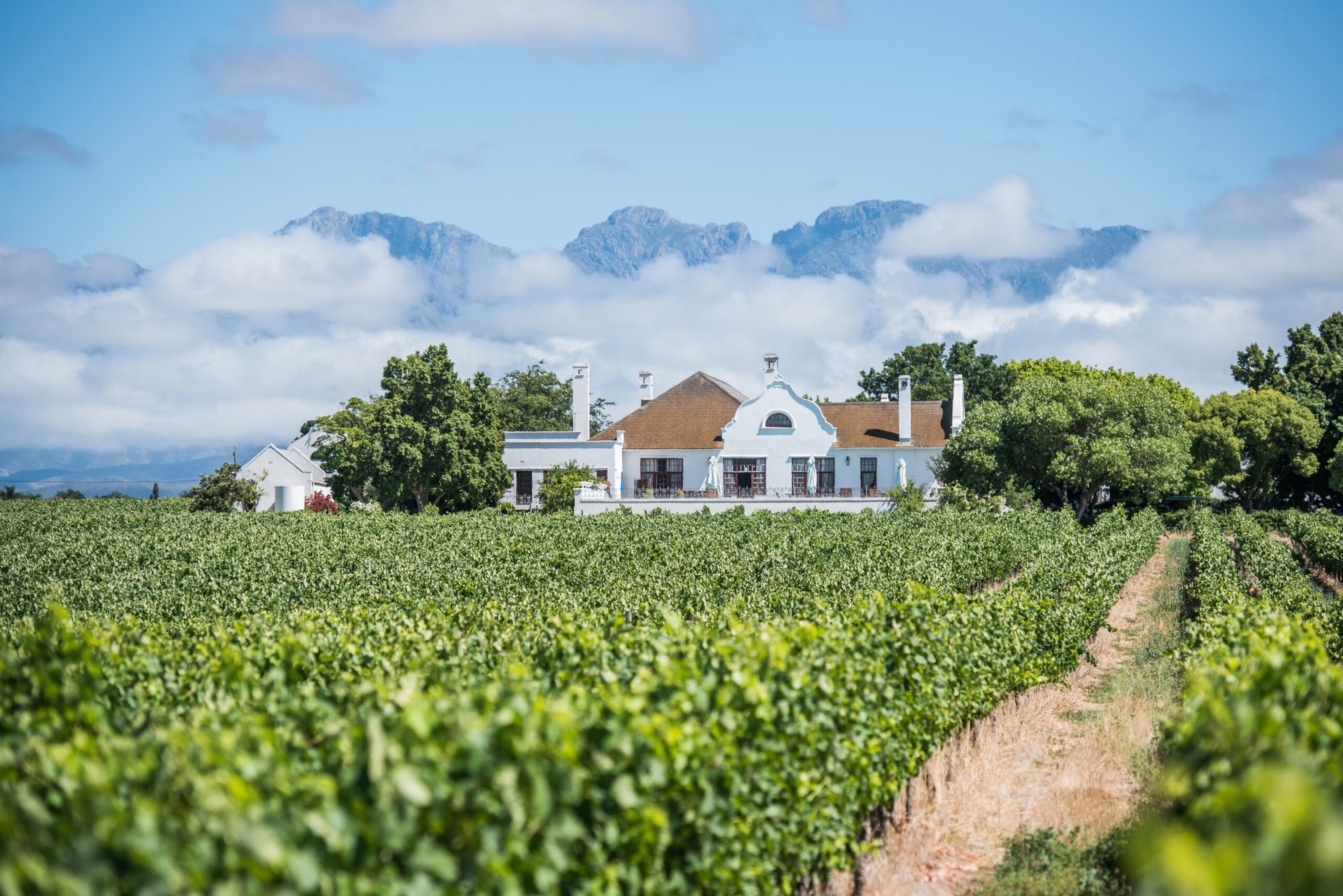
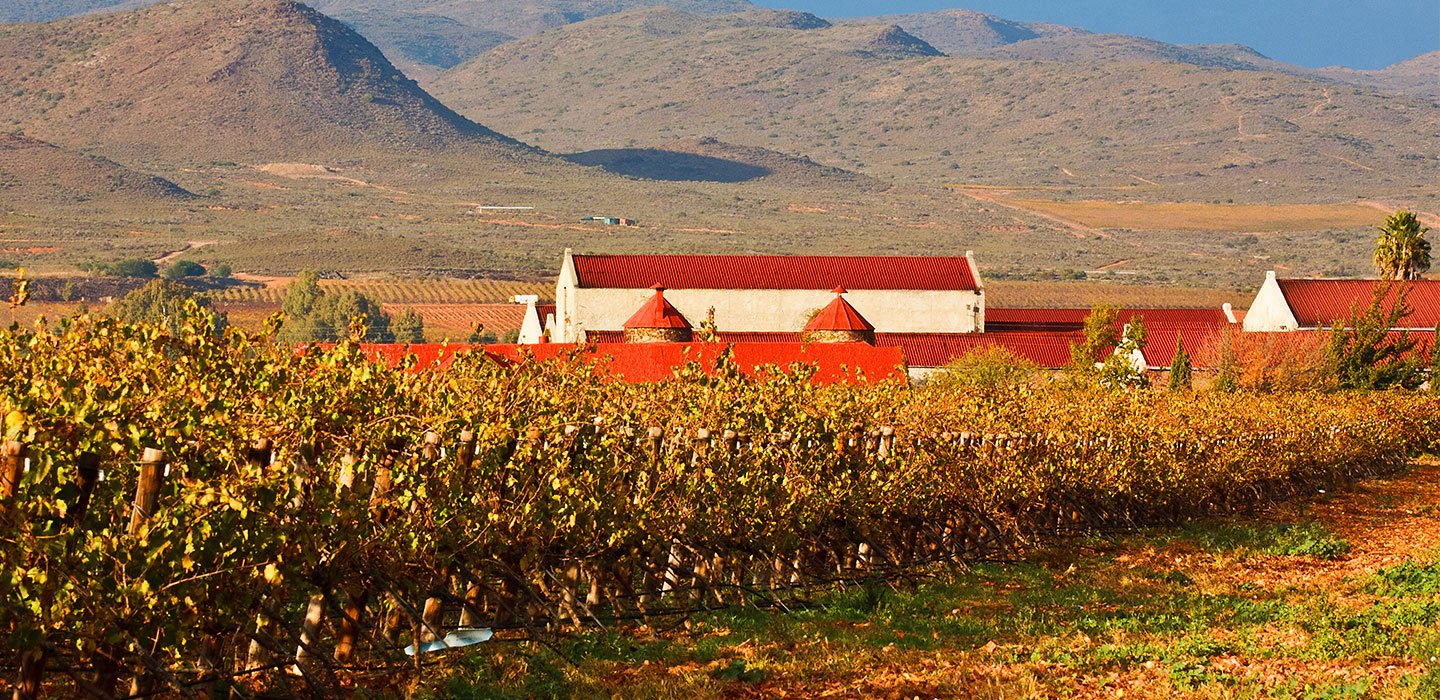
Graham Beck presents as a purposefully grounded estate that privileges geology and climate over aesthetic posturing. The narrative centers on Robertson’s calcium‑rich soils and a continental light that produces structured, honest grapes—conditions that the winery leans into rather than softens. The estate’s longstanding focus on method‑traditional sparkling wine gives the place a quietly authoritative feel: it is less about trend and more about craft and consistency. Visitors encounter an estate shaped by land and winemaking intent, where terroir and sparkling wine pedigree define the atmosphere.
Best For
Graham Beck is best for people who come to learn about terroir and sparkling wine and for gatherings that call for something celebratory. The estate’s reputation in Cap Classique and the emphasis on limestone soils make it a natural stop for wine‑education visits, tastings that unpack regional structure, and special occasions where sparkling wine is central. The setting along the Scenic Route also suits visitors who want an estate experience focused on geology, vineyard character and consistent, estate‑level production rather than a picture‑perfect manor.
Tasting Tips
Prioritise the winery’s sparkling wines when you taste—Graham Beck’s identity is anchored in method‑traditional Cap Classique, and the description highlights that focus. Ask your host about how the Robertson limestone and continental climate influence acidity and structure, and request estate bottlings that speak to place. If available, choose a tasting that contrasts sparkling expressions with still estate wines to appreciate the regional soil influence the narrative emphasizes. Avoid assuming the wines aim for easy drinking; expect structured, terroir‑driven styles.
Venue details
Ambiance
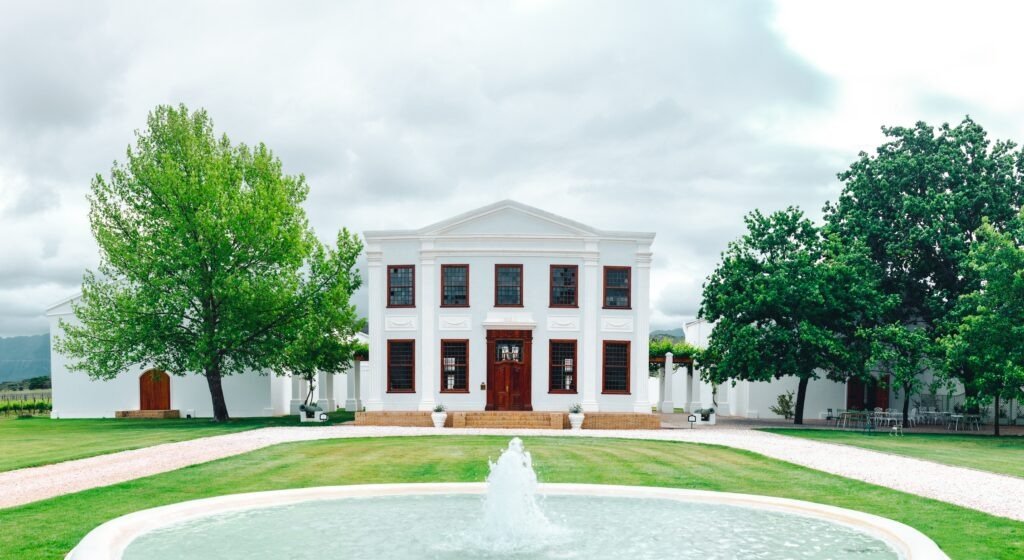
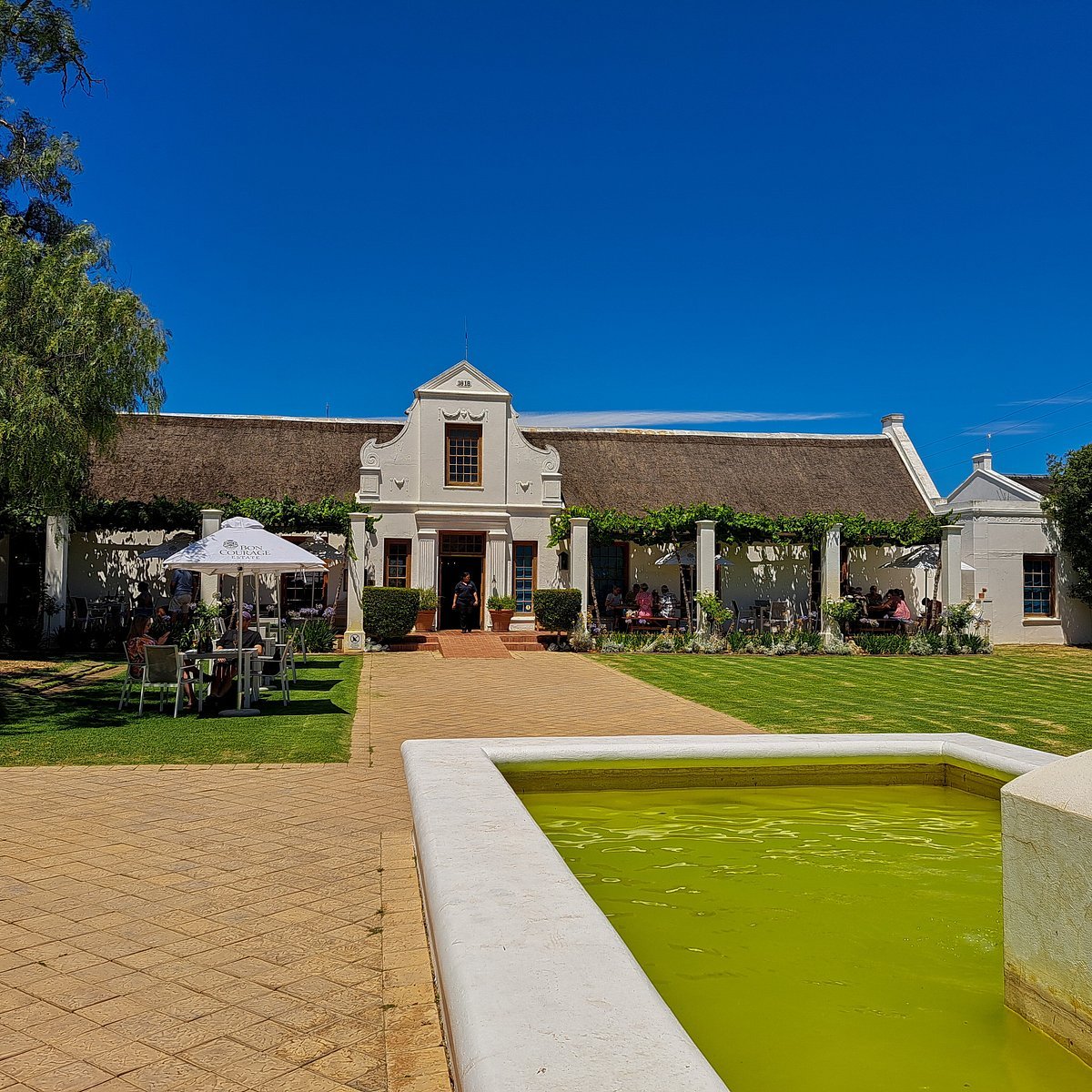
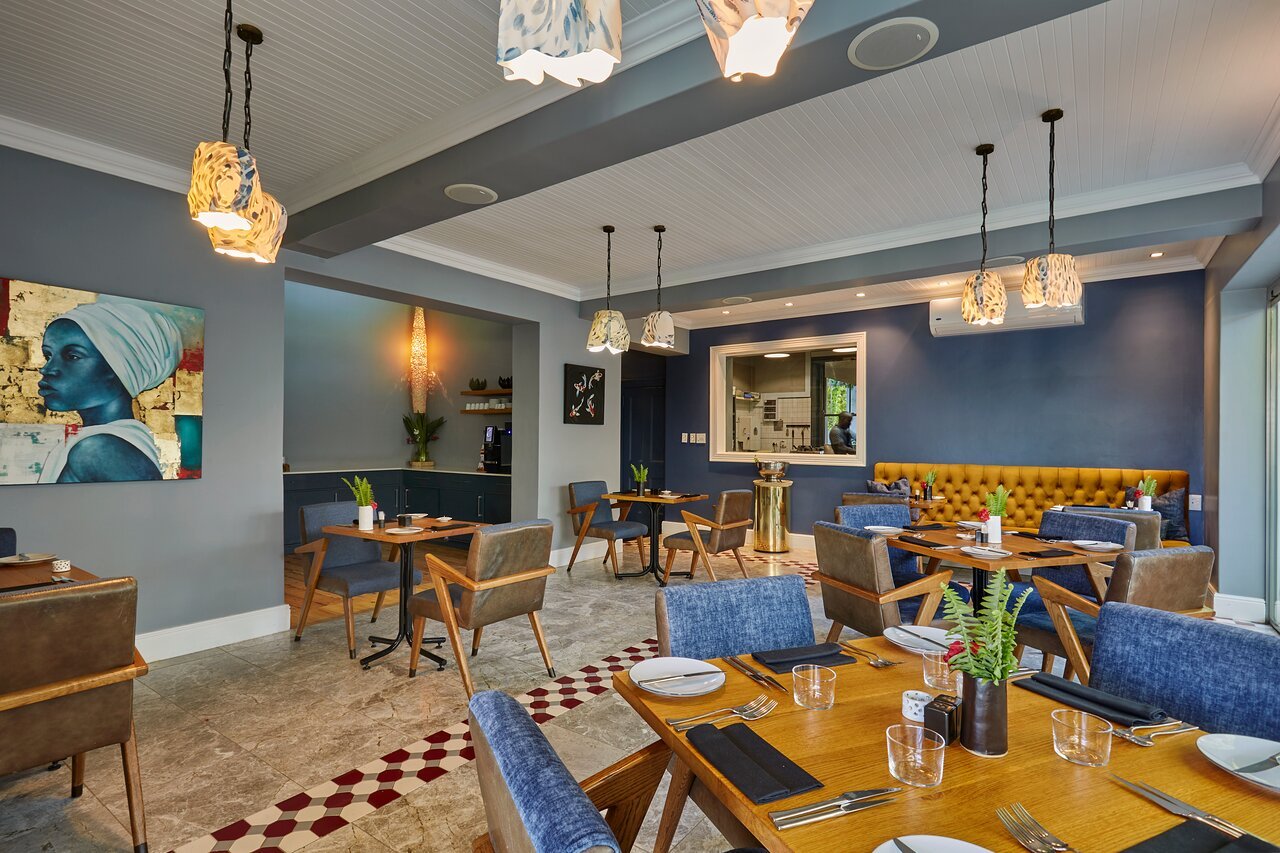
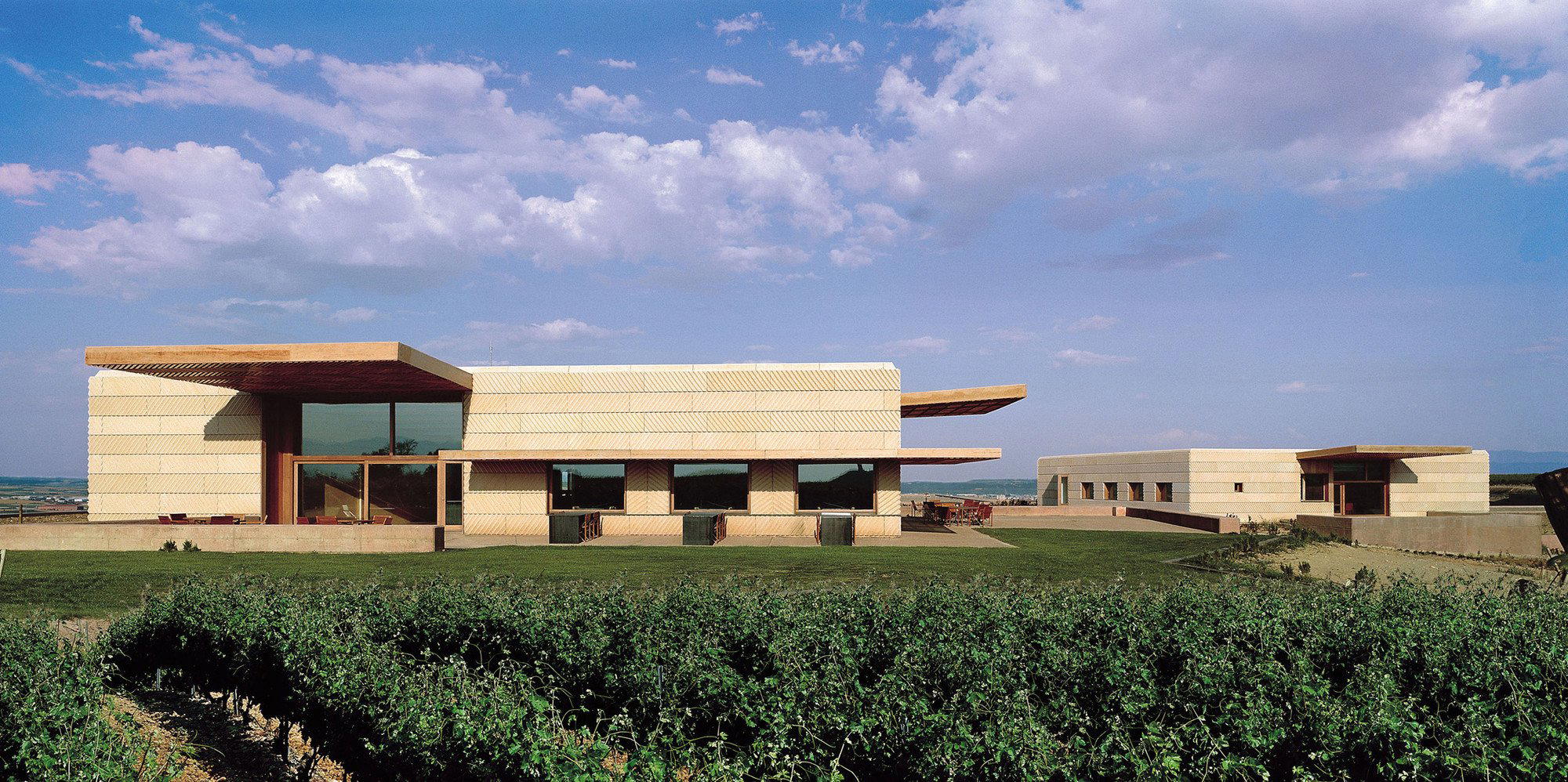
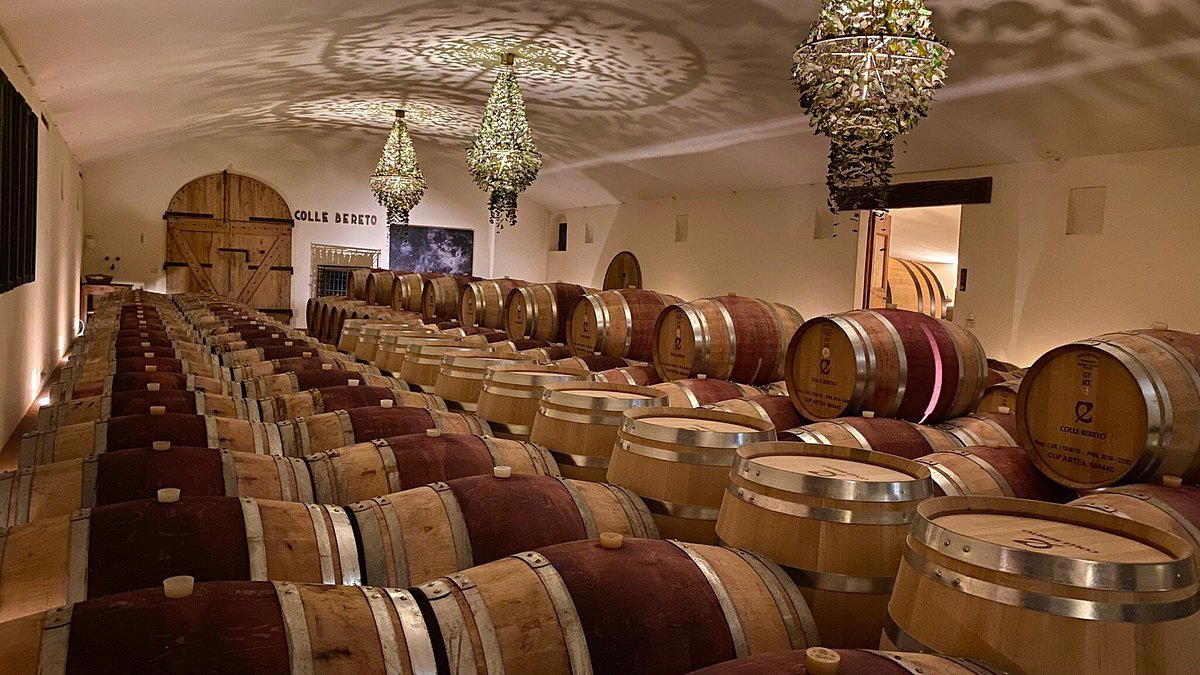
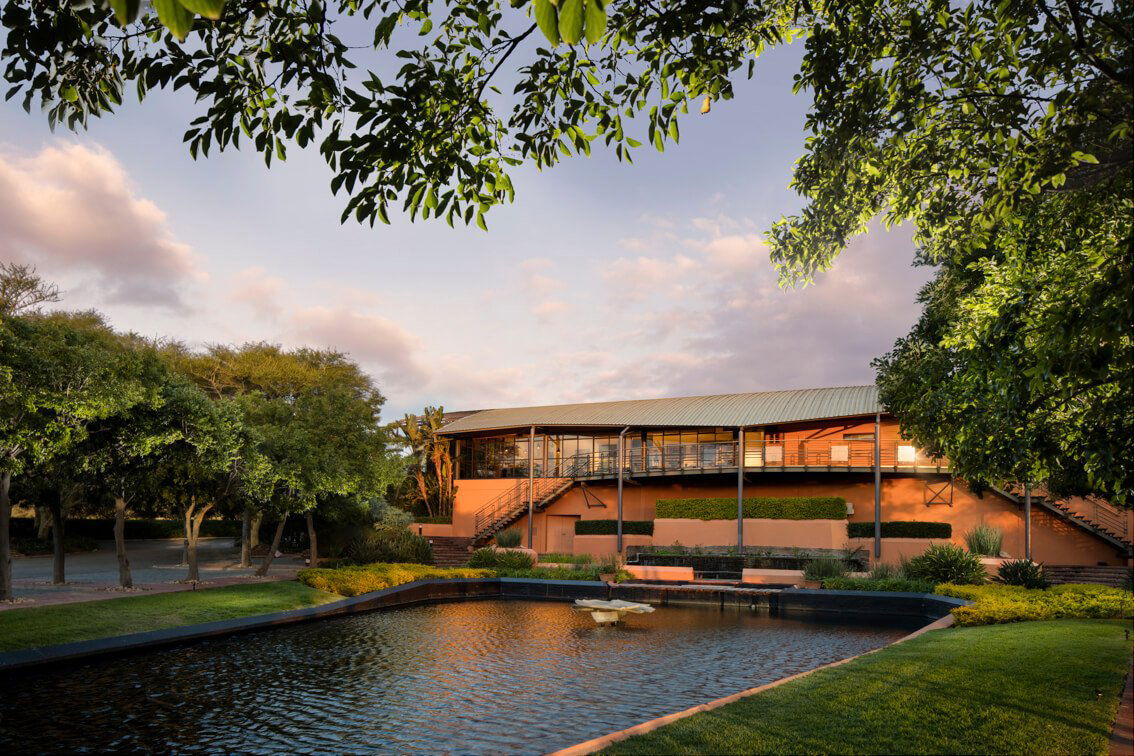
Architecturally stunning cavernous tasting room with attractive views, elegant and hospitable atmosphere.
Tags
Vibe
Best For
Experience
Sourcing
View
At the Vineyard
- Appellation
- Robertson WO
- Varietals
- Chardonnay, Pinot Noir, Pinot Meunier
- Visits
- By reservation
- Farming
- Sustainable
- Production
- Mid-size producer
- Wine Styles
- Sparkling, Still Red, Still White, Still Rose
- Food Pairing
- Offered
- Shipping
- Available
- Wine Club
- Not available
Know before you go
Know Before You Go
- Getting there
- Scenic Cape Route, R60, Robertson, 7600
Planning details
Location
Recognition and awards

Also consider
If this is hard to fit in
Try Van Loveren Family Vineyards if the group needs an easier, broader stop, or Klipdrift Distillery if a spirit-focused detour would balance the day better.
Winery context
How it compares in Robertson
Choose Graham Beck Wines when the visit needs to feel more planned and wine-led. Robertson Winery is the easier fallback for a more flexible stop, while Van Loveren Family Vineyards is the safer choice for groups with mixed priorities.
Springfield Estate and De Wetshof Estate are the closer cross-shops for visitors building a serious wine day in Robertson. Pick Springfield Estate if the itinerary can handle another focused producer; pick De Wetshof Estate when the group wants to keep the day firmly in estate-wine territory.
Klipdrift Distillery is the practical contrast choice. It makes more sense than adding another winery when the group wants a change of pace, especially after a structured tasting stop.
Around this place
Discover more on Pearl
Unlock the full Graham Beck Wines guide in Pearl, including awards, comparisons, FAQs, planning details, and nearby places.
Compare Graham Beck Wines
| Venue | Location | Awards |
|---|---|---|
| Graham Beck Wines | Robertson | 2026 Falstaff Winery Guide |
| Robertson Winery | Robertson | 2026 Falstaff Winery Guide |
| Klipdrift Distillery | Robertson | No published awards |
| Springfield Estate | Robertson | 2026 Falstaff Winery Guide |
| Van Loveren Family Vineyards | Robertson | No published awards |
| De Wetshof Estate | Robertson | 2026 Falstaff Winery Guide |
How Graham Beck Wines Robertson compares with similar nearby venues.
FAQ
Frequently Asked Questions
How long should I plan for a visit to Graham Beck Wines?
A recommended visit length, opening hours, booking policy, or service format are not provided. Plan only after confirming current details directly with the venue in Robertson.
Does Graham Beck Wines offer membership options?
Can Graham Beck Wines handle large groups?
Group capacity and group booking policies are not specified. If you are planning for several guests, confirm arrangements directly with the venue before relying on availability.