

2026 Falstaff Winery Guide: The Ultimate Wine Authority — Page 103
Falstaff's 2026 Wineries guide.

Venues on this list
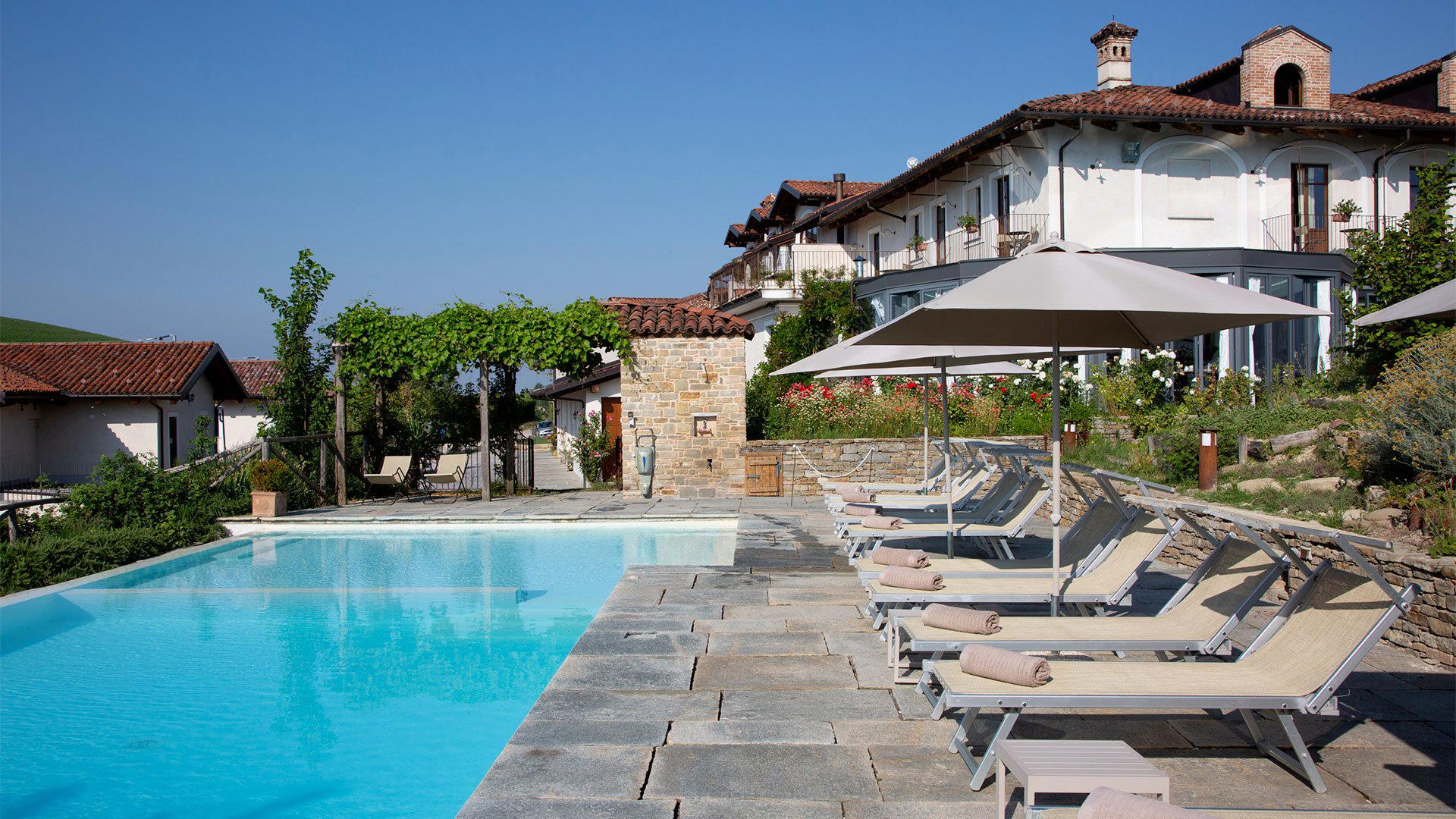
Diego Pressenda
Monforte d'Alba, Italy
Book Diego Pressenda as a wine-focused Monforte d’Alba stop, not as a confirmed food-pairing destination. Its 2026 Falstaff listing gives it a credible signal, but travelers should build meals, bars, and hotels separately around the visit rather than assuming a restaurant-style format.
El Citera
Peschiera del Garda, Italy
Worth considering for a wine-led stop in Peschiera del Garda, especially if the group is already nearby and wants an easy addition to a Lake Garda itinerary. The safer move is not to treat it as a guaranteed full dining experience: confirm the tasting format, food availability, and pricing before making it the center of a celebration.
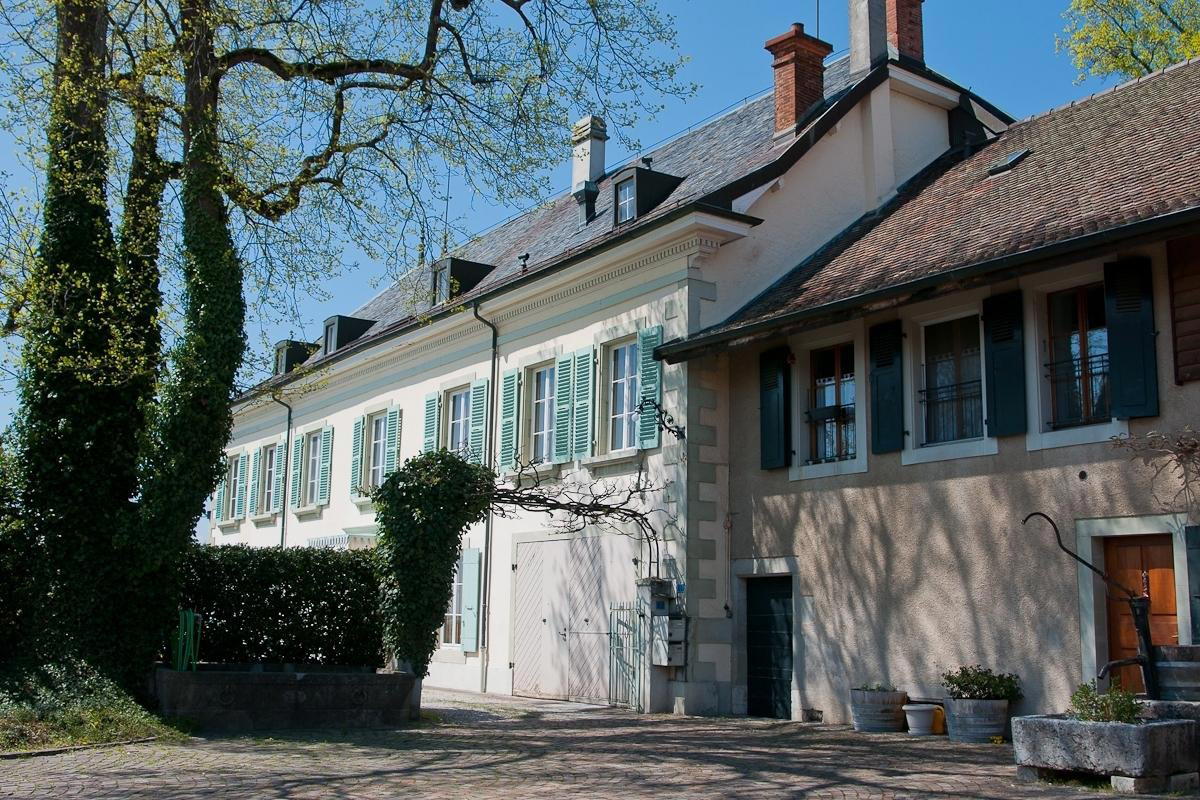
Bolle & Cie
Morges, Switzerland
Plan Bolle & Cie as a focused Vaud wine stop, especially if Chasselas, Pinot Noir, and La Côte crus are the reason for being in Morges. The draw is not a flashy cellar experience; it is a historic Swiss wine house with a serious production range and Falstaff 3 Stars recognition for 2026.
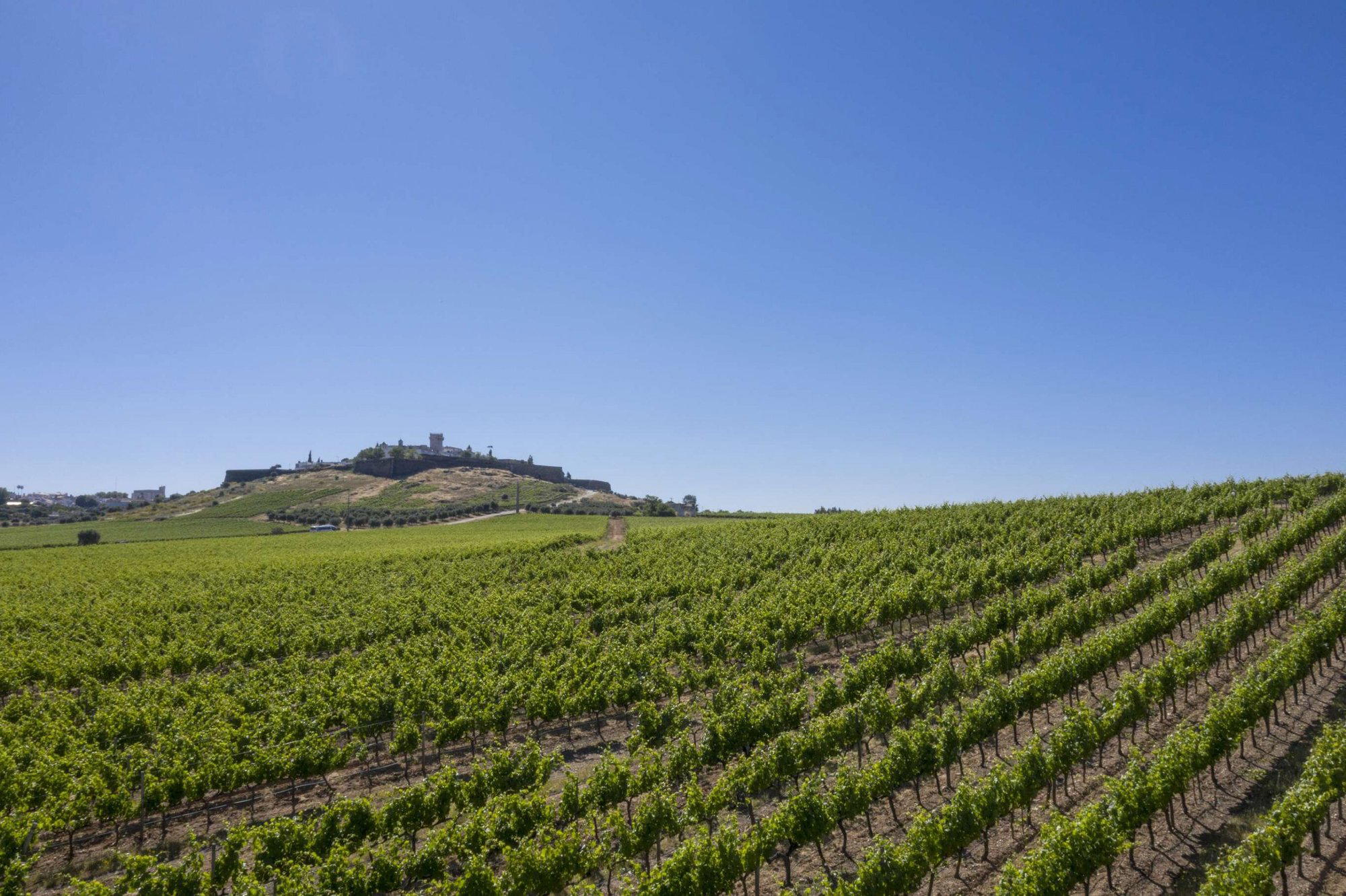
João Portugal Ramos
Estremoz, Portugal
Book João Portugal Ramos if you want a hosted Alentejo winery visit built around a guided cellar tour and a full wine-paired regional lunch. It suits first-timers, couples, and groups better than travellers looking for a quick tasting stop. The 2026 Falstaff listing adds credibility, but the main value is the structured private-style experience.
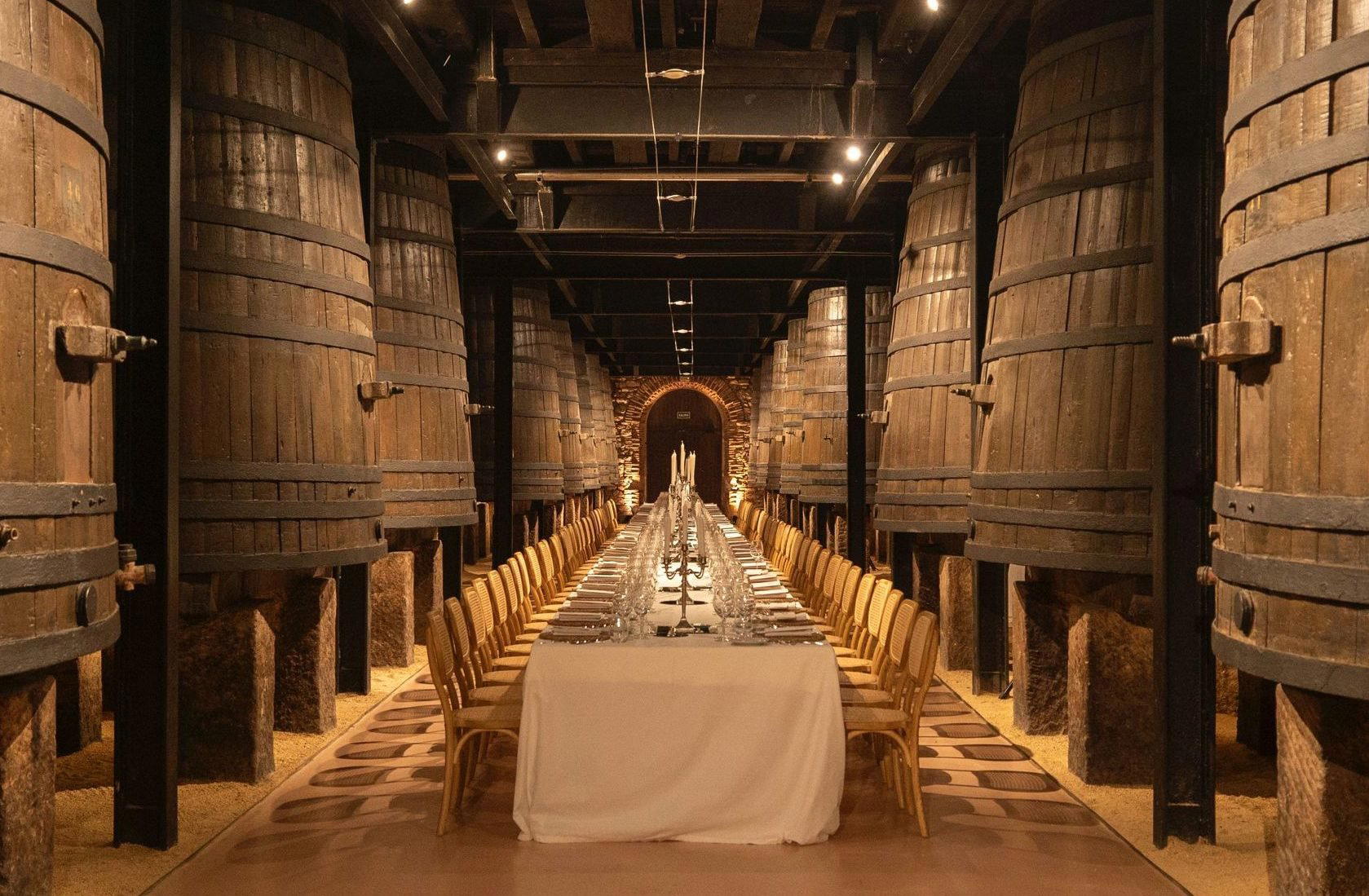
Bodegas Vallobera
Guardia, Spain
Bodegas Vallobera is worth shortlisting for a focused Rioja Alavesa winery visit in Guardia, especially if estate context matters more than dining or a broad hospitality setup. The 2026 Falstaff 1 Star gives it a clear trust signal, but plan ahead: booking is hard, and this is better treated as a wine appointment than a casual walk-in stop.
Bordeaux Families
Sauveterre De Guyenne, France
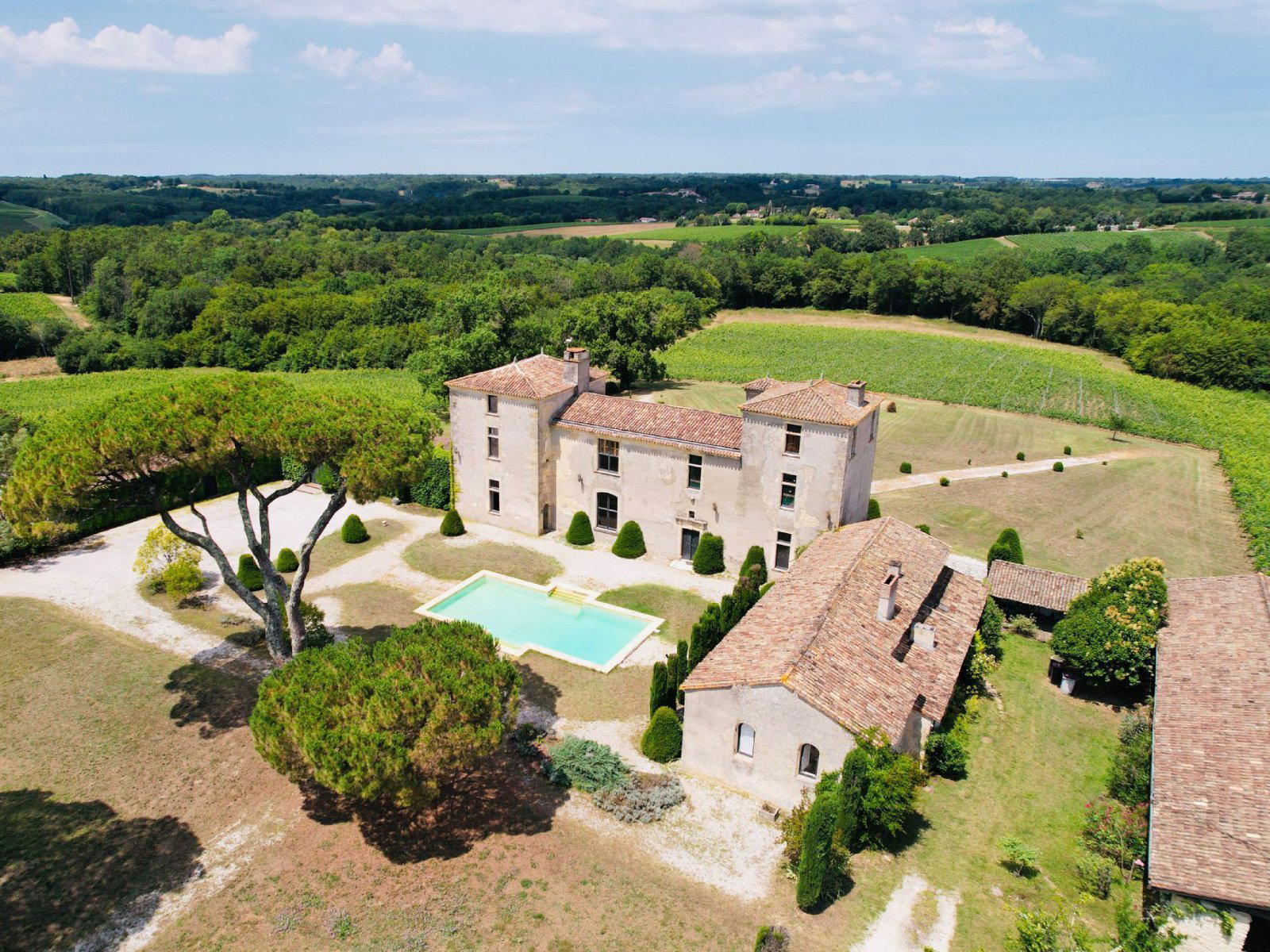
Bordeaux Families is worth a stop if you want accessible, modern Bordeaux rather than a small-estate tasting. The draw is breadth: Crémant de Bordeaux, classic reds and whites, clairet, and serious no- and low-alcohol investment, backed by 2026 recognition and a moderate price tier.
Bioweingut Schmidl
Dürnstein, Austria
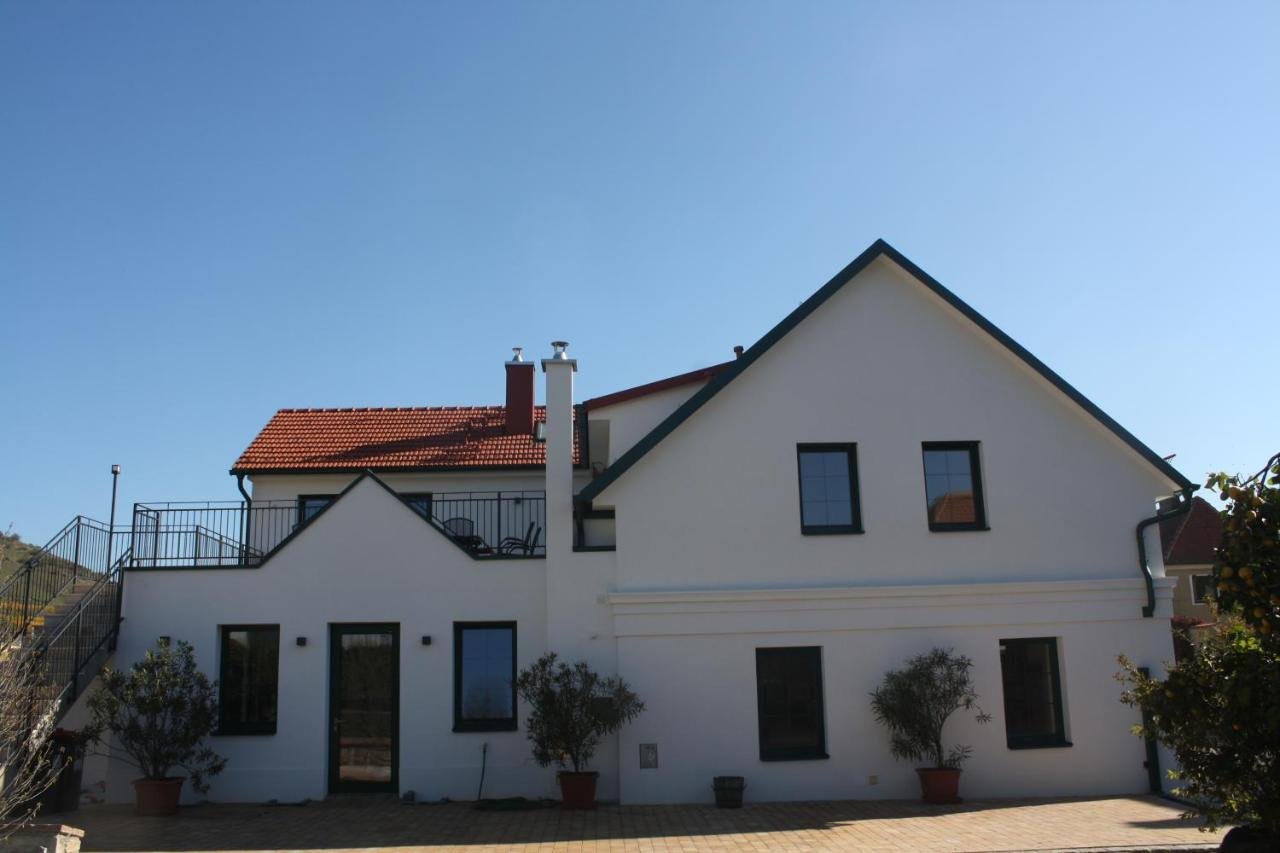
Book Bioweingut Schmidl if you want an informal organic Wachau winery visit with Heurigen-style food, garden seating, and a slower pace than a formal cellar appointment. It is strongest for Grüner Veltliner and Riesling drinkers who value small-scale estate production and sustainability credentials over a luxury tasting-room format.
Garofoli
Castelfidardo, Italy
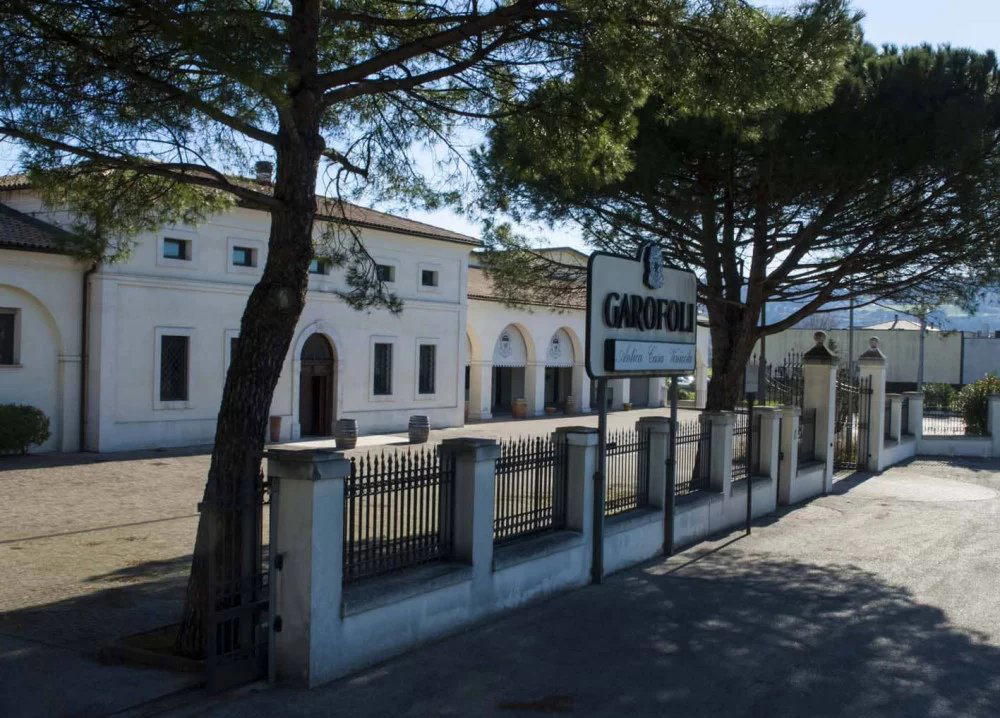
Garofoli works for a focused Castelfidardo wine stop, especially if the trip already includes Marche and the goal is producer context rather than a full hospitality day. It is a better fit for repeat visitors than first-timers trying to choose one broad regional showcase.
Gatluzi Weinbau
Fläsch, Switzerland
Book Gatluzi Weinbau if you want an informal organic winery visit in Fläsch with a farmyard feel rather than a formal tasting-room setup. The strongest draw is its hands-on farming identity, visible seasonal vineyard work, and regional portfolio led by Pinot Noir alongside Merlot, Chardonnay, Pinot Blanc Pet Nat, and Riesling Sylvaner.
Dominio de la Vega
València, Spain
Dominio de la Vega is worth booking if the draw is organic Cava, Utiel-Requena context, and a calm countryside winery rather than a glossy tasting-room production. Its appeal is strongest for travelers who want to understand València’s inland sparkling-wine story through dual D.O. credentials, estate vineyards, and reserva-style Cava aging.
Cescon Italo
Ormelle, Italy
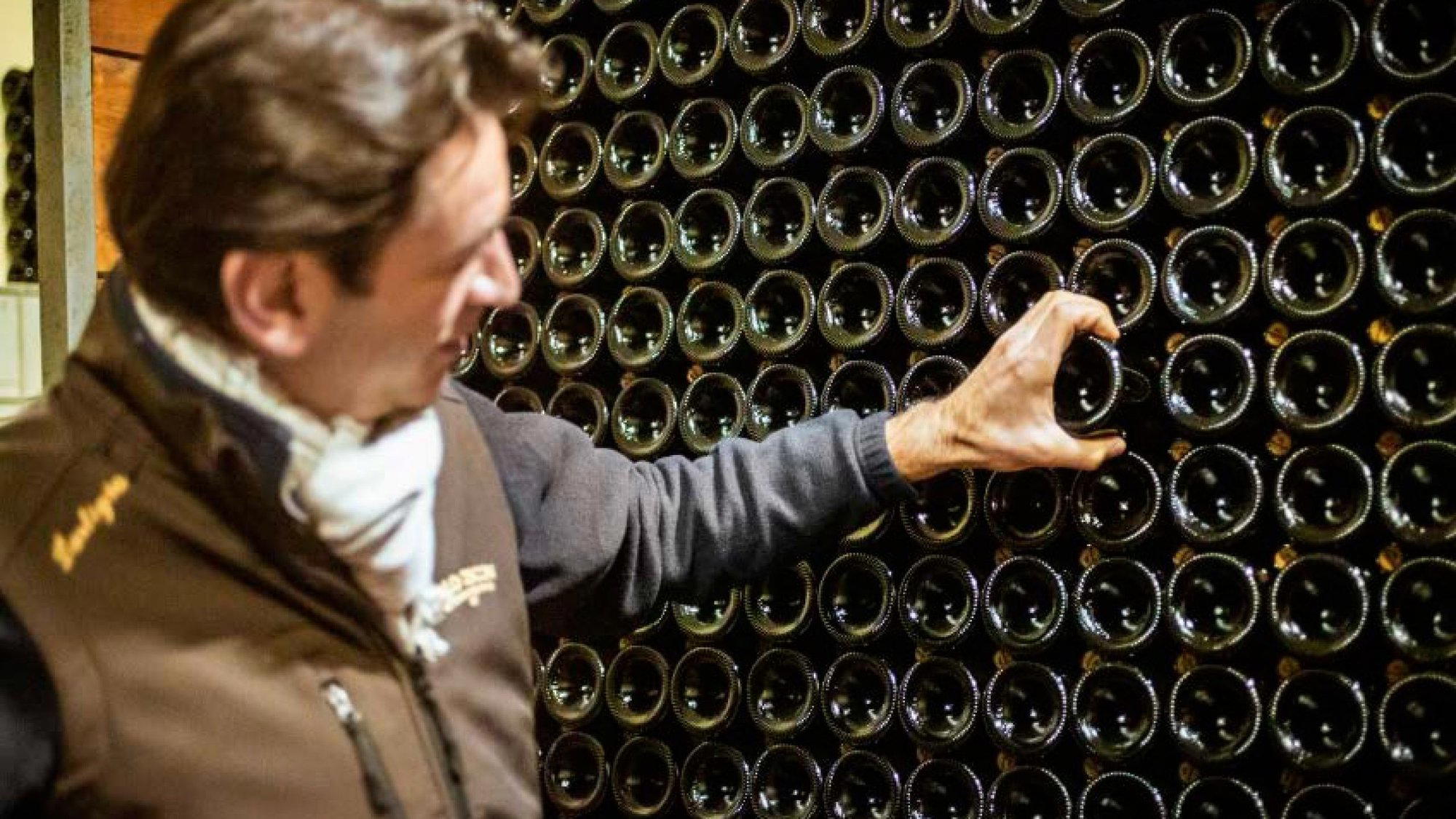
A calm, family-run Piave-area winery that makes sense for a focused Ormelle tasting rather than a high-energy wine crawl. Go for the broad Veneto portfolio, current Falstaff recognition, and quiet rural feel; plan the visit around Prosecco DOC, still whites, and a local red if this is a return stop.
Dimitri Engel
Saint-Blaise, Switzerland
Dimitri Engel works as a focused Saint-Blaise wine stop, especially if the trip is already built around Neuchâtel-area producers. The 2026 Falstaff listing gives it a useful recognition signal, but with no published price, flagship bottle, or visitor format, it works better as an exploratory add-on than a single-anchor wine trip.
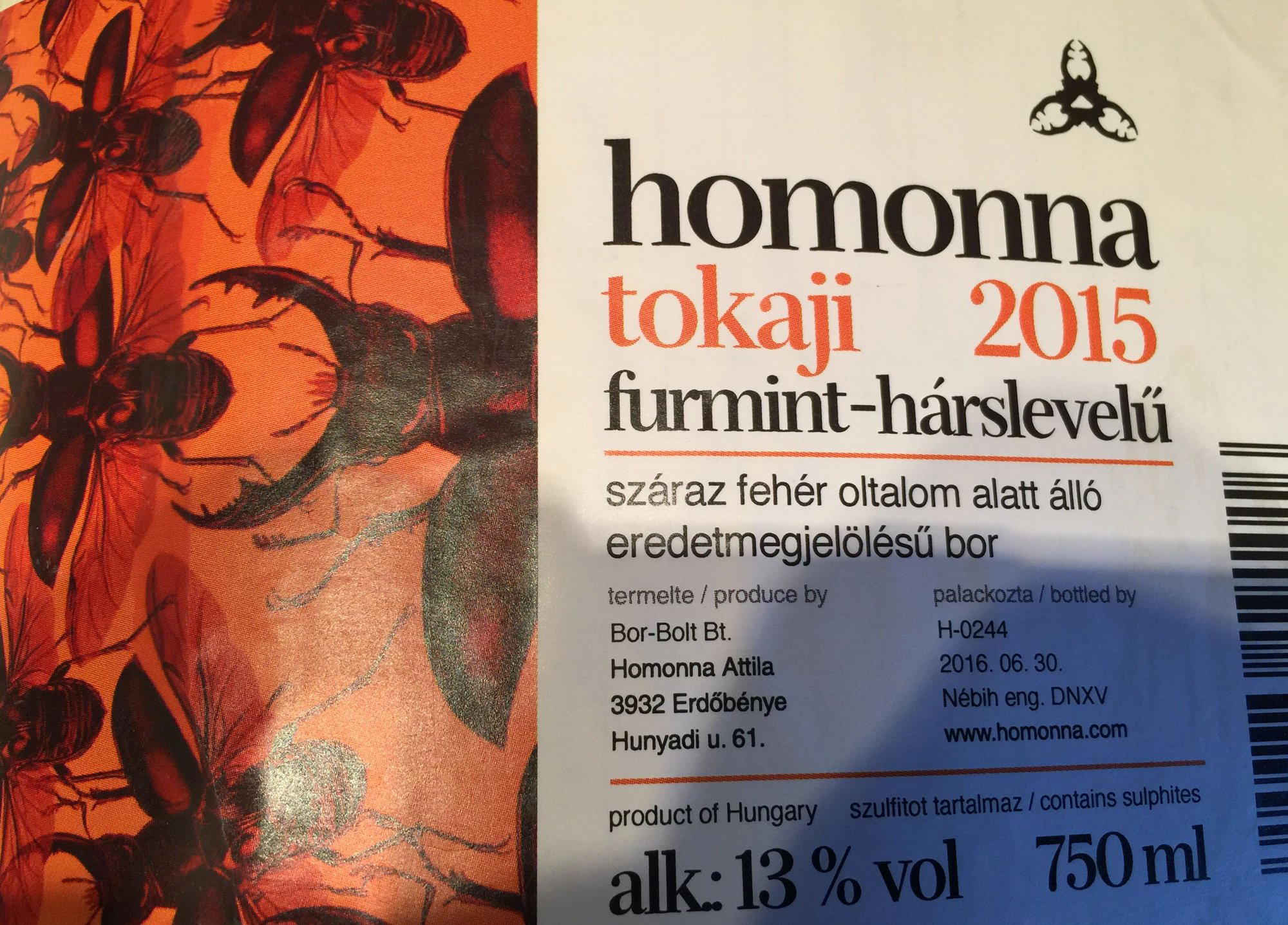
Atilla Homonna
Erdőbénye, Hungary
Attila Homonna works if Erdőbénye is part of a Tokaj-focused wine trip and the priority is producer context over polished visitor amenities. The Falstaff 2026 listing gives it a credible recognition signal, but practical details are light, so flexible travelers will get more out of it than groups needing confirmed food, timing, or a structured tasting plan.
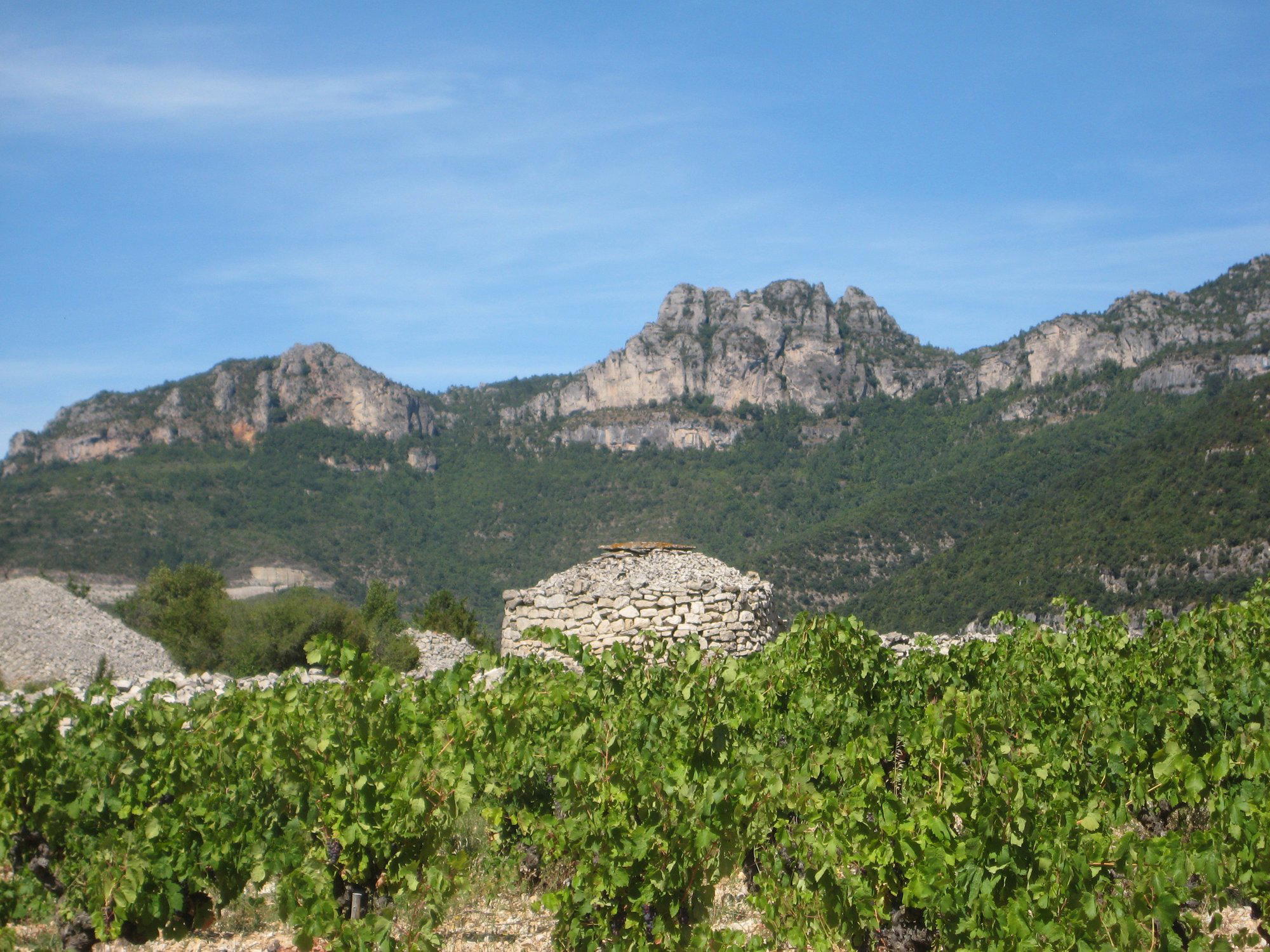
Domaine du Pas de l'Escalette
Poujols, France
A strong choice for wine-focused travelers who want an intimate Terrasses du Larzac tasting rather than a high-gloss visitor setup. The draw is the hillside setting, organic and biodynamic farming, estate-grown fruit, and a portfolio that shows how altitude can sharpen southern French varieties. Best for couples or small groups who will value context over convenience.
Corte Moschina
Ronca, Italy
Worth booking if the goal is a grounded Veneto winery visit focused on volcanic Soave, Lessini Durello, and family-run organic farming. Corte Moschina is better suited to curious first-timers than luxury-tasting hunters: go for regional context, Garganega, Durella, and a clear Roncà sense of place.
Jor Weine
Rufenach Ag, Switzerland
Jor Weine works as a simple Rufenach Ag wine stop, especially if the day is already centered on Aargau. It is not the right pick if the decision depends on a published flagship wine, detailed tasting format, or clear visitor program, so build flexibility into the itinerary.
Il Conte Villa Prandone
Monteprandone, Italy
Book Il Conte Villa Prandone if the goal is a grounded Marche winery visit focused on Pecorino, Montepulciano, family continuity, and sustainable vineyard work. It suits drinkers who care more about native varieties and hillside Piceno terroir than polished hospitality extras, with a strong case for buying bottles if the house style fits your cellar.
Čitluk winery
Citluk, Bosnia and Herzegovina
A practical first stop for understanding Citluk’s place in Herzegovina wine country. Book it if the goal is regional orientation and an easy cellar-style visit, then compare the day against other nearby wineries before building a wider route.
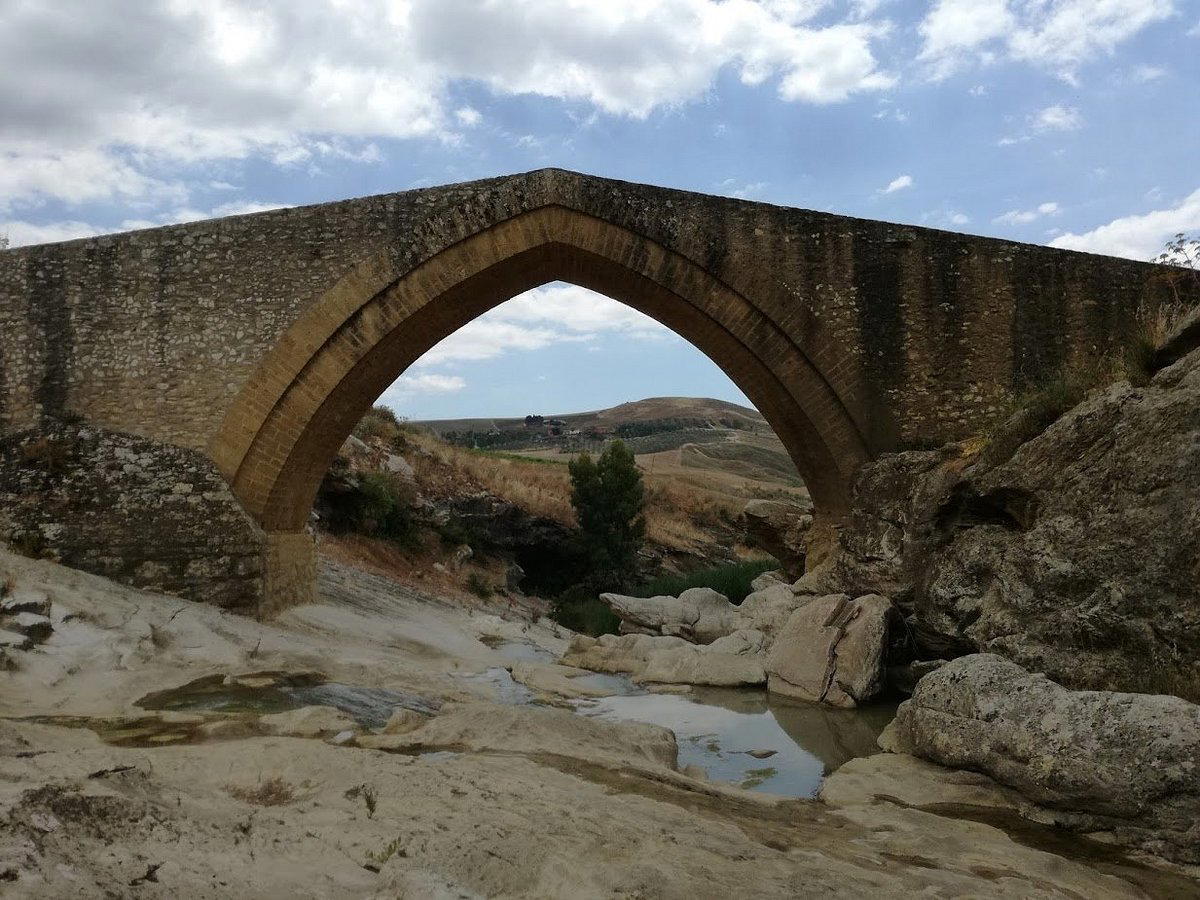
Calatrasi
San Cipirello, Italy
Calatrasi is worth booking as a guided countryside winery stop, especially if you want context around western Sicily, Nero d’Avola, and the estate’s long agricultural history. The stronger choice is a structured or private tasting rather than a quick drop-in; casual dress fits, reservations are recommended, and the visit works best as a planned San Cipirello wine-day anchor.
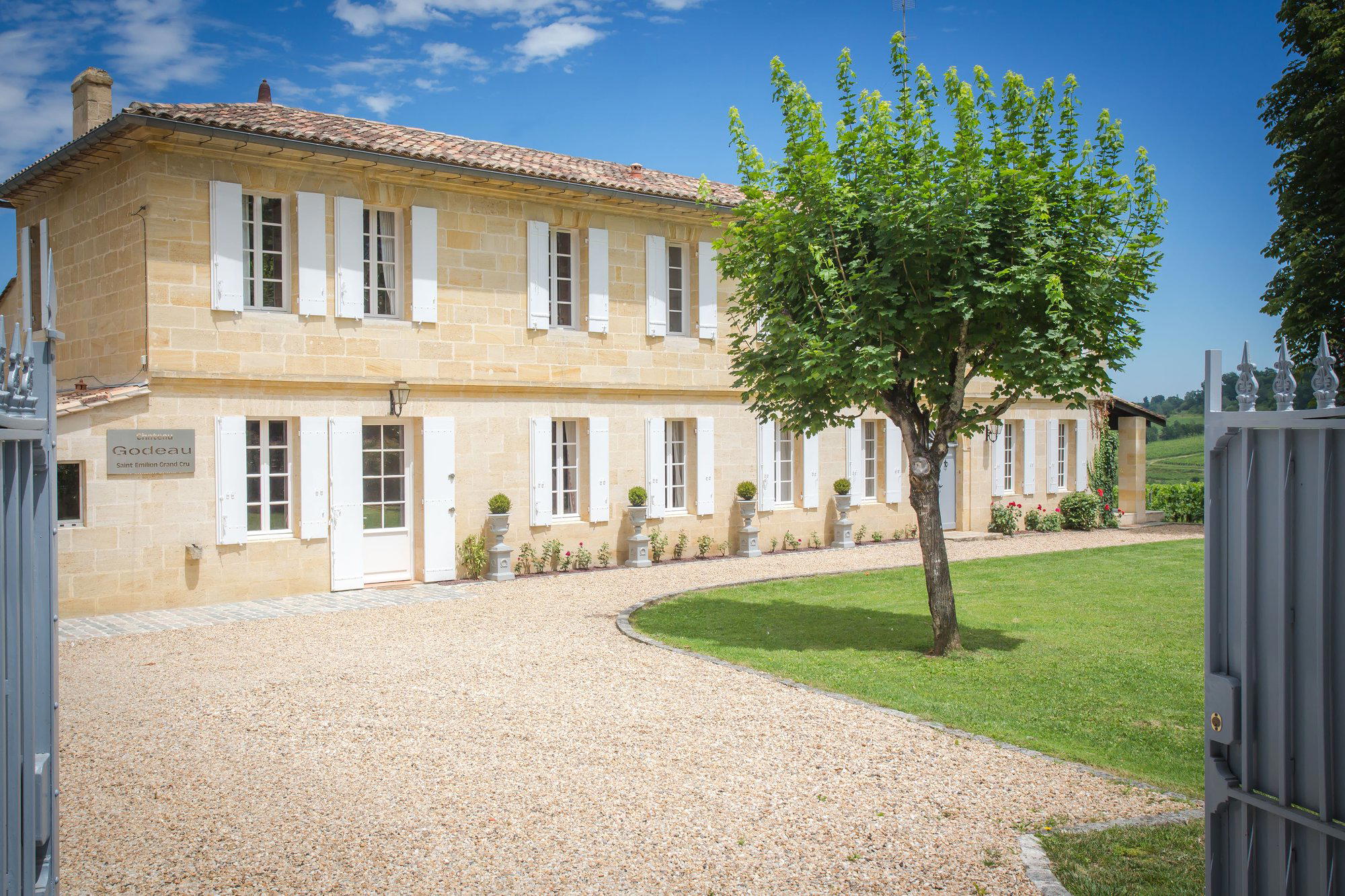
Château Godeau
Saint-Émilion, France
Shortlist Château Godeau if the aim is a focused Saint-Émilion wine stop rather than a food-led estate visit. Falstaff Listed in 2026, it fits travelers who want regional context and a compact château experience, with the rest of the day handled through nearby restaurants, hotels, bars, and other wineries.
Domaine Trenel
Charnay Les Macon, France
Domaine Trenel is a focused Charnay-lès-Mâcon winery choice for readers planning a southern Burgundy day around producer identity rather than a full dining experience. Its Falstaff Listed (2026) recognition gives it a useful quality signal, but the smart move is to treat it as one wine stop within a broader Mâconnais itinerary.
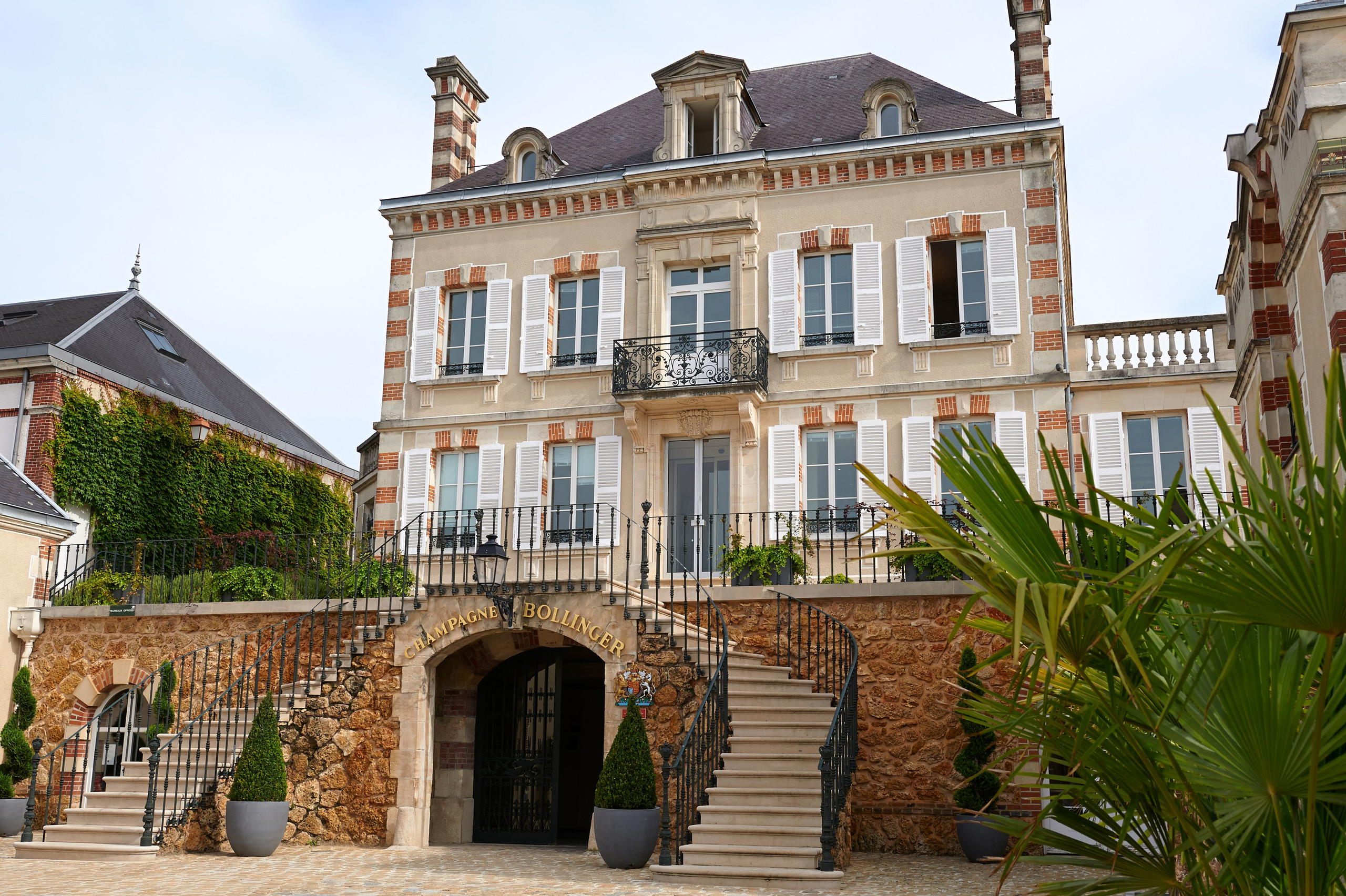
Bollinger
Aÿ, France
Bollinger offers bookable cellar tours and tastings in Aÿ through its 1829 app. Go for a look at its Pinot Noir-led range, then compare Special Cuvée with a PN edition or a current vintage release.
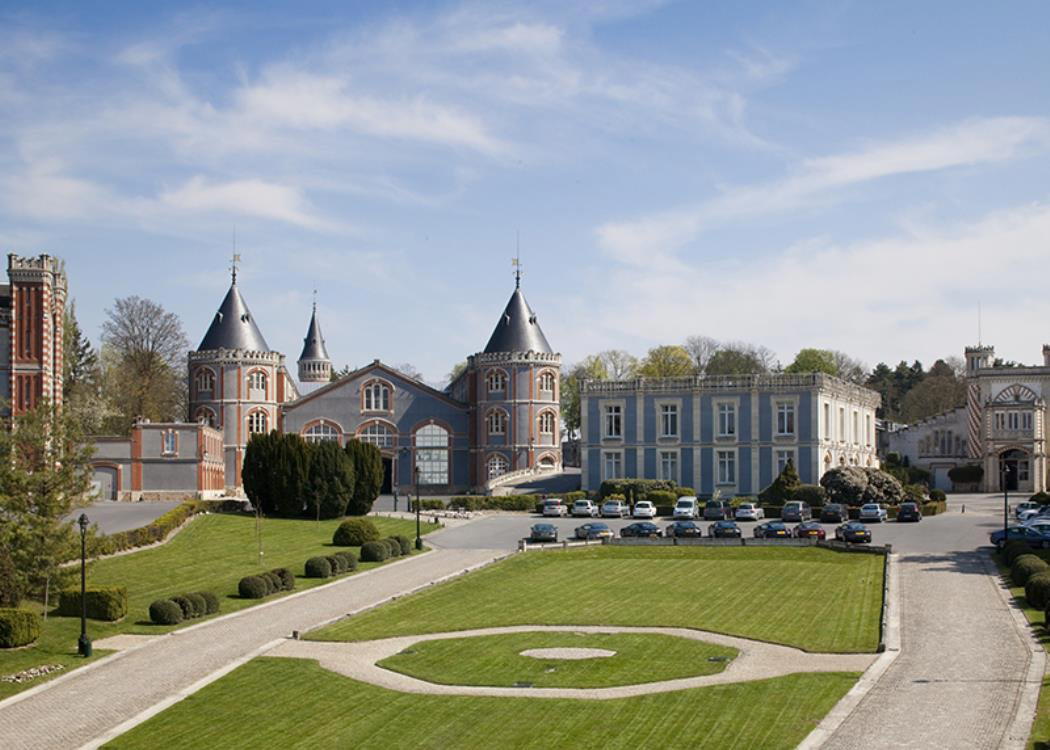
Champagne Vranken
Reims, France
Champagne Vranken works for a serious Reims Champagne itinerary, especially if external recognition matters: it holds Falstaff 3 Stars for 2026. Treat it as a confirm-before-committing stop, since public practical details on tastings, food, groups, and shipping are not enough to plan around without checking access first.
Campriano - Ranuccio Neri
Siena, Italy
A cautious yes for wine-focused Siena travelers who plan ahead and value Falstaff recognition over fully published visitor detail. Campriano - Ranuccio Neri makes more sense as part of a researched winery itinerary than as a casual drop-in, especially if pricing, shipping, hours, and tasting format need to be confirmed before committing.
Clos d'Agon
Calonge, Spain
Book Clos d'Agon for a quiet, special-occasion winery visit in Calonge, especially if estate-grown wines and a private-feeling setting matter more than a busy tasting-room scene. The value is strongest for couples and small groups who want a guided experience with vineyard context, not just a quick pour.
FULL.MINANT
Molsheim, Germany
Worth pursuing for serious wine travelers who want a small, origin-led Rheinhessen project rather than a conventional tasting-room stop. FULL.MINANT’s case rests on its 100-barrique ceiling, named parcel focus, Riesling-led program, and Falstaff 3 Stars in 2026; it is a better fit for collectors and trade-minded drinkers than casual groups.
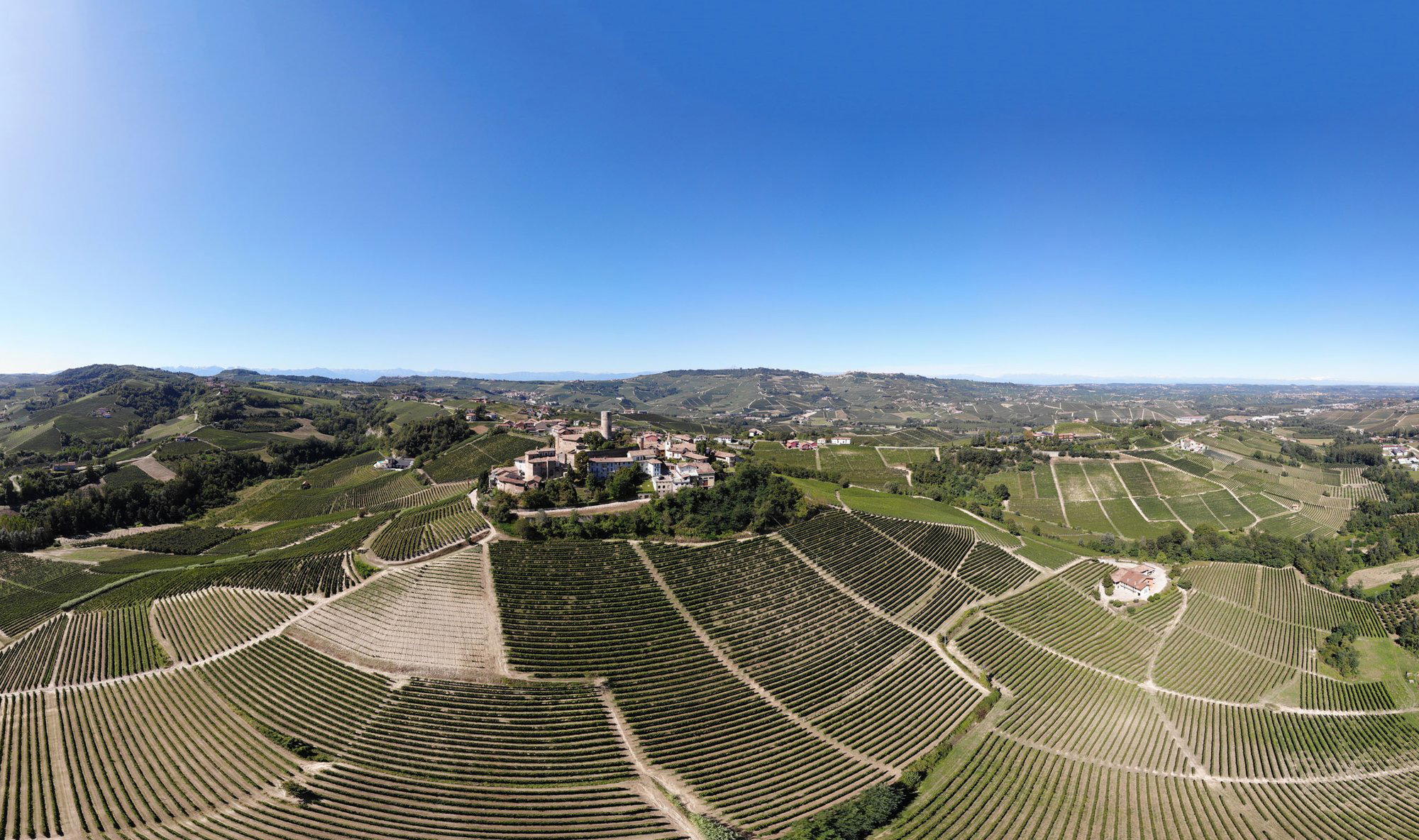
Broccardo
Monforte d'Alba, Italy
Broccardo is a strong pick for travellers who want a focused Barolo tasting with vineyard context rather than a glossy estate visit. Go for the cru range across Monforte d’Alba, Barolo, and Novello, especially if buying or joining an allocation-style relationship only makes sense to you when the producer has clear Nebbiolo depth.
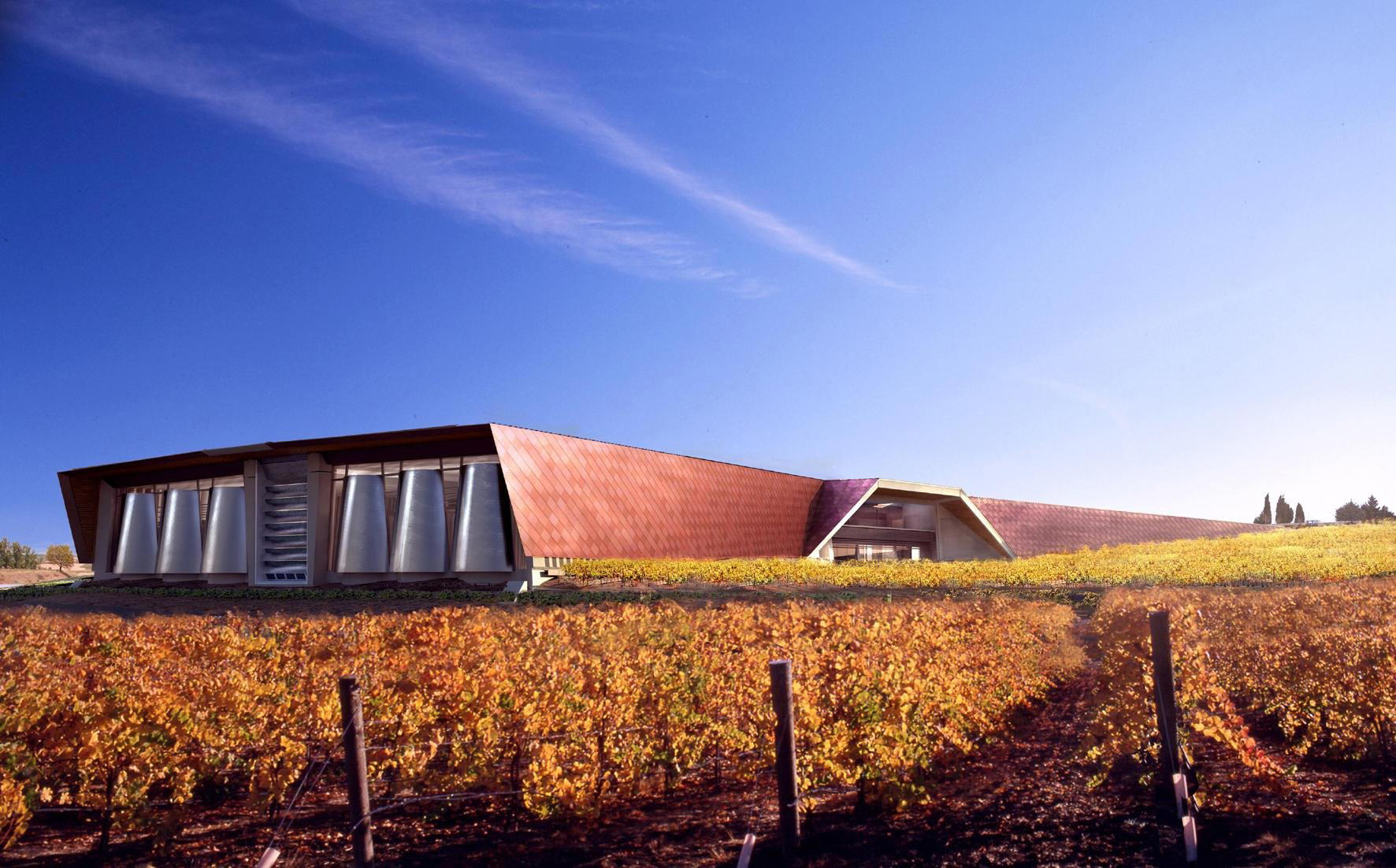
Bodegas Portia
Gumiel De Izan, Spain
Bodegas Portia is worth booking if you want a design-led Ribera del Duero winery visit with a clear view into production, not just a standard tasting. The value is strongest for return visitors to the region who want to compare Tempranillo expressions, see Norman Foster’s production-focused building, and understand how a larger modern bodega organizes fermentation, aging, and hospitality.
Fattoria Pomona
Castellina in Chianti, Italy
Book Fattoria Pomona if Castellina in Chianti is already your base and you want a practical winery stop rather than a highly formal tasting day. It is a sensible first-timer choice for keeping a Chianti itinerary local, especially when paired with nearby restaurants, hotels, or a second winery visit.
Domaine Lucien Crochet
Bué, France
A strong choice for travellers who want a serious Bué-based Sancerre visit rather than a casual tasting-room stop. Domaine Lucien Crochet is especially worthwhile for Sauvignon Blanc depth, single-vineyard context, and traditional family-estate character, with appointment-only planning the main practical hurdle.
Fattoria Coroncino
Staffolo, Italy
Fattoria Coroncino is a strong Staffolo pick for travelers who want Verdicchio with real production context rather than a polished tasting-room show. The $$ estate is small, family-run, and focused on estate-grown fruit, organic-minded farming, and cellar choices that make the wines worth discussing. Best for serious wine travelers and small groups.
Bigi
Orvieto, Italy
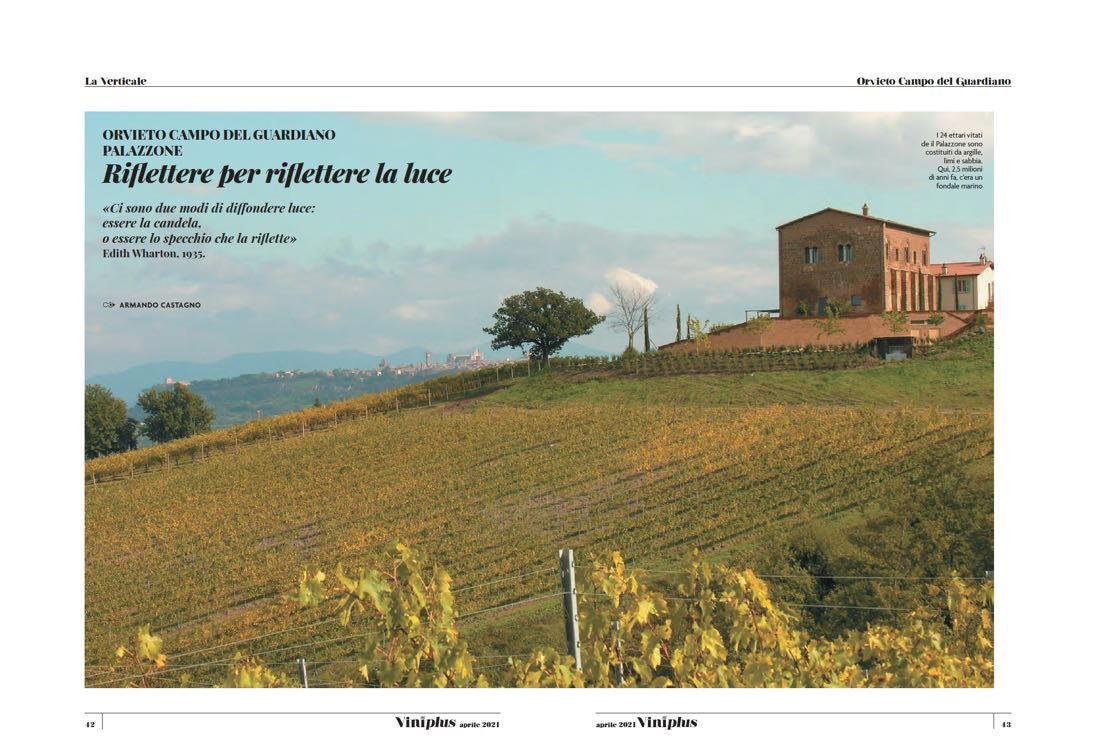
Bigi works if the goal is a clear, value-conscious read on Orvieto’s dry white-wine tradition. The appeal is regional context, crisp savory style, and historic Orvieto roots, not a luxury hospitality production or food-led visit.
Domaine Girault
Bué, France
A strong choice for Sancerre drinkers who care about Bué’s limestone, flint, and parcel-level expression more than a staged visitor experience. Domaine Girault is worth planning around for Sauvignon Blanc first, with Pinot Noir as useful context, especially if the trip is focused on understanding the appellation rather than just tasting through labels.
Castelmaure SCV
Embres And Castelmaure, France
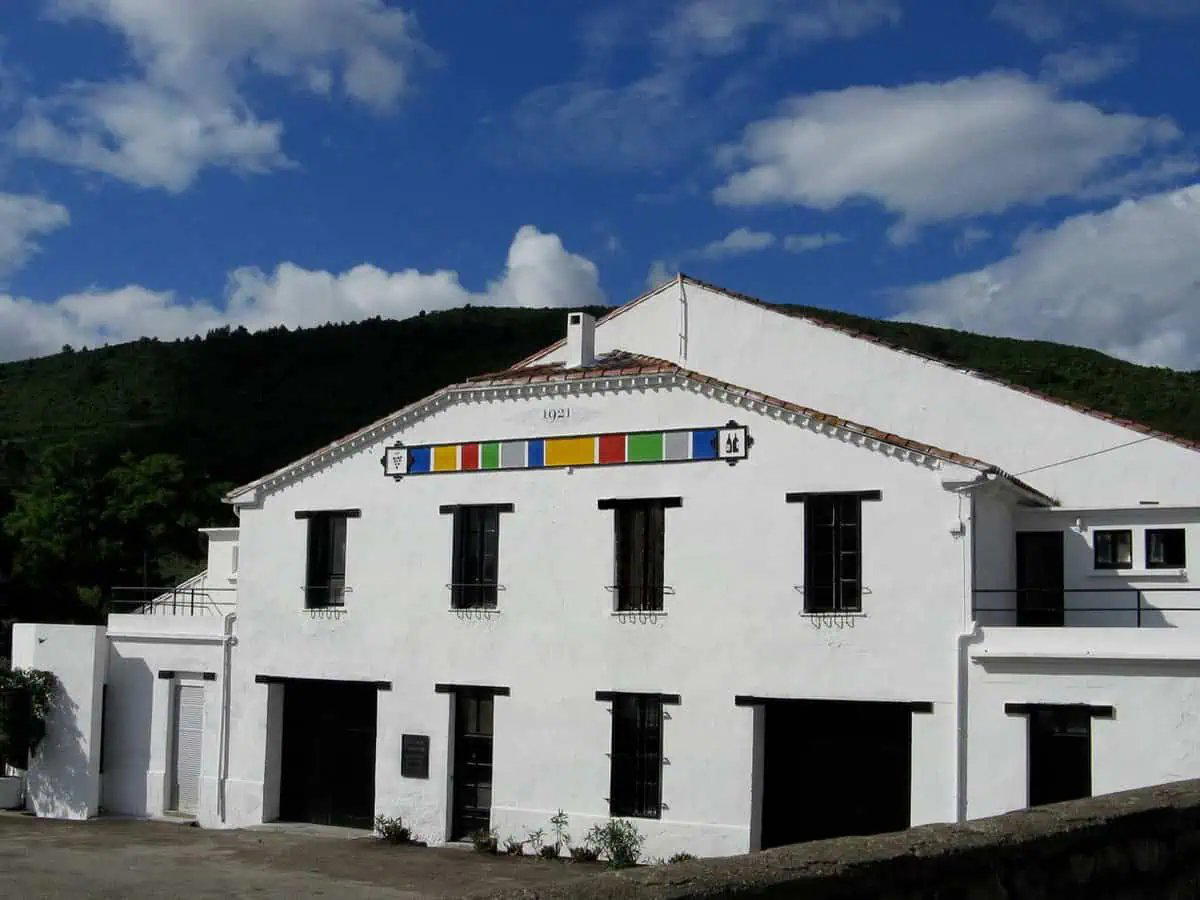
Castelmaure SCV is worth a stop if the goal is understanding Corbières through a working cooperative rather than a polished tasting-room format. The draw is the aluminium-clad village cellar, the 1921 cooperative history, and wines rooted in schist-and-limestone southern French terroir. Go for regional context and practical buying insight, not luxury hospitality.
Château Rocheyron
Saint-Émilion, France
Book Château Rocheyron if the priority is serious Right Bank wine rather than a casual château circuit. Its appeal is small-scale Saint-Émilion production: biodynamic farming, low yields, concrete vinification and a Merlot-Cabernet Franc flagship built for elegance and age. It suits collectors and wine travellers who want production detail, not a broad hospitality program.
Barrgowan Vineyard
Vic Curlewis, Australia
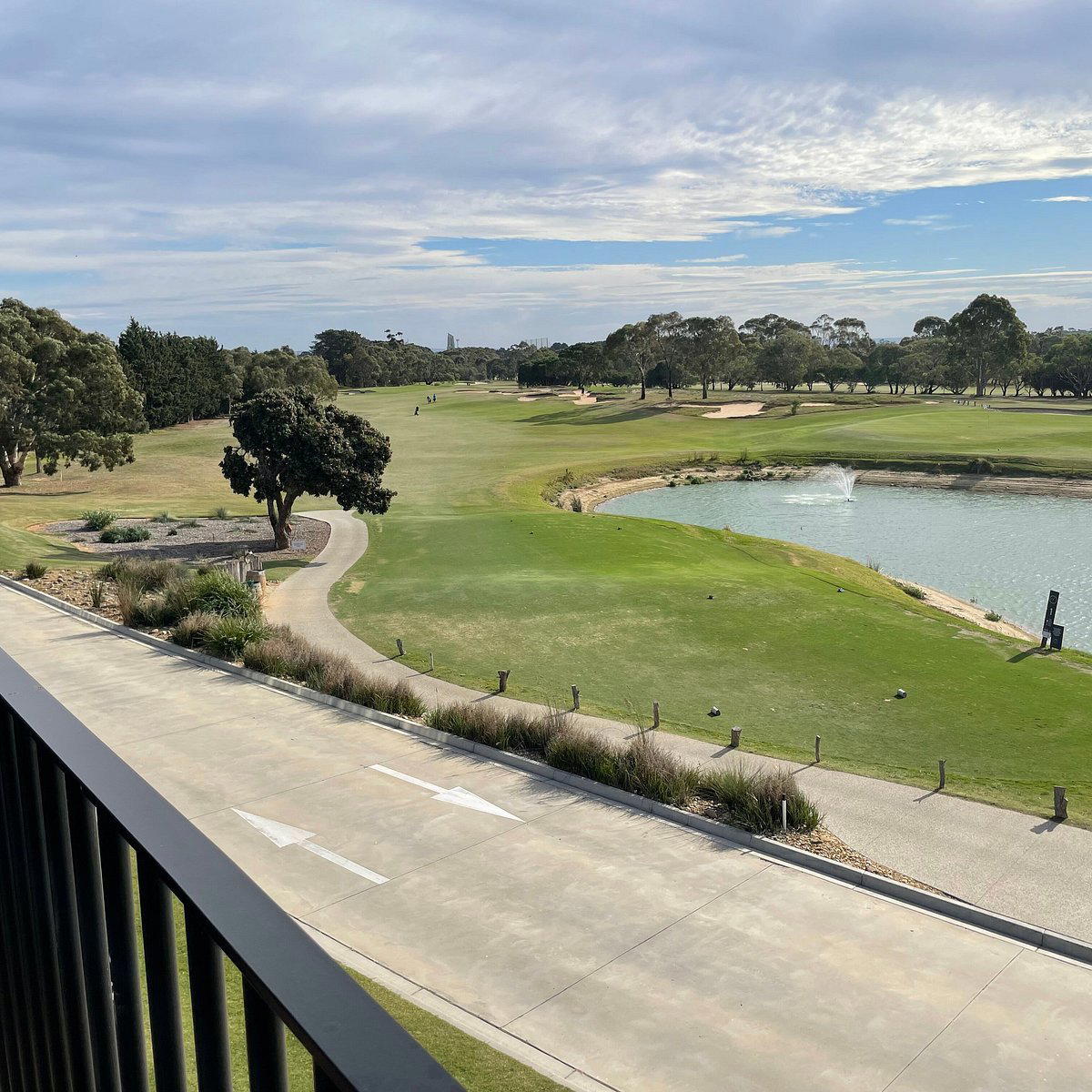
Barrgowan Vineyard is worth prioritising if the occasion calls for a quiet, focused Bellarine Peninsula tasting built around cool-climate Shiraz. Its tiny scale and single-variety emphasis make it better for couples or small groups than for broad cellar-door touring, with a 2026 Falstaff listing adding external credibility.
Château Rauzan Ségla
Margaux, France
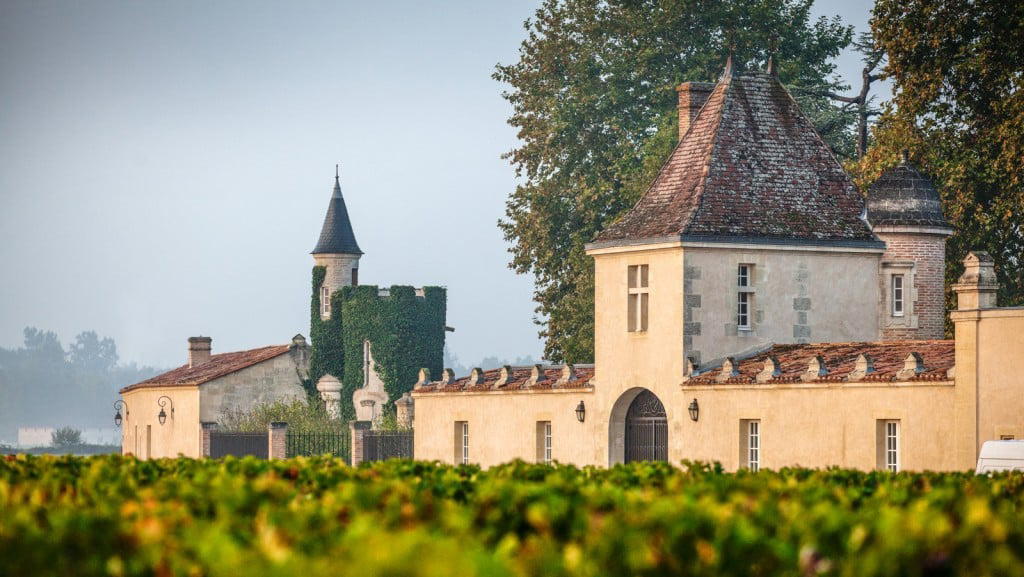
Château Rauzan Ségla is worth prioritizing for a serious Margaux itinerary, especially if history and wine provenance matter more than a food-led visit. With a first vintage dating to 1661 and Nicolas Audebert leading winemaking, it suits collectors, special occasions, and Bordeaux-focused travelers; casual groups should plan meals separately.
Château Villa Bel-Air
Saint Morillon, France
Château Villa Bel-Air is worth planning for if the goal is classic Graves with estate history, not a casual walk-in wine stop. Expect a heritage-led Bordeaux producer with supple reds, Sauvignon Blanc-based whites, and a Cazes family restoration story that gives the tasting useful context.
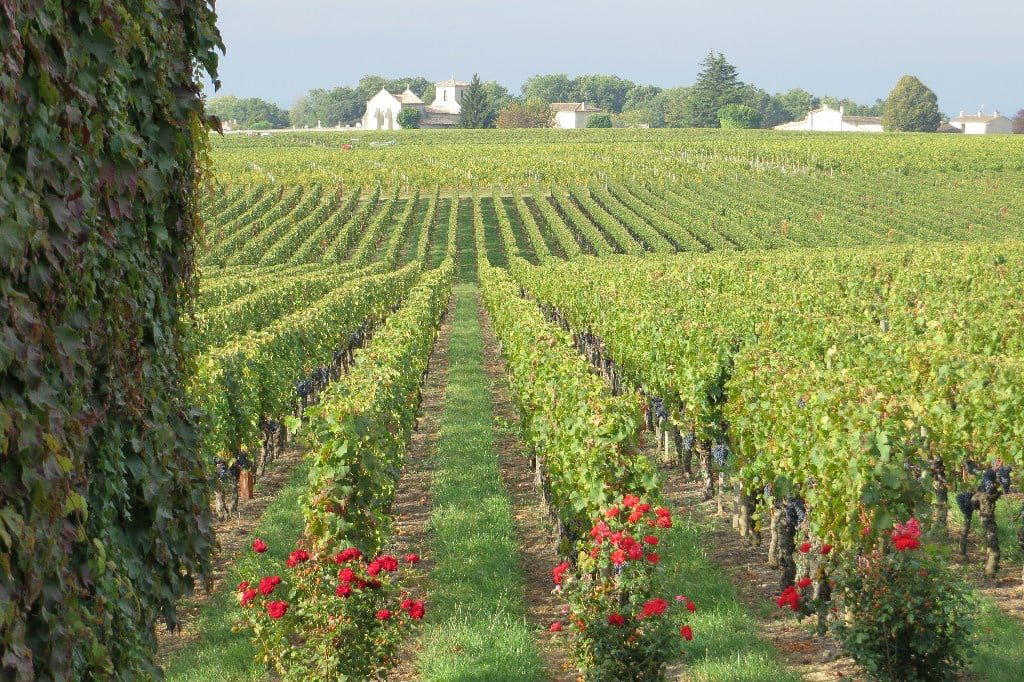
Château Destieux
Saint Hippolyte, France
Château Destieux is a good Saint-Hippolyte choice for collectors or special-occasion wine travelers who want a château-led visit and are comfortable confirming details before committing. Its Falstaff Listed 2026 recognition is a useful quality signal, but any wine-club or allocation decision should come after tasting, checking purchase terms, and comparing the offer against how you actually buy and drink wine.

CARA NORD CELLER SL
El Vilosell, Spain
Book Cara Nord Celler SL if you want an appointment-based Prades Mountains tasting built around high-altitude Catalan wine and local pairing context. It is a stronger fit for wine travelers seeking depth than for casual drop-ins, with Falstaff 3 Stars in 2026 adding a useful quality signal.
How many of these have you visited?
Find out on Pearl and keep score across every place in 2026 Falstaff Winery Guide.