Dominio de la Vega
San Antonio (Requena), València
Winery in València, Spain
 Book with Pearl
Why go
Dominio de la Vega is worth booking if the draw is organic Cava, Utiel-Requena context, and a calm countryside winery rather than a glossy tasting-room production. Its appeal is strongest for travelers who want to understand València’s inland sparkling-wine story through dual D.O. credentials, estate vineyards, and reserva-style Cava aging.
About Dominio de la Vega
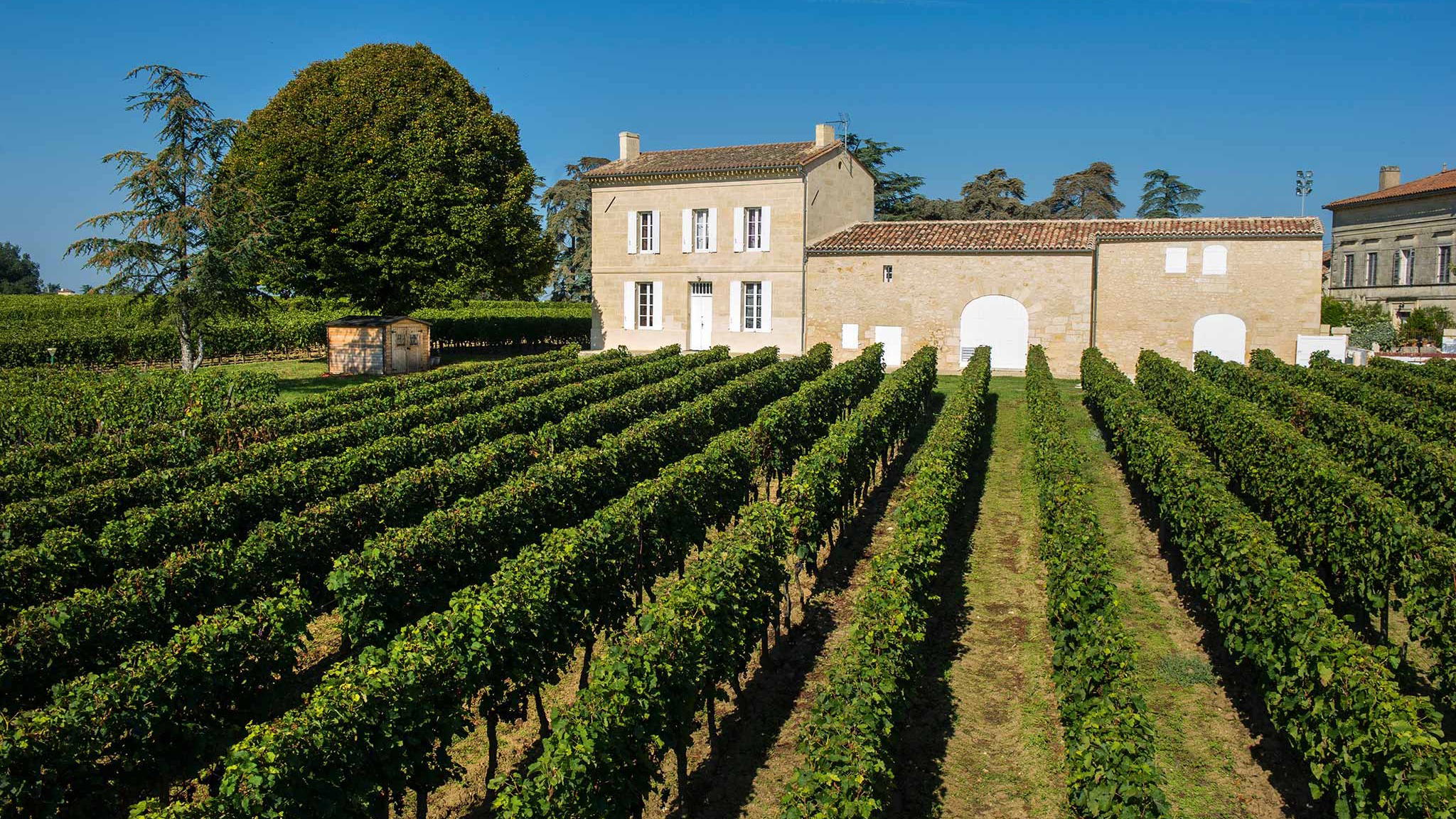
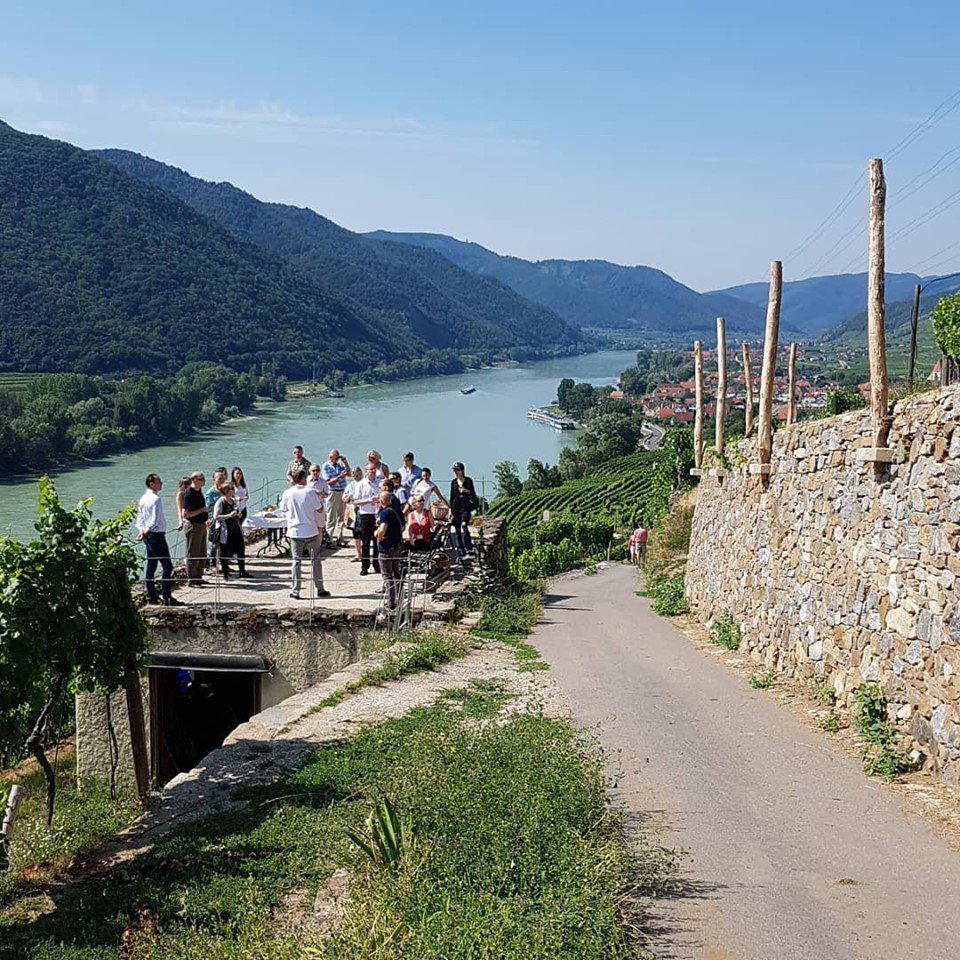
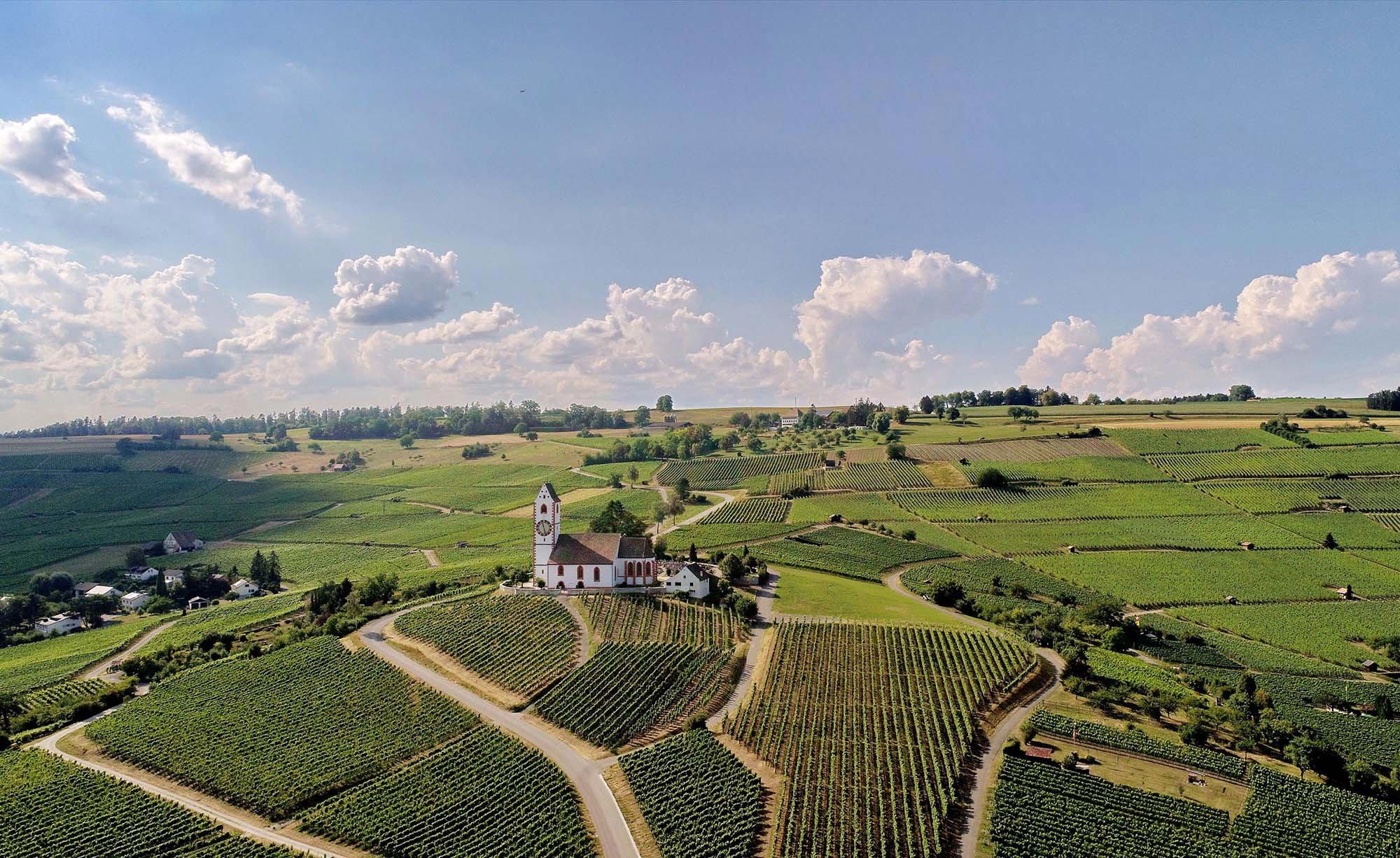
Dominio de la Vega is best understood as a family-run cava and wine estate in València. The draw is a calm rural atmosphere shaped by vineyard landscapes, production, a traditional winery building, and historic local architecture. Consider it if you want a quieter wine-country stop with a strong sense of place; look elsewhere if your priority is a design-led city venue or a heavily documented dining program.
Why this cava and wine estate makes sense from València
Dominio de la Vega’s countryside setting is part of the appeal. The picture is direct: this is a cava and wine estate rather than a restaurant-style venue, with the experience framed by rural surroundings and production context.
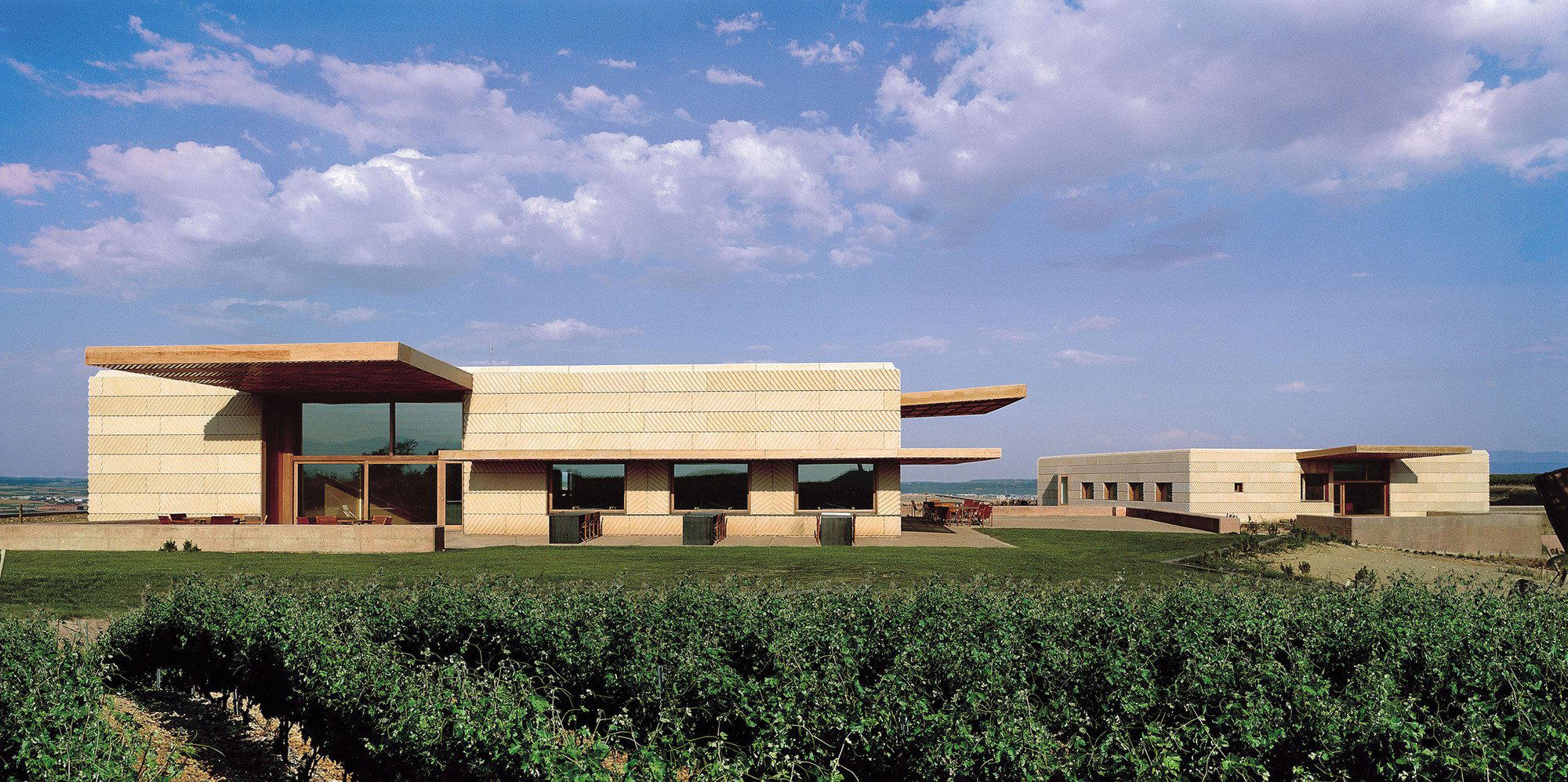
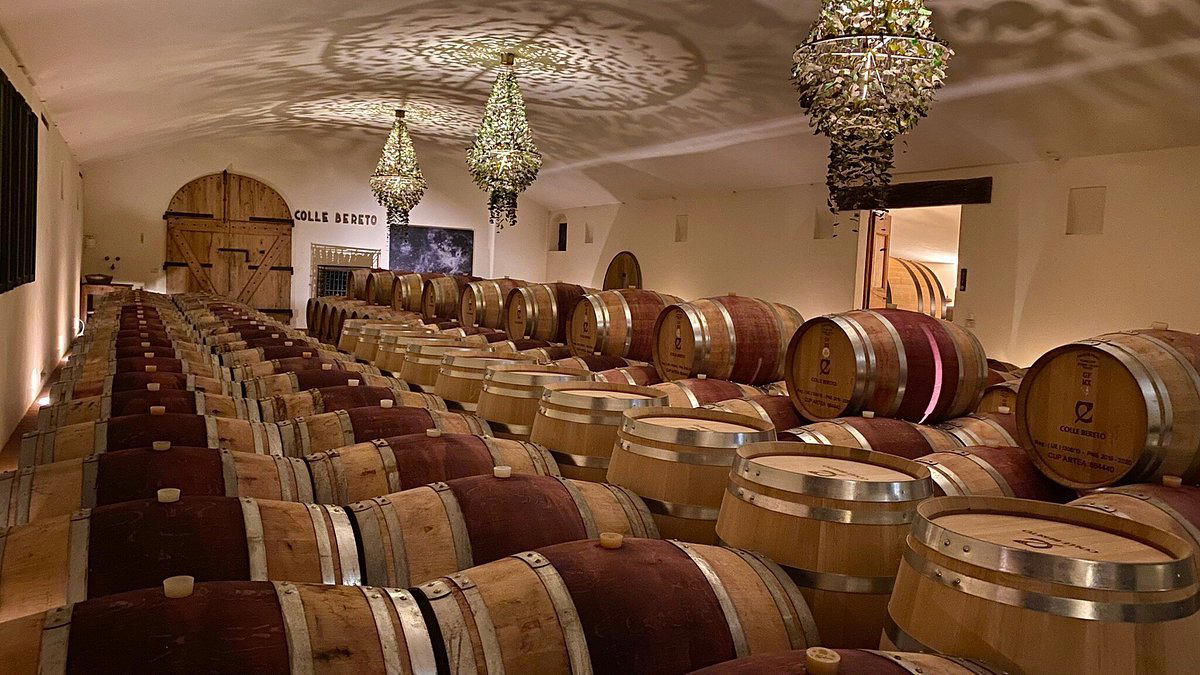
The property’s atmosphere is also part of its identity. Its traditional winery building and historic local architecture give the estate a grounded, regional feel without needing to lean on spectacle. For travelers using València as a base, the clearest reason to consider it is the contrast between the city and a quieter wine-country stop.
Recognition should be kept in proportion. Dominio de la Vega is Falstaff Listed for 2026, which is a useful trust signal, but the stronger practical hook is simpler: a $$ cava and wine estate in a calm rural setting focused on vineyard landscapes and production.
Who should consider it, and who should pass
Consider Dominio de la Vega if the goal is a calm countryside wine experience with a traditional estate feel. This is a good fit for travelers building a València itinerary that includes rural wine country rather than only restaurants, bars, and hotels in the city.
For planning around the city before or after, keep Pearl’s València coverage close: wineries, restaurants, bars, hotels, and experiences.
Choose Dominio de la Vega, a $$ family-run cava and wine estate in València with a calm rural atmosphere, vineyard landscapes, production context, and Falstaff Listed 2026 recognition.
Planning details
- Location
- Valencia, Valenciana, Comunitat *, Spain
Venue details
Ambiance
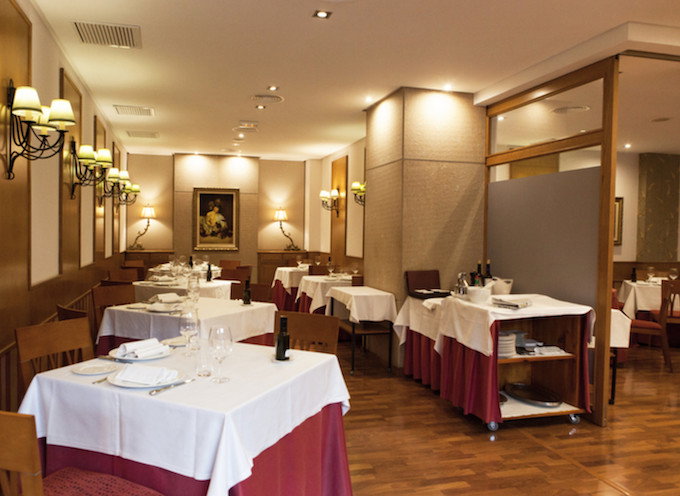
Family-run cava and wine estate set in the Utiel-Requena countryside, with a traditional winery building and historic local architecture, offering a calm, rural atmosphere focused on vineyard landscapes and production rather than flashy design.
Tags
Vibe
Best For
Experience
Sourcing
View
At the Vineyard
- Appellation
- Utiel-Requena D.O.
- Varietals
- Macabeo, Xarel·lo, Bobal
- Visits
- By reservation
- Farming
- Organic
- Wine Styles
- Sparkling, Still Red, Still White
- Shipping
- Available
- Founded
- 2001
- Wine Club
- Not available
Know before you go
Know Before You Go
- Getting there
- Valencia, Valenciana, Comunitat *, Spain
Planning details
Location
Valencia, Valenciana, Comunitat *, Spain · Directions
Recognition and awards

Explore València
Around this place
Discover more on Pearl
Unlock the full Dominio de la Vega guide in Pearl, including awards, comparisons, FAQs, planning details, and nearby places.
FAQ
Frequently Asked Questions
Is Dominio de la Vega in València?
Dominio de la Vega is in València. Plan for a rural cava and wine estate rather than a central city venue.
How long should I plan for a visit to Dominio de la Vega?
Plan with the understanding that Dominio de la Vega is a countryside cava and wine estate in València, not a central city stop.
What is the price level at Dominio de la Vega?
The price positioning is $$. It is most likely to appeal if you value a calm rural cava and wine estate setting, vineyard landscapes, production context, and a traditional winery atmosphere.
What is the atmosphere like at Dominio de la Vega?
Expect a calm rural atmosphere focused on vineyard landscapes, production, a traditional winery building, and historic local architecture.