
Garofoli
Castelfidardo
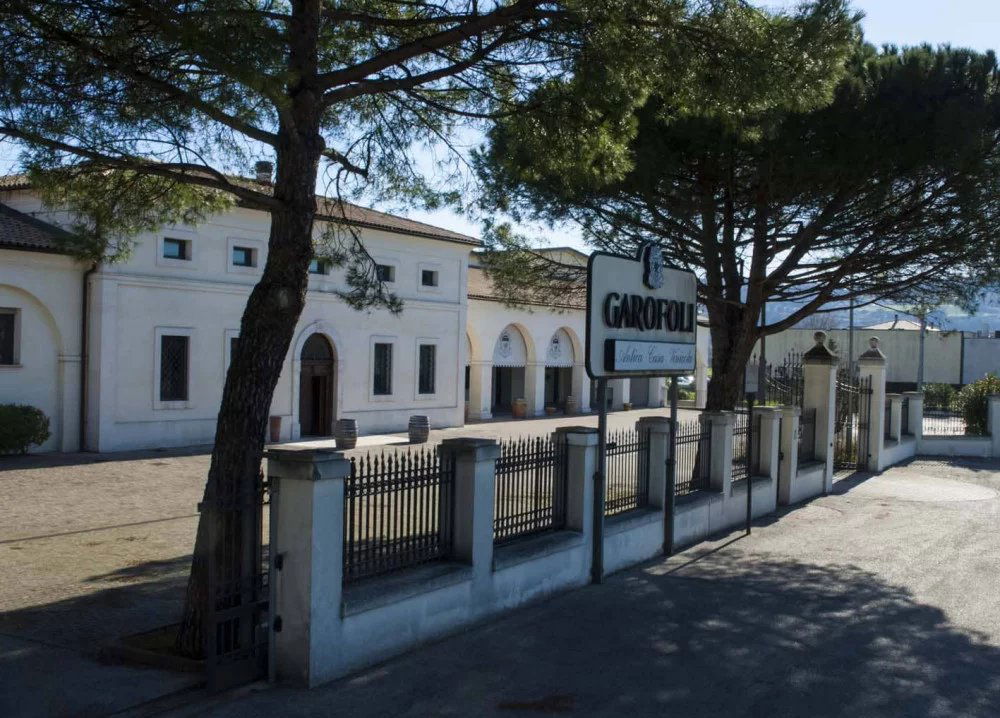
Winery in Castelfidardo, Italy
 Book with Pearl
The Read
Adriatic Terroir Precision
Why go
Garofoli is worth considering for a focused Castelfidardo wine stop, especially if the trip already includes Marche and the goal is producer context rather than a full hospitality day. It is a better fit for repeat visitors than first-timers trying to choose one broad regional showcase.
About Garofoli
Garofoli is a Castelfidardo venue with a casual dress code and Pearl 2 Star Prestige recognition for 2025. Specific details about services, pricing, hours, menus, visits, or booking requirements are best checked directly with the venue before you plan around it.
For travelers comparing premium venues, consider that Garofoli is in Castelfidardo, carries Pearl 2 Star Prestige (2025), and is casual rather than formal. If you are weighing it against other notable names, consider Garofoli alongside Umani Ronchi, Villa Bucci, Emidio Pepe, Poggio Antico, or Distilleria Varnelli without assuming they offer the same format or experience.
Value depends on keeping the visit focused
The best reason to keep Garofoli on a shortlist is its Pearl 2 Star Prestige (2025) recognition in Castelfidardo. Confirm price, specific services, timing, or a visit format directly with the venue, and avoid building an itinerary around unconfirmed extras. Confirm the practical details directly before treating it as a fixed stop.
Regular visitors should approach Garofoli as a Castelfidardo option. For a mixed day around town, compare it with other Castelfidardo options generically and check current details through official channels before you go.
Who should choose this over a broader shortlist
Choose Garofoli if you want a Castelfidardo venue with Pearl 2 Star Prestige (2025) recognition and a casual dress code. If you are comparing across other premium names, Distilleria Varnelli, Emidio Pepe, Poggio Antico, Umani Ronchi, and Villa Bucci can serve as broader reference points, but the specific experience at Garofoli should be confirmed directly before you go.
Planning details
- Location
- Via Carlo Marx, 123, 60022 Castelfidardo AN
- Website
- garofolivini.it
- Phone
- +39 071 782 0162
The take
The Take
The Vibe
Garofoli sits where the Adriatic meets rolling vineyard ridges, and the tone is quietly scenic rather than theatrical. The write-up emphasizes terraced plots, clay‑limestone soils and a moderating coastal influence, so the atmosphere feels deliberate and measured—more about terroir than show. It reads like a hidden gem: underappreciated, regionally rooted and attractive to people who prefer landscape and nuance over flash. The overall impression is serene and modestly charming, a place that rewards close attention to site and variety rather than headline-grabbing production.
Best For
Garofoli is best for visitors who want to learn about place-driven Italian wine. The text frames the estate as a useful case study in how the Marche’s coastline and hillside ridges shape Verdicchio and regional reds, so it suits wine-education outings and solo exploration aimed at deeper understanding. It also rewards special-occasion visits when leading vintages show notable aromatic development and balanced acidity. Travelers who prioritize terroir, quiet tasting moments and conversation about vineyard sites will find the producer most rewarding.
Tasting Tips
When tasting at Garofoli, focus on the region’s signature varieties mentioned in the description: Verdicchio from Castelli di Jesi or Matelica and the red blends behind Rosso Conero and Rosso Piceno, often built around Montepulciano and Sangiovese. Ask about recent vintages and sites closest to the Adriatic—the text highlights longer hang time and aromatic lift in leading years—so request bottles or pours that demonstrate freshness with ripe aromatic development. Use the tasting as an opportunity to discuss how seaside proximity and terraced soils influence each wine.
Venue details
Ambiance
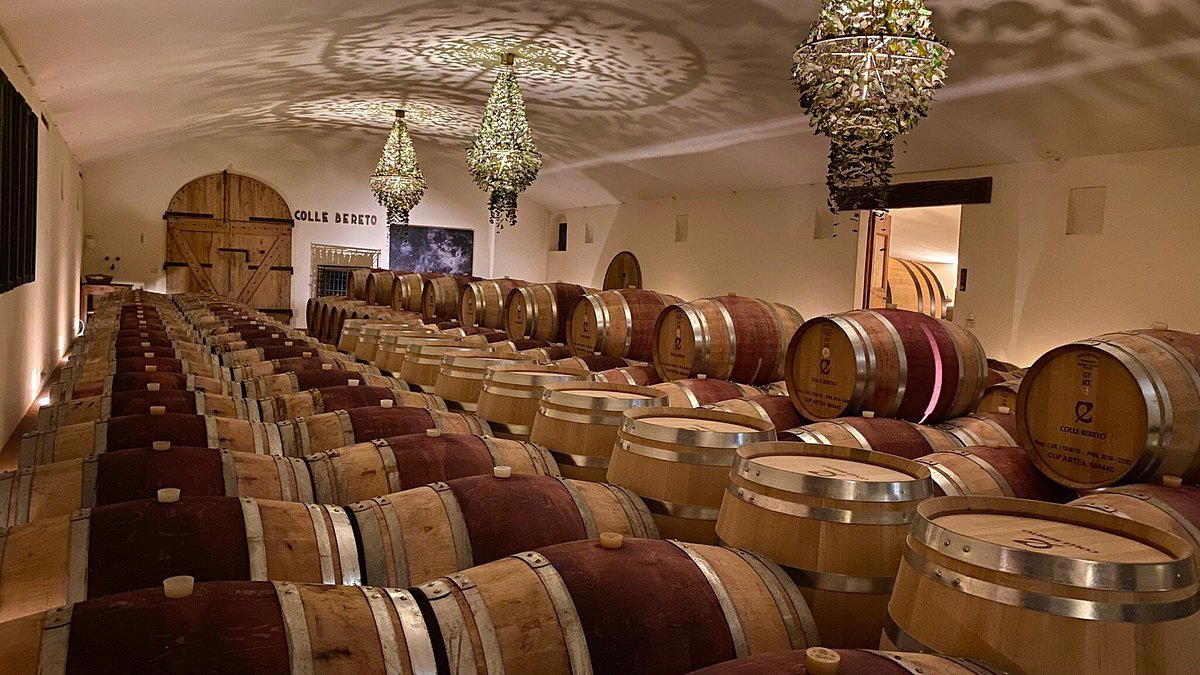
Historic and welcoming atmosphere with family passion, exhibition rooms displaying wines and typical Marche products, evoking a vaguely Californian vibe per guest reviews.
Tags
Vibe
Best For
Experience
View
Accessibility
At the Vineyard
- Appellation
- Verdicchio dei Castelli di Jesi DOC, Rosso Conero DOCG
- Varietals
- Verdicchio, Montepulciano, Trebbiano, Sangiovese, Cabernet Sauvignon
- Tour Duration
- 60-90 minutes
- Tour Languages
- Italian, English
- Visits
- By reservation
- Wine Styles
- Still White, Still Red, Sparkling, Still Rose
- Food Pairing
- Offered
- Wine Club
- Not available
Know before you go
Know Before You Go
- Getting there
- Via Carlo Marx, 123, 60022 Castelfidardo AN
Planning details
Location
Recognition and awards

Also consider
Also Consider
- Umani Ronchi, Notable alternative
- Poggio Antico, Notable alternative
- Villa Bucci, Notable alternative
- Distilleria Varnelli, Notable alternative
- Emidio Pepe, Notable alternative
Winery context
Against Umani Ronchi and Villa Bucci, Garofoli is the more targeted Castelfidardo choice: better for travelers already nearby, less ideal for anyone trying to anchor an entire wine day around one headline stop. Umani Ronchi reads as the safer pick for a broader Marche itinerary, while Villa Bucci is the stronger cross-shop for visitors who want a more classic regional producer comparison.
Poggio Antico and Emidio Pepe make more sense when the trip is built around destination wine travel rather than a Castelfidardo-specific plan. Choose those if the group is willing to travel farther for a higher-commitment producer visit; choose Garofoli if convenience and regional fit matter more than a marquee detour.
Distilleria Varnelli is the practical alternative when the group is split on another winery. It gives the day a spirits angle, which can be more useful for mixed-interest travelers. For pure wine value, Garofoli is the tighter choice; for variety and a different drinks category, Varnelli is the easier sell.
Explore Castelfidardo
Around this place
Discover more on Pearl
Unlock the full Garofoli guide in Pearl, including awards, comparisons, FAQs, planning details, and nearby places.
Compare Garofoli
| Venue | Location | Awards |
|---|---|---|
| Garofoli | Castelfidardo | 2026 Falstaff Winery Guide |
| Umani Ronchi | Osimo | 2026 Falstaff Winery Guide |
| Poggio Antico | Monte San Vito | 2025 Pearl 3 Star Prestige |
| Villa Bucci | Ostra Vetere | No published awards |
| Distilleria Varnelli | Muccia | No published awards |
| Emidio Pepe | Montepulciano | No published awards |

How Garofoli Castelfidardo compares with similar nearby venues.
FAQ
Frequently Asked Questions
What is confirmed about Garofoli?
Garofoli is in Castelfidardo, has a casual dress code, and holds Pearl 2 Star Prestige (2025).