
Familia Irurtia
Carmelo
Winery in Carmelo, Uruguay
 Book with Pearl
The Read
Río de la Plata Terroir
Why go
Familia Irurtia is worth prioritising for a focused Carmelo wine stop, especially if the trip is about producer context rather than a winery-lodge or restaurant-led day. It is a weaker fit for travelers who need confirmed food pairings, large-group infrastructure, or a full hospitality package in one place.
About Familia Irurtia
Familia Irurtia is a venue in Carmelo with a casual dress code and Pearl 2 Star Prestige recognition for 2025. It is best considered as a focused Carmelo stop rather than an all-day resort plan.
If you are comparing stops in or around Carmelo, Familia Irurtia can be considered alongside Bodega Los Cerros de San Juan, Campotinto, El Legado, Narbona Wine Lodge, and South Spirits Lab, while confirming current visit details directly before you build a day around it.
Prioritise this for a focused Carmelo stop, not an all-day resort plan
The grounded case for Familia Irurtia is simple: it is in Carmelo, the dress code is casual, and it carries Pearl 2 Star Prestige recognition for 2025. If you are planning a restaurant visit, tasting-menu experience, lodging stay, or large-group outing, confirm the details directly before you go.
If your plans depend on food, accessibility needs, group arrangements, or a specific schedule, confirm those details with the venue before committing. For travelers comparing options, Narbona Wine Lodge, Campotinto, El Legado, Bodega Los Cerros de San Juan, and South Spirits Lab are natural names to review separately, but each should be checked on its own current terms.
How to fit it into a Carmelo itinerary
Build the day around confirmed information rather than assumptions. Familia Irurtia is in Carmelo, and you should confirm exact hours, visit duration, route details, food availability, and booking requirements before setting plans. If you need lodging context, use our full Carmelo hotels guide separately from any decision about the venue itself.
The verdict: consider Familia Irurtia if you are looking at a recognized venue in Carmelo and are comfortable confirming the practical details directly. For menus, prices, transportation logistics, group capacity, or a particular visit format, check with the venue before you go.
Planning details
- Location
- Ruta 97 km 2.300, Carmelo, Colonia, Uruguay
- Website
- irurtia.com.uy
- Phone
- +59845422323
The take
The Take
The Vibe
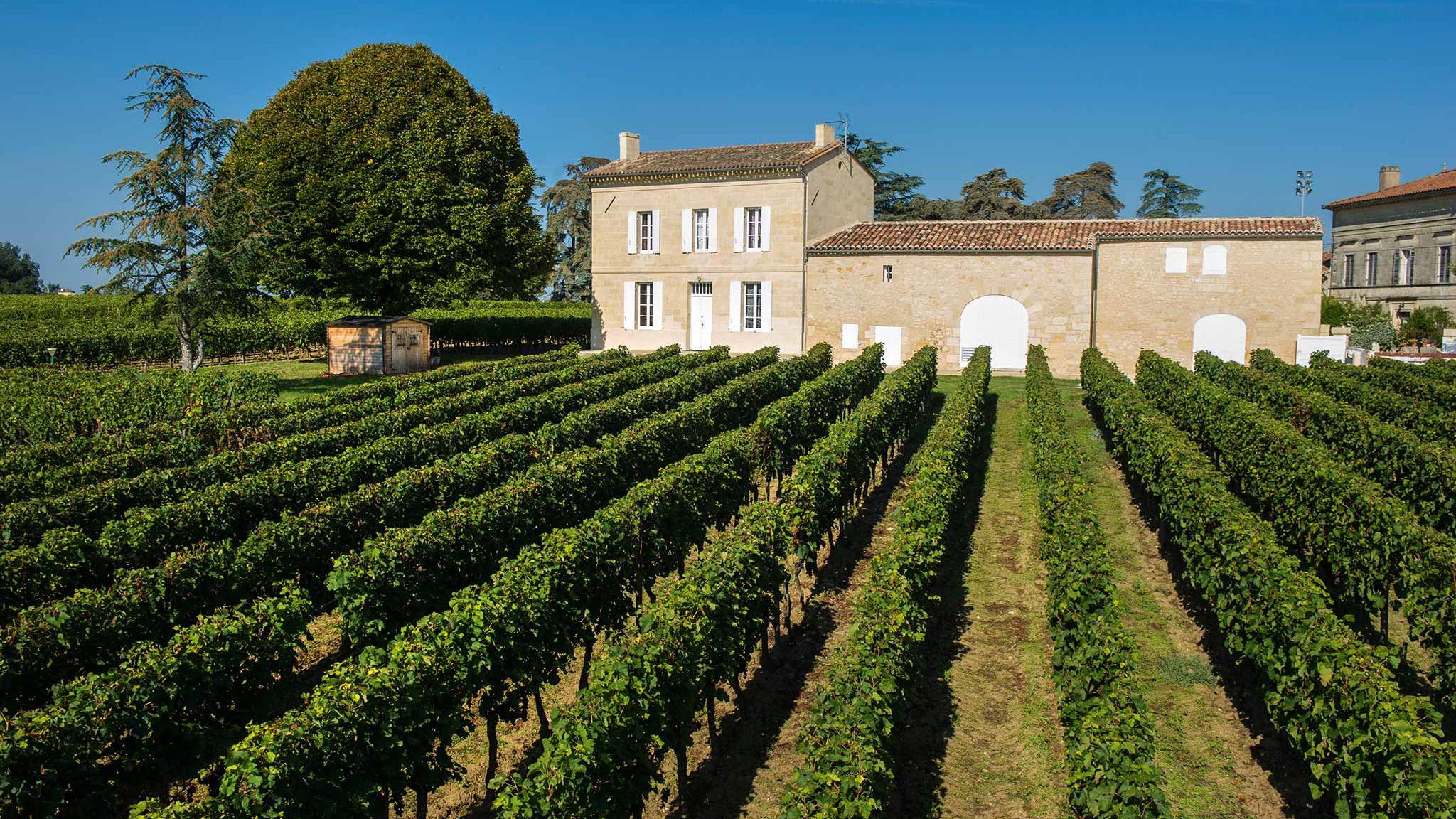
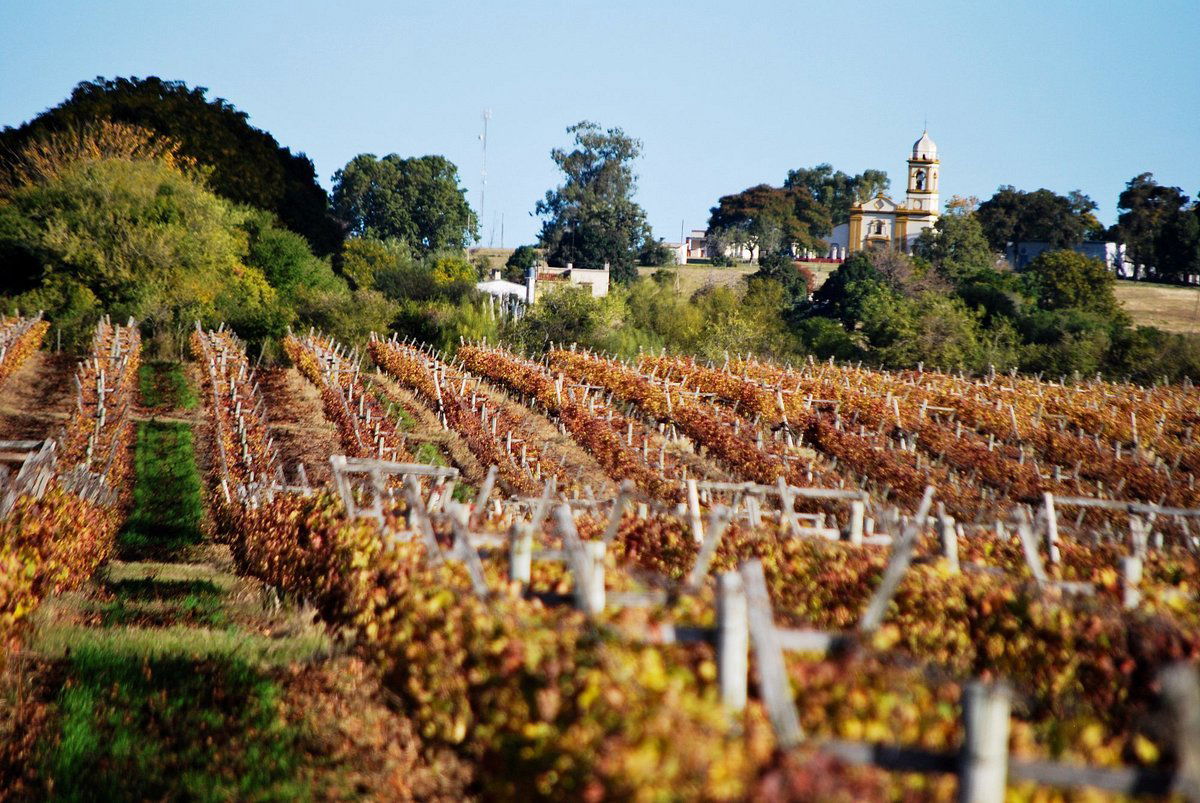
Familia Irurtia reads like a quietly confident, riverside estate — the kind of place where climate and old vines do the talking. Located just off Ruta 97 and shaped by river humidity and alluvial soils, the property leans into maritime acidity and mature European vine stock rather than flashy winemaking rhetoric. The estate’s recent Pearl 2 Star Prestige recognition underscores a level of regional authority: this is a producer working at the upper tier of Carmelo’s small but serious cohort. The overall impression is scenic and composed, a sophisticated rural winery that rewards close attention to terroir-driven wines.
Best For
This estate is well suited to visitors who come to understand how place shapes wine. Wine-focused travelers, small groups of enthusiasts, and anyone interested in comparative tasting across Carmelo’s peer set will get the most out of a visit. The write-up frames Familia Irurtia among the town’s leading names, so it’s a good stop for people researching high-quality, allocation-level estate wines and for groups looking to sample expressions of old-vine plantings influenced by river and maritime climates.
Tasting Tips
When hunting for bottles, prioritize estate-designated releases and the Pearl 2 Star Prestige wines mentioned in the profile: the narrative places those bottlings near the top of the region’s quality pyramid. The text also highlights Uruguay’s Tannat category and the role of river humidity in preserving acidity, so seek wines that show bright acidity and old-vine complexity. Note that the copy frames allocation-level estate wines as rarely leaving specialist channels, so inquire about estate allocations and consider purchasing on site if particular lots are available.
Venue details
Ambiance
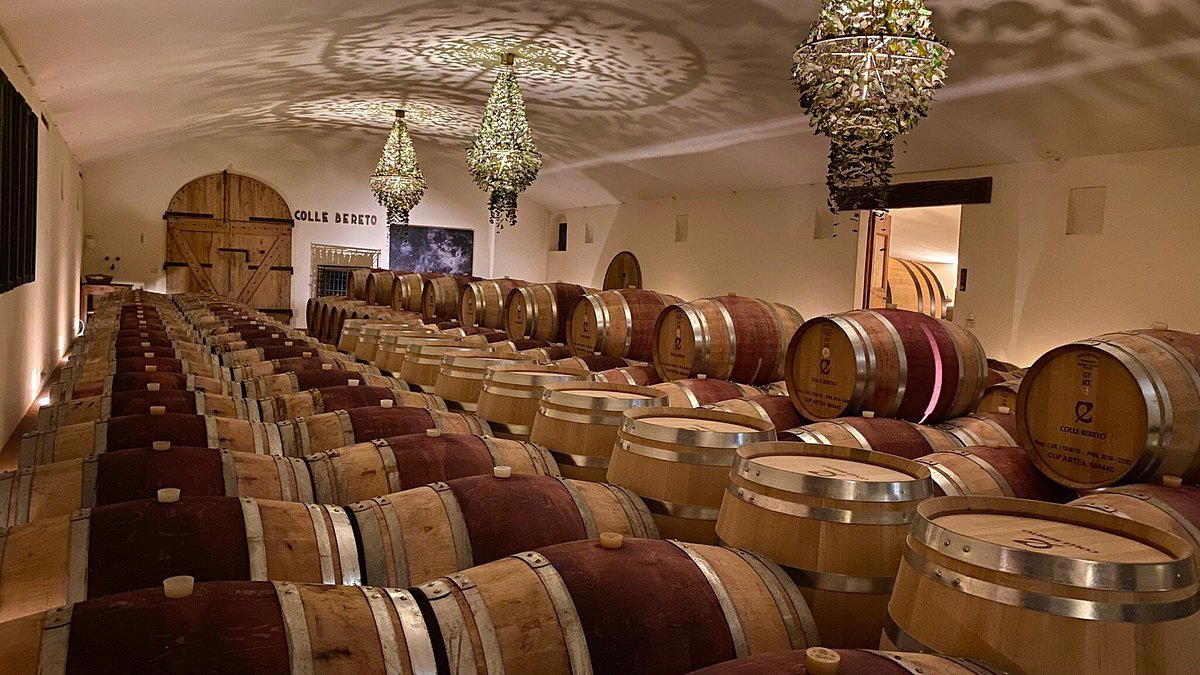
Historic winery with century-old cellars, family warmth, and convivial tasting atmosphere.
Tags
Vibe
Best For
Experience
View
At the Vineyard
- Appellation
- Colonia
- Varietals
- Tannat, Syrah, Cabernet Sauvignon
- Tour Duration
- 60-90 minutes
- Tour Languages
- Spanish, English
- Visits
- By reservation
- Wine Styles
- Still Red
- Wine Club
- Not available
Know before you go
Know Before You Go
- Getting there
- Ruta 97 km 2.300, Carmelo, Colonia, Uruguay
Planning details
Location
Recognition and awards

Also consider
If you cannot book here
Try Narbona Wine Lodge if the priority is a more complete hospitality day, especially when lodging or dining needs to sit close to the tasting plan. Try Campotinto or El Legado if the goal is to stay within Carmelo and keep the itinerary flexible.
For a broader wine-travel comparison beyond Uruguay, Pearl also tracks producers such as 00 Wines in Carlton and 1310 Spirit of the Country Distillery in Sierning, but those are reference points for wider planning rather than substitutes for a Carmelo day.
Winery context
How Familia Irurtia compares in Carmelo
Choose Familia Irurtia when the goal is a focused winery visit and the rest of the day can be built around it. Campotinto is the easier cross-shop for travelers who want a more lifestyle-led Carmelo stop, while El Legado makes sense for a second local tasting if availability becomes the deciding factor.
Narbona Wine Lodge is the stronger choice for travelers who want the winery experience tied to lodging or a fuller hospitality day. Familia Irurtia is better treated as the serious tasting component of an itinerary, not the place to solve every part of the schedule. If ambiance and convenience matter more than wine focus, Narbona is the safer lead booking.
For travelers widening the route beyond Carmelo, Bodega Los Cerros de San Juan and South Spirits Lab are more useful as itinerary extensions than direct substitutes. Keep Familia Irurtia on the shortlist if Carmelo itself is the anchor; look farther out only if the trip has enough time for a dedicated detour.
Explore Carmelo
Around this place
Discover more on Pearl
Unlock the full Familia Irurtia guide in Pearl, including awards, comparisons, FAQs, planning details, and nearby places.
Compare Familia Irurtia
| Venue | Location | Awards |
|---|---|---|
| Familia Irurtia | Carmelo | 2026 Falstaff Winery Guide |
| Campotinto | Carmelo | No published awards |
| El Legado | Carmelo | No published awards |
| Narbona Wine Lodge | Carmelo | No published awards |
| Bodega Los Cerros de San Juan | Colonia del Sacramento | No published awards |
| South Spirits Lab | Buenos Aires | No published awards |
How Familia Irurtia Carmelo compares with similar nearby venues.
FAQ
Frequently Asked Questions
When is the best time to visit Familia Irurtia?
Plan your visit after confirming current opening hours and timing directly with Familia Irurtia in Carmelo.
What is the dress code at Familia Irurtia?
The dress code for Familia Irurtia is casual.
What recognition does Familia Irurtia have?
Familia Irurtia carries Pearl 2 Star Prestige recognition for 2025.
Does Familia Irurtia serve food?
How long should I plan for a visit to Familia Irurtia?
Confirm the current setup with Familia Irurtia before assigning a fixed block of time to the stop.