
Weingut Joh. Bapt. Schäfer
Burg Layen
Winery in Burg Layen, Germany
 Book with Pearl
The Read
Nahe Slate Viticulture
Price
$20–30tasting
Why go
A focused Burg Layen winery pick for repeat Nahe visitors who care more about estate context than hospitality extras. Choose Weingut Joh. Bapt. Schäfer for a lean, wine-first stop; compare Schlossgut Diel or Weingut Georg Breuer if setting scale, name recognition, or a broader visitor setup matters more.
About Weingut Joh. Bapt. Schäfer
Weingut Joh. Bapt. Schäfer is a Burg Layen venue with Pearl 2 Star Prestige (2025). This concise planning entry focuses on essentials rather than assumptions about visit format, opening hours, food, pricing, or services.
Use the essentials as the baseline: the venue is in Burg Layen, the dress code is casual, and the 2025 recognition is Pearl 2 Star Prestige. For anything operational, including visits, purchases, shipping, or group arrangements, confirm directly with the venue before making plans.
Choose it for a grounded Burg Layen listing
Weingut Joh. Bapt. Schäfer is best approached through its Burg Layen location, casual dress code, and Pearl 2 Star Prestige (2025). Check directly with the venue for a specific service style, tasting format, menu, hours, seat count, price, or visitor setup.
If you are comparing regional venues, consider Weingut Joh. Bapt. Schäfer alongside Schlossgut Diel, Weingut Kruger-Rumpf, Weingut Prinz Salm, Weingut August Kesseler, or Weingut Georg Breuer. For plans centered specifically on Burg Layen, confirm current arrangements with Weingut Joh. Bapt. Schäfer and use other Burg Layen options generically as needed.
How to decide between this and other regional names
Choose Weingut Joh. Bapt. Schäfer if you want a Burg Layen venue with a Pearl 2 Star Prestige (2025) distinction and a casual dress code. Choose another named venue such as Schlossgut Diel, Weingut Kruger-Rumpf, Weingut Prinz Salm, Weingut August Kesseler, or Weingut Georg Breuer only after checking the practical details that matter for your route.
The verdict: Weingut Joh. Bapt. Schäfer is a credible Burg Layen entry on the strength of its recognition. Confirm operational details directly before relying on them for your plans.
Planning details
- Location
- Burg-Layen 8, 55452 Rümmelsheim
- Website
- jbs-wein.de
- Phone
- +49 6721 43552
The take
The Take
The Vibe
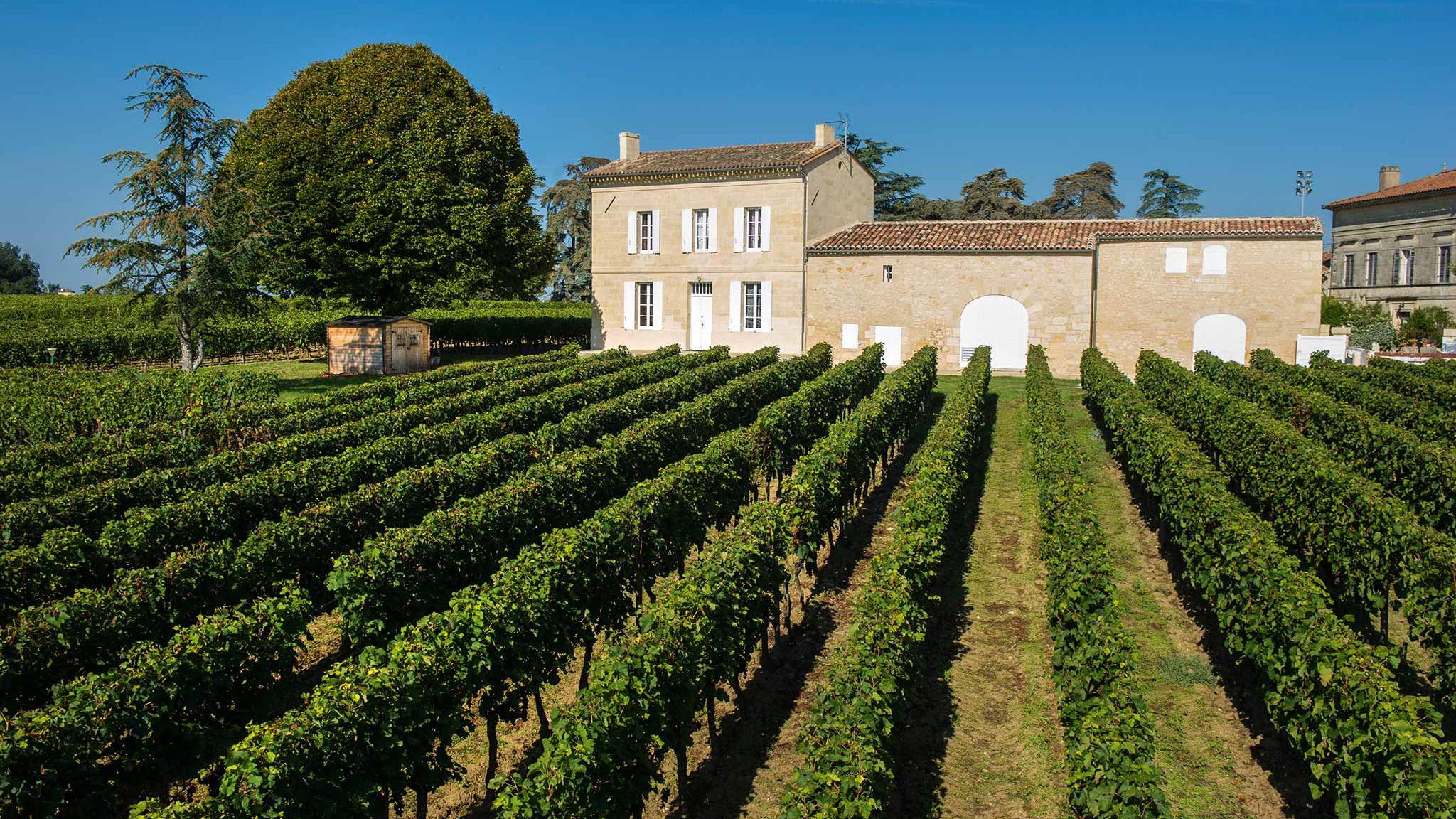
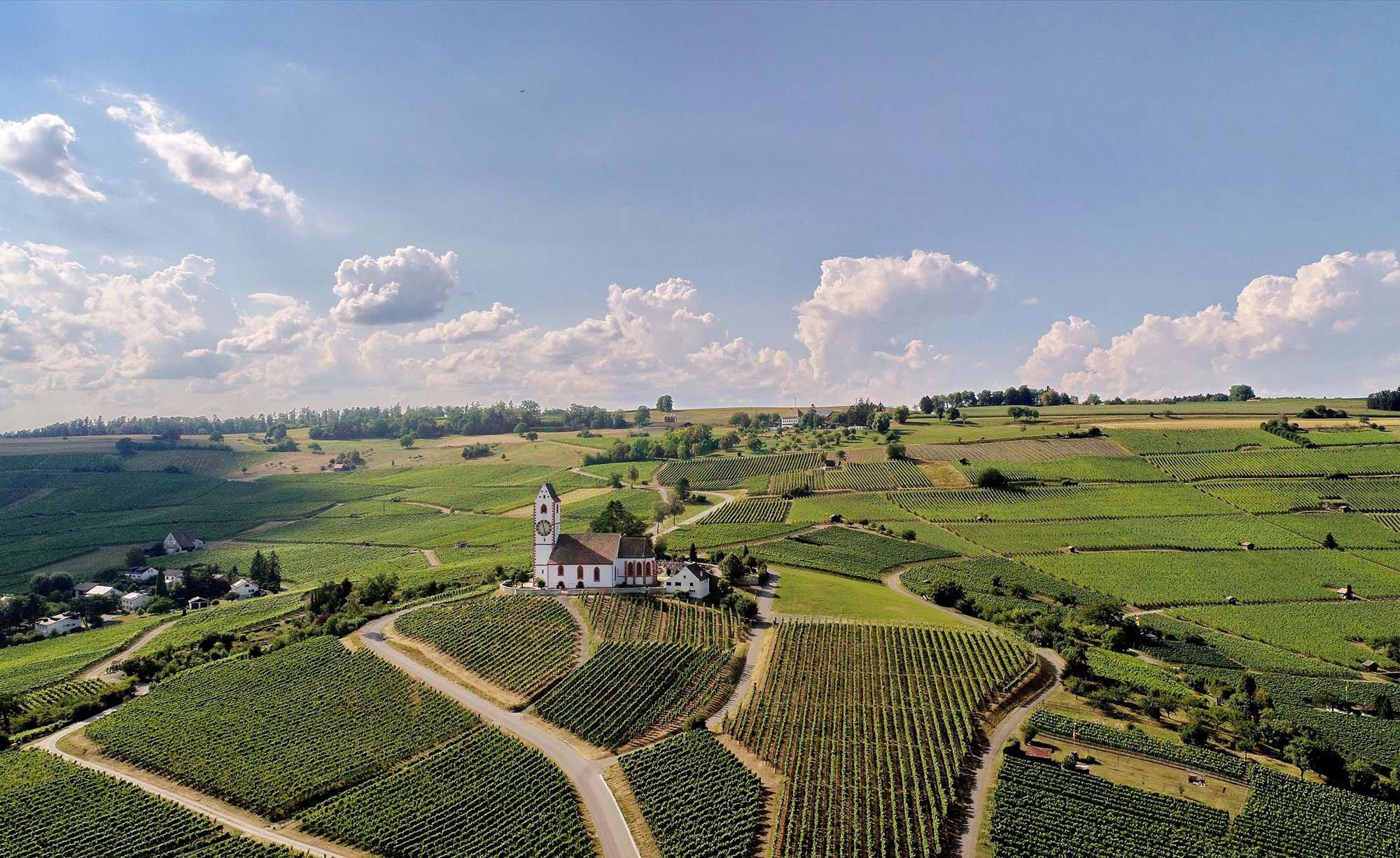
Weingut Joh. Bapt. Schäfer sits quietly in Burg Layen, where the local geology—and not theatrical vistas—shapes the place’s character. The writing focuses on soil and subsoil variety, and the narrative of the estate is one of careful, site-driven winemaking rather than spectacle. An award-winning producer in a small settlement, Schäfer reads its terroir bottle by bottle; the tone is thoughtful, measured and quietly accomplished. Visitors encounter a sophisticated, unflashy operation that prioritises mineral expression and vineyard specificity over showmanship, making for an understated and contemplative winery experience.
Best For
This is a winery for people who travel to learn. It caters to tasters and students of terroir who want to parse how porphyry, grey slate and ancient volcanic deposits show up in glass. Solo explorers and small groups focused on wine education find the setting particularly rewarding: the estate’s compact, site-rich vineyards invite close attention rather than casual gawking. Given the producer’s recognised standing, the estate also suits visitors seeking a higher-tier Nahe experience without the fanfare of larger, more touristed regions.
Tasting Tips
When you taste here, orient your selections around site and grape variety rather than gimmicks. Riesling is explicitly discussed as a marker of local variability—ask which parcels supply each wine and how porphyry, grey slate or volcanic soils influence the bottlings. Given the estate’s Prestige recognition, look for estate-labelled wines that speak to vineyard specificity. Request information about single sites or parcel-differentiated wines if available; the point of a visit is to hear the geology in the glass, so prioritise vertical or site-focused pours that illustrate those differences.
Venue details
Ambiance
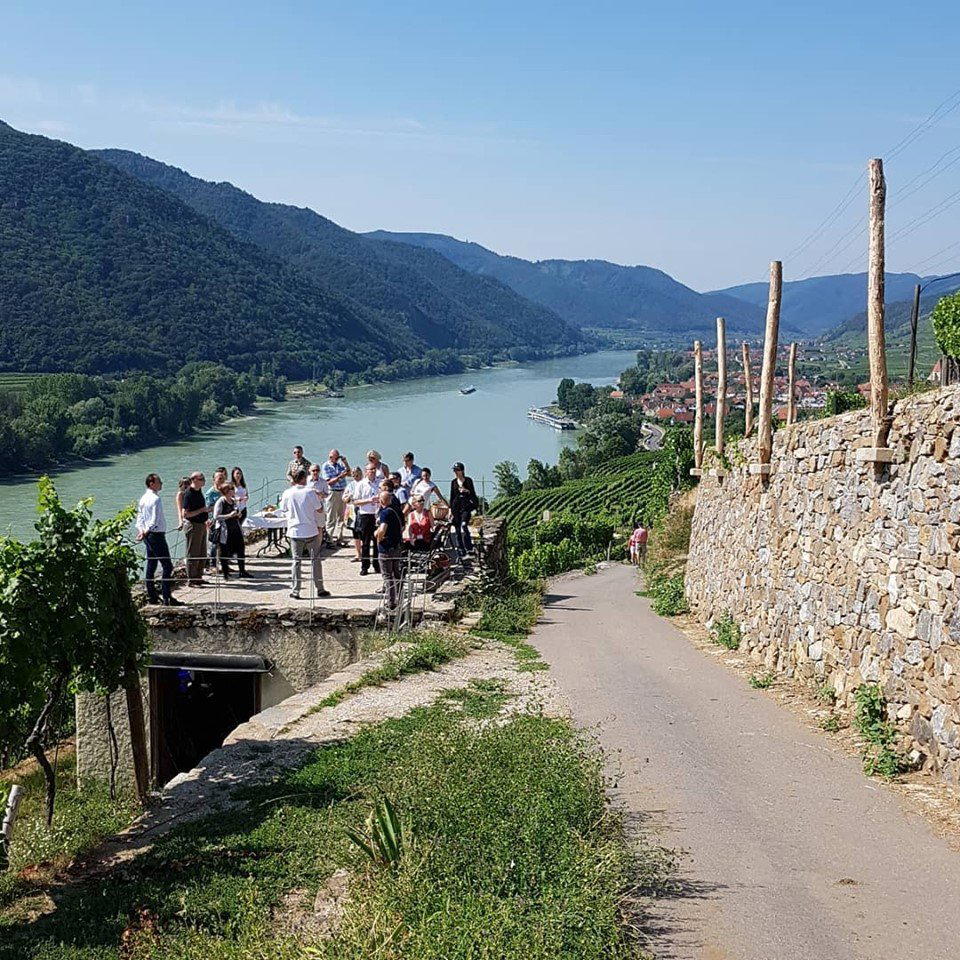
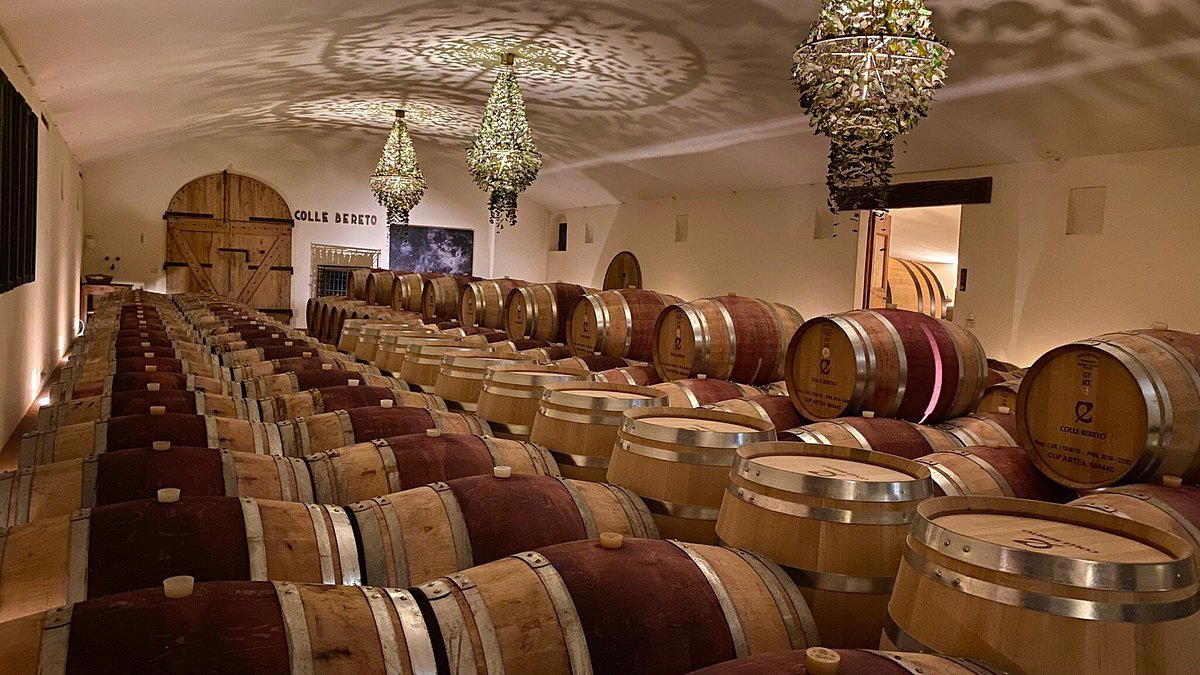
Traditional and characterful atmosphere in a historic vaulted cellar emphasizing terroir-driven authenticity.
Tags
Vibe
Best For
Experience
Sourcing
View
At the Vineyard
- Appellation
- Nahe
- Varietals
- Riesling, Grauburgunder, Silvaner, Scheurebe
- Tour Duration
- 60-90 minutes
- Tour Languages
- German
- Visits
- By appointment only
- Farming
- Sustainable
- Production
- Small producer
- Wine Styles
- Still White
- Wine Club
- Not available
Know before you go
Know Before You Go
- Getting there
- Burg-Layen 8, 55452 Rümmelsheim
Planning details
Location
Recognition and awards

Also consider
If you cannot line this up
Try Schlossgut Diel if the day needs a more visually substantial estate stop, or Weingut Kruger-Rumpf if the goal is to keep the plan focused on the Nahe. For a wider regional pivot, compare availability at Weingut Georg Breuer.
Winery context
How It Compares
Weingut Joh. Bapt. Schäfer is the tighter Burg Layen choice: better for a focused wine appointment than for a full estate day. Schlossgut Diel is the stronger pick if ambiance and a more prominent estate setting are part of the decision, while Weingut Kruger-Rumpf is the practical cross-shop for readers building a Nahe-focused route.
For a Rheingau-leaning itinerary, Weingut August Kesseler and Weingut Georg Breuer make more sense if the priority is regional name recognition and a wider comparison set. Weingut Prinz Salm is the alternative to check when availability shapes the day more than a single target estate.
Value comes down to trip design rather than a published price spread. Book Joh. Bapt. Schäfer when Burg Layen is the anchor; choose one of the larger-name peers when the winery visit needs to carry more of the day's atmosphere.
Explore Burg Layen
Around this place
Discover more on Pearl
Unlock the full Weingut Joh. Bapt. Schäfer guide in Pearl, including awards, comparisons, FAQs, planning details, and nearby places.
Compare Weingut Joh. Bapt. Schäfer
| Venue | Location | Awards |
|---|---|---|
| Weingut Joh. Bapt. Schäfer | Burg Layen | 2026 Falstaff Winery Guide |
| Schlossgut Diel | Rümmelsheim | 2026 Falstaff Winery Guide |
| Weingut Kruger-Rumpf | Münster-Sarmsheim | 2026 Falstaff Winery Guide |
| Weingut August Kesseler | Rüdesheim (Assmannshausen) | 2026 Falstaff Winery Guide |
| Weingut Georg Breuer | Rüdesheim am Rhein | 2026 Falstaff Winery Guide |
| Weingut Prinz Salm | Wallhausen | 2026 Falstaff Winery Guide |
How Weingut Joh. Bapt. Schäfer Burg Layen compares with similar nearby venues.
FAQ
Frequently Asked Questions
What other venues can I compare with Weingut Joh. Bapt. Schäfer?
For comparison, consider Schlossgut Diel, Weingut Kruger-Rumpf, Weingut Prinz Salm, Weingut August Kesseler, or Weingut Georg Breuer. Weingut Joh. Bapt. Schäfer itself is in Burg Layen and has Pearl 2 Star Prestige (2025).
How long should I plan for a visit to Weingut Joh. Bapt. Schäfer?
Does Weingut Joh. Bapt. Schäfer offer memberships or allocations?
Ask Weingut Joh. Bapt. Schäfer directly about memberships, allocations, or similar access if those details matter to you.
Does Weingut Joh. Bapt. Schäfer offer shipping?
Does Weingut Joh. Bapt. Schäfer serve food?
Check with Weingut Joh. Bapt. Schäfer before assuming food is available.
When is the best time to visit Weingut Joh. Bapt. Schäfer?
What should I ask Weingut Joh. Bapt. Schäfer before visiting?
Ask Weingut Joh. Bapt. Schäfer about current arrangements before you go, including visits, hours, appointment requirements, purchases, shipping, group arrangements, and food service. The venue is in Burg Layen, the dress code is casual, and it has Pearl 2 Star Prestige (2025).