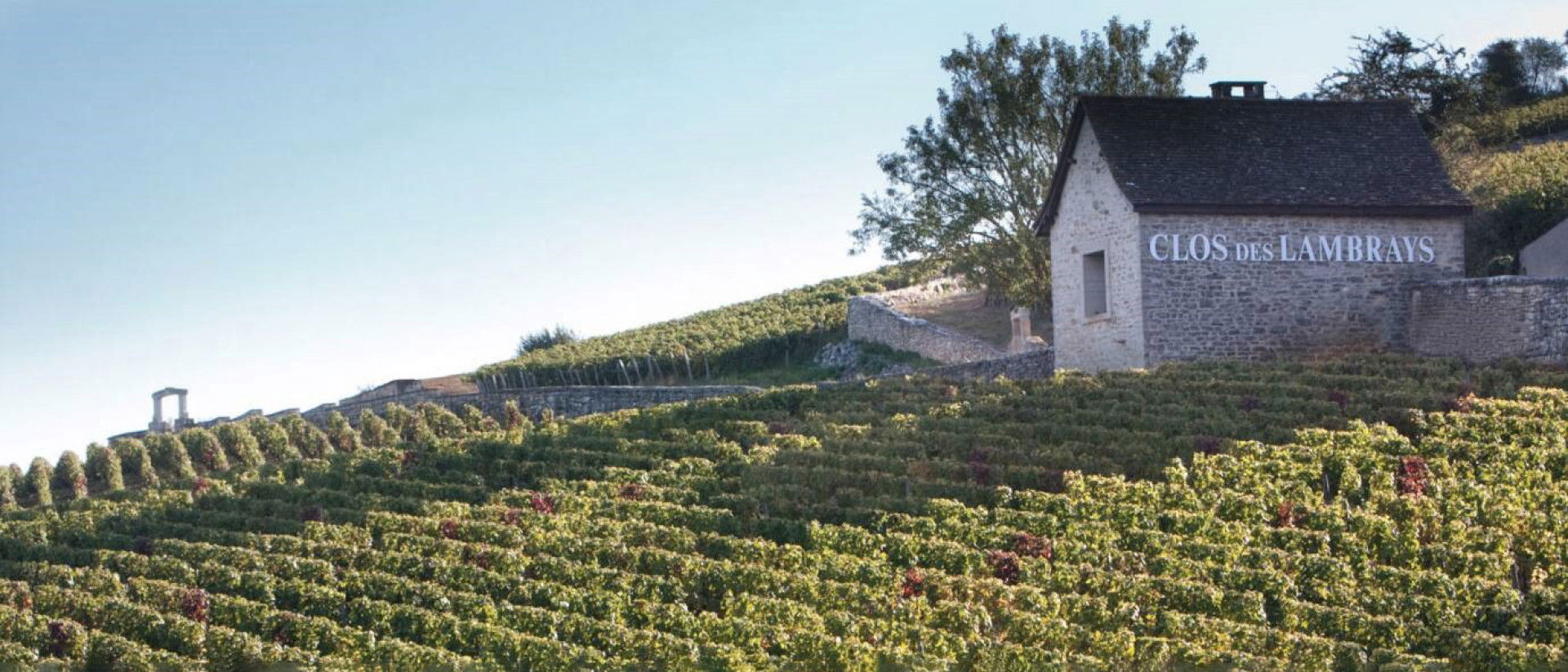



Domaine des Lambrays
Morey-Saint-Denis
Winery in Morey-Saint-Denis, France
 Book with Pearl
The Read
Monopole Grand Cru Precision
Why go
Domaine des Lambrays is worth the effort for Burgundy drinkers who want a focused Morey-Saint-Denis domaine visit rather than a casual tasting stop. Prioritise it if estate history, producer context, and a quieter appointment-led mood matter more than easy access or broad tasting-room flexibility.
About Domaine des Lambrays
In Morey-Saint-Denis, Domaine des Lambrays is a Pearl 4 Star Prestige (2025) venue associated with Jacques Devauges in recent vintages. It is best considered as a focused Morey-Saint-Denis stop rather than a venue that offers a specific tasting format, price, schedule, or service style.
The appeal is direct: the venue is Domaine des Lambrays in Morey-Saint-Denis, with smart casual dress and recent vintages under Boris Champy. Beyond that, specific claims about visit structure, bottles, food, shipping, or access should be confirmed directly with the venue before making plans.
Go for a focused Morey-Saint-Denis read, not a broad tasting circuit
Use Domaine des Lambrays as a Morey-Saint-Denis reference point, especially if you are comparing it with other notable domaines. Natural comparisons include Domaine Cecile Tremblay, Domaine Perrot-Minot, Domaine Robert Groffier Père & Fils, Domaine Taupenot-Merme, and Domaine du Clos de Tart.
For value, avoid assuming a specific tasting price, visit length, bottle access, or appointment format. The grounded reason to prioritise Domaine des Lambrays is its Pearl 4 Star Prestige (2025) recognition, its Morey-Saint-Denis setting, and its association with Boris Champy in recent vintages.
Build the day around confirmed details, then compare carefully
For an itinerary in Morey-Saint-Denis, keep the plan practical and verify details directly before relying on any specific service. Start with Our full Morey-Saint-Denis guide, then use local research to round out the day without overloading it with speculative assumptions.
If you are comparing Domaine des Lambrays with other destinations, keep the comparison focused on the key details: Morey-Saint-Denis, Pearl 4 Star Prestige (2025), smart casual dress, and recent vintages under Boris Champy. Other visits may operate differently, so confirm each venue on its own terms.
Planning details
- Location
- 31 Rue Basse, 21220 Morey-Saint-Denis
- Website
- lambrays.com
- Phone
- +33 3 80 51 84 33
The take
The Take
The Vibe
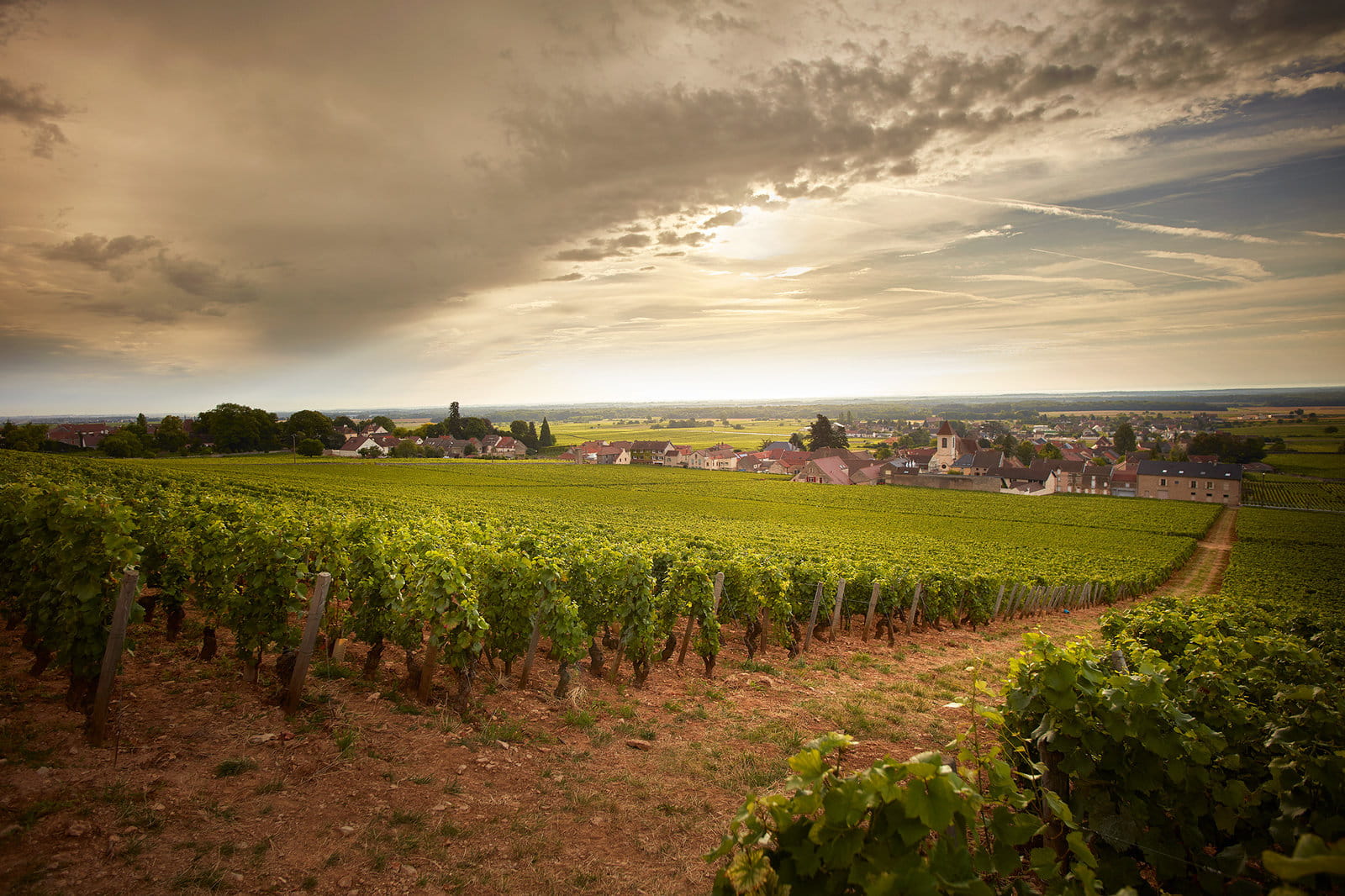
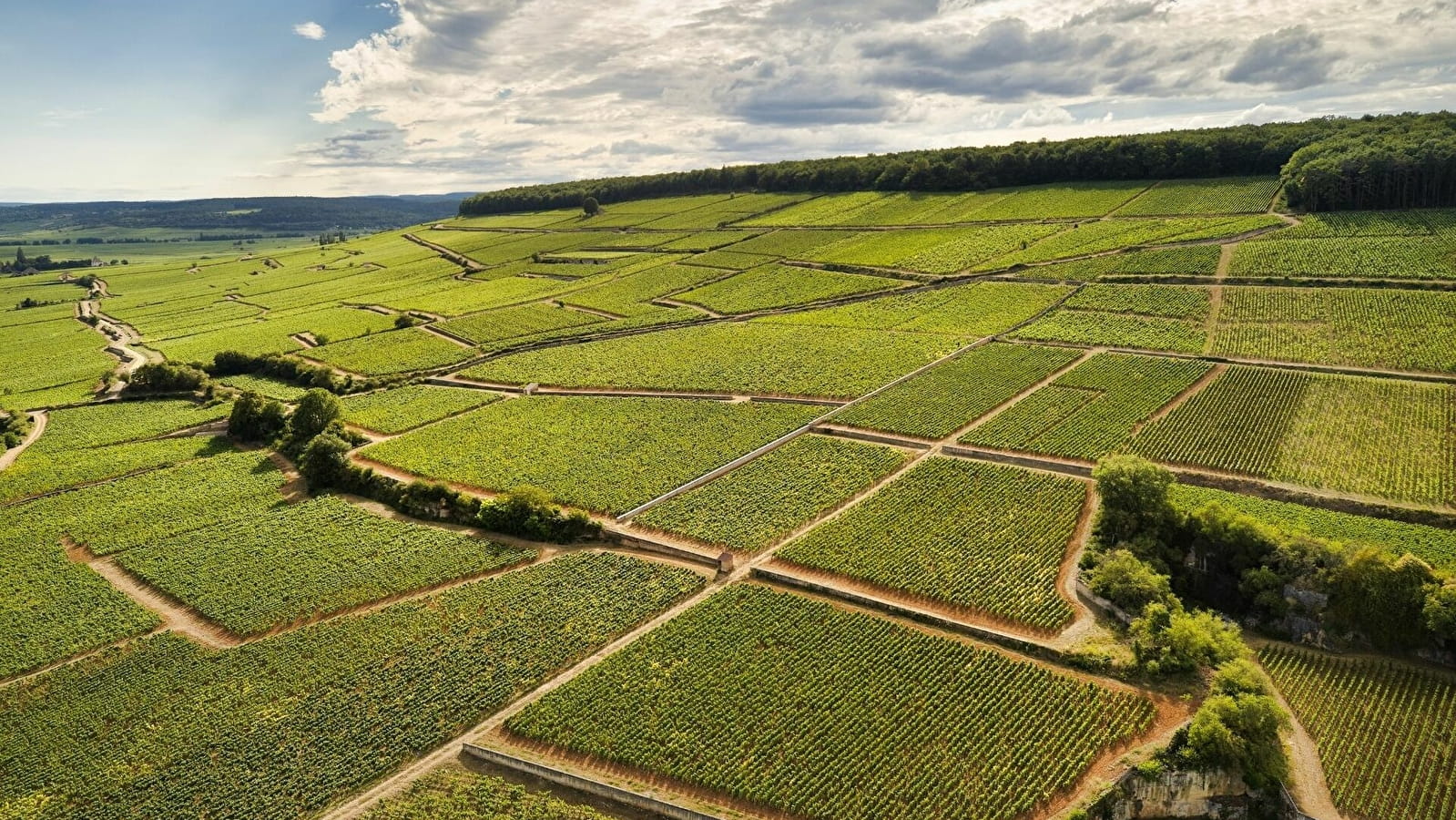
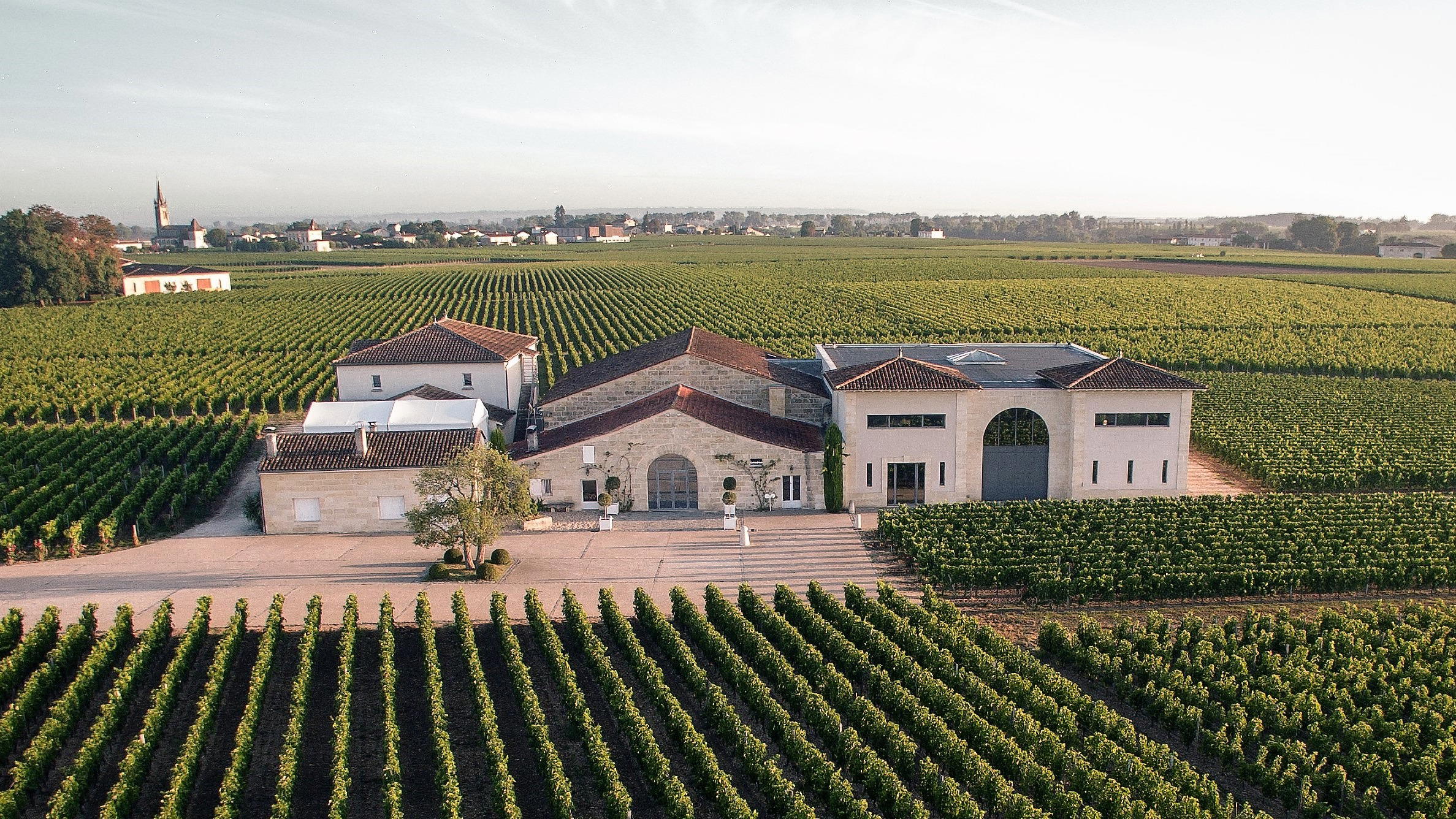
Domaine des Lambrays reads like a serious, low-key stronghold of classic Burgundy: a Grand Cru estate anchored to Clos des Lambrays and threaded through with long institutional memory. The domaine’s documented production back to 1774 underscores a deeply historic profile, and the text emphasizes the village’s ‘‘relative quiet’’—an attribute that favors focused visits over tourist bustle. Rather than a flashy stop on a coach route, the property projects the calm confidence of a near-monopole vineyard where continuity, parcel knowledge, and measured stewardship shape the experience.
Best For
This domaine is best for visitors pursuing wine education and collectors or groups marking a special occasion. The combination of an historic lineage and ownership of a significant Grand Cru parcel makes it inherently instructive for anyone studying Burgundian terroir, vine material, and vintage calibration. The write-up positions the estate for the serious visitor rather than casual drop-ins, so travelers who prioritize in-depth tasting notes, provenance, and cellar context will get the most out of a visit here.
Tasting Tips
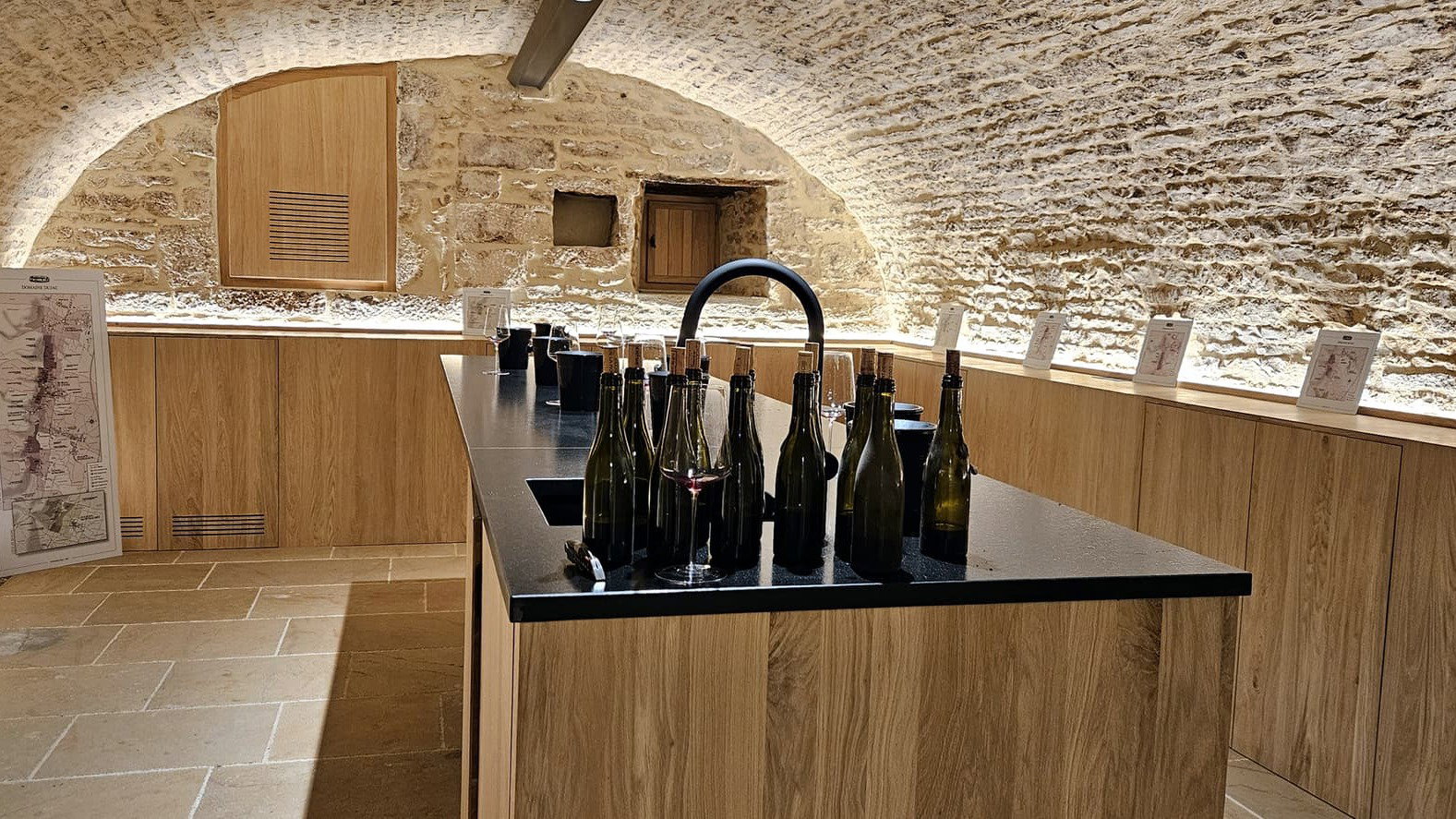
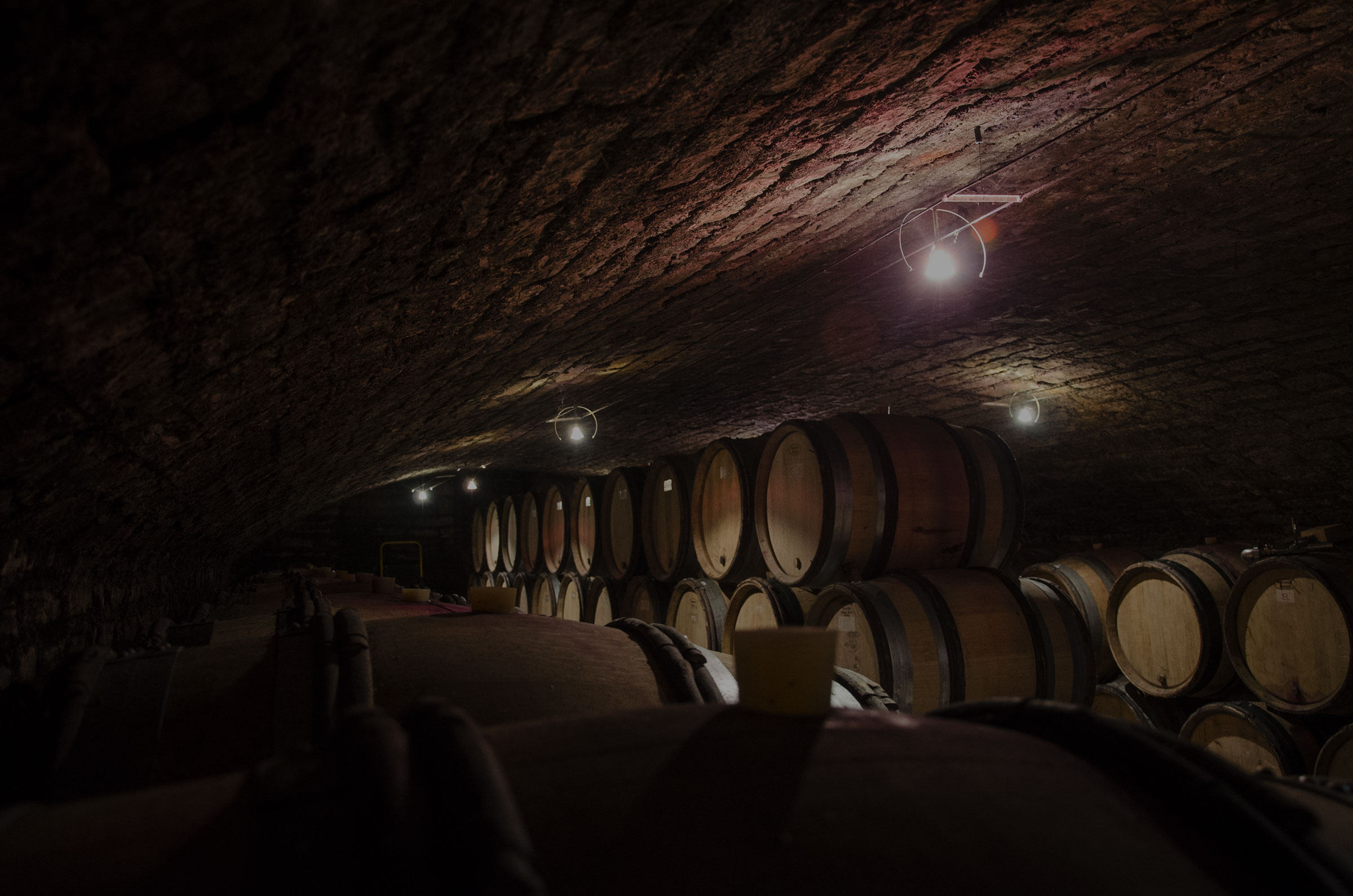
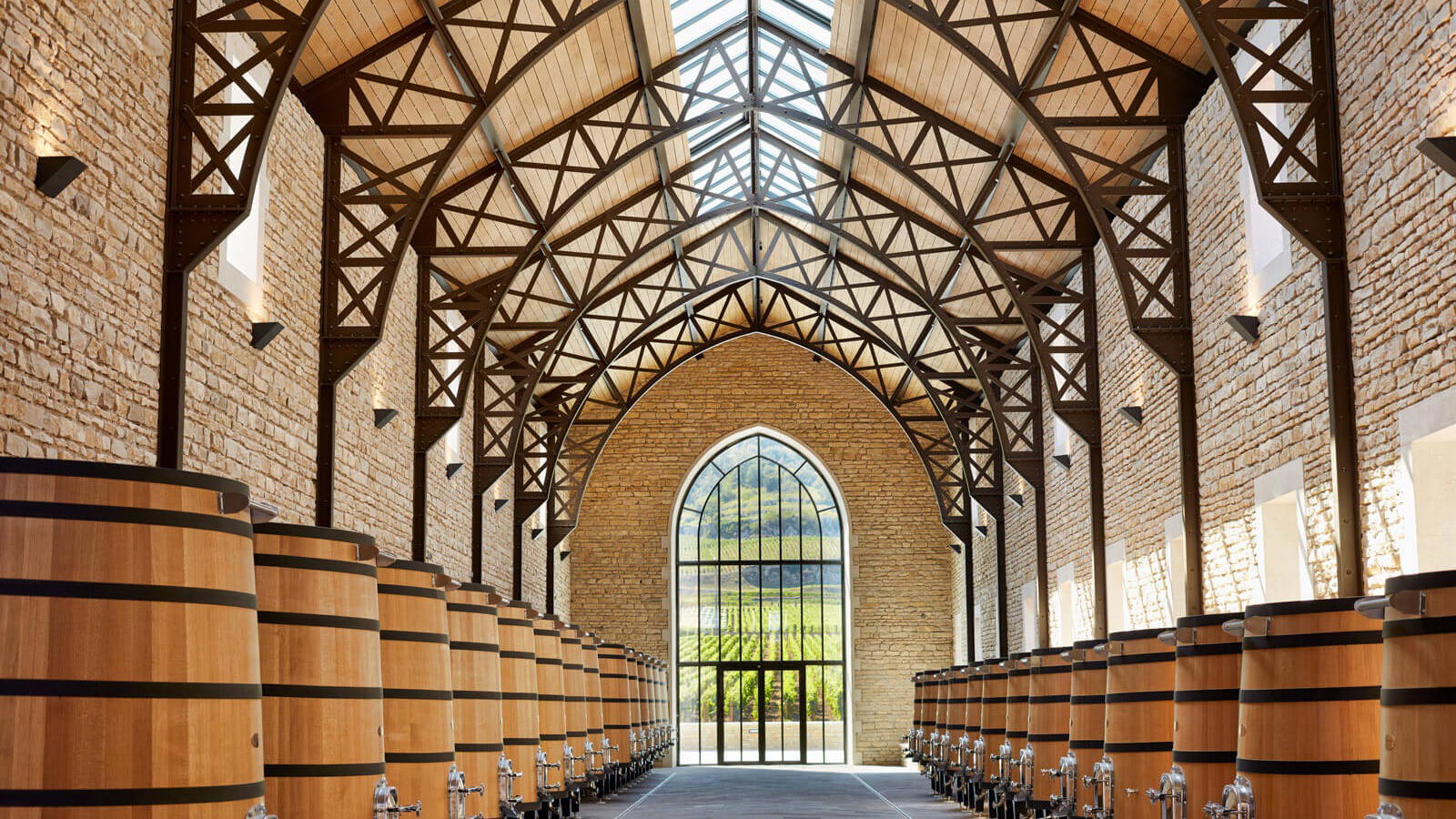
Plan ahead: appointments matter more than footfall at this domaine, and the narrative stresses that cellars are not configured for coach-tour traffic. Book visits well in advance and coordinate timing with the village’s limited hospitality options if you intend to build a day around Morey-Saint-Denis. Come prepared to engage with the site’s history and vineyard focus—ask about the Clos des Lambrays parcel, recent vintages, and any cellar access offered by appointment rather than expecting walk-in tastings.
Venue details
Ambiance
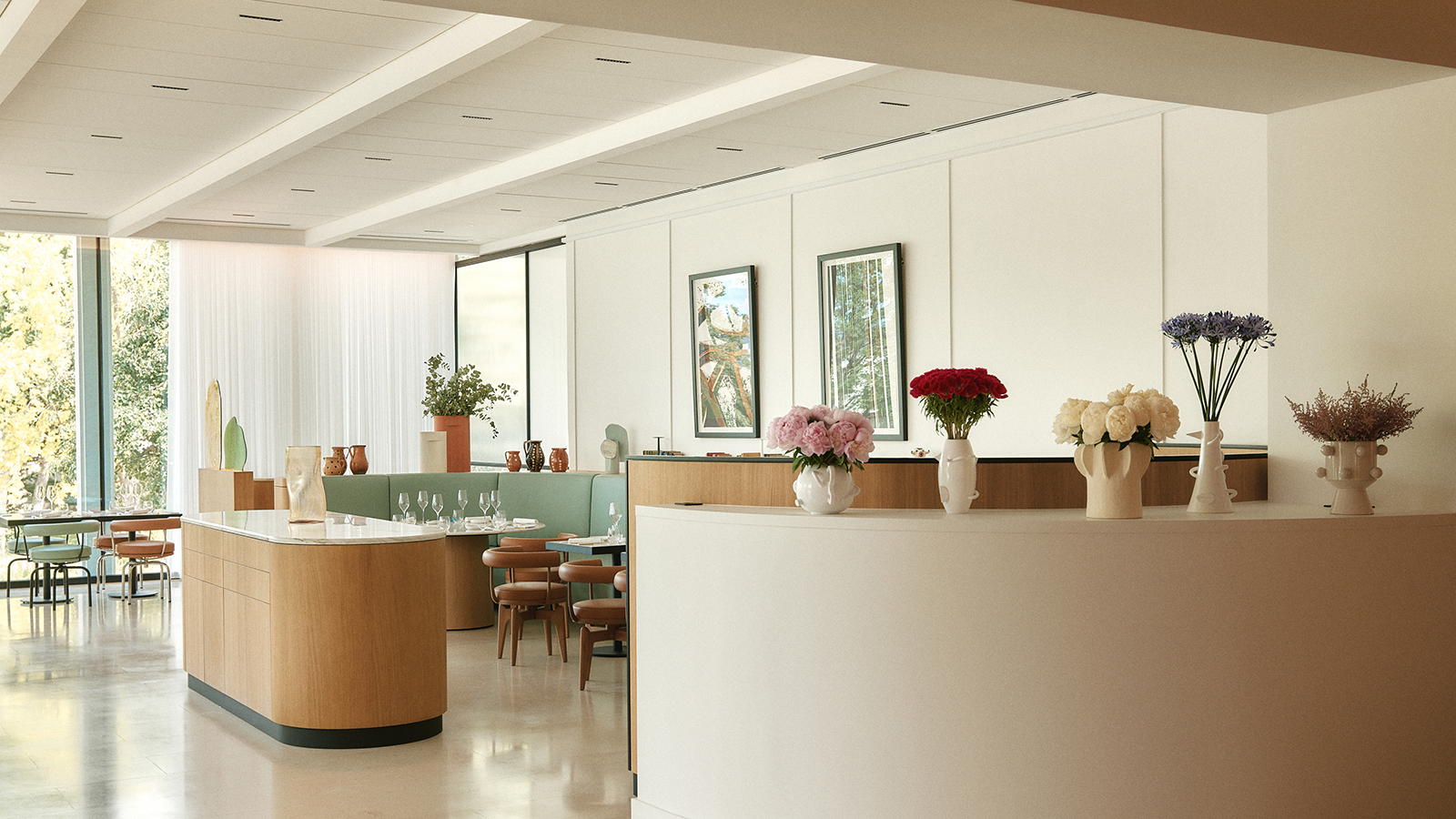
Refined and elegant atmosphere reflecting Burgundian tradition, with focus on finesse, silky textures, and complexity from meticulous winemaking.
Tags
Vibe
Best For
Experience
Sourcing
View
At the Vineyard
- Appellation
- Clos des Lambrays Grand Cru
- Varietals
- Pinot Noir, Chardonnay
- Visits
- By appointment only
- Farming
- Organic
- Wine Styles
- Still Red
- Wine Club
- Available
Know before you go
Know Before You Go
- Getting there
- 31 Rue Basse, 21220 Morey-Saint-Denis
Planning details
Location
Recognition and awards

Also consider
Where to look if this is unavailable
If access does not line up, start with Domaine Taupenot-Merme for a more practical Morey-Saint-Denis alternative, then compare Domaine du Clos de Tart if the goal is another serious village-level appointment. Domaine Perrot-Minot is the better backup when the main interest is bottle access and producer comparison rather than estate history.
Winery context
How Domaine des Lambrays compares in Morey-Saint-Denis
Choose Domaine des Lambrays when the priority is a focused, high-effort Morey-Saint-Denis visit with deep estate context. Domaine du Clos de Tart is the more obvious cross-shop for visitors chasing another serious village reference, while Domaine Perrot-Minot is the better comparison if bottle access and producer style are the main reasons for going.
Domaine Taupenot-Merme is the more practical name to consider if the goal is a classic Morey-Saint-Denis stop without making the whole day depend on one difficult appointment. Domaine Robert Groffier Père & Fils suits readers who want a nearby red Burgundy comparison with a slightly different village emphasis.
Domaine Cecile Tremblay is the scarcity-minded cross-shop, but it is less useful as a simple backup because access can be just as challenging. If the choice is one serious Morey-Saint-Denis anchor, Lambrays is the better fit for heritage-led context; if the goal is easier logistics, start with Taupenot-Merme.
Explore Morey-Saint-Denis
Around this place
Discover more on Pearl
Unlock the full Domaine des Lambrays guide in Pearl, including awards, comparisons, FAQs, planning details, and nearby places.
Compare Domaine des Lambrays
| Venue | Location | Awards |
|---|---|---|
| Domaine des Lambrays | Morey-Saint-Denis | 2026 Falstaff Winery Guide2026 Michelin 1 Grape - Burgundy2025 Pearl 4 Star Prestige |
| Domaine Perrot-Minot | Morey-Saint-Denis | 2026 Falstaff Winery Guide |
| Domaine Taupenot-Merme | Morey-Saint-Denis | 2026 Falstaff Winery Guide2025 Pearl 4 Star Prestige |
| Domaine du Clos de Tart | Morey-Saint-Denis | 2026 Michelin 1 Grape - Burgundy2026 Falstaff Winery Guide2025 Pearl 5 Star Prestige |
| Domaine Robert Groffier Père & Fils | Morey-Saint-Denis | 2025 Pearl 4 Star Prestige |
| Domaine Cecile Tremblay | Vosne-Romanée | 2026 Michelin 3 Grapes - Burgundy2026 Falstaff Winery Guide |

How Domaine des Lambrays Morey-Saint-Denis compares with similar nearby venues.
FAQ
Frequently Asked Questions
Is there a wine club at Domaine des Lambrays?
Details about a wine club or its terms are not specified. If membership, allocation, or bottle access matters, confirm directly with Domaine des Lambrays before making plans.
When is the best time to visit Domaine des Lambrays?
Opening hours, seasonal guidance, or the best day to visit are not specified. Confirm current details directly with Domaine des Lambrays before arranging travel to Morey-Saint-Denis.
Does Domaine des Lambrays serve food?
Food service is not specified. If you need a meal, plan it separately in Morey-Saint-Denis and check Domaine des Lambrays directly for any current visit details.
How long should I plan for a visit to Domaine des Lambrays?
A visit length or format is not specified. Ask Domaine des Lambrays directly before building a schedule around a specific duration.