
Domaine Arlaud
Morey-Saint-Denis
Winery in Morey-Saint-Denis, France
 Book with Pearl
The Read
Côte de Nuits Terroir Precision
Why go
A strong target for serious Burgundy travelers who want Morey-Saint-Denis context more than a polished tourism experience. Book planning should start early, with nearby backups in place; for easier hospitality or food-led plans, cross-shop other village estates first.
About Domaine Arlaud
Domaine Arlaud is a Morey-Saint-Denis venue with Pearl 3 Star Prestige recognition for 2025. Plan it as a focused stop in Morey-Saint-Denis and confirm practical arrangements directly before building a full itinerary around the visit.
A Morey-Saint-Denis address with confirmed recognition
Domaine Arlaud is in Morey-Saint-Denis, carries Pearl 3 Star Prestige recognition for 2025, and has a smart casual dress code. Visitor format, food service, pricing, hours, shipping, and appointment structure should be confirmed directly before you go.
For travelers comparing options, the useful distinction is certainty versus planning risk. Domaine Arlaud carries notable recognition, but the experience details should be checked through official channels before relying on it as the anchor of a day.
The setting is useful because the village is the point
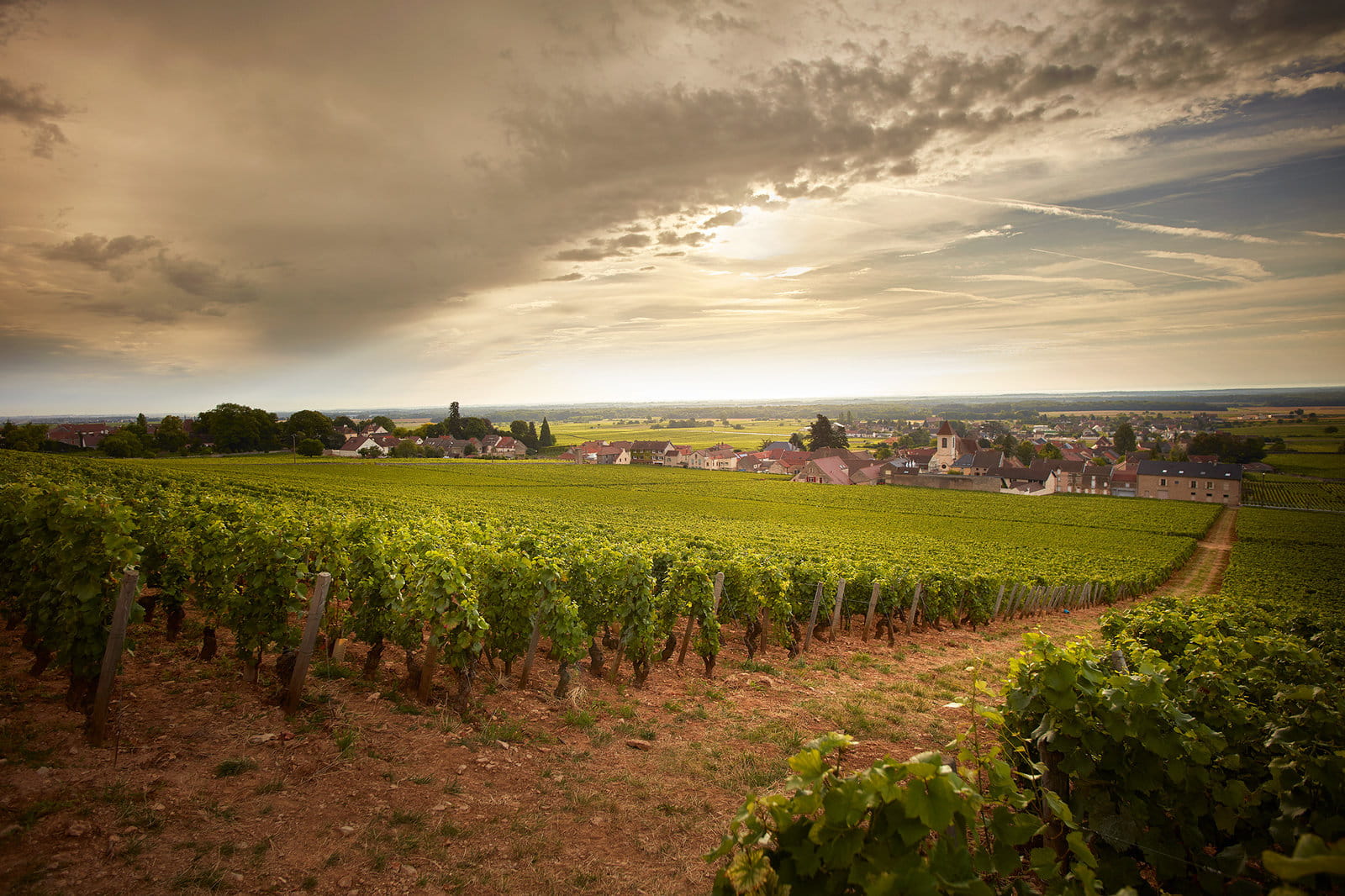
The location context is simple: Domaine Arlaud is in Morey-Saint-Denis. If Morey-Saint-Denis is already central to the trip, it can be considered alongside other notable names without assuming any specific service style or visitor setup.
For itinerary planning, compare Domaine Arlaud with Domaine Hubert Lignier, Domaine Dujac, Domaine des Lambrays, and Domaine du Clos de Tart, or widen the search to other Morey-Saint-Denis options. If the plan is broader local discovery, use our full Morey-Saint-Denis guide to build the day, then check other Morey-Saint-Denis planning resources for the rest of the itinerary.
Verdict: consider Domaine Arlaud if a Pearl 3 Star Prestige venue in Morey-Saint-Denis fits the trip, and confirm logistics before committing. Smart casual dress is the dress guidance; other practical details should be checked directly.
Planning details
- Location
- 41 Rue d'Epernay, 21220 Morey-Saint-Denis
- Website
- domainearlaud.com
- Phone
- +33 3 80 34 32 65
The take
The Take
The Vibe
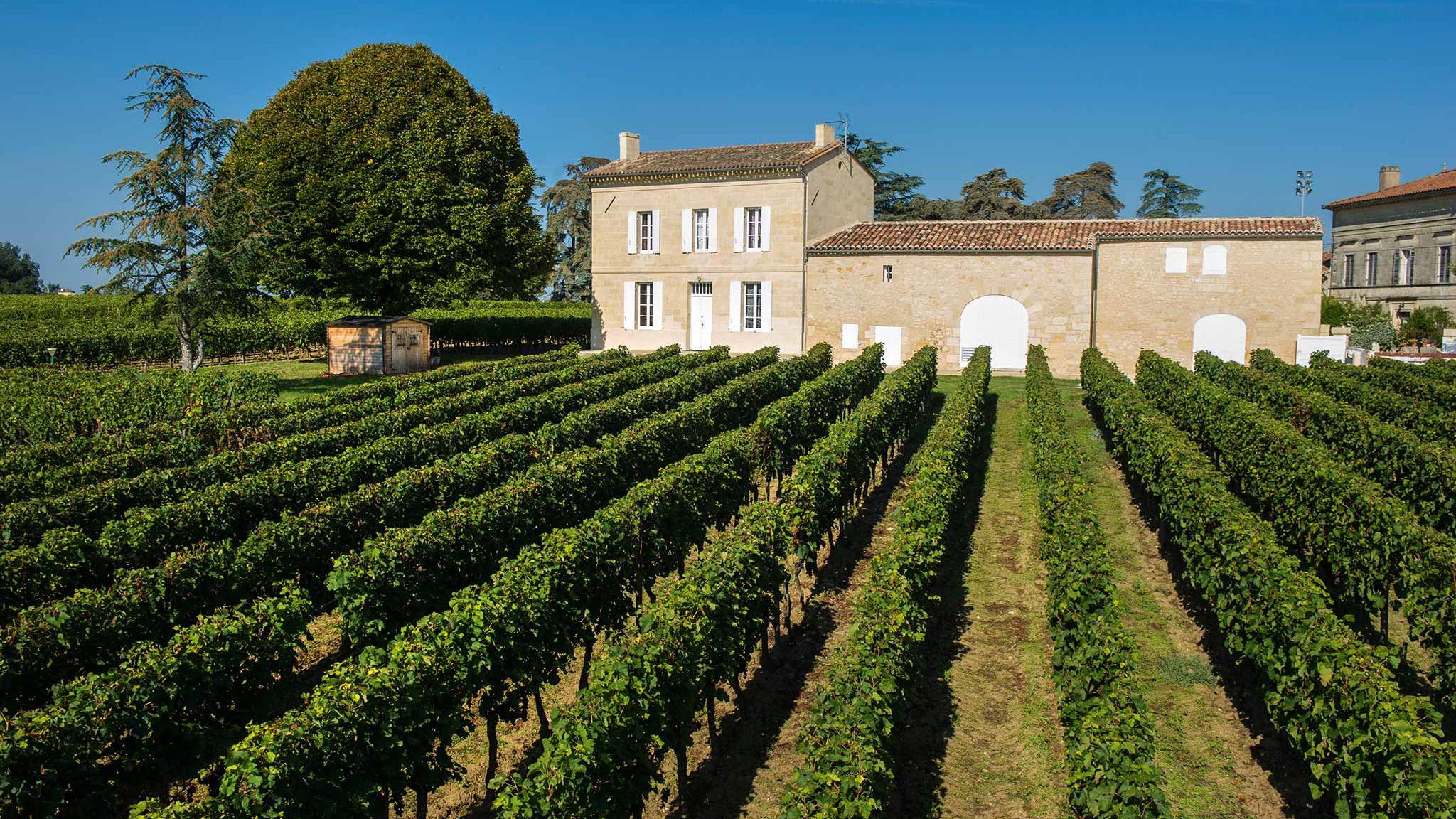
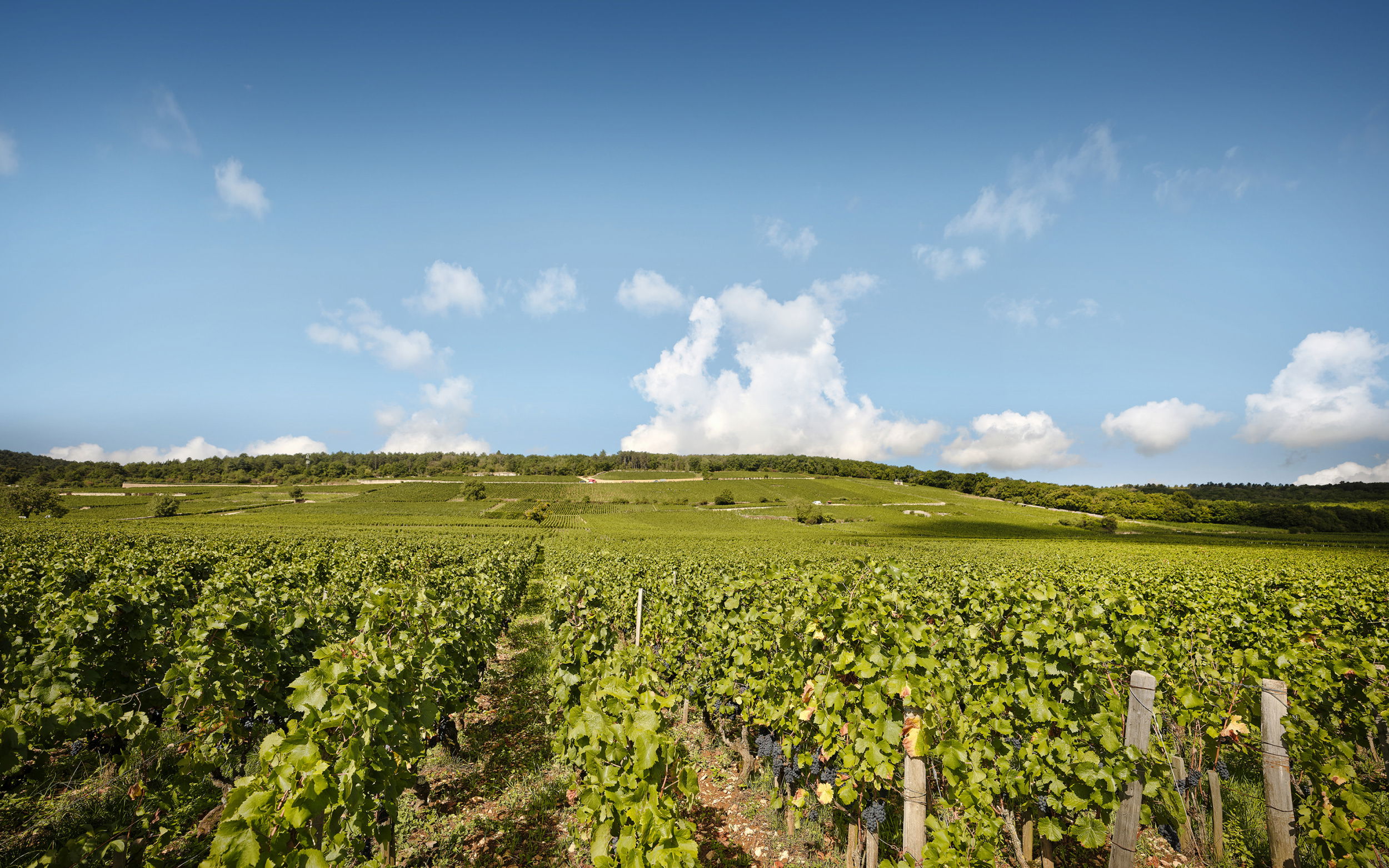
Domaine Arlaud sits quietly in Morey‑Saint‑Denis, where village scale and old stone walls frame a focused, terroir-driven presence. The writing privileges specificity over spectacle: narrow plots, aged walls and short distances from vines to road give the place a compact, historic character. The domaine reads as classic Côte de Nuits — a setting that accumulates gravitas through geological complexity rather than through overt display. Visitors encounter wines that feel precise and place-driven, and the overall impression is scenic and quietly charming rather than flashy.
Best For
This domaine is best for people who want to learn why Morey‑Saint‑Denis expresses Pinot Noir differently from its neighbours. The description centers on geology and parcel-level variation, so it suits wine students, sommeliers and curious collectors seeking education in terroir-driven wines. It rewards slow tasting and close attention to differences between mid‑slope Bathonian limestone sites, lower alluvial plots and higher iron‑rich parcels. Those looking for a study in nuance and structural tension get the most out of a visit; it is framed as a place for focused tasting rather than casual spectacle.
Tasting Tips
When exploring Arlaud's wines, prioritize comparisons across parcels and slope positions. The text emphasizes Bathonian limestone mid‑slope sites, lower alluvial deposits and iron‑inflected upper parcels — asking for examples from each zone highlights how mineral tension, texture and power vary even within the same appellation. Treat bottles as geological statements: seek out named plots or premier cru sites and contrast lower vs. higher expressions to map Morey’s range. Expect variation rather than uniformity; comparative tasting reveals the domaine’s point.
Venue details
Ambiance
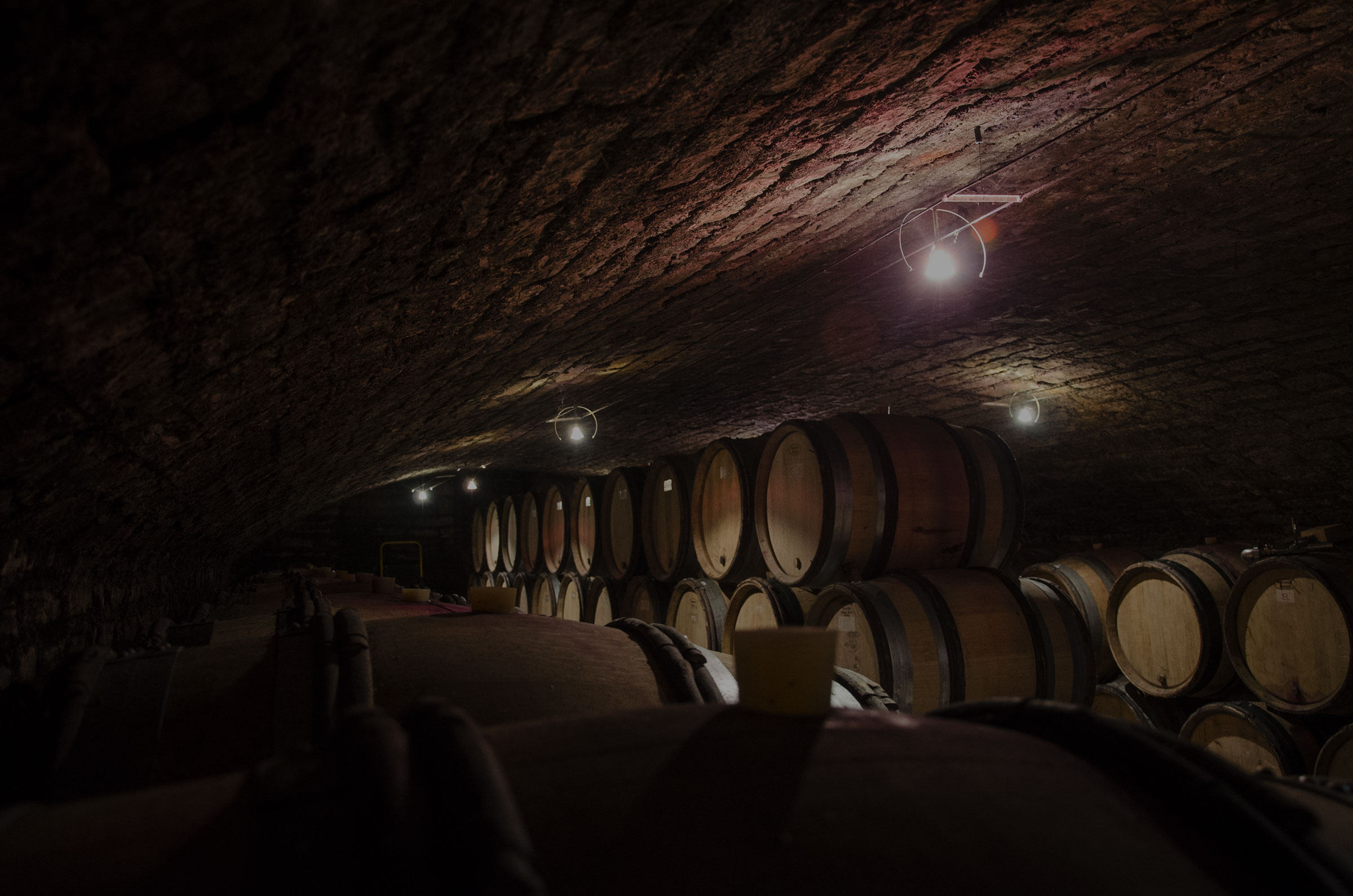
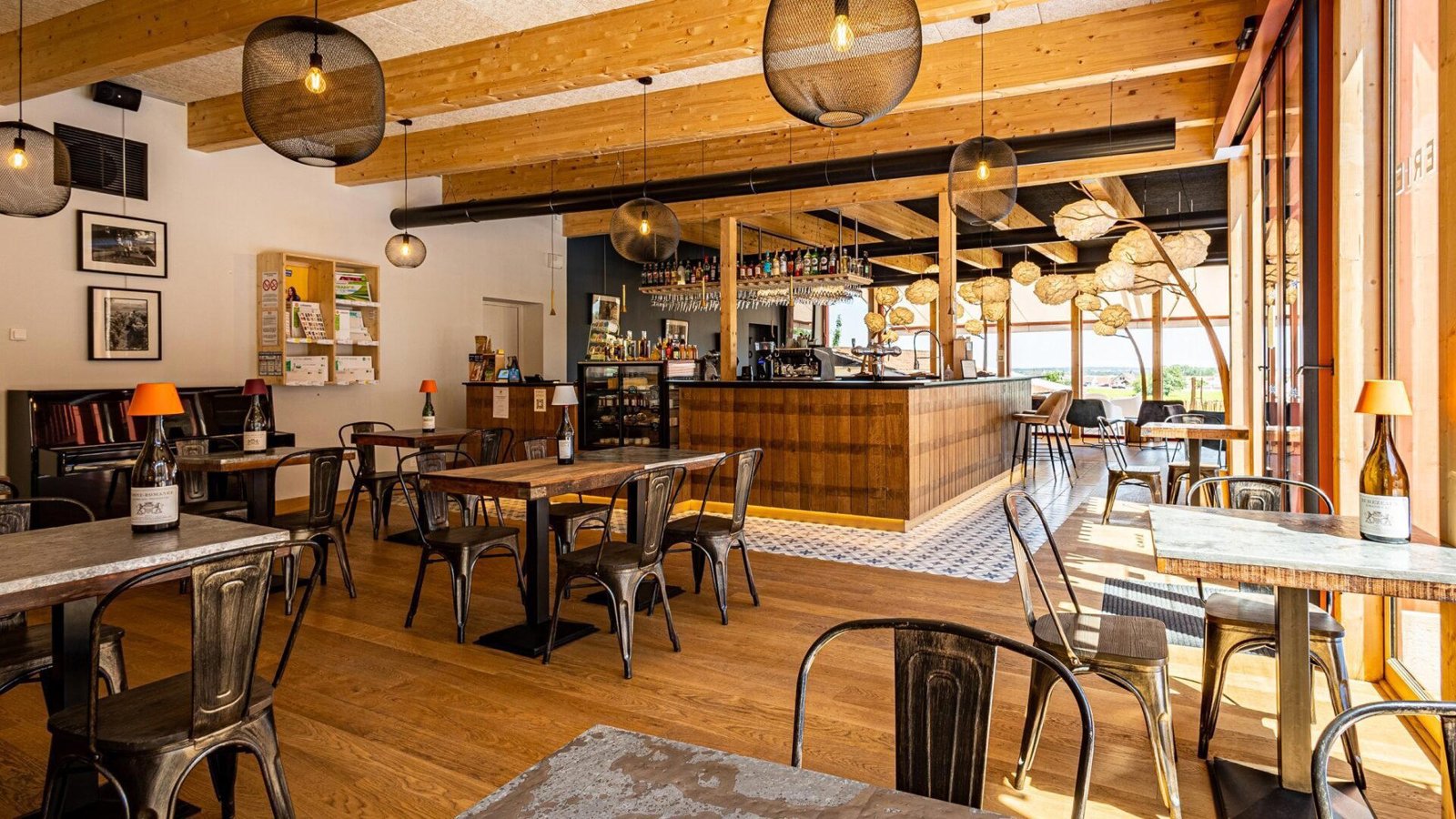
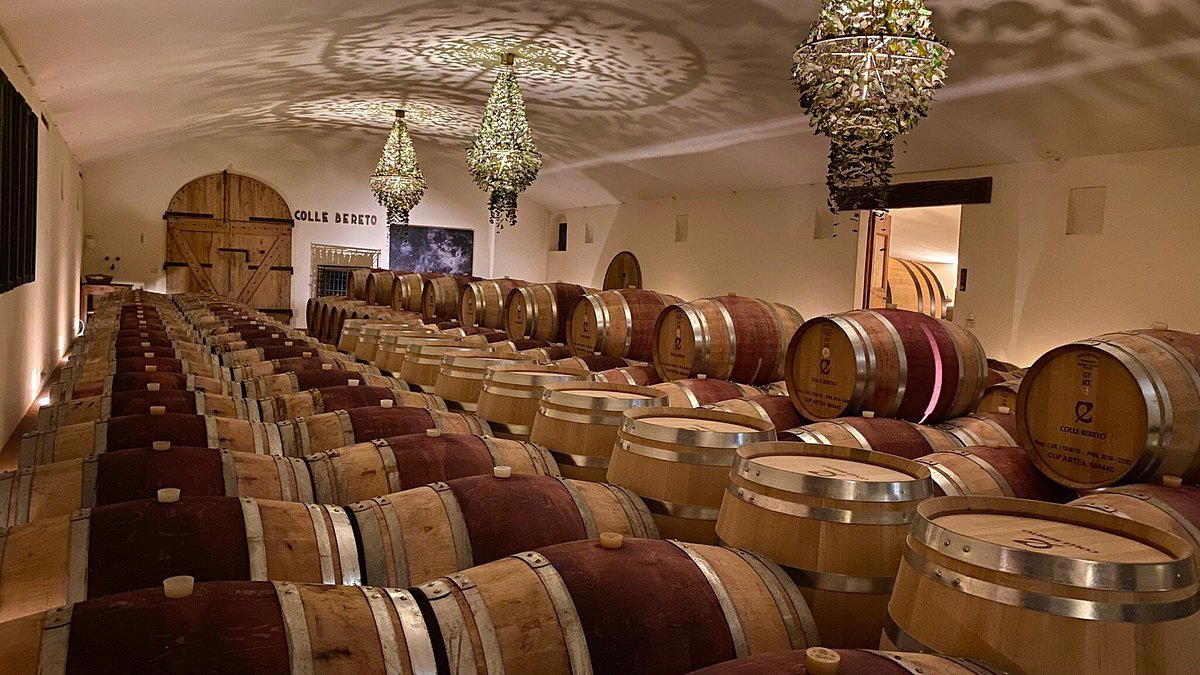
Classic, historic 14th-century cellars among the coldest in Côte de Nuits, fostering an elegant, pure, and authentic atmosphere reflective of Burgundy's terroir.
Tags
Vibe
Best For
Experience
Sourcing
View
At the Vineyard
- Appellation
- Morey-Saint-Denis AOC
- Varietals
- Pinot Noir, Aligote
- Tour Duration
- 60-90 minutes
- Visits
- By appointment only
- Farming
- Biodynamic
- Wine Styles
- Still Red
- Wine Club
- Not available
Know before you go
Know Before You Go
- Getting there
- 41 Rue d'Epernay, 21220 Morey-Saint-Denis
Planning details
Location
Recognition and awards

Also consider
If You Cannot Secure This Booking
Try Domaine Hubert Lignier if the goal is another serious Morey-Saint-Denis producer with strong collector relevance. Choose Domaine des Lambrays if the estate setting and a more structured visit matter more than chasing the hardest appointment.
Winery context
How It Compares in Morey-Saint-Denis
Domaine Arlaud is the choice for travelers who want a focused Burgundy producer stop and are comfortable with a harder planning process. Domaine Hubert Lignier belongs in the same serious-collector lane, while Domaine Dujac is the more famous cross-shop for visitors prioritising name recognition within the village.
For a more estate-driven sense of place, compare it with Domaine des Lambrays and Domaine du Clos de Tart. Those are better fits if the setting and visit structure matter as much as the producer itself. Domaine Arlaud is the sharper pick when the trip is built around wine depth rather than ambiance.
Domaine Cecile Tremblay is the tougher comparison for access and collector attention, but it sits outside the immediate Morey-Saint-Denis cluster. If the goal is a compact village itinerary, stay with the Morey names first; if the goal is Burgundy trophy hunting, widen the search and expect a harder booking path.
Explore Morey-Saint-Denis
Around this place
Discover more on Pearl
Unlock the full Domaine Arlaud guide in Pearl, including awards, comparisons, FAQs, planning details, and nearby places.
Compare Domaine Arlaud
| Venue | Location | Awards |
|---|---|---|
| Domaine Arlaud | Morey-Saint-Denis | 2026 Falstaff Winery Guide |
| Domaine Hubert Lignier | Morey-Saint-Denis | 2026 Michelin Grape Main Selection - Burgundy2025 Pearl 5 Star Prestige |
| Domaine Cecile Tremblay | Vosne-Romanée | 2026 Michelin 3 Grapes - Burgundy2026 Falstaff Winery Guide |
| Domaine Dujac | Morey-Saint-Denis | 2026 Michelin 2 Grapes - Burgundy2026 Falstaff Winery Guide2025 Pearl 5 Star Prestige |
| Domaine des Lambrays | Morey-Saint-Denis | 2026 Falstaff Winery Guide2026 Michelin 1 Grape - Burgundy2025 Pearl 4 Star Prestige |
| Domaine du Clos de Tart | Morey-Saint-Denis | 2026 Michelin 1 Grape - Burgundy2026 Falstaff Winery Guide2025 Pearl 5 Star Prestige |


How Domaine Arlaud Morey-Saint-Denis compares with similar nearby venues.
FAQ
Frequently Asked Questions
Does Domaine Arlaud offer shipping?
Does Domaine Arlaud serve food?
Confirm food service directly with Domaine Arlaud. Domaine Arlaud is in Morey-Saint-Denis, has a smart casual dress code, and holds Pearl 3 Star Prestige recognition for 2025.
What is Domaine Arlaud known for?
Domaine Arlaud is listed as a Morey-Saint-Denis venue with Pearl 3 Star Prestige recognition for 2025.
Where is Domaine Arlaud located?
Domaine Arlaud is located in Morey-Saint-Denis.