

Domaine Taupenot-Merme
Morey-Saint-Denis
Winery in Morey-Saint-Denis, France
 Book with Pearl
The Read
Terroir-Driven Parcel Wines
Why go
Domaine Taupenot-Merme is a serious Morey-Saint-Denis pick for travellers building a Burgundy trip around producer credibility rather than easy tasting-room access. Treat it as a special-occasion anchor, especially if Romain Taupenot's name is already on the group's radar. For flexible visits, compare nearby peers before committing the day.
About Domaine Taupenot-Merme
In Morey-Saint-Denis, Domaine Taupenot-Merme is a name to keep on the shortlist when the trip is centred on the village. The domaine is in Morey-Saint-Denis, Romain Taupenot is the named chef/owner, the dress code is smart casual, and Pearl lists it as 4 Star Prestige for 2025.
For a celebration, date, or business-hosted day, build the plan around confirmed arrangements and keep the rest of the itinerary flexible.
A Morey-Saint-Denis call, not a casual drop-in assumption
The practical verdict is simple: choose Domaine Taupenot-Merme if the goal is a Morey-Saint-Denis name with Pearl 4 Star Prestige recognition. Do not assume a public tasting format, specific menu of experiences, fixed visit length, or walk-in availability unless the domaine confirms it directly.
For context, compare it with Domaine des Lambrays, Domaine du Clos de Tart, Domaine Perrot-Minot, Domaine Ponsot, and Domaine Robert Groffier Père & Fils. Those names give useful context for travellers planning a focused itinerary.
Plan the trip around confirmed arrangements, then keep the day tight
With limited service information, the best plan is a careful one: confirm any visit details directly, keep timing realistic, and avoid building a full day around assumptions. Smart casual dress is the standard, so it is a sensible default for anyone planning a polished Morey-Saint-Denis stop.
Use Morey-Saint-Denis as the anchor, then plan the rest of the stay through Our full Morey-Saint-Denis wineries guide, Our full Morey-Saint-Denis restaurants guide, Our full Morey-Saint-Denis hotels guide, Our full Morey-Saint-Denis bars guide, and Our full Morey-Saint-Denis experiences guide. If you are comparing venues, keep the focus on confirmed details and direct arrangements rather than assumed formats.
Bottom line: Domaine Taupenot-Merme is a strong Morey-Saint-Denis name for travellers who want a serious reference point. Confirm the practicalities before committing, and let the Pearl 4 Star Prestige 2025 recognition guide expectations.
Planning details
- Location
- 33 Rte des Grands Crus, 21220 Morey-Saint-Denis
- Website
- taupenot-merme.com
- Phone
- +33 3 80 34 35 24
The take
The Take
The Vibe
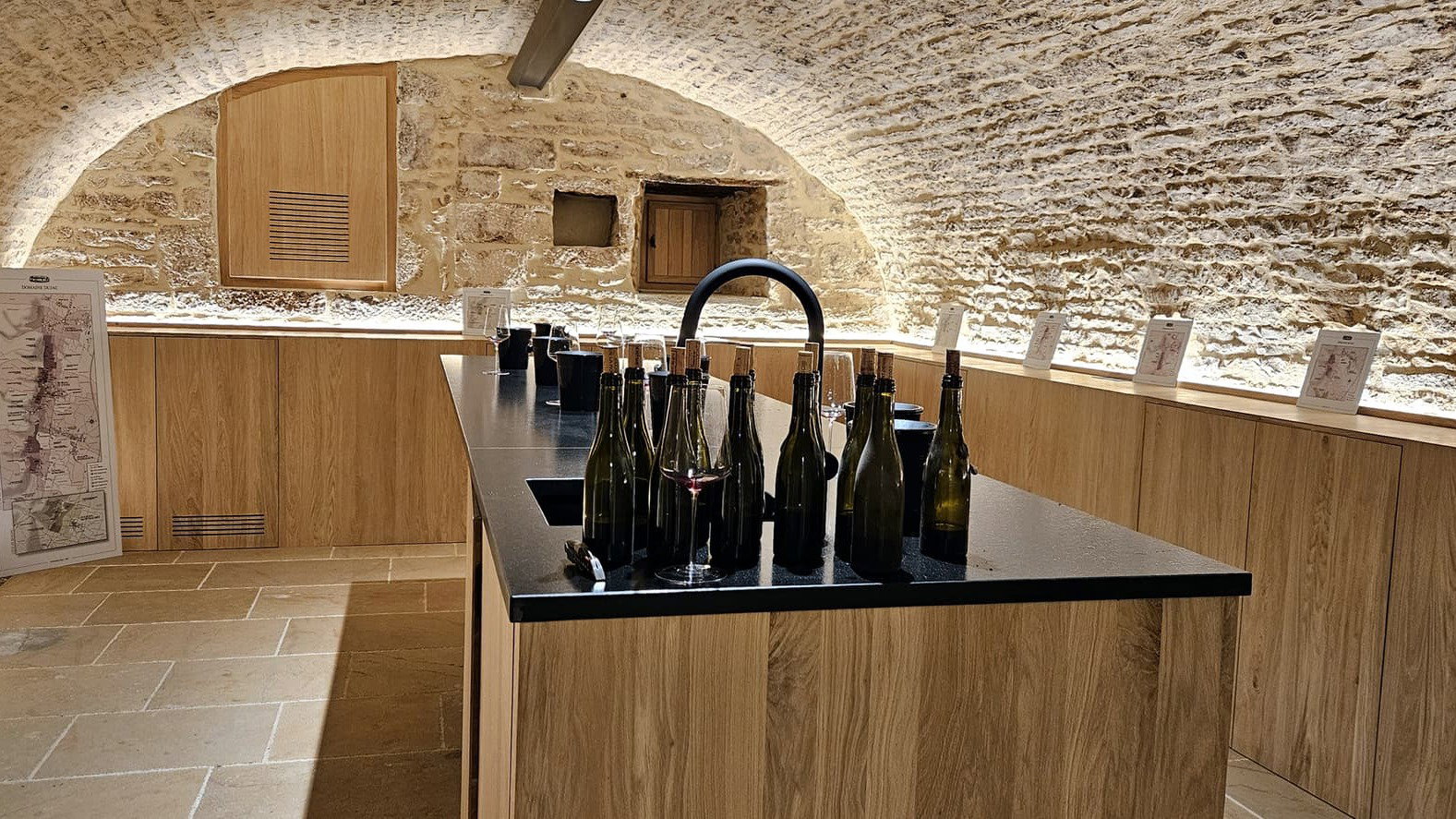
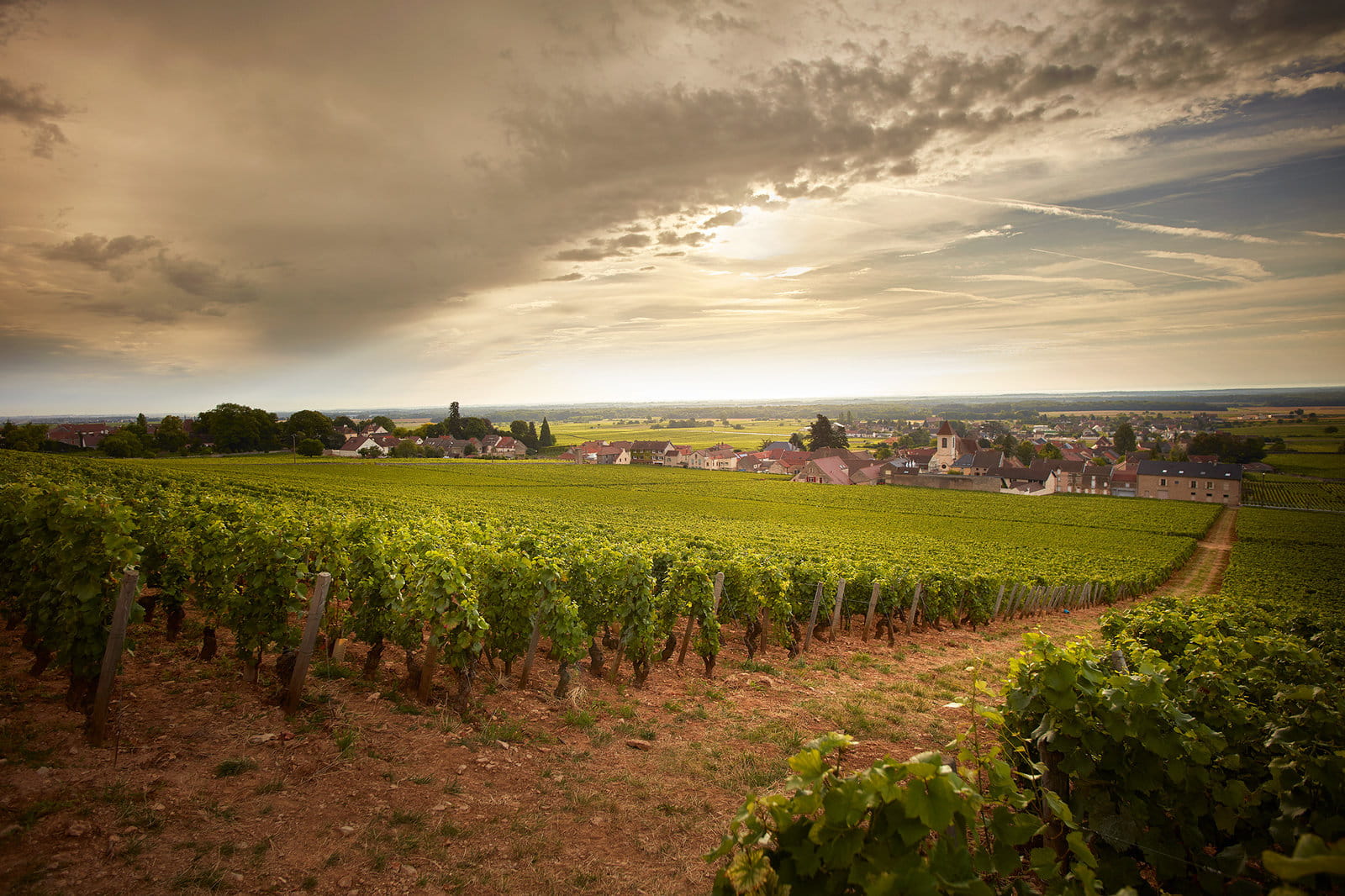
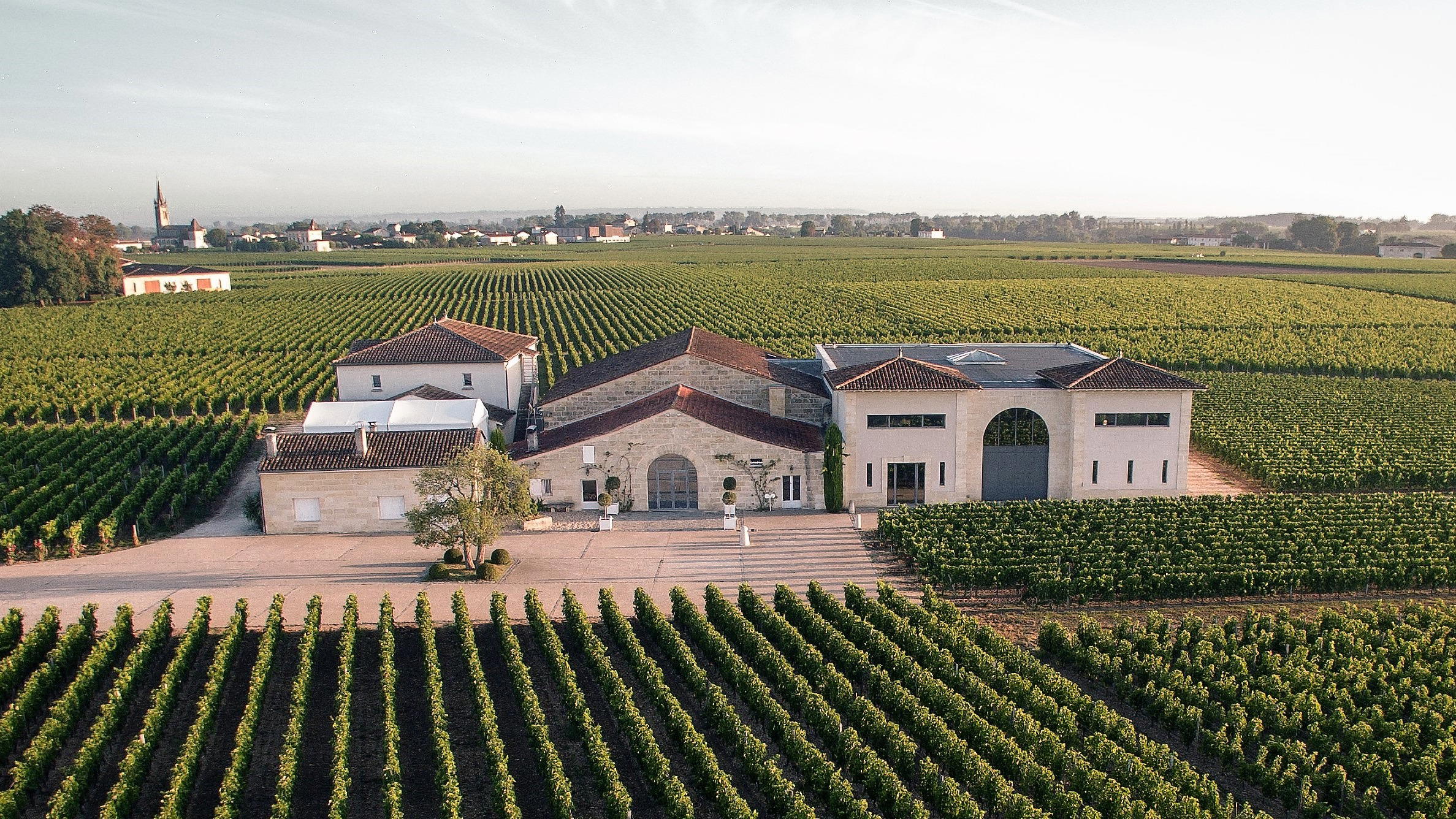
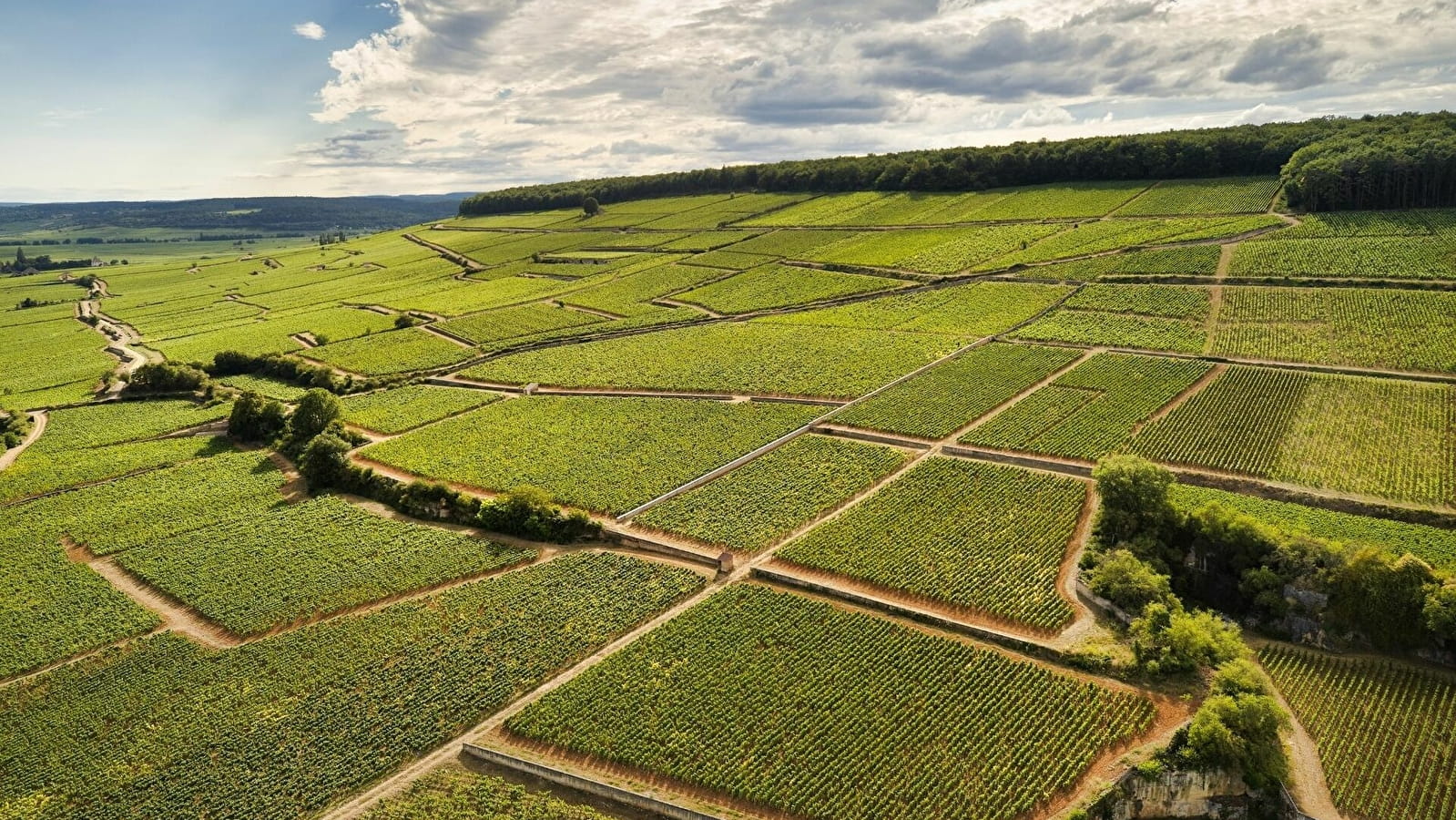
Domaine Taupenot-Merme reads like a quietly assured, terroir-first producer in the heart of Morey‑Saint‑Denis. The copy emphasizes the village’s concentrated quality and the subtle geography that shows up in every glass, so the estate feels classic and elegant while retaining a rustic, intimate character. Visits are low-key rather than theatrical—an experience shaped by vines, parcels and lineage more than by flash. The overall impression is scenic and contemplative: a place for people who appreciate wine as an argument about place, where nuance and concentration reward attentive tasting.
Best For
This domaine is best for people after a focused wine-education visit, travelers marking a special occasion, or solitary exploration of Burgundy’s terroirs. The write-up centers on parcel-level differences and a hierarchy that runs from village Pinot to Premier Cru and Grand Cru, so tastings are inherently instructional. Guests looking to understand Morey‑Saint‑Denis’s place on the Route des Grands Crus—how Clos Saint‑Denis or Clos de la Roche differ, for example—will get the most out of a stop here. It’s less about spectacle and more about learning and appreciation.
Tasting Tips
When tasting at Taupenot‑Merme, prioritize vertical and horizontal comparisons that showcase site differences: start with village-level wines, move through Premier Crus and sample any available Grand Crus. The description explicitly highlights named clos—Clos Saint‑Denis, Clos de la Roche, Clos des Lambrays, Clos de Tart—so asking about parcel provenance and how each bottling expresses its site yields the most insight. Frame questions around sourcing and vintage behavior rather than stylistic tricks; the domaine’s operating logic is rooted in where the grapes grow, so that is where the conversation will be richest.
Venue details
Ambiance
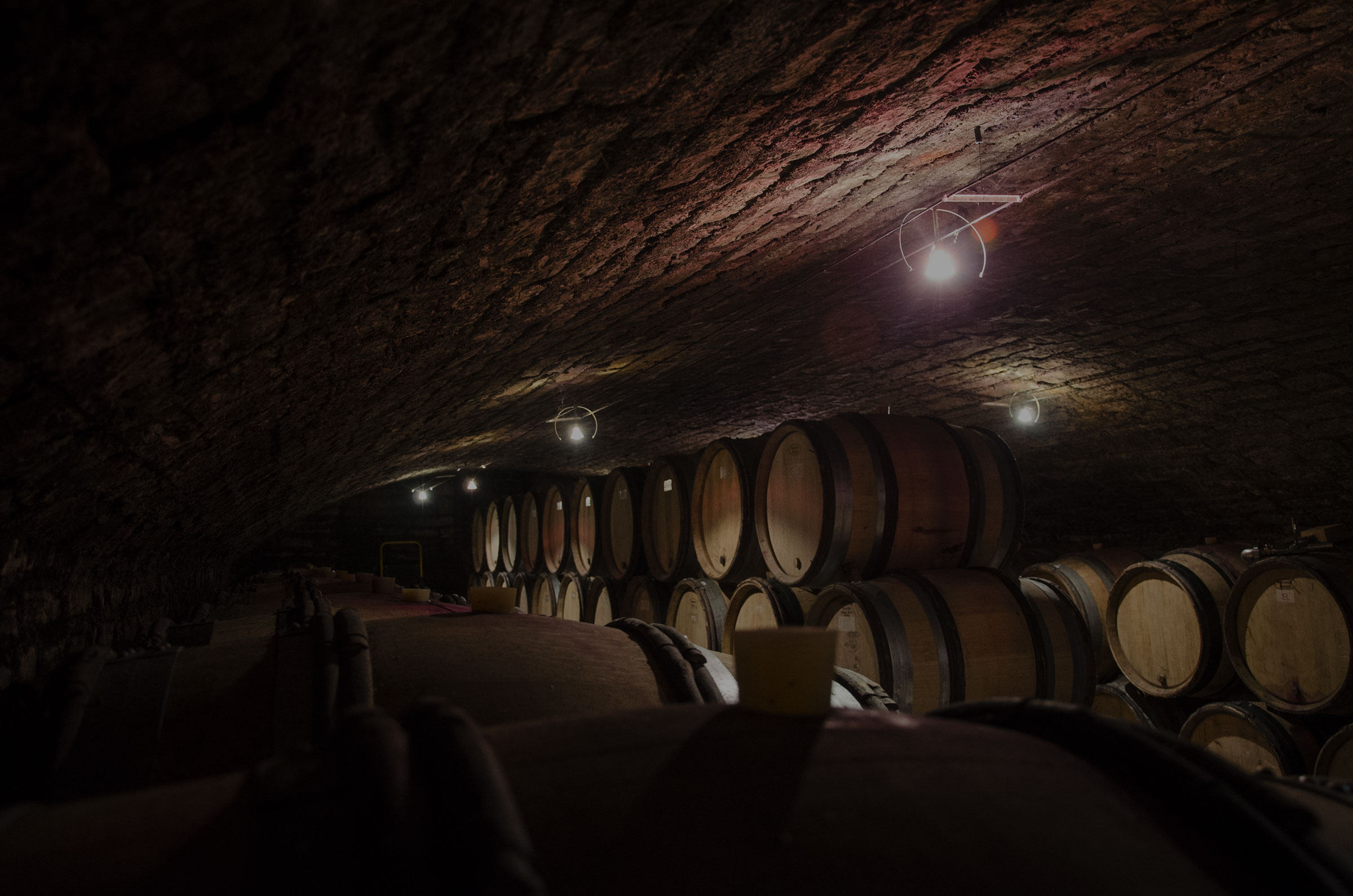
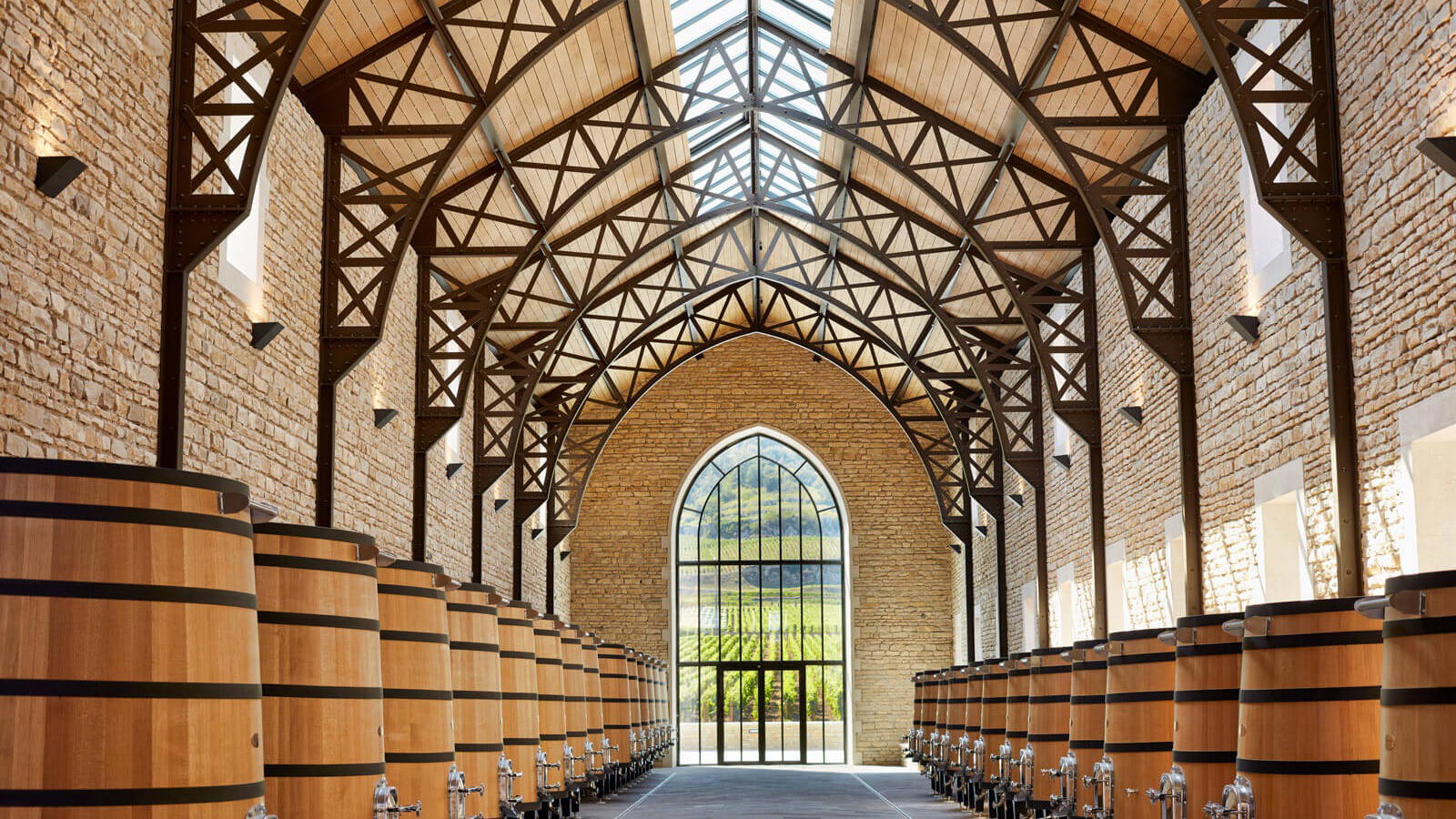
Traditional Burgundian winery with emphasis on terroir expression and classical winemaking; cellar-focused production environment reflecting the family's philosophy of minimal intervention.
Tags
Vibe
Best For
Experience
Sourcing
View
At the Vineyard
- Appellation
- Morey-Saint-Denis AOC, Côte de Nuits
- Varietals
- Pinot Noir, Chardonnay, Gamay, Aligoté
- Visits
- By appointment only
- Farming
- Organic
- Wine Styles
- Still Red, Still White
- Shipping
- Available
- Wine Club
- Not available
Know before you go
Know Before You Go
- Getting there
- 33 Rte des Grands Crus, 21220 Morey-Saint-Denis
Planning details
Location
Recognition and awards

Also consider
Also Consider
- Domaine Perrot-Minot, Notable alternative
- Domaine des Lambrays, Notable alternative
- Domaine du Clos de Tart, Notable alternative
- Domaine Robert Groffier Père & Fils, Notable alternative
- Domaine Ponsot, Notable alternative
Winery context
How it compares in Morey-Saint-Denis
Domaine Taupenot-Merme is the right call when the priority is a producer-led Burgundy stop with strong special-occasion value. Domaine Perrot-Minot and Domaine Ponsot are better cross-shops for travellers chasing similarly serious Côte de Nuits names, but none should be treated as easy, casual walk-in options.
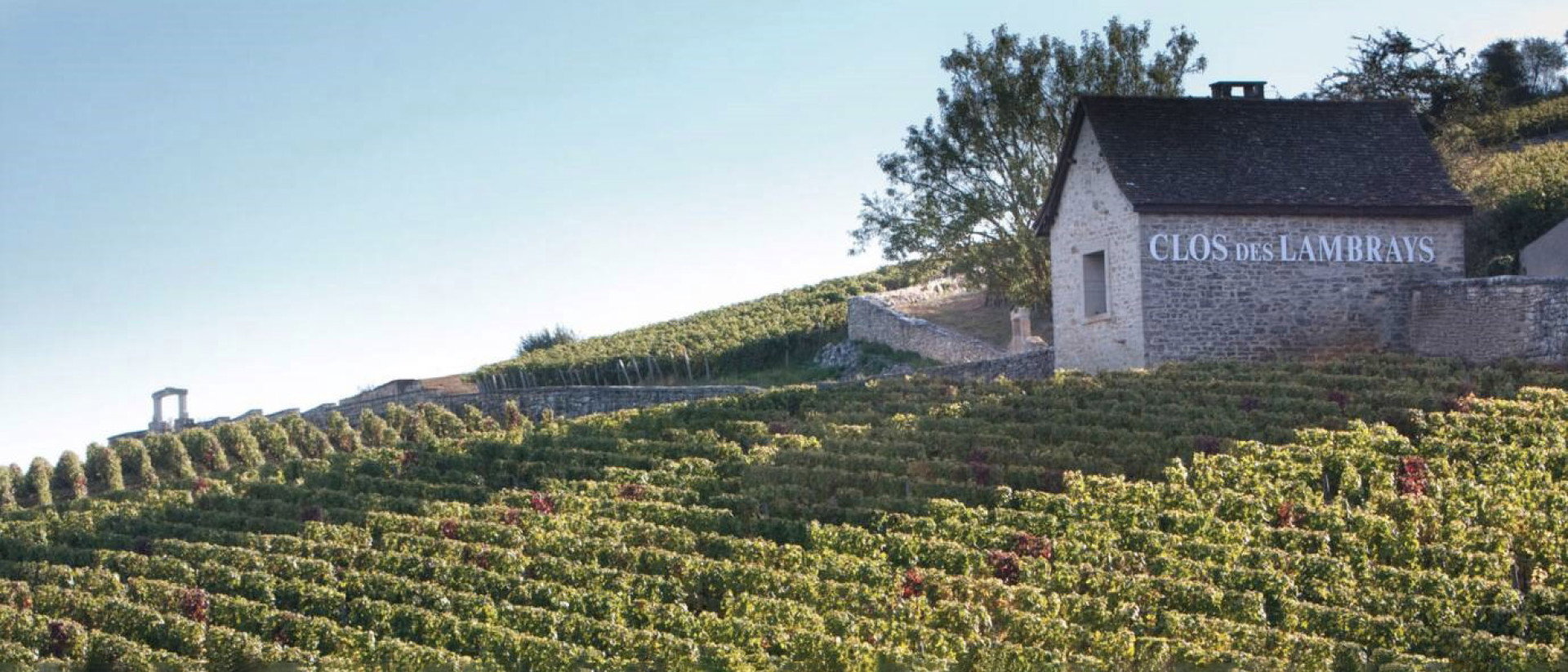
For a more landmark-driven Morey-Saint-Denis itinerary, compare it with Domaine des Lambrays and Domaine du Clos de Tart. Those two carry a stronger estate-name pull for visitors who want the address itself to be the headline. Taupenot-Merme is better for drinkers who care more about the producer decision than the photo-stop factor.
Domaine Robert Groffier Père & Fils is the other serious nearby comparison if the group is building a compact, high-credibility Burgundy day. If only one appointment is realistic, choose based on the trip's purpose: estate recognition at Lambrays or Clos de Tart, collector interest at Perrot-Minot or Ponsot, and a focused Morey-Saint-Denis producer call here.
Explore Morey-Saint-Denis
Around this place
Discover more on Pearl
Unlock the full Domaine Taupenot-Merme guide in Pearl, including awards, comparisons, FAQs, planning details, and nearby places.
Compare Domaine Taupenot-Merme
| Venue | Location | Awards |
|---|---|---|
| Domaine Taupenot-Merme | Morey-Saint-Denis | 2026 Falstaff Winery Guide2025 Pearl 4 Star Prestige |
| Domaine Perrot-Minot | Morey-Saint-Denis | 2026 Falstaff Winery Guide |
| Domaine des Lambrays | Morey-Saint-Denis | 2026 Falstaff Winery Guide2026 Michelin 1 Grape - Burgundy2025 Pearl 4 Star Prestige |
| Domaine du Clos de Tart | Morey-Saint-Denis | 2026 Michelin 1 Grape - Burgundy2026 Falstaff Winery Guide2025 Pearl 5 Star Prestige |
| Domaine Robert Groffier Père & Fils | Morey-Saint-Denis | 2025 Pearl 4 Star Prestige |
| Domaine Ponsot | Morey-Saint-Denis | 2026 Falstaff Winery Guide2026 Michelin 1 Grape - Burgundy2025 Pearl 4 Star Prestige |

How Domaine Taupenot-Merme compares with similar nearby venues.
FAQ
Frequently Asked Questions
Can Domaine Taupenot-Merme handle large groups?
If you are planning for more than a small party, contact Domaine Taupenot-Merme directly before making the domaine part of the day. For comparison, Domaine des Lambrays is another name to consider when planning a more structured itinerary.
Do I need a reservation at Domaine Taupenot-Merme?
The safest approach is to contact Domaine Taupenot-Merme directly before travelling to Morey-Saint-Denis, especially if the visit is tied to a celebration or a tight schedule. Pearl lists the domaine as 4 Star Prestige for 2025.
When is the best time to visit Domaine Taupenot-Merme?
Confirm timing directly with the domaine before planning the day. If you are comparing venues, Domaine Robert Groffier Père & Fils and Domaine Ponsot are useful names to research alongside Domaine Taupenot-Merme.
How should I clarify buying or access details at Domaine Taupenot-Merme?
Do not assume a specific structure, allocation model, or benefit without confirmation from Domaine Taupenot-Merme. Romain Taupenot is the named chef/owner, and direct contact with the domaine is the best way to clarify current questions. Domaine Perrot-Minot is another name to consider when comparing options.
What other names should I compare with Domaine Taupenot-Merme?
Domaine Perrot-Minot, Domaine des Lambrays, Domaine du Clos de Tart, Domaine Robert Groffier Père & Fils, and Domaine Ponsot are relevant comparison names for a focused itinerary. Domaine Taupenot-Merme fits into that context as a Morey-Saint-Denis venue with Pearl 4 Star Prestige recognition for 2025.
How long should I plan for a visit to Domaine Taupenot-Merme?
Confirm any appointment format, timing, and expectations directly with Domaine Taupenot-Merme before building the rest of the day around it. The location to use for planning purposes is Morey-Saint-Denis.
What is the flagship wine at Domaine Taupenot-Merme?
If you want current details, ask Domaine Taupenot-Merme directly for guidance. Romain Taupenot is the named chef/owner, and the domaine's official channels are the right source for current information.