
Domaine Santa Duc
Gigondas
Winery in Gigondas, France
 Book with Pearl
The Read
Garrigue-Rooted Grenache
Price
$30–50tasting
Why go
Domaine Santa Duc is worth prioritising for serious Gigondas drinkers and Rhône-focused collectors, especially if access is available during a tight itinerary. It is less suitable for casual travellers who need published visitor details, flexible timing, or a broad hospitality setup; keep nearby Gigondas and Rhône alternatives ready.
About Domaine Santa Duc
Domaine Santa Duc is a venue in Gigondas with Benjamin Gras as chef/owner. The dress code is casual, and Pearl recognises the venue with 4 Star Prestige for 2025. Specific claims about programming, pricing, hours, products, delivery, or visit formats should be confirmed directly before planning around them.
The useful decision point is certainty. If you are considering Domaine Santa Duc as part of a Gigondas itinerary, use the information as a starting point rather than a complete planning brief. It is best approached by visitors who are comfortable checking practical details in advance instead of relying on assumptions about service format or availability.
Choose it for a Gigondas stop, and confirm any extras
Domaine Santa Duc is in Gigondas, Benjamin Gras is the named chef/owner, the dress code is casual, and Pearl recognises it with 4 Star Prestige in 2025. These details support interest, but a specific programme, menu format, visitor-centre experience, or buying arrangement should be confirmed.
For a second visit to the area, this is where the itinerary should narrow. First-timers may want to start with broader Gigondas planning and compare other named options before committing. Repeat visitors and travellers with a specific interest in Domaine Santa Duc have the clearer reason to put it higher on the list.
The booking calculus is the real filter
Availability and current arrangements should be checked directly. Do not assume published hours, a visitor programme, group capacity, lunch service, delivery, or last-minute flexibility unless confirmed by Domaine Santa Duc. If your plans require firm logistics, build in backup options rather than making assumptions.
Cross-shopping matters here. Domaine du Cayron, Domaine de la Janasse, Domaine de Marcoux, Domaine de Montvac, and Domaine Grand Veneur are natural comparison names for readers weighing Domaine Santa Duc against other options. The right pick comes down to access and the kind of visit you are actually able to arrange.
For the rest of the trip, use Our full Gigondas restaurants guide to keep plans focused on Gigondas, and pair any venue plans with practical details confirmed directly.
Quick reference: consider Domaine Santa Duc if you want a Pearl 4 Star Prestige venue in Gigondas with Benjamin Gras as chef/owner; confirm all practical details before you go.
Planning details
- Location
- 157 Chem. des Hautes Garrigues, 84190 Gigondas
- Website
- santaduc.fr
- Phone
- +33 4 90 65 84 49
The take
The Take
The Vibe
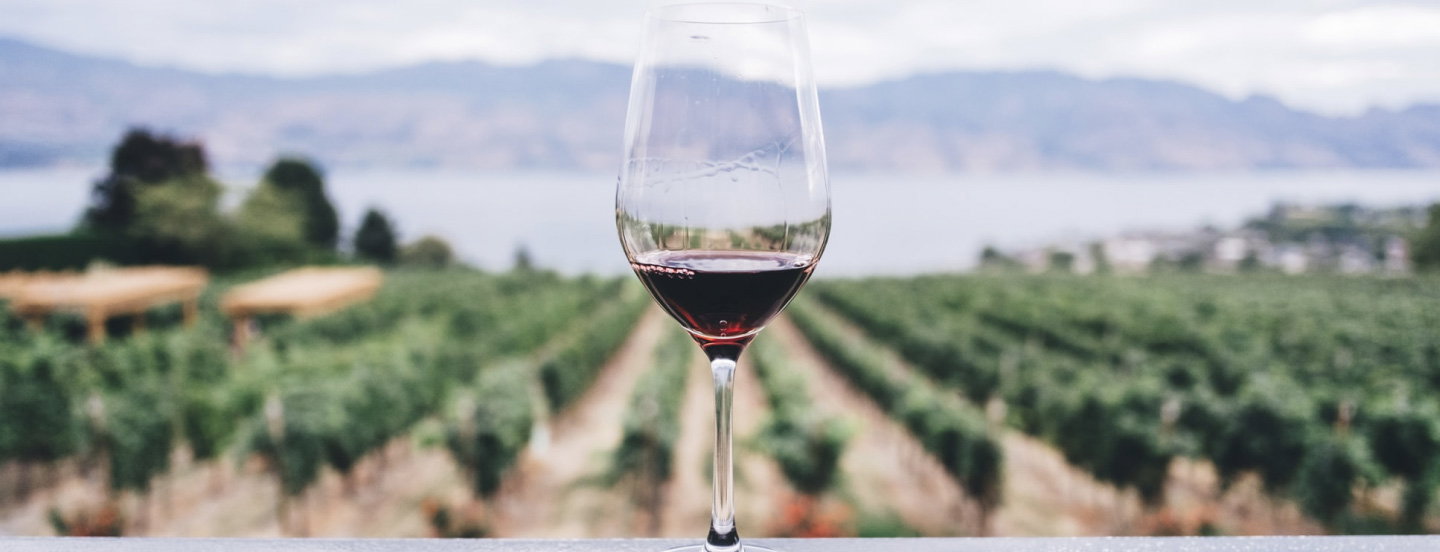
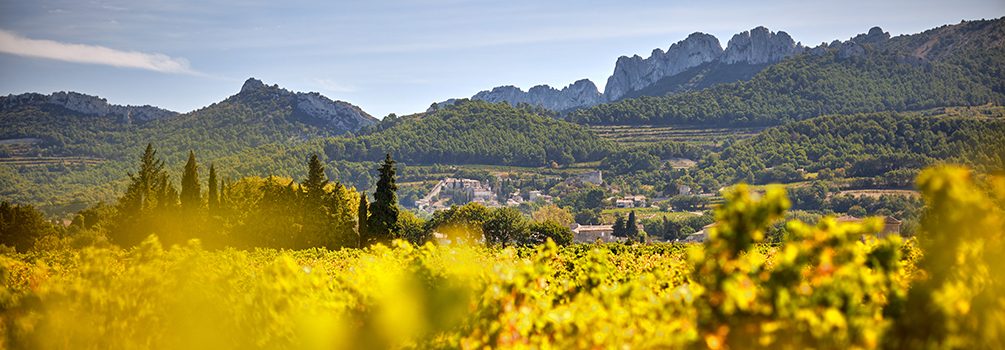
Domaine Santa Duc presents a quietly compelling presence in Gigondas, set high where garrigue-scented air and limestone outcrops shape both the approach and the wines. The tone is remote and intimate rather than flashy: lavender and thyme thread the slopes, vines are older and low-trained, and the site rewards patience. The estate reads as thoughtful and sophisticated—an understated producer that privileges terroir clarity over maximal extraction. Visitors encounter a serene, charming hillside sense of place that foregrounds terroir and thoughtful winemaking rather than spectacle.
Best For
This domaine is best for visitors who care about terroir-driven wines and learning how southern Rhône sites differ. The text emphasizes historical continuity (first recorded vintage 1985) and a winemaker who prioritizes site structure, making Santa Duc a natural stop for wine-education minded travelers and small groups seeking a more measured tasting. Its remote, scenic setting also lends itself to romantic escapes for couples who prefer quiet, landscape-focused winery visits rather than busy tourist hubs.
Tasting Tips
When tasting at Santa Duc, focus on the Grenache-driven expressions and the wines that showcase site structure rather than heavy extraction. The description highlights Benjamin Gras's restraint—he favors letting the natural structure of Gigondas speak—so look for balance, saline-resinous notes from the garrigue, and the interplay of older-vine concentration with freshness. If available, ask about older vintages or bottlings that illustrate the domaine's multi-decade continuity to better understand how vineyard identity emerges across years.
Venue details
Ambiance
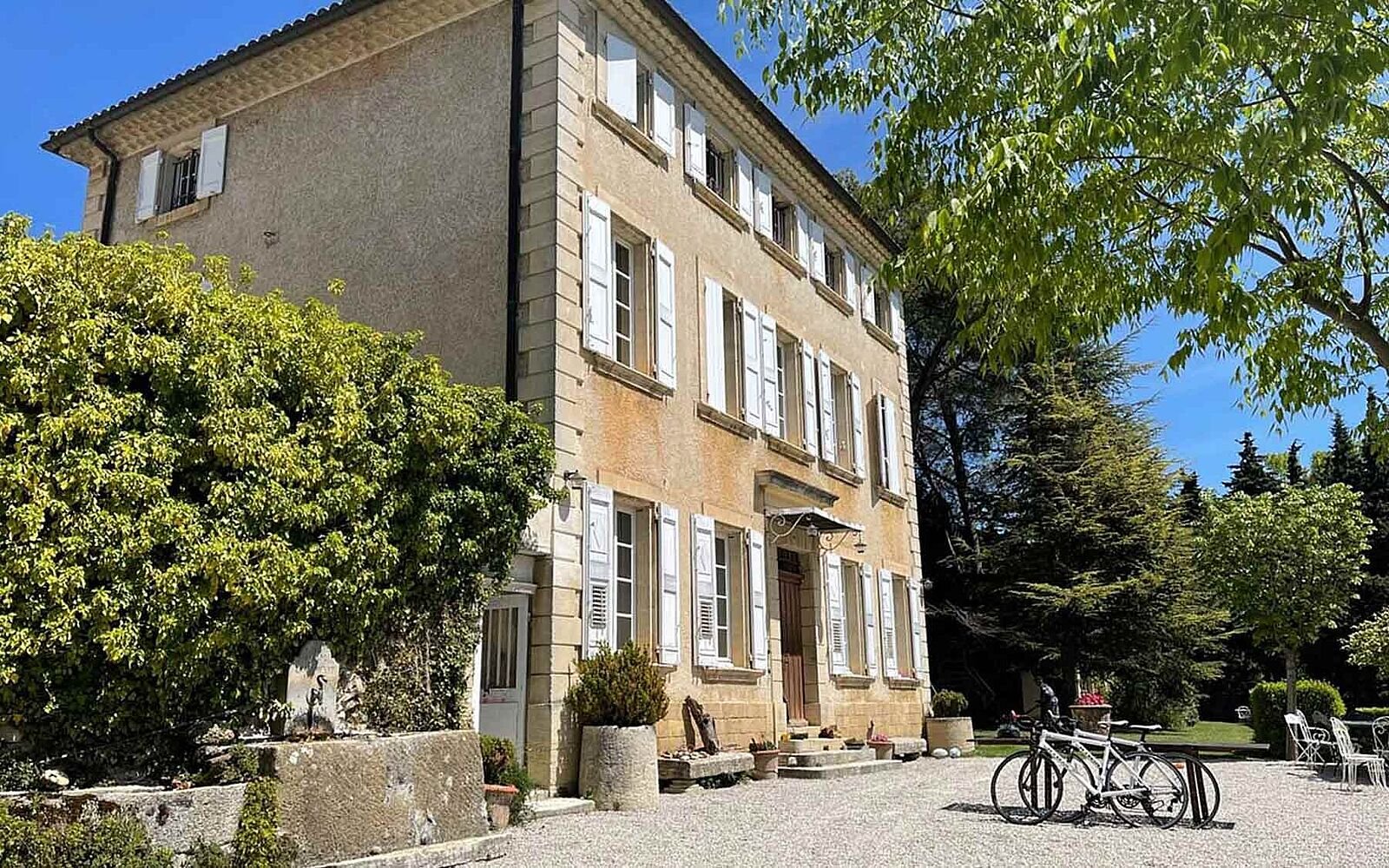
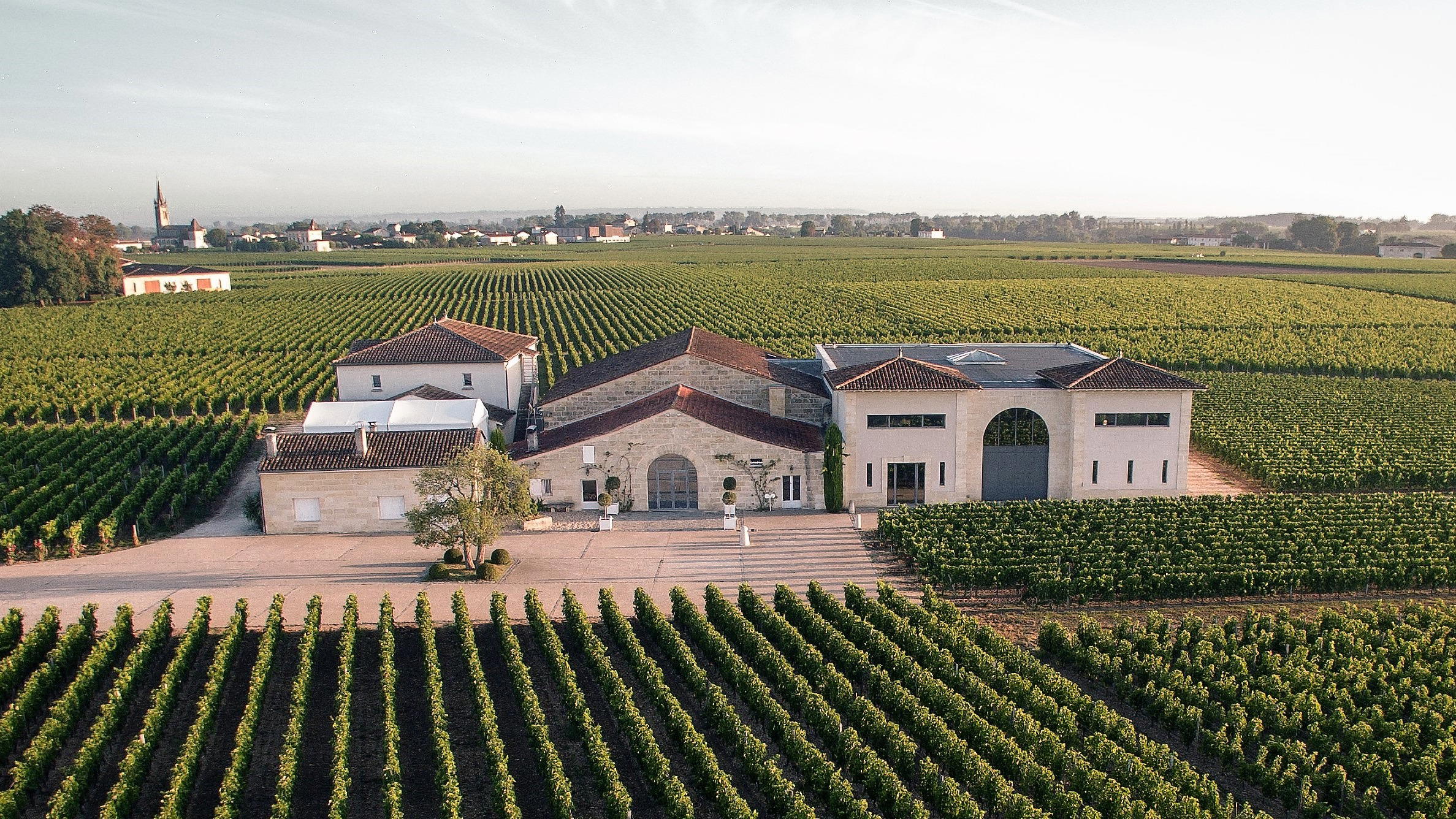
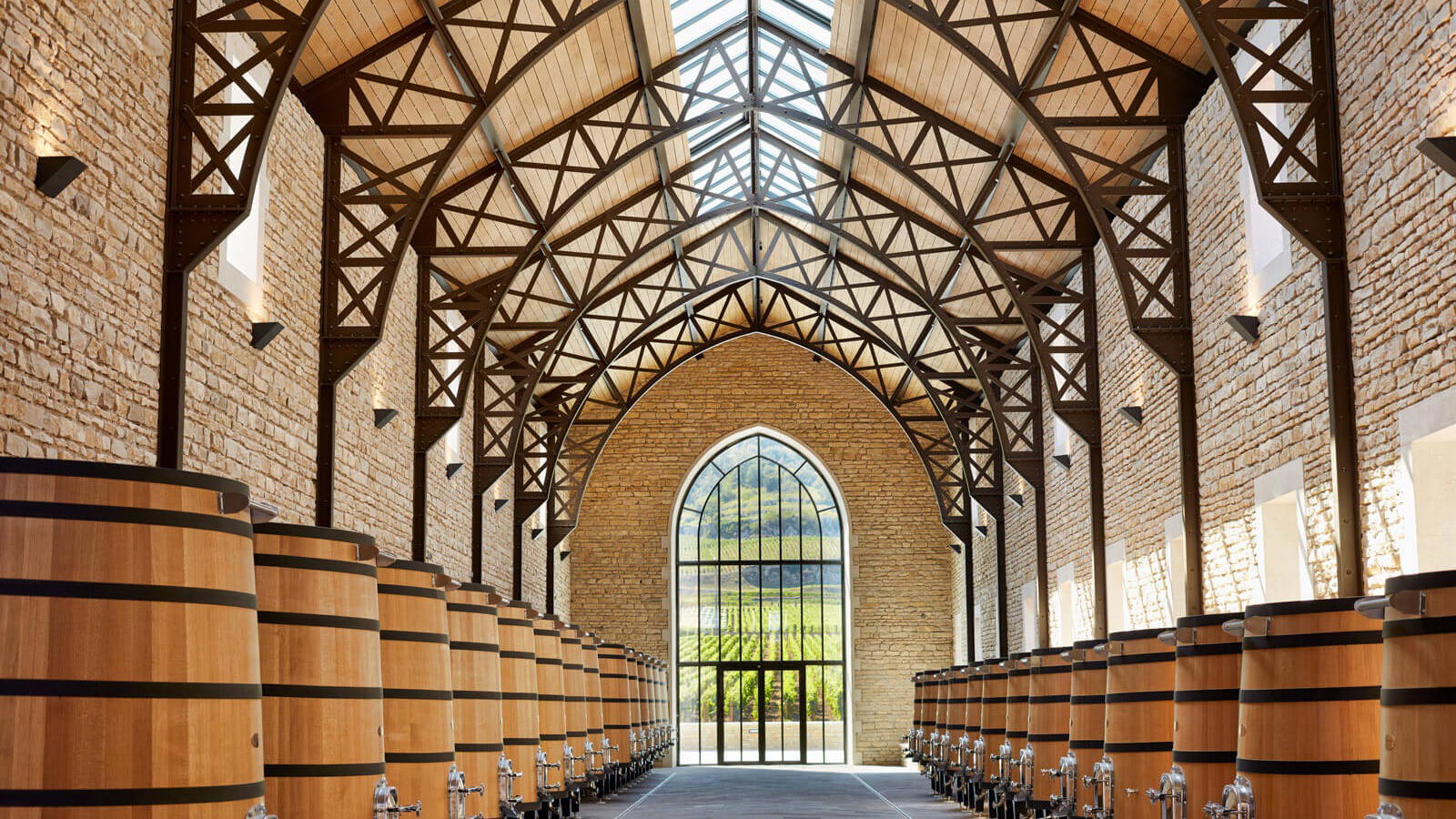
Rustic estate atmosphere with traditional winemaking heritage, set on the higher plain of Gigondas overlooking Les Dentelles mountains, featuring natural light through stone buildings dating to 1974.
Tags
Vibe
Best For
Experience
Sourcing
View
At the Vineyard
- Appellation
- Gigondas AOC
- Varietals
- Grenache, Mourvèdre, Syrah, Cinsault, Clairette
- Tour Duration
- 90-120 minutes
- Tour Languages
- French, English
- Visits
- By appointment only
- Farming
- Biodynamic
- Wine Styles
- Still Red, Still White
- Shipping
- Available
- Wine Club
- Not available
Know before you go
Know Before You Go
- Getting there
- 157 Chem. des Hautes Garrigues, 84190 Gigondas
Planning details
Location
Recognition and awards
Also consider
If this is not available
Try Domaine du Cayron first if staying in Gigondas matters. For a wider Rhône day, look at Domaine de la Janasse or Domaine Grand Veneur instead.
Winery context
How it compares in Gigondas and nearby Rhône country
Domaine Santa Duc is the stronger choice for readers who want a focused Gigondas producer with cellar-building relevance. Domaine du Cayron is the cleanest local cross-shop because it keeps the day centred in Gigondas, making it the better fallback if timing or access at Santa Duc does not work.
Domaine de Montvac and Domaine de Marcoux make more sense for travellers widening the route beyond one village. Choose them when the priority is building a broader Southern Rhône comparison rather than concentrating on Gigondas alone.
Domaine de la Janasse and Domaine Grand Veneur are better backups for readers who want a bigger Rhône itinerary with less dependence on one hard-to-secure stop. If Santa Duc is available, prioritise it for depth; if not, use these peers to protect the day from becoming access-dependent.
Explore Gigondas
Around this place
Discover more on Pearl
Unlock the full Domaine Santa Duc guide in Pearl, including awards, comparisons, FAQs, planning details, and nearby places.
Compare Domaine Santa Duc
| Venue | Location | Awards |
|---|---|---|
| Domaine Santa Duc | Gigondas | 2025 Pearl 4 Star Prestige |
| Domaine du Cayron | Gigondas | 2025 Pearl 3 Star Prestige |
| Domaine de Montvac | Vacqueyras | 2025 Pearl 3 Star Prestige |
| Domaine de la Janasse | Courthézon | 2025 Pearl 4 Star Prestige |
| Domaine de Marcoux | Orange | 2025 Pearl 3 Star Prestige |
| Domaine Grand Veneur | Orange | No published awards |
How Domaine Santa Duc Gigondas compares with similar nearby venues.
FAQ
Frequently Asked Questions
Does Domaine Santa Duc offer shipping or delivery?
Shipping and delivery details are not provided. Ask Domaine Santa Duc directly about any delivery, collection, or related arrangements before placing an order.
What is Domaine Santa Duc known for?
Domaine Santa Duc is in Gigondas, Benjamin Gras is the named chef/owner, the dress code is casual, and the venue holds Pearl 4 Star Prestige recognition for 2025. Specific claims about a flagship product, menu, tasting format, or visitor programme should be confirmed directly.
When is the best time to visit Domaine Santa Duc?
Hours or visitor schedule are not provided. The safest approach is to contact Domaine Santa Duc directly and plan around an arrangement confirmed directly rather than assuming drop-in availability.
Is there a membership programme at Domaine Santa Duc?
Details about a membership programme are not provided. If membership, allocation, or recurring purchase options matter to you, confirm the details directly with Domaine Santa Duc before making a decision.
What other venues should I compare with Domaine Santa Duc?
Domaine du Cayron, Domaine de Montvac, Domaine de la Janasse, Domaine de Marcoux, and Domaine Grand Veneur are useful comparison names. Choose based on access, current arrangements, and the kind of visit you want to plan.