
Domaine du Cayron
Gigondas
Winery in Gigondas, France
 Book with Pearl
The Read
Dentelles Terroir Precision
Why go
Book Domaine du Cayron if the goal is a serious Gigondas tasting anchored in producer identity rather than a broad hospitality experience. It is better for focused wine travelers than for large, casual groups or anyone expecting food service, extended amenities, or a flexible drop-in format.
About Domaine du Cayron
For Domaine du Cayron in Gigondas, this is a 3 Star Prestige venue for 2025, listed with Delphine, Roselyne, and Cendrine Faraud, with a casual dress code. Beyond those points, specific claims about visit format, hospitality style, food service, pricing, hours, seating, or reservations should be checked directly with the venue before planning.
The safest way to approach Domaine du Cayron is as a focused Gigondas stop whose appeal rests on its recognition and named owners rather than on details about a particular tasting, tour, dining, or group format. Travelers comparing options can also look at other named references such as Domaine Santa Duc, Domaine Grand Veneur, Domaine de Marcoux, Domaine de Montvac, and Domaine de la Janasse.
Book this for confirmed Gigondas relevance, not assumed extras
The clearest reasons to keep Domaine du Cayron on a shortlist are its Gigondas location, its 3 Star Prestige recognition for 2025, and its listing with Delphine, Roselyne, and Cendrine Faraud. The dress code is casual, but there are no details here establishing a specific service model, visitor capacity, meal offering, or appointment policy.
If the day also needs dining plans, use the Gigondas restaurants guide separately rather than assuming food service at Domaine du Cayron. For anything operational, including timing, reservations, group suitability, or what is available on the day, confirm through the venue's official channels.
How to place it in a Gigondas itinerary
Among Gigondas references, Domaine du Cayron can be considered alongside Domaine Santa Duc, Domaine de Marcoux, Domaine de Montvac, Domaine de la Janasse, and Domaine Grand Veneur. Keep the comparison at the level of itinerary planning unless you have current, direct information about each venue's visit format and availability.
The practical recommendation is simple: include Domaine du Cayron if its Gigondas identity, 3 Star Prestige recognition, and named ownership fit the purpose of the trip. Do not build the plan around assumptions about tours, tastings, meals, opening hours, pricing, or group handling.
For a smoother itinerary, treat Domaine du Cayron as one confirmed point in Gigondas and leave room to verify the rest directly. That approach keeps the plan accurate while still recognizing the venue's standing in the guide.
Planning details
- Location
- Mnt des Hospices, 84190 Gigondas
- Website
- domaineducayron.com
- Phone
- +33 4 90 65 87 46
The take
The Take
The Vibe
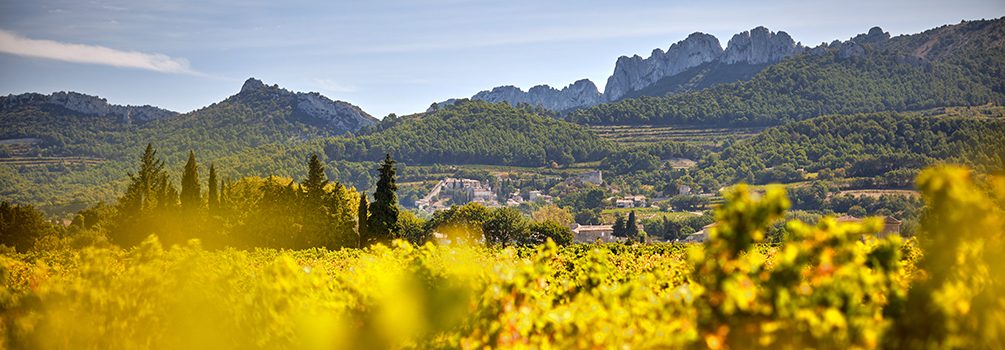
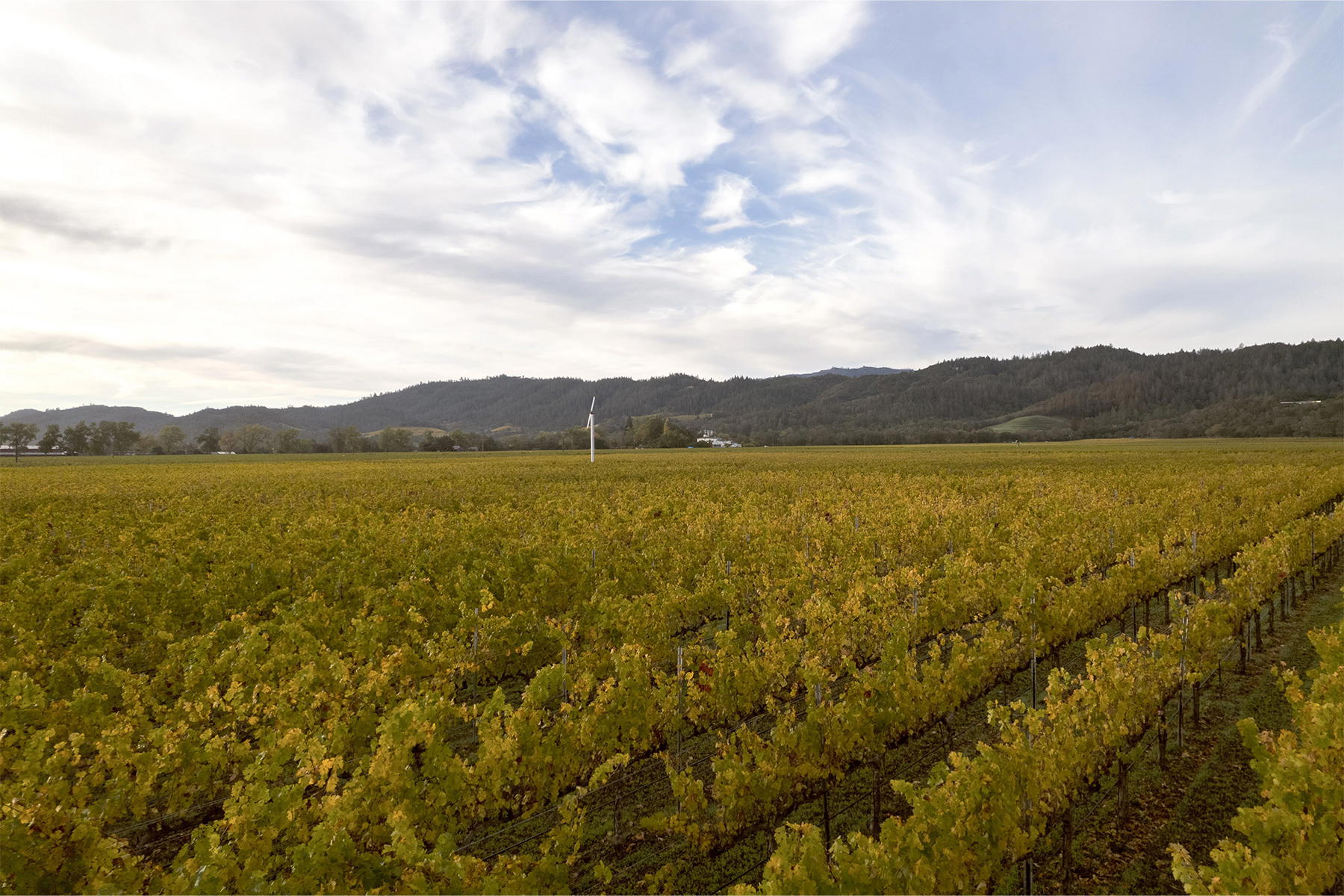
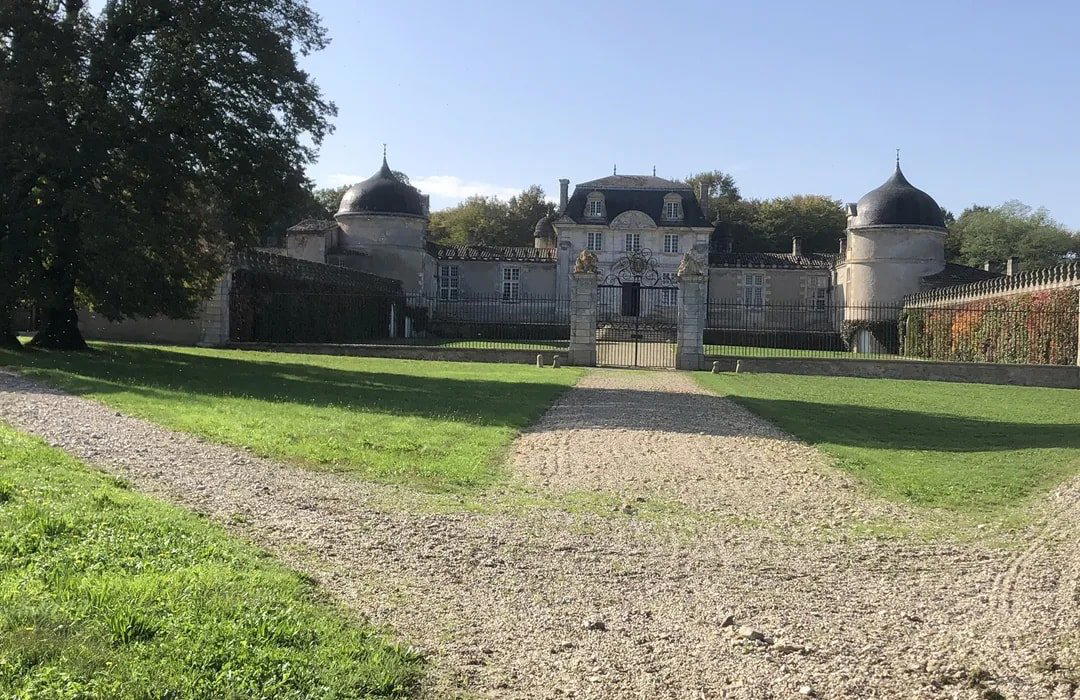
Domaine du Cayron reads as a quietly sophisticated southern Rhône estate rooted in place and family stewardship. The approach through dry-stone walls and garrigue toward the Dentelles de Montmirail sets a restrained, scenic tone: this is landscape-forward hospitality rather than show. Multi-generational continuity at the domaine, and recent recognition by the EP Club, signal a focus on precision and site expression. Visitors encounter vineyards laid across varied slopes and soils, and a winemaking outlook that privileges terroir clarity over flash. The overall impression is refined, considered and intimately tied to the geology and microclimates of Gigondas.
Best For
Domaine du Cayron is best for visitors who want to study terroir and taste thoughtful Grenache-driven wines in context. The profile emphasizes altitude, soil variation and generational knowledge of parcels, making it a strong stop for wine-education-minded travelers and contemplative solo explorers who appreciate quiet, place-based tasting. Because the estate is positioned among Gigondas’s more serious producers, it suits those looking to compare site differences across slopes and vintages rather than casual tasting-room experiences. The setting and family continuity reward visitors who pay attention to vineyard stories and structured, terroir-led bottles.
Tasting Tips
When visiting or tasting Domaine du Cayron, focus on Grenache expressions and wines that speak to parcel and altitude differences: the narrative highlights how Grenache retains more natural acidity at higher elevations on limestone-heavy soils. Ask about specific parcels and elevations — the description makes clear that vineyards span 200–600 metres with varied soil types — and request wines from contrasting plots if available. Given the domaine’s reputation and recent Pearl 3 Star Prestige recognition, inquire about recent vintages and any single-parcel bottlings to appreciate how site and vintage interplay in Gigondas.
Venue details
Ambiance
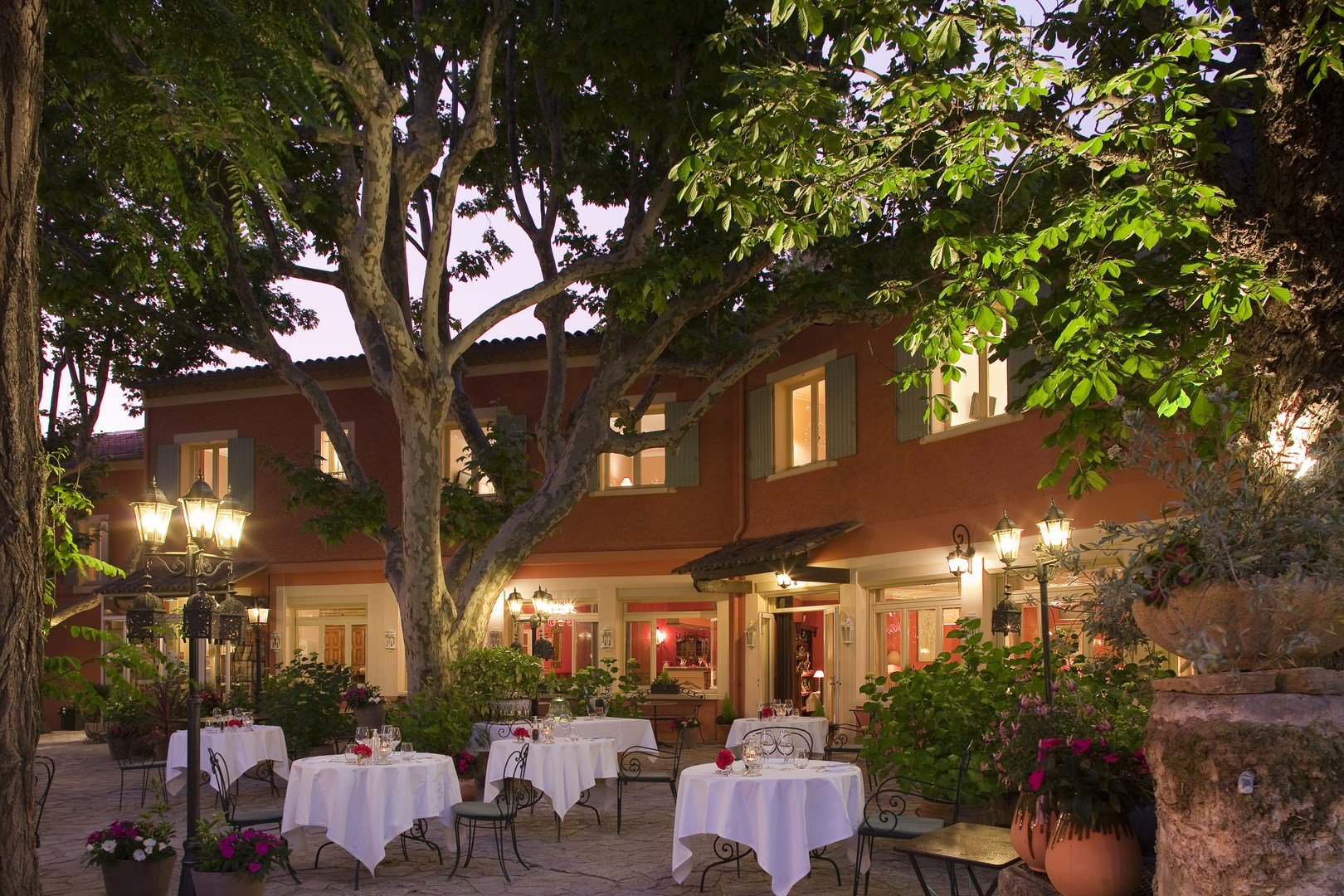
Traditional rustic atmosphere in a tiny garage-sized winery with concrete vats and old oak foudres, evoking timeless Gigondas terroir.
Tags
Vibe
Best For
Experience
Sourcing
View
At the Vineyard
- Appellation
- Gigondas
- Varietals
- Grenache, Syrah, Cinsault, Mourvedre
- Tour Duration
- 60-90 minutes
- Visits
- By appointment only
- Farming
- Sustainable
- Wine Styles
- Still Red
- Wine Club
- Not available
Know before you go
Know Before You Go
- Getting there
- Mnt des Hospices, 84190 Gigondas
Planning details
Location
Recognition and awards
Also consider
Where to look if this is hard to arrange
Try Domaine Santa Duc first if staying in Gigondas is the priority. If the schedule can stretch outside the village, Domaine de la Janasse is the stronger cross-shop for a broader southern Rhône day.
Winery context
How Domaine du Cayron compares in Gigondas
Domaine du Cayron is the sharper pick for travelers who want an old-school, producer-focused Gigondas visit. Domaine Santa Duc is the closest in-village cross-shop and makes more sense if the itinerary needs a second serious local name with a different estate angle.
Domaine de Montvac and Domaine de la Janasse are better backups if access here is tight or the day is being built around multiple southern Rhône stops rather than Gigondas alone. Choose Cayron when the village itself is the focus; choose the others when route flexibility matters more.
Domaine de Marcoux and Domaine Grand Veneur are stronger cross-shops for readers comparing broader Rhône estate experiences. Cayron is the more targeted call for a quieter, more concentrated Gigondas appointment; the tradeoff is less margin for casual planning.
Explore Gigondas
Around this place
Discover more on Pearl
Unlock the full Domaine du Cayron guide in Pearl, including awards, comparisons, FAQs, planning details, and nearby places.
Compare Domaine du Cayron
| Venue | Location | Awards |
|---|---|---|
| Domaine du Cayron | Gigondas | 2025 Pearl 3 Star Prestige |
| Domaine Santa Duc | Gigondas | 2025 Pearl 4 Star Prestige |
| Domaine de Montvac | Vacqueyras | 2025 Pearl 3 Star Prestige |
| Domaine de la Janasse | Courthézon | 2025 Pearl 4 Star Prestige |
| Domaine de Marcoux | Orange | 2025 Pearl 3 Star Prestige |
| Domaine Grand Veneur | Orange | No published awards |
How Domaine du Cayron Gigondas compares with similar nearby venues.
FAQ
Frequently Asked Questions
How long should I plan for a visit to Domaine du Cayron?
Plan directly with the venue before scheduling your visit, as no specific visit length or format is listed here.
Can Domaine du Cayron handle large groups?
The group capacity and group arrangements are not listed here. Large parties should contact Domaine du Cayron directly before making plans.
Do I need a reservation at Domaine du Cayron?
A reservation policy is not listed here. Because Domaine du Cayron is a 3 Star Prestige venue in Gigondas, it is sensible to check directly before visiting.