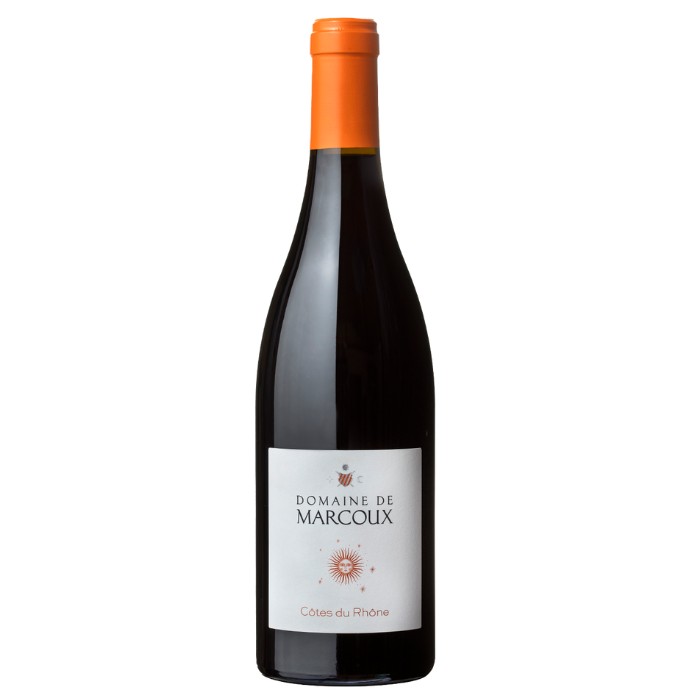

Domaine de Marcoux
Châteauneuf-du-Pape, Orange
Winery in Orange, France
 Book with Pearl
The Read
Biodynamic Châteauneuf Conviction
Why go
Domaine de Marcoux is best for serious Rhône drinkers who want a focused producer visit near Orange, not a casual tasting-room stop. Prioritise it if a private or longer-format tasting is available; otherwise cross-shop Domaine Grand Veneur for easier itinerary fit or Domaine de la Vieille Julienne for another serious cellar angle.
About Domaine de Marcoux
Domaine de Marcoux is a Pearl 3 Star Prestige venue in Orange, with Sophie Armenier listed as chef/owner. The safest way to evaluate it is as a focused stop, with practical details such as format, availability, and specific offerings checked before planning around the venue.
A better fit for focused travelers than casual drop-ins
The right guest here is someone who wants to make Domaine de Marcoux a deliberate part of an Orange itinerary. Key details include its Orange location, Sophie Armenier's role, a smart casual dress code, and Pearl 3 Star Prestige recognition for 2025. Specifics such as visit format, timing, menus, or group suitability should be checked directly before planning around the venue.
Plan conservatively. Do not assume same-day availability or a particular service style. Anyone hoping for a specific experience should clarify the format before committing time in the day. For broader itinerary planning around the city, build meals and lodging around confirmed plans with Our full Orange restaurants guide and Our full Orange hotels guide.
Where it sits among serious comparison names
For travelers comparing Domaine de Marcoux with other notable names, Chateau Rayas, Domaine Charvin, Domaine Grand Veneur, Domaine de la Vieille Julienne, and Domaine du Pegau are useful reference points. The comparison should stay practical: choose based on access, the type of visit available, and how each stop fits the day rather than on assumptions about service or format.
The main tradeoff is planning uncertainty. If the trip has little schedule flexibility, choose the venue that confirms details fastest rather than forcing any one stop into a tight day. If Domaine de Marcoux is the anchor, confirm the essentials in advance and dress smart casual. For companions or a broader Orange plan, pair the stop with lighter city planning through Our full Orange bars guide or other Orange experiences.
Planning details
- Location
- chemin de la 84100, 198 Chem. Gironde, 84100 Orange
- Website
- domainedemarcoux.fr
- Phone
- +33 4 90 34 67 43
The take
The Take
The Vibe
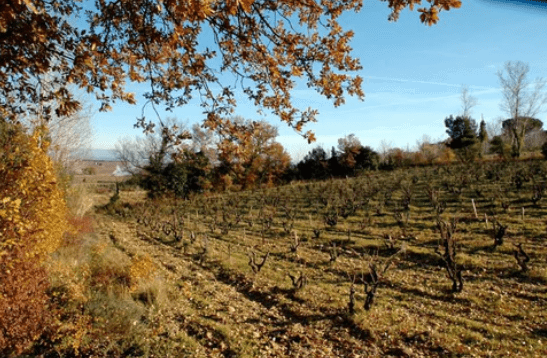
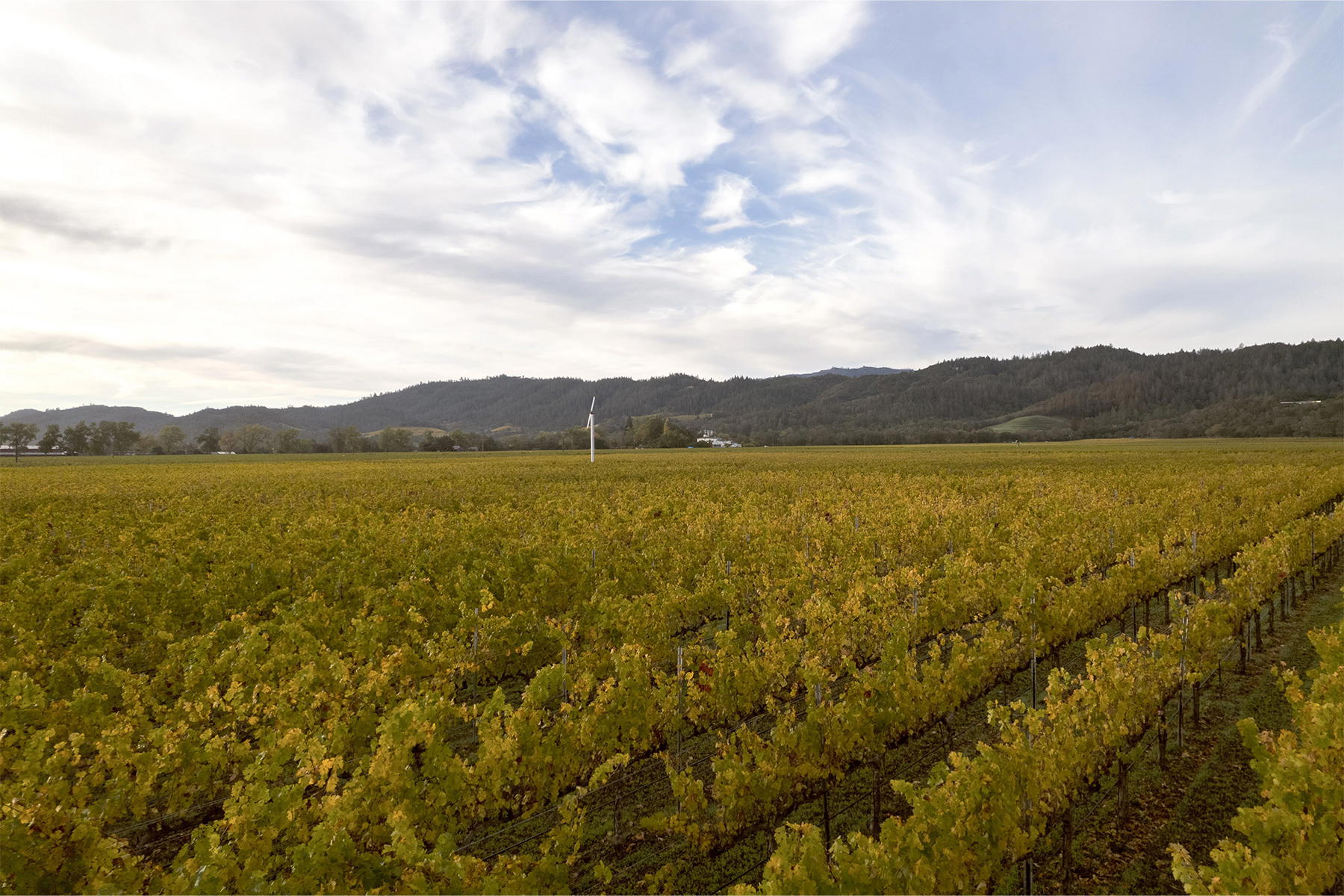
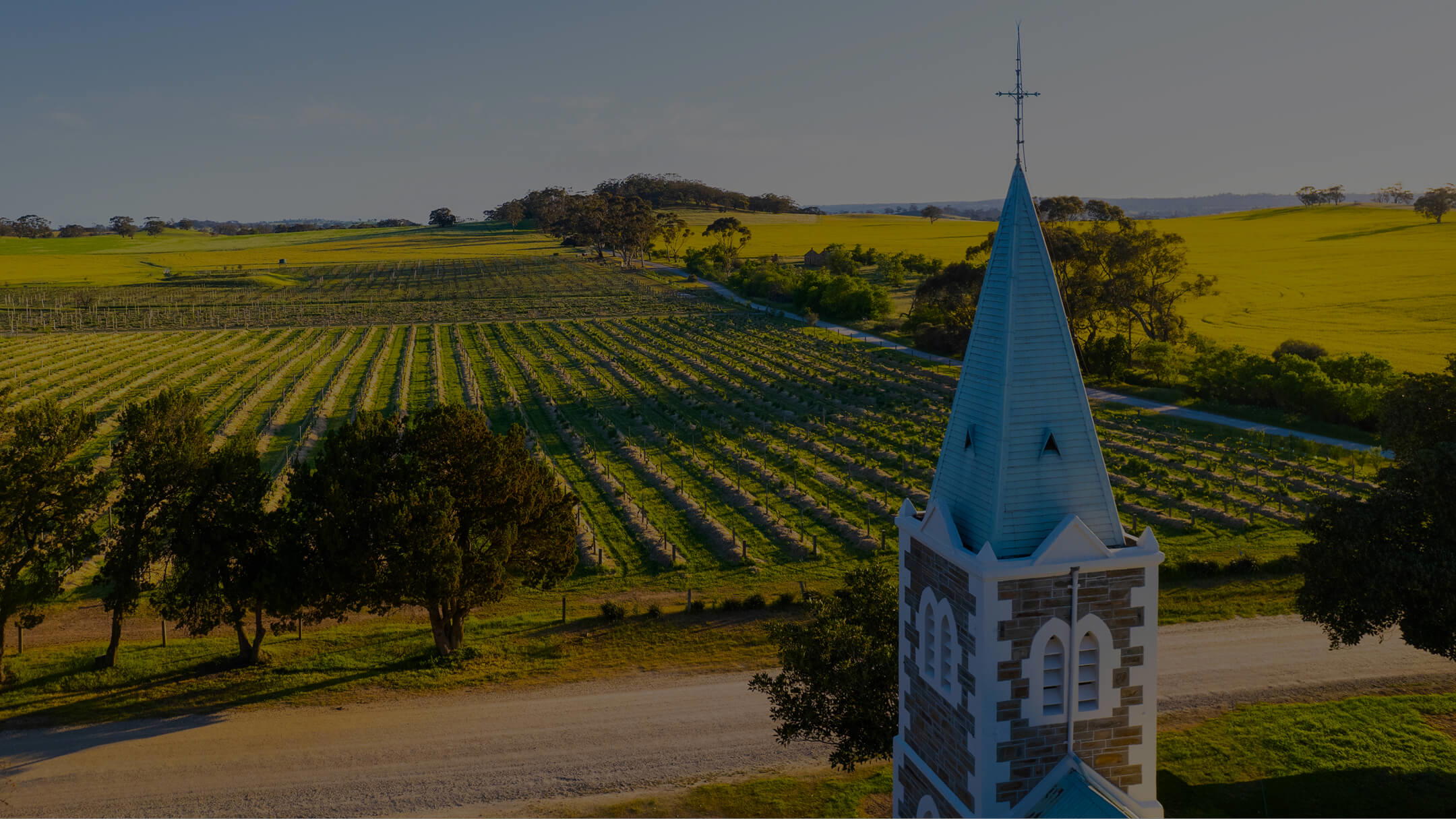
Domaine de Marcoux reads like an unapologetically agricultural estate where place matters more than presentation. The approach to the land is plainspoken — vineyards unfurl beside the road, galets roulés catch the afternoon sun and the mistral scours the hills — and the domaine’s history, with a first vintage in 1978, anchors its sense of continuity. Sophie Armenier’s stewardship is described in terms of terroir and patience rather than stylistic showmanship, so the overall feeling is measured, terroir-first and quietly authoritative rather than theatrical. Visitors encounter wine rooted in site and tradition rather than trend.
Best For
Marcoux is best for visitors who come for the wines and the sense of place: people interested in terroir-driven Châteauneuf-du-Pape, students of Southern Rhône blending and aging, and travelers seeking a thoughtful, contemplative stop away from the main tourist circuit. The estate’s emphasis on expression and structural precision rewards focused tasting and conversation about vineyard sites, varieties and cellar choices. It also suits special-occasion visits that prize substance over spectacle, and solo or small-group wine exploration where the story of site and winemaking is central.
Tasting Tips
When approaching the wines, look for Grenache-led blends and site-specific cuvées that reflect the appellation’s variety allowances; the description emphasizes grenache dominance and the importance of terroir. Expect wines that favor structural precision and aging potential over heavy extraction or overt oak — ask about recent vintages and how canopy and harvest timing shaped the bottlings. Inquire about bottlings that exemplify the different soils (galets roulés, clay-limestone and sandy plots) and consider older releases for a fuller sense of the domaine’s evolution.
Venue details
Ambiance
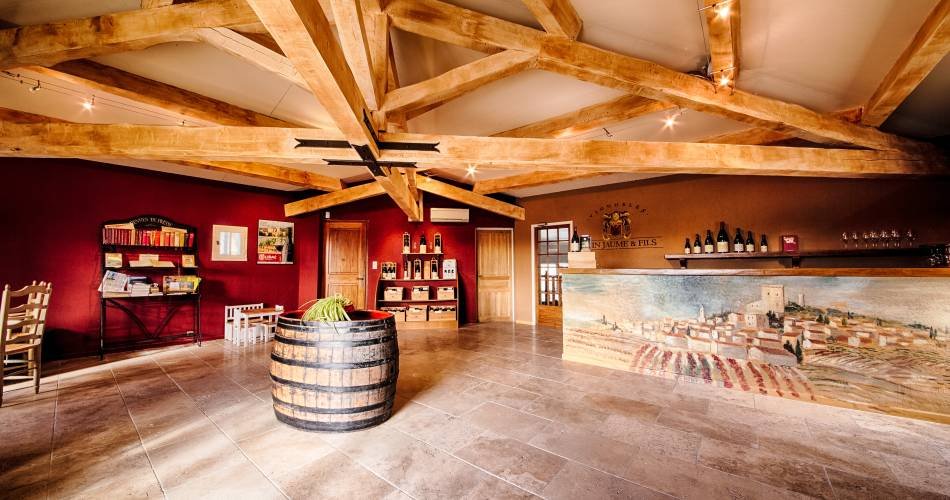
Elegant and refined atmosphere with subtle power from terroir-driven wines, aged in modest concrete cellar.
Tags
Vibe
Best For
Experience
Sourcing
View
At the Vineyard
- Appellation
- Châteauneuf-du-Pape AOC
- Varietals
- Grenache, Mourvèdre, Syrah, Cinsault, Roussanne
- Visits
- By appointment only
- Farming
- Biodynamic
- Production
- Small producer
- Wine Styles
- Still Red, Still White
- Wine Club
- Not available
Know before you go
Know Before You Go
- Getting there
- chemin de la 84100, 198 Chem. Gironde, 84100 Orange
Planning details
Location
chemin de la 84100, 198 Chem. Gironde, 84100 Orange · Directions
Recognition and awards
Also consider
Where to look if this does not line up
If timing is tight, try Domaine Grand Veneur first for a more manageable Orange-area plan. If the goal is another serious Châteauneuf-du-Pape producer rather than convenience, cross-shop Domaine de la Vieille Julienne.
Winery context
How Domaine de Marcoux compares in Orange
Choose Domaine de Marcoux if the priority is a focused, producer-led Rhône visit and the schedule can absorb booking friction. Domaine Grand Veneur is the easier practical cross-shop for many Orange itineraries, especially when the group wants a smoother day with less uncertainty. Domaine de la Vieille Julienne is the closer match for serious drinkers who want another cellar with a high-conviction Châteauneuf-du-Pape lens.
Domaine Charvin and Domaine du Pegau are better cross-shops when the itinerary can extend beyond Orange and the goal is to compare benchmark southern Rhône styles. Chateau Rayas sits in a different access tier: treat it as a dream-booking comparison, not a dependable fallback. For value for money, Domaine Grand Veneur is likely the safer planning choice; for depth and a more specialised visit, Domaine de Marcoux is the more compelling target.
Explore Orange
Around this place
Discover more on Pearl
Unlock the full Domaine de Marcoux guide in Pearl, including awards, comparisons, FAQs, planning details, and nearby places.
Compare Domaine de Marcoux
| Venue | Location | Awards |
|---|---|---|
| Domaine de Marcoux | Orange | 2025 Pearl 3 Star Prestige |
| Domaine Grand Veneur | Orange | No published awards |
| Domaine de la Vieille Julienne | Orange | 2025 Pearl 3 Star Prestige |
| Domaine Charvin | Châteauneuf-du-Pape | 2025 Pearl 4 Star Prestige |
| Chateau Rayas | Châteauneuf-du-Pape | 2025 Pearl 5 Star Prestige |
| Domaine du Pegau | Châteauneuf-du-Pape | 2025 Pearl 4 Star Prestige |
How Domaine de Marcoux Orange compares with similar nearby venues.
FAQ
Frequently Asked Questions
Who is listed as chef/owner at Domaine de Marcoux?
Sophie Armenier is listed as chef/owner of Domaine de Marcoux.
Do I need a reservation at Domaine de Marcoux?
What is Domaine de Marcoux best known for?
Domaine de Marcoux is a Pearl 3 Star Prestige venue in Orange, with Sophie Armenier as chef/owner and a smart casual dress code.