.png?width=1200&quality=80)
Bistrot de l'Oustalet
Gigondas
Restaurant in Gigondas, France
 Book with Pearl
The Read
Price
$100–150per person
Dress
Smart Casual
Why go
A practical Gigondas pick for diners who want Michelin-recognized bistro cooking without automatically choosing the pricier L'Oustalet route. Bistrot de l'Oustalet works well for a considered wine-country meal in town, especially for couples or small groups who want polish without a long tasting-menu commitment.
About Bistrot de l'Oustalet
In Gigondas, Bistrot de l'Oustalet is a Michelin-recognized restaurant. The venue has a smart casual dress code and is listed with a 2026 MICHELIN Plate. If you are comparing options, L'Oustalet is another named restaurant to review.
A Gigondas bistro choice for diners who want restraint, not ceremony
The appeal is decision clarity. Bistrot de l'Oustalet has a 2026 MICHELIN Plate, which gives it a useful recognition signal for diners narrowing their plans. Beyond that, details like cuisine, chef, price point, menu structure, seat count, or exact service format are not available for a specific published format.
Because tasting-menu structure or pricing is not available, avoid building the evening around assumptions. If your decision depends on a particular menu progression, budget, or service style, confirm those details directly before booking. For another option to compare, L'Oustalet is the clearest named reference point.
Who should choose it over comparison options
Book Bistrot de l'Oustalet when the plan is a smart casual meal in Gigondas and Michelin recognition matters to the group. It is a sensible short-list entry for diners who want a restaurant name with a clear accolade, while still checking practical details directly before committing.
If you are comparing more restaurants, look at Bistrot de l'Oustalet alongside Les Florets, Coteaux et Fourchettes, Le Four à Chaux, Les Maisons Du'O - Le Bistro Panoramique, and other dining options. You can also use the Gigondas restaurants guide to keep the search broad.
The practical verdict: Bistrot de l'Oustalet belongs on a Gigondas dining short list if you value a 2026 MICHELIN Plate and a smart casual dress code. It is less useful as a planning anchor if you need details on price, cuisine, menu format, or seating before deciding.
Planning details
- Location
- 5 place du Rouvis
- Website
- loustalet-gigondas.com
- Phone
- +33 4 90 37 66 64
The take
The Take
The Vibe
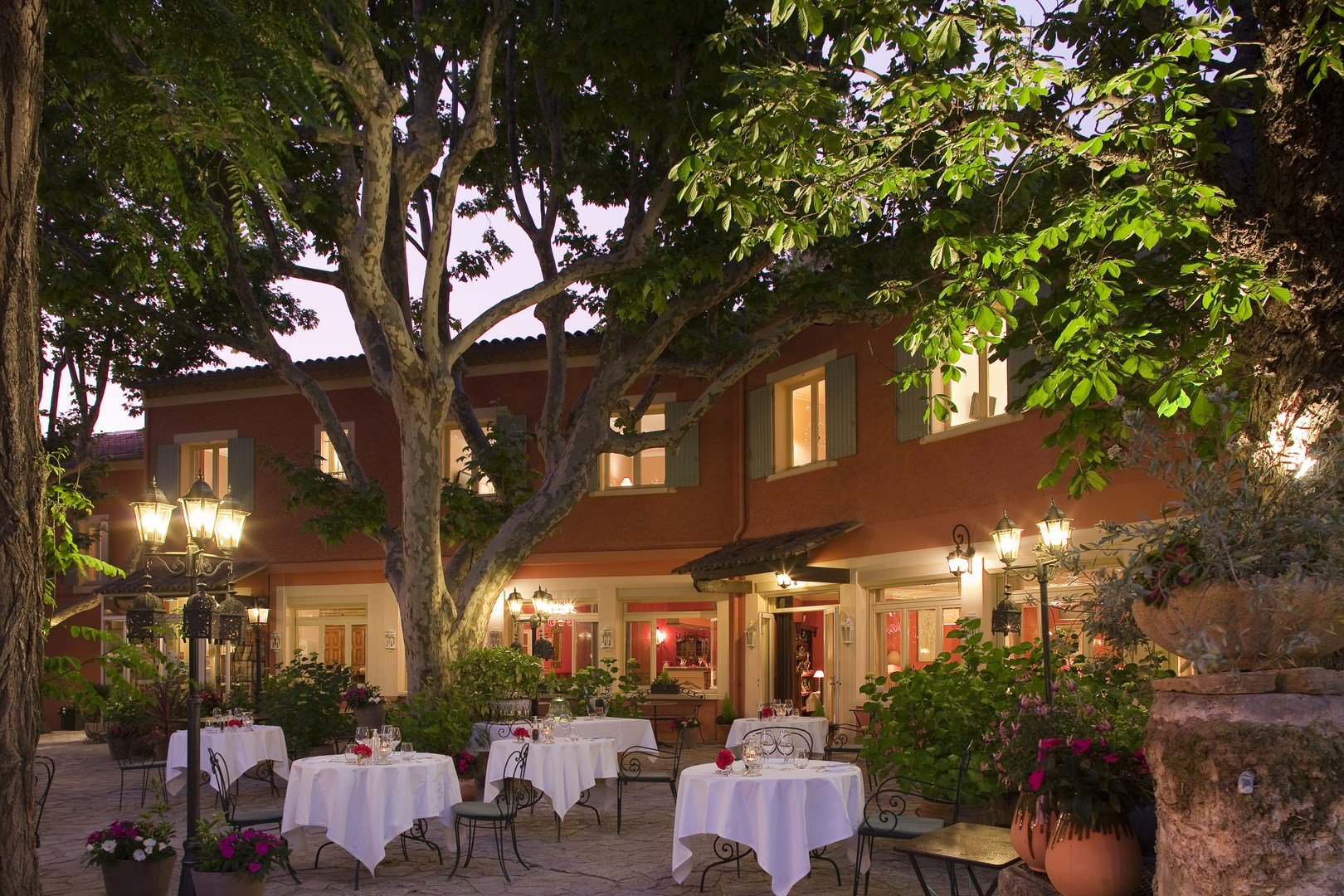
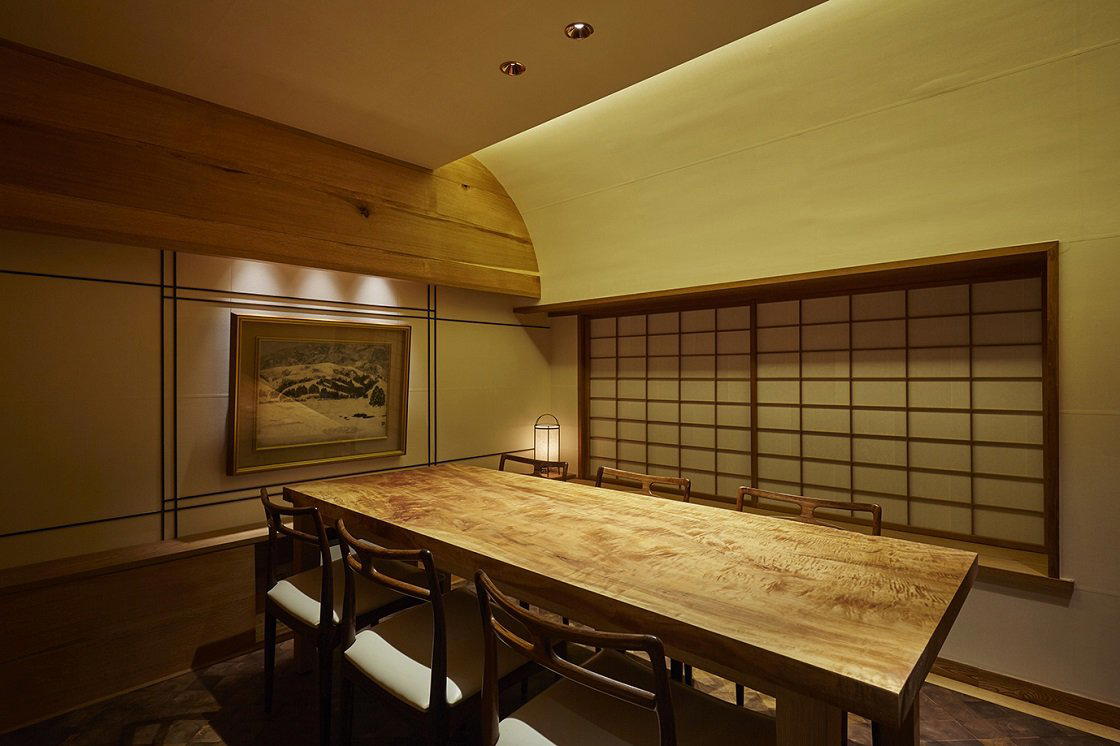
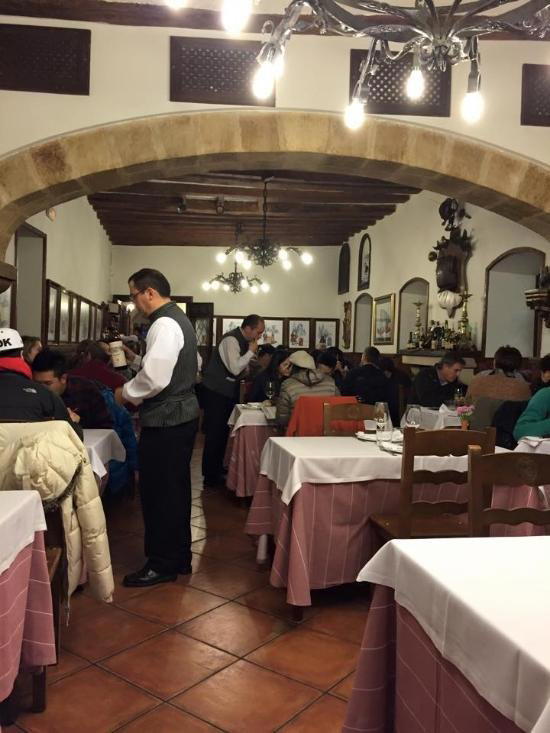
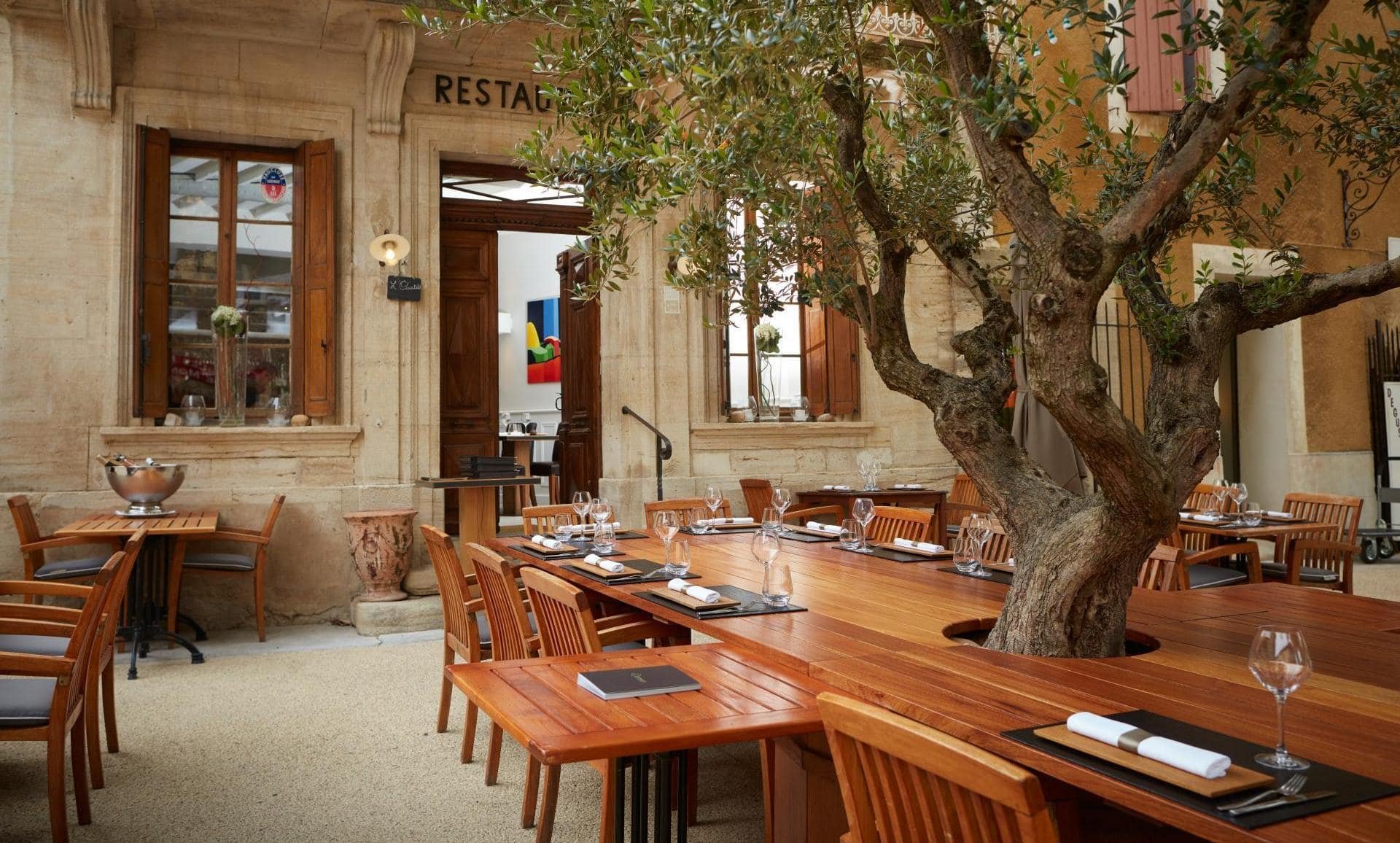
Bistrot de l'Oustalet feels rooted in place: a former village bakery with its stone wood-fired oven still in situ sets a tangible, historical tone. The dining room preserves the building's bones while a sunlit patio spills onto the quiet square, making the experience both intimate and relaxed. The kitchen’s market-driven discipline complements the physical fabric; nothing feels contrived or staged. The result is a warm, quietly scenic bistro that reads as authentic to Gigondas—part of a living village rather than a destination built solely around tourism.
Best For
This bistro suits evening dining and leisurely midday meals when the Provençal sun fills the patio. Its concise, market-led menu highlights substantial dishes—truffle preparations, rack of lamb and red mullet—that align with date nights and special occasions as well as relaxed, accessible outings. Because it shares a site with a higher-register restaurant, it also functions as the more informal choice for visitors who want excellent regional cooking without the formalities of the fine-dining room next door. The setting in a quiet village square reinforces a calm, unhurried meal.
Ordering Tips
The menu is deliberately concise and built around what the market supplies each day, so ask your server about the day's highlights. Prioritize the signature offerings when they appear—Menu Truffes, rack of lamb and red mullet are noted specialties—and be prepared for changes based on seasonality. If you want the sunlit experience, aim to arrive early for a patio table, since the terrace "fills rapidly when the Provençal sun arrives." Given the focused menu, let the staff steer you toward what’s freshest rather than expecting a long à la carte list.
Venue details
Ambiance
Cozy Provençal atmosphere in a small stone room with a wood-fired oven, shaded terrace under ancient plane trees, and warm, attentive service.
Tags
Vibe
Best For
Experience
Sourcing
View
At the Table
- Dress Code
- Smart Casual
- Noise Level
- Conversational
- Service Style
- Upscale Casual
- Meal Pacing
- Leisurely
- Capacity
- Intimate
- Kitchen
- Seasonal
- Menu Format
- Tasting menu, A la carte, Prix fixe
- Wine Program
- Exceptional
- Drinks Focus
- Wine
- Dietary
- Vegetarian friendly, Gluten-free options
- Outdoor Seating
- Yes
Signature Dishes
- Menu Truffes
- rack of lamb
- red mullet
Know before you go
Know Before You Go
- Getting there
- 5 place du Rouvis
Planning details
Location
Recognition and awards
Also consider
Where to Look If This Is Not the Fit
Try L'Oustalet if the meal is the main event and the higher €€€ modern-cuisine positioning fits the occasion. Try Coteaux et Fourchettes if a clearer €€ modern-cuisine value signal is more useful than staying in the center of Gigondas.
Restaurant context
How It Compares
Against L'Oustalet, Bistrot de l'Oustalet is the more practical choice for diners who want a serious Gigondas meal without committing to the higher €€€ modern-cuisine signal. Choose L'Oustalet when the occasion calls for a more formal modern-cuisine experience; choose the bistro when the priority is lower friction and a meal that fits around tastings or a village stay.
Les Florets is the natural cross-shop if ambiance matters as much as the plate, especially for travelers building a fuller Gigondas stop rather than just dinner. Coteaux et Fourchettes gives a clearer €€ modern-cuisine value signal outside the immediate village set, so it is worth considering if price visibility matters more than staying central.
For a more relaxed regional feel, Les Maisons Du'O - Le Bistro Panoramique brings a farm-to-table €€ angle, while Le Four à Chaux is another outside-the-village alternative when the exact location is flexible. For most Gigondas-focused itineraries, Bistrot de l'Oustalet is the middle-ground pick: more recognized than a casual fallback, less of a splurge signal than L'Oustalet.
Explore Gigondas
Around this place
Discover more on Pearl
Unlock the full Bistrot de l'Oustalet guide in Pearl, including awards, comparisons, FAQs, planning details, and nearby places.
Compare Bistrot de l'Oustalet
| Venue | Location | Cuisine | Awards | Price |
|---|---|---|---|---|
| Bistrot de l'Oustalet | Gigondas | , | 2026 Michelin Plate | , |
| L'Oustalet | Gigondas | Modern Cuisine | Star Wine Lists 2026Michelin Guide France & Monaco 20262025 Michelin 1 Star2025 Michelin Plate2024 Michelin 1 Star2024 Michelin Plate | €€€ |
| Les Florets | Gigondas | No published awards | , | , |
| Coteaux et Fourchettes | Cairanne | Modern Cuisine | Michelin Guide France & Monaco 20262025 Michelin Bib Gourmand2024 Michelin Bib Gourmand | €€ |
| Le Four à Chaux | Caromb | No published awards | , | , |
| Les Maisons Du'O - Le Bistro Panoramique | Vaison-la-Romaine | Farm to table | Michelin Guide France & Monaco 20262025 Michelin Plate2024 Michelin Bib Gourmand | €€ |




How Bistrot de l'Oustalet Gigondas compares with similar nearby venues.
FAQ
Frequently Asked Questions
Is Bistrot de l'Oustalet good for a special occasion?
It may fit if a smart casual restaurant in Gigondas with 2026 MICHELIN Plate recognition suits the occasion. For a highly specific celebration plan, confirm menu, price, and service details directly before booking. L'Oustalet is another named restaurant to compare.
Does Bistrot de l'Oustalet handle dietary restrictions?
Ask in advance rather than assume. No dietary or allergy policy is available, so the safest approach is to mention any needs when arranging a table at Bistrot de l'Oustalet in Gigondas.
What should I wear to Bistrot de l'Oustalet?
The dress code is smart casual. Choose neat, polished clothing rather than very casual attire; formal wear is not specified.
Can I eat at the bar at Bistrot de l'Oustalet?
Do not assume bar seating is part of the setup. No bar-seating or walk-in service detail is available, so confirm directly with the restaurant when planning.
What are alternatives to Bistrot de l'Oustalet?
Named restaurants to compare include L'Oustalet, Coteaux et Fourchettes, Le Four à Chaux, Les Florets, and Les Maisons Du'O - Le Bistro Panoramique. Check current details directly.