Varela Zarranz
Joaquín Suarez, Canelones
Winery in Canelones, Uruguay
The Read
Canelones Prestige Production
Why go
Varela Zarranz is a high-intent Canelones winery pick for visitors planning a special occasion or focused tasting day. Book it when the priority is a composed winery experience; choose a more flexible peer if the plan is a casual multi-stop route.
About Varela Zarranz
Varela Zarranz is a venue in Canelones with confirmed Pearl 3 Star Prestige recognition for 2025. Beyond that, the verified details here are limited, so planning should stay conservative: confirm visit details directly with the venue before building an itinerary around it.
The confirmed dress code is smart casual. Specific claims about menus, tasting formats, prices, service style, group capacity, hours, or special experiences are not verified here, so they should not be assumed in advance.
Book this for a focused Canelones plan, not on assumptions
If Varela Zarranz is a priority for your day in Canelones, treat it as a stop that needs direct confirmation. The safest approach is to verify availability, timing, any visit format with the venue before finalizing transport or other reservations.
For comparison within the broader planning set, consider Bodega Pisano, Bodega Spinoglio, Bodega Toscanini, Bodega Traversa, Pizzorno Family Estates alongside Varela Zarranz. Use those names as natural reference points when deciding how to shape a Canelones visit.
The visit question comes down to confirmed details
Do not assume a particular tasting structure, private format, food component, or price unless Varela Zarranz confirms it directly. The verified information supports the venue's Canelones location, smart casual dress code, Pearl 3 Star Prestige recognition for 2025, but not the operational specifics of a visit.
Before going, ask the venue what is currently available, what the expected dress standard means in practice, whether any arrangements are required in advance. That keeps the plan grounded without relying on unverified claims.
Use Canelones as the frame, then choose the right fallback
Varela Zarranz can be considered as part of a Canelones plan, especially for travelers who value venues with confirmed recognition. If details are unclear or availability does not fit, compare it with Bodega Pisano, Bodega Spinoglio, Bodega Toscanini, Bodega Traversa, or Pizzorno Family Estates rather than forcing the schedule.
Because verified specifics are limited, the honest planning advice is simple: keep Canelones as the frame, confirm directly with Varela Zarranz, avoid assuming details that have not been stated by the venue.
Planning details
- Location
- 74 Km 29, 91200 Joaquín Suárez, Departamento de Canelones
- Website
- varelazarranz.com
- Phone
- +598 92 532 646
The take
The Take
The Vibe
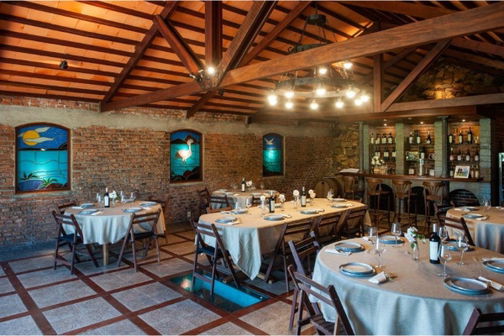
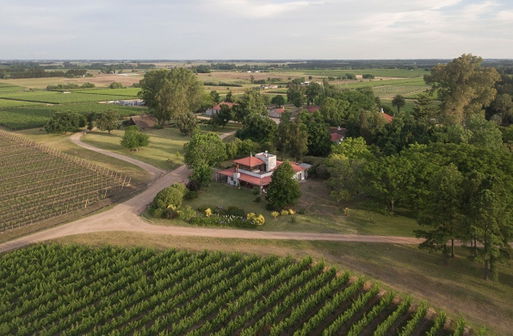
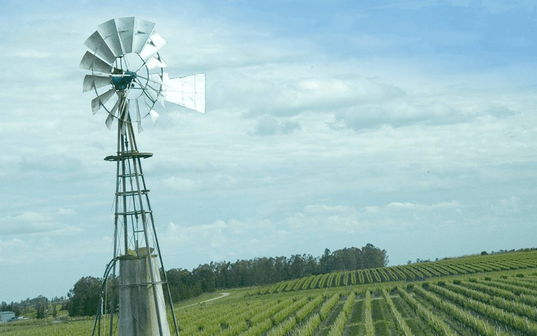
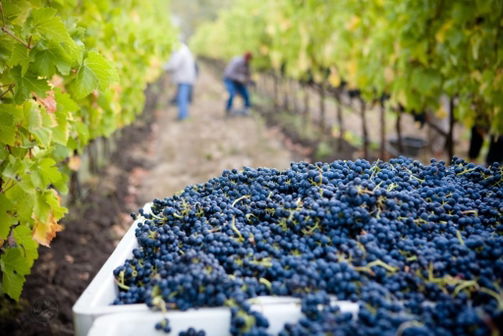
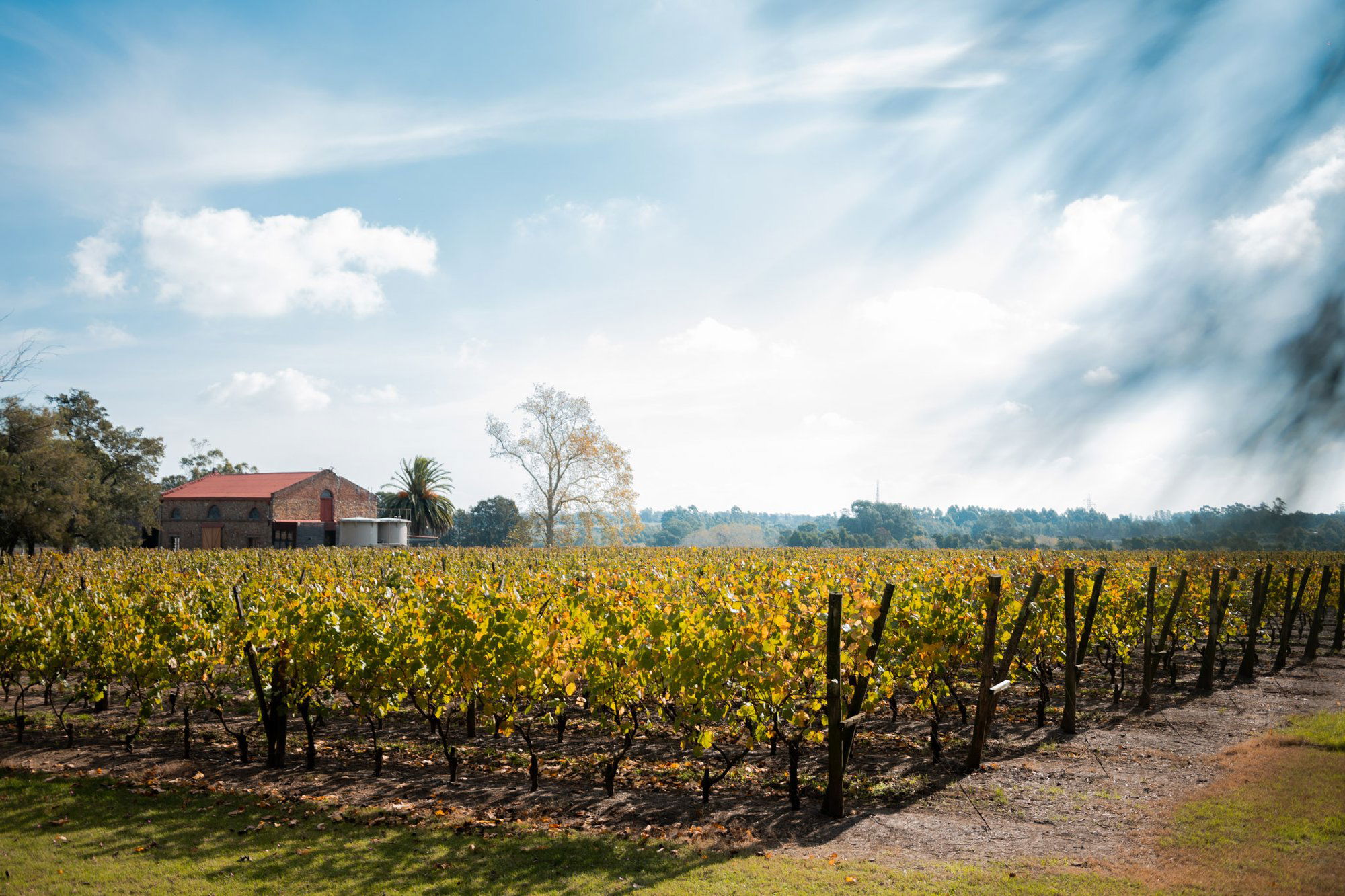
Varela Zarranz presents a quietly composed winery experience set deep in Canelones’ working countryside. The approach along Ruta 74 and the property’s Km 29 address underline its producer-first identity: this is a place where the meal follows the rhythm of the land. The writing emphasizes low, rolling terrain and proximity to vine rows, so the overall impression is one of pastoral calm and coherence between vineyard and table. Recognition such as the Pearl 3 Star Prestige nods to consistent quality without pulling the estate into an urban, nightlife-driven scene — it feels measured, purposeful and serene.
Best For
This property is especially well suited to visitors focused on wine education, small celebrations and group outings that want a genuine producer experience. The copy highlights tasting rooms and restaurants grounded in the estate’s production, and the 2025 Pearl 3 Star Prestige signals a level of consistency that makes it a reliable choice for special occasions and guided learning about regional wines. Groups that prioritize vineyard context, estate-driven tastings and meals reflecting local terroir will get the most from a visit here.
Tasting Tips
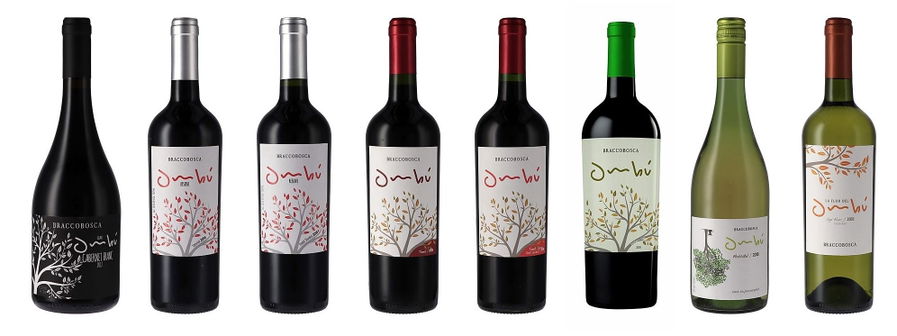
Plan visits around a producer-focused tasting and allow time to explore the grounds: the description stresses proximity to vine rows and tasting-room traditions, so bookings that include a guided tasting or estate-focused presentation are likely the most informative. Because the estate is positioned within working wine country rather than a tourist hub, confirm opening hours and reserve ahead for groups or meal service. When tasting, prioritize estate bottles and any flights that emphasize Canelones terroir to understand how the land shapes the wines.
Planning details
Location
74 Km 29, 91200 Joaquín Suárez, Departamento de Canelones · Directions
Also consider
Where to look if this is full
If Varela Zarranz is not available, start with Pizzorno Family Estates for a Canelones alternative that keeps the day in the same regional frame. Bodega Pisano is another sensible cross-shop when the priority is staying within Canelones rather than rebuilding the itinerary around a different area.
Winery context
How it compares in Canelones
Varela Zarranz is the higher-commitment choice in this set because availability is harder and the visit makes more sense as an anchor booking. Pizzorno Family Estates, Bodega Toscanini, Bodega Pisano are better cross-shops for travelers who want to stay within Canelones and keep the day more flexible.
For value, compare inclusions before choosing any private format. If Varela Zarranz can offer a dedicated tasting setup, it is the better special-occasion play. If the experience is a standard group tasting, Bodega Traversa or Bodega Spinoglio may be easier fits for a lower-pressure winery day, especially if travel time and schedule certainty matter.
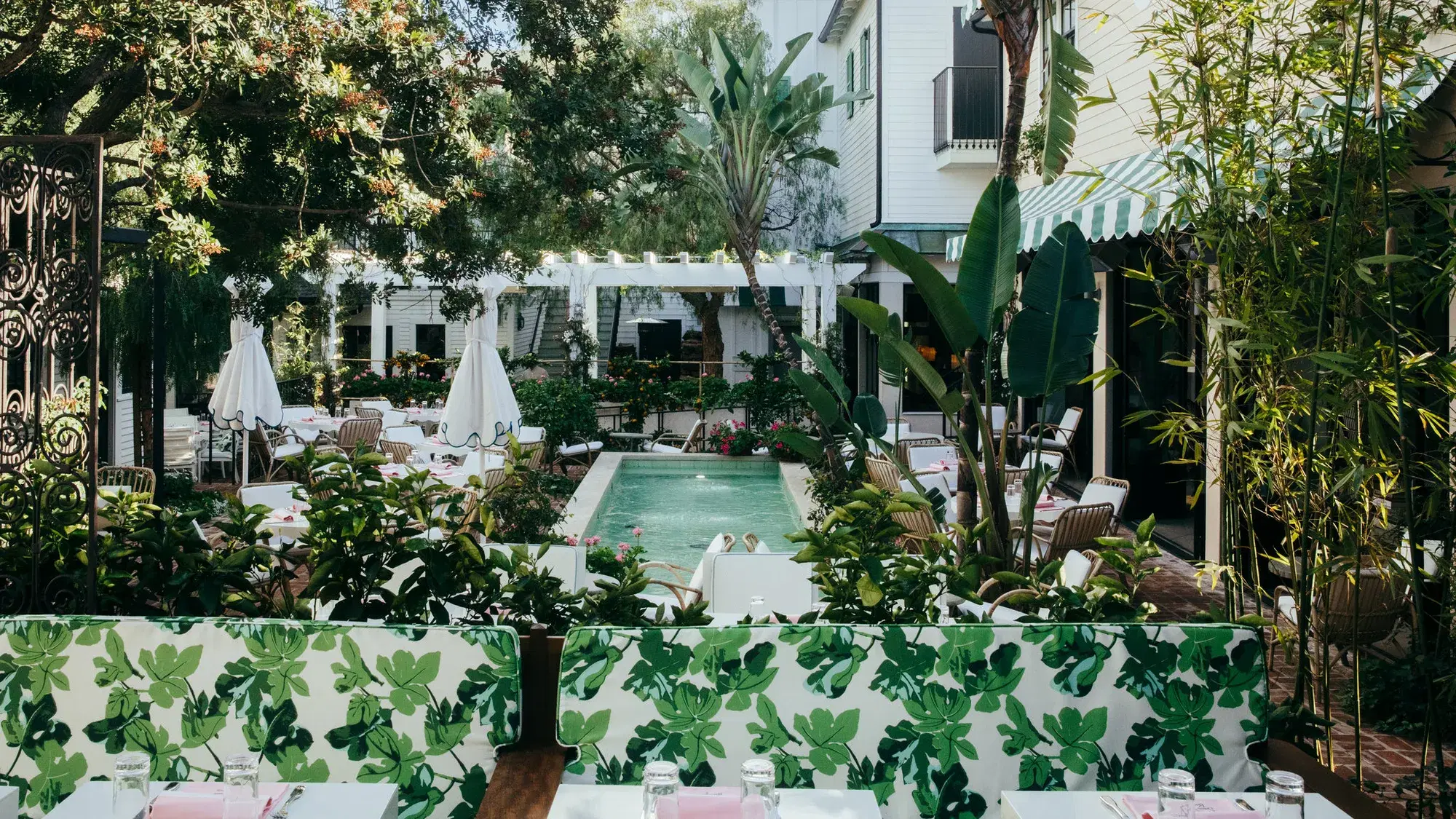
For ambiance-led planning, choose Varela Zarranz when the visit itself needs to feel like the main event. Choose Pizzorno Family Estates or Bodega Pisano when the goal is a broader Canelones itinerary with less booking stress and more room to adjust the day.
Explore Canelones
Around this place
Discover more on Pearl
Unlock the full Varela Zarranz guide in Pearl, including awards, comparisons, FAQs, planning details, and nearby places.
Compare Varela Zarranz
| Venue | Location | Awards |
|---|---|---|
| Varela Zarranz | Canelones | No published awards |
| Bodega Spinoglio | Las Piedras | No published awards |
| Bodega Traversa | Montevideo | No published awards |
| Pizzorno Family Estates | Canelones | No published awards |
| Bodega Toscanini | Canelones | No published awards |
| Bodega Pisano | Canelones | No published awards |
How Varela Zarranz Canelones compares with similar nearby venues.
FAQ
Frequently Asked Questions
What other venues should I compare with Varela Zarranz?
For comparison when planning around Canelones, look at Bodega Spinoglio, Bodega Traversa, Pizzorno Family Estates, Bodega Toscanini, Bodega Pisano. Confirm each venue's current visit details directly before making plans.