Viña Progreso
Progreso, Canelones
Winery in Canelones, Uruguay
The Read
Canelones Terroir Winemaking
Why go
Viña Progreso is worth targeting if the trip is built around a serious Canelones wine stop, but it is not the easy fallback option. Plan it first, keep nearby wineries as backups, use it for small celebrations or wine-focused visits rather than large groups that need confirmed amenities.
About Viña Progreso
Viña Progreso is a Canelones venue with a clearly confirmed 2 Star Prestige recognition for 2025. Beyond that award signal and a casual dress code, the verified public details are limited, so it works best with a simple, confirmation-first plan rather than assumptions about format, services, or amenities.
The practical verdict is direct. If Viña Progreso is important to your Canelones plans, confirm the current visitor details directly before building the rest of the day around it. For broader planning, compare it with other named options such as Antigua Bodega Stagnari, Bodega De Lucca, Bodega Pisano, Bodega Toscanini, H. Stagnari, or look more generally at other Canelones venues.
Plan this as a confirmation-first Canelones stop
Because only a small set of facts is verified, do not rely on assumptions about hours, group capacity, tastings, food, shipping, or other services. Start by confirming the details that matter for your visit, then decide whether Viña Progreso should be the anchor of the day or one part of a wider Canelones plan.
If the trip also needs dining, hotels, bars, transport timing, or a broader itinerary, plan those elements separately rather than assuming Viña Progreso covers the whole occasion. The strongest confirmed reasons to keep it on the shortlist are its Canelones setting, casual dress code, 2 Star Prestige recognition for 2025.
Better for travelers who value a confirmed award signal
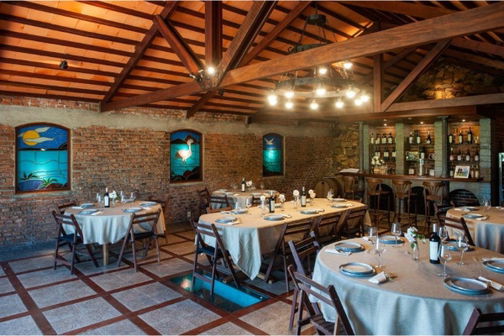
Viña Progreso makes the clearest case for visitors who put weight on recognition and are comfortable checking practical details in advance. The verified information does not establish a restaurant format, menu, visitor program, price point, hours, or group policy, so those points should be confirmed directly before making firm plans.
For comparison planning, consider Viña Progreso alongside Antigua Bodega Stagnari, Bodega De Lucca, Bodega Pisano, Bodega Toscanini, H. Stagnari. Other Canelones options can also be part of the decision, but specific services should be verified with each venue before committing.
Quick reference: Viña Progreso is a Canelones venue with casual dress and 2 Star Prestige recognition for 2025; confirm all practical visit details directly.
Planning details
- Location
- Camino Delbono s, n, 8QJ3+PR2, 15900 Progreso, Departamento de Canelones
- Website
- vinaprogreso.com
- Phone
- +59823690050
The take
The Take
The Vibe
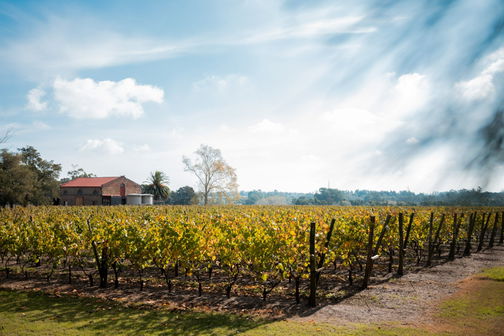
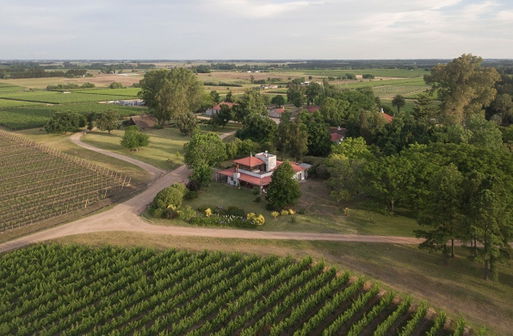
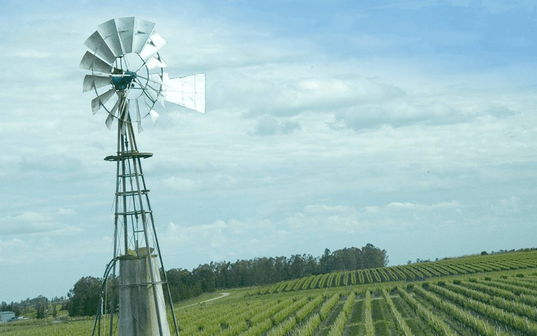
Viña Progreso feels quietly purposeful rather than theatrical. Set on flat, clay-heavy terrain in Canelones, the estate blends vineyards with pasture and low horizons, producing a restrained, workmanlike kind of beauty. The narrative emphasizes production and continuity—maritime influence from the Río de la Plata and a moderate climate shape wines that prize acidity and balance. Recognition within regional quality circles (a Pearl 2 Star Prestige nod) signals serious intent rather than tourist spectacle. Visitors encounter a rural, unembellished winery where modern practices sit alongside the agricultural rhythms of the land, creating a calm, focused tasting experience.
Best For
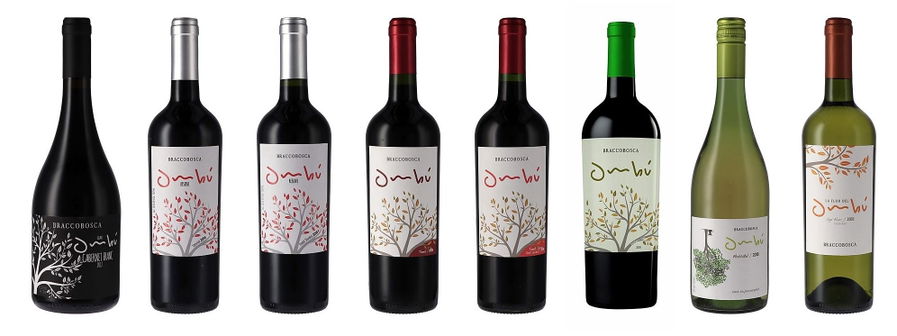
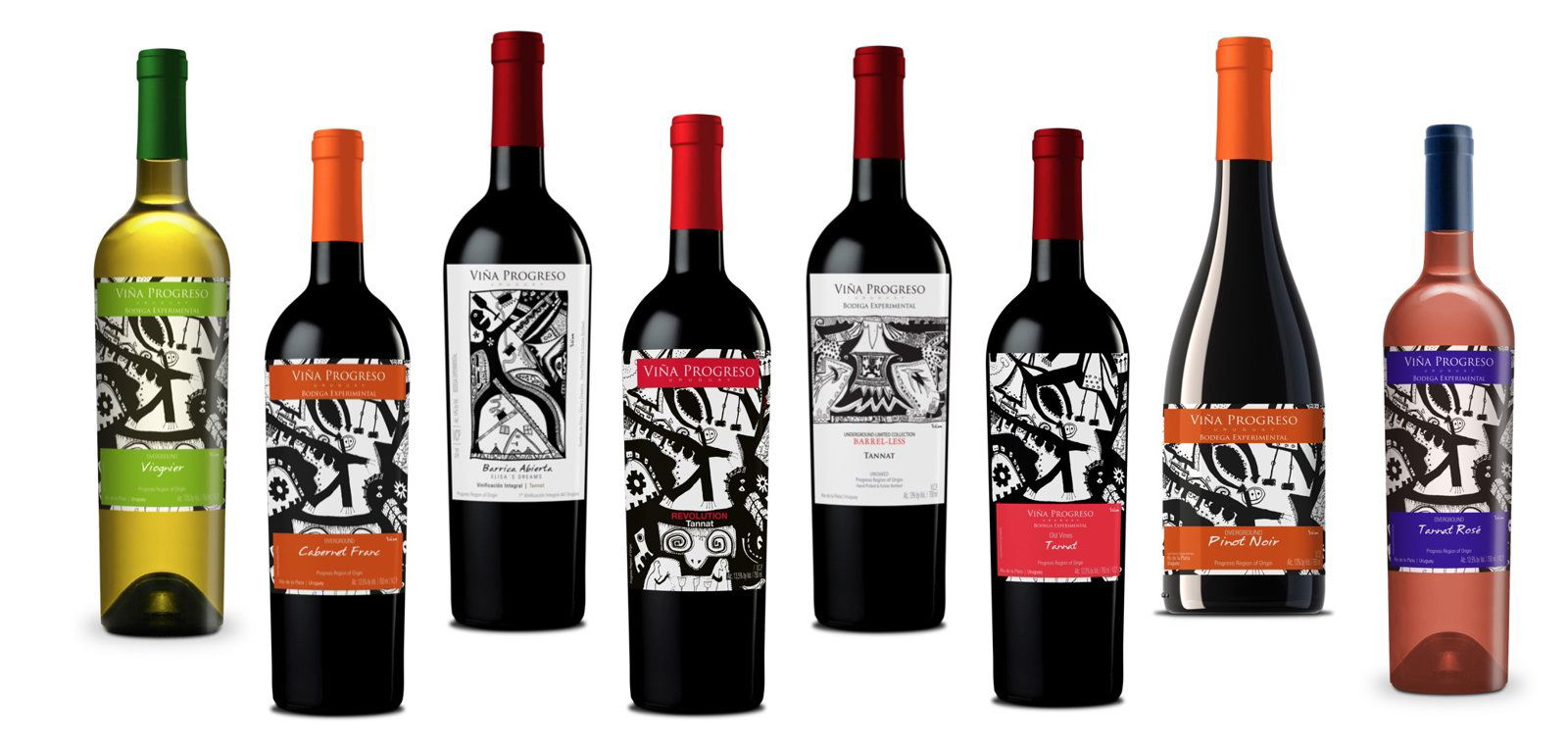
This property is best for wine-focused visitors who want a production-oriented experience rather than a flashy wine-tourism stop. It suits people interested in learning about Uruguay’s regional styles—Tannat, Albariño and other varieties—on an estate that operates within a defined quality tier. Solo travelers and small, purposeful groups who plan ahead find the environment rewarding: the visit is about terroir, seasonality and how maritime influence shapes the wines. Because the estate sits off the beaten path, it’s less about socializing and more about understanding the work behind the bottle.
Tasting Tips
Plan logistics before you go. The winery sits on a rural road outside Progreso and the description specifies that getting there requires a car or pre-arranged transport from Montevideo, a roughly thirty- to forty-minute journey; arranging a driver or rental makes the visit feasible. Expect a functional, production-oriented visit rather than a polished tourist circuit—book in advance if you want a focused tasting or a guided walk through the vineyards. Treat the trip as part of a wine-education outing: allow time to travel, to move around the estate, and to absorb the agricultural context of the wines.
Planning details
Location
Camino Delbono s, n, 8QJ3+PR2, 15900 Progreso, Departamento de Canelones · Directions
Also consider
Also Consider
- Bodega Pisano, Notable alternative
- Bodega De Lucca, Notable alternative
- Bodega Toscanini, Notable alternative
- H. Stagnari, Notable alternative
- Antigua Bodega Stagnari, Notable alternative
Winery context
Against Bodega Pisano, Bodega De Lucca, Bodega Toscanini, H. Stagnari, Antigua Bodega Stagnari, Viña Progreso is the harder bet. Choose it when the priority is a scarce, wine-led stop in Progreso; choose the peers when the day needs clearer visitor logistics or easier backup planning.
For value and simplicity, Bodega De Lucca and Bodega Toscanini are safer cross-shops because they keep the route firmly in Canelones without making the whole day depend on one difficult booking. For a more established-feeling regional circuit, H. Stagnari and Antigua Bodega Stagnari are the more obvious alternatives to compare first.
If the occasion matters, Viña Progreso is the more interesting first attempt, but not the lowest-risk plan. Book the flexible winery second, not first: that is the difference between a focused Canelones wine day and a schedule built on hope.
Explore Canelones
Around this place
Discover more on Pearl
Unlock the full Viña Progreso guide in Pearl, including awards, comparisons, FAQs, planning details, and nearby places.
Compare Viña Progreso
| Venue | Location | Awards |
|---|---|---|
| Viña Progreso | Canelones | No published awards |
| Bodega Pisano | Canelones | No published awards |
| Bodega De Lucca | Canelones | No published awards |
| Bodega Toscanini | Canelones | No published awards |
| H. Stagnari | Canelones | No published awards |
| Antigua Bodega Stagnari | Canelones | No published awards |
How Viña Progreso Canelones compares with similar nearby venues.
FAQ
Frequently Asked Questions
What other venues can I compare with Viña Progreso?
For comparison, consider Bodega Pisano, Bodega De Lucca, Bodega Toscanini, H. Stagnari, Antigua Bodega Stagnari. Viña Progreso also has a confirmed 2 Star Prestige recognition for 2025.