Pizzorno Family Estates
Canelón Chico, Canelones
Winery in Canelones, Uruguay
The Read
Canelones Prestige Viticulture
Why go
Pizzorno Family Estates is worth prioritizing if the plan is a serious Canelones wine day and the estate setting matters. Its 2025 two-star prestige rating gives it a stronger quality signal than a casual route filler, but travelers should treat it as a planned winery stop rather than an easy city add-on.
About Pizzorno Family Estates
Consider Pizzorno Family Estates if your plans are already centered on Canelones and you want to prioritize a venue with clearly confirmed Pearl 2 Star Prestige recognition for 2025. The verified planning details are limited, so treat it as a Canelones stop to confirm directly before building a day around it.
The clearest practical note is the dress code: smart casual. Beyond the Canelones location and the 2025 Pearl 2 Star Prestige award, specific details such as services, schedules, menus, prices, visit formats should be checked with the venue before you go.
Choose it for a grounded Canelones visit, not a high-information planning page
Pizzorno Family Estates works best as a Canelones venue with a strong recognition signal rather than as a place where every practical detail is already documented here. If timing, availability, or a particular experience matters, confirm those points with the venue directly.
If the day is built around Canelones, compare it with other named options such as Bodega Pisano, Bodega Spinoglio, Bodega Toscanini, Bodega Traversa, Viña Progreso. For wider planning, use broader Canelones guides and confirm current details directly with each venue before making firm plans.
Worth the detour if Canelones is the focus
The strongest case for prioritizing Pizzorno Family Estates is simple: it is in Canelones and carries Pearl 2 Star Prestige recognition for 2025. That makes it a notable option for travelers already considering Canelones, while still leaving practical questions to verify before arrival.
Use it as a focused Canelones choice rather than as a fully specified itinerary on its own. If you need more certainty on timing, services, or the exact visit format, contact the venue and compare it with Bodega Pisano, Bodega Spinoglio, Bodega Toscanini, Bodega Traversa, Viña Progreso before committing your schedule.
Planning details
- Location
- 15900 Canelones Department
- Website
- pizzornowines.com
- Phone
- +598 98 940 444
The take
The Take
The Vibe
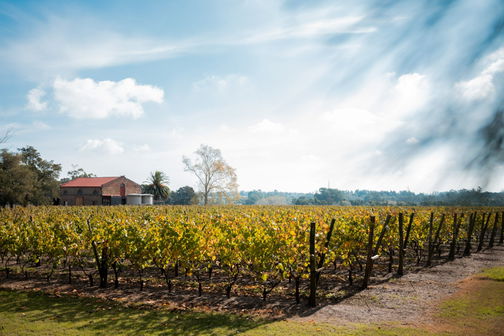
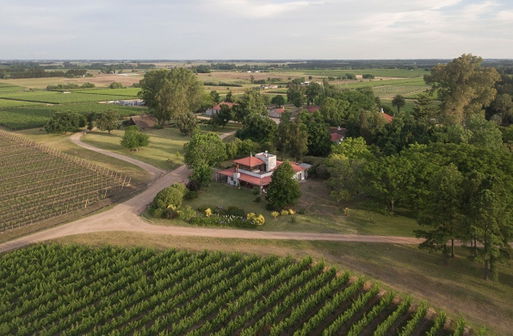
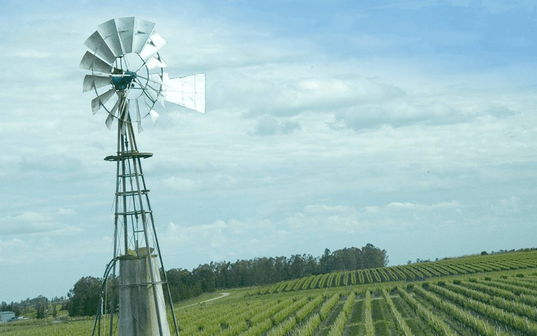
Pizzorno Family Estates reads like a working family property more than a polished tourist stop: the copy stresses agriculture, multigenerational stewardship and an Italian surname grafted onto Canelones clay. The estate sits within the largest vineyard region in Uruguay, producing structured reds and aromatic whites under an Atlantic-moderated climate. That combination—recognisable family name, long-term patience in the soils and a clear place within regional viticulture—gives the property a historic, classic character. It feels rooted in production and pedigree rather than theatrical tasting-room flash, the kind of producer you notice for lineage and consistent quality.
Best For
Pizzorno is best for visitors who are focused on regional viticulture and reputation. The text highlights its role among Canelones’ family estates and its 2025 Pearl 2 Star Prestige recognition, positioning it as a go-to stop for people tracing Uruguay’s wine history or comparing terroir across the department. It appeals to wine-minded travelers coming from Montevideo—about thirty kilometres away—who want to understand how coastal moderation shapes structured reds and aromatic whites. It’s a solid choice for those seeking authoritative producers rather than novelty tasting experiences.
Tasting Tips
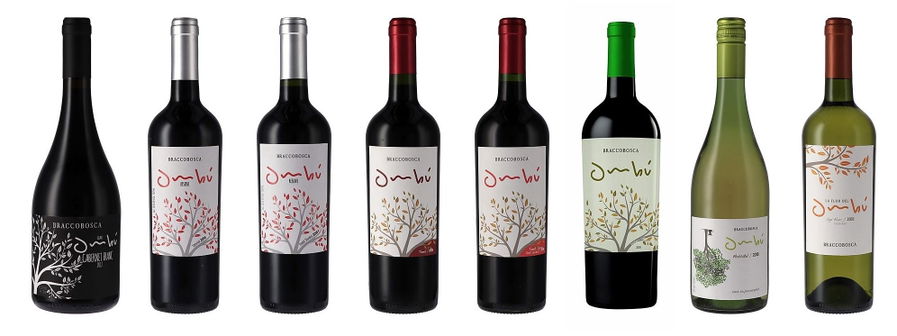
When engaging with Pizzorno’s wines, focus on the regionally emphasized expressions the copy calls out: structured reds and aromatic whites that benefit from the Atlantic-influenced climate. The estate’s 2025 Pearl 2 Star Prestige recognition is a clear marker of quality to watch for on labels or in conversation. Given the write-up’s emphasis on multigenerational practice and soil-driven results, ask about parcel origin and how Canelones clay and coastal influence inform each wine’s profile rather than looking solely for experimental or tourist-forward offerings.
Planning details
Location
Also consider
Also Consider
- Bodega Spinoglio, Notable alternative
- Bodega Traversa, Notable alternative
- Bodega Pisano, Notable alternative
- Bodega Toscanini, Notable alternative
- Viña Progreso, Notable alternative
Winery context
How it compares in Canelones
Pizzorno Family Estates is the stronger choice for travelers who want a recognized estate visit with a clearer quality signal. Bodega Pisano and Bodega Toscanini make more sense for readers building a broader Canelones route and looking to compare family-winery styles without centering the day on one address.
For value and ease, Bodega Traversa and Bodega Spinoglio are better cross-shops if the goal is a lower-friction winery stop rather than a prestige-led pick. Choose Pizzorno when ambiance and regional context carry more weight than speed.
Viña Progreso is the alternative to consider if the trip is about discovery and a more exploratory Canelones tasting day. Pizzorno is the safer anchor for a polished estate-led itinerary; Viña Progreso is the better second stop for travelers who want contrast.
Explore Canelones
Around this place
Discover more on Pearl
Unlock the full Pizzorno Family Estates guide in Pearl, including awards, comparisons, FAQs, planning details, and nearby places.
Compare Pizzorno Family Estates
| Venue | Location | Awards |
|---|---|---|
| Pizzorno Family Estates | Canelones | No published awards |
| Bodega Spinoglio | Las Piedras | No published awards |
| Bodega Traversa | Montevideo | No published awards |
| Bodega Pisano | Canelones | No published awards |
| Bodega Toscanini | Canelones | No published awards |
| Viña Progreso | Canelones | No published awards |
How Pizzorno Family Estates Canelones compares with similar nearby venues.
FAQ
Frequently Asked Questions
What other venues can I compare with Pizzorno Family Estates?
Bodega Spinoglio, Bodega Traversa, Bodega Pisano, Bodega Toscanini, Viña Progreso are useful comparison options in this set. If you are planning around Pizzorno Family Estates, line them up alongside it and confirm current details with each venue.
What is Pizzorno Family Estates known for here?
The confirmed details here are its Canelones location, smart casual dress code, Pearl 2 Star Prestige recognition for 2025. Other specifics should be checked with the venue directly.
When is the best time to visit Pizzorno Family Estates?
No specific best time or operating schedule is verified here. Plan around your Canelones itinerary and confirm current availability with Pizzorno Family Estates before visiting.