Bodega Spinoglio
Cuchilla Pereyra, Las Piedras
Winery in Las Piedras, Uruguay
The Read
Atlantic-South Tannat Production
Why go
Bodega Spinoglio is worth targeting if the goal is a quieter Las Piedras winery visit and the schedule can absorb difficult booking logistics. First-timers should treat it as the main stop of the day, not a casual extra, compare it with Bodega Carrau if convenience matters more than atmosphere.
About Bodega Spinoglio
Bodega Spinoglio is a venue in Las Piedras with a casual dress code and Pearl 2 Star Prestige recognition for 2025. Those are the core verified details available here, they are useful as a starting point for understanding how to approach the venue: the dress guidance suggests there is no need to plan around formal attire, while the 2025 recognition gives travelers a clear marker to note when comparing it with other places. Beyond those verified points, specific visit details such as hours, visit format, food service, prices, address, group capacity are not confirmed here, so travelers should check the venue's official channels before making plans. That confirmation step is especially important if the visit is part of a tighter itinerary, because small assumptions about access, timing, or what is available on site can affect the rest of the day.
A Las Piedras venue with limited verified planning details
For planning purposes, treat Bodega Spinoglio as a Las Piedras venue rather than assuming a particular service style, menu, tour format, or appointment structure. The verified guidance is deliberately narrow: dress is casual, the venue carries Pearl 2 Star Prestige recognition for 2025. In practical terms, that means the page can support broad orientation, but it should not be used as a substitute for direct confirmation from the venue. Travelers should avoid reading more into the listing than it actually states, particularly when it comes to whether a visit is self-guided, hosted, reservation-based, food-focused, tasting-focused, or simply dependent on availability at the time.
If you are comparing options, Bodega Carrau, Bodega Pisano, Bodega Traversa, Grappamiel del Uruguay, Pizzorno Family Estates are natural points of reference. These comparison links can help frame a broader set of related choices, but they should not be treated as evidence that Bodega Spinoglio offers the same kind of experience, access, or visitor setup. Keep geography in mind when building an itinerary: not every comparison venue is in Las Piedras. That distinction matters because a plan that looks simple on a list may require more careful coordination once travel time, location, confirmed access are considered.
Plan the rest of the day around confirmed information
Because specific operating details are not verified here, the safest approach is to confirm timing, access, any available visit format directly before arranging transport or nearby dining. Do not assume lunch, pairings, tastings, retail options, take-out, delivery, dietary accommodations, or a particular group setup unless the venue confirms them. This is less a limitation than a planning discipline: when a listing is intentionally restrained, the best itinerary is one that separates what is known from what still needs to be checked. If the visit depends on a certain arrival window, a certain type of service, or a particular level of accommodation, those questions should be settled before other reservations or transfers are locked in.
For a Las Piedras-focused day, Bodega Spinoglio can be considered alongside other local dining or venue options in general terms. Build the plan around confirmed logistics, keep the schedule flexible until the venue has confirmed the details that matter for your visit. A flexible plan might simply mean leaving space between stops, waiting to finalize meals until access is clear, or choosing transport only after timing is verified. The main point is to let the confirmed facts guide expectations: casual dress is appropriate, Pearl 2 Star Prestige recognition for 2025 is noted, everything else should be clarified directly before the visit becomes part of a fixed schedule.
Planning details
- Location
- Av. Don Pedro de Mendoza 8238, 12400 Montevideo, Departamento de Montevideo
- Website
- bodegaspinoglio.com
- Phone
- +598 99 322 309
The take
The Take
The Vibe
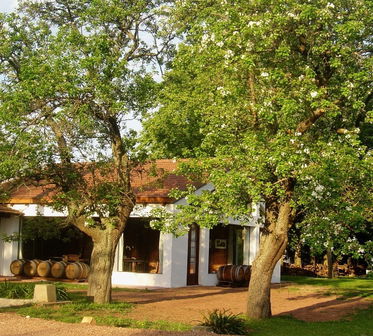
Bodega Spinoglio presents itself as an understated, contemplative corner of Uruguayan wine country. The prose leans into the 'quiet weight' of Las Piedras: vineyards and old vine Tannat persist amid unadvertised roads and modest surroundings, and the bodega operates with little ceremony. That restraint is offset by a clear commitment to quality — a Pearl 2 Star Prestige rating signals serious intent — so the overall impression is of a serene, sophisticated producer where craftsmanship and history outshine flashy hospitality. Visits feel like discoveries rather than performances, suited to visitors who appreciate subtlety and substance.
Best For
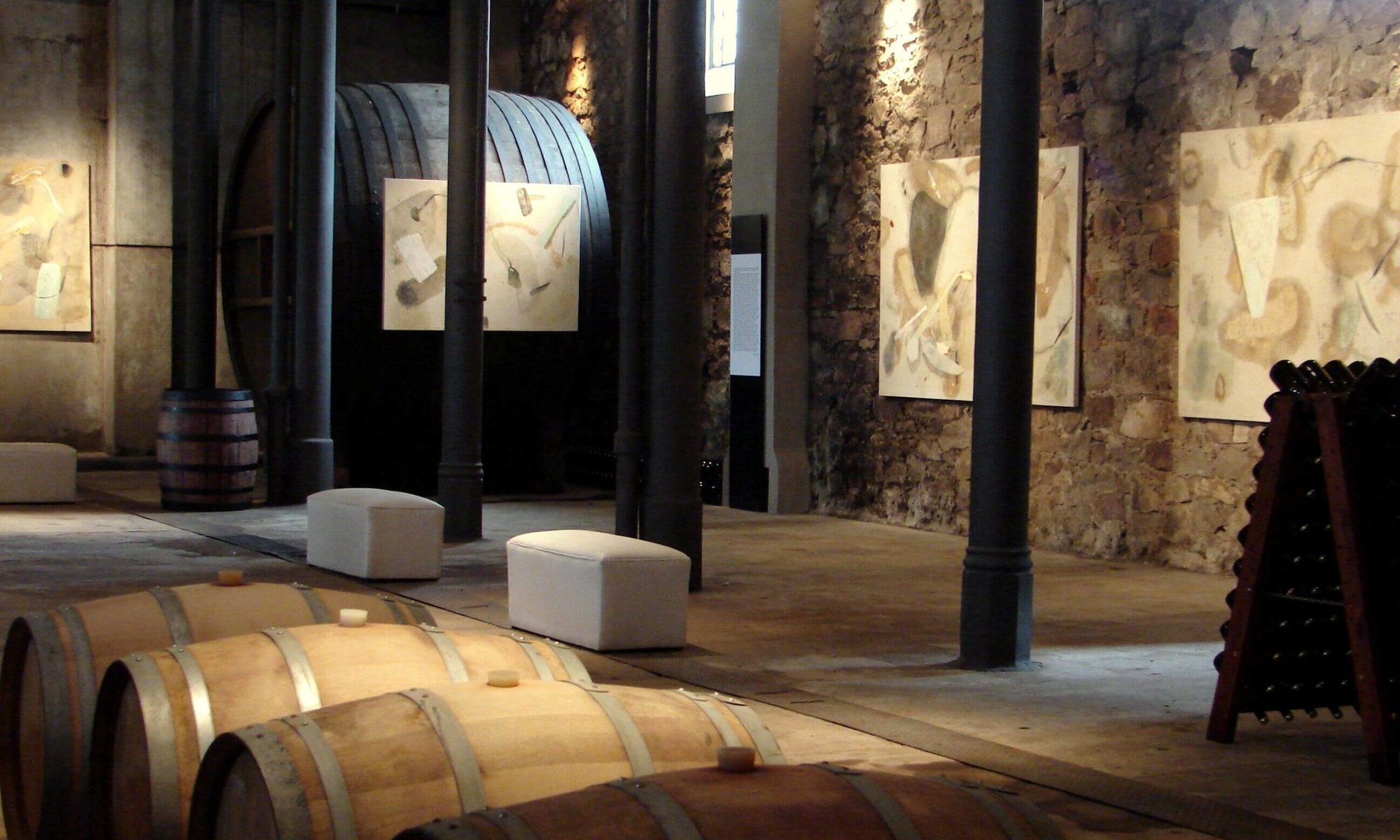
This is a stop for people who travel for wine rather than spectacle. The cellar-focused language, surviving old-vine Tannat and the EP Club recognition make Spinoglio a strong pick for wine-education-minded visitors, tasting-focused travelers and aficionados who want to trace regional history through vine stocks and technique. Because the corridor lacks tourist infrastructure, it’s best for independent explorers or small groups prepared to seek out producers rather than expecting polished visitor services. Expect a sober, terroir-driven experience centered on the wines themselves rather than on theatrical tasting-room trappings.
Planning details
Location
Av. Don Pedro de Mendoza 8238, 12400 Montevideo, Departamento de Montevideo · Directions
Also consider
Where to look if this does not work
If booking is the obstacle, start with Bodega Carrau for a same-area winery alternative. If the group can travel farther, compare Pizzorno Family Estates for a broader wine-country plan.
Winery context
How it compares in the Las Piedras winery set
Choose Bodega Spinoglio if the priority is a more deliberate winery visit and the group is willing to plan around a harder reservation. Bodega Traversa and Pizzorno Family Estates are better cross-shops for travelers building a broader Canelones-style tasting day, while Spinoglio makes more sense when Las Piedras itself is the focus.
Bodega Carrau is the practical alternative in the same Las Piedras orbit. Pick Carrau when ease and a more obvious local comparison matter; pick Spinoglio when the point is a quieter, more selective visit. Bodega Pisano is a stronger fit for visitors comparing family-winery experiences outside the immediate Las Piedras plan.
Grappamiel del Uruguay belongs on the list only for travelers who want a different drink category rather than a direct wine tasting substitute. For value, Spinoglio depends on whether the visit is confirmed and paced properly; for ease, Carrau is the safer first comparison.
Explore Las Piedras
Around this place
Discover more on Pearl
Unlock the full Bodega Spinoglio guide in Pearl, including awards, comparisons, FAQs, planning details, and nearby places.
Compare Bodega Spinoglio
| Venue | Location | Awards |
|---|---|---|
| Bodega Spinoglio | Las Piedras | No published awards |
| Bodega Traversa | Montevideo | No published awards |
| Pizzorno Family Estates | Canelones | No published awards |
| Bodega Carrau | Las Piedras | No published awards |
| Bodega Pisano | Canelones | No published awards |
| Grappamiel del Uruguay | Canelones | No published awards |
How Bodega Spinoglio Las Piedras compares with similar nearby venues.
FAQ
Frequently Asked Questions
Where is Bodega Spinoglio?
Bodega Spinoglio is in Las Piedras. No more specific address is verified here.
Does Bodega Spinoglio have recognition?
Yes. Bodega Spinoglio has Pearl 2 Star Prestige recognition for 2025.
What is Bodega Spinoglio known for?
Beyond its Las Piedras location, casual dress code, Pearl 2 Star Prestige recognition for 2025, specific offerings are not verified here. Check Bodega Spinoglio's official channels for current details.