Bodega Toscanini
Las Piedras, Canelones
Winery in Canelones, Uruguay
The Read
Ruta 69 Vineyard Dining
Why go
Bodega Toscanini is worth targeting for a special-occasion Canelones winery visit when a confirmed, higher-touch tasting matters more than casual drop-in flexibility. Booking looks difficult, so treat it as the anchor of the day and compare against better-known local alternatives if you need clearer visitor logistics.
About Bodega Toscanini
Bodega Toscanini is a Canelones venue with Pearl 2 Star Prestige recognition for 2025. The verified planning details are limited, so treat this page as a concise guide rather than a source for unconfirmed menus, prices, hours, access rules, or visitor formats.
The clearest confirmed practical note is the dress code: smart casual. Beyond that, visitors should confirm current availability, pricing, visit details directly with the venue before making plans.
Plan around confirmed details, not assumptions
Bodega Toscanini has a confirmed Pearl 2 Star Prestige distinction for 2025, which makes it a notable Canelones option to consider. However, no verified public details are available here for a specific format, menu, service style, visitor capacity, or price.
For a special occasion or planned outing, the safest approach is to contact the venue first and build plans only around confirmed details. Keep expectations flexible, dress smart casual, avoid assuming walk-in access, meal service, purchases, or any specific offering unless the venue confirms it.
Use Canelones as the benchmark, not a generic checklist
Readers comparing Canelones options can consider Bodega Toscanini alongside Bodega De Lucca, Bodega Pisano, Bodega Spinoglio, Pizzorno Family Estates, Viña Progreso. Other venues in Canelones may also help round out broader plans, but verify details before committing.
Because the verified information for Bodega Toscanini is intentionally narrow, comparisons should focus on confirmed basics: recognition, location in Canelones, dress expectations, any current details supplied directly by each venue.
Quick reference: Bodega Toscanini is a Pearl 2 Star Prestige 2025 venue in Canelones with a smart casual dress code. Confirm all visit, food, price, purchase details directly before going.
Planning details
- Location
- Ruta 69, Km 30.500, 90200 Departamento de Canelones
- Website
- toscaniniwines.com
- Phone
- +598 2368 9696
The take
The Take
The Vibe
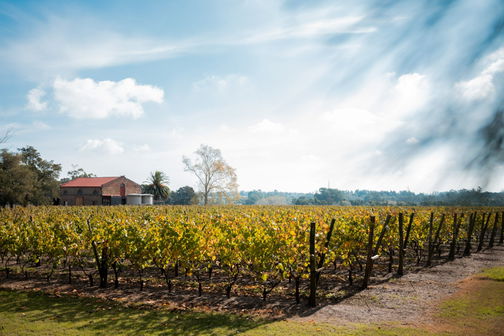
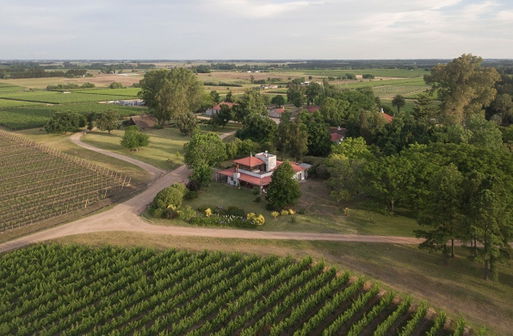
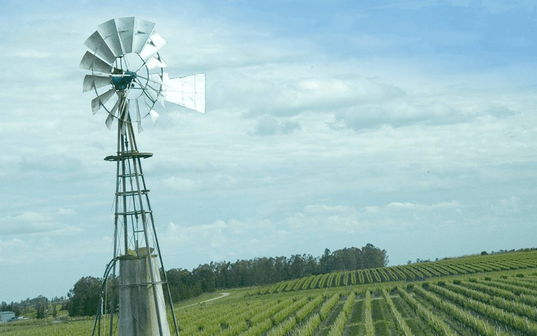
Bodega Toscanini sits quietly within Canelones' rolling green hills, the landscape more agricultural than theatrical. The estate reads as part of a working patchwork of family-owned properties; architecture and approach feel understated, and the winery makes its case in the bottle rather than through showy entrances. Atlantic humidity and gentle aging philosophies give the place a calm, contemplative air—sophistication here is earned by production choices and a Pearl 2 Star Prestige rating rather than by design flourishes. The result is a scenic, serene winery experience rooted in terroir and cellar practice.
Best For
This is a visit for people focused on wine and technique: those who want to understand how Canelones climate and cellar decisions shape finished wines. The description frames the drive and region as an education in South American production, and the winery’s Prestige rating situates it among serious producers—making Toscanini suitable for wine-education outings and for visitors seeking a distinguished, special-occasion stop. It’s less about tourism spectacle and more about tasting wines that reflect careful barrel selection and thoughtful aging.
Tasting Tips
When engaging with Toscanini’s wines, orient your questions around the aging programme: inquire about cellar conditions, barrel selection and the duration decisions that shape each release. The copy highlights gentle wood integration in Atlantic-influenced cellars, so focus tastings on how oak and structure interact across vintages and cuvées. For those considering purchases, ask which bottlings benefit from further cellaring versus those intended for earlier drinking—this winery’s argument is made through its aging choices, so the most revealing notes come from conversations about barrels and release timing.
Planning details
Location
Also consider
Where to look if you cannot get in
Try Pizzorno Family Estates if the priority is a polished winery visit with broader visitor appeal. Try Bodega De Lucca if the day needs a more practical Canelones backup without turning the itinerary into a long detour.
Winery context
How it compares in Canelones
Choose Bodega Toscanini when the goal is a slower, more private-feeling winery appointment and the group is willing to plan around difficult access. Bodega Pisano and Viña Progreso are better cross-shops for readers who want to compare Canelones producers without making one hard-to-secure visit the whole point of the day.
Pizzorno Family Estates is the safer pick if ambiance and visitor polish are the priority. Bodega Spinoglio works better as an out-of-metro alternative for travelers building a broader wine route rather than staying tightly in Canelones.
For value-conscious visitors, Bodega De Lucca is the practical backup to check first if this booking does not come together. The decision is less about chasing a bigger name and more about format: private-style focus here, easier itinerary-building at the peers.
Explore Canelones
Around this place
Discover more on Pearl
Unlock the full Bodega Toscanini guide in Pearl, including awards, comparisons, FAQs, planning details, and nearby places.
Compare Bodega Toscanini
| Venue | Location | Awards |
|---|---|---|
| Bodega Toscanini | Canelones | No published awards |
| Bodega Pisano | Canelones | No published awards |
| Viña Progreso | Canelones | No published awards |
| Pizzorno Family Estates | Canelones | No published awards |
| Bodega Spinoglio | Las Piedras | No published awards |
| Bodega De Lucca | Canelones | No published awards |
How Bodega Toscanini Canelones compares with similar nearby venues.
FAQ
Frequently Asked Questions
What should I know before planning a visit to Bodega Toscanini?
The verified details are limited to its Canelones location, Pearl 2 Star Prestige 2025 recognition, smart casual dress code. Confirm any current visit details directly before making plans.
What is the dress code at Bodega Toscanini?
What other venues can I compare with Bodega Toscanini?
For comparison when planning around Canelones, consider Bodega De Lucca, Pizzorno Family Estates, Viña Progreso, Bodega Pisano, Bodega Spinoglio. Verify each venue's current visit details before choosing an itinerary.