Bodega Pisano
Progreso, Canelones
Winery in Canelones, Uruguay
 Book with Pearl
The Read
Canelones Cellar Prestige
Why go
Bodega Pisano is the pick for travelers who want a serious Canelones wine stop centered on bottles rather than a highly packaged visitor experience. Plan ahead, confirm access before traveling, and compare it with Pizzorno Family Estates or Viña Progreso if the group needs an easier, more structured day.
About Bodega Pisano
Bodega Pisano is a Canelones venue with casual dress and 2 Star Prestige recognition for 2025. Plan around the confirmed basics rather than assuming specific visitor services, menu formats, hours, prices, or hospitality extras. The listing establishes the venue, the general location in Canelones, the dress guidance, and the current Prestige level, while the rest of the visit experience should be checked directly before you commit time to it.
For itinerary planning, compare Bodega Pisano with other options such as Pizzorno Family Estates, Bodega De Lucca, Bodega Spinoglio, Bodega Toscanini, and Viña Progreso. Keep the comparison practical: confirm current access, timing, and any visit details directly before building the day around a stop. This is especially important in a region where a traveler may be weighing several possible venues in one plan.
Choose it with expectations grounded in details
The information supports Bodega Pisano as a Canelones venue with casual dress and 2 Star Prestige recognition in 2025. It does not confirm a specific tasting format, dining program, price point, address beyond Canelones, or visitor schedule. A cautious traveler should read the listing as confirmation of identity and general positioning, not as a complete description of what will happen on arrival.
That makes the safest planning approach direct: treat Bodega Pisano as a venue to confirm in advance. If you are building a wider Canelones plan, compare it with Viña Progreso, Bodega Toscanini, Pizzorno Family Estates, Bodega De Lucca, or Bodega Spinoglio, and verify current arrangements directly with each venue before finalizing the route. A simple comparison can be enough: which places can currently receive visitors, what timing is actually available, and whether the details match the pace of your day. Until those points are confirmed, Bodega Pisano should remain a considered option rather than an assumed anchor.
How to think about the visit
Do not arrive with assumptions about a specific menu or a guaranteed service format. The reliable facts are the venue name, its Canelones location, casual dress, and 2 Star Prestige recognition for 2025. That is a solid but compact set of information, best used for early-stage planning rather than final logistics. Casual dress gives a basic cue for how to prepare, while the Prestige recognition helps distinguish the venue within the record, but neither replaces confirmation of what is currently offered to visitors.
For travelers deciding whether to include Bodega Pisano, the practical test is whether those details fit the day you are planning. If your plans depend on dining, exact opening times, pricing, or a particular service, confirm those details directly before you go. For a broader Canelones plan, use a Canelones venue guide alongside other options such as Bodega De Lucca, Bodega Spinoglio, Bodega Toscanini, Pizzorno Family Estates, and Viña Progreso. That approach keeps the itinerary flexible and accurate: shortlist the venues that interest you, check the current visitor information, then decide whether Bodega Pisano belongs in the final route based on confirmed arrangements rather than assumptions.
Planning details
- Location
- Ruta 68 Km 29, 90300 Progreso, Departamento de Canelones
- Website
- pisanowines.com
- Phone
- +598 2368 9077
The take
The Take
The Vibe
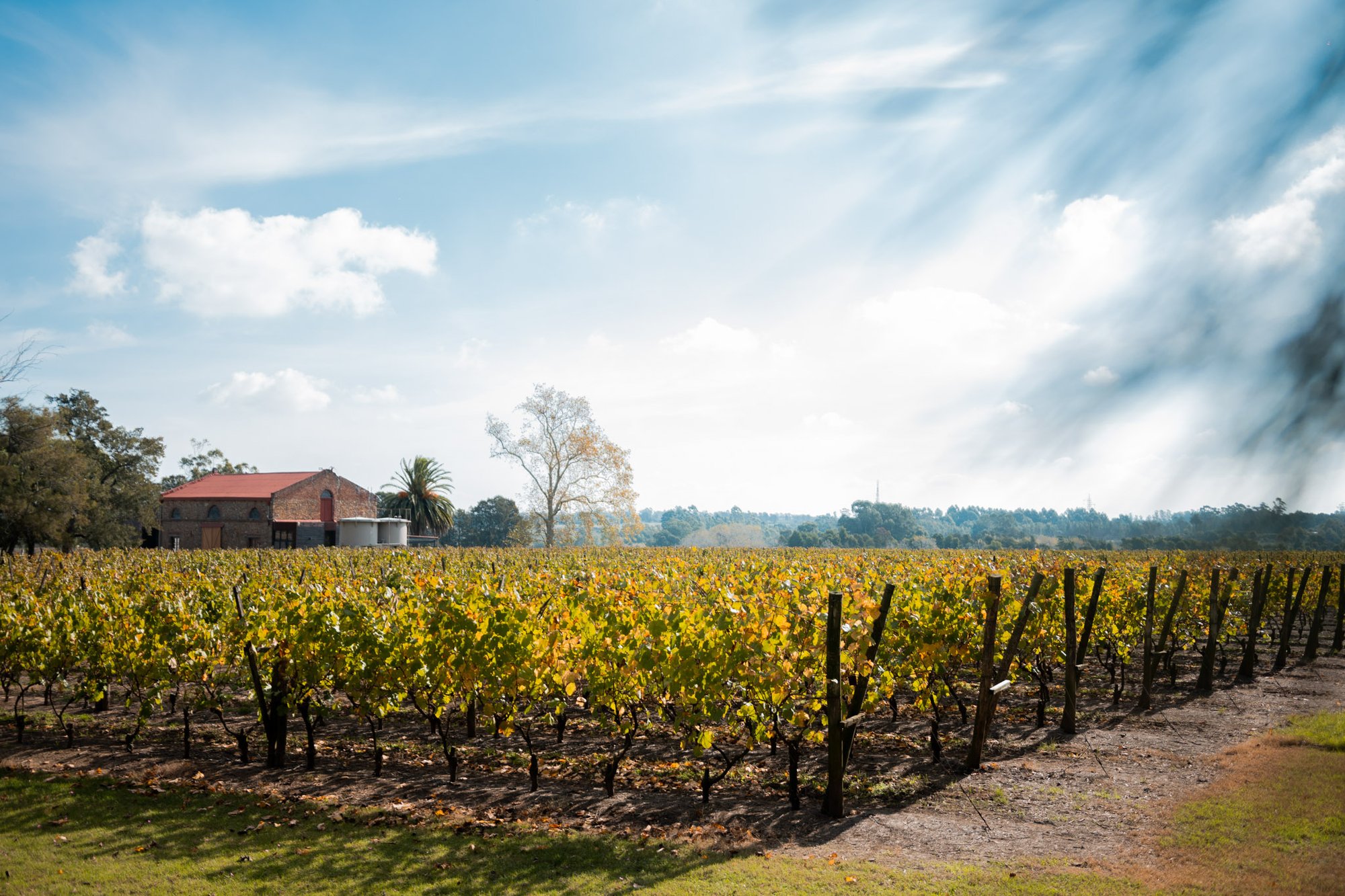
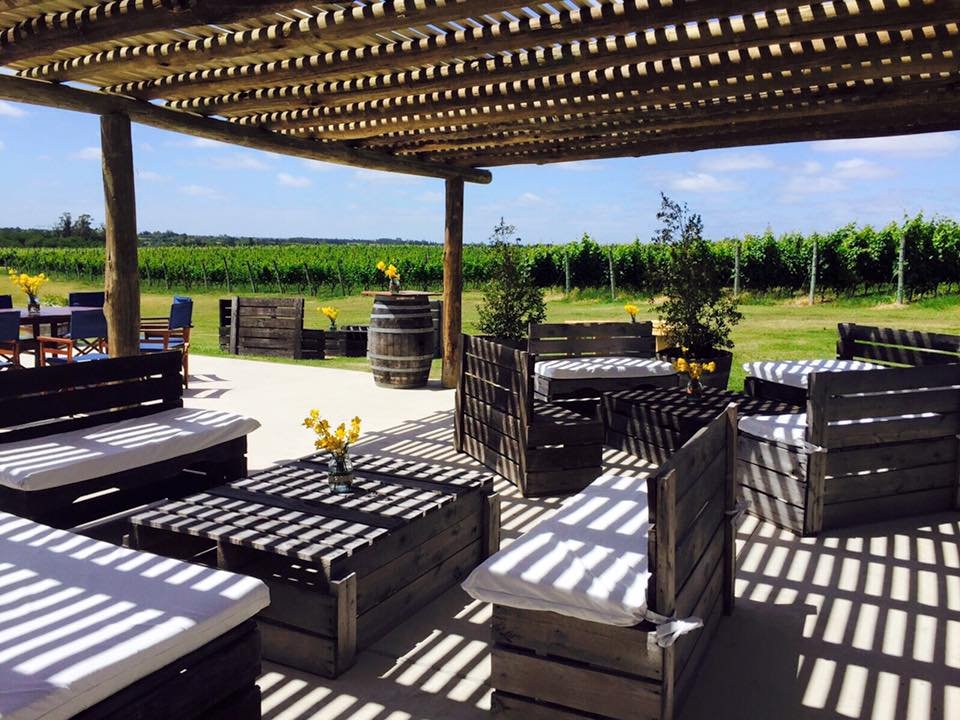
Bodega Pisano presents a quietly refined winery presence set into Canelones' gently rolling terrain. The prose of the region — clay-loam soils, steady Atlantic influence and a long history of incremental experimentation — gives the estate a contemplative, scenic character rather than showy grandeur. Its Pearl 2 Star Prestige rating signals a measured seriousness: Pisano sits among the region's credentialed producers while still reflecting the pluralist spirit of Canelones, where Tannat sits alongside Albariño, Viognier and Pinot Noir. The overall tone is terroir-first and quietly sophisticated, oriented to tasting and study more than spectacle.
Best For
Pisano is best for visitors who want to understand Canelones' terroir-driven approach and track the region's variety-level experiments. It suits wine-education outings and solo exploration equally well: tastings and conversations center on soil profiles, maritime moderation and the different expressions of Tannat and Atlantic-adapted whites. Small groups of curious drinkers or students of viticulture will find the setting useful for comparing styles and learning why this corridor matters in Uruguay's wine economy. This is a stop for people prioritizing learning and provenance over theatrical tasting-room experiences.
Tasting Tips
When tasting at Pisano focus on the region's signature and its experiments: begin with the house Tannat to feel the red anchor, then sample Albariño and other Atlantic whites such as Viognier to understand the maritime influence. If available, taste any Pinot Noir or single-vineyard lots to track how different sites and the clay-loam soils express themselves. Ask staff about recent vintages and the winery’s Pearl 2 Star Prestige bottlings to learn which cuvées the producers consider most representative. Prioritize comparative sips and questions about site and vinification rather than food pairing recommendations.
Venue details
Ambiance
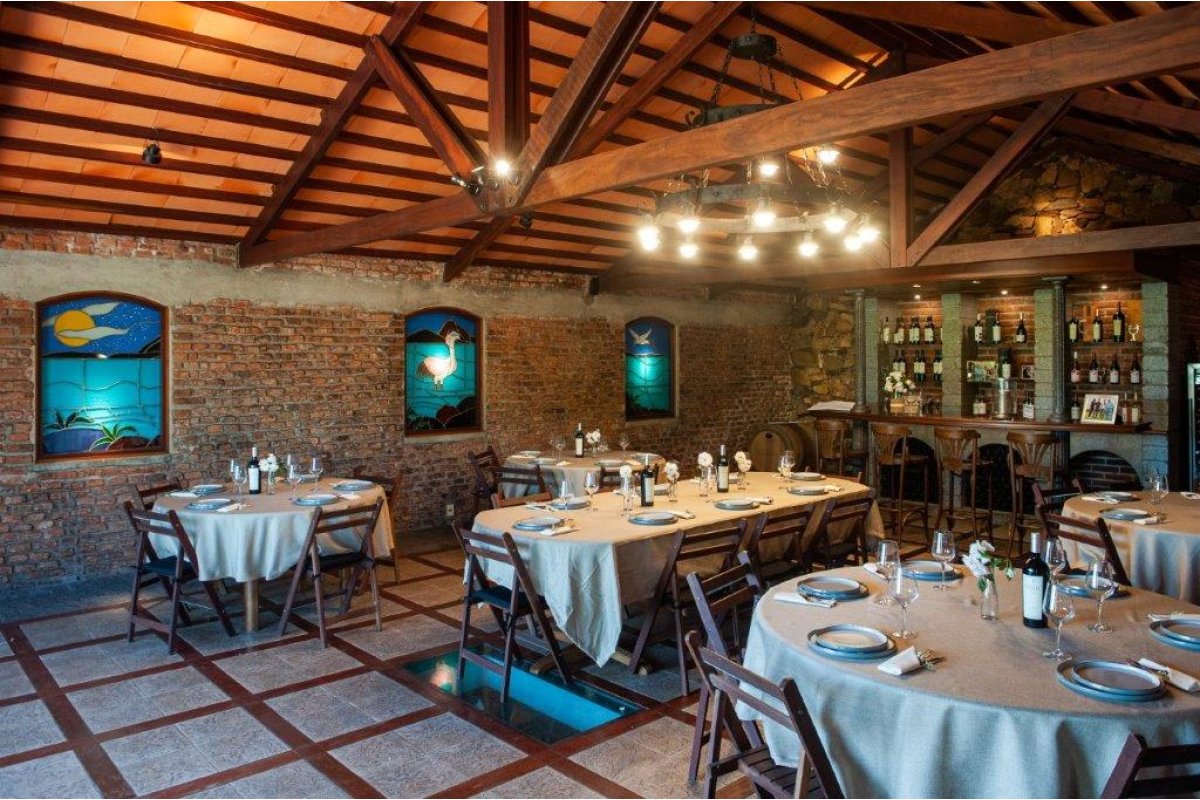
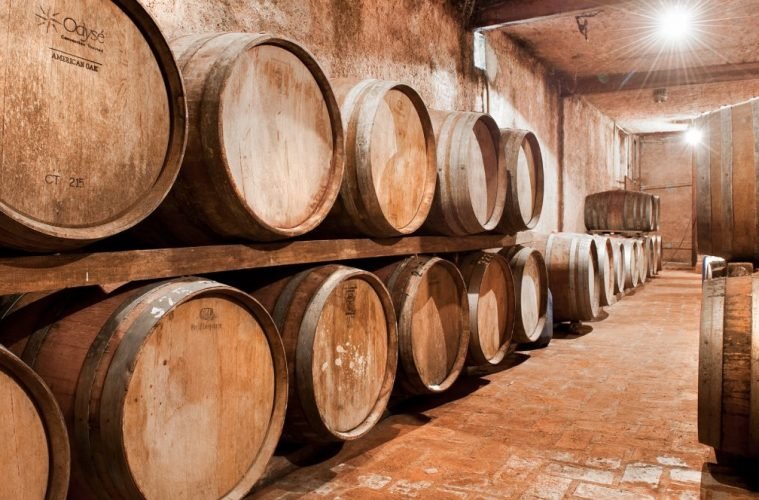
Rustic and traditional atmosphere reflecting five generations of family winemaking tradition with artisanal techniques.
Tags
Vibe
Best For
Experience
View
At the Vineyard
- Appellation
- Progreso, Canelones
- Varietals
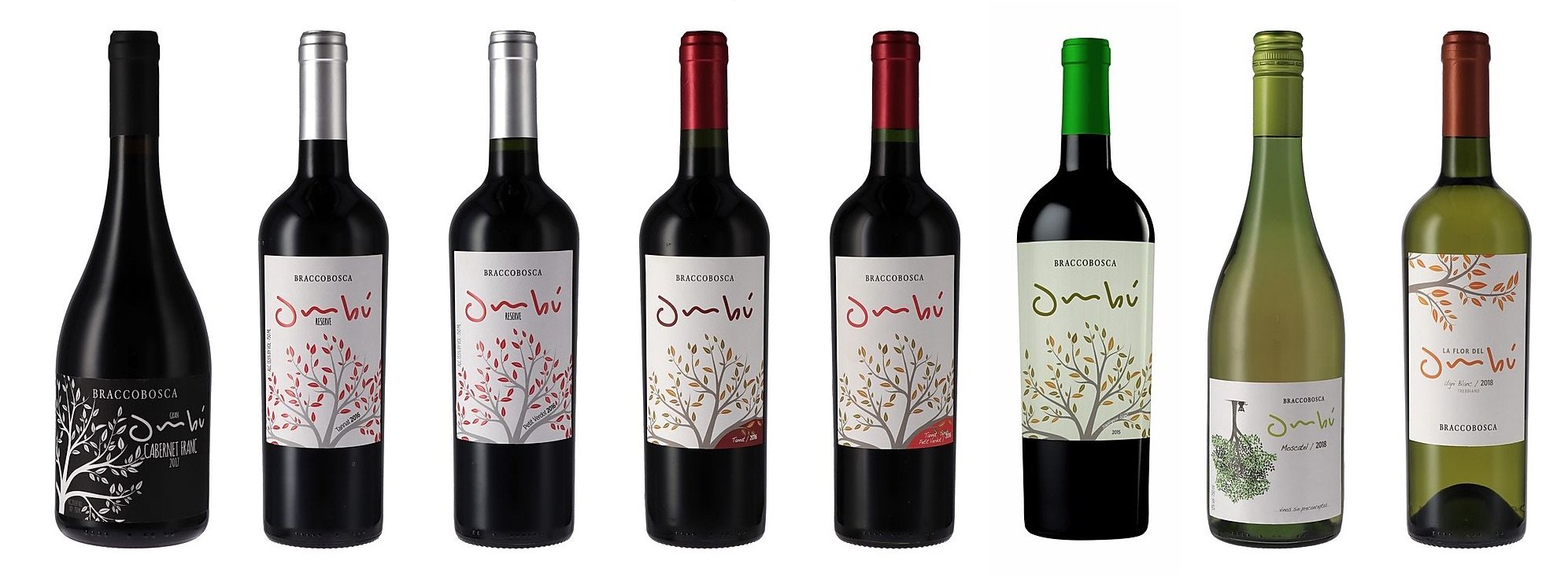
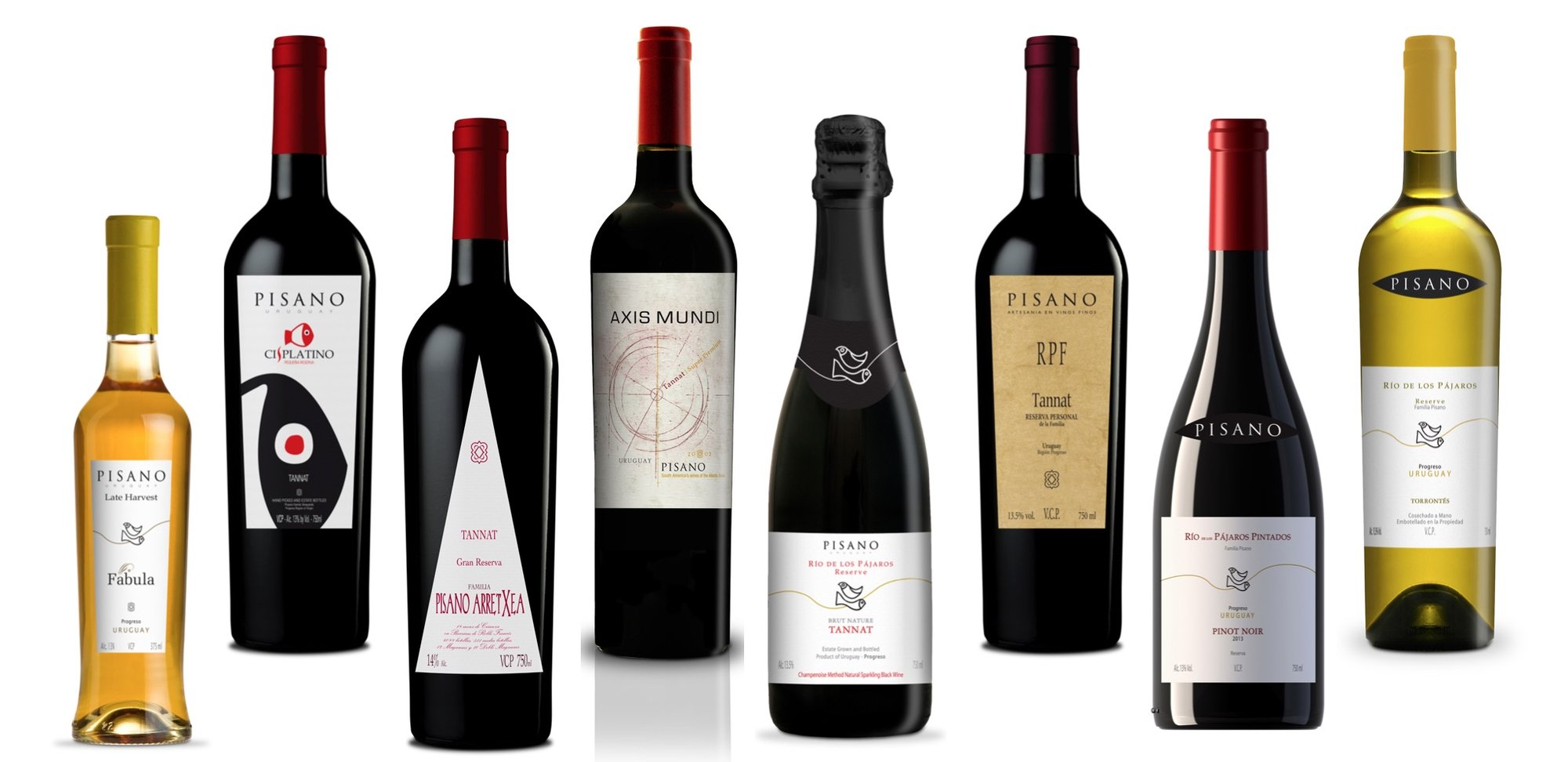
- Tannat, Cabernet Sauvignon, Pinot Noir, Merlot, Syrah
- Tour Duration
- 60-90 minutes
- Wine Club
- Not available
Know before you go
Know Before You Go
- Getting there
- Ruta 68 Km 29, 90300 Progreso, Departamento de Canelones
Planning details
Location
Also consider
Where to look if this is hard to arrange
If access is difficult, start with Pizzorno Family Estates for a more visitor-friendly Canelones day. For a closer Progreso-area alternative, Viña Progreso is the cleaner backup to check before widening the itinerary.
Winery context
How it compares in Canelones
Choose Bodega Pisano if the day is about evaluating bottles and producer identity. Pizzorno Family Estates is the better fit for visitors who want a more complete hospitality feel, while Viña Progreso is the easier cross-shop for a relaxed Progreso-area plan.
Bodega Toscanini and Bodega De Lucca make sense for travelers comparing classic Canelones producers without committing the whole day to one stop. If ambiance and a broader outing matter more than bottle assessment, Bodega Spinoglio is the stronger alternative, though it sits outside the core metro set in this comparison.
For value, the practical move is to compare confirmed tasting access before choosing. Pisano is the more targeted wine-first option; Pizzorno is safer for mixed groups; Viña Progreso and Toscanini are useful backups when the plan needs less friction.
Explore Canelones
Around this place
Discover more on Pearl
Unlock the full Bodega Pisano guide in Pearl, including awards, comparisons, FAQs, planning details, and nearby places.
Compare Bodega Pisano
| Venue | Location | Awards |
|---|---|---|
| Bodega Pisano | Canelones | No published awards |
| Bodega Toscanini | Canelones | No published awards |
| Viña Progreso | Canelones | No published awards |
| Pizzorno Family Estates | Canelones | No published awards |
| Bodega De Lucca | Canelones | No published awards |
| Bodega Spinoglio | Las Piedras | No published awards |
How Bodega Pisano Canelones compares with similar nearby venues.
FAQ
Frequently Asked Questions
What other venues are near Bodega Pisano?
Other options to compare include Bodega Toscanini, Viña Progreso, Pizzorno Family Estates, Bodega De Lucca, and Bodega Spinoglio. Confirm current visit details directly before clustering stops into one route.
Do I need a reservation at Bodega Pisano?
Does Bodega Pisano offer visitor services?
Visitor services are not listed. Use Bodega Pisano's direct channels to confirm current options before you go.
What is the signature offering at Bodega Pisano?
No specific signature offering is listed. If that matters for your visit, ask Bodega Pisano directly what currently best represents the venue.
When is the best time to visit Bodega Pisano?
Specific hours and ideal visit timing are not listed. Build any Canelones route only after confirming current details directly with Bodega Pisano and any other venues you plan to visit, such as Pizzorno Family Estates or Bodega Spinoglio.