H. Stagnari
La Puebla, La Paz, Canelones
Winery in Canelones, Uruguay
The Read
Tannat-Rooted Canelones Prestige
Why go
H. Stagnari works if the point of the trip is a serious Canelones winery visit with estate context, not a casual drop-in. The tradeoff is planning friction: dining, hours, pricing, group logistics are not details to assume, so compare with nearby Canelones wineries if you need a simpler plan.
About H. Stagnari
H. Stagnari is a Canelones venue with a confirmed Pearl 2 Star Prestige recognition for 2025. Beyond that, the verified public details available here are intentionally limited, so the safest way to plan is to treat the listing as a shortlist entry rather than a source for unconfirmed logistics.
The practical verdict: consider H. Stagnari if the Canelones location and recognition are enough to justify further inquiry before you go. Do not assume a specific dining format, menu, price range, opening hours, phone number, website, tasting structure, or hospitality package from the information on this page. The confirmed dress code is smart casual.
Choose it for the confirmed recognition, not unverified details
The strongest verified reason to keep H. Stagnari on a Canelones plan is its Pearl 2 Star Prestige recognition in 2025. That is a meaningful signal, but it should not be stretched into claims about service style, food, beverages, tours, private events, or any particular experience format.
Because the available verified details are thin, keep expectations narrow until you confirm directly. Plan around the venue name, its Canelones location, the smart casual dress code, the confirmed recognition. Anything more specific should be checked before travel.
Better for planners who are comfortable confirming details first
H. Stagnari is a stronger fit for visitors who are comfortable making decisions from a short verified profile and then confirming practical details themselves. If your group needs more certainty before choosing, compare it with Antigua Bodega Stagnari, Bodega Bouza, Bodega Carrau, Bodega De Lucca, or Viña Progreso as part of a broader shortlist.
For travelers mapping a wider Canelones day, use H. Stagnari as one confirmed Pearl-recognized entry and then verify the practical essentials directly before adding other plans. The smarter move is to confirm what is actually available first, then build the rest of the day around those verified details.
Bottom line: H. Stagnari belongs on a Canelones shortlist because of its confirmed Pearl 2 Star Prestige recognition for 2025. It is a weaker fit for anyone who needs verified hours, prices, menus, service details, or group logistics before deciding.
Planning details
- Location
- km 20 La Puebla, Brigadier Gral. Fructuoso Rivera, 90100 La Paz, Departamento de Canelones
- Website
- stagnari.com
- Phone
- +598 2362 2940
The take
The Take
The Vibe
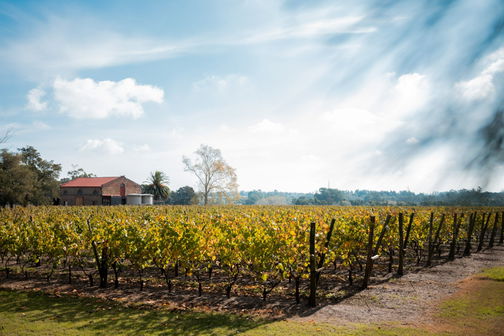
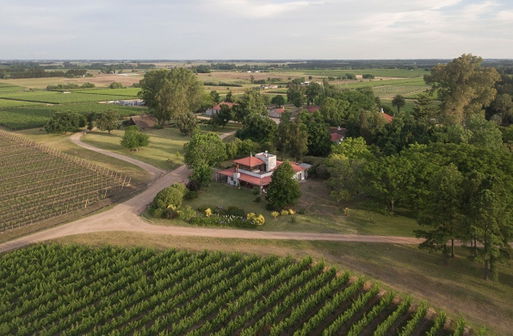
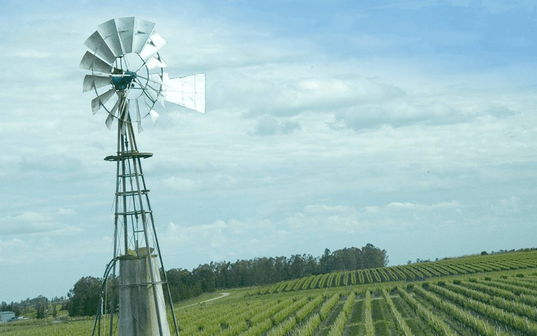
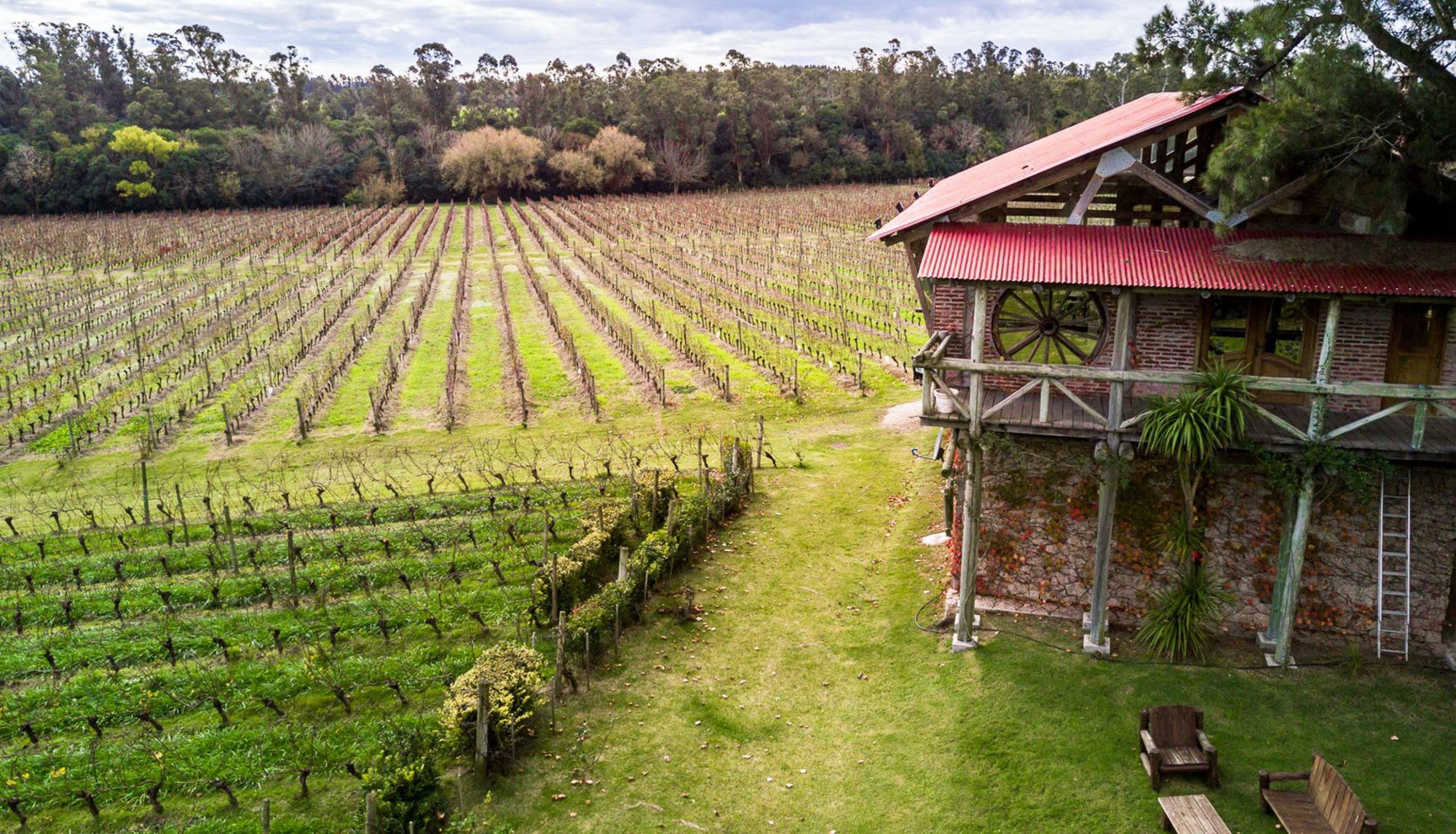
H. Stagnari presents a workmanlike, production-first personality that reads as quietly sophisticated rather than tourist-facing. The approach is unadorned — low hills, market gardens and plain winery gates announce that this is functioning agricultural land, not a stage set. That pragmatic setting underscores a seriousness about craft: award recognition and membership in a prestige peer group point visitors toward the cellar and the bottle, not photo ops. The overall tone is reserved and earnest, where the landscape and the wines do the talking and the experience rewards visitors who appreciate focused, production-led wineries.
Best For
This estate is best for visitors who come to learn and assess rather than to linger for ambience. It's well suited to wine education and solo exploration — people who want to study terroir, sourcing and winemaking choices — and to special-occasion visits built around tasting higher-end bottlings. The setting is not crafted for mass tourism; instead, it favors deliberate tastings, conversations about vineyard sourcing, and appointments that concentrate on the wines themselves. Travelers seeking prestige-level Uruguayan examples will find it particularly relevant.
Tasting Tips
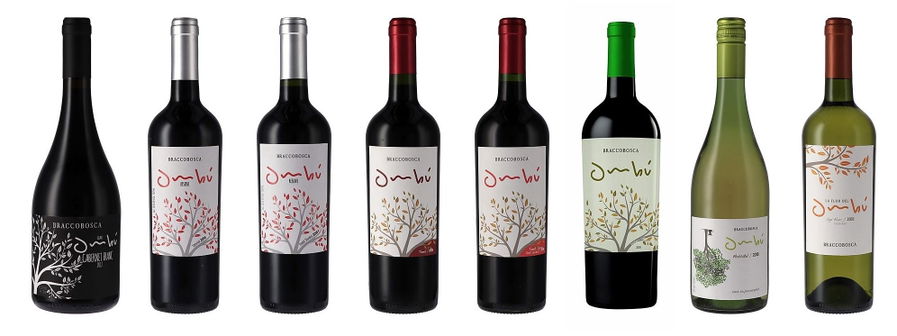
Prioritize the estate's award-recognized and prestige-tier bottlings when you taste; the profile specifically cites a '2025 Pearl 2 Star Prestige award,' which signals the wines the winery is positioning for attention. Ask staff about vineyard sources and the production choices that separate their prestige cuvées from commodity offerings — the write-up emphasizes a focus on 'what is being made.' If available, request estate or single-vineyard expressions to get a clearer sense of the site's terroir and how it compares with its Canelones peers.
Planning details
Location
km 20 La Puebla, Brigadier Gral. Fructuoso Rivera, 90100 La Paz, Departamento de Canelones · Directions
Also consider
Also Consider
- Antigua Bodega Stagnari, Notable alternative
- Bodega Bouza, Notable alternative
- Bodega Carrau, Notable alternative
- Bodega De Lucca, Notable alternative
- Viña Progreso, Notable alternative
Winery context
How it compares in Canelones wine country
H. Stagnari is the more committed choice in this set: better for visitors who care about the winery setting itself than for groups looking for the easiest logistics. Antigua Bodega Stagnari is the natural first comparison because of the shared Stagnari name, while Bodega De Lucca and Viña Progreso are useful Canelones cross-shops if keeping the day local matters.
For a broader wine-country day, Bodega Bouza and Bodega Carrau are the better comparisons when the group wants a more established visitor rhythm outside the immediate Canelones cluster. Choose H. Stagnari when the estate visit is the point; choose one of the peers when value, ease, or a clearer hospitality setup matters more.
Booking difficulty is the main caution. Treat H. Stagnari as the hardest plan in this group, especially for large groups or visitors who need confirmed food, timing, transport details. If the trip cannot absorb uncertainty, cross-shop Bodega De Lucca or Viña Progreso first.
Explore Canelones
Around this place
Discover more on Pearl
Unlock the full H. Stagnari guide in Pearl, including awards, comparisons, FAQs, planning details, and nearby places.
Compare H. Stagnari
| Venue | Location | Awards |
|---|---|---|
| H. Stagnari | Canelones | No published awards |
| Antigua Bodega Stagnari | Canelones | No published awards |
| Bodega Bouza | Montevideo | 2025 World's 50 Best Vineyards · #552024 World's 50 Best Vineyards · #382023 World's 50 Best Vineyards · #302020 World's 50 Best Vineyards · #262019 World's 50 Best Vineyards · #44 |
| Bodega Carrau | Las Piedras | No published awards |
| Bodega De Lucca | Canelones | No published awards |
| Viña Progreso | Canelones | No published awards |

How H. Stagnari Canelones compares with similar nearby venues.
FAQ
Frequently Asked Questions
What other venues should I compare with H. Stagnari?
Antigua Bodega Stagnari, Bodega Bouza, Bodega Carrau, Bodega De Lucca, Viña Progreso are relevant comparison names to consider when planning around H. Stagnari. Confirm locations, hours, visit formats directly before building a route.
Is there a signature offering at H. Stagnari?
A signature offering is not identified in the verified venue details provided here. Do not plan around a named item or experience unless H. Stagnari confirms it directly.