Antigua Bodega Stagnari
La Paz, Canelones
Winery in Canelones, Uruguay
The Read
Generational Canelones Viticulture
Why go
Antigua Bodega Stagnari is worth prioritizing for a wine-focused Canelones visit, especially if the occasion is built around Uruguayan wine rather than a guaranteed dining format. Booking looks difficult, so it suits planners more than spontaneous travelers. Cross-shop Bodega Bouza for a broader hospitality feel and Bodega De Lucca or Viña Progreso for alternative Canelones routes.
About Antigua Bodega Stagnari
Antigua Bodega Stagnari is a Canelones venue with a casual dress code and Pearl 2 Star Prestige recognition for 2025. Beyond those confirmed points, practical details such as menu format, pricing, hours, group capacity, specific visit structure are not verified here, so plan through the venue's official channels before building an occasion around it.
For planning, treat Antigua Bodega Stagnari as a Canelones option to consider when the venue itself is the draw. If you need guaranteed details around dining, timing, accessibility, or group flow, confirm those points directly rather than assuming a particular service model.
A serious Canelones stop for planners, not improvisers
The grounded reason to shortlist Antigua Bodega Stagnari is simple: it is a recognized Canelones venue, with Pearl 2 Star Prestige status in 2025 and casual dress. For comparison planning, you may also look at Bodega Carrau, Bodega De Lucca, H. Stagnari, Viña Progreso, Bodega Bouza.
Because verified public details are limited, avoid treating the venue as a confirmed restaurant replacement, tasting format, private-event space, or walk-in stop. It may still fit a special outing, but the safer plan is to verify the current format, availability, any arrangements directly before committing.
Where it fits in Canelones planning
Use Antigua Bodega Stagnari as one possible Canelones anchor, then compare it with Bodega Carrau, Bodega De Lucca, H. Stagnari, Viña Progreso, Bodega Bouza based on the details each venue confirms at the time of planning.
For broader planning, pair this page with general Canelones dining, lodging, bar, experience research, confirm all practical details directly with each operator. The verified information here does not establish specific hours, prices, menus, group capacity, delivery, or visit length.
Quick reference: choose Antigua Bodega Stagnari if a casual-dress Canelones venue with Pearl 2 Star Prestige recognition fits your plans; verify every operational detail before relying on it for a meal, group event, or timed itinerary.
Planning details
- Location
- 7P4J+GH8, 15900 La Paz, Canelones Department
- Website
- antiguabodegastagnari.com.uy
- Phone
- +598 2362 2137
The take
The Take
The Vibe
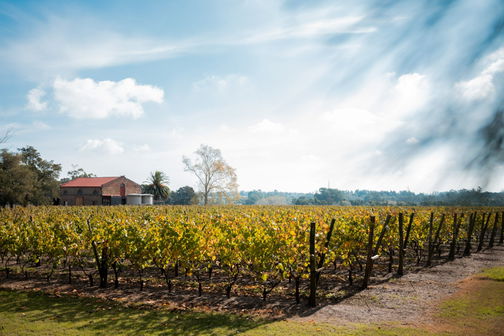
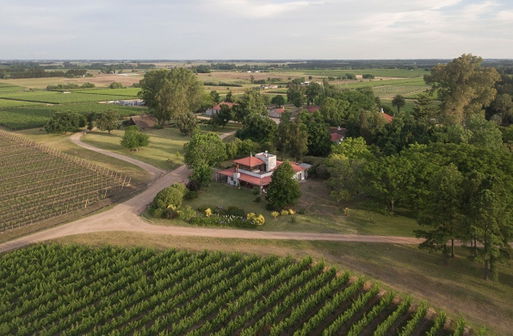
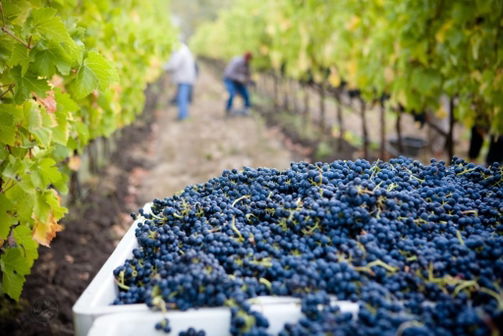
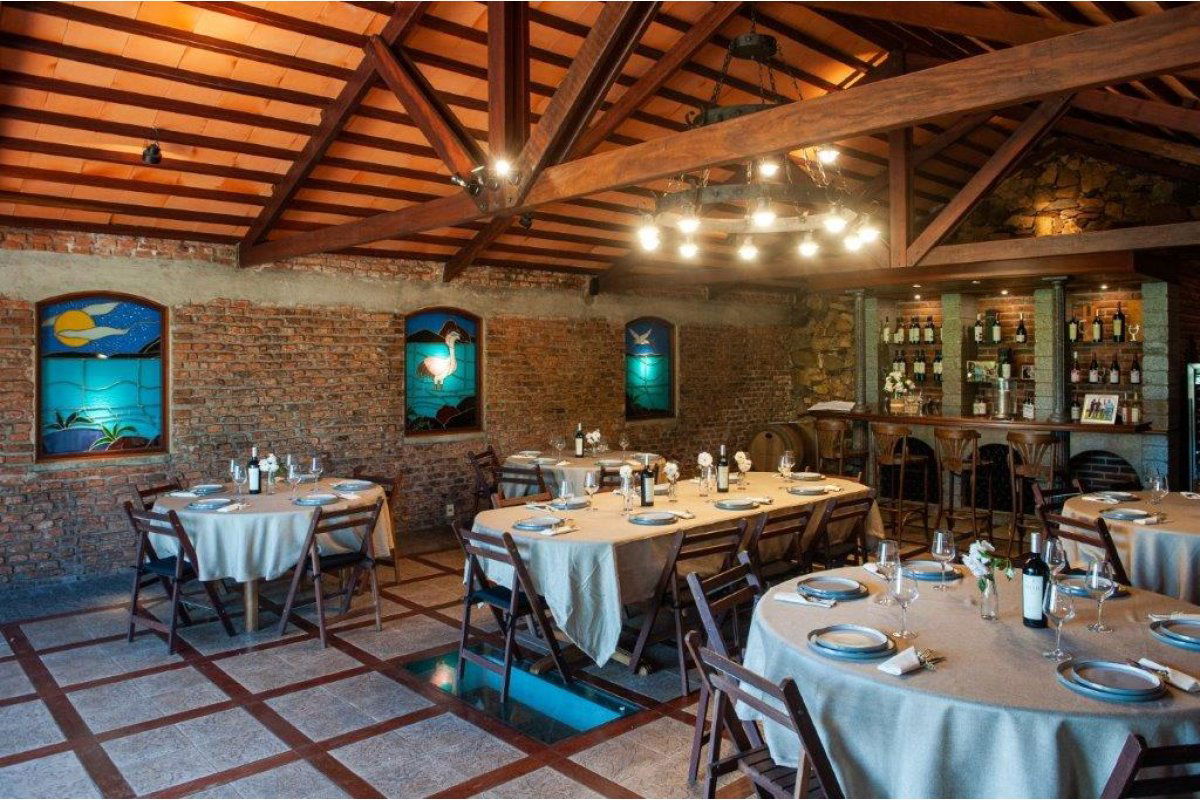
Antigua Bodega Stagnari sits quietly in the gentle countryside of La Paz, where clay-heavy soils and a subtle Atlantic influence shape the character of its wines. The language in the description emphasizes terroir over fireworks—flat, rolling terrain and the maritime touch give fruit structure and acidity rather than dramatic elevation. At the same time, the bodega’s generational continuity and a recent Pearl 2 Star Prestige award place it among serious regional producers, so the overall impression is both serene and assured: a scenic, composed estate where precision and history meet.
Best For
This bodega is best for people interested in learning about place-driven wines—especially those curious about Uruguay’s signature variety, Tannat. The copy foregrounds terroir, soils and generational knowledge, making visits suited to wine-education outings and tastings that explore site expression. The rural setting also reads as a calm spot for solo exploration or small group visits; the tone is thoughtful rather than celebratory, so it works well for guests who want to focus on tasting and context rather than loud, social programming.
Tasting Tips
When you visit or taste wines from Antigua Bodega Stagnari, prioritize expressions that highlight Tannat and single-vineyard fruit—those are central to the narrative provided. The description stresses acidity and structure derived from Canelones soils and maritime influence, so ask which bottlings showcase those traits or won awards such as the noted Pearl 2 Star Prestige. If staff can contextualize parcels and vintage differences, focus on comparative sips to hear how site and climate shape the wines.
Planning details
Location
Also consider
Where to look if this is full
If the date does not work, try Bodega De Lucca or Viña Progreso first for a Canelones-focused alternative. For a broader hosted experience, move Bodega Bouza higher on the list.
Winery context
How it compares in Canelones
Antigua Bodega Stagnari is the pick when the decision is wine seriousness over convenience. Against H. Stagnari, it sits in the same regional conversation, so the better choice comes down to availability and the exact style of visit offered on the date. If a group needs an easier hospitality plan, Bodega Bouza is the safer cross-shop.
Bodega Carrau is the stronger comparison for travelers prioritizing heritage and a classic Uruguay wine itinerary, while Bodega De Lucca and Viña Progreso are better backup options if the target date does not work. For a special occasion, choose Antigua Bodega Stagnari only if the wine appointment is the main event; choose Bouza if the group needs a more rounded hosting environment.
Explore Canelones
Around this place
Discover more on Pearl
Unlock the full Antigua Bodega Stagnari guide in Pearl, including awards, comparisons, FAQs, planning details, and nearby places.
Compare Antigua Bodega Stagnari
| Venue | Location | Awards |
|---|---|---|
| Antigua Bodega Stagnari | Canelones | No published awards |
| H. Stagnari | Canelones | No published awards |
| Bodega Bouza | Montevideo | 2025 World's 50 Best Vineyards · #552024 World's 50 Best Vineyards · #382023 World's 50 Best Vineyards · #302020 World's 50 Best Vineyards · #262019 World's 50 Best Vineyards · #44 |
| Bodega Carrau | Las Piedras | No published awards |
| Bodega De Lucca | Canelones | No published awards |
| Viña Progreso | Canelones | No published awards |

How Antigua Bodega Stagnari Canelones compares with similar nearby venues.
FAQ
Frequently Asked Questions
What other venues can I compare with Antigua Bodega Stagnari?
For comparison planning, consider Bodega Bouza, Bodega Carrau, Bodega De Lucca, H. Stagnari, Viña Progreso, along with other Canelones options generically. Confirm current locations, availability, visit formats directly before building an itinerary.