

Tabelog 100 Yakitori East Japan 2025
Tabelog 100 (Hyakumeiten) Yakitori - EAST selection for 2025. Tabelog publishes these as source-ordered lists of 100 restaurants.

Venues on this list
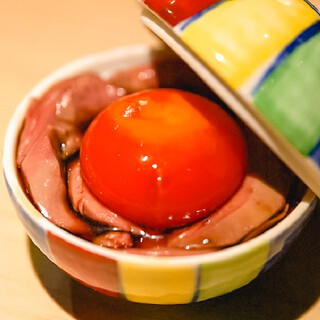
Toranomon Yakitori Kuniyoshi
Tokyo, Japan
A basement yakitori specialist near Toranomon Hills with a 15-seat counter and three private rooms, recognized in Tabelog 100 - Yakitori - EAST - 2025. JPY 10,000–JPY 14,999 per person (plus 10% service charge), seasonal skewer rotations, and sake-focused beverage pairings suit business dinners and special occasions.
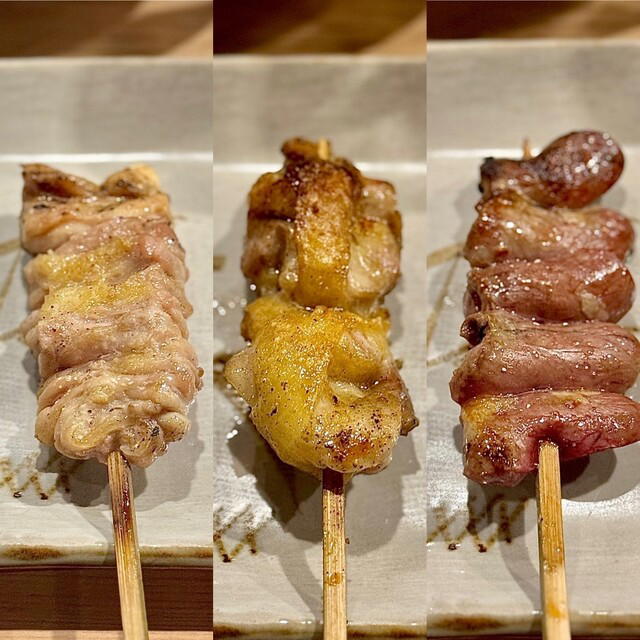
Tori Yoshi Ginza ten
Tokyo, Japan
Tabelog Yakitori 100 EAST honoree since 2018, serving grilled chicken skewers at JPY 8,000–9,999 in Ginza Corridor. Thirty-four seats (counter and tables) plus a second-floor private dining space make it easier to book than Tokyo's ten-seat yakitori shrines, though service leans functional rather than intimate. Best for groups needing flexibility or diners seeking award-backed yakitori without the three-month reservation wait.
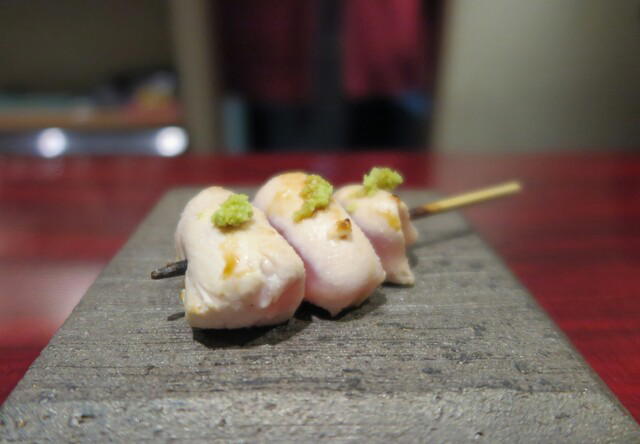
Yakitori Saito
Yokohama, Japan
Tabelog Yakitori EAST 100-recognized venue in Yokohama's Nihon-odori district, offering counter-focused yakitori at JPY 6,000–7,999; below the city's top-tier specialists but with enough technical credibility to justify the spend. Late-night hours (until midnight weekdays) and moderate booking difficulty make this a practical pick for award-grade yakitori without crossing into five-figure pricing.
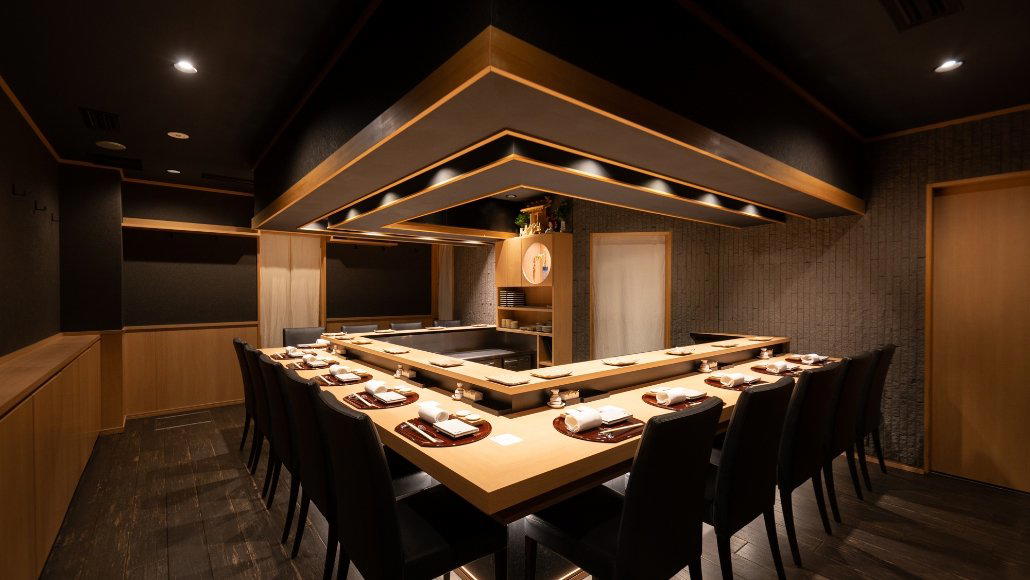
Omino Kamiyacho
Yokohama, Japan
Omino Kamiyacho is a Tabelog Bronze 2025-awarded yakitori and poultry counter in Toranomon, Tokyo, run by chef Kiyotaka Nakajo. With a 3.91 Tabelog score and an OAD Top 518 Japan ranking, it is a well-credentialed choice for a special occasion dinner. Booking is rated Easy, but the four-day weekly schedule (Mon, Tue, Thu, Fri) means you need to plan the date carefully.
Sen Kame
Nagoya, Japan
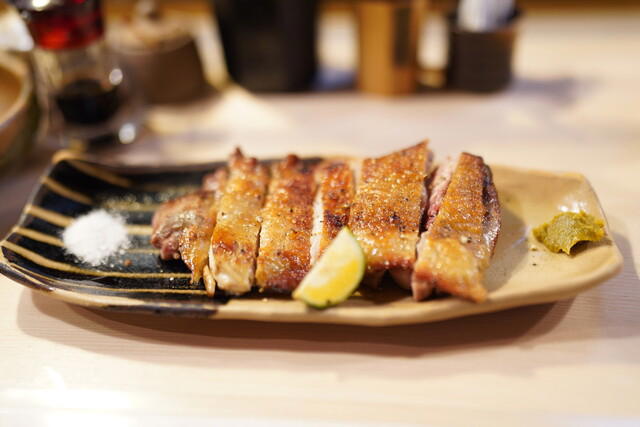
A Tabelog 100 yakitori counter in Sakae serving omakase-style grilled chicken over binchotan charcoal. The 30-seat room books a month ahead at the counter, with tatami seating for larger parties. At JPY 6,000–7,999, it undercuts Sugimoto Honten while delivering technical consistency across eight consecutive Tabelog cycles. Cash only, closed Sundays.
Yakitori Abe
Tokyo, Japan
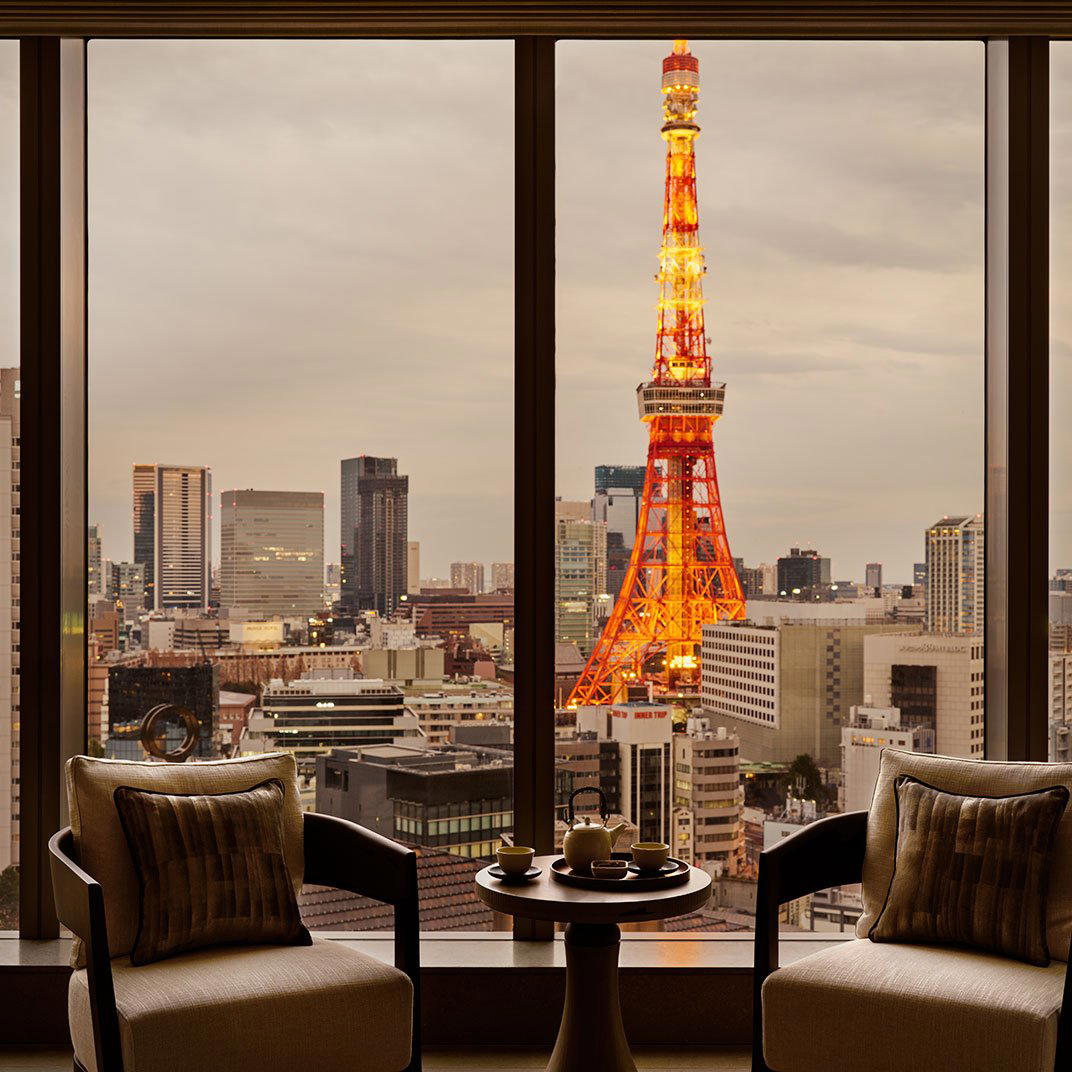
Yakitori Abe in Shinagawa holds a 2024 Michelin Bib Gourmand and runs an omakase format where the skewers keep arriving until the diner calls stop. Chef Hiroki Abe works a disciplined kitchen with a training focus, modulating tempo, texture, and cut size across the meal. At the ¥¥ price point, it sits well below the premium yakitori tier while delivering the same structural rigour.
Tori Ki
Tokyo, Japan
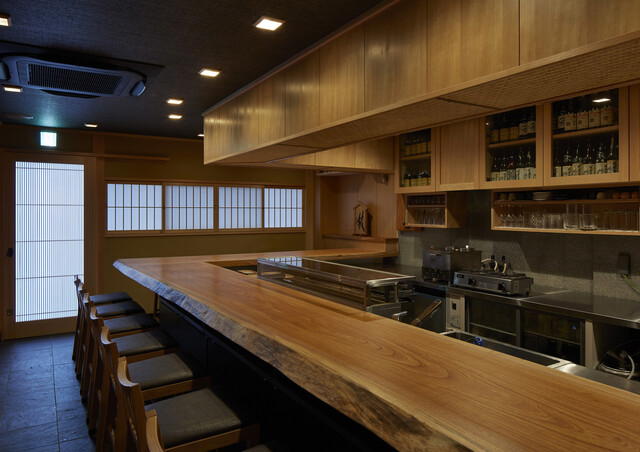
An 18-seat yakitori counter in Kinshicho offering omakase-style grilled skewers at JPY 10,000–14,999. Eight consecutive Tabelog Bronze awards (2017–2024) and Tabelog 100 Yakitori EAST placement signal consistent execution. Counter-only seating, timed slots, and 2.5- to 3-hour service make it best for focused yakitori enthusiasts rather than large groups.
Mizuki
Gifu, Japan
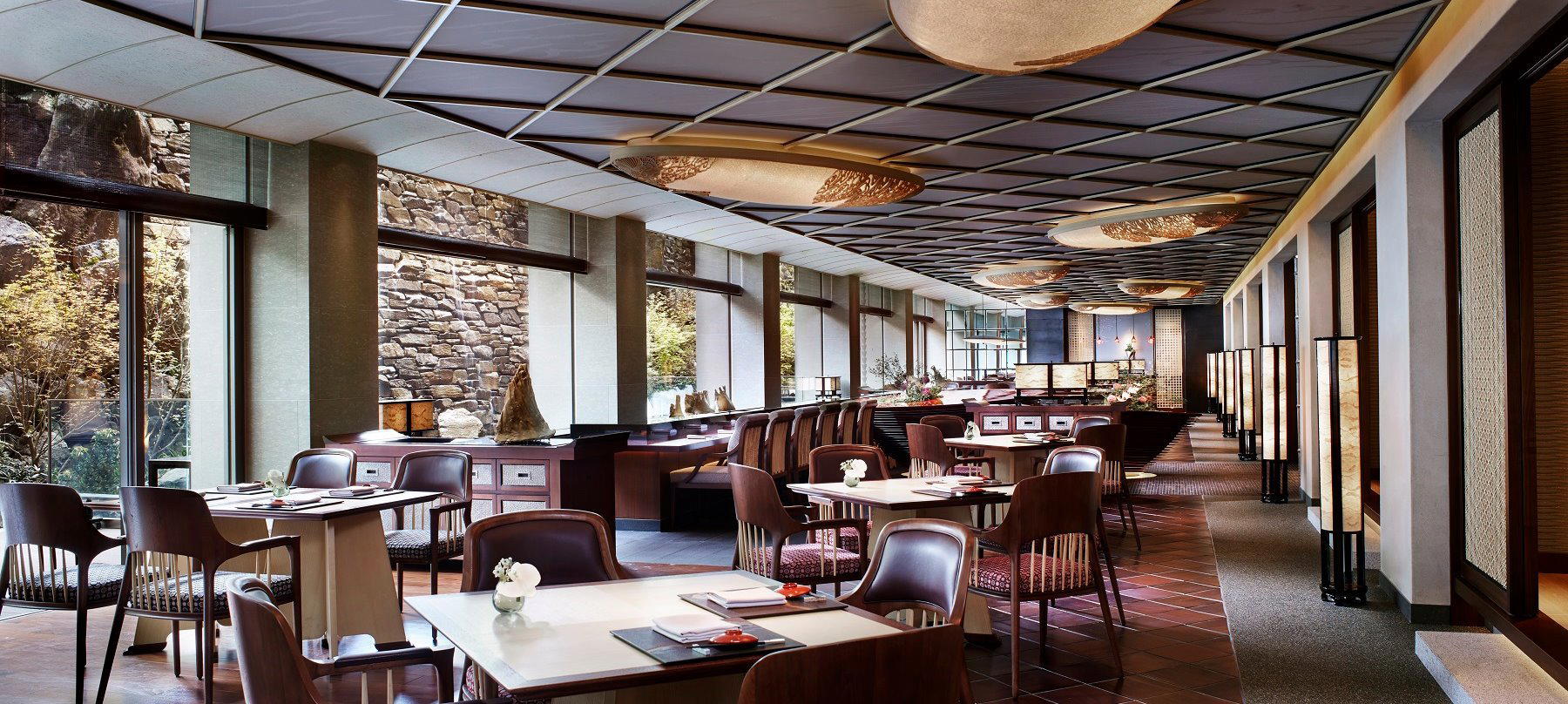
Yakitori Mizuki is Gifu's most consistently awarded yakitori counter; a Tabelog Bronze winner with a 3.97 score and Top 100 selection every year from 2018 to 2025. Dinner-only, à la carte, and centered on Shiga Omi chicken over Kishu binchotan charcoal. Budget JPY 8,000–10,000 per head including drinks. Book ahead; the 11-seat counter fills.
Ogawa
Tokyo, Japan
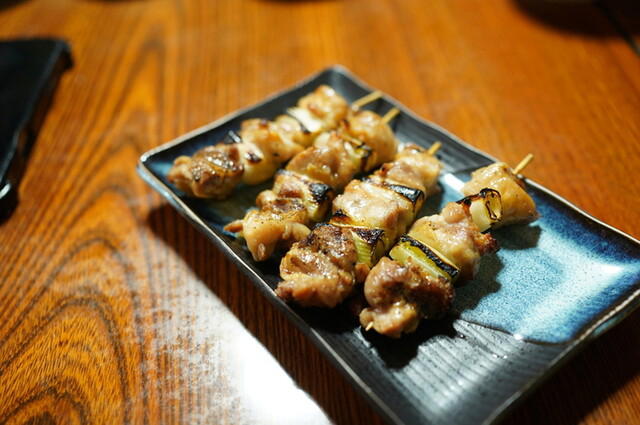
Nihonbashiningyocho counter serving Tabelog 100-recognized yakitori at JPY 1,000–1,999, six consecutive years on the list (2019–2025). Lunch takeaway caps at 15 portions daily with 10:30 AM registration; dinner requires booking but remains easier than high-tier peers. Counter seats five (COVID-reduced from eight), second floor holds twelve, tatami room available for groups.
CHIBA SAKAE
Nagoya, Japan
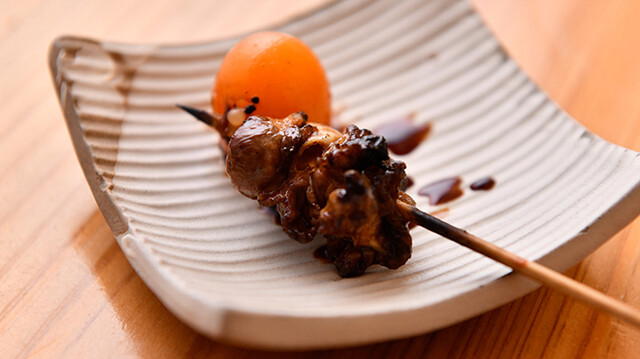
CHIBA SAKAE is a sensible Sakae dinner pick for diners who want a researched Nagoya booking without pushing into a higher splurge tier. The strongest reasons to book are its central location, mid-range price positioning, and Tabelog 100 recognition; skip it if dietary needs, group setup, or exact menu format must be confirmed before committing.
Tori Sami
Tokyo, Japan
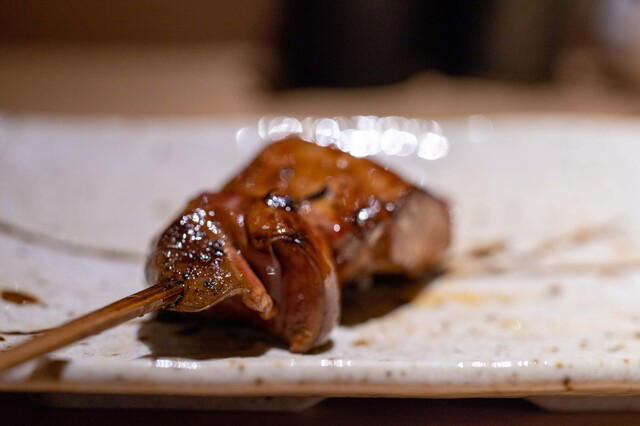
An 11-seat yakitori counter in residential Kameari, recognized in Tabelog's 2024 and 2025 Yakitori EAST 100 lists. At JPY 8,000–9,999 before drinks, it undercuts most central Tokyo specialists, but the 30-minute ride from Shinjuku and Sunday closures limit accessibility. Book if you're willing to treat yakitori as a special-occasion format and prefer neighborhood authenticity over central convenience.
Shinki
Yokohama, Japan
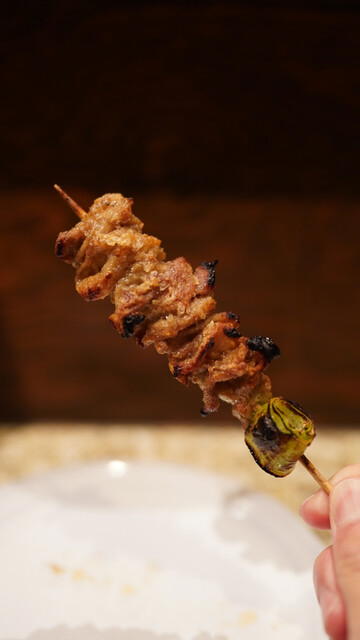
An 11-seat yakitori counter in Noge that has held a Tabelog Yakitori 100 spot since 2018. No reservations, cash-only, and often a wait; but the charcoal technique and ingredient quality justify the queue for diners who prioritize execution over atmosphere. Best for solo travelers and pairs willing to arrive early.
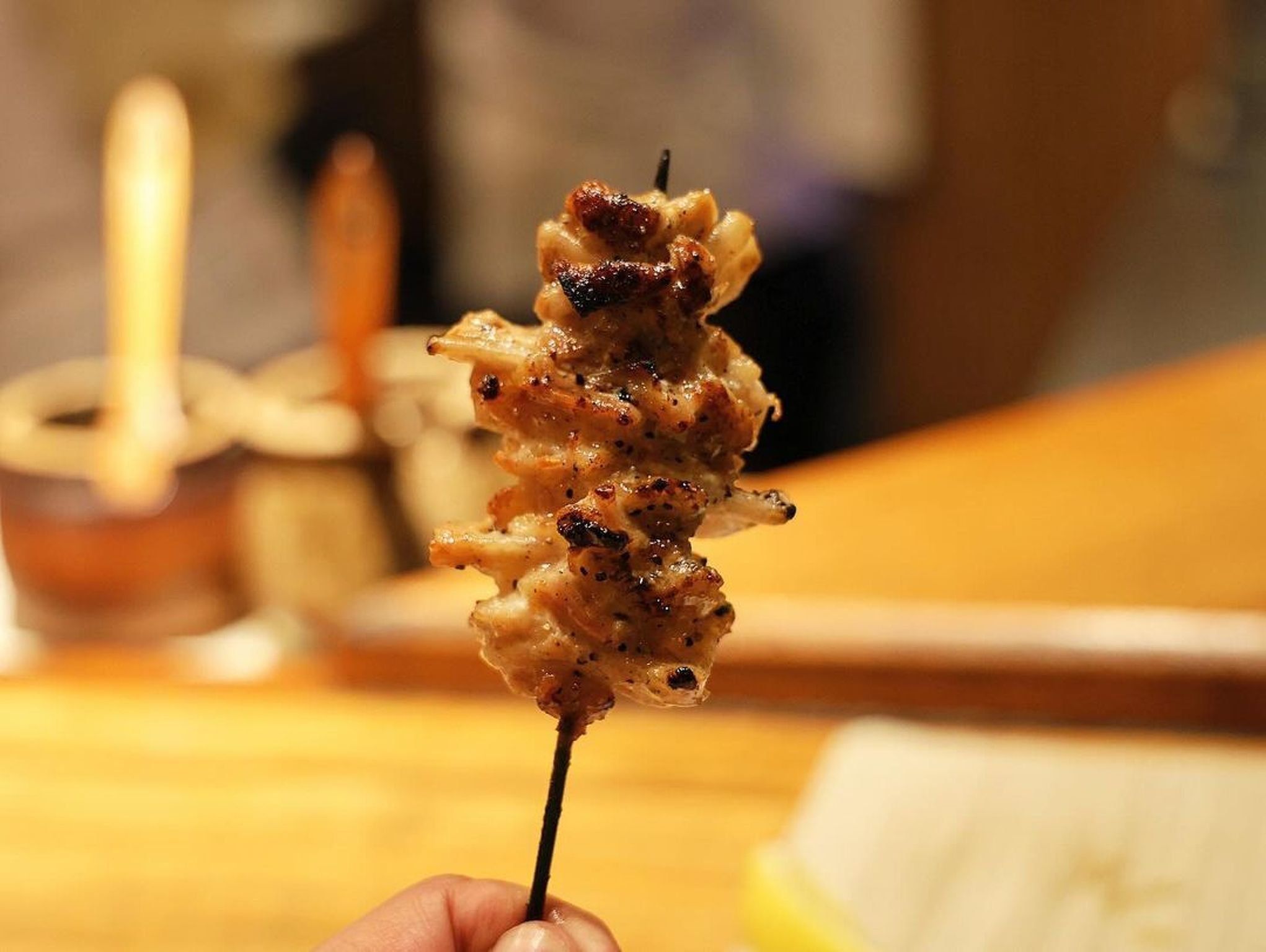
Tori-Shiki
Tokyo, Japan
Chef Yoshiteru Ikegawa's twelve-seat yakitori counter in Meguro delivers binchōtan-grilled chicken skewers at La Liste and Tabelog 100 level for under JPY 10,000 per head; omakase precision without the omakase price. Reservations open monthly by phone only and fill immediately, but the value and technical rigor justify the effort.
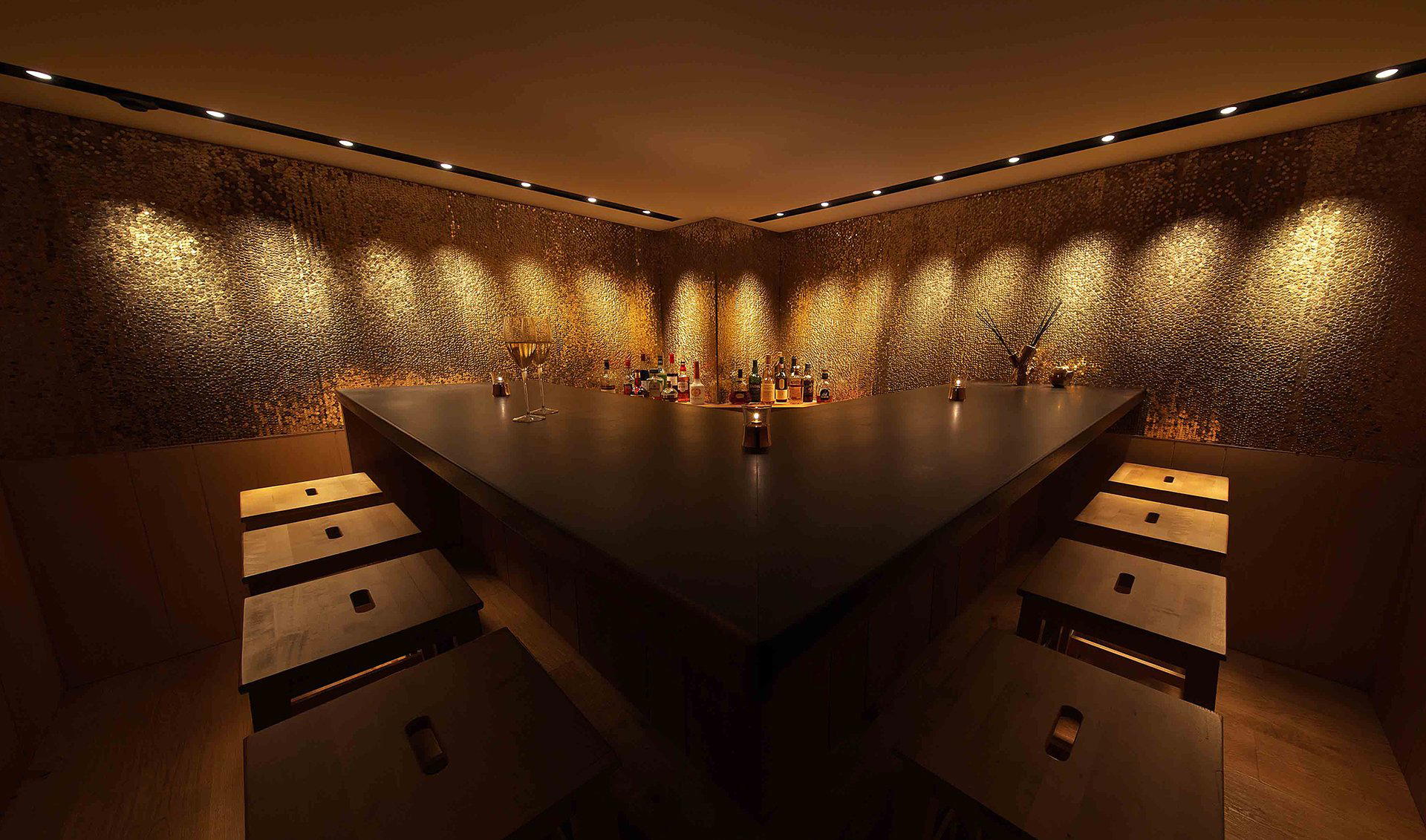
Aramaki
Tokyo, Japan
Aramaki is a serious yakitori counter in Minato's Higashiazabu neighbourhood running a fixed seasonal menu that earns its 2025 Michelin Plate. Chef Keisuke Aramaki's salt-to-sauce progression through multiple chicken cuts, with intermediate courses and a rice closer, makes this a composed meal rather than a casual grill stop. At ¥¥¥ with easy booking, it is one of Tokyo's better-value tasting-format restaurants.
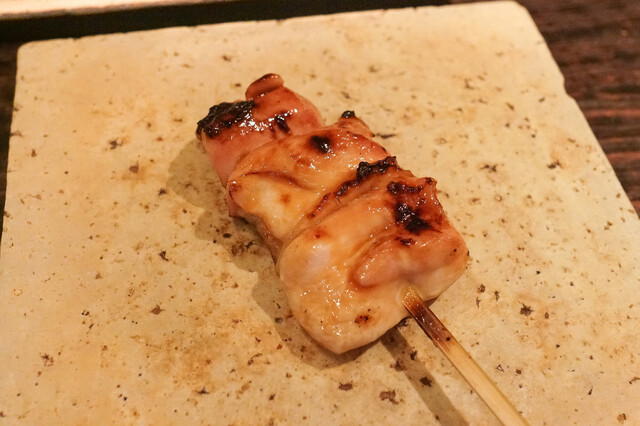
Seo
Tokyo, Japan
Basement yakitori counter in Azabujuban with a seven-year Tabelog 100 streak and binchotan-grilled chicken that justifies the JPY 15,000–20,000 per-person spend. Book the 13-seat counter for the grill theater or the six-seat private room for business meals; either way, reserve two to three weeks ahead.
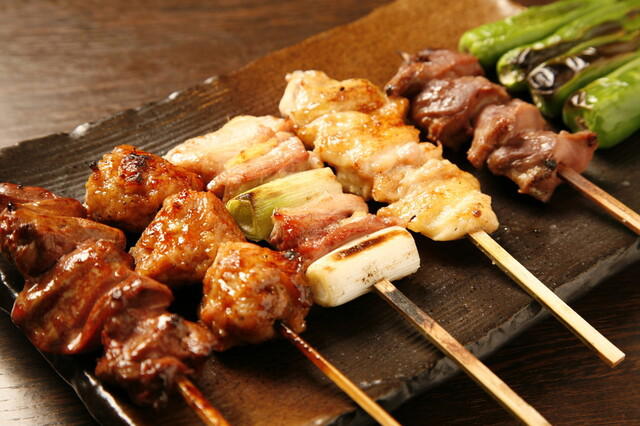
Toriyaki Sasaya
Tokyo, Japan
A 28-seat Meguro yakitori specialist earning five consecutive Tabelog 100 nods (2021–2025) for whole-bird grilling over binchotan charcoal. Counter seats offer the clearest view of rare cuts and precise timing; expect JPY 10,000–14,999 per head with drinks, reservations two to three weeks out, and a sake-shochu-wine list deeper than most grill-focused spots.
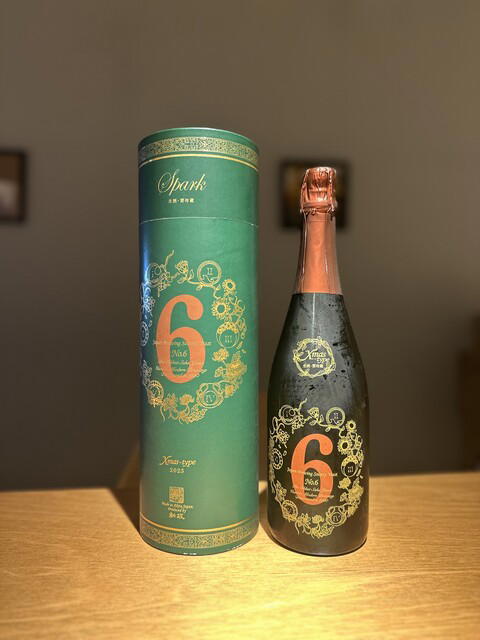
Hinai Jidori Kushi Sot l'y laisse
Akita, Japan
A Hinai jidori specialist in Akita that sources whole chickens twice weekly and breaks them down in-house for a ten-skewer tasting course over binchō-tan charcoal. Recognized on Tabelog's 2025 Yakitori EAST 100 list, the restaurant operates course-only dinners (JPY 10,000–14,999) with advance reservations, plus a lunchtime ramen and oyakodon service under a separate identity. The counter seats eight and offers the best view of the grill; booking difficulty remains moderate outside peak travel windows.
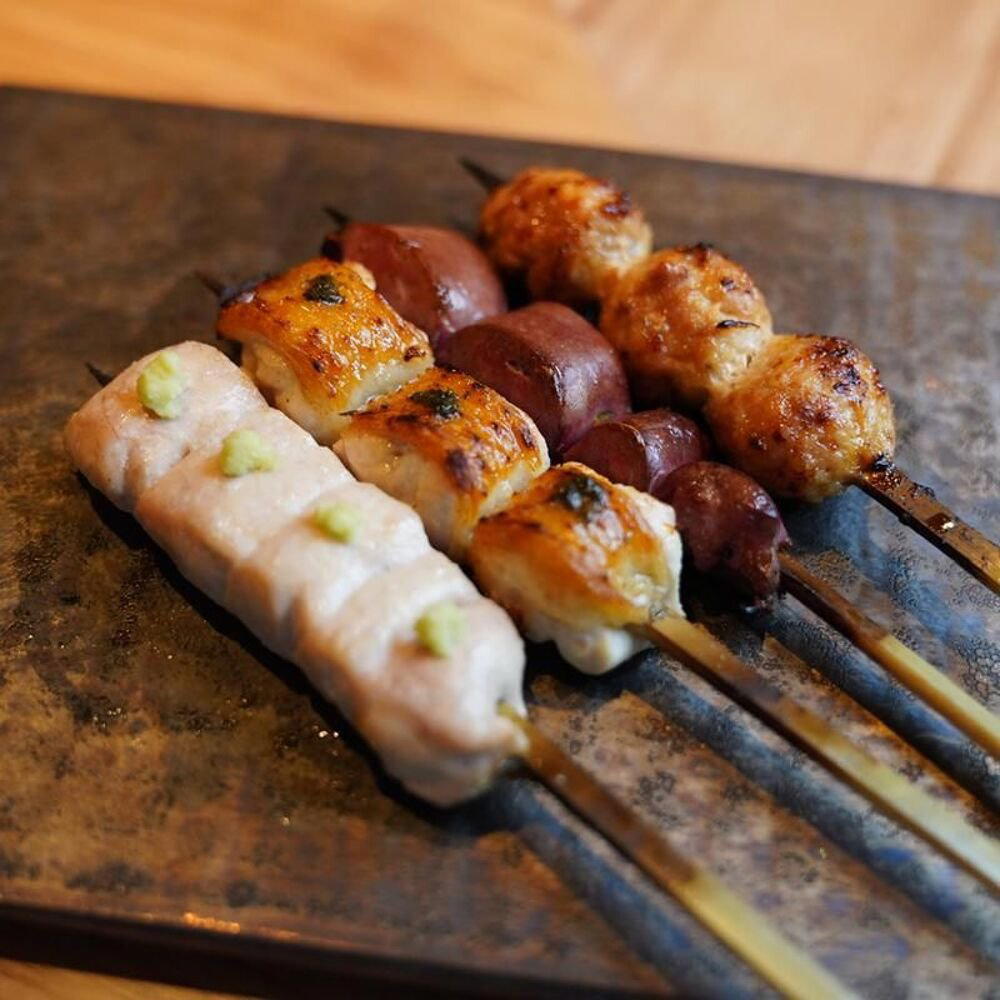
Yakitori SANKA
Tokyo, Japan
Michelin Bib Gourmand-recognised yakitori in Kagurazaka at a mid-range price point. The chef's background in hairdressing translates directly to the kitchen: chicken is cut along the fibres with real precision, and Kochi Prefecture sourcing is adjusted by cut. For Bib Gourmand quality without a high-end bill, this is one of the stronger calls in Shinjuku.
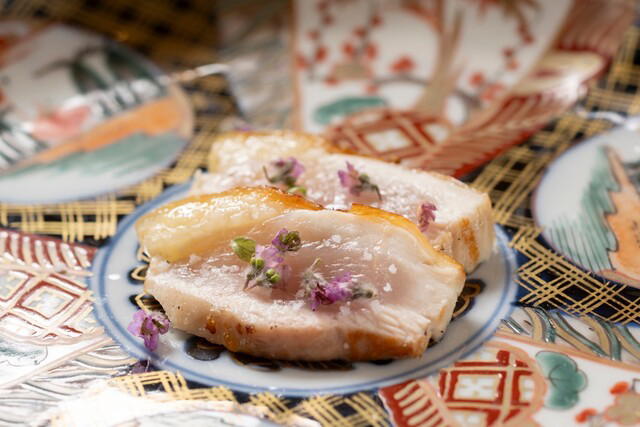
sou
Sendai, Japan
Reservation-only yakitori counter seating eight, opened August 2023 and named to Tabelog 100 Yakitori EAST 2025. Dinner runs JPY 10,000–14,999 for chef-paced skewers over binchōtan charcoal, with a wine and sake selection deeper than most Sendai grilling specialists. Book one week ahead minimum; no walk-ins, no lunch service, credit cards accepted.
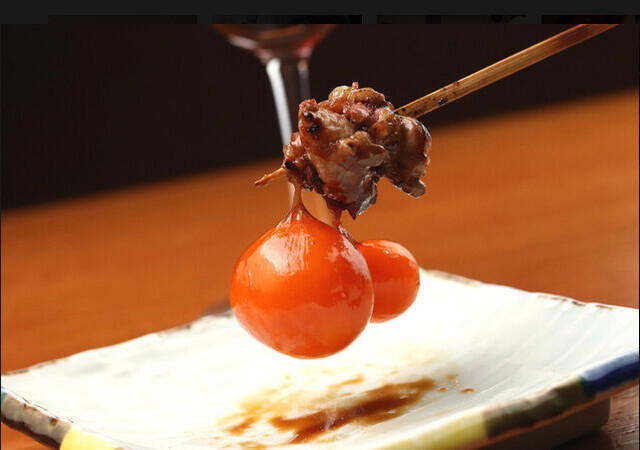
Yakitori Hifumi
Yokohama, Japan
A 19-seat omakase yakitori counter in Yokohama's Naka Ward, recognized on Tabelog's 2025 yakitori EAST 100 list. Courses run ¥10,000–¥14,999 with a strict single-format policy, making it a solid choice for diners who value grilling precision over menu customization.
Shirogane Toritama Kagurazaka ten
Tokyo, Japan
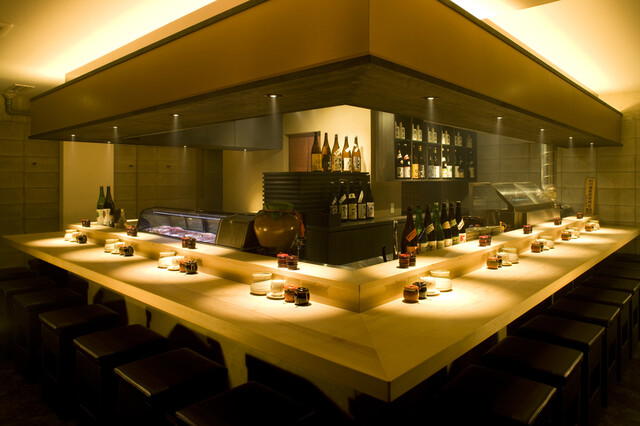
A 24-seat yakitori counter in Kagurazaka's basement dining scene, earning six Tabelog 100 EAST selections since 2019 for consistent rare-cut poultry and binchotan grilling. At JPY 6,000–7,999, it delivers technical precision without the booking pressure of Tokyo's top-tier counters, making it a reliable pick for solo diners and pairs who want to watch the grill work.
Torie Ueno hirokoji ten
Tokyo, Japan
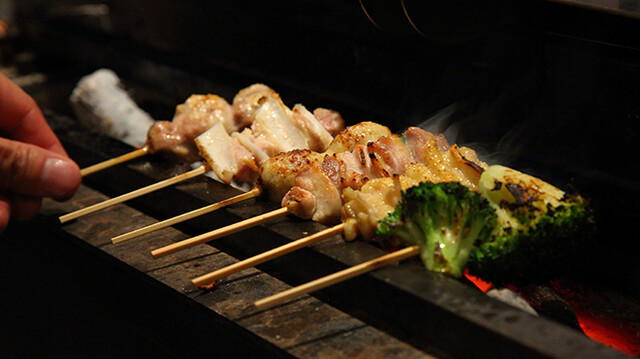
A Yushima yakitori counter with eight consecutive Tabelog 100 selections and a price range of JPY 10,000–14,999. Offers ten counter seats plus private rooms, a sommelier-led drink program, and straightforward booking near Ueno Hirokoji Station. Suited to diners who value consistent technique without the wait times of Tokyo's hardest-to-book yakitori specialists.
Chataro
Tokyo, Japan
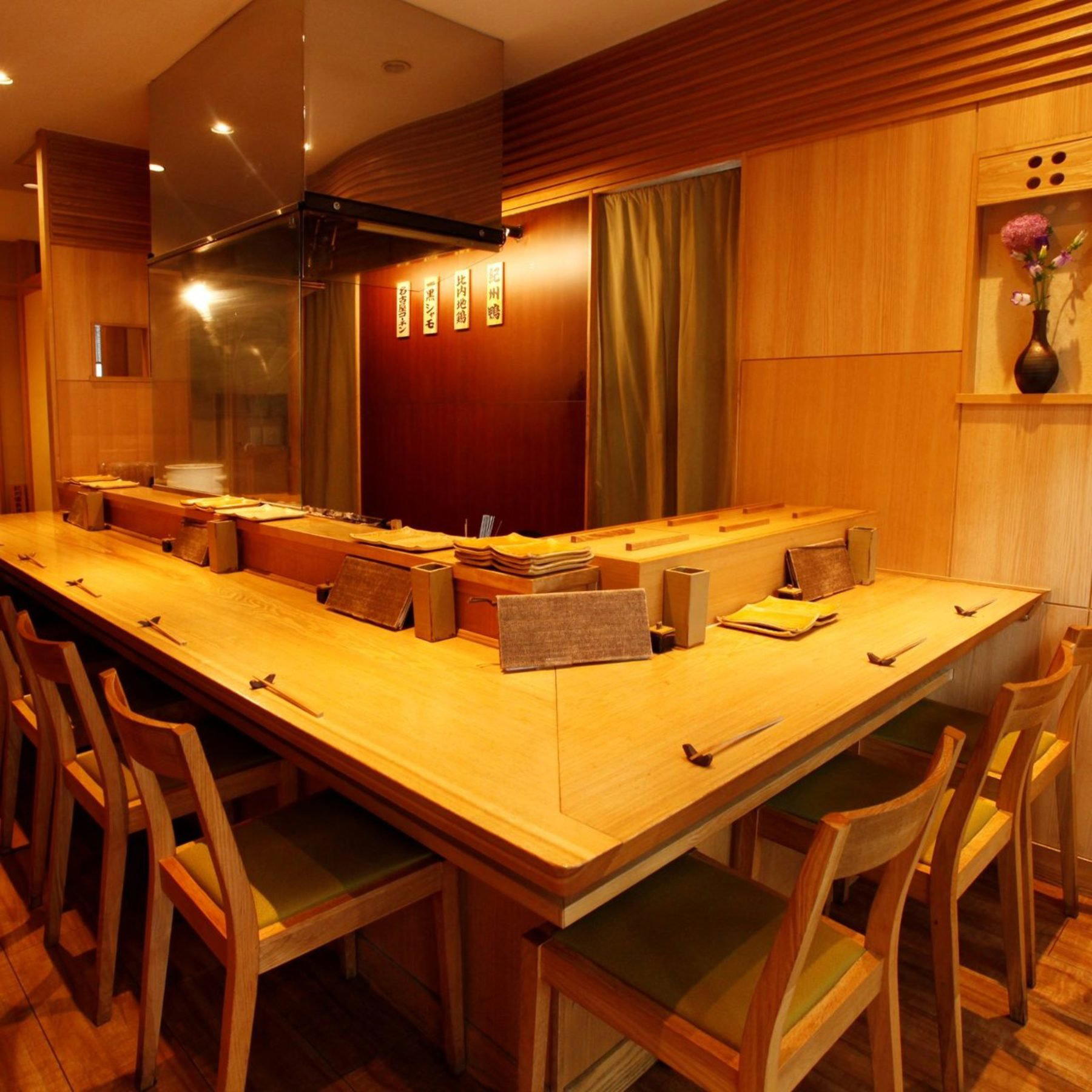
Chataro is Tokyo's case for yakitori as fine dining: an 11-seat counter in Shibuya where Chef Takuya Kaneko grills long-raised chicken across six preparations, backed by five consecutive Tabelog 100 selections and two Tabelog Award Silver wins. Dinner runs JPY 20,000–29,999 per head. Book online two to four weeks ahead; online reservations only, no phone bookings accepted.
Soten Minamiguchi ten
Tokyo, Japan
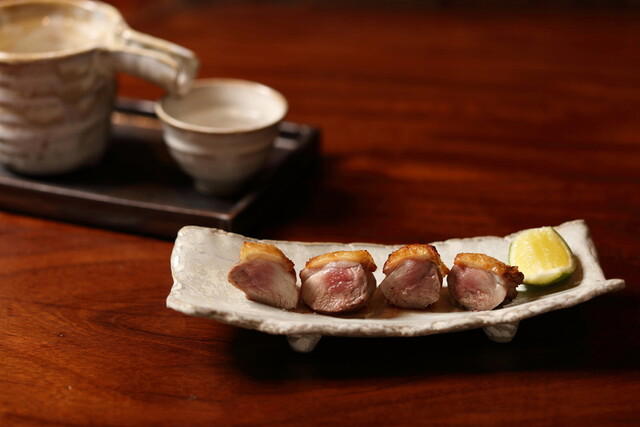
A yakitori counter near Otsuka Station with eight years on Tabelog's Yakitori 100 East list, recognized for its structured sake program and binchotan-grilled skewers. Dinner-only service runs Monday to Friday, with reservations recommended for the 42-seat space. Expect JPY 10,000–14,999 per person and a two-hour limit during busy periods.
Yakitori Uno
Tokyo, Japan
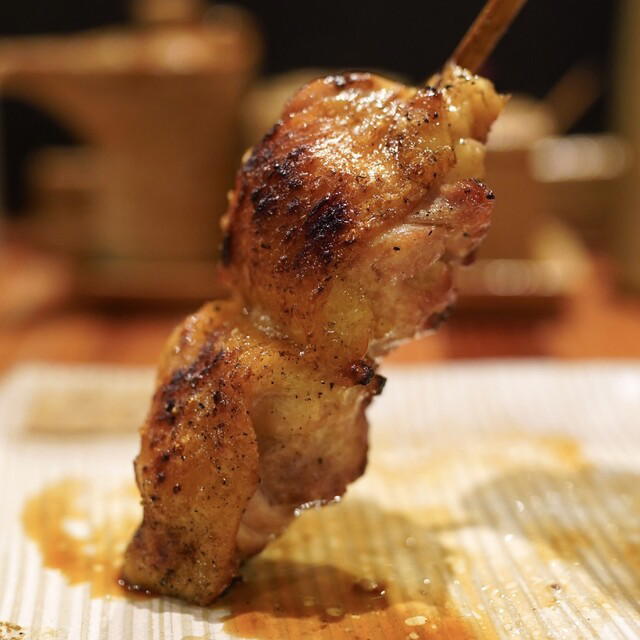
This 15-seat Okusawa yakitori counter has earned Tabelog 100 recognition every year since 2018, holding space and pace steady while Tokyo's charcoal-grill scene churns around it. At JPY 8,000–9,999 per person, it delivers consistent technique and quiet focus in a non-smoking, counter-only format suited to dates and small celebrations, but book three weeks ahead and expect minimal flexibility on menu or walk-in seating.
Yakitori Haruka
Tokyo, Japan
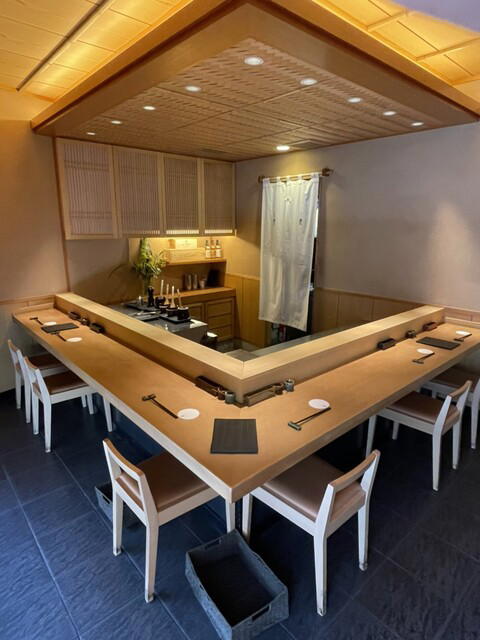
Counter-only yakitori specialist in residential Shirokane, running JPY 12,500 per head for charcoal-grilled chicken courses. Tabelog 100 Yakitori EAST four years running (2022–2025), with BYO wine permitted and a strict no-fragrance dress code. Book three weeks ahead for weekend slots; eight seats fill fast, and the format demands two hours minimum.
Yakitori shira
Tokyo, Japan
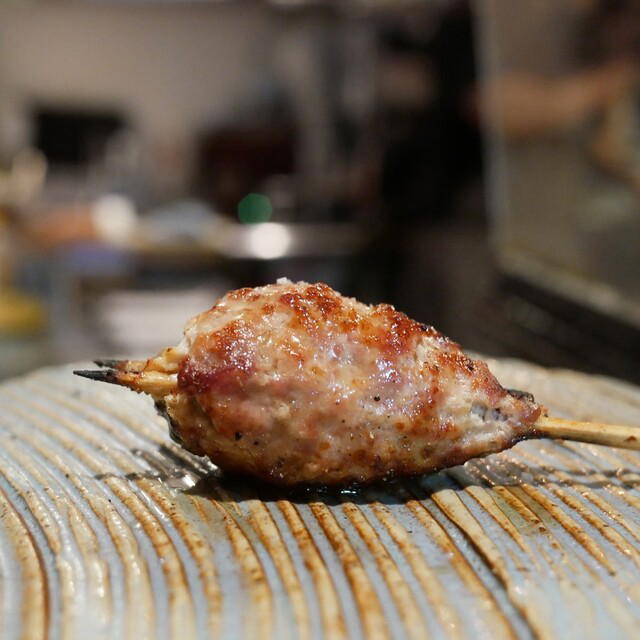
Yakitori shira is a 13-seat basement counter in Umegaoka serving farm-direct poultry from Shiga and Shizuoka, with sake and wine pairings guided by an in-house sommelier. Named to Tabelog's Yakitori EAST 100 list four years running (2022–2025), it delivers technical precision at JPY 10,000–14,999 per head without the booking difficulty or tourist crowds of more central Tokyo yakitori specialists. Best for return visitors who value consistent execution over novelty.
Chabo
Shizuoka, Japan
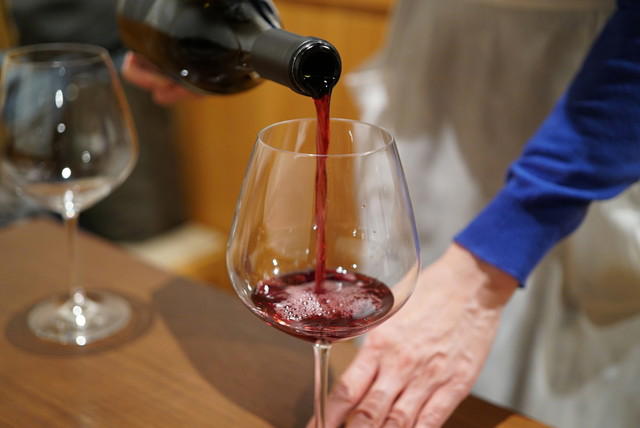
Tabelog 100-recognized yakitori counter in Shizuoka charging Tokyo prices (JPY 10,000–14,999) for technically precise grilled chicken paired with deep sake and shochu selections. Counter seating offers better space than most yakitori-ya, and the 10 PM close makes it a rare late-night option in Aoi ward. Cash-only, counter-focused, and worth the premium if sake pairing matters more than wine.
Yakitori Ko no Ji
Takasaki, Japan
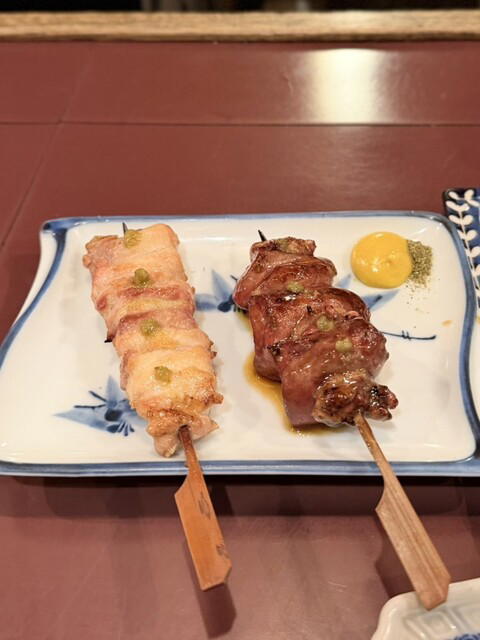
A 16-seat yakitori counter in Takasaki with three consecutive Tabelog 100 – Yakitori EAST selections (2023–2025) and a walk-in-only policy. Dinner runs JPY 4,000–4,999, but the restaurant closes early when grilled chicken sells out, and smoking is allowed throughout. Cash only, adults only, no phone or website; best for flexible locals, risky for destination diners.
Yakitori Shinohara
Tokyo, Japan
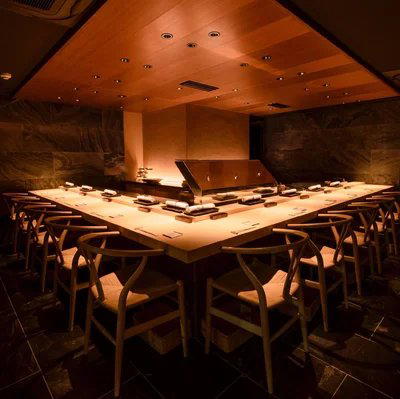
Yakitori Shinohara is a consistent, OAD-recognised yakitori counter in Nishiazabu, Tokyo, that earns its reputation through execution rather than novelty. Ranked #341 in Japan for 2024 and 2025, it is a solid call for solo diners and pairs who want serious charcoal-grilled yakitori in a focused, counter-led setting. Booking is easy, and the 5:30 pm opening suits an early evening slot.
Tori Aroma
Tokyo, Japan
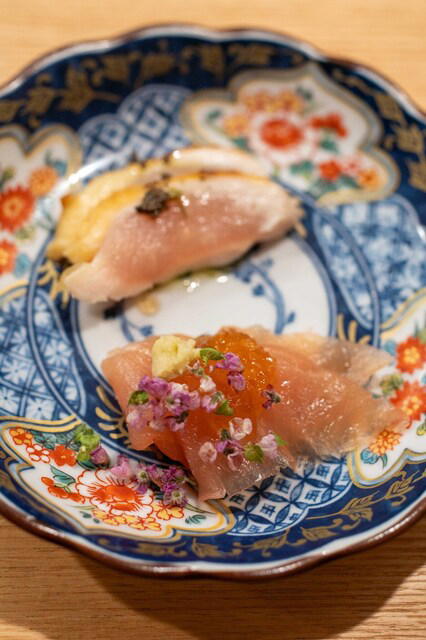
Three-time Tabelog 100 Yakitori EAST selection in Jimbocho, delivering technically precise grilled chicken at JPY 10,000–14,999 per head. The 20-seat room splits between a 12-seat counter and tables for four, with a sake-and-wine list that extends beyond the usual shochu pairings. Book by phone for weeknight slots; worth it if you've outgrown casual yakitori and want a step up without Michelin formality.
Yakitori Hirako
Tokyo, Japan
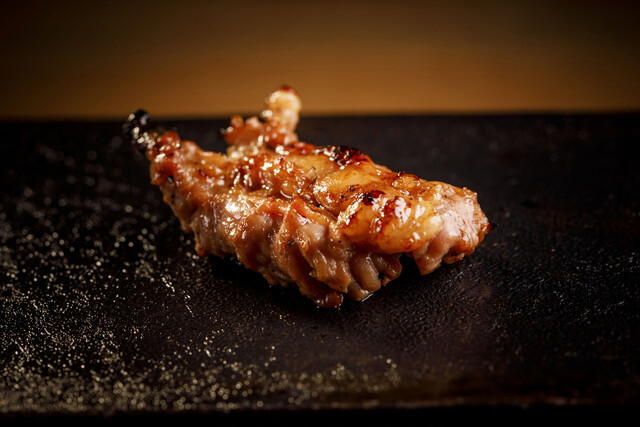
A Tabelog Yakitori EAST 100 counter in Nishiazabu offering reservation-only omakase yakitori over charcoal, with two nightly seatings and a smart-casual dress code. At JPY 15,000–19,999, the ten-seat format delivers consistent grilling discipline paired with sake, shochu, and wine. Best for diners seeking structured yakitori progression without white-tablecloth formality.
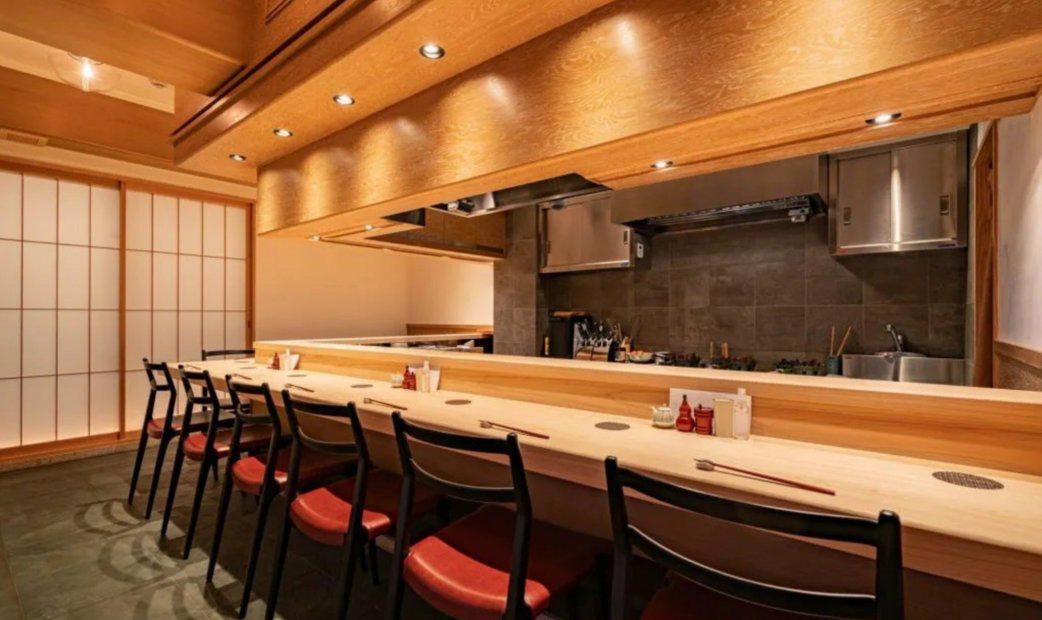
Yakitori Takahashi
Tokyo, Japan
A Michelin-recognised yakitori counter in Nihonbashi where the focus is entirely on technique: game fowl skewers seasoned with salt, chicken fat, or vinegar, cooked over managed charcoal with the precision the price warrants. At ¥¥¥, it is the most technically considered yakitori in the area and the right call for serious food travellers who want the counter format done properly.
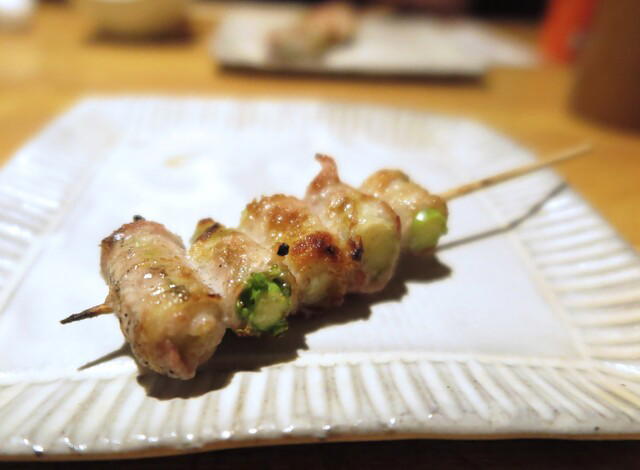
Yakitori Hachiman
Tokyo, Japan
Tabelog 100 yakitori counter in Waseda offering grilled skewers at JPY 6,000–7,999. Seven counter seats face the binchotan grill; 15 table seats suit groups. Easier to book than most peers, with Sunday lunch service and walk-in availability. Best for technical yakitori at mid-tier pricing rather than omakase polish.
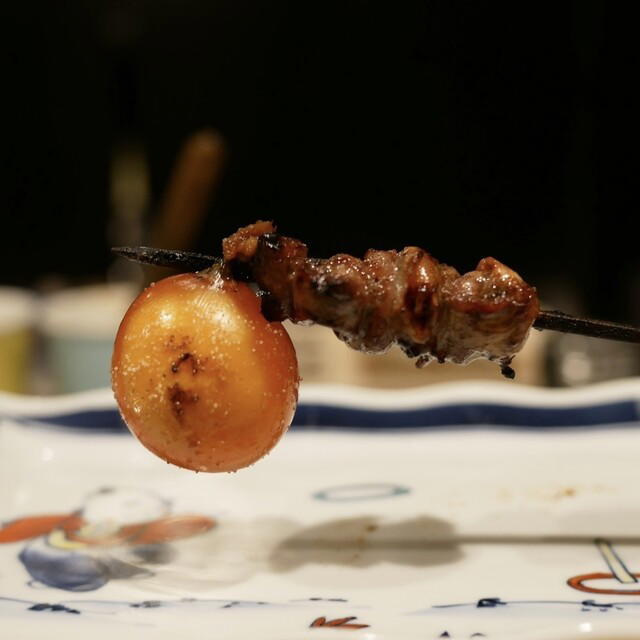
1000
Yokohama, Japan
1000 is a premium Yokohama yakitori choice for dinner-focused occasions, with a JPY 15,000–19,999 spend and Tabelog recognition supporting the price. It makes less sense for lunch, broad menu variety, or poultry-avoidant diners, but it is a strong fit for a date, small celebration, or polished business meal built around grilled chicken skewers.
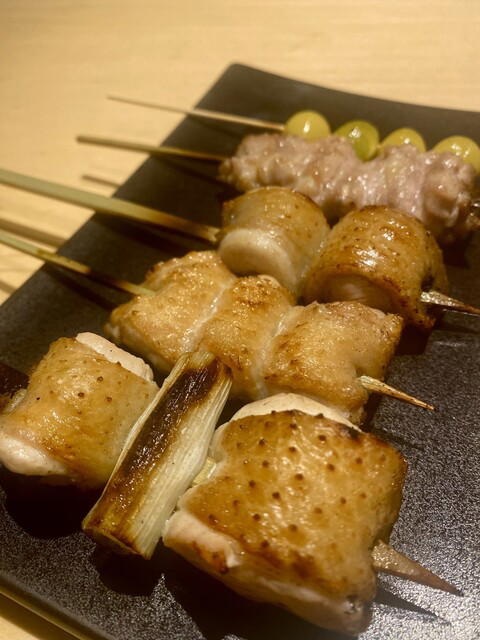
Kirin
Tokyo, Japan
A 20-seat yakitori specialist one minute from Ebisu Station, recognized in Tabelog 100 Yakitori EAST for three consecutive cycles (2022, 2024, 2025). Expect JPY 8,000–9,999 per head for a counter-or-private-room progression focused on sourcing and grilling technique rather than izakaya-style flexibility. Book ahead for weekend evenings; the basement location keeps noise low and the format traditional.
Eiki
Tokyo, Japan
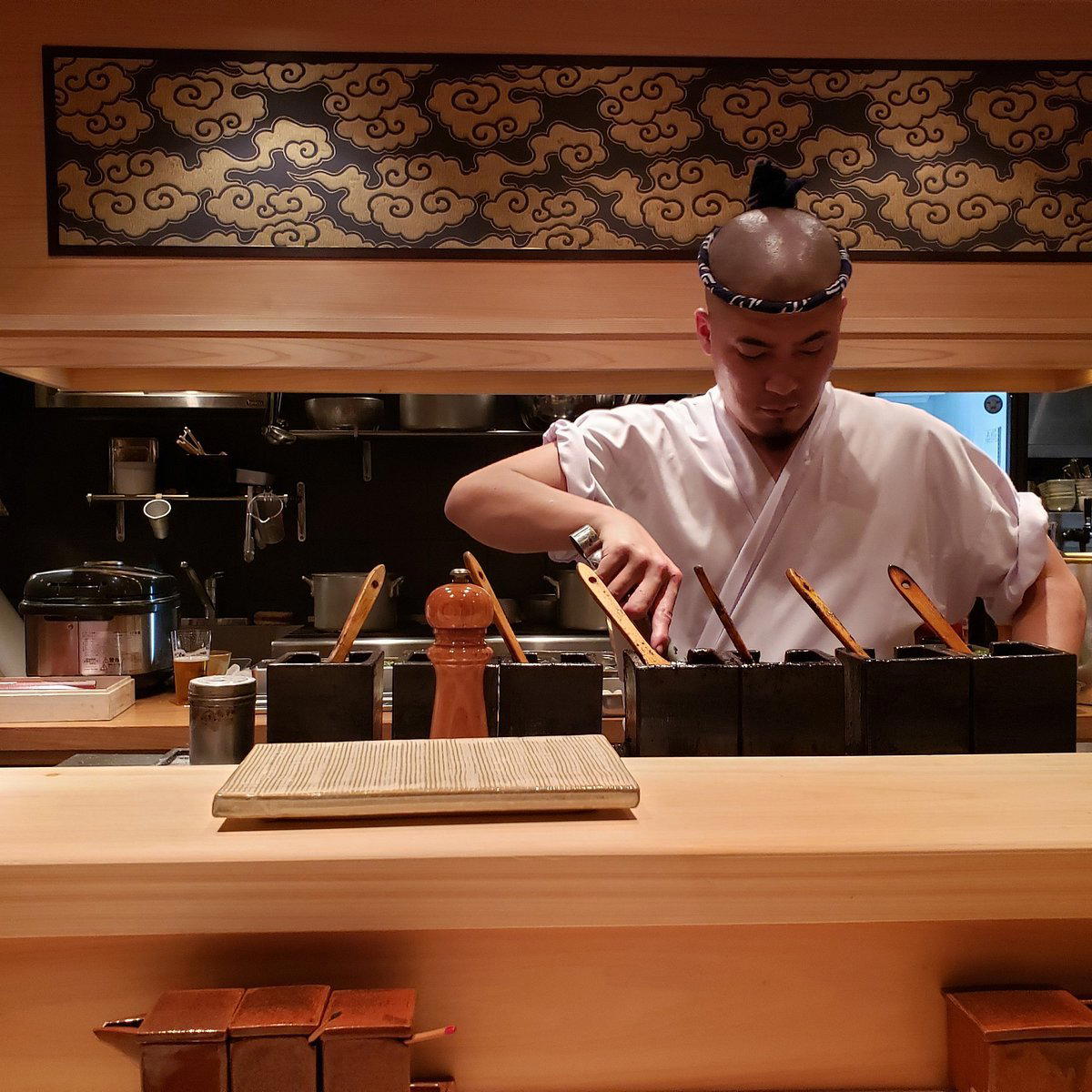
Counter-only yakitori in Ebisu, four consecutive Tabelog Bronze Awards (2021–2026), omakase-only format at JPY 10,000–14,999. Book through Shokuoku; BYOB policy eliminates corkage fees. Chef Kohei Onoda runs a tight sequence of grilled chicken over binchotan; solid technique, no theatrics. Families welcome; fifteen seats fill two to three weeks ahead on weekends.
Ribatei
Yokohama, Japan
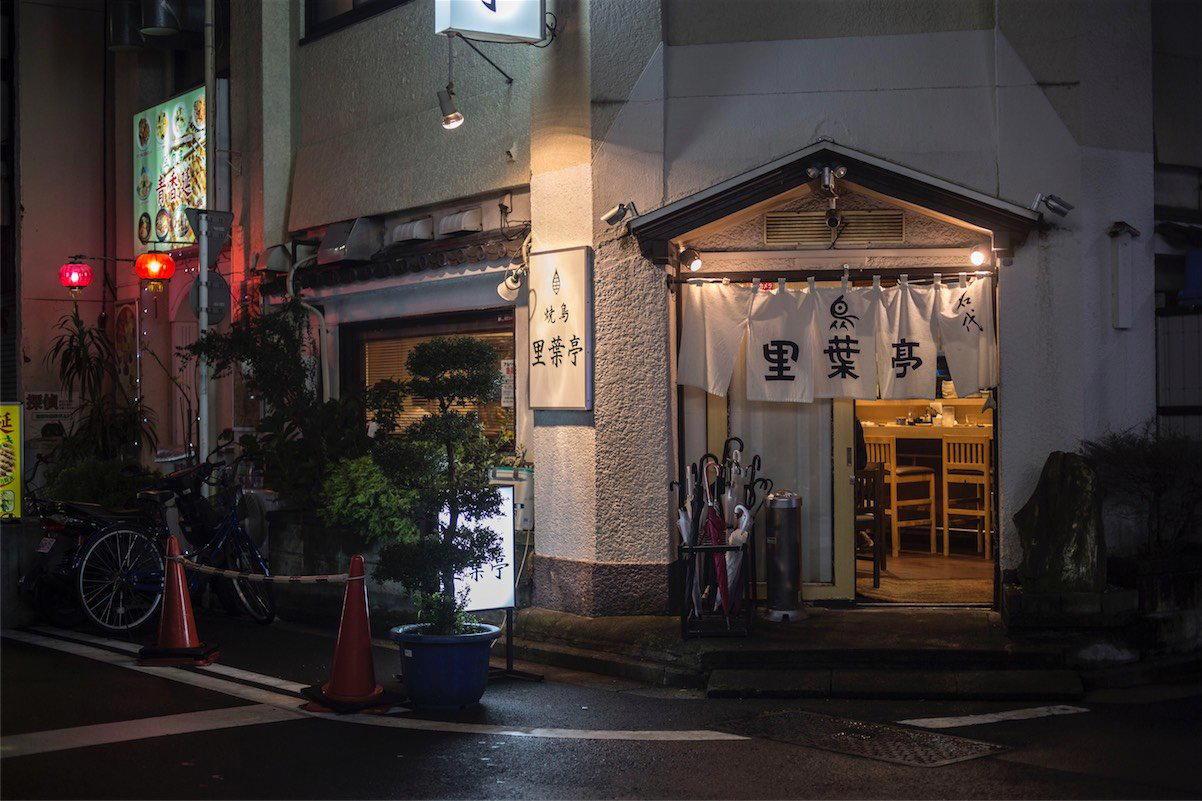
Ribatei is Yokohama's most consistently decorated yakitori counter, holding Tabelog Bronze every year from 2017 to 2026 and a spot in the Yakitori EAST Top 100 since 2018. Dinner only, 24 seats, phone reservations required. Budget JPY 10,000 to JPY 19,999 with drinks. Book the counter for a return visit.
Hikizan Tashizan
Nagoya, Japan
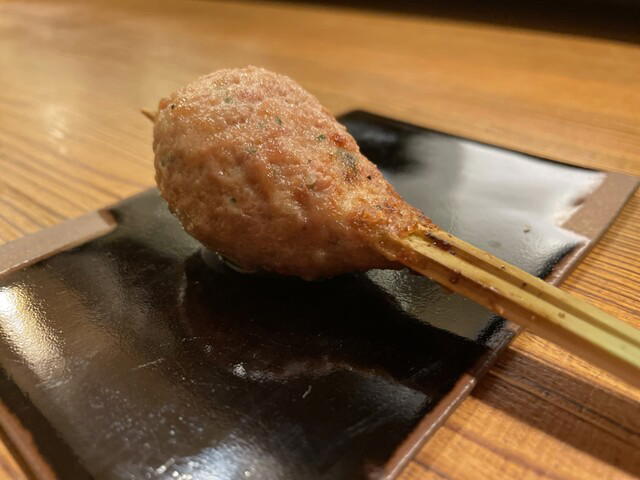
A reservation-only yakitori counter in Ikeshita serving omakase-style charcoal-grilled chicken courses. Named to the Tabelog Yakitori EAST 100 list three consecutive years (2023–2025), the 10-seat venue suits solo diners and small parties willing to commit to a two-hour tasting progression at JPY 10,000–JPY 14,999 per person. Book two to three weeks ahead for weeknight slots.
Yakitori Ogawa
Tokyo, Japan
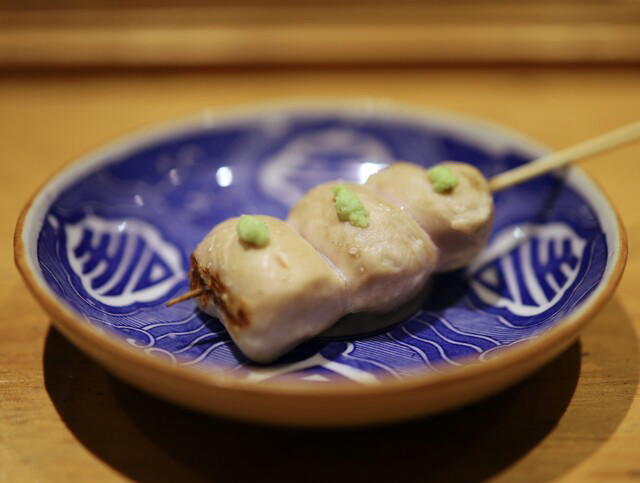
A fifteen-seat yakitori counter in Shinjuku's Arakicho district, recognized annually on Tabelog's Yakitori 100 EAST list since 2018. At JPY 15,000–19,999, it delivers charcoal-grilled precision without the formality or price tag of the city's top-tier counters, with a sake and wine list that runs deeper than the intimate format suggests.
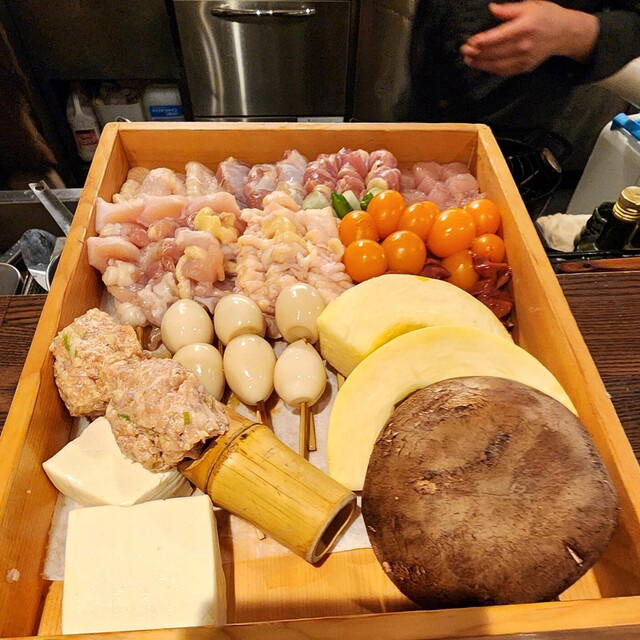
Yakitori Kanda
Nagoya, Japan
Yakitori Kanda earned Tabelog 100 Yakitori EAST recognition in 2024 and 2025, but operates a strict regulars-only reservation policy with no public booking channel. Dinner runs JPY 15,000–19,999 for omakase-style charcoal-grilled chicken at the counter. New diners cannot access the venue; redirect your planning toward Nagoya's open-booking yakitori alternatives or consider Tokyo and Kyoto for more accessible top-tier options.
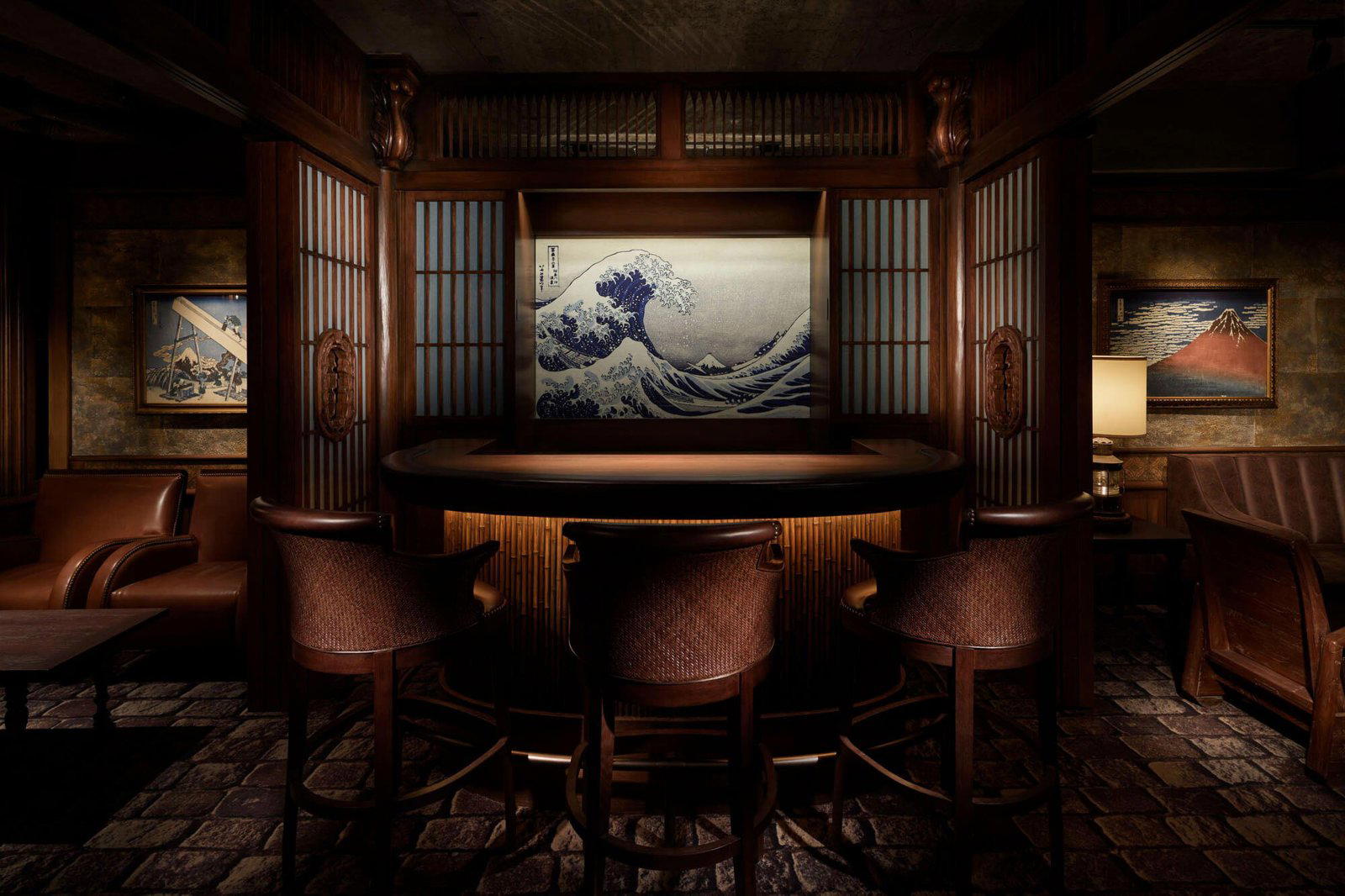
Yakitori Kasahara
Tokyo, Japan
Tabelog Gold three years running and ranked among Japan's top 63 restaurants, Kasahara is the most credentialed yakitori counter in Tokyo. Ten seats, two sessions nightly, and a JPY 30,000–39,999 course make this a serious commitment; but for food-focused travellers who treat yakitori as a destination eat, it is the booking to make first.
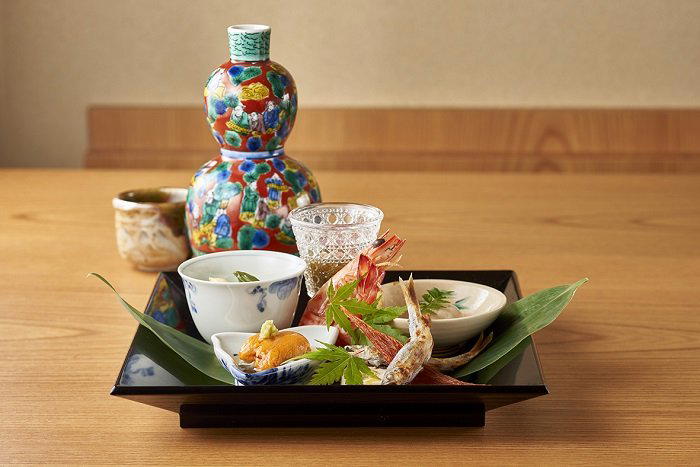
Shutei Tanaka
Tokyo, Japan
A 10-seat Tabelog Bronze yakitori counter in residential Sumida, run by two brothers who trade off grill duties. The omakase (¥8,500) focuses on salted, locally sourced chicken with a relaxed izakaya vibe, finishing with a standout oyakodon. Easier to book than Ginza's high-priced counters, and the quality justifies the trek east of the Sumida River.
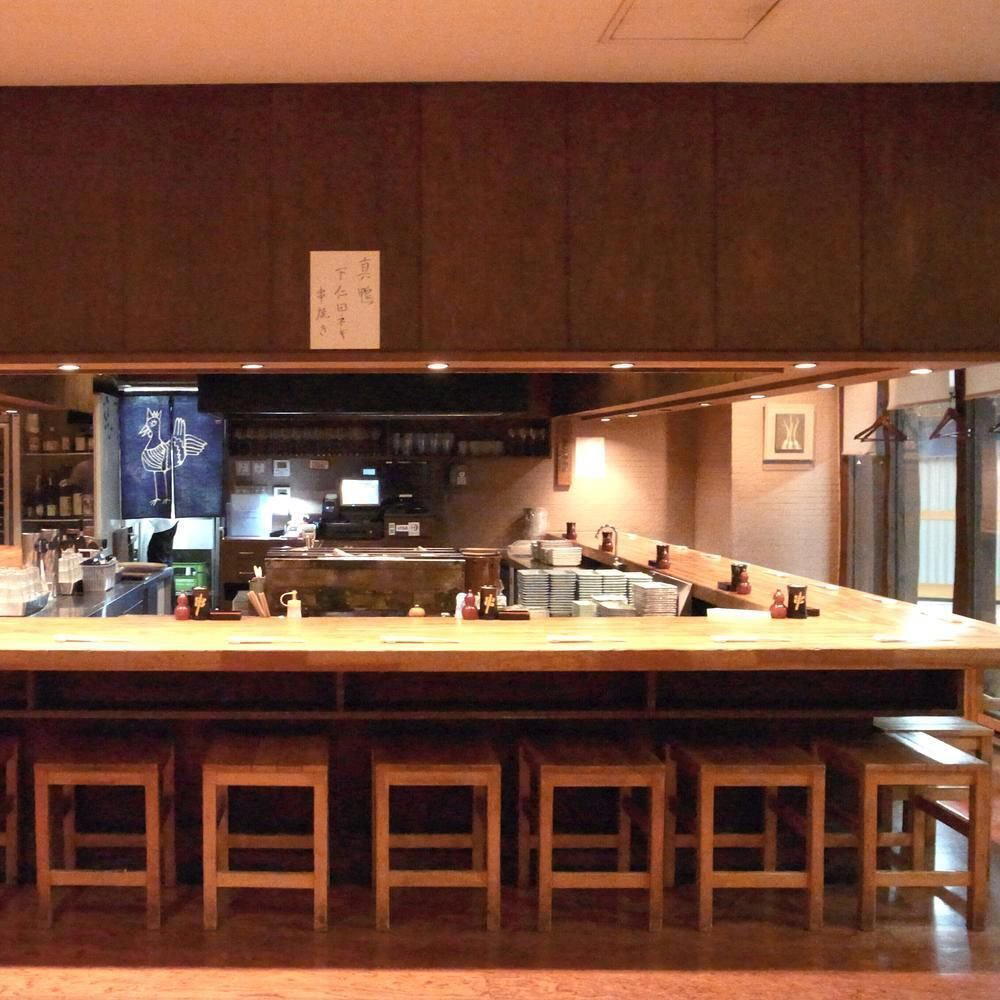
BIRD LAND
Tokyo, Japan
BIRD LAND is a Michelin Plate yakitori counter in Ginza where Chef Toshihiro Wada runs structured set menus at ¥¥ pricing; one of Tokyo's clearest value plays in formal dining. Ranked in Opinionated About Dining's top Japan restaurants three years running, it's a strong choice for a special occasion dinner without a ¥¥¥¥ commitment. Open Tuesday to Saturday evenings; easy to book by Tokyo fine dining standards.
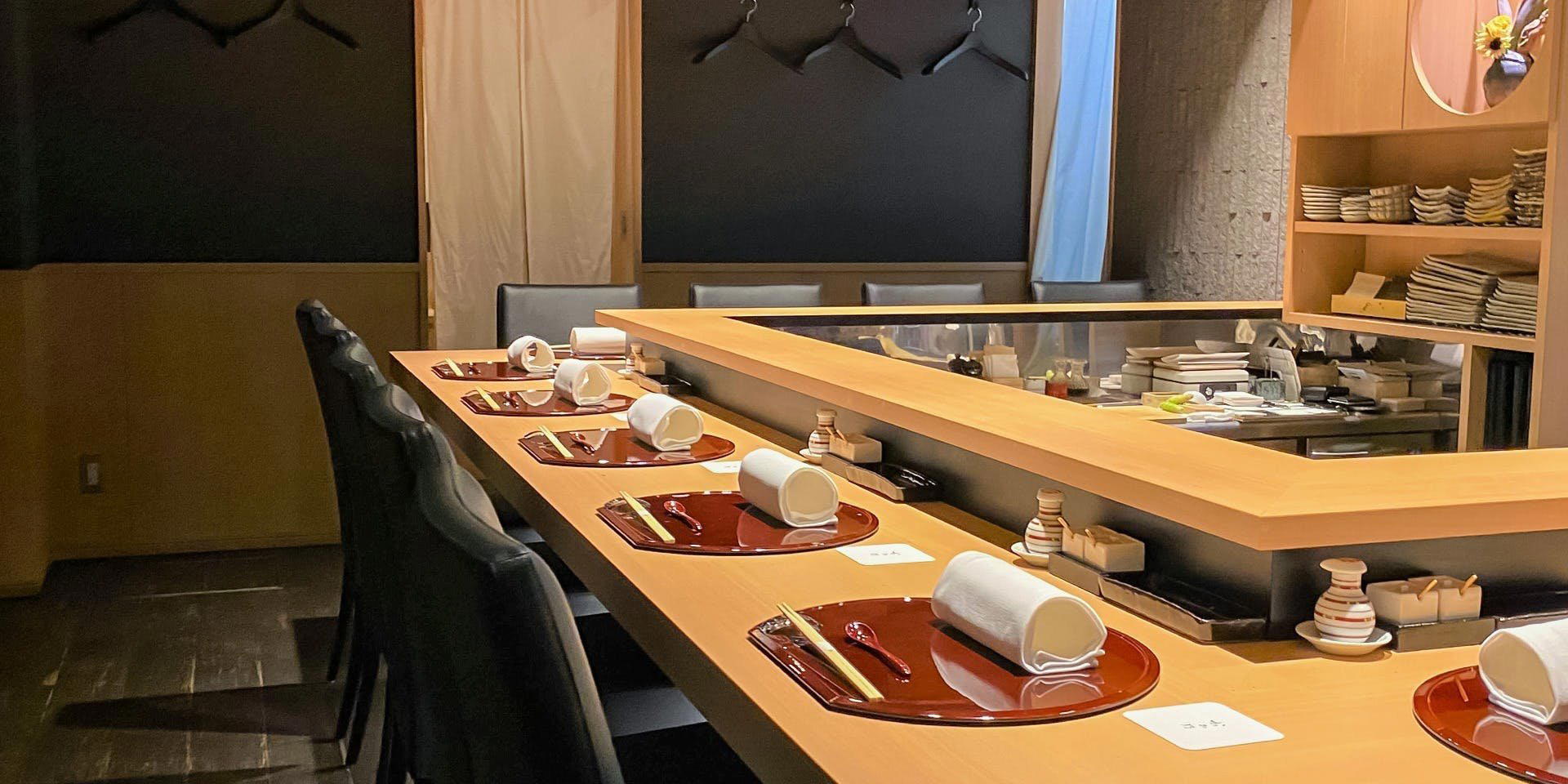
Yakitori Omino
Tokyo, Japan
Yakitori Omino is one of Tokyo's most consistently awarded yakitori counters; eight straight Tabelog Bronze Awards, Yakitori Top 100 every year since 2018, and an Opinionated About Dining ranking of #158 in Japan. Budget JPY 15,000–19,999 all-in for 14 counter seats in Oshiage, where chef Komino's Torishiki-trained technique makes the price defensible. Book two months out; closed Sundays.
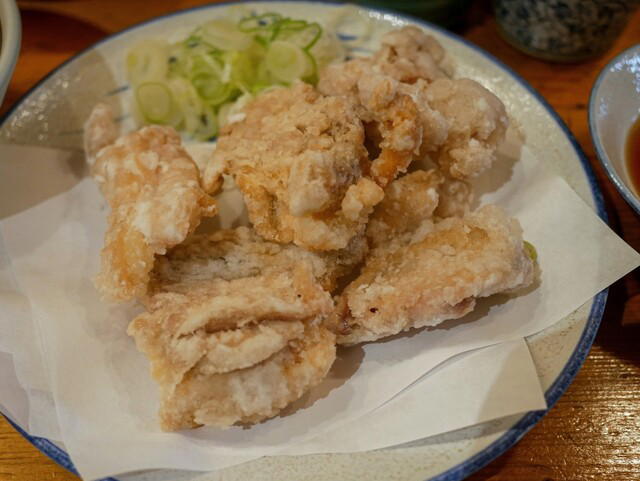
Yakitori Miyagawa
Tokyo, Japan
A Kayabacho yakitori shop operating since 1969, recognized annually on Tabelog's 100 Best Yakitori (EAST) list since 2018. Lunch service (JPY 1,000–1,999) delivers better value than dinner (JPY 3,000–3,999), with rice bowls bundling charcoal-grilled skewers at prices that undercut most central Tokyo yakitori-ya. No reservations, cash only, closed weekends.
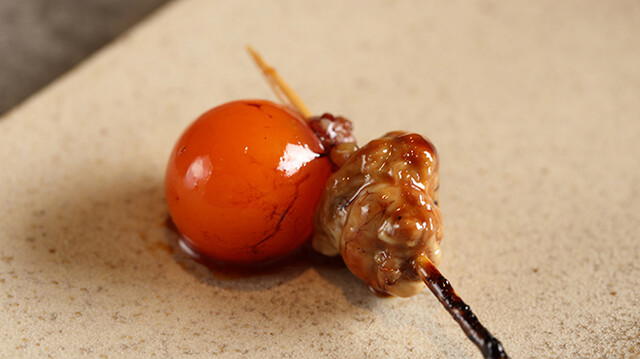
Tori Go
Tokyo, Japan
Tori Go is a nine-seat yakitori counter in Nakameguro that earned Tabelog 100 recognition within a year of opening. At JPY 8,000–9,999 per head, it delivers charcoal-grilled chicken with precision and focus, skipping the wait-list drama of older counters. Book a few days ahead for a straightforward, smoke-filled meal that justifies the price without demanding weeks of advance planning.
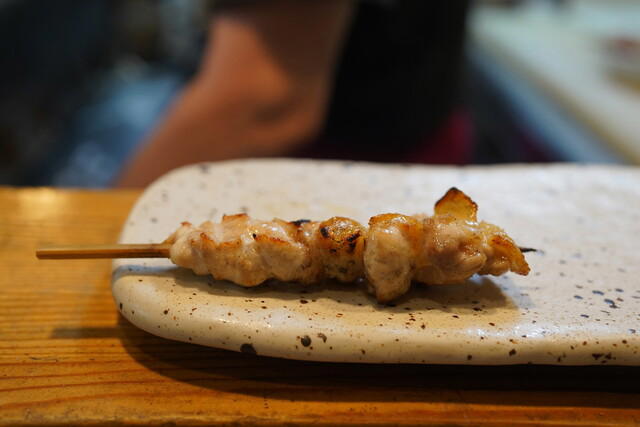
Torikou
Akita, Japan
Counter-service yakitori specialist in central Akita, recognized across seven consecutive Tabelog 100 selections for omakase courses built on binchotan-grilled chicken. Tiered pricing spans JPY 6,000–10,000 depending on whether diners order standard premium breeds, a hybrid menu mixing premium with local Hinai chicken, or the all-Hinai experience. Cash only, strict cancellation policy, and last seating at 7:30 PM tighten the logistics.
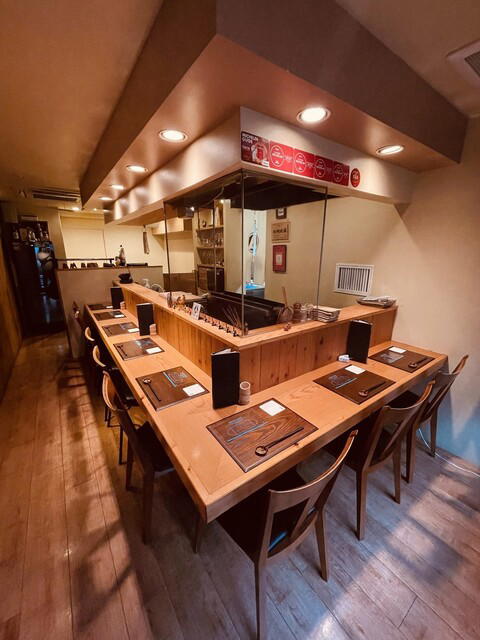
Nezu Yakitori Terusumi
Tokyo, Japan
Reservation-only yakitori counter in residential Nezu, one minute from the station, serving Hinai Jidori chicken through a fixed tasting course. Named to Tabelog's Yakitori EAST 100 every year since 2022. Eight-seat counter plus table seating; private use available for groups up to 20. Pricing runs JPY 10,000–14,999, positioning it below central Tokyo's top yakitori specialists but above neighborhood izakaya.
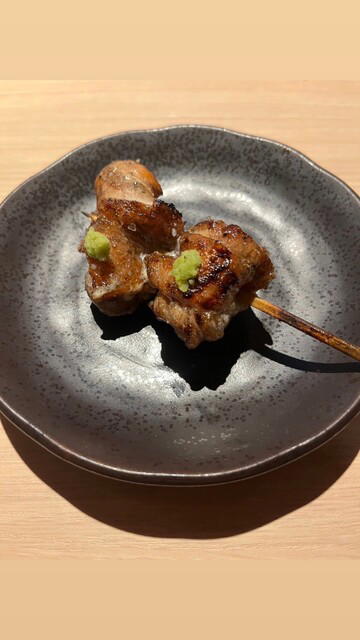
Yakitori 58
Kofu, Japan
Charcoal-grilled Koshu Jidori chicken in a 17-seat room that earned Tabelog 100 – Yakitori EAST status within two years of opening. Dinner runs JPY 5,000–5,999, roughly half the cost of Tokyo's omakase yakitori counters, with weekend reservations filling one week out. Counter seats offer close viewing of the binchotan grilling process; table seats accommodate groups up to twenty for private use.
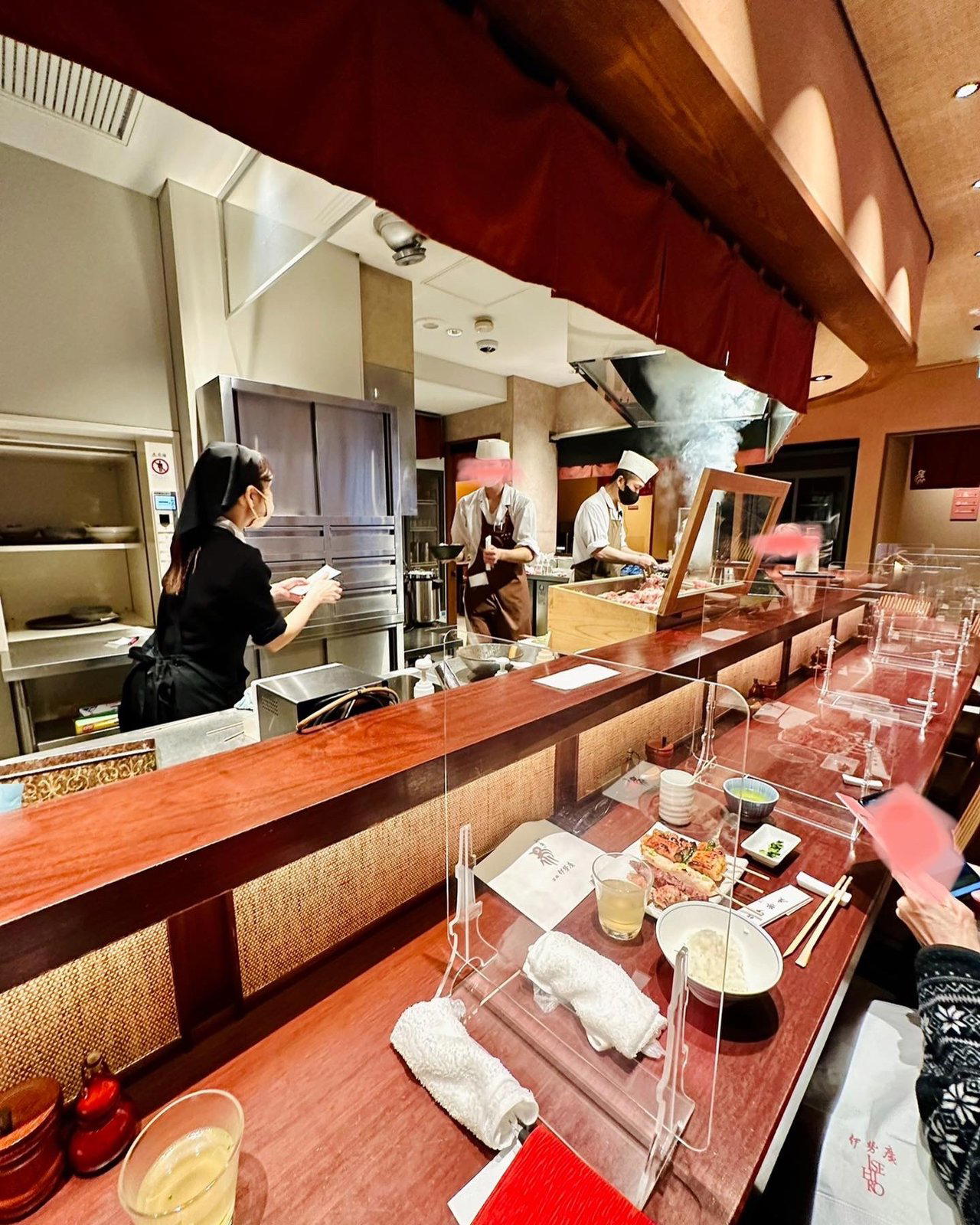
Isehiro Kyobashi honten
Tokyo, Japan
A century-old yakitori specialist in Kyobashi, Isehiro delivers Tabelog 100-level grilling at JPY 10,000–14,999 for dinner and under JPY 3,000 for lunch. The 80-seat space offers semi-private rooms, a relaxed festive mood, and traditional full-course yakitori; serious technique without the high-wire pricing or booking stress of Tokyo's omakase circuit.
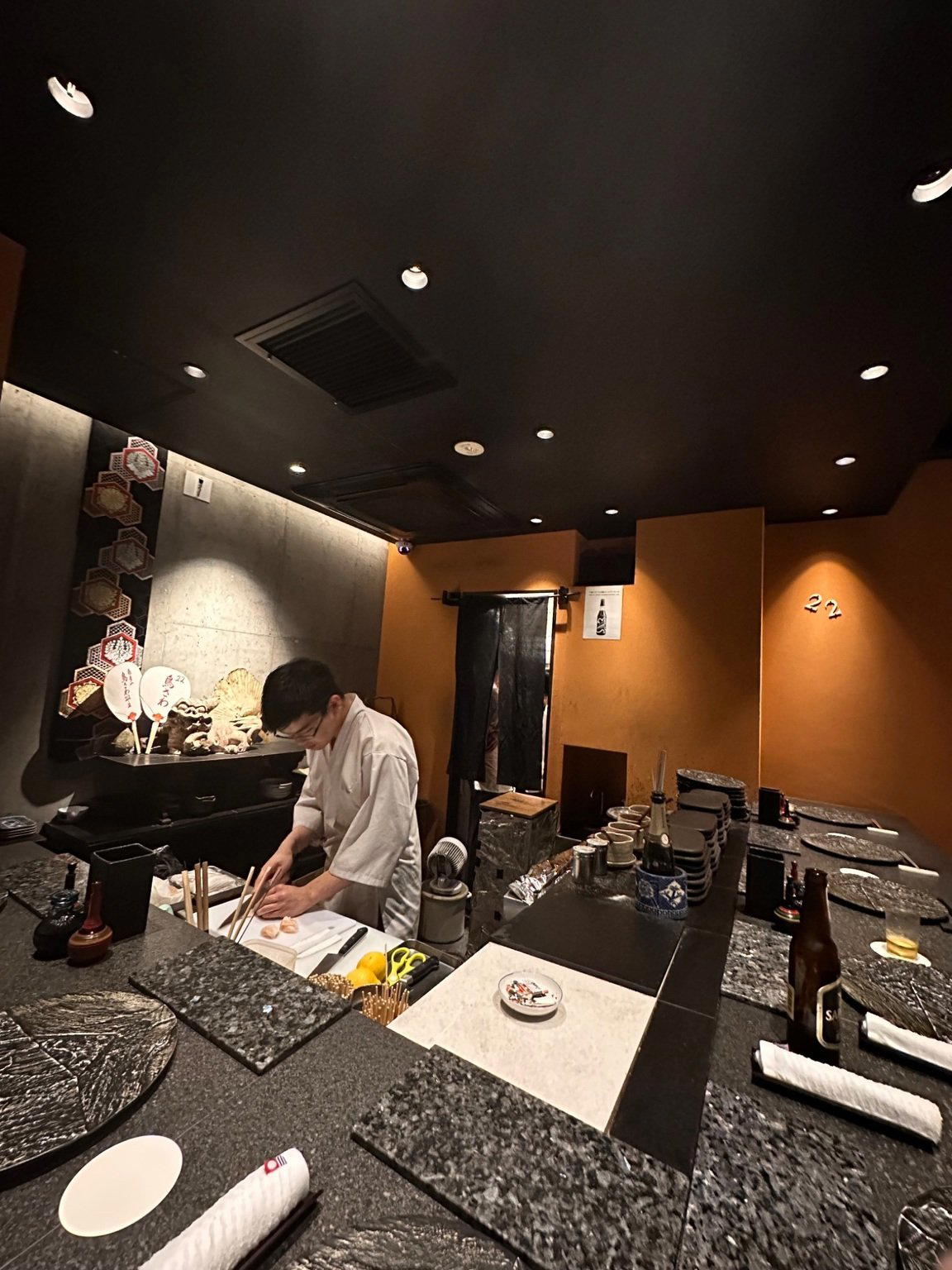
Torisawa
Tokyo, Japan
A dinner-only yakitori counter in Koto City with three consecutive years of Opinionated About Dining recognition and a Tabelog Bronze Award, Torisawa rewards food-focused visitors willing to travel off the central Tokyo circuit. Chef Akira Nakazawa runs a focused, grill-forward kitchen that suits solo diners and couples as much as small groups. Booking is easy relative to Tokyo's most competitive restaurants.
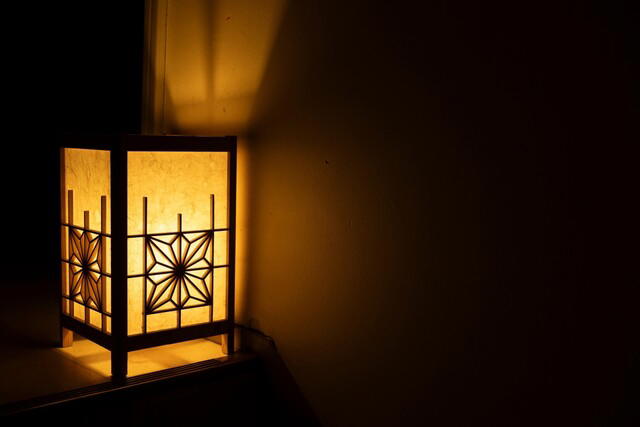
hou
Sendai, Japan
Reservation-only yakitori counter with 14 seats, Tabelog 100 Yakitori EAST selection since 2022, and JPY 10,000–14,999 pricing. The counter-focused format delivers grilled-to-order precision but enforces a four-person party maximum and tight booking windows. Book three months ahead for weekend slots; skip if you need walk-in flexibility or large-group capacity.
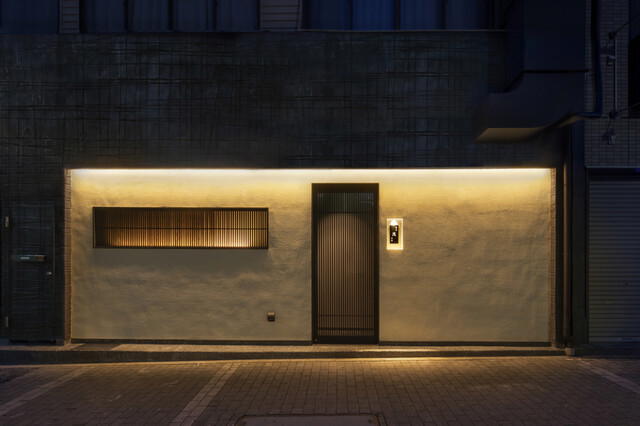
Yakitori Shige Higashizakura
Nagoya, Japan
Tabelog 100 East yakitori counter in Higashisakura, using aged Nagoya Cochin chicken over charcoal. Omakase-only format at JPY 10,000–14,999, with a 12-seat counter and a six-person private room. Reservations by appointment; no perfume policy and multilingual menus.
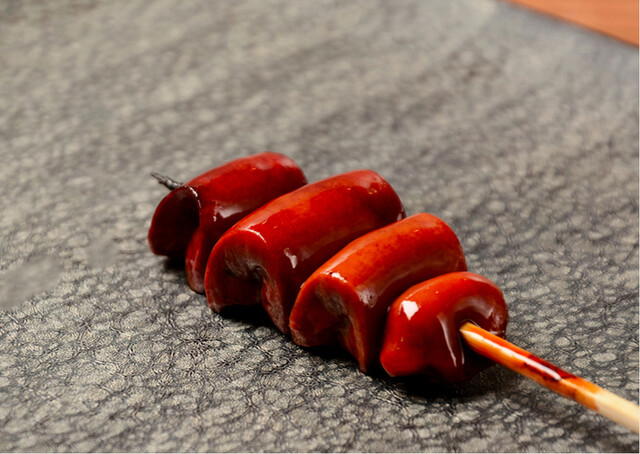
Yakitori Kissho
Nagoya, Japan
Three-time Tabelog 100 Yakitori EAST selection in Nagoya's Higashisakura district, serving omakase-style grilled chicken skewers over binchotan charcoal. Counter and semi-private seating for 30, with English-speaking staff and family-friendly policies. Dinner runs JPY 8,000–9,999 before service charge, with reservations recommended after noon and a two-hour seating limit during peak periods.
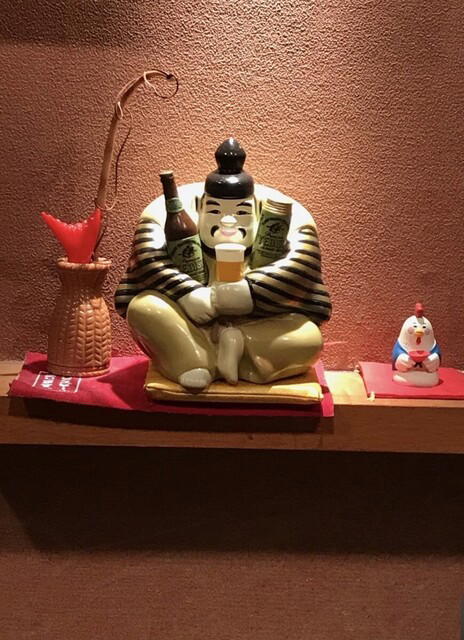
Sumiyaki Chicken Kababu
Nagoya, Japan
A members-only yakitori counter in Sakae specializing in pure-breed Nagoya Cochin, named to Tabelog Yakitori EAST 100 every year since 2018. The eight-seat basement format charges JPY 10,000–14,999 plus a JPY 1,000 seat fee, with a JPY 3,000 annual membership required after the first visit. First-timers can book once without joining; return access depends on whether the format and chicken sourcing justify the recurring cost.
YAKITORI Moe es
Tokyo, Japan
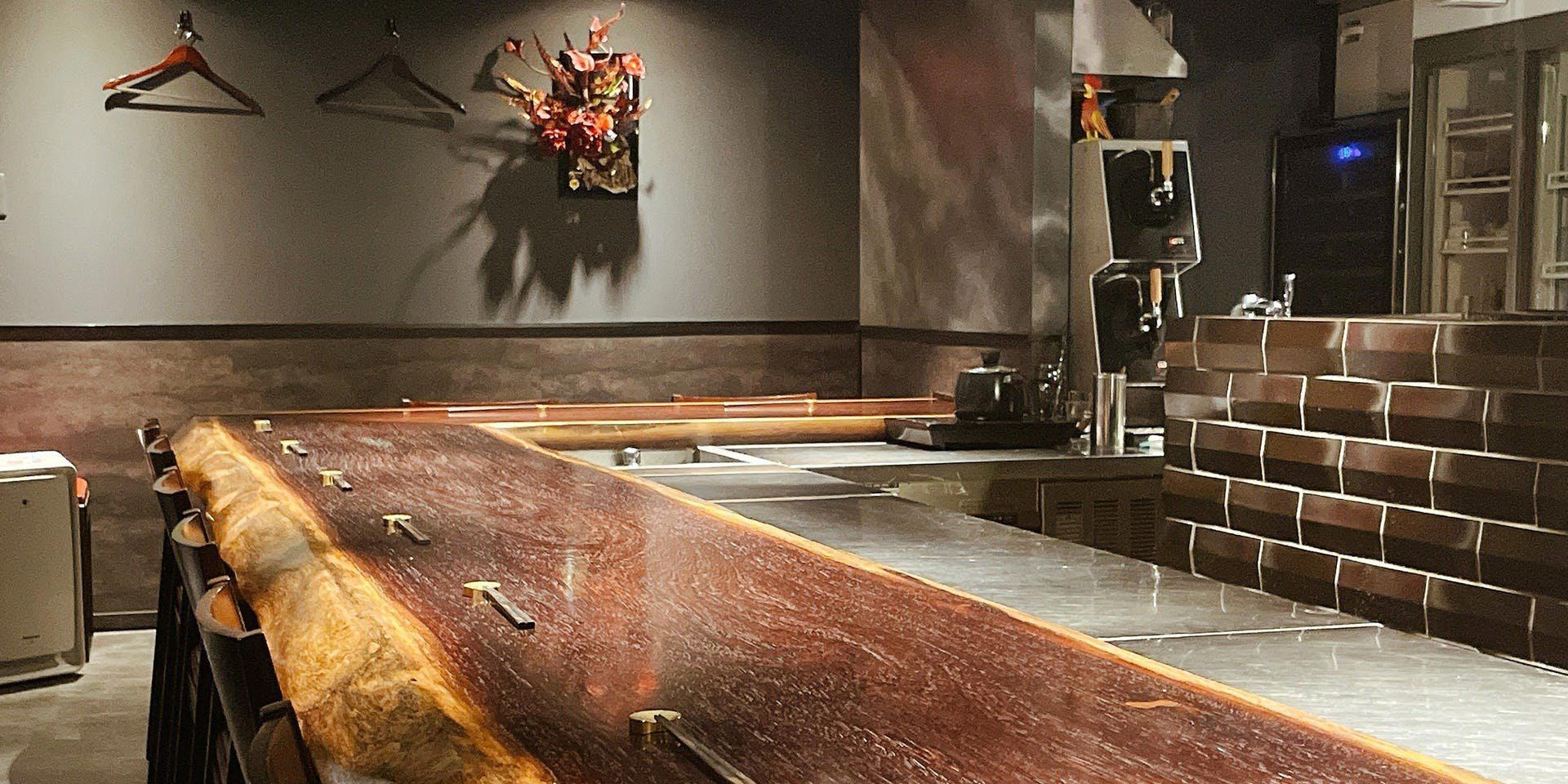
YAKITORI Moe es is a Tabelog Bronze Award and Michelin Plate yakitori counter in Roppongi where chef Daisuke Numano applies French technique to an omakase-only format. Sixteen seats, two sittings per night, reservation required. Budget JPY 15,000–19,999 all-in. Book ahead via Tabelog; there is no official website.
Yakitori Toge
Tokyo, Japan
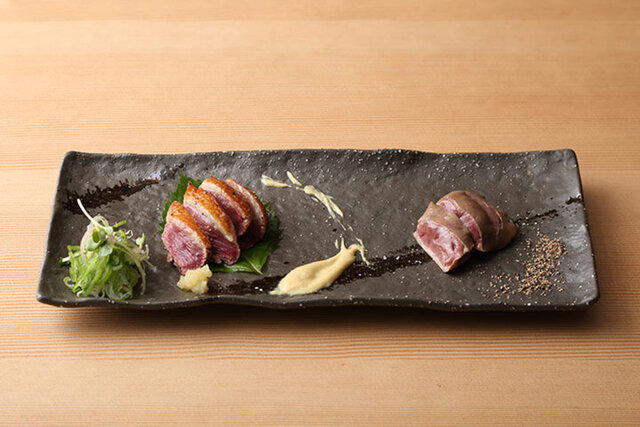
Book Yakitori Toge for Hinai Jidori chicken and Shichitani duck grilled over charcoal at the JPY 10,000–14,999 tier. The 20-seat room in Shinjuku's Saikumachi district earned Tabelog 100 recognition since 2022, and the omakase-style service focuses on ingredient quality and precise grill technique. Saturday afternoon offers the same menu in a quieter setting, and the kitchen handles seasonal vegetables alongside premium poultry.
Tori Yoshi Nakameguro honten
Tokyo, Japan
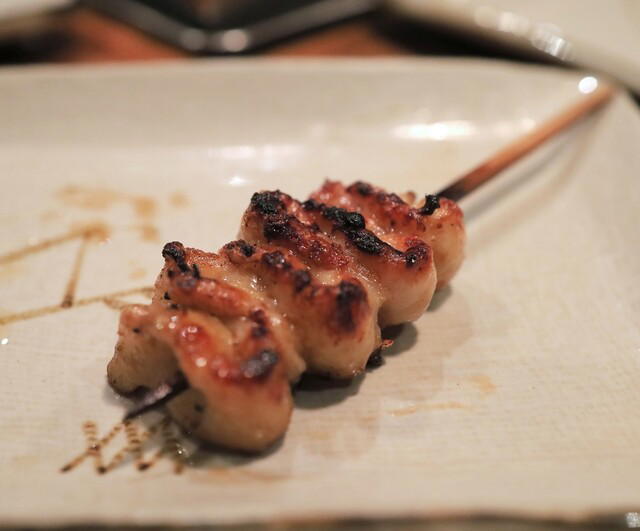
Counter-only yakitori specialist in Nakameguro with no reservations, binchōtan-grilled skewers, and a Tabelog 100 pedigree since 2018. Expect JPY 10,000–14,999 per head, cash-only payment, and a 4 PM opening that rewards early arrivals. The format is pure izakaya: order à la carte, sit elbow-to-elbow at the 21-seat counter, and watch every skewer hit the charcoal.
OHKUSA
Tokyo, Japan
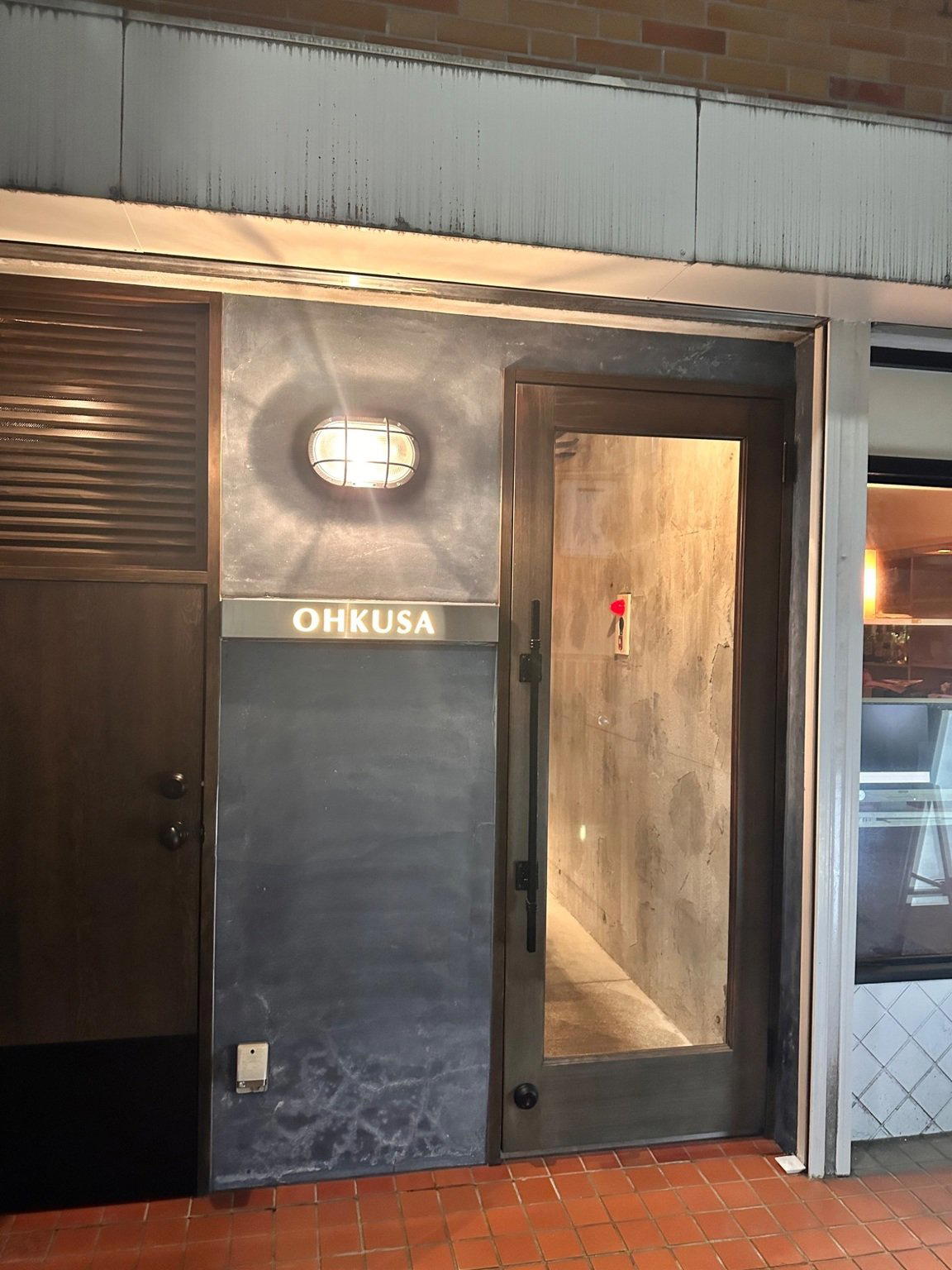
An eight-seat yakitori counter in Shinjuku's Arakicho district, OHKUSA has held Tabelog Silver recognition in four of the past six years and earned consecutive Yakitori 100 listings since 2021. Dinner runs JPY 15,000 to 19,999, reservations open exactly one week ahead by phone, and the counter accepts a maximum of two guests per booking. Cash only; no photography permitted inside.
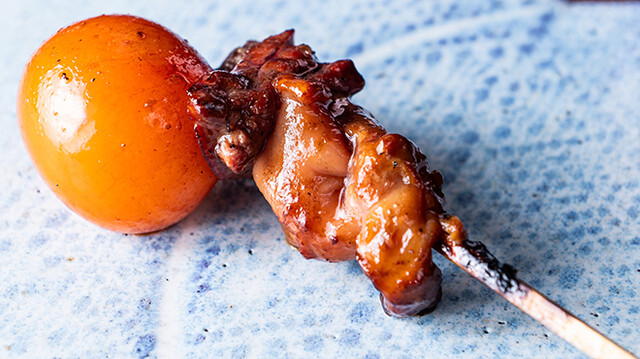
Tori Ken
Fukushima City, Japan
A 10-seat yakitori counter in Fukushima specializing in charcoal-grilled Date chicken, with five Tabelog 100 selections since 2018. The adults-only space pairs premium local poultry with Fukushima sake and shochu, running JPY 8,000–9,999 per head. Reservations required; call between 2 PM and 6 PM.
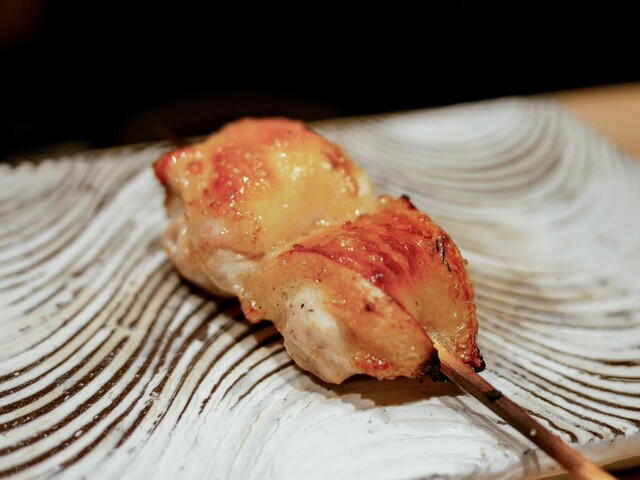
Toribayashi
Tokyo, Japan
An eight-seat yakitori counter in Azabu-Jūban that earned Tabelog Yakitori 100 recognition within weeks of opening in February 2025. Omakase-only, JPY 20,000-29,999, with a no-fragrance dress code and OMAKASE-platform reservations. The tight capacity and high early recognition suggest technically strong grilling for guests who want precision over casual yakitori.
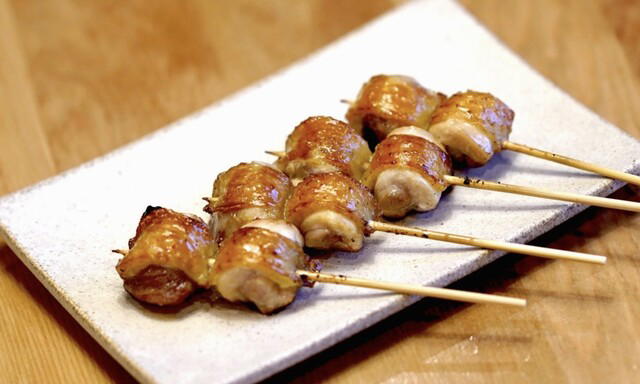
Nerima Toricho Niigata
Niigata, Japan
A Tabelog 100 Yakitori EAST selection three years running, this 29-seat counter-and-table operation near Niigata Station serves charcoal-grilled chicken and izakaya plates at JPY 6,000–7,999 per person. Open six evenings a week with same-day booking accepted until 30 minutes before service; practical for travelers routing through Niigata's sake country.
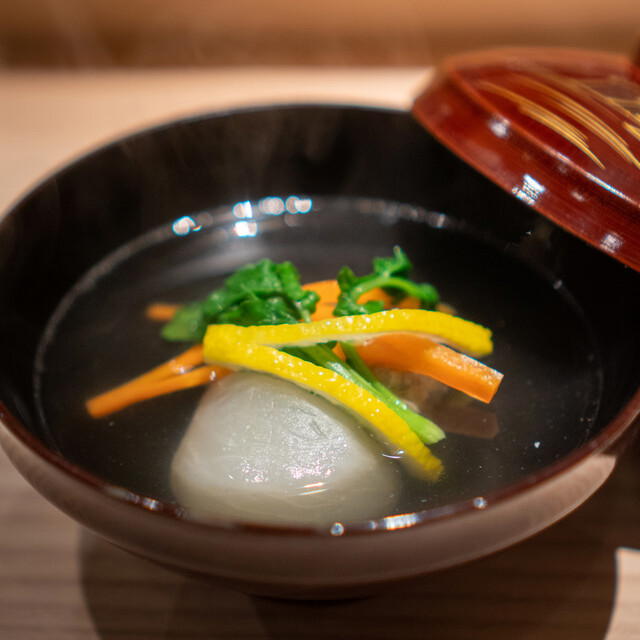
Shutei Yuzawa
Tokyo, Japan
Shutei Yuzawa earned a Tabelog Yakitori EAST 100 spot within months of its November 2024 opening, delivering mid-tier yakitori (JPY 10,000–14,999) at an eight-seat counter in Higashinihonbashi. Book through OMAKASE for precise grilling in a focused, no-frills format that skips theatrics in favor of tight execution and strict two-hour seating windows.

Yakitori Doromamire Yotsuya honten
Tokyo, Japan
Five-time Tabelog 100 honoree serving three distinct chicken breeds; Hinai Jidori, Tottori Daisen, Yamanashi Shingen; grilled over binchotan with vegetables from the kitchen's own Saitama farm. Counter and table seating for 30, closed Sundays and Mondays, JPY 6,000–7,999 per head. Book this if farm-to-grill sourcing matters more than omakase ceremony.
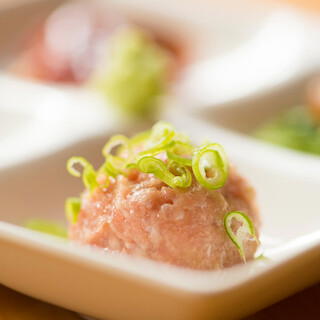
Tori Cho
Tokyo, Japan
A Nerima house restaurant delivering owner-operated yakitori omakase at JPY 10,000–14,999, earning Tabelog 100 recognition since 2018. Solo-chef pacing extends dinners past two hours, and no phone or credit cards add friction; but the charcoal-grilled craft and residential calm justify the trade-offs for diners seeking technical execution at half the cost of Ginza's showpiece counters.
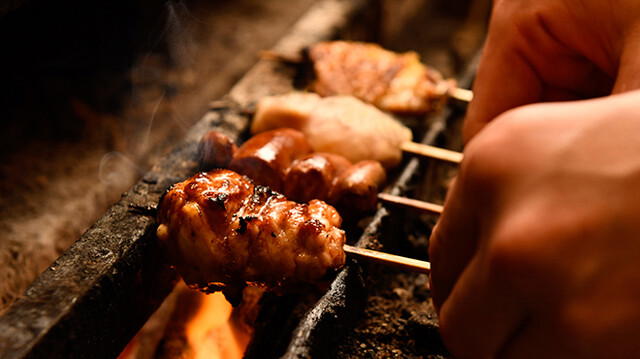
Chiba Izumi
Nagoya, Japan
Tabelog 100-selected yakitori omakase counter in Nagoya's Higashisakura district, opened October 2023. At JPY 10,000–14,999, it offers a compact full-course format with strong saké and shochu pairings, easier booking than Tokyo peers, and a private room for eight. Worth it if you want tight technique without the marathon.
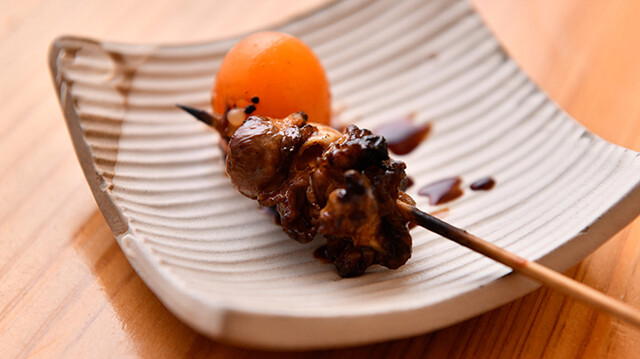
Chiba Hanare
Yokohama, Japan
A chef-led yakitori omakase near Yokohama Station, four-time Tabelog EAST 100 honoree with counter seating and private rooms. High-quality chicken grilled over binchotan, sake and wine pairings, and a structured course format at JPY 8,000–9,999 per head. Book ahead for weekend evenings; weeknights offer easier access.
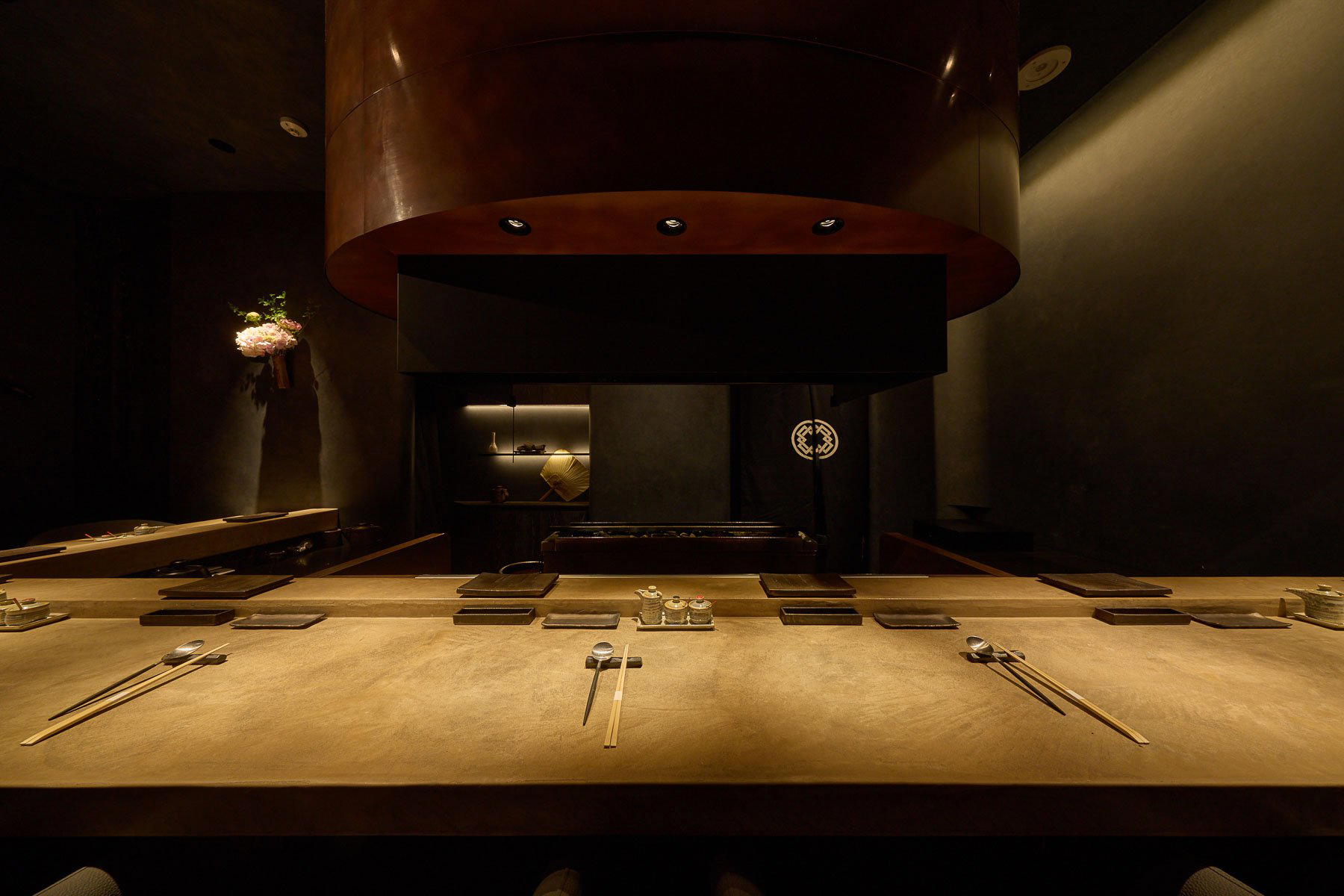
Torioka
Tokyo, Japan
Torioka is a yes for a planned Tokyo meal when the priority is a focused, quality-led experience rather than a flexible late-night stop. Its Tabelog 100 #70 placement gives it a credible recognition signal, but diners should confirm current format, pricing, and seating before treating it as a special-occasion anchor.
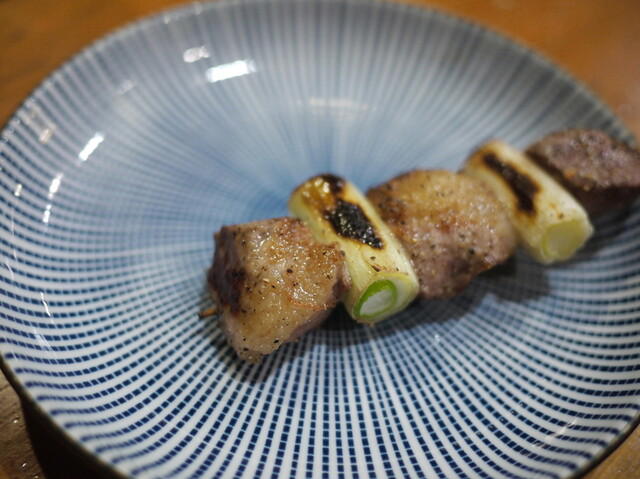
Soneta Yakitoriya
Yamagata, Japan
Award-recognized yakitori counter in Yamagata serving charcoal-grilled chicken and local sourcing at JPY 2,000–2,999 per person. No reservations, cash-only, and smoking-permitted. Fills quickly after 5:30 PM opening. Worth the walk-in wait if you prioritize ingredient quality over formal coursework.
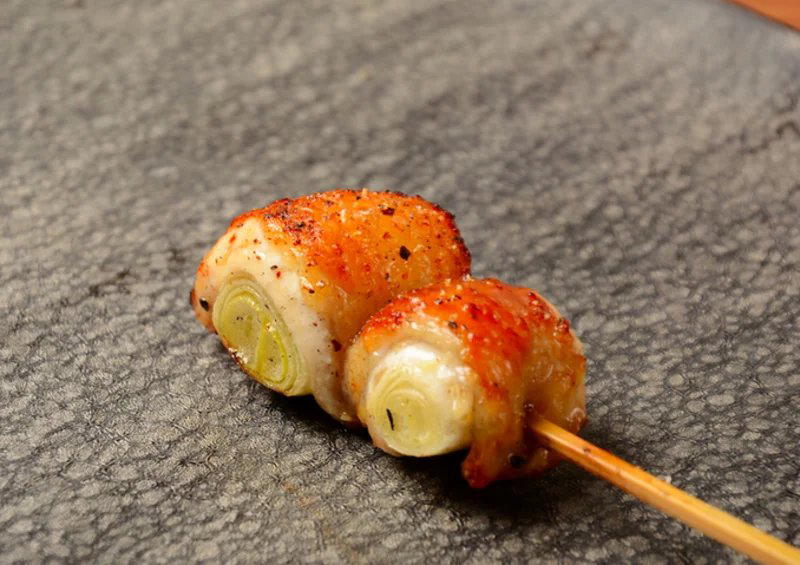
Yakitori Sensho
Nagoya, Japan
A 16-seat yakitori counter in Izumi that earned a Tabelog 2025 EAST 100 spot through technical consistency rather than innovation. At JPY 10,000–14,999 plus 10% service charge, the omakase-style progression delivers reliable grilling and a quiet room suitable for business dinners or low-key celebrations, though the format offers little surprise between visits.
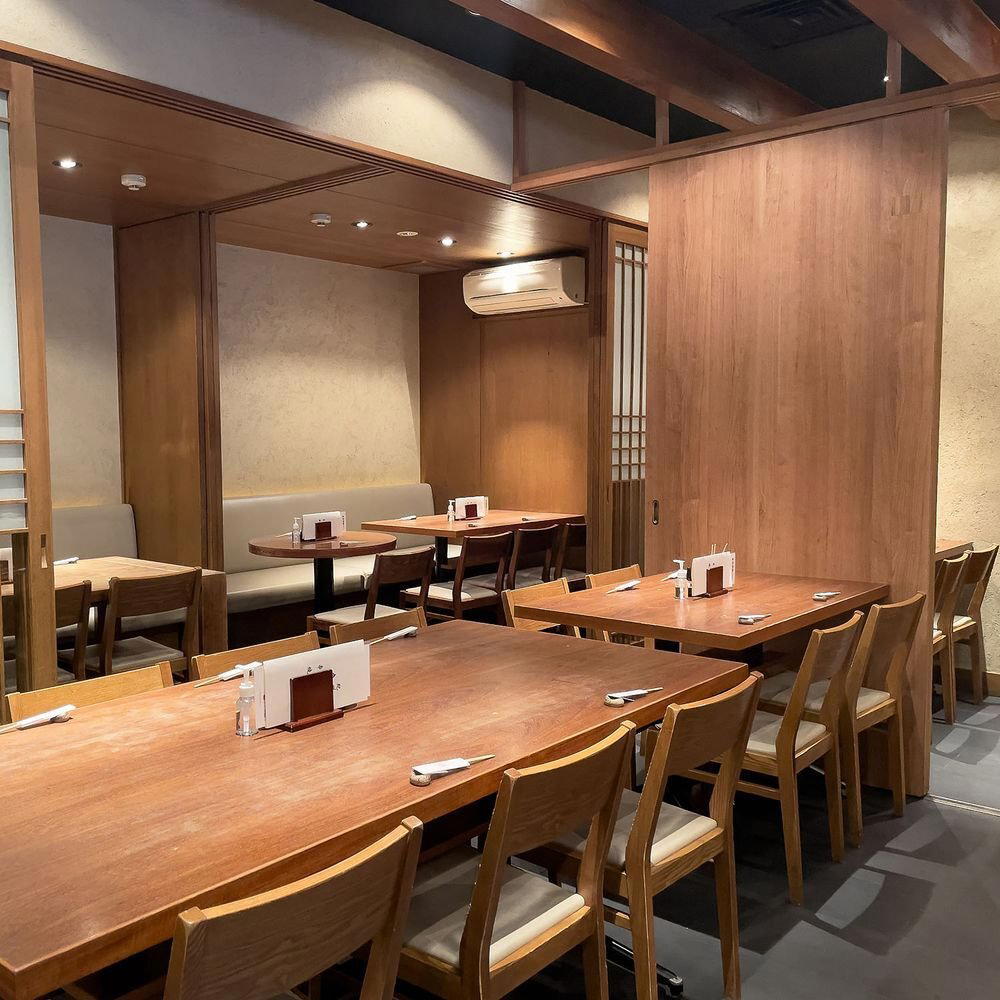
Torishige
Tokyo, Japan
A Tabelog Bronze Award winner in Yoyogi with a lineage stretching back to 1949, Torishige is Tokyo's strongest argument for charcoal-grill dining below the ¥¥¥¥ tier. At ¥8,000–¥14,999 per head, it ranks #163 on Opinionated About Dining's Japan list and earns its place through sourcing depth and generational technique rather than format novelty. Book for a special occasion dinner; come with cash.
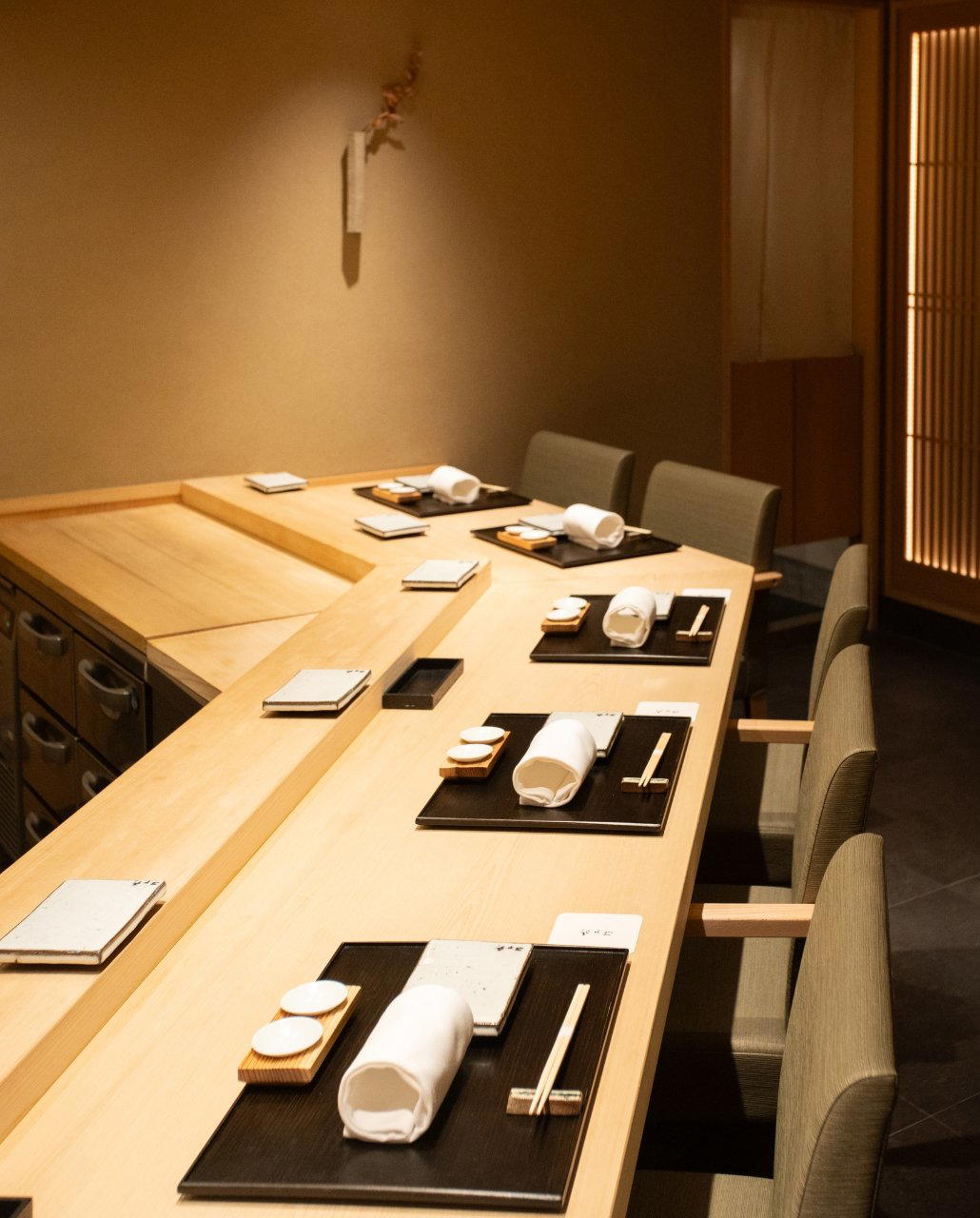
Omino Tsubaki
Tokyo, Japan
Chef Masayoshi Omino's seven-seat counter in Kyobashi treats yakitori as seasonal omakase, earning Tabelog 100 recognition in 2024 and 2025. At JPY 20,000 to JPY 29,999, expect ingredient-driven skewers, sommelier service, and a format closer to kaiseki than izakaya; counter-only, advance booking required.
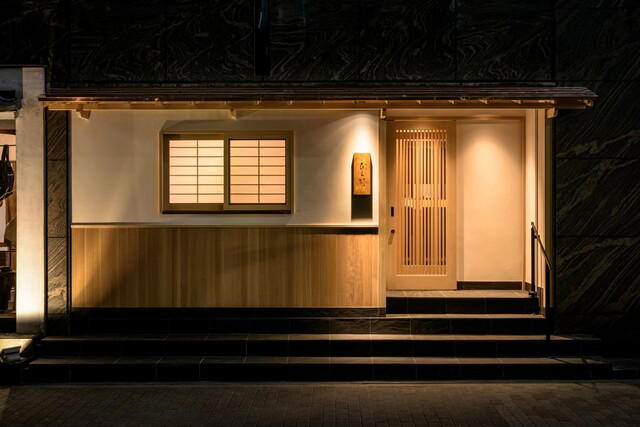
Yakitori Hirano
Tokyo, Japan
Counter-focused yakitori omakase in Ginza at JPY 15,000-19,999, offering charcoal-grilled chicken skewers with binchotan smoke and multilingual service. Selected for Tabelog 100 - Yakitori - EAST three consecutive years. The 12-seat counter delivers chef interaction and real-time grilling; six-seat private room available for groups. Dinner-only format suits special occasions without top-tier pricing.
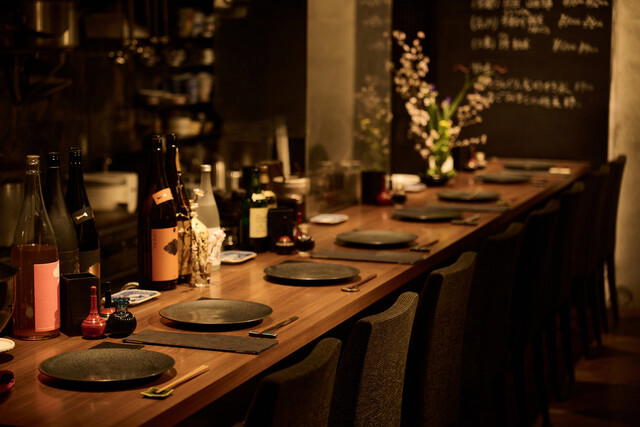
Yakitori Uu.
Tokyo, Japan
Yakitori Uu. delivers Tabelog 100-recognized yakitori at JPY 10,000–14,999, a mid-tier price that balances technical precision with neighborhood accessibility near Gakugei Daigaku. The 16-seat room (counter and tables) offers chef-led omakase sequencing, sommelier-curated pairings, and private-use options for groups. Two consecutive Tabelog 100 nods (2024, 2025) confirm consistent execution four years after opening.

Kohane
Hamamatsu, Japan
Yakitori Kohane is a 10-seat omakase counter in Hamamatsu that has earned Tabelog Bronze Awards in 2025 and 2026, plus three straight years on the Tabelog Yakitori EAST 100 Best list. Built around Amagi Shamo chicken and priced at JPY 15,000–19,999 per person, it delivers Tokyo-level counter seriousness without Tokyo booking difficulty; a strong case for a dedicated dinner if you are anywhere in Shizuoka.
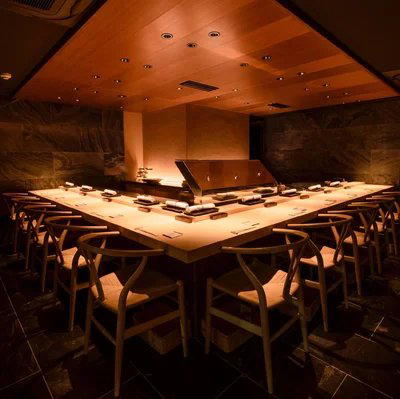
Minami Aoyama Nanachome
Tokyo, Japan
Ten-seat yakitori counter in Minami Aoyama from chef Naoki Kawana, focused on seasonal skewer rotation and grilled vegetables. Seven consecutive Tabelog Bronze Awards (2020–2026) and a fixture in the Yakitori 100 since 2018. Book two months ahead via OMAKASE; closed weekends. JPY 15,000–19,999 per head.
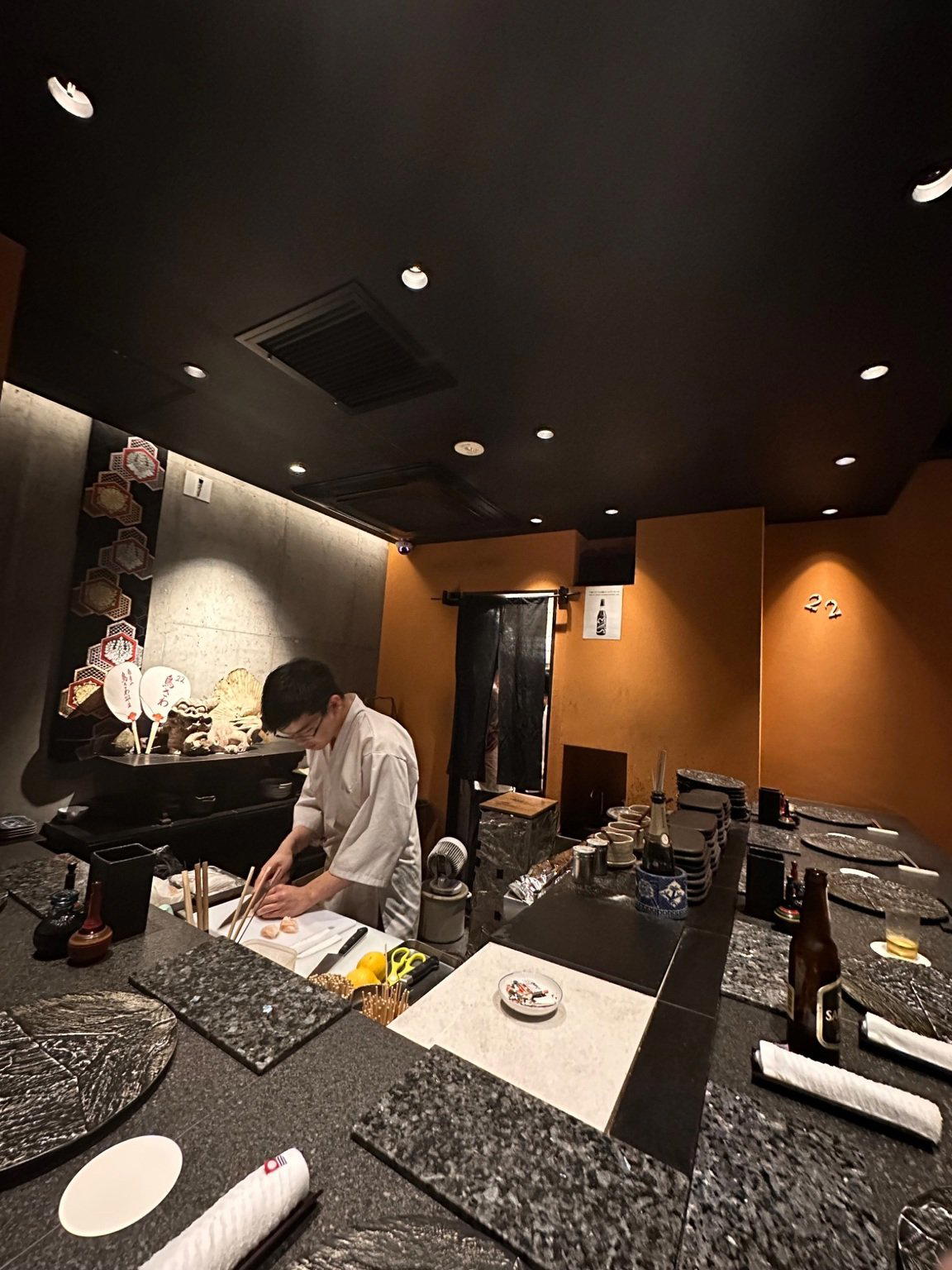
Torisawa 22
Tokyo, Japan
Torisawa 22 works for a focused counter-style dinner in Nishiazabu, especially for a date, celebration, or business meal where a compact experience matters more than menu breadth. Its Tabelog 100 #79 placement in 2025 is the key trust signal, but pricing and detailed menu information are not published here, so planners who need firm budgets may prefer a peer with clearer logistics.
Yakitori Nakamura
Tokyo, Japan
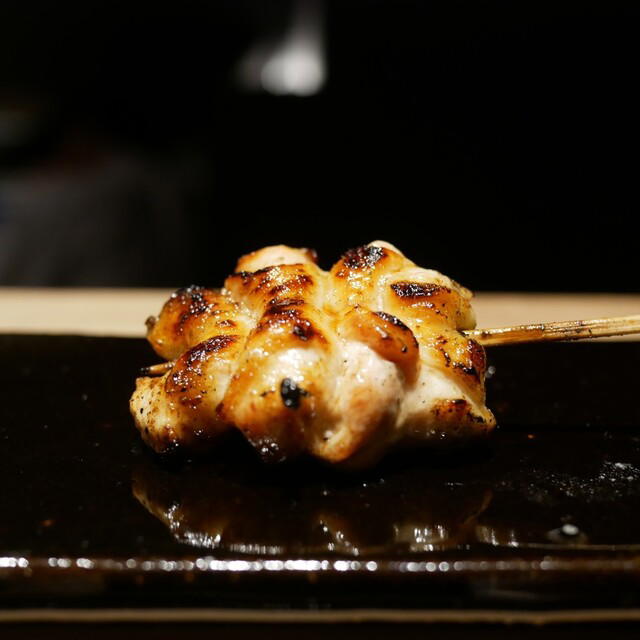
Eight-seat yakitori counter in Toranomon Hills charging ¥10,000–¥14,999 for omakase service, earning Tabelog 100 – Yakitori EAST 2025 recognition within months of its June 2024 opening. Two-seating format (17:30 and 20:30 starts) keeps pacing deliberate, reservations open easily, and the room's charcoal-scented atmosphere suits solo diners and pairs seeking technical skill without the ¥20,000+ price tier of Tokyo's marquee counters.
Yakitori Imai
Tokyo, Japan
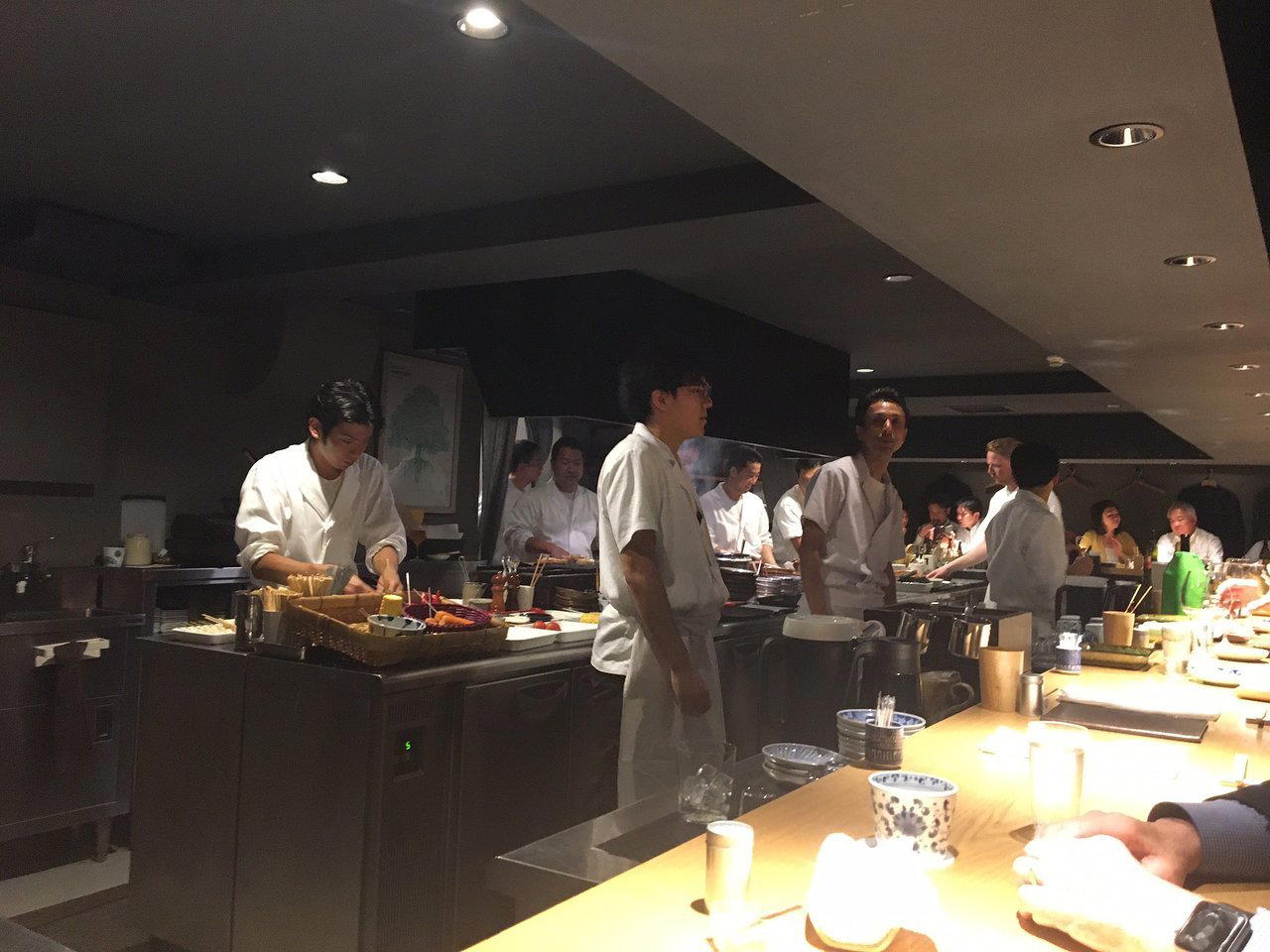
Yakitori Imai in Shibuya has earned three consecutive years on the Opinionated About Dining Top Restaurants in Japan list, making it one of Tokyo's more credentialled yakitori counters. Open weeknights only (5:30–10:30 pm), it works well as a focused, conversation-friendly dinner with a later arrival window. Easy to book relative to Tokyo's top sushi and kaiseki counters.
Yakitori Katou
Tokyo, Japan
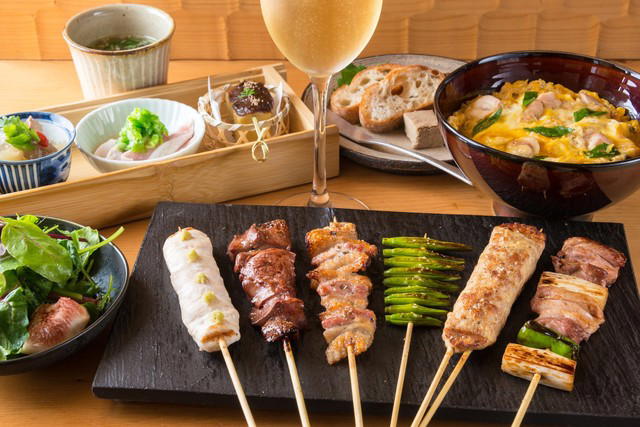
Omakase yakitori counter in Mita rotating four regional jidori breeds over Kishu binchotan, with Burgundy pairings and sake. Tabelog 100 recognition (2024, 2025) at JPY 10,000–14,999 per head. Worth it for format purists; less flexible than à la carte alternatives. Book two weeks ahead; 14 seats, no walk-ins advertised.
Yakitori Tokoshima
Tokyo, Japan
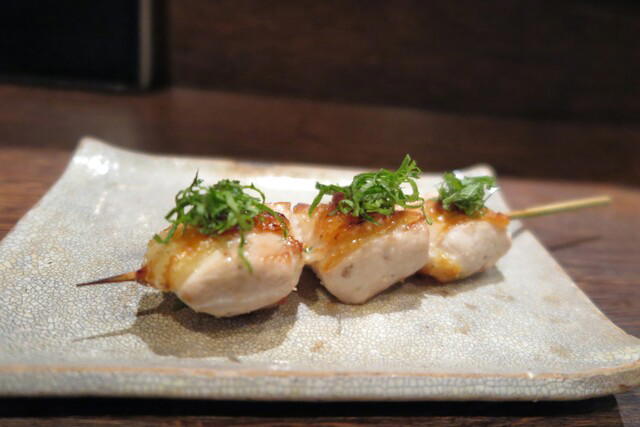
<p>Counter yakitori in Sangenjaya with seven consecutive Tabelog 100 selections (2019–2025) and a bring-your-own drinks policy that cuts the final bill. At JPY 8,000–9,999 per head, it delivers precision grilling without premium beverage service; book if you plan to bring bottles and prioritize technique over hospitality, or choose a full-service specialist in central Tokyo for curated pairings.</p>
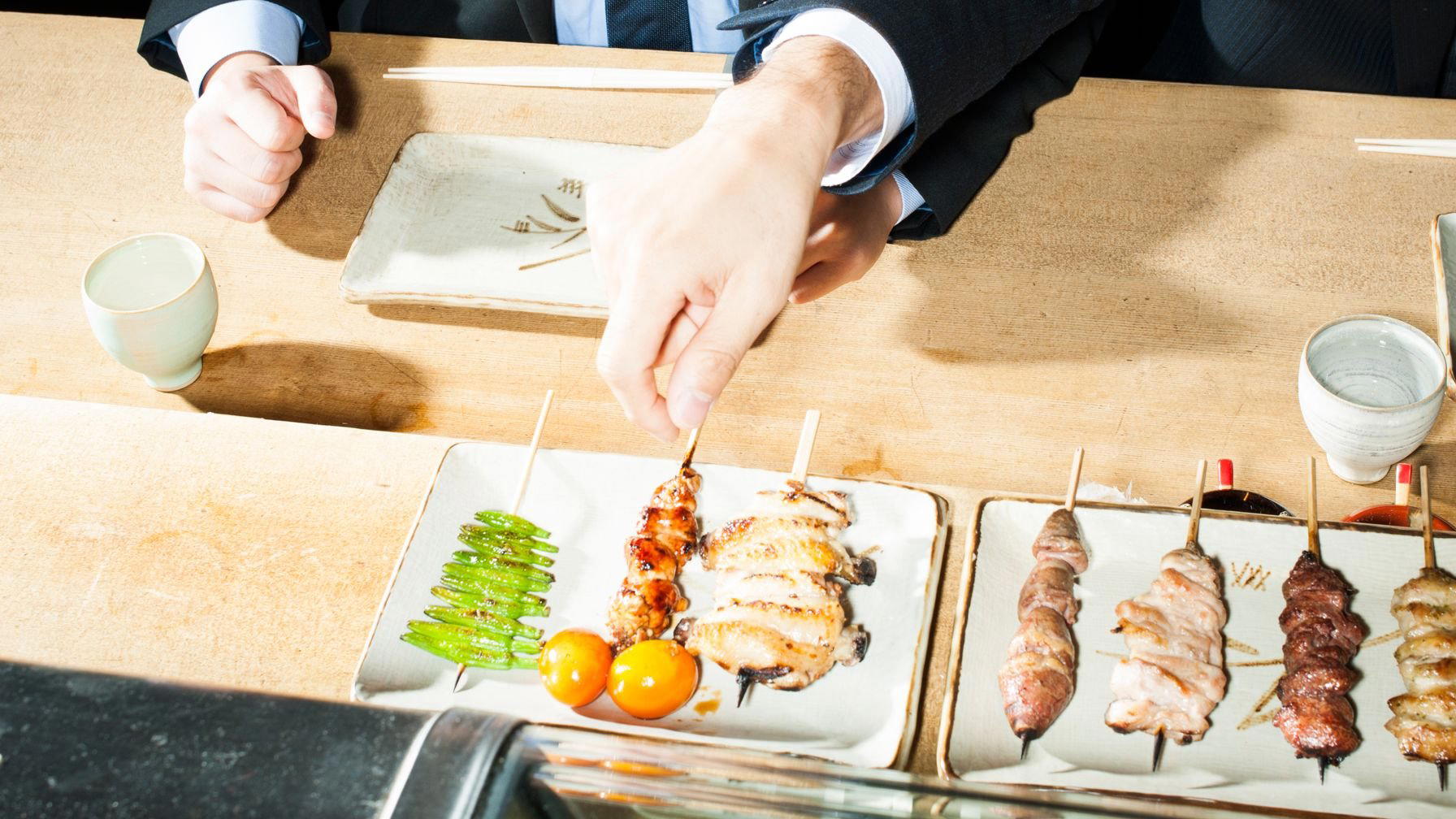
Toritama
Tokyo, Japan
A practical Shirokane dinner pick for travelers who want a recognized Tokyo reservation without building the whole night around a formal tasting-menu plan. Toritama is strongest as a focused later dinner choice; cross-shop Shirogane Baru for clearer lower-spend positioning or LA BISBOCCIA for a higher-budget, more defined occasion meal.
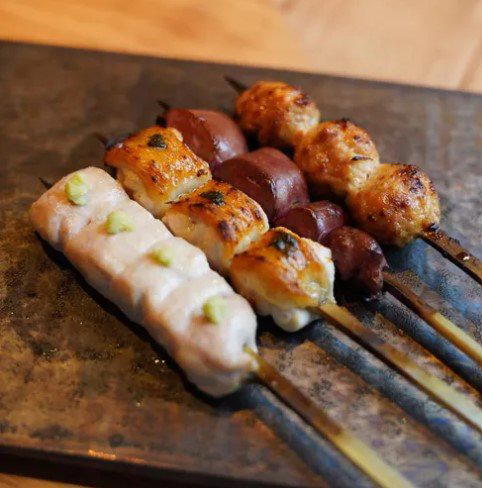
Yakitori Hinata
Tokyo, Japan
A Michelin Plate yakitori counter in Motoazabu built around Tamba-Sasayama regional chicken and a wine pairing concept that actually holds up. At ¥¥¥ with easy booking, it is the most accessible entry into serious Tokyo yakitori; particularly strong for two people who want to eat and drink well without the formality of a starred room.
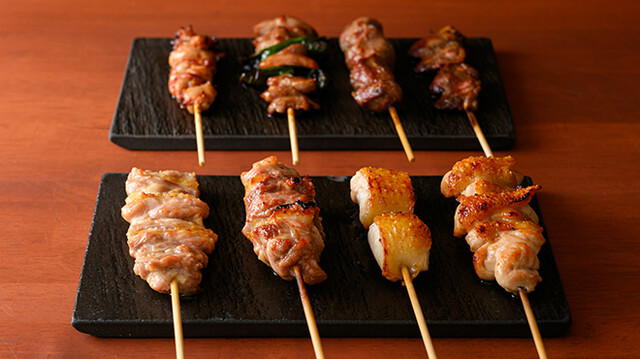
Yakitori Sekine
Tokyo, Japan
An 11-seat yakitori counter near Komagome Station offering course-only grilling with sommelier-curated sake and wine pairings. Tabelog Yakitori East 100 recognition in 2024 and 2025; no private rooms, counter seating only, and a two-drink minimum make this a focused mid-tier pick for parties of three or fewer.
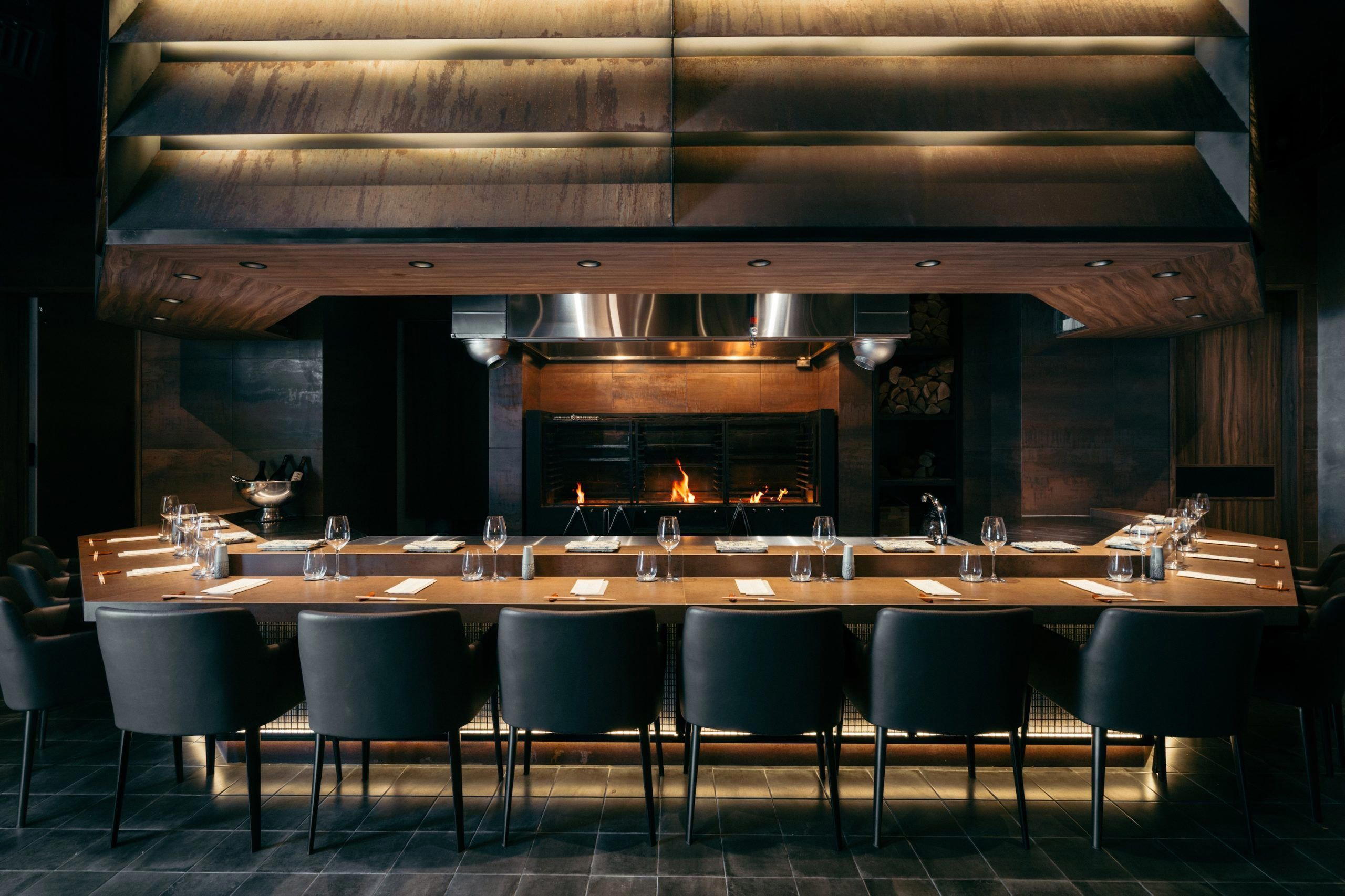
Makitori Shinkobe
Tokyo, Japan
A 12-seat counter yakitori restaurant in Akasaka with Tabelog Silver awards in both 2025 and 2026 and a score of 4.44. Dinner runs JPY 20,000–29,999 per person; reservation-only via the OMAKASE website. One of the most consistently recognised yakitori counters in Tokyo for a counter dinner or special occasion.
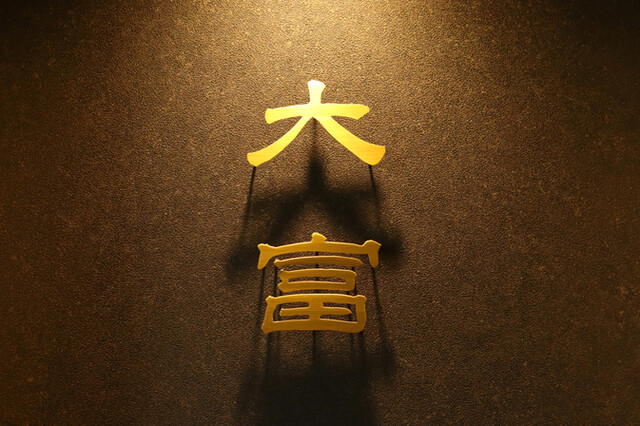
Hanamigawa Ootomi
Chiba, Japan
A 14-seat yakitori counter in Makuharihongo specializing in Hinai chicken, recognized on Tabelog's yakitori EAST 100 list three consecutive years. The omakase format and binchotan grilling justify the JPY 10,000–14,999 price point, though the residential location and no-fragrance policy signal this is a focused, quiet experience rather than a lively izakaya. Book ahead; counter seats fill fastest on weekends.
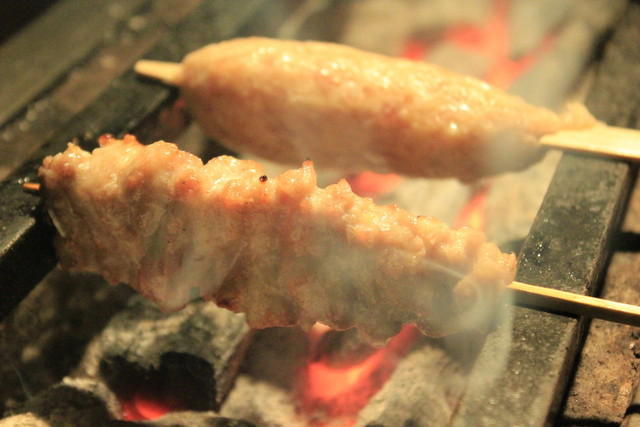
Munakata Ya
Koriyama, Japan
A 15-seat yakitori counter in Koriyama's Ekimae district, recognized in Tabelog's Yakitori EAST 100 for three consecutive years (2023–2025). Binchotan charcoal grilling and a focused sake program anchor the JPY 5,000–5,999 format, with private rooms available for groups of 4–8. Open seven nights a week, reservations advisable for weekends.
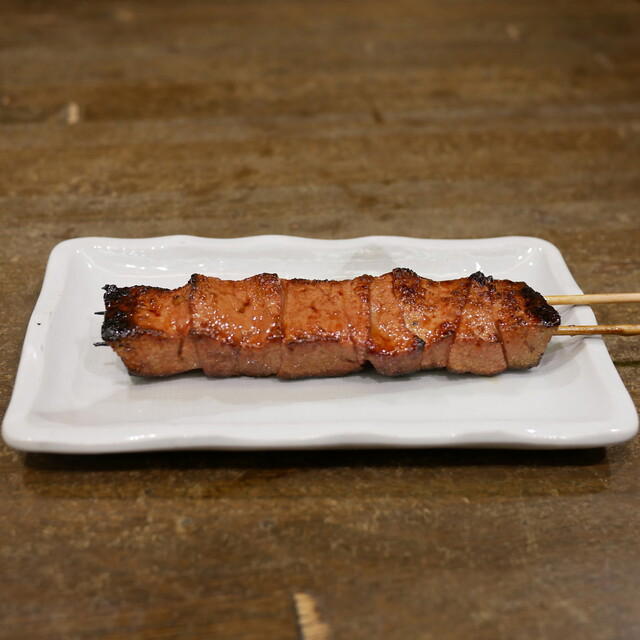
Mitsumasa
Tokyo, Japan
Book Mitsumasa if you want a Shimbashi dinner that feels considered without pushing into splurge territory. Its JPY 5,000 - JPY 5,999 range and Tabelog 100 #90 placement make it a practical pick for a date, casual celebration, or business meal where value matters more than ceremony.
Yakitori Honda
Tokyo, Japan
Takuya Honda's nine-seat counter in Chuo City turns aged Hinai chicken and experimental condiments; balsamic soy, herb-spiked vinegar; into a Tabelog 100 (2023–2025) and Michelin Plate yakitori experience at ¥15,000–¥19,999 per head. The ingredient sourcing and wine pairings justify the price if you want omakase-level discipline applied to skewers rather than classical salt-or-tare simplicity. Easier to book than most Tabelog 100 spots, with same-day reservations possible, but the format is fixed: counter-only, maximum four per party, no deviation from Honda's vision.
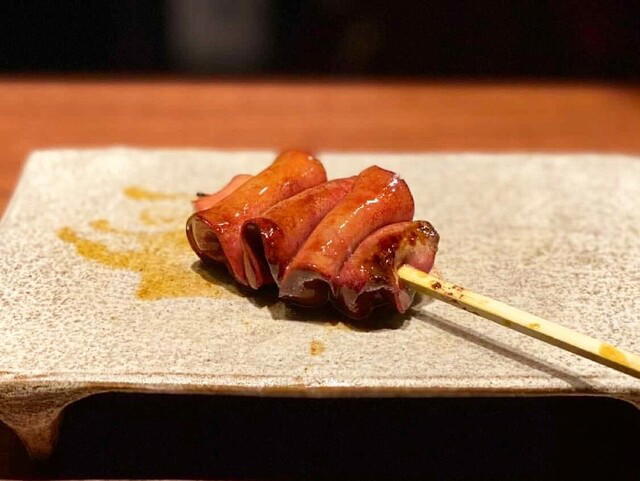
BLESS
Tokyo, Japan
A Tabelog 100 yakitori spot in Morishita offering 29 seats across counter, table, and terrace; rare flexibility at JPY 8,000–9,999. Five consecutive selections (2021–2025) validate execution, while group-friendly layout and sommelier service justify the price for parties that need breathing room over counter austerity.
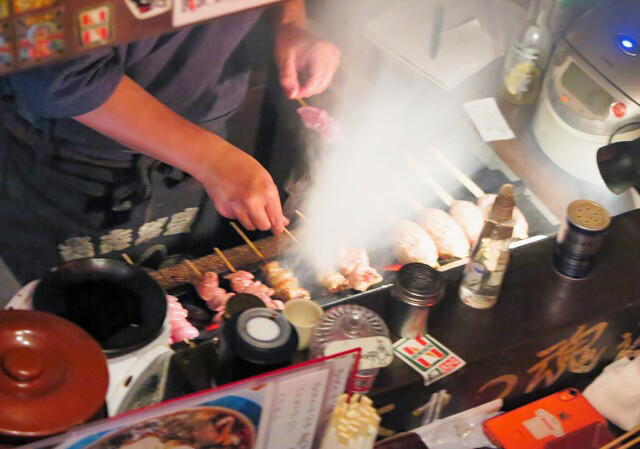
Michishirube
Tokyo, Japan
Tabelog 100-recognized yakitori specialist in Kabukicho, open until 1 AM six nights a week at JPY 5,000–5,999 per head. The 24-seat space offers counter and tatami seating, with a vegetarian-friendly menu and a cash-only policy. Book via text message; the late-night hours and consistent recognition make it a practical Shinjuku pick.
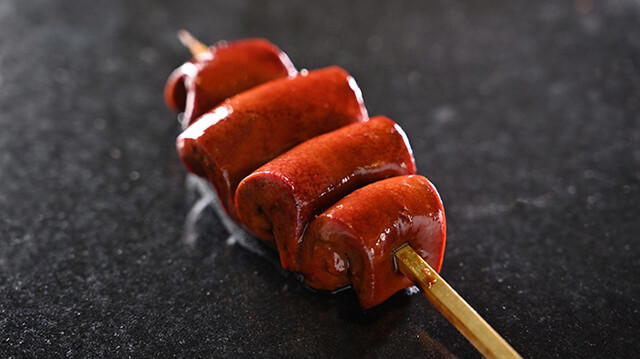
Sumiyaki TORI8
Tokyo, Japan
Eight-seat yakitori counter in Nihonbashi, opened March 2024 and named to Tabelog 100 – Yakitori – EAST within its first year. Omakase-style charcoal-grilled chicken at JPY 15,000–19,999, backed by a sommelier-led drinks program. Reservations through OMAKASE platform only; two seatings nightly at 17:30 and 20:30. Best for diners seeking technically precise yakitori in a modern, minimal setting; skip it if you want the casual energy of a traditional grill house.
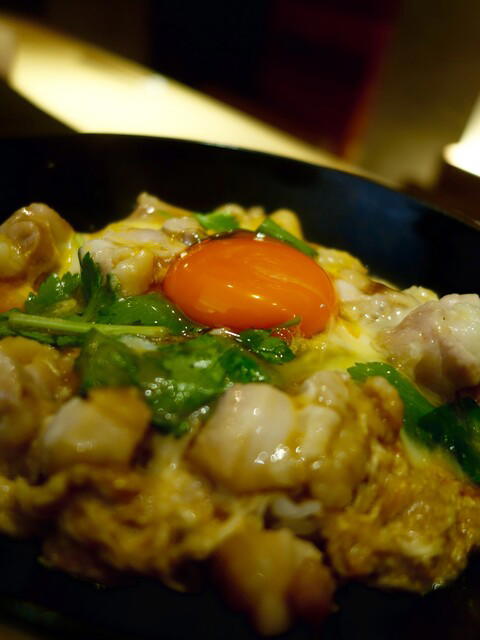
Yakitori Yamamoto
Tokyo, Japan
Reservation-only yakitori counter in Mitaka holding Tabelog 100 recognition since 2018. JPY 8,000–9,999 buys a methodical omakase program over 16 counter seats; book one to two weeks ahead through the owner's blog. No phone reservations, no walk-ins, no private rooms; just grilled chicken skewers served with technical precision six nights a week.
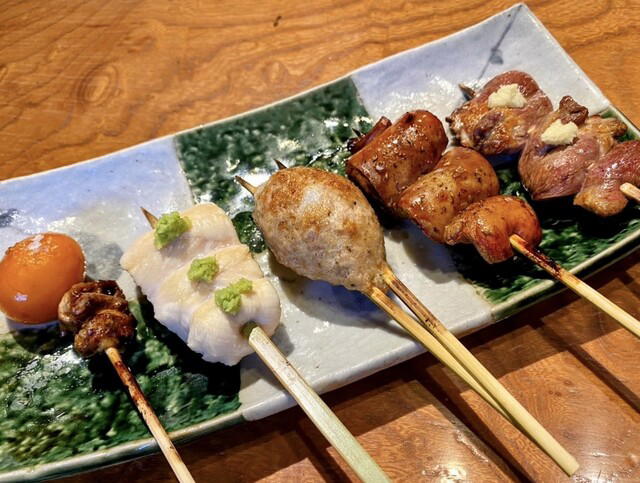
Yakitori Midori
Yokohama, Japan
Tabelog 100 yakitori shop in Yokohama's Otamachi district, open Tuesday–Saturday evenings only. JPY 8,000–9,999 gets you counter or table seating and a sake-focused drink list. Reservations available online for parties up to four; larger groups call direct.
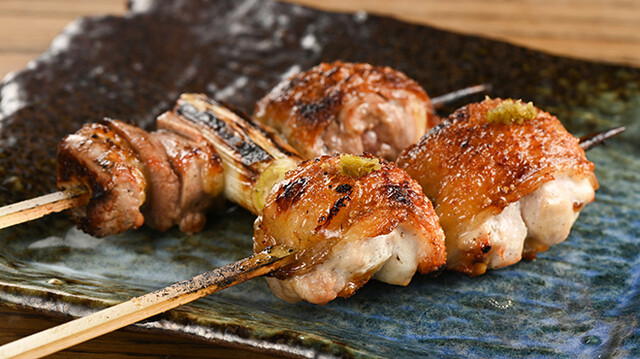
Tori Takuchu
Tokyo, Japan
A 2024-opened Kagurazaka yakitori counter earning Tabelog 100 recognition for charcoal-grilled jidori chicken and Akita sake pairings. At JPY 10,000–14,999, it offers both omakase and à la carte formats when table availability permits, making it accessible for first-timers testing Tokyo's yakitori tier without committing to a full tasting run.
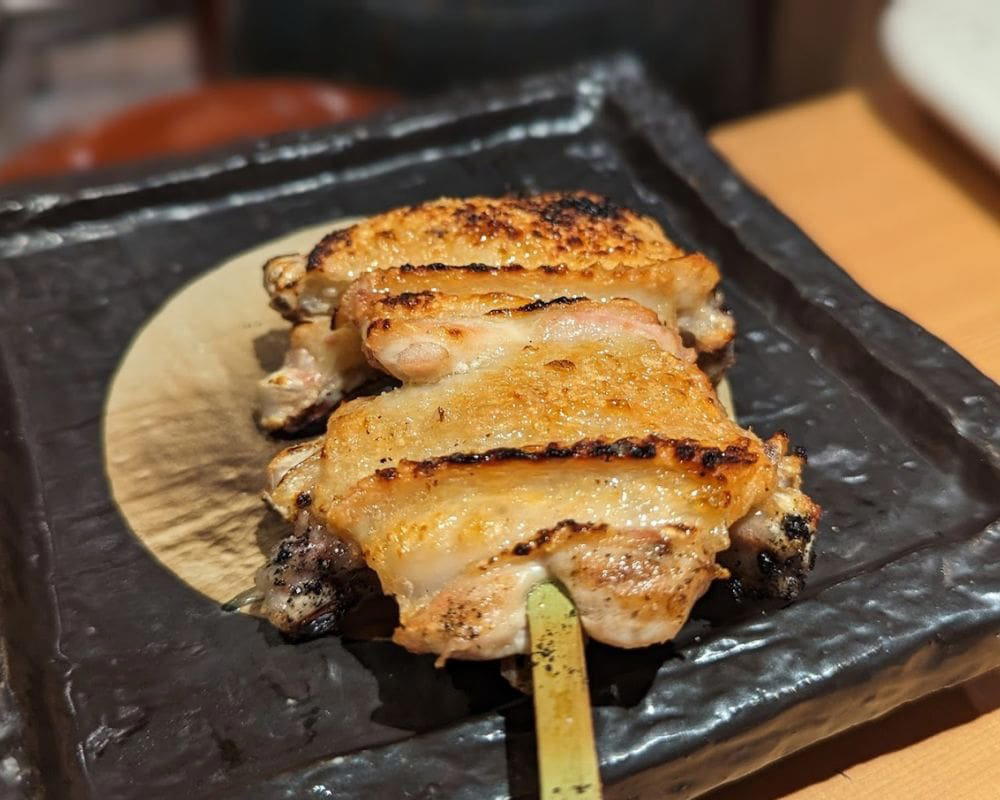
Higebozu
Sapporo, Japan
Higebozu is a 10-seat yakitori counter in Sapporo's Chuo Ward, Tabelog Bronze-awarded in both 2025 and 2026, with a score of 4.15 and three consecutive years in the Tabelog Yakitori EAST Top 100. Courses run JPY 10,000 to JPY 19,999 per person depending on drinks. Reserve via Instagram DM up to two months out; solo diners are not accepted.
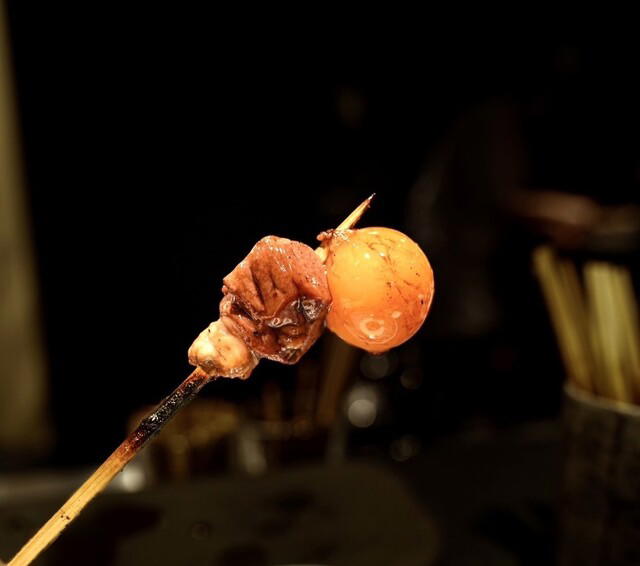
Tori Sawa Roppongi
Tokyo, Japan
This eleven-seat yakitori counter earned Tabelog 100 recognition within three years of opening, delivering binchotan-grilled omakase at JPY 10,000–14,999; mid-tier pricing with high-end execution. The counter-only format and curated sake selection make it worth booking over larger Roppongi options, especially for diners who want direct interaction with the grilling process without the formality or cost of Ginza equivalents.
Overview
Tabelog 100 - Yakitori - EAST - 2025 is an authoritative ranking of the top 100 yakitori restaurants in East Japan, curated annually by Tabelog, Japan’s leading restaurant review platform. This list celebrates establishments excelling in grilled chicken skewers, reflecting regional flavors and culinary craftsmanship.
Established by Tabelog, Japan’s premier dining review platform, the Tabelog 100 Yakitori East Japan 2025 list honors the top yakitori establishments across the eastern region, including Tokyo, Kanagawa, Chiba, and surrounding prefectures. Since its inception, this list has become a beacon for food enthusiasts seeking authentic, expertly grilled chicken skewers that highlight local ingredients and traditional techniques. As yakitori continues to evolve, this list captures both revered classics and innovative newcomers, offering a comprehensive pulse on the region's dynamic yakitori scene.
For connoisseurs of Japanese cuisine and travelers hungry for authentic experiences, the Tabelog 100 Yakitori East Japan 2025 list is an indispensable guide. This curated selection showcases the pinnacle of yakitori craftsmanship, from intimate neighborhood grills to celebrated culinary landmarks. Each restaurant on this list exemplifies the artful balance of flavor, texture, and tradition, inviting discerning diners to explore Japan’s eastern region through its beloved grilled chicken skewers.
Quick Facts
- Publisher
- Tabelog
- Year
- 2025
- Coverage
- East Japan (Tokyo, Kanagawa, Chiba, Saitama, Ibaraki, Tochigi, Gunma)
- Items
- 100 Yakitori Restaurants
- Frequency
- Annual
About This Edition
The 2025 edition spotlights a wave of innovative yakitori chefs blending traditional techniques with contemporary flavors, reflecting evolving consumer palates. Noteworthy this year is the increased representation of sustainable sourcing and regional ingredient storytelling, highlighting East Japan’s commitment to culinary heritage and environmental responsibility. Several new entries from emerging suburbs underscore yakitori’s expanding geographic and cultural reach.
Frequently Asked Questions
What is Tabelog 100 - Yakitori - EAST - 2025?
How are honorees selected?
How often is this list updated?
How can I find these on Pearl?
How many of these have you visited?
Find out on Pearl and keep score across every place in Tabelog 100 - Yakitori - EAST - 2025.