.png?width=1200&quality=80)

Yakitori Honda
Yakitori · Chūō, Tokyo
Restaurant in Tokyo, Japan
 Book with Pearl
The Read
Condiment-Forward Yakitori
Price
¥¥¥
Chef
Takuya Honda
Why go
Takuya Honda's nine-seat counter in Chuo City turns aged Hinai chicken and experimental condiments—balsamic soy, herb-spiked vinegar—into a Tabelog 100 (2023–2025) and Michelin Plate yakitori experience at ¥15,000–¥19,999 per head. The ingredient sourcing and wine pairings justify the price if you want omakase-level discipline applied to skewers rather than classical salt-or-tare simplicity. Easier to book than most Tabelog 100 spots, with same-day reservations possible, but the format is fixed: counter-only, maximum four per party, no deviation from Honda's vision.
About Yakitori Honda
Yakitori Honda in Tokyo is a ¥¥¥ yakitori restaurant led by chef-owner Takuya Honda. Honda uses aged Hinai chicken to draw out umami, and his cooking is shaped by persistent trial and error in pursuit of the best flavour from each cut. Book it if you are interested in a chef-driven yakitori meal built around chicken, craft, and curiosity; skip it if you need a broader cuisine category or other details.
Why Aged Hinai Chicken Justifies Attention
Honda's sourcing anchors the meal: Hinai chicken is aged to bring out umami, giving the restaurant a clear point of difference within Tokyo yakitori. The appeal is not a long list of extras, but the central idea that the bird itself is treated as the main subject. Compared with yakitori at BIRD LAND, Yakitori Honda is best understood as a ¥¥¥ option for diners who want to focus closely on the ingredient and the chef's interpretation of each cut.
Honda also shows unusually active curiosity. He constantly tinkers with his fare through trial and error, looking for the best flavour from each part of the chicken. That makes the restaurant most compelling for diners who enjoy yakitori as a craft rather than simply as a casual skewer meal. Specific menu formats, drink pairings, seating arrangements, and condiments should be confirmed directly.
How the Format Shapes the Experience
Yakitori Honda is open for dinner Monday through Saturday, from 6–10:30 PM, and is closed on Sunday. Those hours make it a dinner-only choice, so do not plan around lunch service. The ¥¥¥ price marker places it in a premium bracket, but exact per-person pricing should be confirmed directly with the restaurant.
Beyond the dinner hours, chef-owner Takuya Honda, and the yakitori focus, information about specific seat counts, room layouts, dress codes, reservation policies, party-size limits, addresses, station access, parking situations, or beverage programs is not available. Treat those as details to confirm directly before visiting. It is located in Tokyo.
Where Honda Sits Among Tokyo Yakitori
Within Tokyo yakitori, Yakitori Honda stands out for aged Hinai chicken and Honda's restless approach to refining flavour. BIRD LAND and Aramaki are useful peer references for diners comparing premium yakitori options, but the safest comparison is broad: Honda is the choice when the draw is the chef's treatment of aged Hinai chicken rather than a particular award, seating format, or tasting-menu structure.
Avoid building expectations around unconfirmed accolades, exact prices, booking difficulty, private rooms, party-size rules, or menu flexibility. Instead, evaluate Yakitori Honda on the fundamentals: yakitori, Tokyo, chef-owner Takuya Honda, ¥¥¥ pricing, dinner hours, and aged Hinai chicken prepared with a highly experimental, flavour-focused mindset.
For a special meal, Yakitori Honda makes sense for diners who care about the nuances of chicken and the craft of yakitori. If your group needs a wider menu, private space, or more detailed service information in advance, compare it with other dining rooms or allowed yakitori peers before booking. For diners seeking a focused yakitori experience centered on aged Hinai chicken, Honda remains a clear premium option to investigate.
Planning details
- Location
- Japan, 〒104-0043 Tokyo, Chuo City, Minato, 3 Chome−5−1 1F
- Website
- yakitori-honda.com
- Phone
- +81 3-5540-2223
The take
The Take
The Vibe
Yakitori Honda reads like a modern reinvention of a classic Tokyo format. The writing frames the counter as a lab for experimentation: condiments extend beyond shio and tare to a lineup that includes condensed and balsamic soy and a herbed rice vinegar, and the kitchen treats each cut of Hinai-jidori as its own problem to solve. That combination of meticulous technique and playful seasoning positions Honda as a contemporary, intimate spot — familiar yakitori rituals are present, but the emphasis on tasting and ingredient-driven thinking gives the place a distinctly modern, experimental air.
Best For
This is a dinner destination for diners who want an engaged, hands-on yakitori experience. The counter format and the kitchen’s focus on aged Hinai-jidori and cut-specific cooking reward guests who appreciate technique and nuance, making it well suited to date nights, solo counter dining, or small parties of adventurous eaters. It isn’t presented as a casual takeaway or loud group hangout; instead, it’s a place to linger at the grill, follow a tasting rhythm, and pay attention to how seasoning and timing alter each bite.
Ordering Tips
Treat the experience as an active tasting: sample how the kitchen pairs different condiments with each cut. The story highlights an expanded condiment selection — condensed soy, balsamic soy and rice vinegar with herbs — so ask the staff about which sauces they recommend for thigh, skin, liver and cartilage. Also note the use of aged Hinai-jidori; seek out those skewers to taste the concentrated umami the aging process brings. Because the kitchen approaches each part individually, order a range of cuts to appreciate the contrast in texture and seasoning.
Venue details
Ambiance
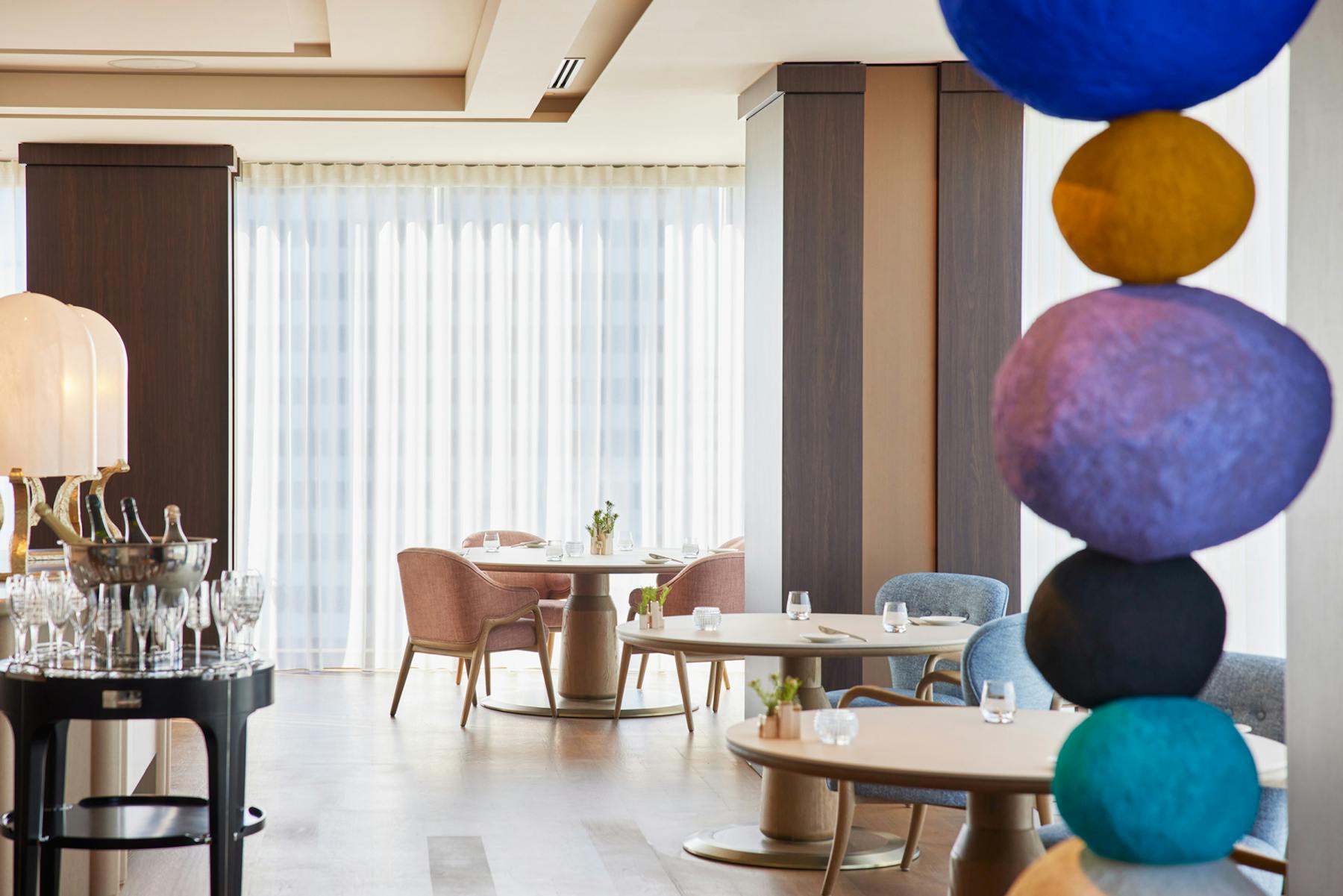
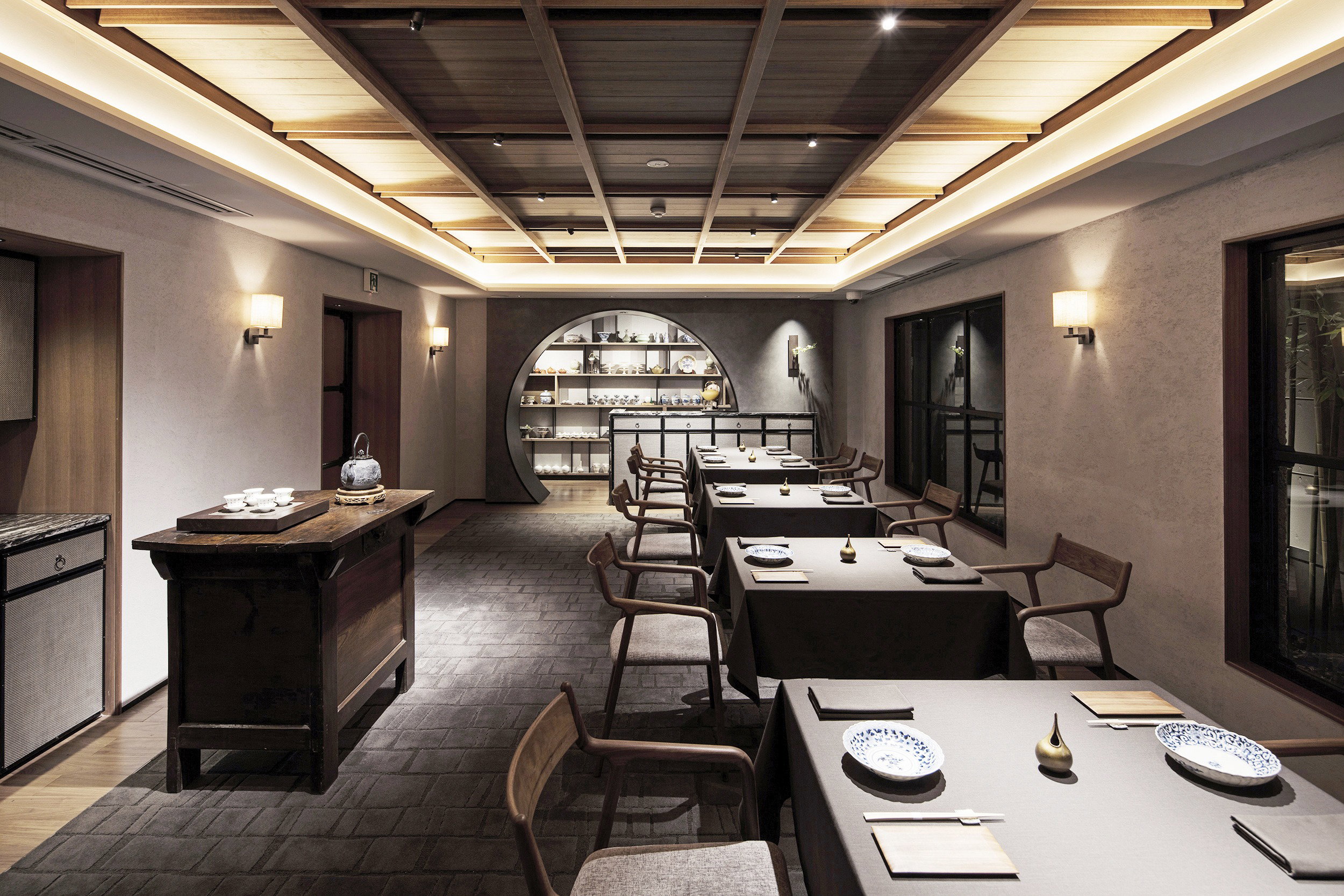
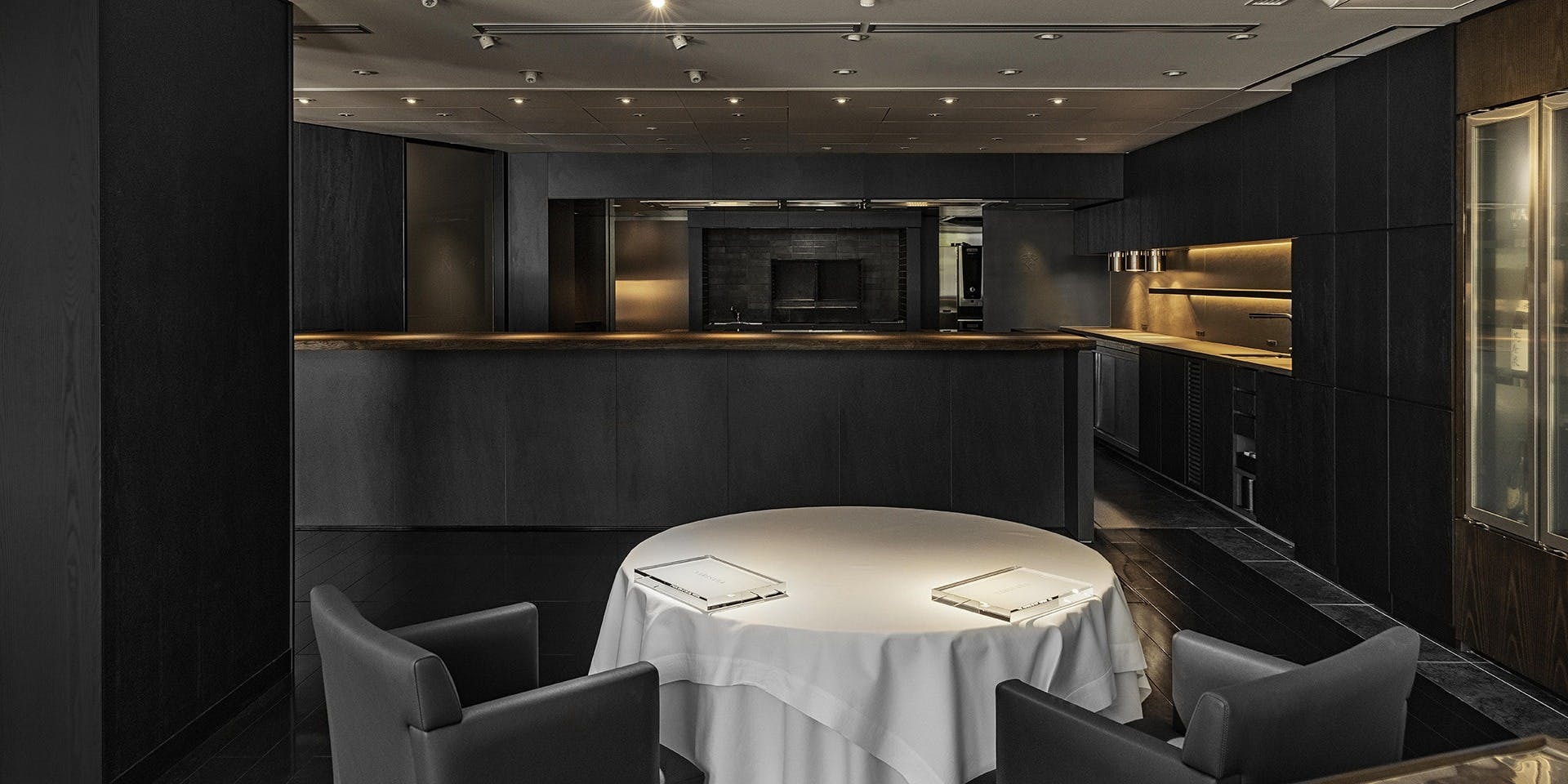
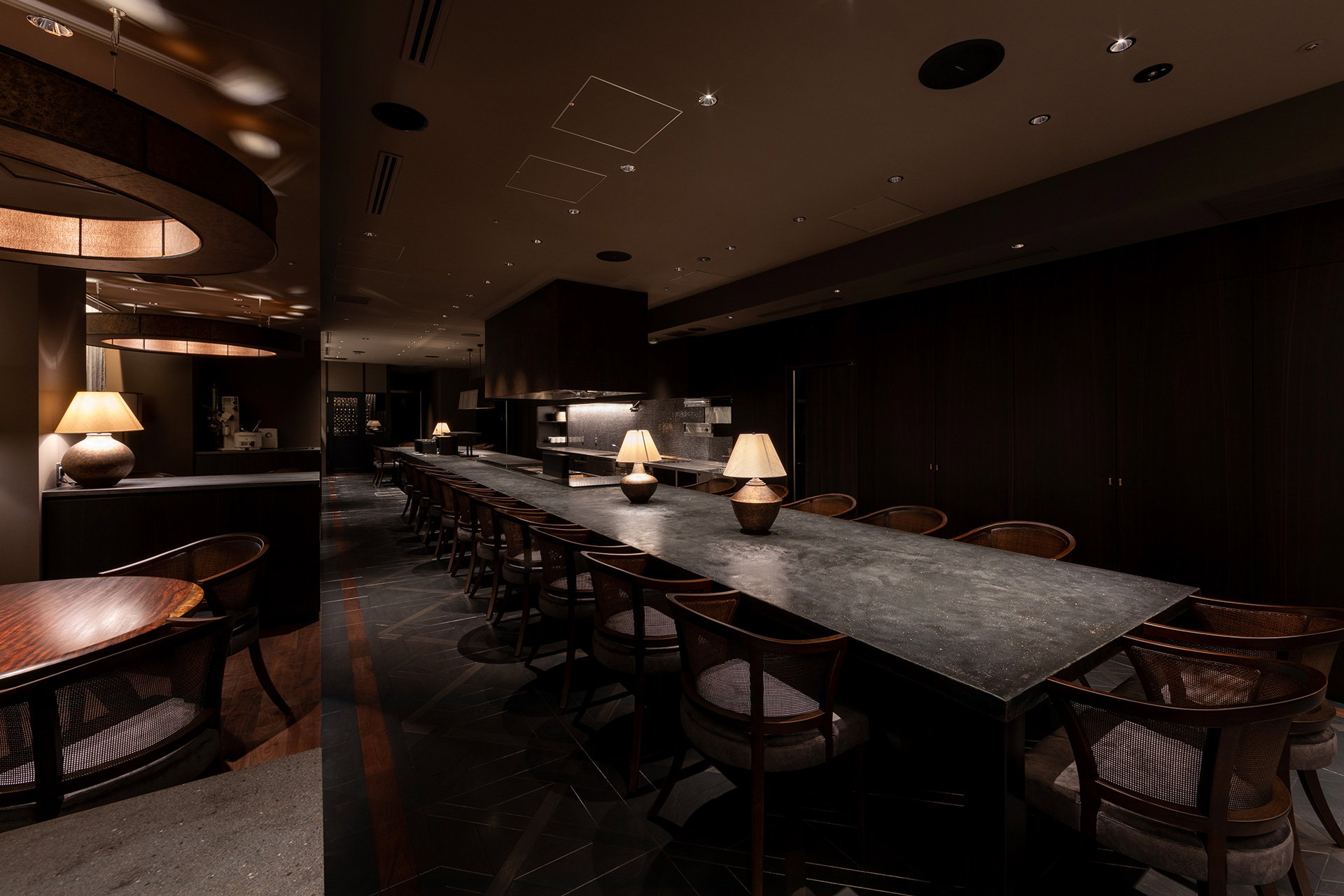
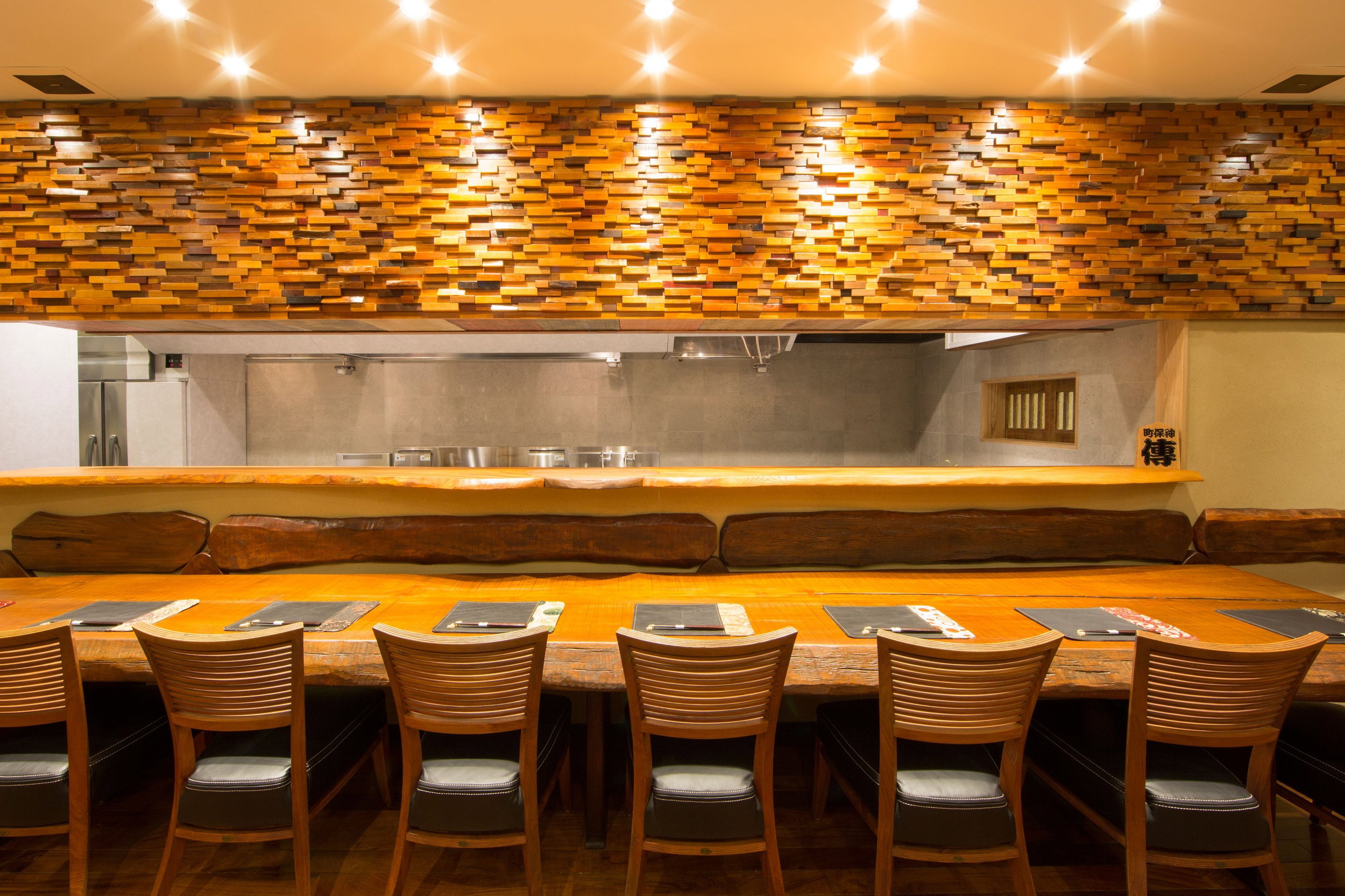
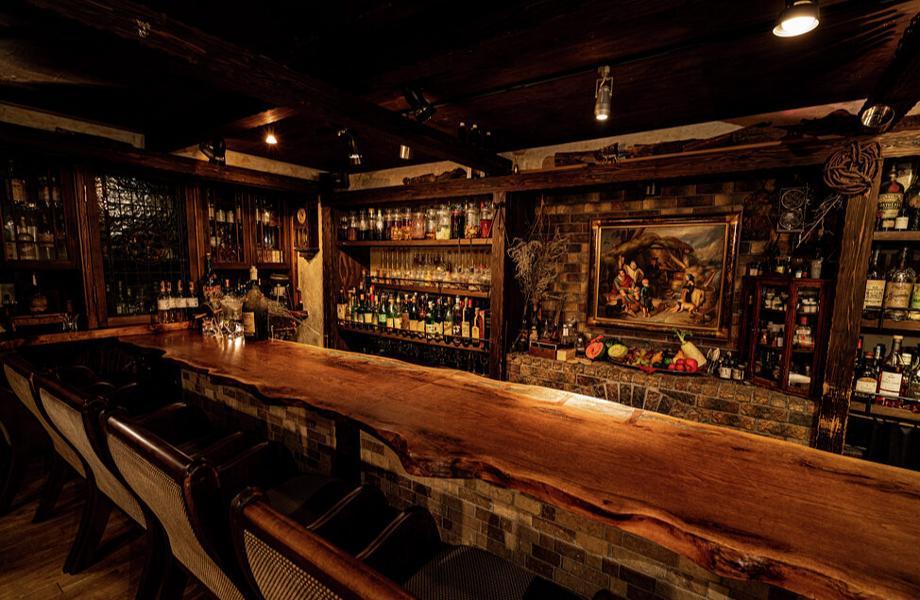
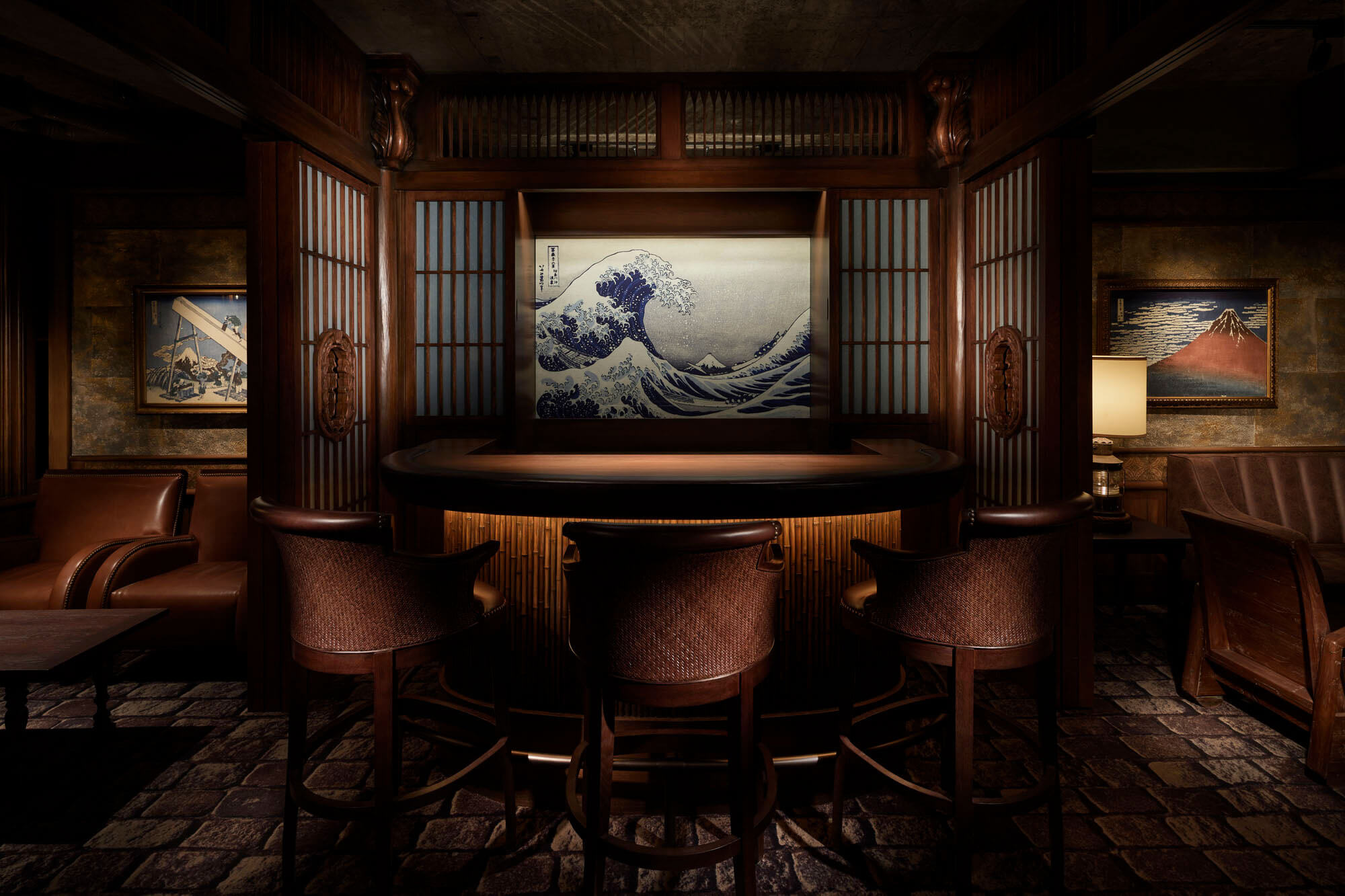
A quiet, tucked-away back-alley setting with a refined Japanese-modern interior, a solid hinoki counter, and a relaxed counter-focused atmosphere.
Tags
Vibe
Best For
Experience
Sourcing
At the Table
- Noise Level
- Quiet
- Service Style
- Omakase Bar
- Meal Pacing
- Leisurely
- Capacity
- Intimate
Signature Dishes
Aged Hinai chicken yakitori
Know before you go
Know Before You Go
- Getting there
- Japan, 〒104-0043 Tokyo, Chuo City, Minato, 3 Chome−5−1 1F
Planning details
Location
Japan, 〒104-0043 Tokyo, Chuo City, Minato, 3 Chome−5−1 1F · Directions
Recognition and awards
Also consider
Also Consider
- BIRD LAND, Yakitori, ¥¥
- Aramaki, Yakitori, ¥¥¥
- Jimbocho Gokita, Yakitori, ¥¥¥
- YAKITORI Moe es, Yakitori, ¥¥¥
- Yakitori Hinata, Yakitori, ¥¥¥
Restaurant context
At ¥15,000–¥19,999 per head, Yakitori Honda occupies the high end of Tokyo's yakitori spectrum alongside Aramaki and Jimbocho Gokita, both Tabelog 100 selections at ¥¥¥. The difference is ingredient philosophy: Honda ages Hinai chicken to concentrate umami and pairs it with non-traditional condiments (balsamic soy, herb vinegar), while Aramaki and Gokita refine classical technique within the salt-and-tare framework. If you want textbook yakitori executed at the highest level, Aramaki delivers marginally tighter technical precision; if you want to see what happens when a chef applies omakase-level sourcing curiosity to skewers, Honda is the clearer choice. Both are easier to book than their reputations suggest, same-day reservations are possible at Honda, and Aramaki's small counter opens up slots regularly for flexible diners.
For value, BIRD LAND (¥¥, roughly ¥8,000–¥12,000) offers impeccable grilling and sourcing at half Honda's price, though without the aged-chicken funk or experimental condiment range. BIRD LAND is the pragmatic pick if you're new to high-end yakitori or want a safer introduction; Honda is the splurge for diners who've already eaten excellent yakitori and want the next tier of ingredient depth. YAKITORI Moe es and Yakitori Hinata, both ¥¥¥ Tabelog 100 counters, split the difference, more ingredient focus than BIRD LAND, less experimental than Honda, but neither matches Honda's wine-pairing rigor or condiment specificity.
For solo diners, Honda's nine-seat counter and omakase pacing make it one of Tokyo's most natural yakitori experiences; BIRD LAND and Aramaki work equally well, but Honda's hideout location in Chuo City and no-under-20s policy keep the energy more focused. For groups, the four-person maximum at Honda is a hard constraint; if you're five or more, redirect to BIRD LAND (which accommodates larger parties) or Jimbocho Gokita. If booking difficulty is the concern, Honda is easier than most Tabelog 100 spots, same-day reservations are possible, and the small seat count means last-minute availability opens up regularly. BIRD LAND is comparably accessible; Aramaki and Gokita fill earlier but still turn over faster than high-visibility sushi or kaiseki counters.
Explore Tokyo
Around this place
Discover more on Pearl
Unlock the full Yakitori Honda guide in Pearl, including awards, comparisons, FAQs, planning details, and nearby places.
FAQ
Frequently Asked Questions
What should I wear to Yakitori Honda?
No specific dress code is available. Yakitori Honda is a ¥¥¥ dinner restaurant in Tokyo, so neat, respectful attire is a sensible default, but any formal dress requirement should be confirmed directly with the restaurant.
Can Yakitori Honda accommodate groups?
Information on seat count, maximum party size, private-room availability, and group policy is not available. If you are planning for a group, confirm directly with Yakitori Honda before making plans.
Is Yakitori Honda worth the price?
Yakitori Honda is listed at ¥¥¥ and is most compelling for diners interested in Takuya Honda's yakitori, especially aged Hinai chicken used to bring out umami. Exact prices, service charges, ratings, and awards are not available, so judge the value on its core offerings: a premium Tokyo yakitori meal centered on chef Honda's flavour-focused approach.
Is Yakitori Honda good for a special occasion?
It can be a strong special-occasion candidate if the occasion is built around focused yakitori and aged Hinai chicken. However, details such as private rooms, seating layout, group capacity, and celebratory services are not available, so confirm those practical points before choosing it for an event.
Is the tasting menu worth it at Yakitori Honda?
A specific tasting-menu or omakase-only format is not available. The focus is yakitori, chef-owner Takuya Honda, and aged Hinai chicken. If menu structure matters to you, ask the restaurant directly before booking.
What are alternatives to Yakitori Honda?
For other yakitori comparisons, consider comparable venues such as BIRD LAND, Aramaki, Jimbocho Gokita, YAKITORI Moe es, and Yakitori Hinata. Specific prices, awards, room formats, locations, and group policies for those peers are not detailed here; compare current details directly before booking.