.png?width=1200&quality=80)

Yakitori Hinata
Yakitori · Minato, Tokyo
Restaurant in Tokyo, Japan
 Book with Pearl
The Read
Tamba Chicken, Wine-Forward
Price
¥¥¥
Dress
Smart Casual
Why go
A Michelin Plate yakitori counter in Motoazabu built around Tamba-Sasayama regional chicken and a wine pairing concept that actually holds up. At ¥¥¥ with easy booking, it is the most accessible entry into serious Tokyo yakitori — particularly strong for two people who want to eat and drink well without the formality of a starred room.
About Yakitori Hinata
A yakitori counter in Motoazabu that pairs skewers with wine — and earns two consecutive Michelin Plates to prove the concept works
Picture a small counter in the quieter reaches of Motoazabu, where the smell of charcoal meets something unexpected: a wine list curated to run alongside chicken skewers. Yakitori Hinata has held a Michelin Plate in both 2024 and 2025, which signals consistent execution rather than a flash moment. If you have already visited once and want to know whether to go back and go deeper — the answer is yes, but with a clearer plan for what to order and what to drink.
The Verdict
Yakitori Hinata earns its return visit on two grounds: the sourcing discipline around Tamba-Sasayama chicken from the Hyogo region, and a wine pairing concept that is genuinely thought through rather than tacked on. At a ¥¥¥ price point, moderate by Tokyo fine-dining standards, it sits in a category where value is real. Book it for two people who want something more considered than a standard izakaya yakitori run, but less formal than a kaiseki evening.
The Wine Program: Why It Matters Here
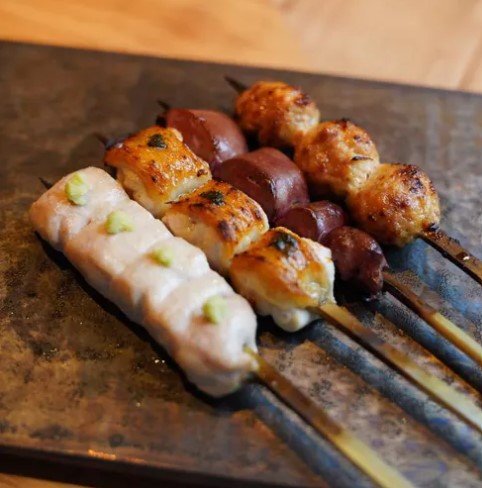
Most yakitori restaurants in Tokyo treat drinks as an afterthought, beer, shochu, maybe sake. Hinata is built around a different premise: that chicken, properly sourced and properly grilled, is compatible with wine. The data backs this up specifically. Seared chicken breast dusted with Guérande salt pairs with wine in a way that fatty cuts do not, the salt draws out acidity compatibility. Liver brushed with balsamic sauce moves in a similar direction, the reduction softening the iron edge enough to meet a medium-bodied red or an aged white. These are not generic claims; they reflect deliberate menu construction. For a returning guest, this is the thread worth pulling. If your first visit was beer-and-skewers, the second visit should be wine-led, work with whatever list is on offer and track which skewer-wine combinations land. The Guérande breast and the balsamic liver are the anchors to build around.
The Chicken and the Opening Course
The Tamba-Sasayama region of Hyogo Prefecture produces chicken with a distinct texture, firmer than standard broiler birds, with a cleaner fat profile. The owner-chef's focus on this regional sourcing is the kitchen's clearest statement of intent. It also means the quality ceiling for each skewer is higher than at counters sourcing commodity chicken. The meal opens with chicken-liver pâté as an appetiser, which functions as both a palate primer and a signal of how seriously the kitchen takes the bird in its entirety. For a returning guest, pay attention to the pâté as a marker: if it is well-seasoned and the texture is smooth, the kitchen is on form that evening.
Name, Place, and What It Tells You About the Room
The name Yakitori Hinata carries deliberate meaning, it references areas and relatives connected to the couple running the restaurant, and connotes a ray of sunshine falling on Kurayamizaka, the street whose name translates to "darkness hill." This is a personal project, not a group-backed concept. That matters practically: the room is likely small, the operation owner-led, and the experience shaped by whoever is behind the counter on a given evening. It also means consistency is tied to the principals being present, which is usually a positive signal for quality control at this scale.
Ratings and Recognition
The Michelin Plate in both 2024 and 2025 is the more meaningful credential: it indicates the guide's inspectors found the cooking worth flagging without elevating it to star level. For a ¥¥¥ yakitori counter, a Plate is a solid anchor. It positions Hinata above the neighbourhood yakitori average without the booking pressure of a starred room.
Booking and Logistics
Booking difficulty is rated easy. Given the Michelin recognition and the small, owner-led format, booking ahead is still advisable, walk-ins at a counter this size carry risk, particularly on weekends. The address is 201 3 Chome-12-4 Motoazabu, Minato City. No phone or website is listed in our current data, so the most reliable route is through a hotel concierge or a reservation platform that covers Tokyo's smaller counters. Hours are not confirmed in our data, verify before visiting.
Practical Comparison
| Venue | Cuisine | Price | Booking Ease | Wine Focus | Michelin |
|---|---|---|---|---|---|
| Yakitori Hinata | Yakitori | ¥¥¥ | Easy | High | Plate x2 |
| BIRD LAND | Yakitori | ¥¥¥ | Moderate | Standard | Starred |
| Yakitori Omino | Yakitori | ¥¥¥ | Moderate | Standard | Recognised |
| Asagaya BIRD LAND | Yakitori | ¥¥ | Easy | Low | None listed |
How It Fits a Broader Tokyo Trip
Hinata works well as a mid-week dinner that does not require the planning overhead of a starred room. If you are mapping out a Tokyo stay that covers multiple meal types, pair it with a heavier kaiseki or sushi evening on another night. For yakitori elsewhere in Japan, Torisaki in Kyoto and Torisho Ishii in Osaka are the regional comparisons worth knowing. For broader Tokyo planning, see our full Tokyo restaurants guide, our Tokyo hotels guide, and our Tokyo bars guide. If your trip extends to other cities, HAJIME in Osaka, Gion Sasaki in Kyoto, and Goh in Fukuoka are worth building around. Further afield, akordu in Nara, 1000 in Yokohama, and 6 in Okinawa round out the regional picture. Tokyo-side, Aramaki and 124. KAGURAZAKA are also worth considering depending on your format preferences.
Planning details
- Location
- 201 3 Chome-12-4 Motoazabu, Minato City, Tokyo 106-0046, Japan
- Phone
- +81 3-6459-2557
The take
The Take
The Vibe
Yakitori Hinata sits quietly in Motoazabu and presents the yakitori counter as the room’s emotional center. The dining experience is intimate and focused: the small counter frames the grill and the chef’s technique, encouraging deliberate visits rather than happenstance drop-ins. The writing emphasizes discipline and provenance, so the overall impression is sophisticated without being showy — a compact, calm space where attentive cooking and a refined wine program shape the mood more than décor or volume.
Best For
This is a destination for diners who plan their visit with purpose. The specialist counter format and the emphasis on single-breed Tamba-Sasayama chicken and precise grilling make it particularly suited to evening meals where technique and ingredient provenance matter. It works well for solo counter dining, intimate two-person evenings and modest special occasions when you want a focused, chef-led experience rather than a casual, walk-in yakitori bar.
Ordering Tips
Center your meal on the provenance-driven skewers: the restaurant is built around Tamba-Sasayama birds, so prioritize those items to taste the stated difference in texture and flavour. The counter setting lets you watch heat control and cooking discipline, so consider following the chef’s sequence rather than cherry-picking disparate items. The description also notes a carefully curated wine program, so ask about pairings that echo the grill’s smoke and the bird’s pronounced flavours.
Venue details
Ambiance
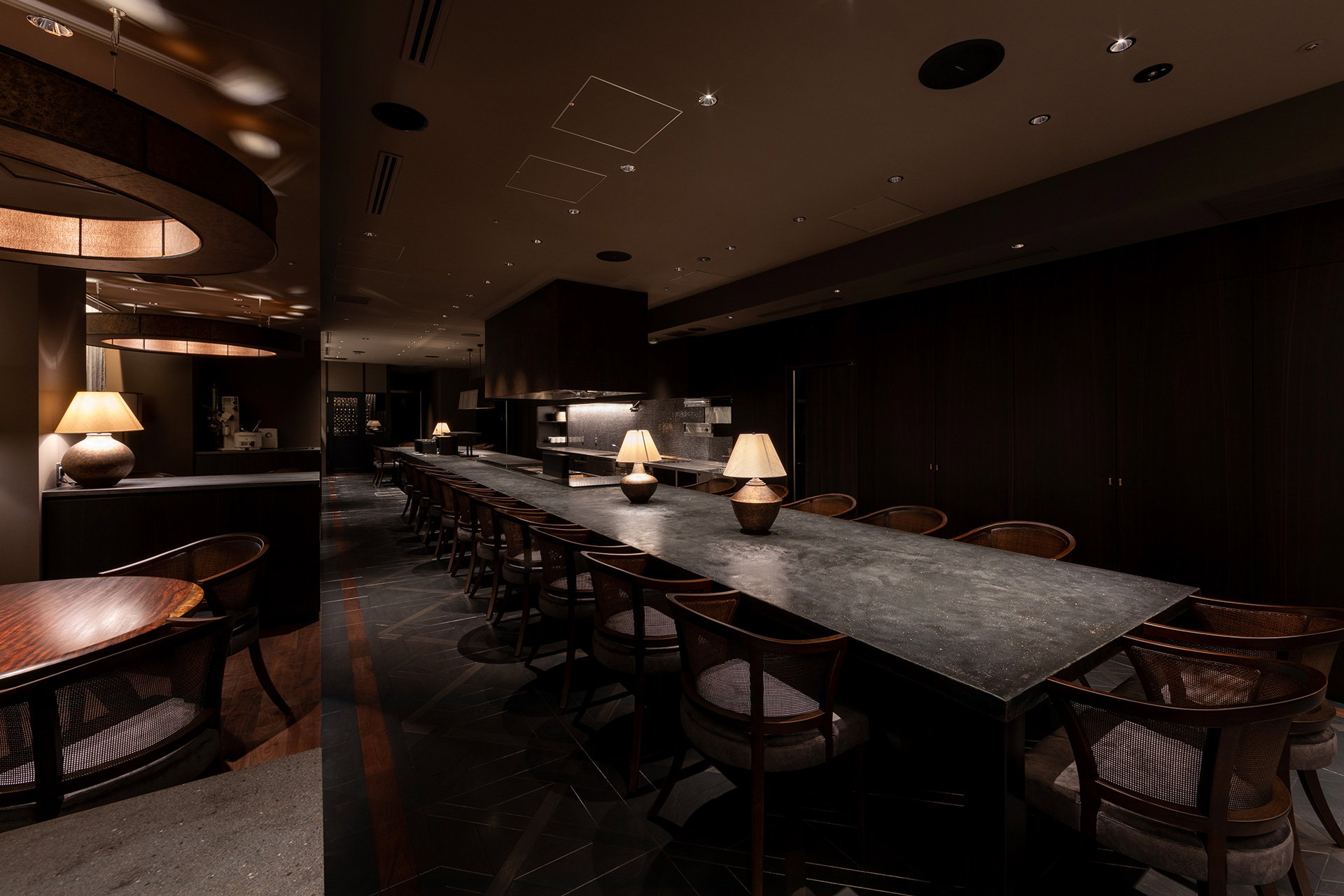
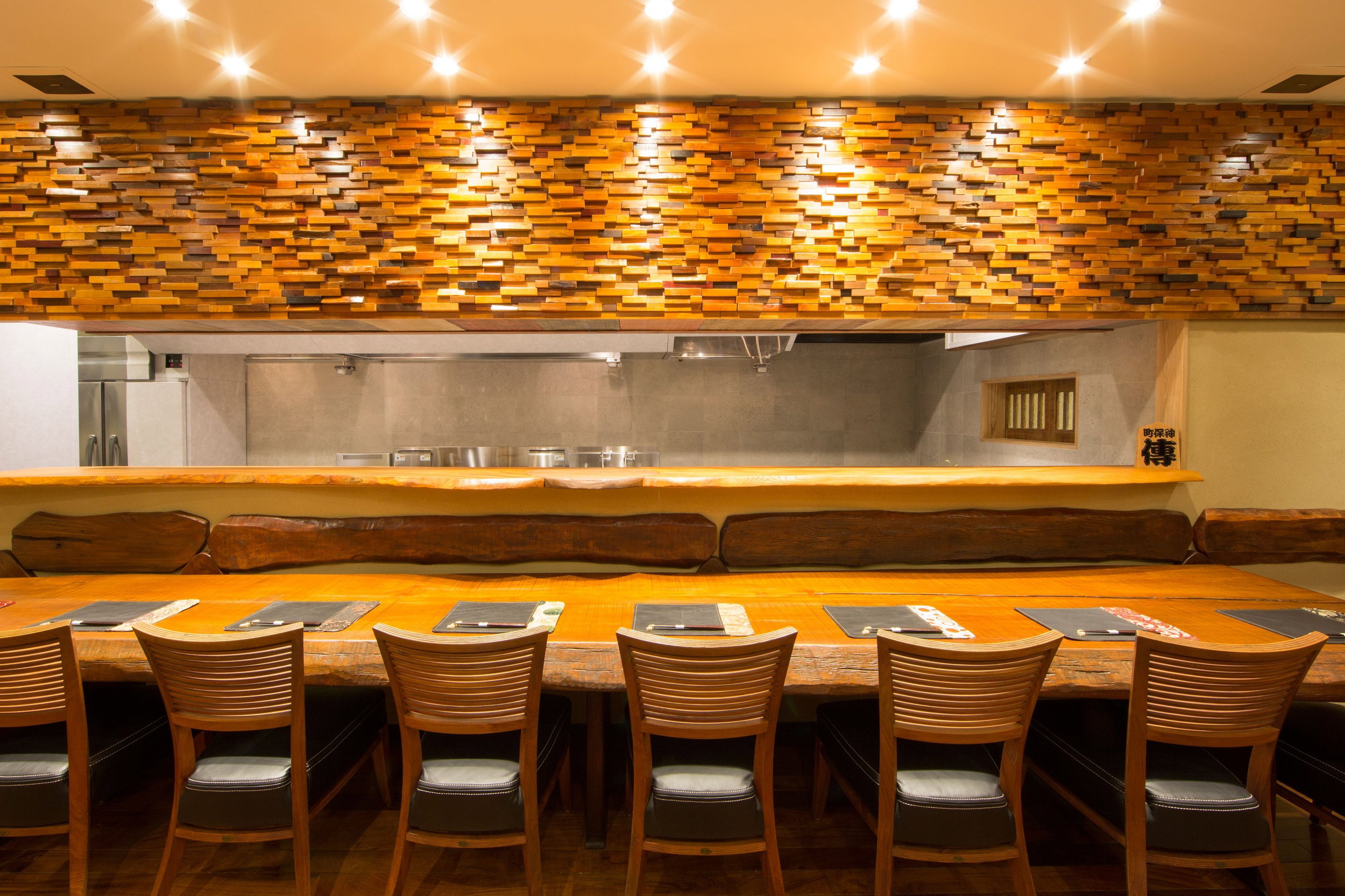
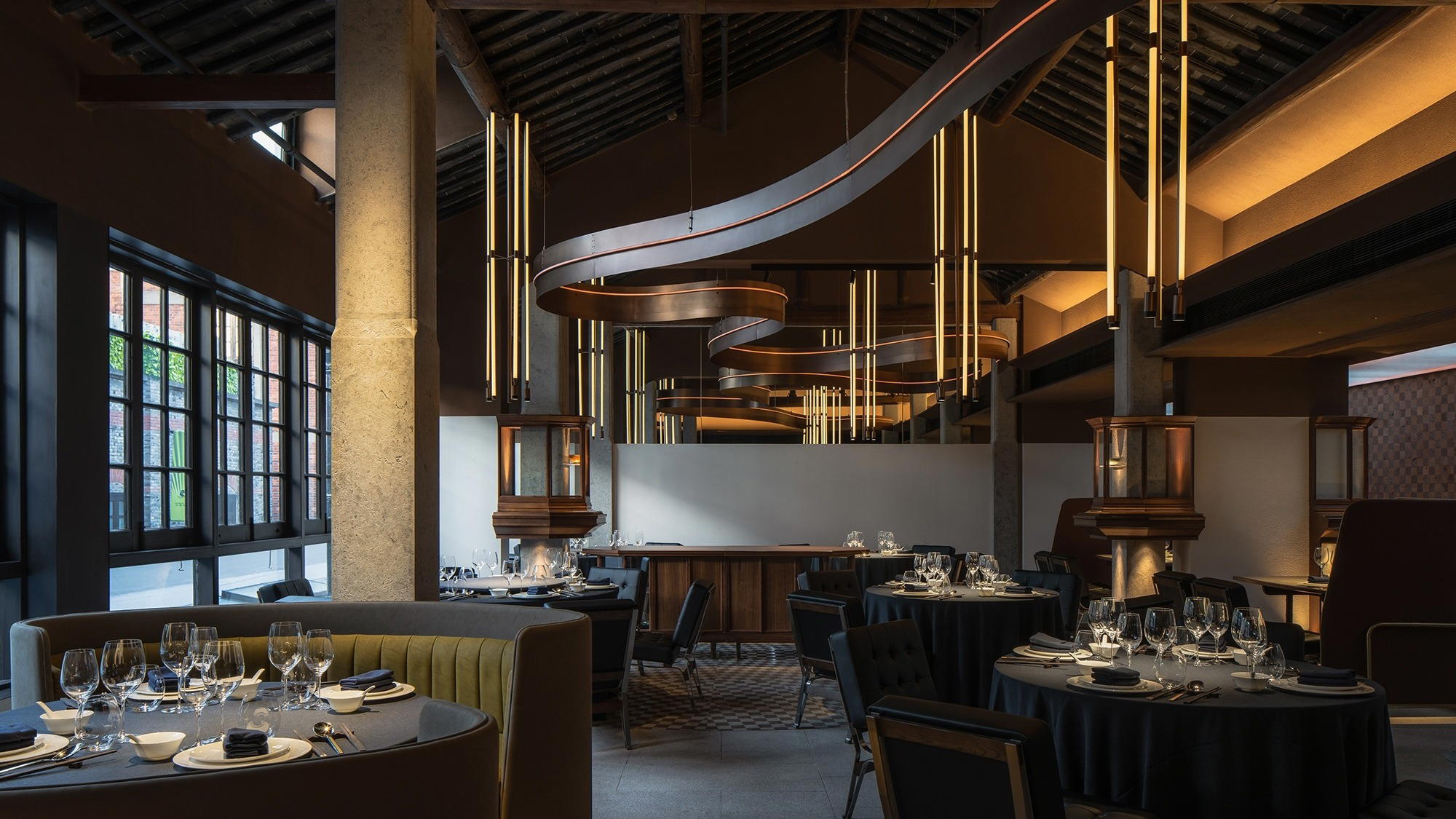
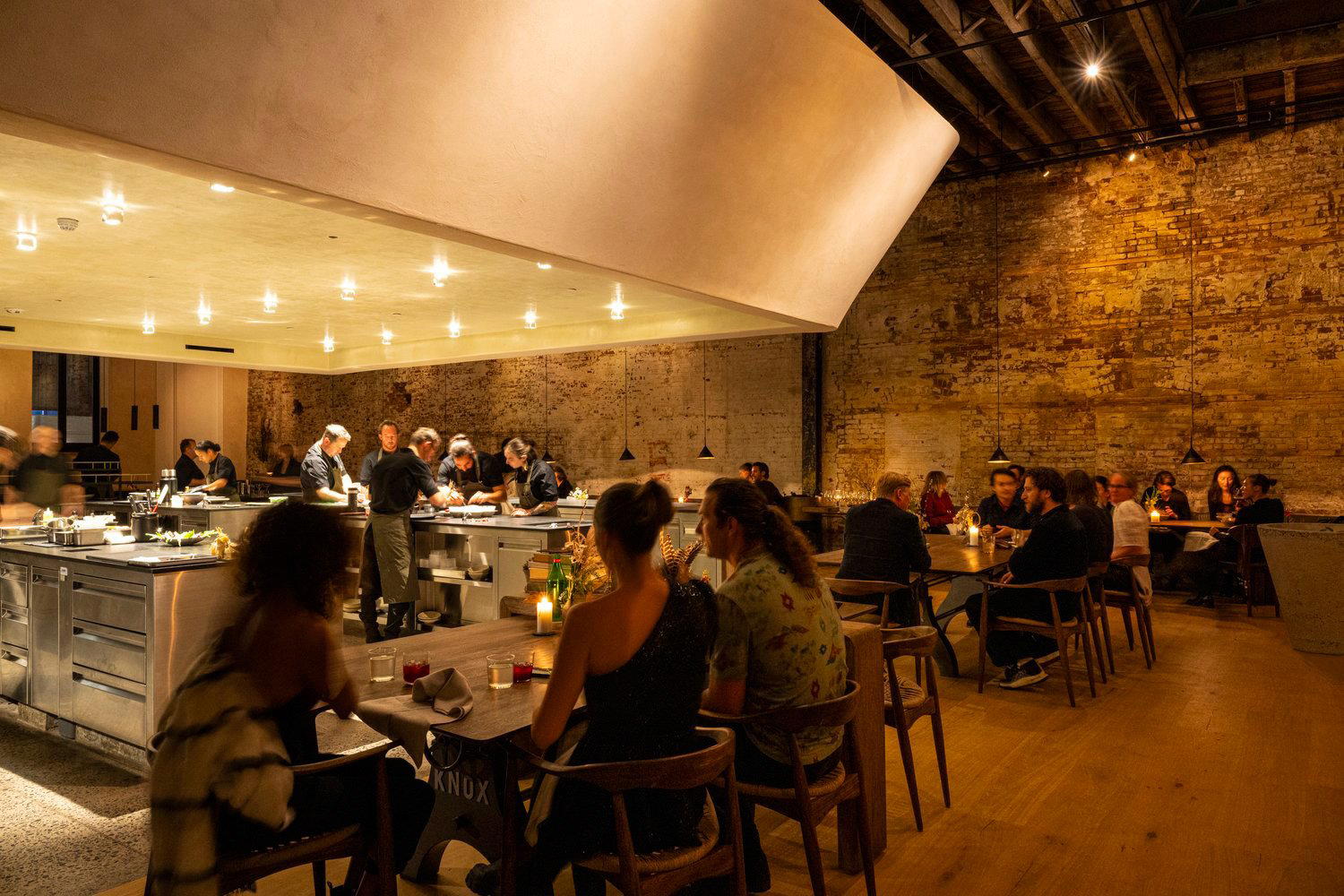
Intimate and cozy counter seating with a close view of the grill, creating a quiet, chef-driven atmosphere.
Tags
Vibe
Best For
Experience
Sourcing
At the Table
- Dress Code
- Smart Casual
- Noise Level
- Conversational
- Service Style
- Omakase Bar
- Meal Pacing
- Leisurely
- Capacity
- Small
Signature Dishes
- Matsukaze jidori chicken skewers
- whole-chicken yakitori
- seasonal vegetable skewers
Know before you go
Know Before You Go
- Getting there
- 201 3 Chome-12-4 Motoazabu, Minato City, Tokyo 106-0046, Japan
Planning details
Location
201 3 Chome-12-4 Motoazabu, Minato City, Tokyo 106-0046, Japan · Directions
Recognition and awards
Also consider
Also Consider
- Harutaka, Sushi, ¥¥¥¥
- RyuGin, Kaiseki, Japanese, ¥¥¥¥
- L'Effervescence, French, ¥¥¥¥
- HOMMAGE, Innovtive French, French, ¥¥¥¥
- Florilège, French, ¥¥¥
Restaurant context
Yakitori Hinata's most direct comparison is BIRD LAND, Tokyo's Michelin-starred yakitori benchmark. BIRD LAND carries more recognition and a harder booking curve; Hinata books easier and sits at a comparable price tier. If your priority is the most decorated yakitori counter in the city, BIRD LAND is the call. If you want a more personal, wine-oriented experience with lower friction around reservations, Hinata is the better fit.
Against the city's ¥¥¥¥ rooms, the comparison is format rather than quality. Harutaka and RyuGin operate at a higher price point and a different register entirely, sushi omakase and kaiseki respectively, so they are not competing for the same meal slot. Florilège at ¥¥¥ is the closest price-tier peer if you are deciding between a French-influenced creative menu and a yakitori counter; Hinata wins on informality and specificity of concept, Florilège wins on menu ambition and international profile.
For diners choosing between Tokyo's yakitori options specifically, Yakitori Omino and Asagaya BIRD LAND round out the competitive set. Hinata's differentiator is the wine program and the regional chicken sourcing, if neither of those factors matters to you, the others are equally valid choices. If wine with yakitori is a draw, Hinata has no real equivalent in this category.
Explore Tokyo
Around this place
Discover more on Pearl
Unlock the full Yakitori Hinata guide in Pearl, including awards, comparisons, FAQs, planning details, and nearby places.
Compare Yakitori Hinata
| Venue | Cuisine | Price | Awards | Booking Difficulty |
|---|---|---|---|---|
| Yakitori Hinata | Yakitori | ¥¥¥ | 2026 Michelin PlateTabelog 100 - Yakitori - EAST - 2025 · #852025 Michelin Plate2024 Michelin Plate | Easy |
| Harutaka | Sushi | ¥¥¥¥ | 2026 Tabelog Silver · #312026 OAD Top Restaurants in Japan Ranked · #1282026 Michelin 3 Stars2026 La Liste Top RestaurantsTabelog 100 - Sushi - TOKYO - 2025 · #372025 Asia's 50 Best Restaurants · #762025 OAD Top Restaurants in Japan Ranked · #1172025 La Liste Top Restaurants2025 Tabelog Bronze | Unknown |
| RyuGin | Kaiseki, Japanese | ¥¥¥¥ | 2026 OAD Top Restaurants in Japan Ranked · #802026 Tabelog Bronze · #3772026 Michelin 3 Stars2026 La Liste Top RestaurantsTabelog 100 - Japanese cuisine - TOKYO - 2025 · #212025 OAD Top Restaurants in Japan Ranked · #542025 Michelin 3 Stars2025 La Liste Top Restaurants2025 The Best Chef Three Knives | Unknown |
| L'Effervescence | French | ¥¥¥¥ | 2026 Tabelog Silver · #682026 OAD Top Restaurants in Japan Ranked · #103Star Wine Lists 20262026 Black Pearl 2 Diamond2026 Relais Chateaux Restaurants2026 La Liste Top Restaurants2026 Michelin 3 Stars2025 Asia's 50 Best Restaurants · #692025 OAD Top Restaurants in Japan Ranked · #92 | Unknown |
| HOMMAGE | Innovtive French, French | ¥¥¥¥ | 2026 Tabelog Bronze · #1232026 OAD Top Restaurants in Japan Highly Recommended2026 Michelin 2 StarsTabelog 100 - French - TOKYO - 2025 · #762025 Asia's 50 Best Restaurants · #782025 OAD Top Restaurants in Japan Ranked · #1752025 Michelin 2 Stars2025 The Best Chef One Knife2025 La Liste Top Restaurants | Unknown |
| Florilège | French | ¥¥¥ | 2026 Asia's 50 Best Restaurants · #312026 Tabelog Bronze · #712026 OAD Top Restaurants in Japan Ranked · #1242026 Black Pearl 1 Diamond2026 Michelin 2 Stars2026 La Liste Top Restaurants2025 Asia's 50 Best Restaurants · #172025 World's 50 Best Restaurants · #36Tabelog 100 - French - TOKYO - 2025 · #68 | Unknown |












Side-by-side comparison to help you decide where to book.
FAQ
Frequently Asked Questions
Is Yakitori Hinata worth the price?
At ¥¥¥, yes — provided you engage with the wine pairing concept rather than treating it as a standard yakitori stop. The sourcing of Tamba-Sasayama chicken from Hyogo Prefecture is the differentiator here: the product quality justifies the price point in a way that most yakitori counters at this tier do not. If you want beer-and-skewers casual, this is not the right room.
Does Yakitori Hinata handle dietary restrictions?
The menu is built around chicken — specifically Tamba-Sasayama chicken — in nearly every course, including the opening chicken-liver pâté. That makes the format unsuitable for guests avoiding poultry. The owner-chef format means direct communication about restrictions is possible, but with this level of sourcing specificity, expect limited substitution options.
Can Yakitori Hinata accommodate groups?
Hinata is a small counter run by an owner-chef couple, which means large groups are not the fit. Parties of two to four are the format this room is built for. If you are coordinating a group of six or more, look at a venue with a private dining setup — RyuGin, for instance, operates at a different scale and can handle larger bookings.
How far ahead should I book Yakitori Hinata?
Booking difficulty is rated easy relative to Tokyo's starred rooms, but the small counter format means seats are genuinely limited. A week to two weeks out is a reasonable lead time for most nights. The Michelin Plate recognition in both 2024 and 2025 has raised the profile, so do not leave it to the day before.
Is the tasting menu worth it at Yakitori Hinata?
The restaurant's structure — opening with chicken-liver pâté, moving through skewers including salt-dusted breast and balsamic-brushed liver, paired with wine — functions as a composed progression rather than a conventional tasting menu. If that format appeals, the answer is yes. If you prefer to order freely, this counter's set approach may feel restrictive.
What should I order at Yakitori Hinata?
The chicken-liver pâté opens the meal and sets the tone. From the skewers, the seared chicken breast with Guérande salt and the liver brushed with balsamic sauce are the documented highlights and the dishes most deliberately matched to wine. Lean into the wine pairing — that is the premise the restaurant is built around, and skipping it misses the point of the room.