
.png?width=1200&quality=80)

Aramaki
Yakitori · Minato, Tokyo
Restaurant in Tokyo, Japan
 Book with Pearl
The Read
Seasonal Progression Yakitori
Price
¥¥¥
Dress
Smart Casual
Why go
Aramaki is a serious yakitori counter in Minato's Higashiazabu neighbourhood running a fixed seasonal menu that earns its 2025 Michelin Plate. Chef Keisuke Aramaki's salt-to-sauce progression through multiple chicken cuts, with intermediate courses and a rice closer, makes this a composed meal rather than a casual grill stop. At ¥¥¥ with easy booking, it is one of Tokyo's better-value tasting-format restaurants.
About Aramaki
Verdict
Aramaki is worth booking if you want a structured, seasonal yakitori experience in Tokyo at a price point that sits below the city's top-tier kaiseki rooms. Chef Keisuke Aramaki runs a prix fixe menu that moves deliberately from light to rich — salt-seasoned skewers first, sauce-seasoned later — with composed intermediate courses that push this well beyond a standard yakitori counter. At ¥¥¥, it costs less than comparable tasting-format restaurants in Minato, and with a 2025 Michelin Plate and an Opinionated About Dining ranking of #425 in Japan, the credentials are real. Book it for a solo dinner or a focused two-person meal; it is less suited to large groups or anyone who wants to order freely from a menu.
About Aramaki
The format here is fixed and sequential. A meal at Aramaki begins with seasonal vegetables, arranged with attention to the time of year, before moving into yakitori proper. Chef Aramaki sources chicken from multiple regions and breeds across Japan, and the progression from salt to sauce through the skewer courses is a deliberate structural choice, not a default. What reads as a simple yakitori meal on paper is, in practice, a tasting menu with genuine compositional logic behind it.
Between the skewer courses, the kitchen sends out intermediate dishes: wanmono with chicken-shinjo is one example from the recorded format. The meal typically closes with takikomi-gohan, a rice dish incorporating seasonal vegetables and minced chicken. That closing course matters because it signals where this sits in Tokyo's dining hierarchy: this is not a casual post-work yakitori stop. It is a complete, considered meal with a clear beginning, middle, and end.
The restaurant is located in Higashiazabu, Minato City, a relatively quiet part of central Tokyo that sits away from the tourist corridors. Getting there from central Minato wards is direct; the Azabu-Juban area is well-served by the Namboku and Oedo lines. The address is Azabu Heights, 1-24-6 Higashiazabu. Hours and booking method are not confirmed in Pearl's current data, so verify both directly before planning your visit.
On the question of whether this format travels well, it does not, in the conventional sense. Yakitori is at its finest directly off the grill, and the sequential salt-to-sauce progression that defines Aramaki's menu depends entirely on the live pacing of the kitchen. This is not a venue to approach with takeout or delivery in mind. The meal only makes sense in the room. If you are exploring Tokyo's yakitori scene and want a comparison point, BIRD LAND offers a similarly serious approach to the format in Ginza, while Yakitori Omino and Asagaya BIRD LAND are worth considering depending on your neighbourhood base. Chataro and 124. KAGURAZAKA round out the serious yakitori options currently tracked by Pearl in Tokyo.
The Michelin Plate recognition in 2025 indicates consistent quality without claiming a star, which in practice means the kitchen is technically sound and the experience is reliable, but not in the same bracket as Tokyo's starred rooms. For a yakitori counter at ¥¥¥, that is the right calibration.
If you are planning a broader Japan trip, Pearl also tracks serious restaurants across the country. HAJIME in Osaka and Gion Sasaki in Kyoto sit at different price points and formats, while yakitori specifically is worth tracking in Kyoto via Torisaki and in Osaka via Torisho Ishii. For regional depth beyond those cities, akordu in Nara and Goh in Fukuoka are worth adding to the list, as are 1000 in Yokohama and 6 in Okinawa if your itinerary extends further.
For everything else in Tokyo, Pearl's city guides cover the full picture: see our full Tokyo restaurants guide, our full Tokyo hotels guide, our full Tokyo bars guide, our full Tokyo wineries guide, and our full Tokyo experiences guide.
Practical Details
Aramaki operates a prix fixe format, there is no à la carte option. Price range is ¥¥¥, which positions it as a mid-to-upper spend for yakitori but below Tokyo's most expensive tasting rooms. The restaurant is in Minato's Higashiazabu neighbourhood; the nearest metro access is via Azabu-Juban Station. Booking difficulty is rated Easy by Pearl, which suggests you are unlikely to face multi-month waits, though confirming reservation availability directly is always advisable given that specific hours and booking channels are not currently confirmed in our data. Dress code is not specified; smart casual is a safe default for a restaurant at this level.
Ratings
- Michelin Plate (2025)
- Opinionated About Dining, Leading Restaurants in Japan, ranked #425 (2025)
Planning details
- Location
- Japan, 〒106-0044 Tokyo, Minato City, Higashiazabu, 1 Chome−24−6 麻布ハイツ
- Website
- omakase.in/en/r/wz508015
- Phone
- +81 3-5797-8347
The take
The Take
The Vibe
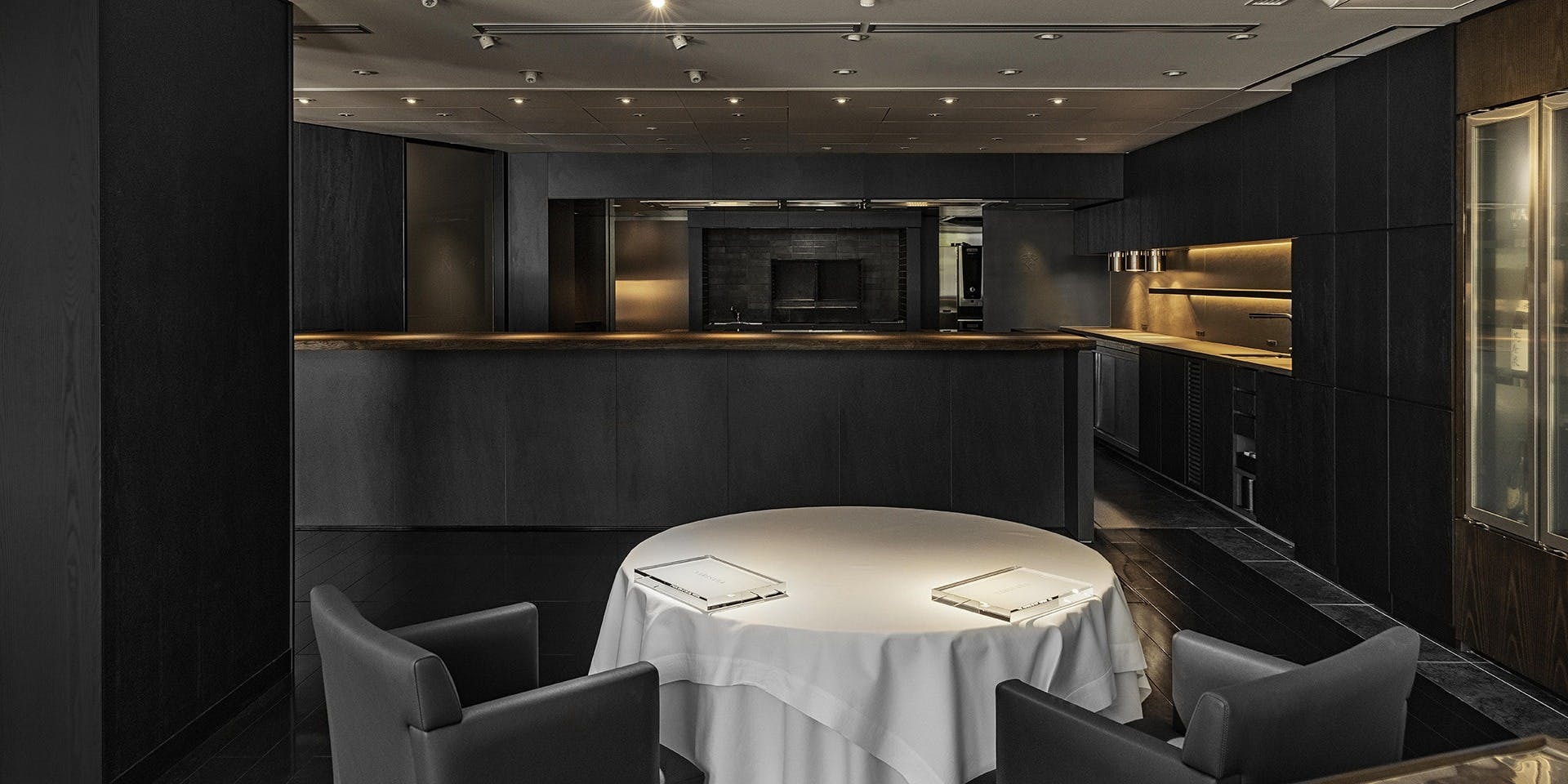
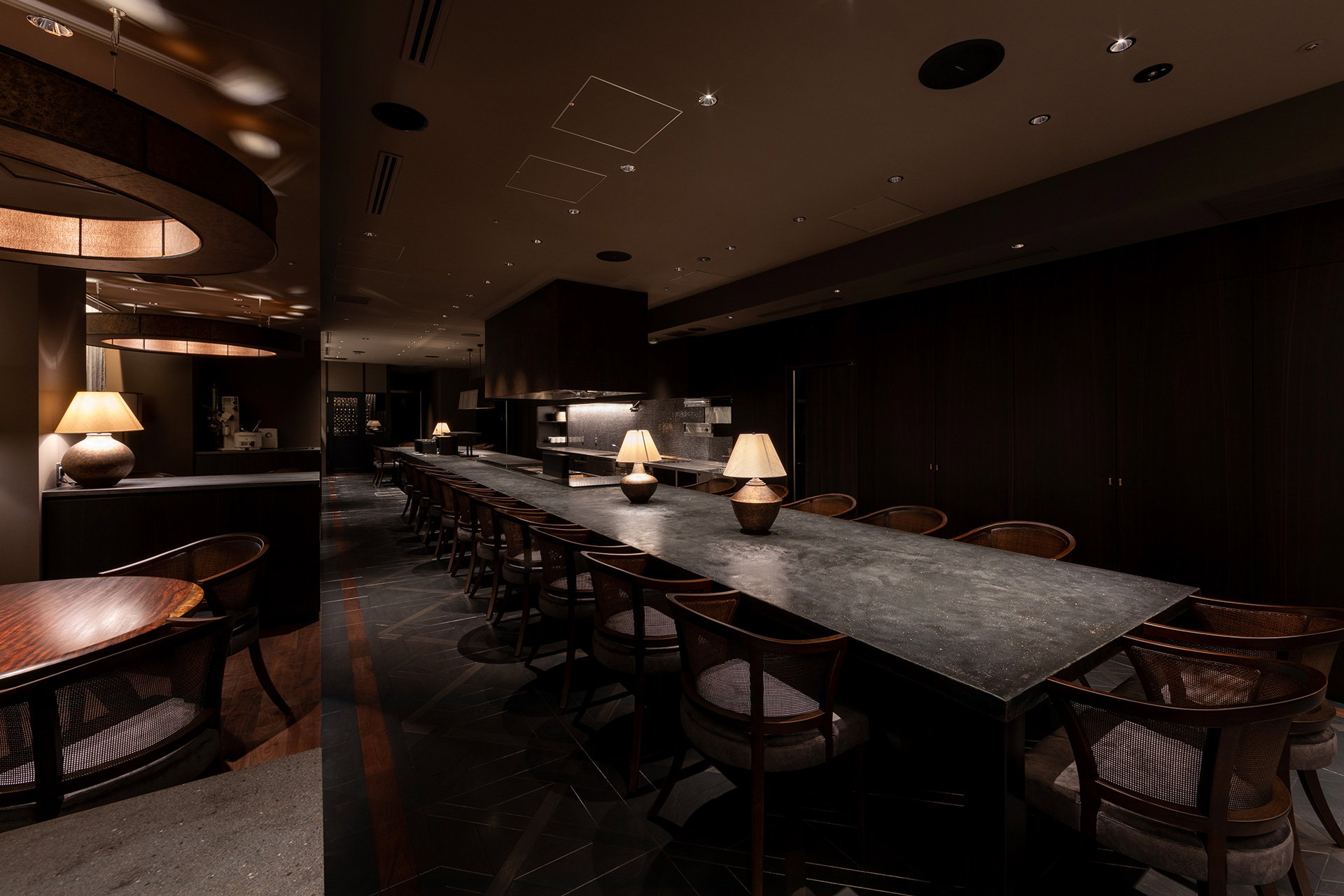
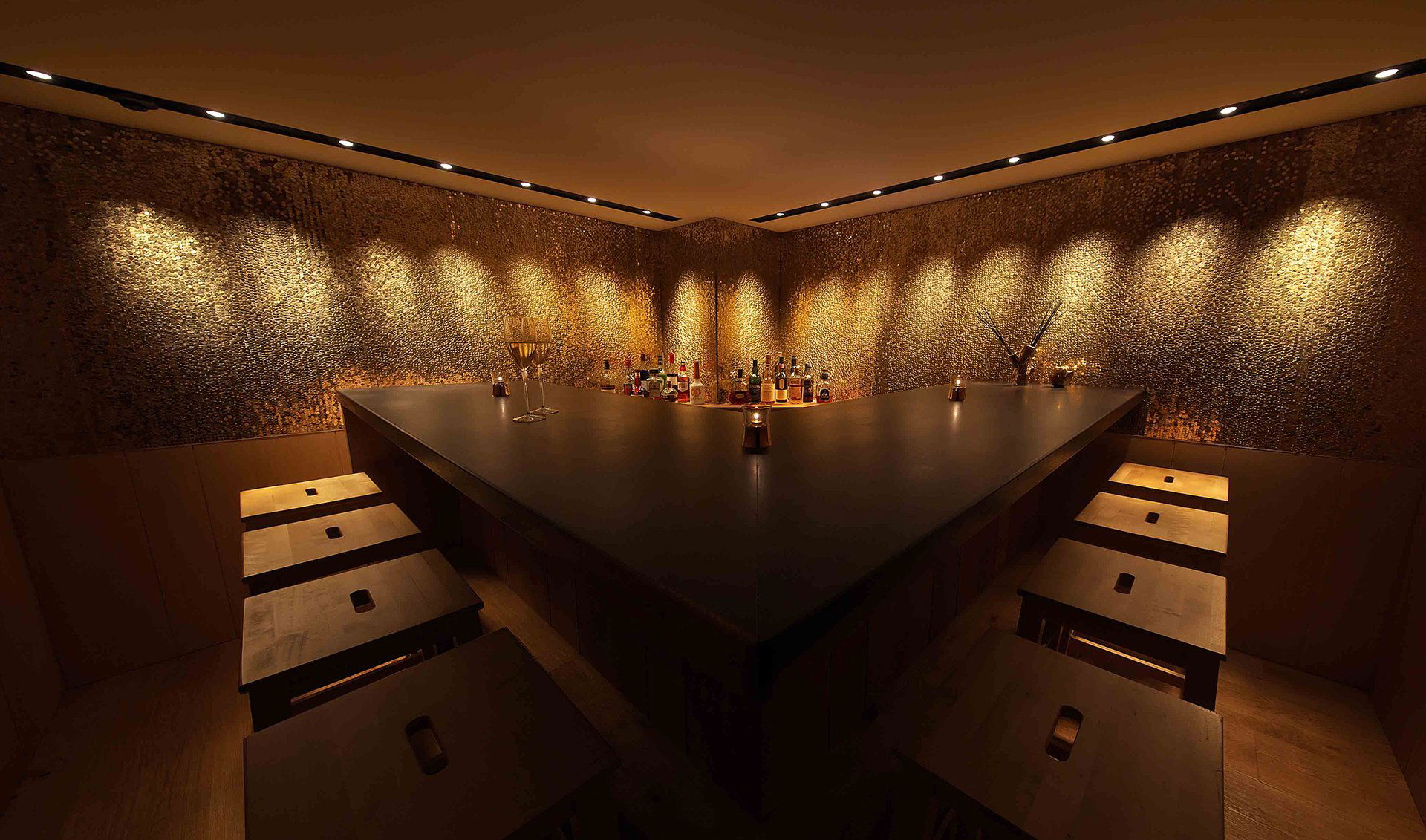
Aramaki feels deliberately discreet: tucked into a low-rise residential block in Higashi-Azabu, it presents little from the street and relies on an intimate counter to set the tone. The atmosphere is focused and restrained rather than buzzy—service is oriented around a single sequence delivered at the grill, and the room rewards attention and restraint. It sits firmly in Tokyo's premium yakitori tier, where craftsmanship and measured pacing replace loud conviviality. Expect a compact, quietly confident experience that privileges the ritual of the counter over spectacle.
Best For
This is a dinner destination for diners who want a concentrated, reservation-led yakitori experience. The fixed-menu, counter-driven format suits date nights, small celebrations and solo guests who enjoy watching the chef’s progression. It’s not a place for casual drop-ins or boisterous group revelry—the neighbourhood setting, prix-fixe structure and disciplined service make it most appropriate for planned evenings where the meal itself is the occasion.
Ordering Tips
Book well in advance: the description stresses a 'no walk-in culture' and a booking window that rewards planning. Expect a prix-fixe, omakase-like sequence served at the counter, so be prepared to accept a set progression rather than à la carte choices. The venue operates in the ¥¥¥ bracket, signalling elevated pricing compared with everyday grills. Given limited counter seating and the fixed-format service, secure a reservation early and plan your evening around a single, uninterrupted tasting sequence.
Venue details
Ambiance
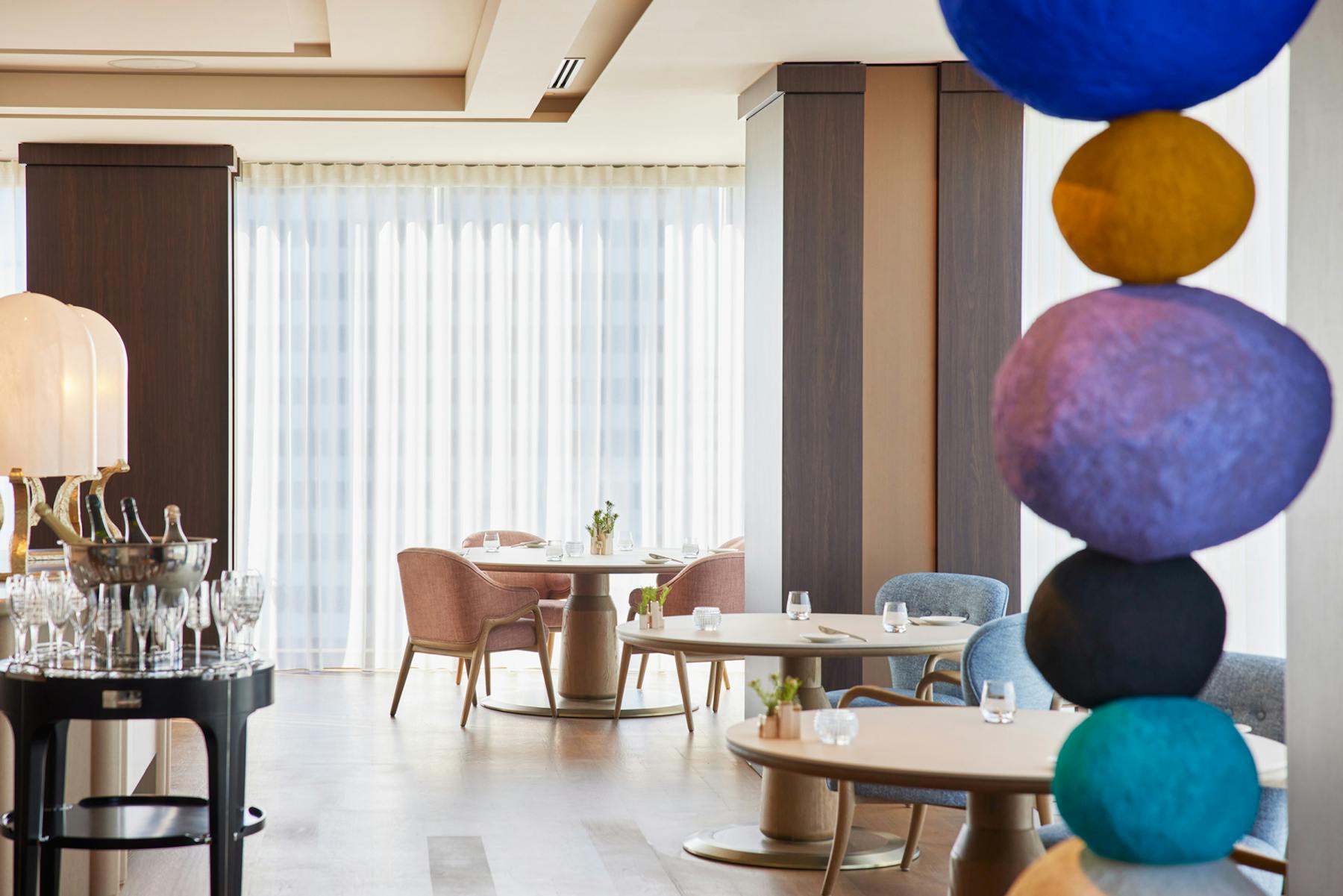
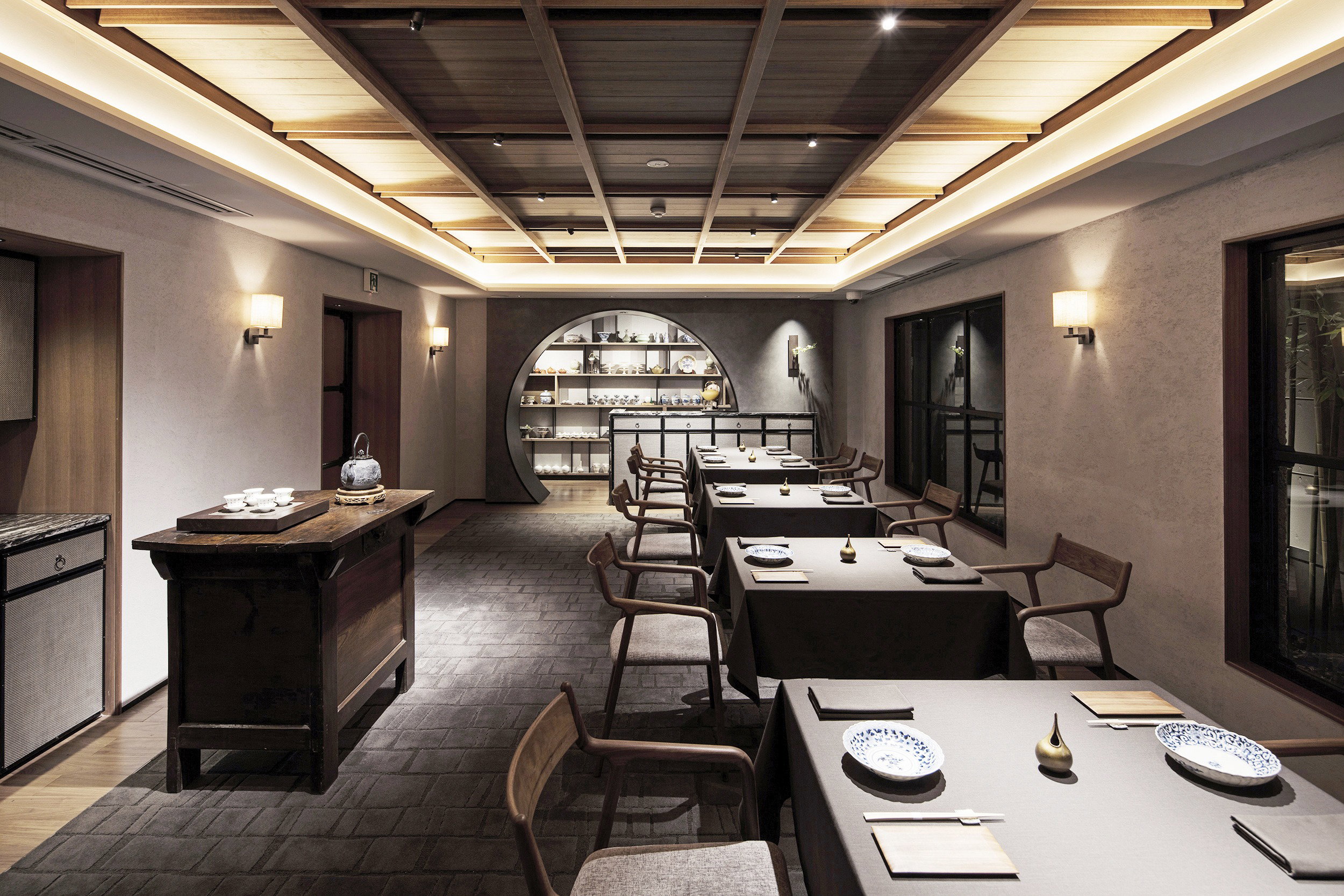
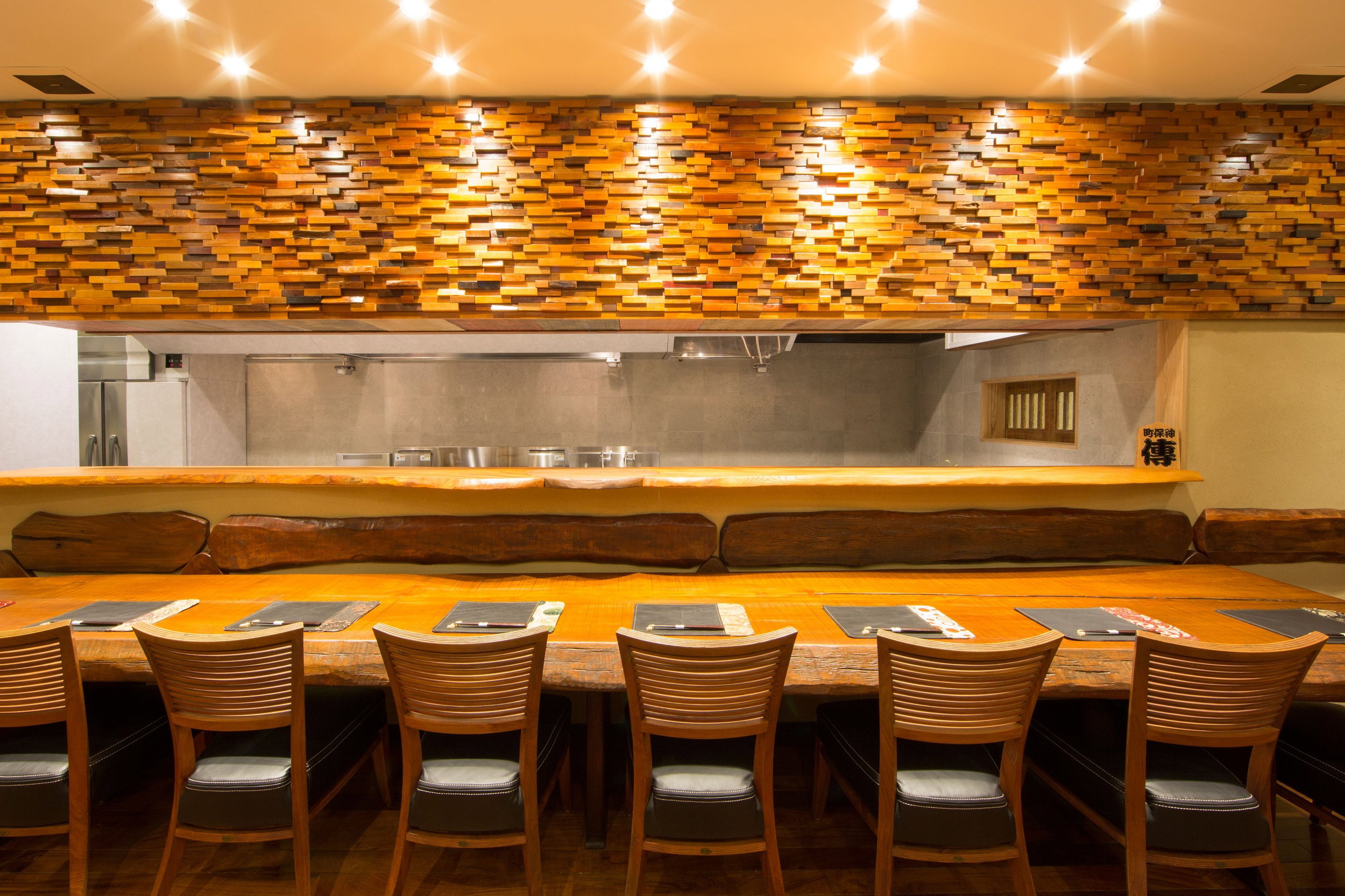
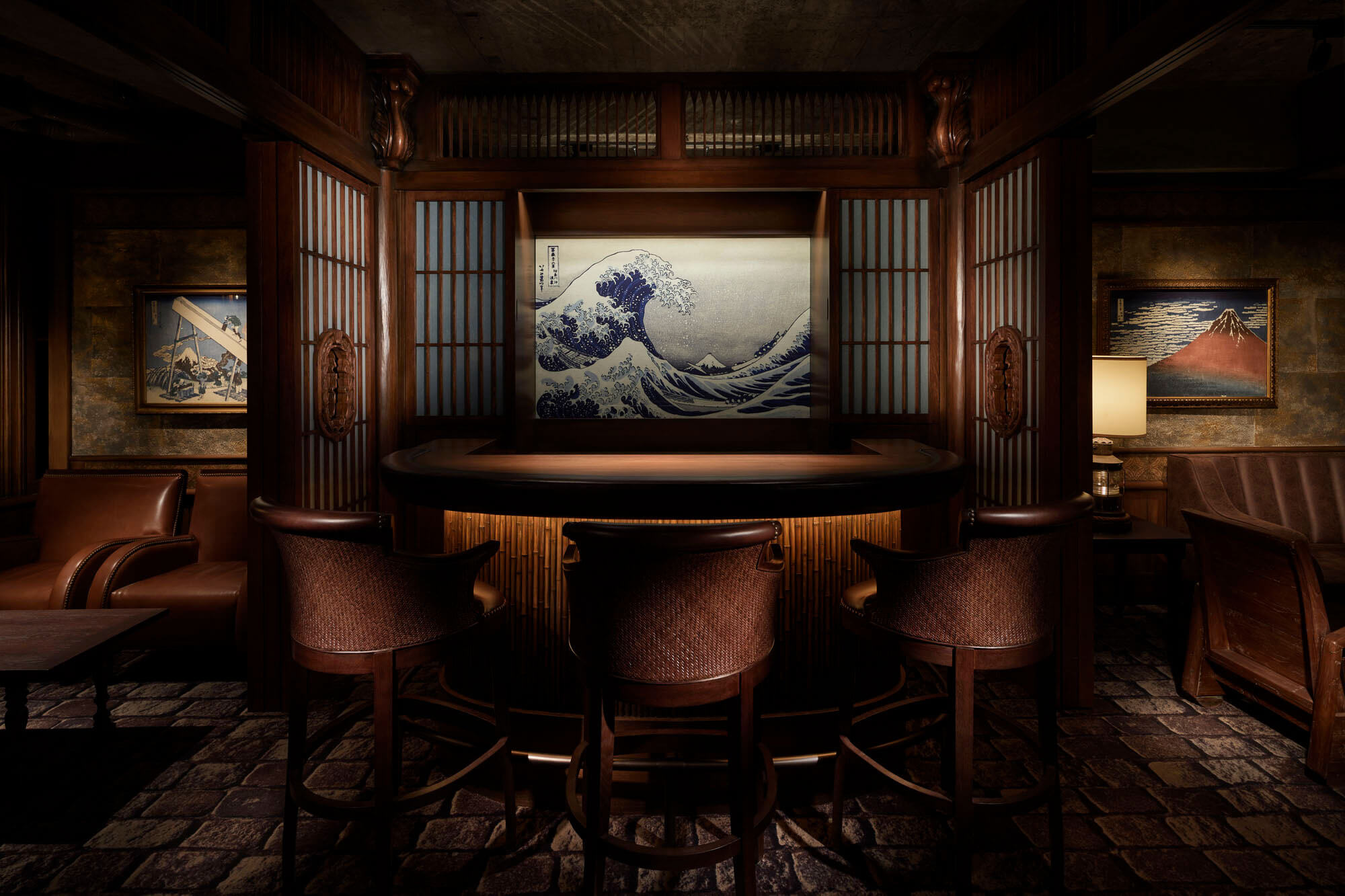
Serene Japanese space evoking traditional restaurant atmosphere with elegant, intimate lighting and design.
Tags
Vibe
Best For
Experience
Sourcing
At the Table
- Dress Code
- Smart Casual
- Noise Level
- Quiet
- Service Style
- Upscale Casual
- Meal Pacing
- Leisurely
- Capacity
- Intimate
Know before you go
Know Before You Go
- Getting there
- Japan, 〒106-0044 Tokyo, Minato City, Higashiazabu, 1 Chome−24−6 麻布ハイツ
Planning details
Location
Japan, 〒106-0044 Tokyo, Minato City, Higashiazabu, 1 Chome−24−6 麻布ハイツ · Directions

Also consider
Also Consider
- Harutaka, Sushi, ¥¥¥¥
- RyuGin, Kaiseki, Japanese, ¥¥¥¥
- L'Effervescence, French, ¥¥¥¥
- HOMMAGE, Innovtive French, French, ¥¥¥¥
- Florilège, French, ¥¥¥
Restaurant context
Aramaki sits at ¥¥¥ in a comparison set dominated by ¥¥¥¥ restaurants, which is the first and most useful thing to know. Against RyuGin, Tokyo's benchmark kaiseki room, Aramaki costs less and delivers a narrower but more focused experience. RyuGin is the choice if you want the full breadth of Japanese haute cuisine; Aramaki is the choice if yakitori as a serious format is specifically what you are after. They are not really competing for the same diner.
Harutaka in the sushi category costs more and operates in a different format entirely, but the comparison is worth making for explorers deciding between Tokyo's tasting-counter formats. Harutaka demands more advance planning and a larger budget; Aramaki is easier to access and easier on spend. For French-influenced tasting menus, both L'Effervescence and HOMMAGE operate at ¥¥¥¥ and offer a very different register, technically ambitious but without the specific appeal of yakitori as a format. Florilège matches Aramaki's ¥¥¥ price tier but is a French kitchen, not a Japanese one.
The clearest verdict: if you want a structured, seasonal Japanese tasting experience without committing to the top price tier, Aramaki is among the more accessible options in central Tokyo. It does not have the star recognition of RyuGin or the booking difficulty of Harutaka, but it delivers a coherent, well-credentialed meal at a price that does not require the same level of financial commitment. Book Aramaki for focused yakitori appreciation; book RyuGin or Harutaka when you want the full prestige tier.
Explore Tokyo
Around this place
Discover more on Pearl
Unlock the full Aramaki guide in Pearl, including awards, comparisons, FAQs, planning details, and nearby places.
Compare Aramaki
| Venue | Cuisine | Awards | Booking Difficulty |
|---|---|---|---|
| Aramaki | Yakitori | 2026 OAD Top Restaurants in Japan Recommended2026 Michelin PlateTabelog 100 - Yakitori - EAST - 2025 · #142025 OAD Top Restaurants in Japan Ranked · #4252025 Michelin Plate | Easy |
| Harutaka | Sushi | 2026 Tabelog Silver · #312026 OAD Top Restaurants in Japan Ranked · #1282026 Michelin 3 Stars2026 La Liste Top RestaurantsTabelog 100 - Sushi - TOKYO - 2025 · #372025 Asia's 50 Best Restaurants · #762025 OAD Top Restaurants in Japan Ranked · #1172025 La Liste Top Restaurants2025 Tabelog Bronze | Unknown |
| RyuGin | Kaiseki, Japanese | 2026 OAD Top Restaurants in Japan Ranked · #802026 Tabelog Bronze · #3772026 Michelin 3 Stars2026 La Liste Top RestaurantsTabelog 100 - Japanese cuisine - TOKYO - 2025 · #212025 OAD Top Restaurants in Japan Ranked · #542025 Michelin 3 Stars2025 La Liste Top Restaurants2025 The Best Chef Three Knives | Unknown |
| L'Effervescence | French | 2026 Tabelog Silver · #682026 OAD Top Restaurants in Japan Ranked · #103Star Wine Lists 20262026 Black Pearl 2 Diamond2026 Relais Chateaux Restaurants2026 La Liste Top Restaurants2026 Michelin 3 Stars2025 Asia's 50 Best Restaurants · #692025 OAD Top Restaurants in Japan Ranked · #92 | Unknown |
| HOMMAGE | Innovtive French, French | 2026 Tabelog Bronze · #1232026 OAD Top Restaurants in Japan Highly Recommended2026 Michelin 2 StarsTabelog 100 - French - TOKYO - 2025 · #762025 Asia's 50 Best Restaurants · #782025 OAD Top Restaurants in Japan Ranked · #1752025 Michelin 2 Stars2025 The Best Chef One Knife2025 La Liste Top Restaurants | Unknown |
| Florilège | French | 2026 Asia's 50 Best Restaurants · #312026 Tabelog Bronze · #712026 OAD Top Restaurants in Japan Ranked · #1242026 Black Pearl 1 Diamond2026 Michelin 2 Stars2026 La Liste Top Restaurants2025 Asia's 50 Best Restaurants · #172025 World's 50 Best Restaurants · #36Tabelog 100 - French - TOKYO - 2025 · #68 | Unknown |











Key differences to consider before you reserve.
FAQ
Frequently Asked Questions
Is Aramaki good for solo dining?
Yes. The prix fixe, counter-style format that defines most serious yakitori-ya in Tokyo suits solo diners well — you're eating through a fixed sequence regardless of group size. At ¥¥¥, it's a considered spend solo, but the structured progression from salt-seasoned skewers to sauce-seasoned cuts is designed to be experienced as a single arc, not a shared table event.
What should a first-timer know about Aramaki?
There is no à la carte option — Chef Keisuke Aramaki runs a fixed seasonal menu only. The meal moves deliberately from light to rich: salt-seasoned yakitori in the first half, sauce-seasoned in the second, with courses like chicken-shinjo wanmono in between and a takikomi-gohan to close. Come with an appetite and no agenda for customisation.
Is Aramaki worth the price?
At ¥¥¥, Aramaki sits below Tokyo's top-tier kaiseki pricing and holds a Michelin Plate (2025) alongside an OAD Top Restaurants Japan ranking. For structured, seasonal yakitori with genuine course architecture — not just a plate of skewers — the price is defensible. If you want à la carte yakitori at a lower spend, look elsewhere; this format is worth it only if you're committed to the full progression.
Can I eat at the bar at Aramaki?
Counter seating is the expected format for a venue of this type in Tokyo, but the specific seating configuration at Aramaki is not confirmed in available details. What is confirmed: the experience is prix fixe only, so regardless of where you sit, you're eating the same sequential menu. There is no drop-in bar snack option.
Is the tasting menu worth it at Aramaki?
Yes, if the format suits you. The menu is built around seasonal produce and chicken sourced from multiple regional breeds, structured to move from delicate to rich across the meal. It holds a Michelin Plate (2025) and OAD recognition, which suggests the execution is consistent. If you dislike fixed menus or are not interested in yakitori as a serious format, this is not the place to test either.
How far ahead should I book Aramaki?
Specific reservation lead times for Aramaki are not publicly documented, but venues at this tier in Tokyo — Michelin-recognised, prix fixe only, chef-driven — typically require at least two to four weeks' notice, more for weekend sittings. Book as early as your schedule allows; this is not a walk-in restaurant.