

Michelin Bordeaux 2026: Selected Estates
Michelin Guide 2026 Bordeaux wine estates: Main Selection selection.

Venues on this list
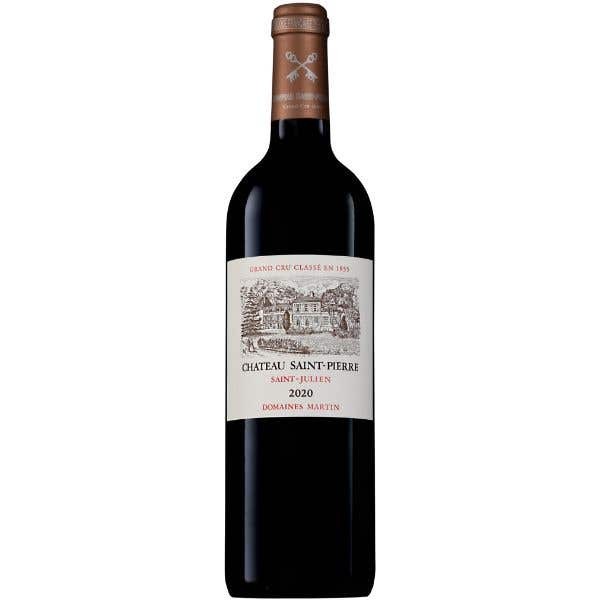
Château Saint-Pierre
St-Julien, France
Château Saint-Pierre is worth pursuing if the trip is built around serious St-Julien wine rather than easy tasting-room logistics. It is a better fit for focused Bordeaux travelers than for large groups or casual visitors, and it should be planned as an anchor appointment alongside peers like Château Branaire Ducru or Château Gruaud-Larose.
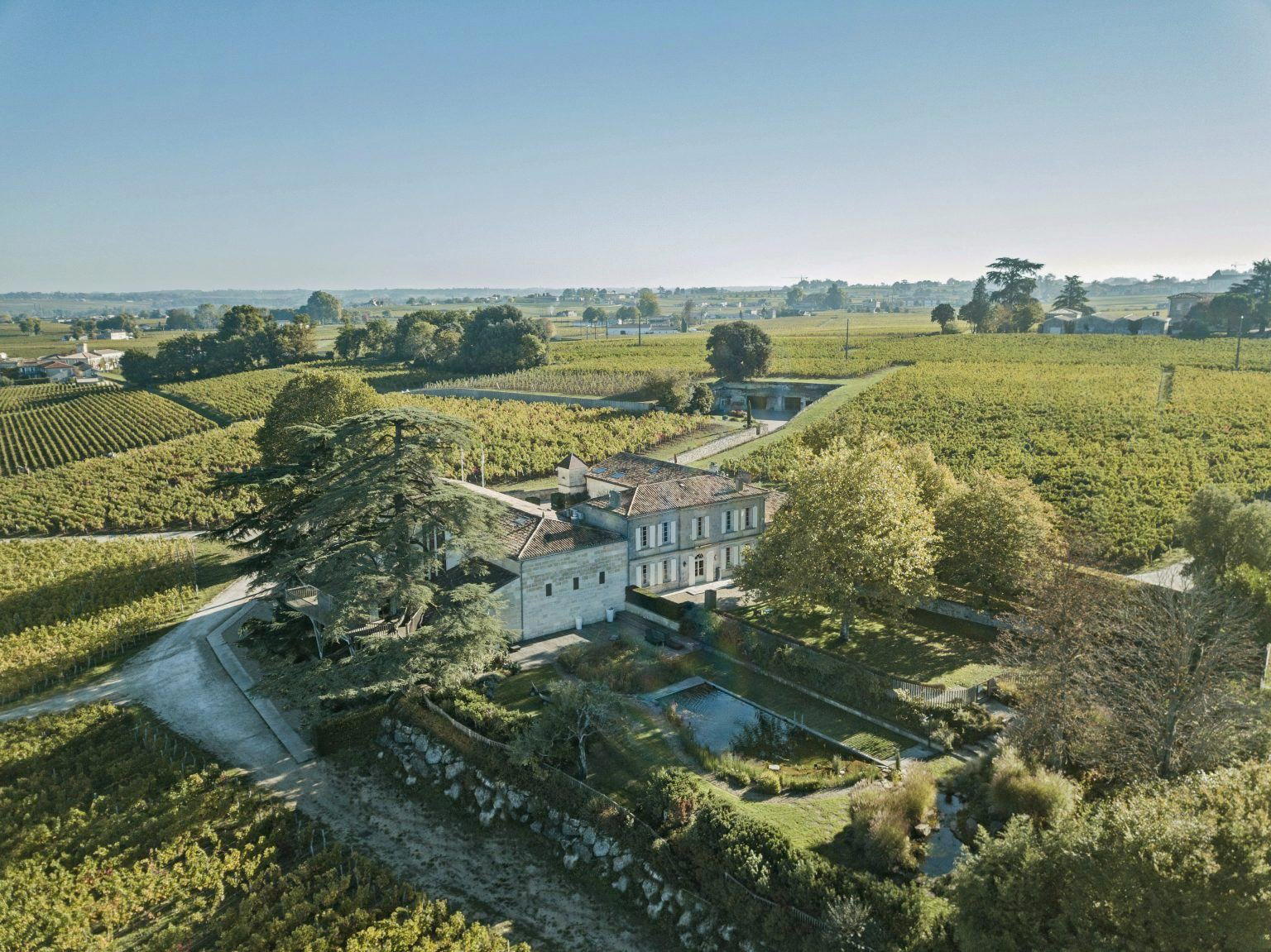
Château Franc Mayne
Saint-Émilion, France
Book Château Franc Mayne if you want a calm, polished Saint-Émilion tasting with more substance than a quick pour. The Grand Cru Classé status, organic vineyard, limestone caves, and 2026 Ilex non-alcoholic launch make the fee feel justified, especially for couples or small celebration groups.
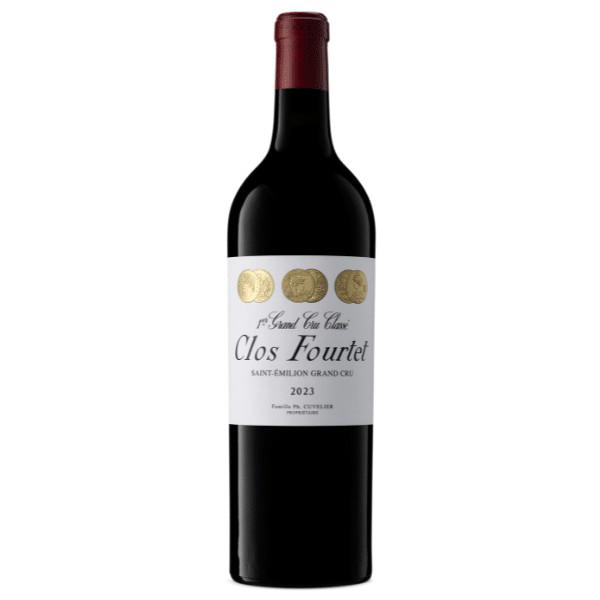
Château Clos Fourtet
Saint-Émilion, France
Château Clos Fourtet is worth pursuing if the aim is a serious Saint-Émilion château appointment, especially for collectors thinking about access or allocation value. Treat it as a planned visit rather than a casual tasting stop, and keep Château Canon, Château Beau-Séjour, Chateau Ausone, Château Bélair-Monange, and Château Pavie Macquin in play if timing is tight.
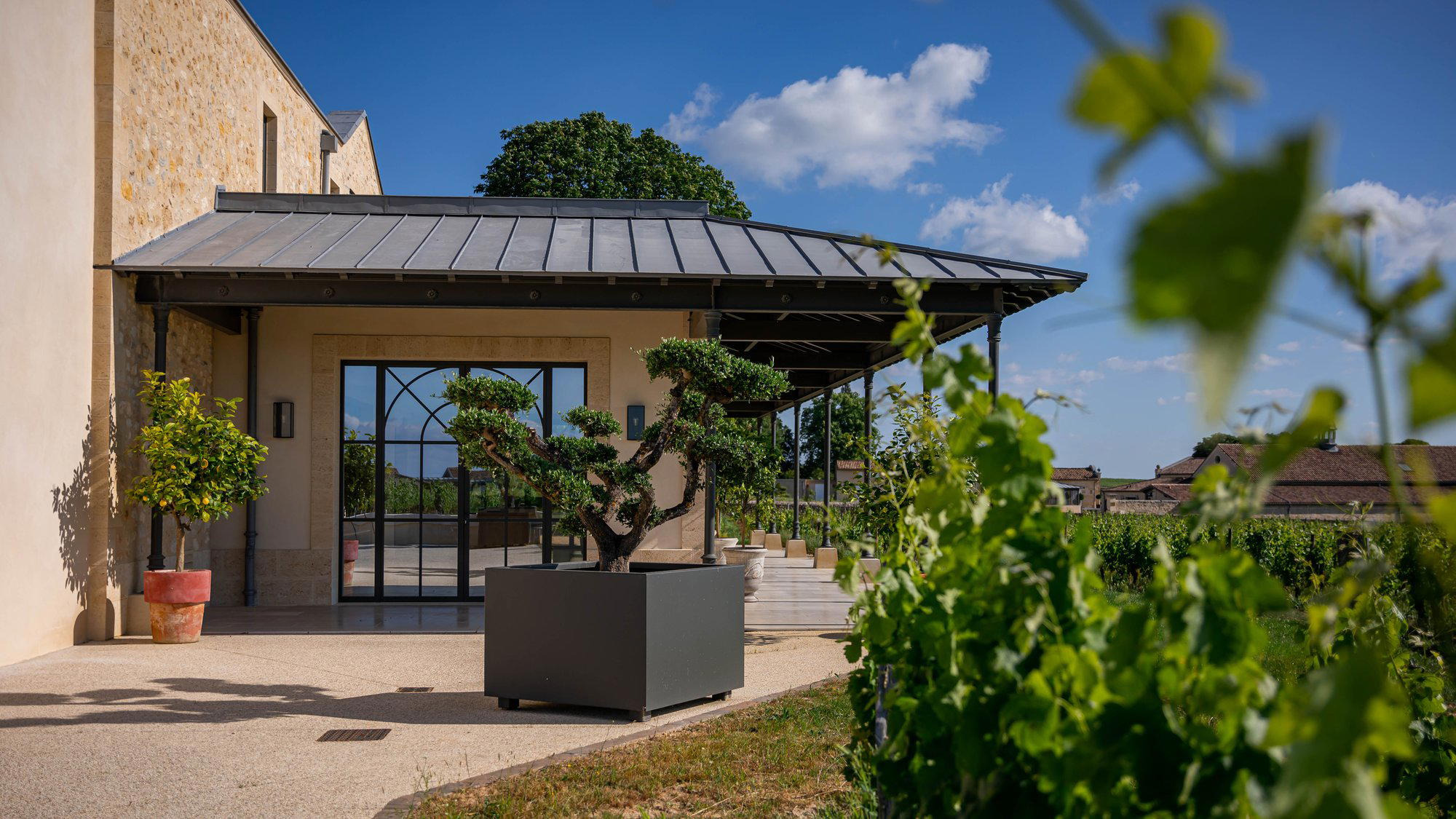
Château Larmande
Saint-Émilion, France
A good Saint-Émilion pick for visitors who want a quieter estate-focused wine stop rather than a hospitality-heavy outing. The 2026 Falstaff 2-Star recognition gives Château Larmande a clear quality signal, but plan carefully: confirmed visitor details are sparse, so it works better as part of a flexible village-and-wine itinerary.
Château Beychevelle
Saint-Julien-Beychevelle, France
Prioritise Château Beychevelle if the goal is a serious Saint-Julien anchor with deep historical context, not a casual tasting stop. The value is in prestige, estate setting, and left-bank focus; travellers who want easier access or a broader day of comparisons should cross-shop Château Gloria, Château Branaire Ducru, or Château Saint-Pierre.
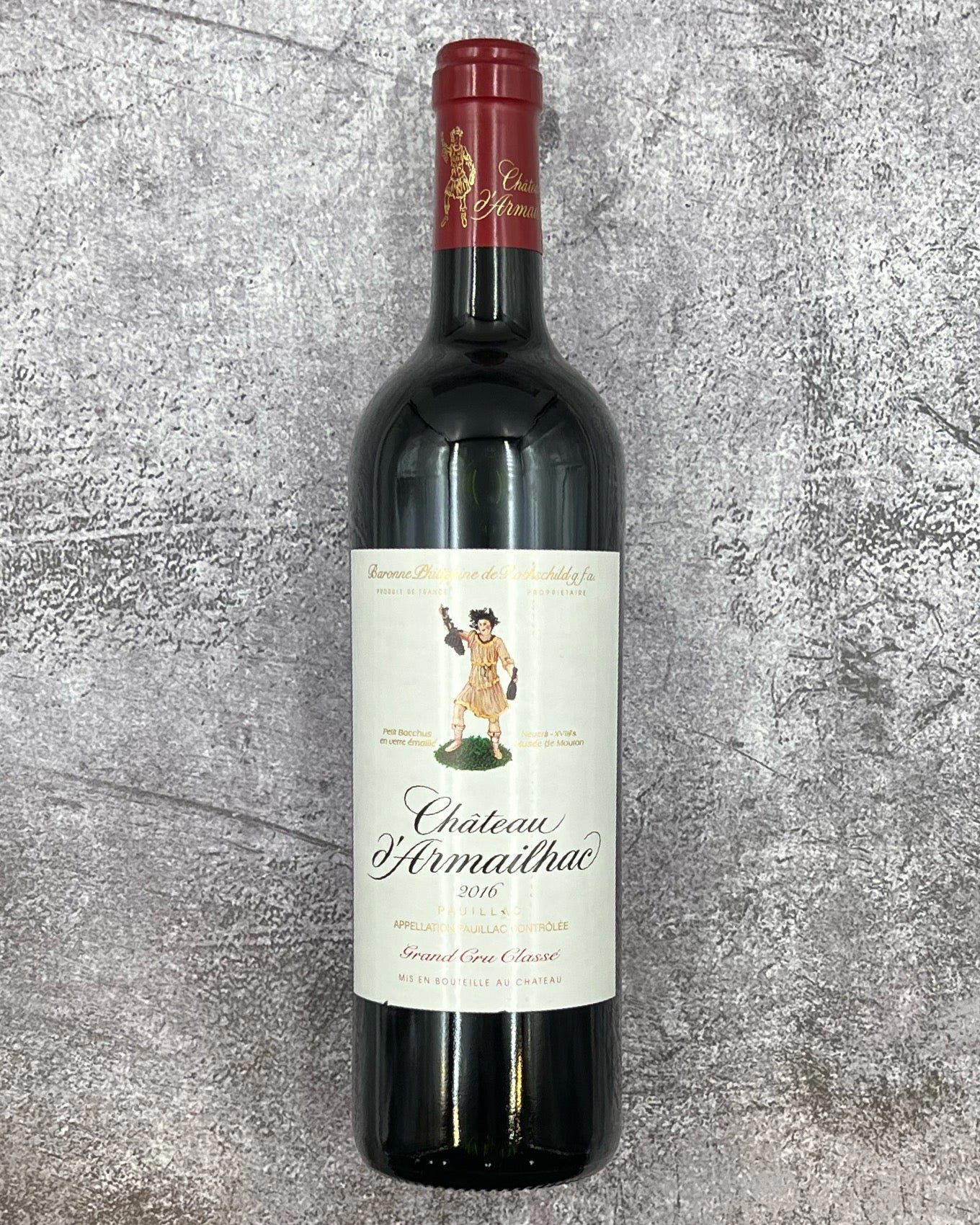
Château d’Armailhac
Pauillac, France
Château d'Armailhac is worth prioritizing if the goal is a serious Pauillac winery stop with collector relevance, not a food-led or casual tasting-room visit. It is better for travelers comparing Bordeaux estates and buying decisions than for visitors who want a broad hospitality experience built around meals or walk-in flexibility.
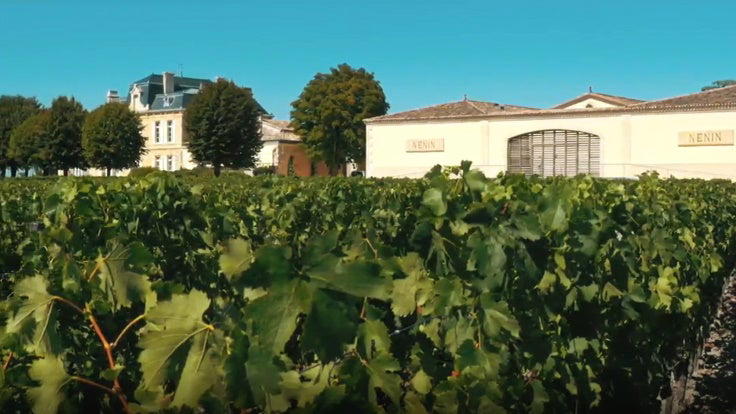
Château Nénin
Libourne, France
Book Château Nénin if the trip is built around serious Pomerol context rather than casual tasting. It suits collectors, special occasions, and business wine itineraries better than groups trying to fit in several quick stops, with 1869 heritage and Pearl 4 Star Prestige recognition in 2025 supporting the case.
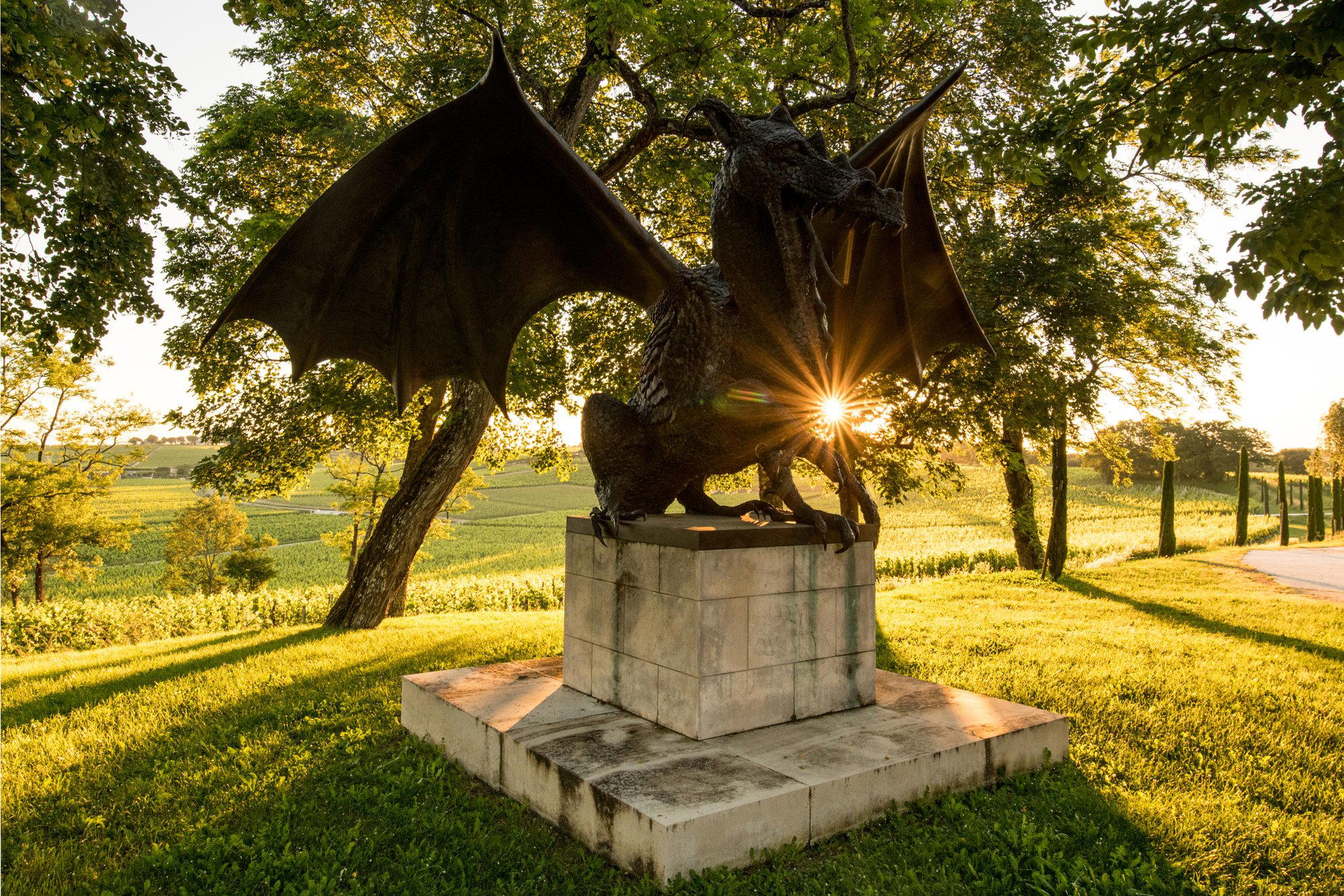
Château Quintus
Saint-Émilion, France
Château Quintus is a strong Saint-Émilion choice for a special-occasion tasting focused on limestone terroir, Merlot-Cabernet Franc blends, and a calm Right Bank setting. The value case is clearest if visitors compare the Grand Vin with Le Dragon de Quintus rather than assuming the flagship is the only worthwhile bottle.
Château La Clotte
Saint-Émilion, France
Château La Clotte is a sensible Saint-Émilion wine stop for travelers planning a focused Libournais tasting day, not a food-led visit. With food service, hours, and booking channels not confirmed here, treat it as one part of a wider route and arrange meals separately in Saint-Émilion.
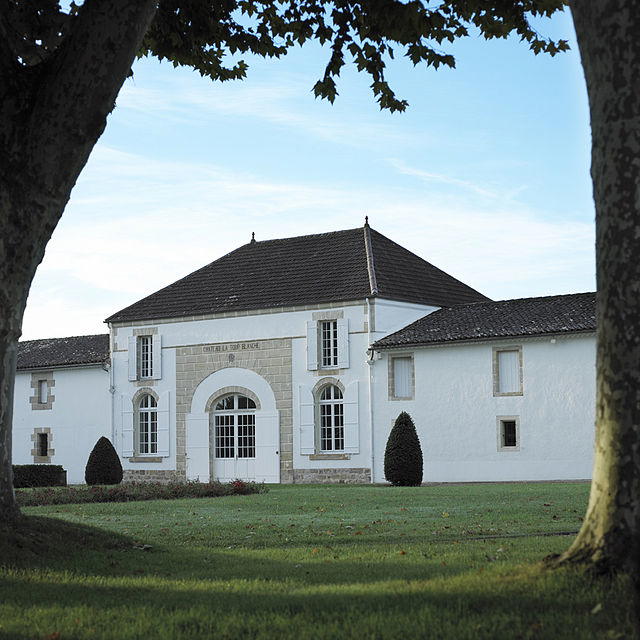
Château La Tour Blanche
Bommes, France
Château La Tour Blanche is a strong pick for travellers who want Bommes and Sauternes context rather than a quick tasting-room stop. Prioritise it if your day is built around sweet Bordeaux and nearby estates; cross-shop Château Lafaurie-Peyraguey or Château Rayne-Vigneau if profile or availability matters more.
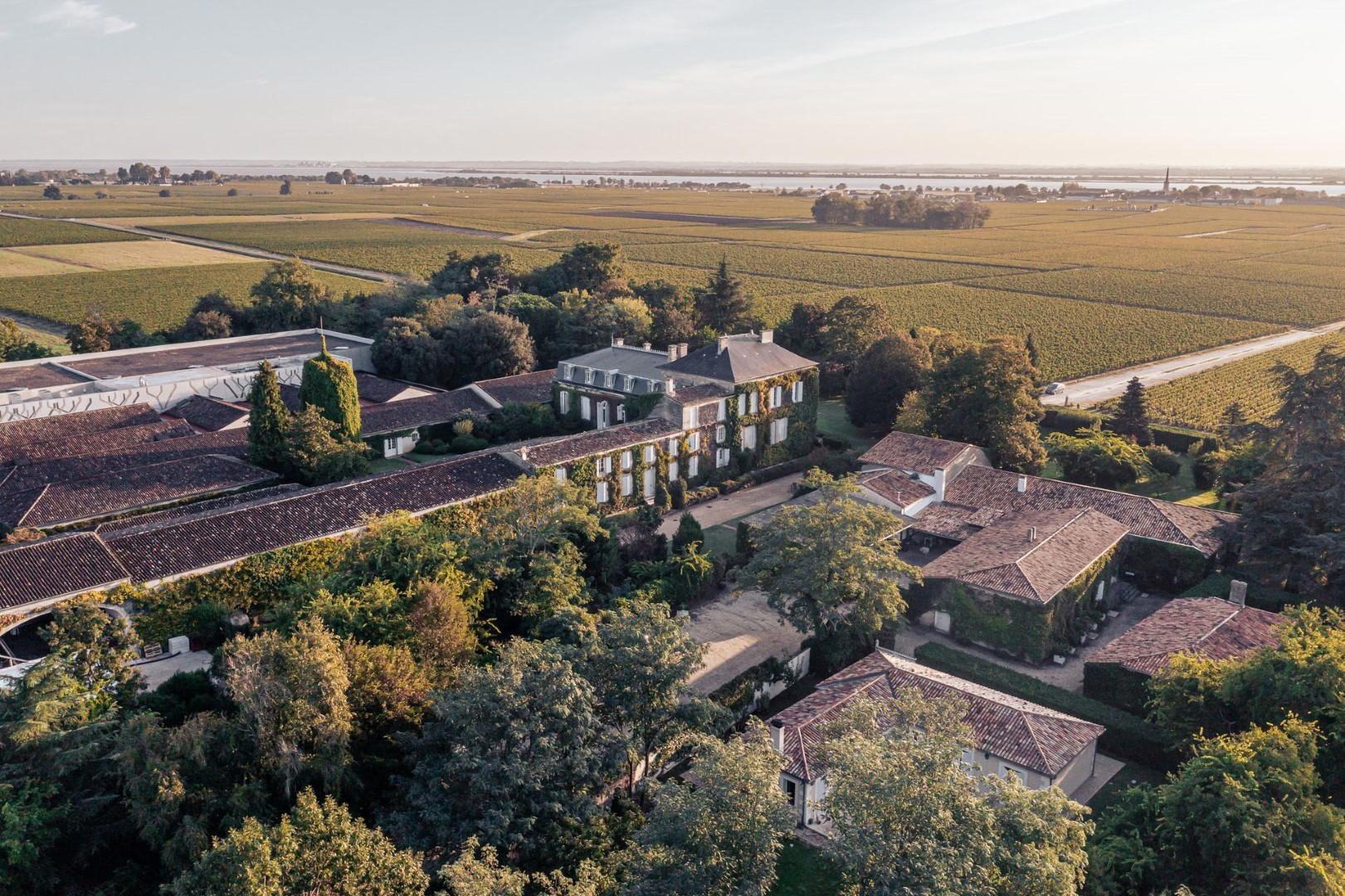
Château Talbot
Saint-Julien-Beychevelle, France
Château Talbot is worth prioritising for a Saint-Julien wine day when the goal is to assess a cellar-relevant flagship bottle, not just fill an itinerary. It suits couples, collectors, and business guests better than casual walk-ins or large groups needing flexible logistics.
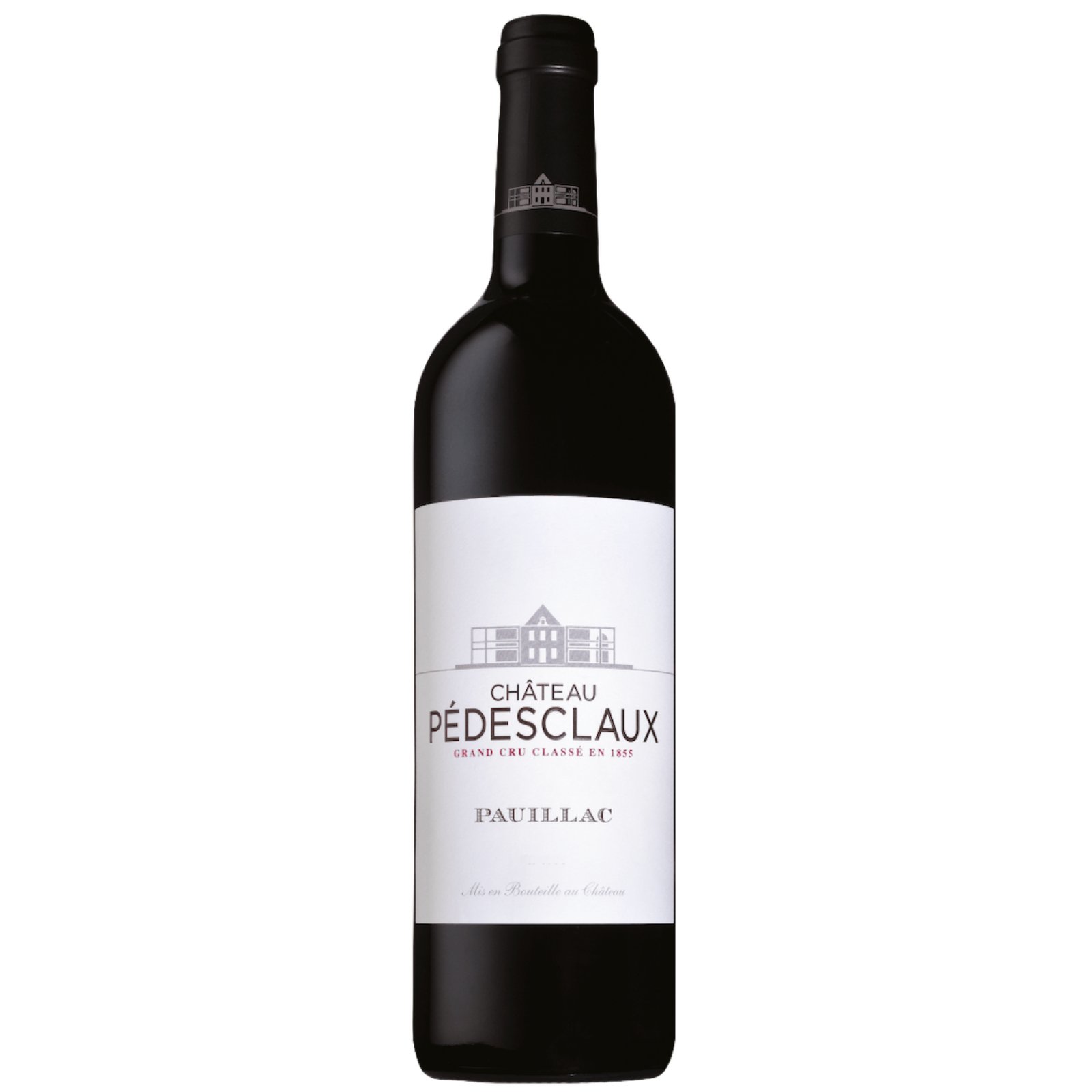
Château Pédesclaux
Pauillac, France
Book Château Pédesclaux if you want a serious Pauillac stop that sits beyond the obvious first-growth circuit. It is better for a planned, wine-led Médoc itinerary than for casual drop-in tasting, and it works especially well for repeat visitors comparing Pauillac estates in the same day.
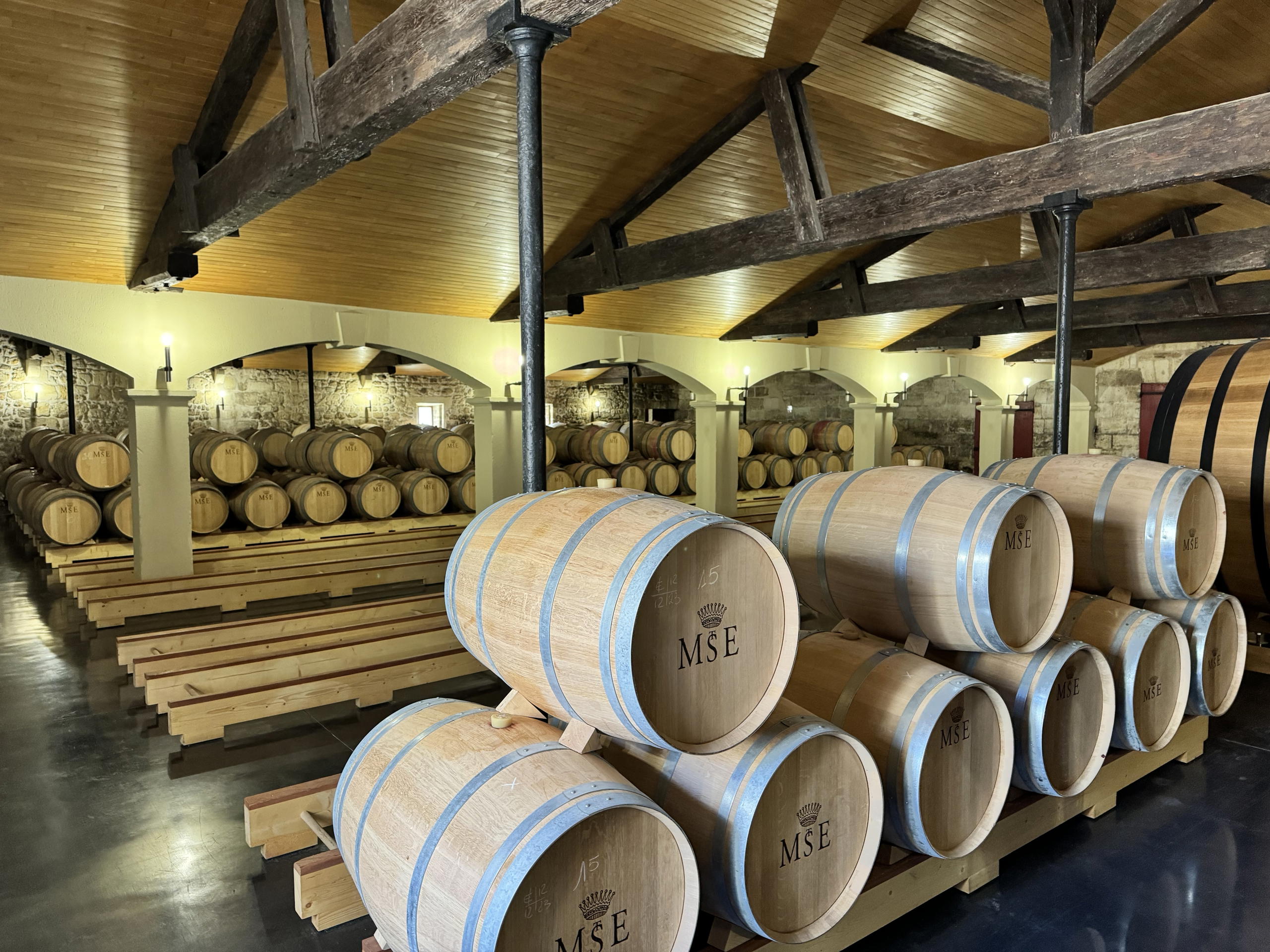
Château Malescot Saint-Exupéry
Margaux, France
Book this as the anchor of a serious Margaux wine day, not as a casual add-on. Chateau Malescot St. Exupery suits collectors, special-occasion travelers, and business hosts who want a historically rooted Left Bank estate with current winemaking led by Nicolas Audebert. Plan backup options nearby because access can be difficult.
Château Cantenac Brown
Margaux Cantenac, France
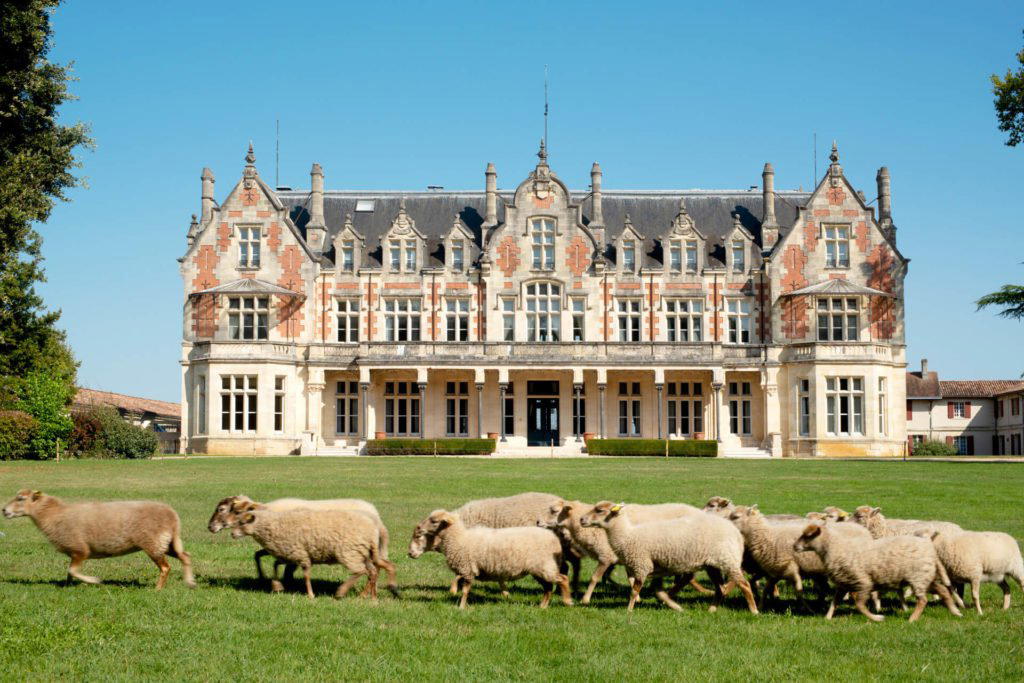
Prioritise Château Cantenac Brown if the Margaux plan is about depth rather than a quick photo stop. The appeal is the combination of classified-growth heritage, Cabernet-led wines, Tudor-style architecture, and an eco-designed cellar that gives the visit a concrete sustainability angle.
Château Lascombes
Margaux, France
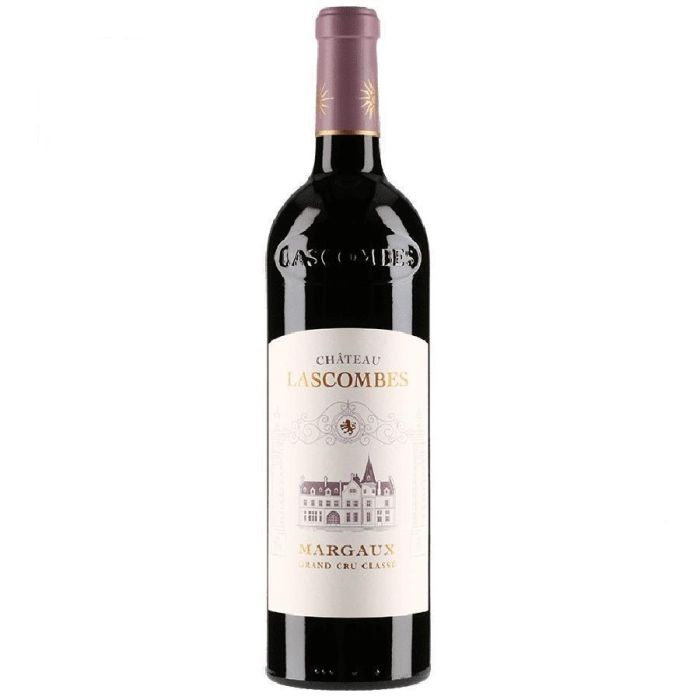
Château Lascombes is worth prioritizing if the goal is a serious Margaux winery day, not a casual tasting stop. Plan around confirmed access, keep the itinerary tight, and compare it with nearby Margaux peers before committing the whole day.
Château Duhart-Milon
Pauillac, France
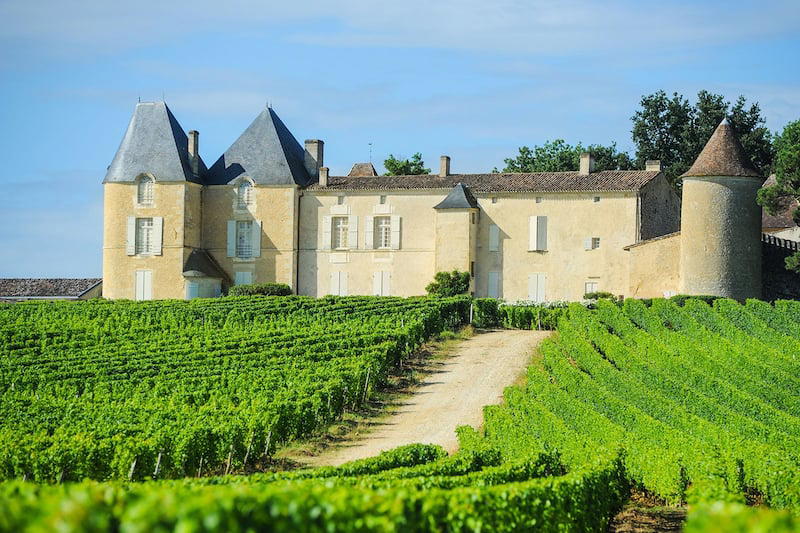
Château Duhart-Milon is a smart Pauillac pick for buyers who want classified-growth credibility without choosing only for spectacle. The draw is the bottle: Cabernet-led structure, Rothschild-era restoration, and a restrained left-bank profile that suits special-occasion drinking or cellaring.
Château Guiraud
Sauternes, France
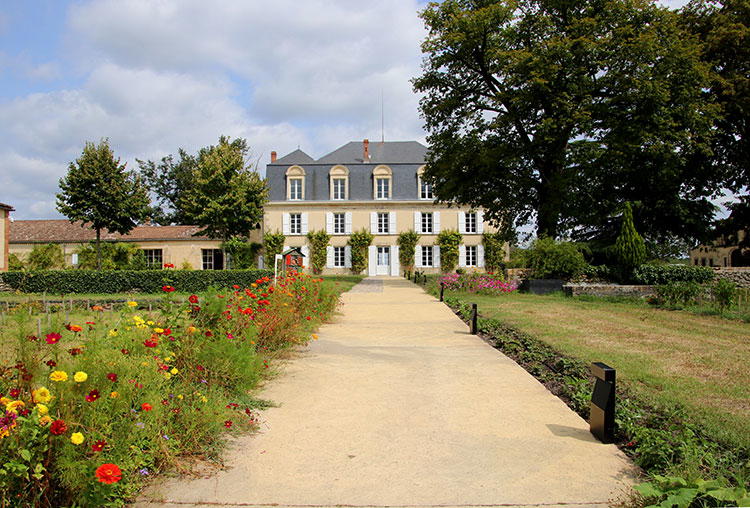
A strong choice for travelers making Sauternes the point of the day, not a quick add-on. Château Guiraud has serious historical weight, with a first vintage dating to 1771, and works better as an anchor appointment than a casual tasting stop. Cross-shop Château d'Yquem for prestige, or Château Filhot and Château d'Arche for a lower-pressure route.
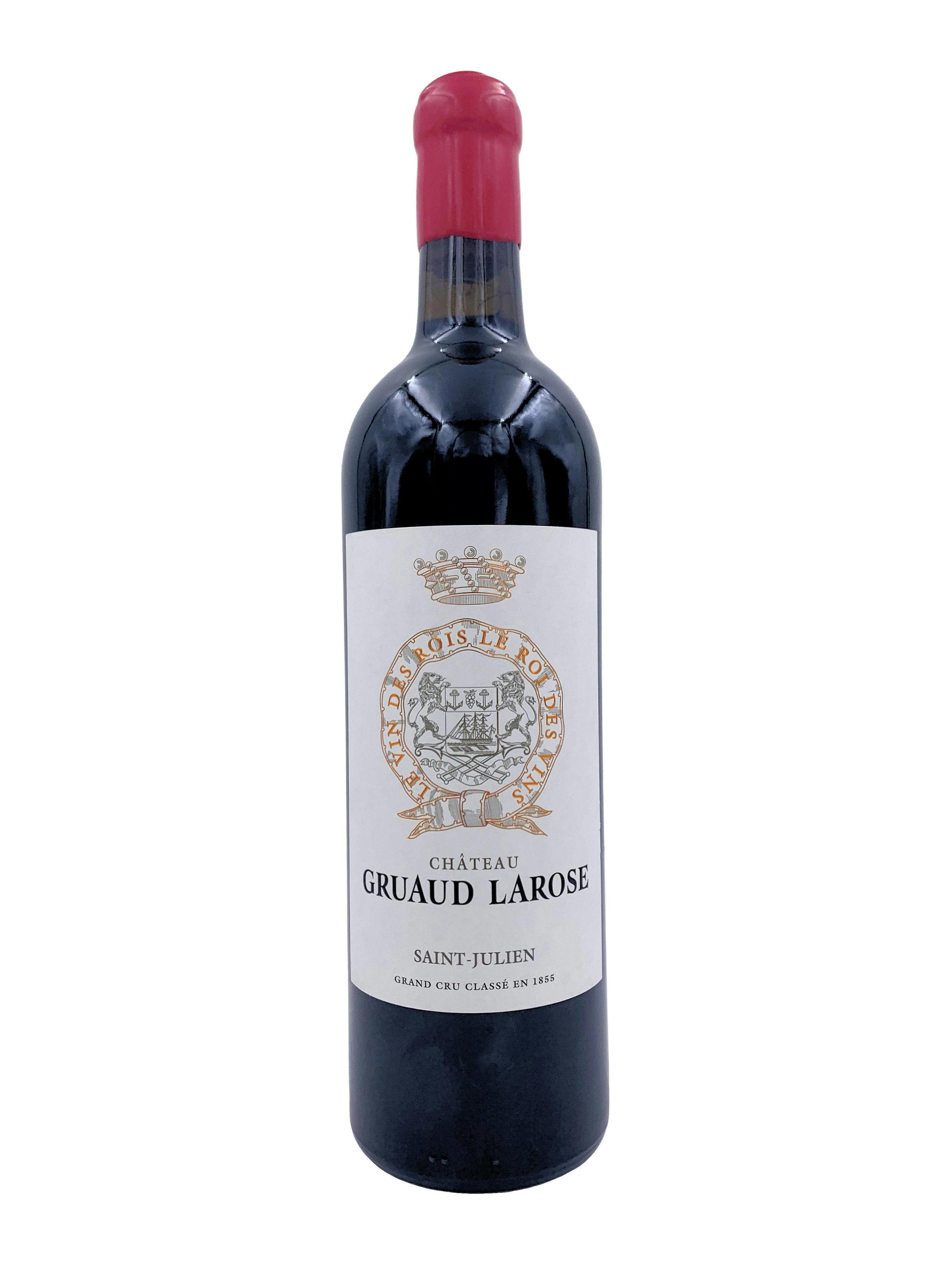
Château Gruaud-Larose
St-Julien, France
Plan Château Gruaud-Larose as a serious St-Julien appointment, not a casual drop-in. It makes the strongest case for collectors, couples, and small business groups who want a formal Left Bank château experience and are willing to plan ahead around limited access.
Château Rocheyron
Saint-Émilion, France
Book Château Rocheyron if the priority is serious Right Bank wine rather than a casual château circuit. Its appeal is small-scale Saint-Émilion production: biodynamic farming, low yields, concrete vinification and a Merlot-Cabernet Franc flagship built for elegance and age. It suits collectors and wine travellers who want production detail, not a broad hospitality program.
Château Bourgneuf
Pomerol, France
Château Bourgneuf is worth targeting if you want a serious, quiet Pomerol tasting rather than a casual winery stop. The draw is the estate’s long family stewardship, compact Merlot-led vineyard and recent lift in quality from the 2016 vintage onward; the private format makes sense if you want help reading vintages and cellar potential.
Château Lafon-Rochet
Saint-Estèphe, France
Château Lafon-Rochet is worth targeting for a serious Saint-Estèphe wine itinerary, especially if the goal is appellation depth rather than a casual tasting stop. It works better as a planned anchor than a flexible add-on, with nearby alternatives like Château Cos d'Estournel and Château Haut-Marbuzet offering different strengths.
Overview
Michelin Bordeaux 2026: Selected Estates is the selected estates collection of wine estates in the Bordeaux selection. Selected is the recommended-producer category alongside the numbered Grape distinctions. It does not itself award One, Two or Three Grapes.
Five wine criteria guide assessment: agronomy, winemaking technique, identity, balance and consistency. They address vineyard care, execution in the cellar, expression of place, harmony in the wine and performance over vintages. Grapes evaluate producers; restaurant Stars and hotel Keys use separate frameworks.
This page represents the Selected tier only. It should be read alongside the three numbered Bordeaux collections when exploring the full range of Michelin-recognized producers.
Quick Facts
- Publisher
- Michelin Guide
- Edition
- Bordeaux 2026
- Category
- Selected Estates
- Recognition focus
- Recommended selection
- Entity
- Wine producer
About This Edition
Bordeaux's 2026 selection covers 83 estates across four recognition levels. It includes Medoc, Pessac-Leognan, Saint-Emilion, Pomerol, Sauternes and Barsac. Pearl's page counter reflects the mapped places available here, not necessarily the publisher's complete regional total.
Frequently Asked Questions
What does this distinction assess?
Which criteria are used?
Can I visit every estate without booking?
How many of these have you visited?
Find out on Pearl and keep score across every place in 2026 Michelin Grape Main Selection - Bordeaux.