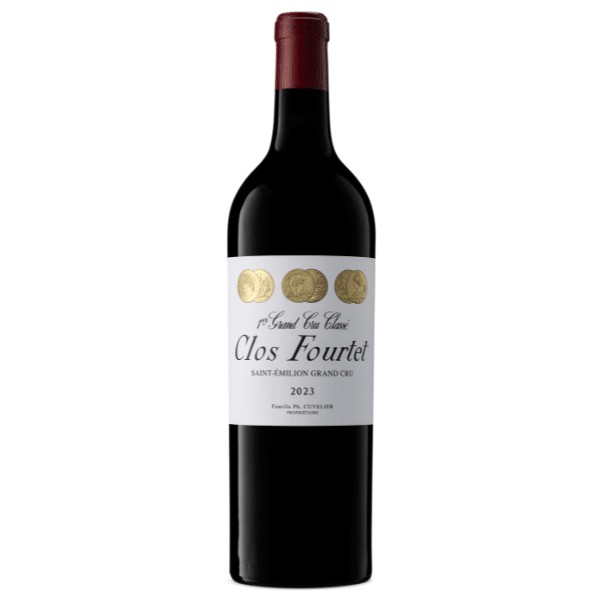


Château Clos Fourtet
Saint-Emilion, Saint-Émilion
Winery in Saint-Émilion, France
 Book with Pearl
The Read
Limestone Plateau Precision
Why go
Château Clos Fourtet is worth pursuing if the aim is a serious Saint-Émilion château appointment, especially for collectors thinking about access or allocation value. Treat it as a planned visit rather than a casual tasting stop, and keep Château Canon, Château Beau-Séjour, Chateau Ausone, Château Bélair-Monange, and Château Pavie Macquin in play if timing is tight.
About Château Clos Fourtet
Château Clos Fourtet is a Saint-Emilion venue with Pearl 3 Star Prestige (2025) recognition. Because public details are limited, the safest way to plan is to treat it as a focused stop and confirm visit terms directly before building the rest of the day around it.
The clearest facts are simple: the venue is in Saint-Emilion, Mathieu Cuvelier is named as chef/owner, and the dress code is smart casual. Specific details such as visit format, pricing, timing, capacity, and add-on services should not be assumed and require direct confirmation.
For visitors comparing Saint-Emilion options, Château Clos Fourtet is best evaluated on its recognition and the practical fit of a visit. If your plans depend on a particular service or hospitality format, check the venue's official channels before committing.
Book this as a Saint-Emilion stop, not an assumed fallback
Planning discipline matters when details are limited. Do not build a whole day around any unconfirmed service or format until the venue confirms what is available for your date. For a broader town plan, use Our full Saint-Emilion wineries guide, then match the day with Our full Saint-Emilion restaurants guide and Our full Saint-Emilion hotels guide.
Keep the schedule realistic. Château Clos Fourtet belongs in a Saint-Emilion plan, but the exact timing, visit length, and any add-on services should be confirmed directly. If dining or transportation is part of the day, arrange those separately rather than assuming they are included.
Where it sits among Saint-Emilion comparison venues
For comparison, Château Canon, Château Beau-Séjour (héritiers Duffau-Lagarrosse), Chateau Ausone, Château Bélair-Monange, and Château Pavie Macquin are useful nearby names to consider when shaping a Saint-Emilion itinerary. Château Clos Fourtet's Pearl 3 Star Prestige (2025) recognition makes it a serious candidate within that planning set.
The practical verdict: worth considering for visitors who want a recognized Saint-Emilion venue and are willing to confirm the details directly. Skip any assumptions about format, pricing, specific services, or group suitability unless the venue verifies them for your visit.
Planning details
- Location
- 99 Rue des Grandes Murailles, 33330 Saint-Émilion
- Website
- closfourtet.com
- Phone
- +33 5 57 24 70 90
The take
The Take
The Vibe
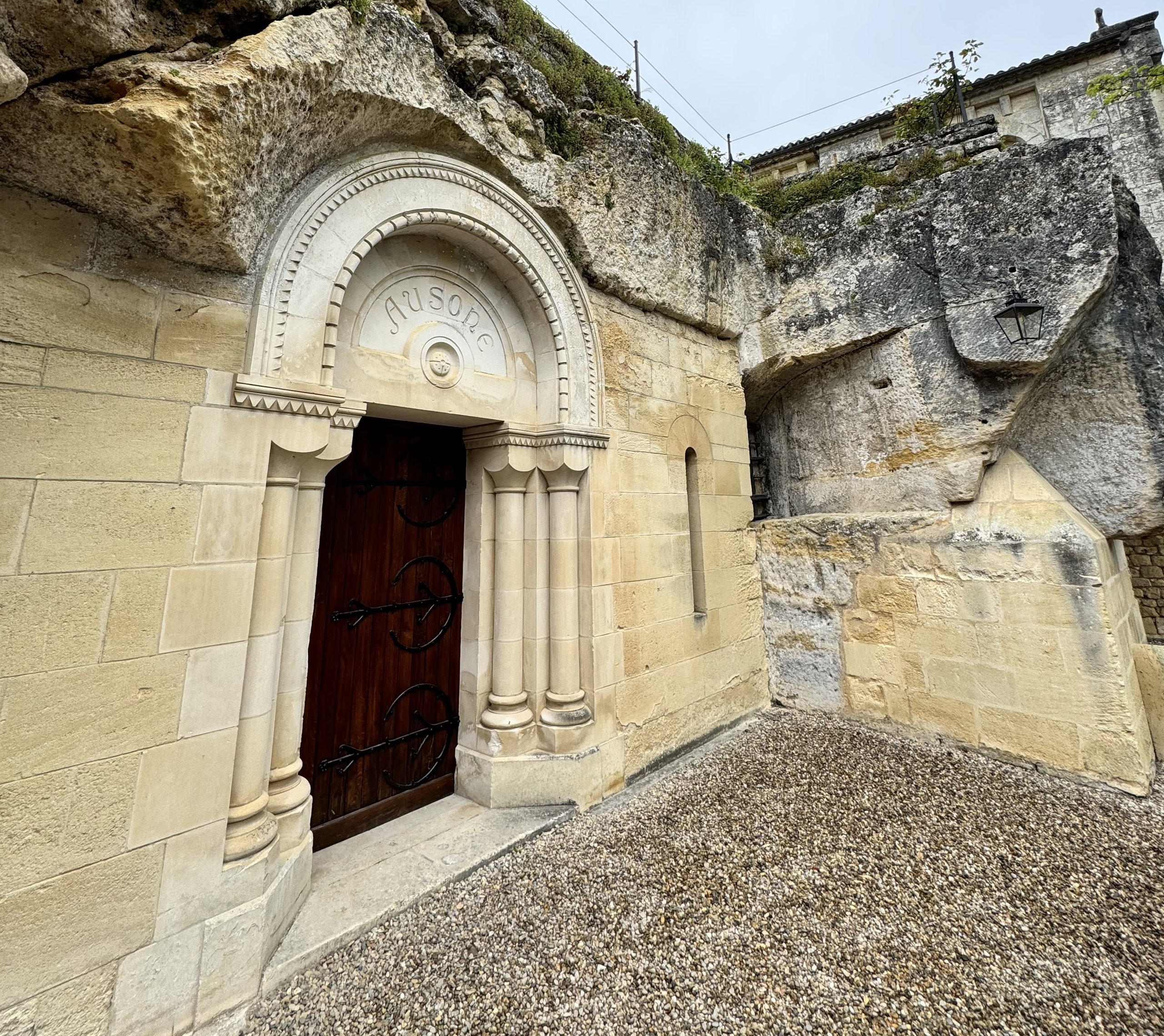
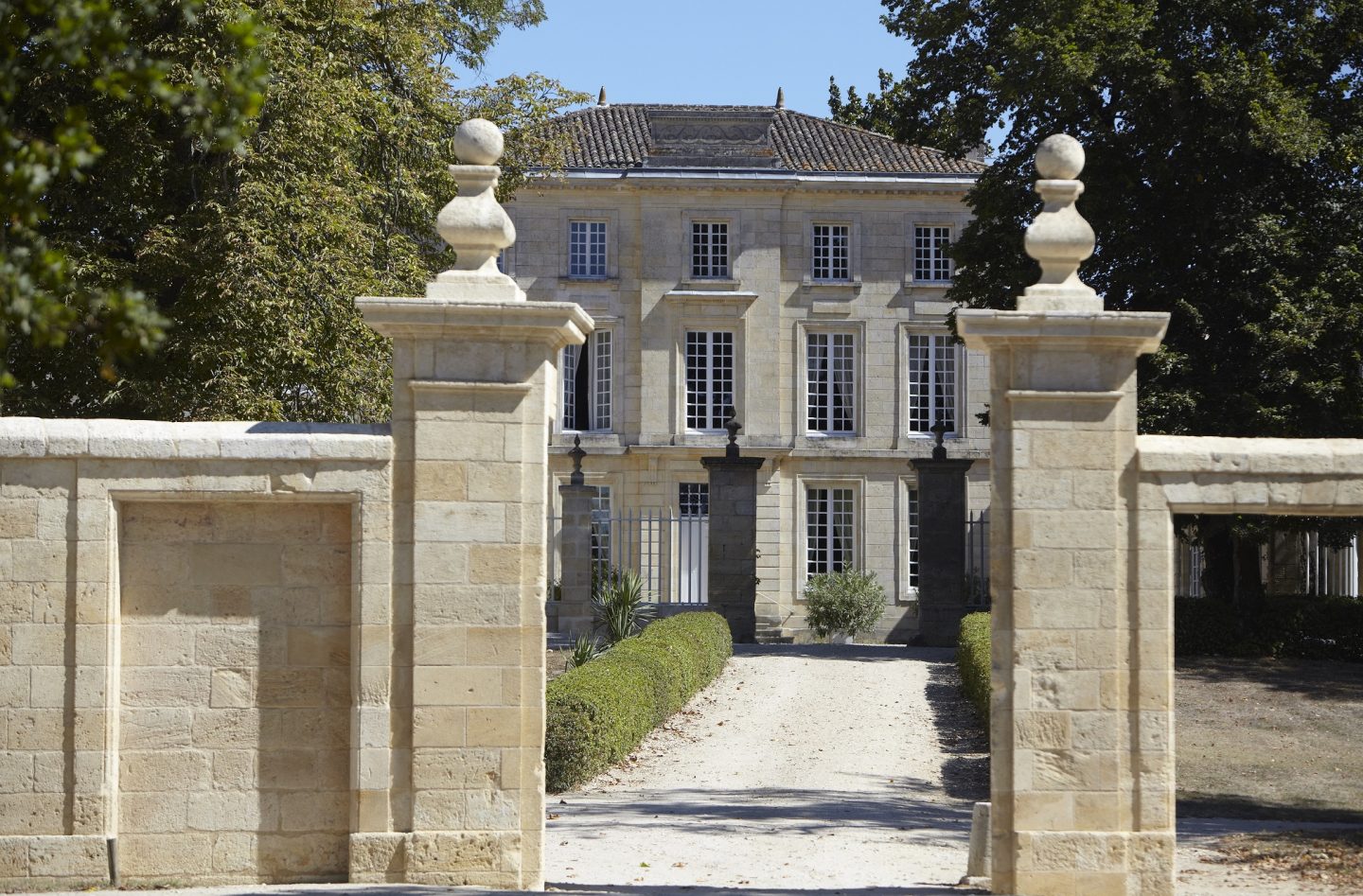
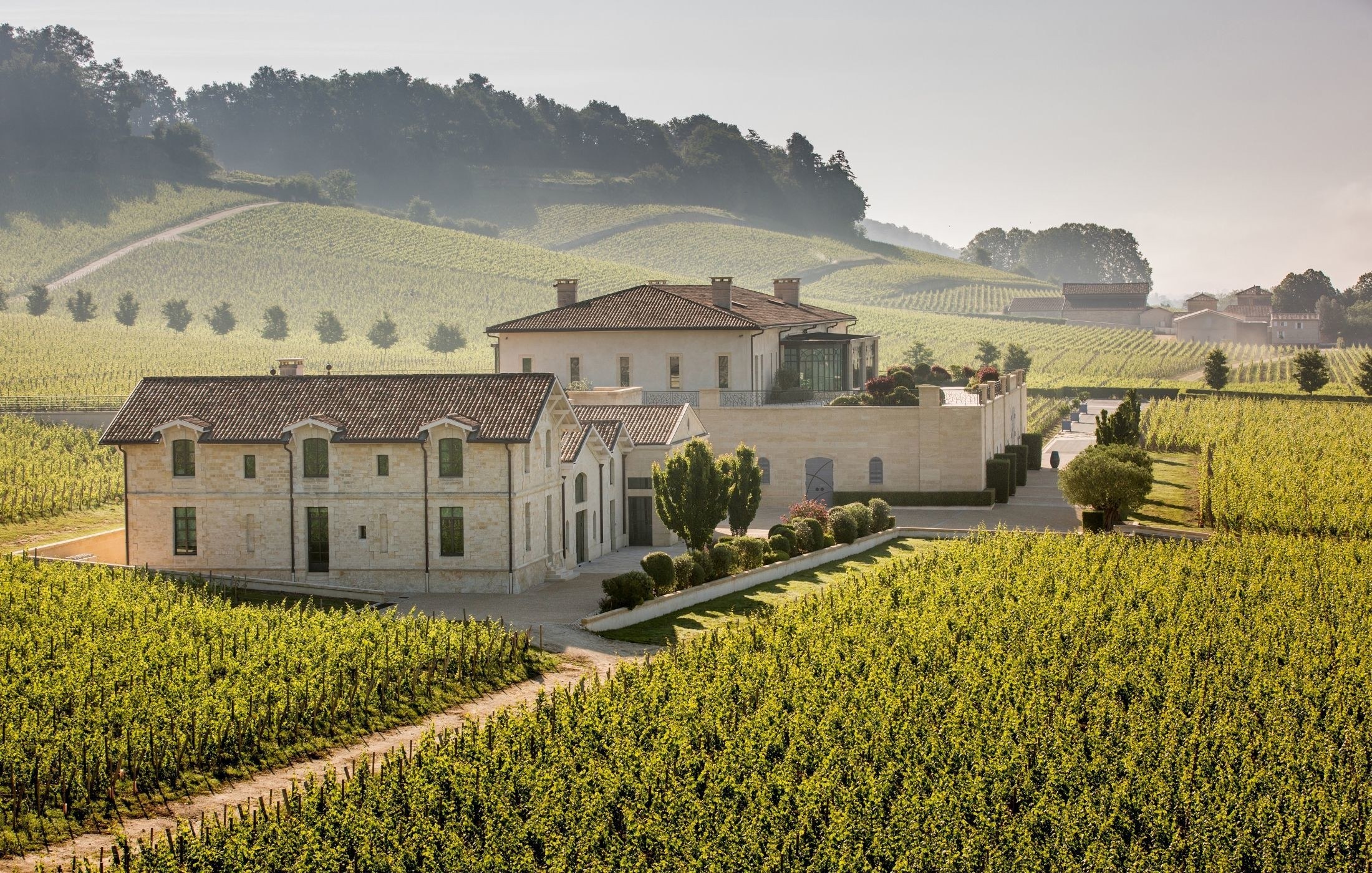
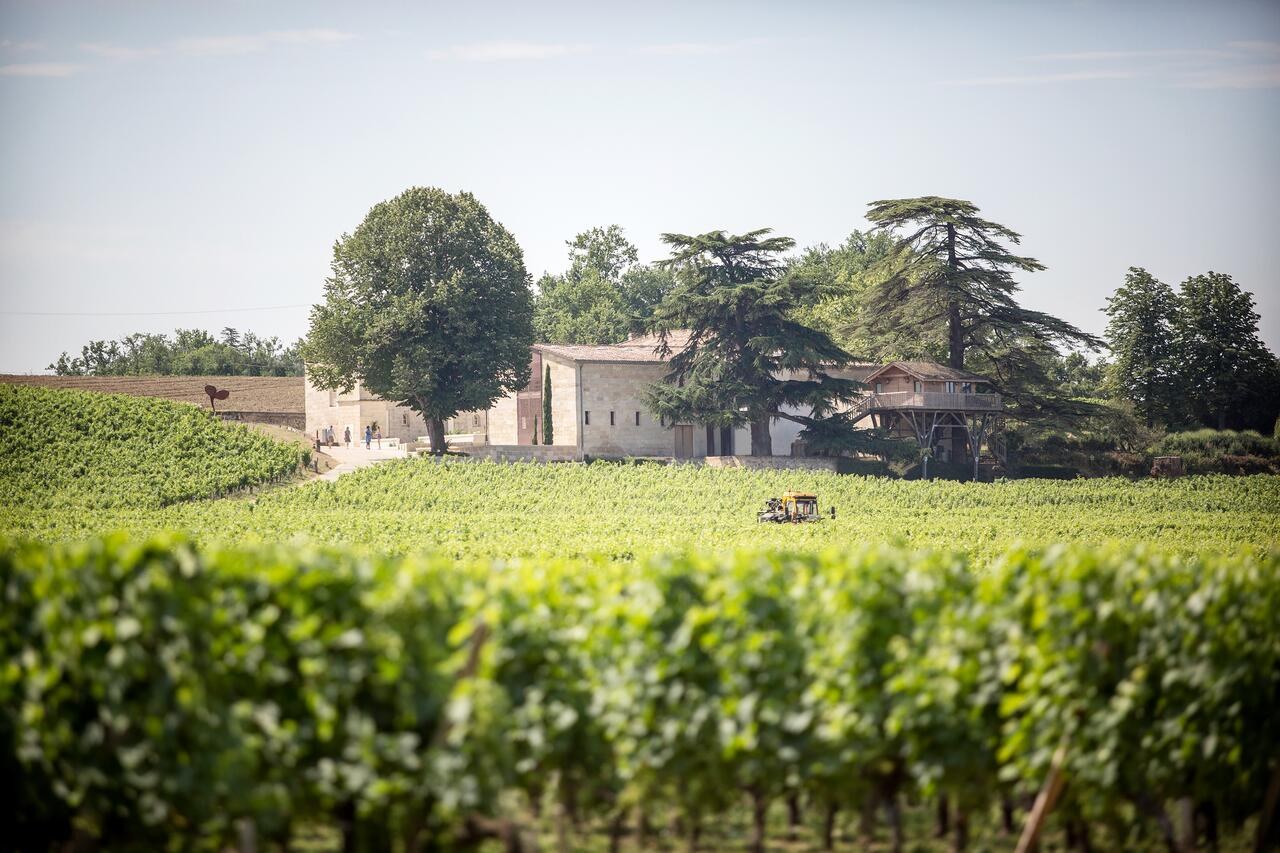
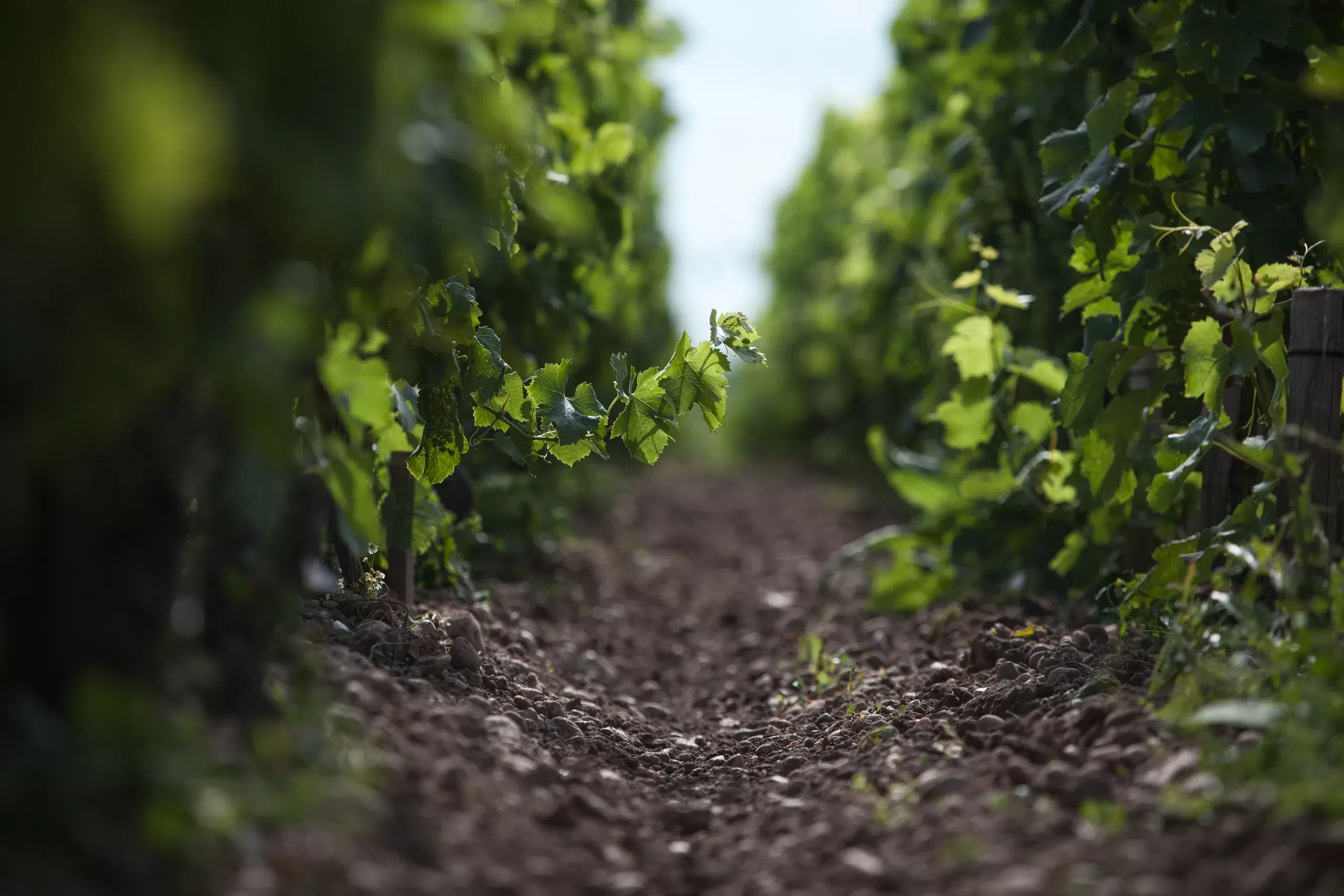
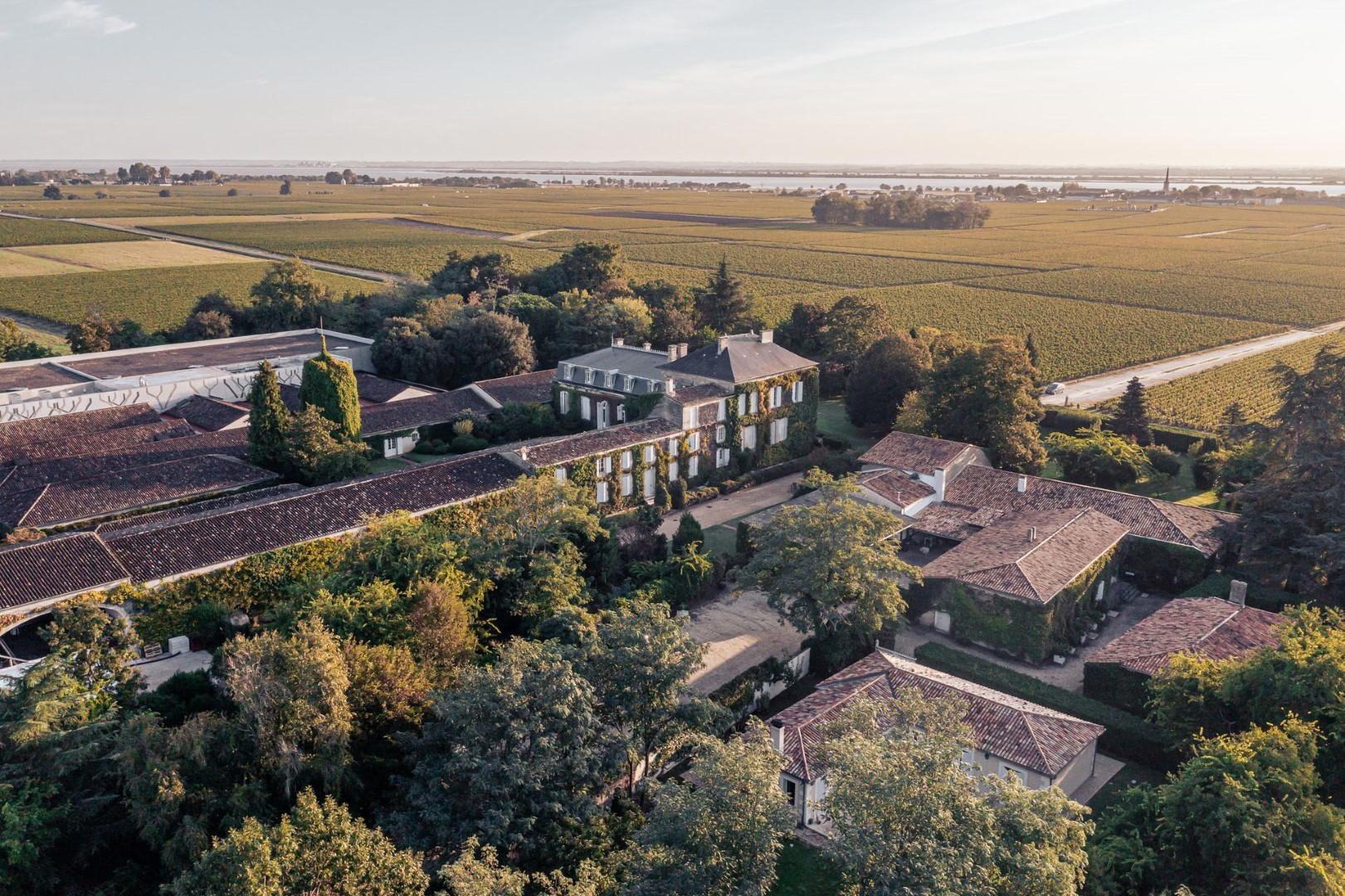
Château Clos Fourtet presents a terroir-first personality anchored on Saint-Émilion's limestone plateau. The estate sits beside medieval town walls, and its vineyards and cave system clearly tie the property to the calcaire shelf that defines the appellation's most precise, mineral-driven wines. Copy for enthusiasts emphasizes structure and restraint rather than flamboyance: Clos Fourtet's identity reads as measured and authoritative, the product of place and careful classification. The writing in this profile positions the château as a refined, terroir-focused property whose bottles reward attention to minerality and structural tension rather than immediate showiness.
Best For
This estate is best encountered by visitors interested in terroir and classification. The profile repeatedly foregrounds the plateau calcaire and the estate's place within Saint-Émilion's upper geographic tier, making Clos Fourtet a natural fit for wine-education visits and comparative tastings that explore limestone influence. Its Premier Grand Cru Classé context and recent EP Club rating also make the château suitable for special-occasion purchases where provenance and critical standing matter. Guests seeking a study of mineral tension, structural precision, and appellation-level benchmarking will find Clos Fourtet particularly rewarding.
Tasting Tips
When choosing bottles from Château Clos Fourtet, prioritize wines that explicitly reference the plateau or calcaire soils—the description links the estate's character to limestone-driven precision and mineral tension. Consider selections that carry estate or Premier Grand Cru Classé provenance, and use recent critical notes (for example, the profile's mention of a 2025 Pearl 3 Star Prestige rating) as an additional quality signal. For tasting-focused visits, center the experience on vertical or comparative tastings that highlight structure and minerality rather than immediate ripeness-driven impressions.
Venue details
Ambiance
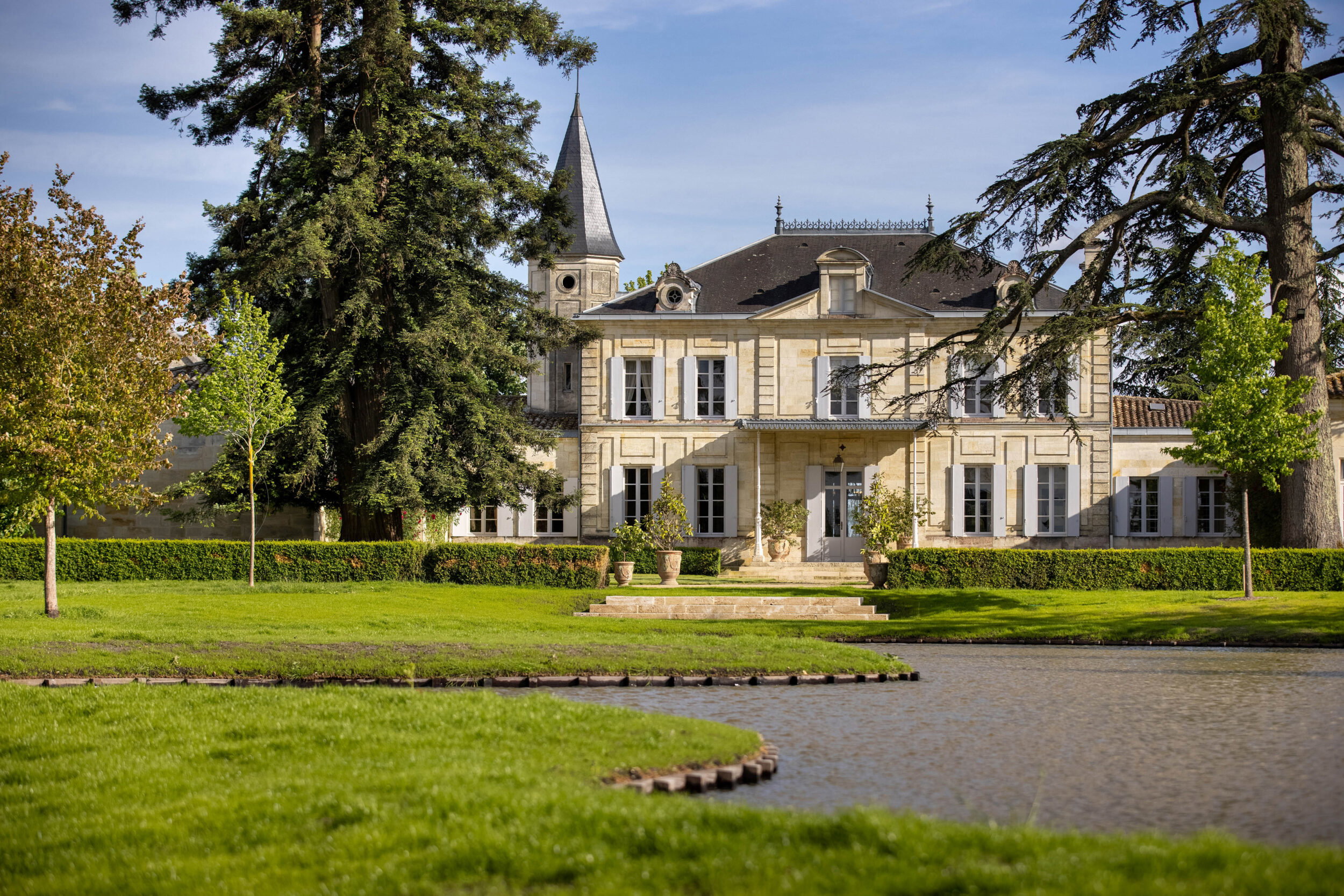
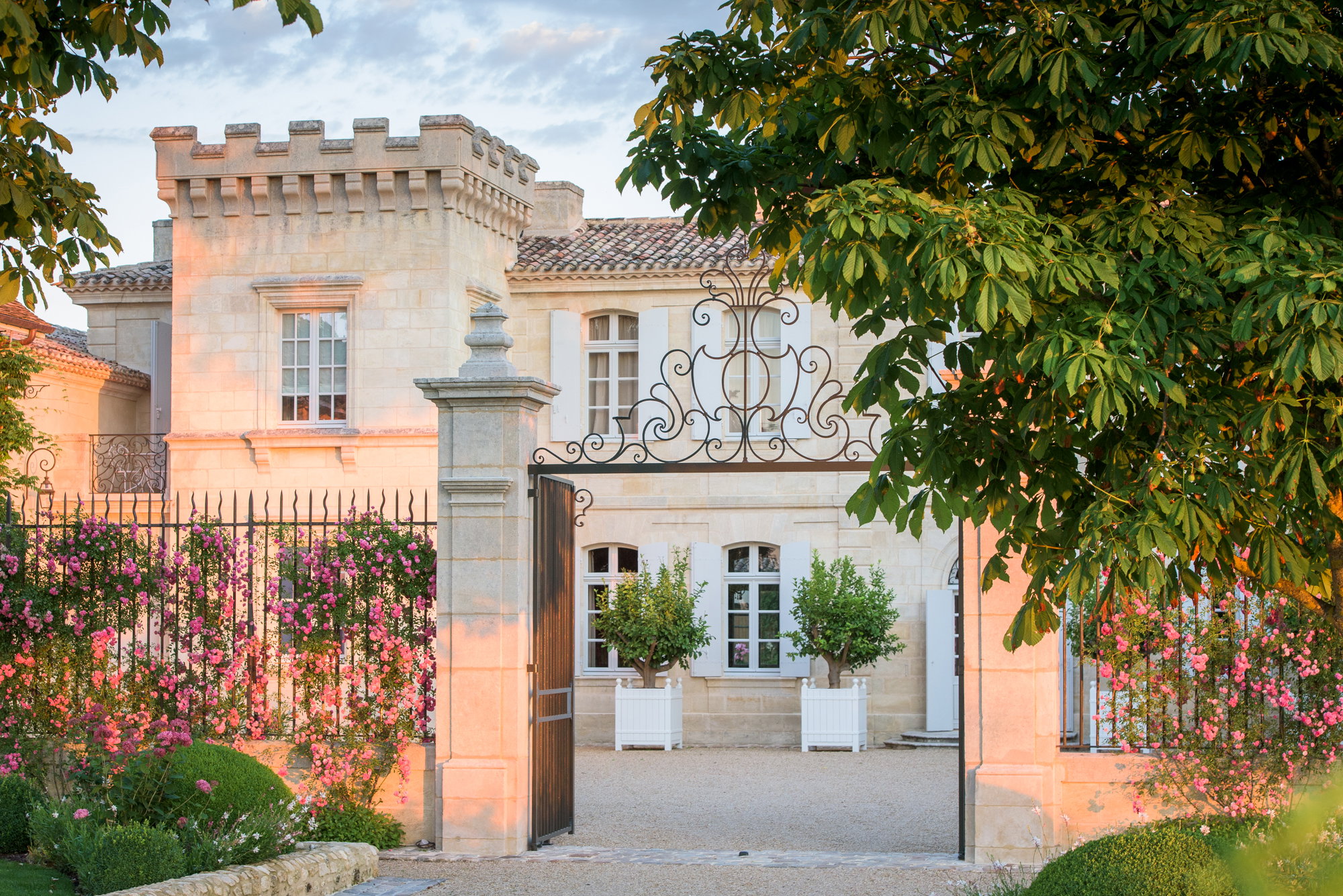
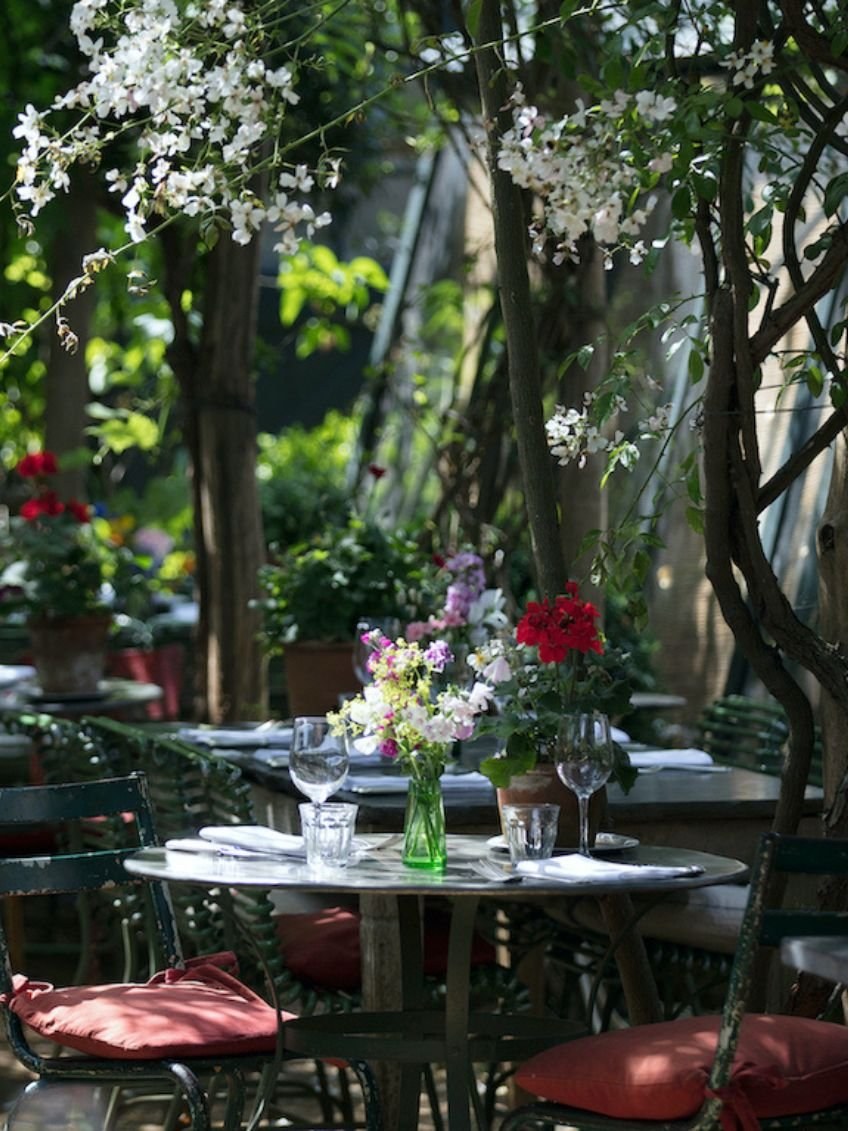
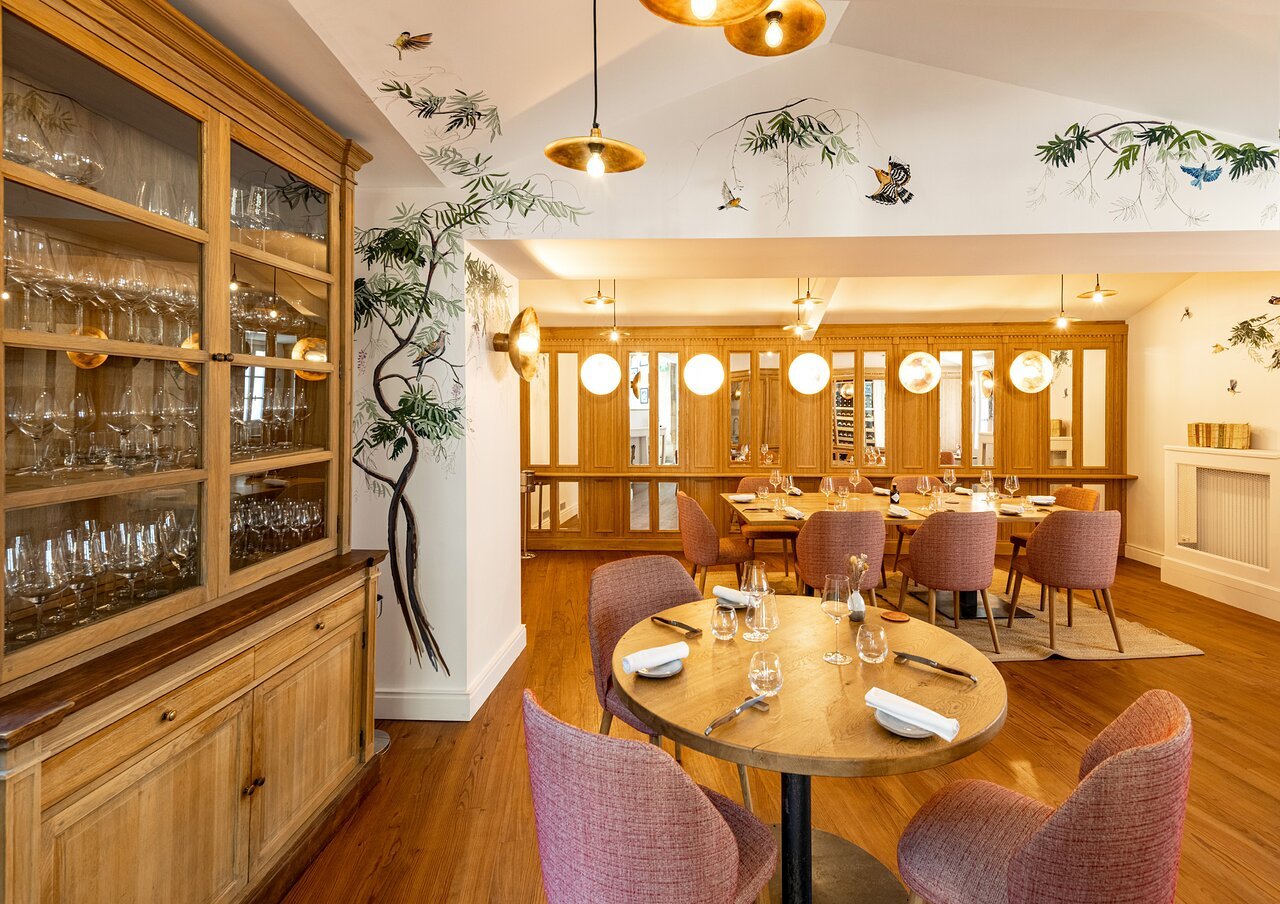
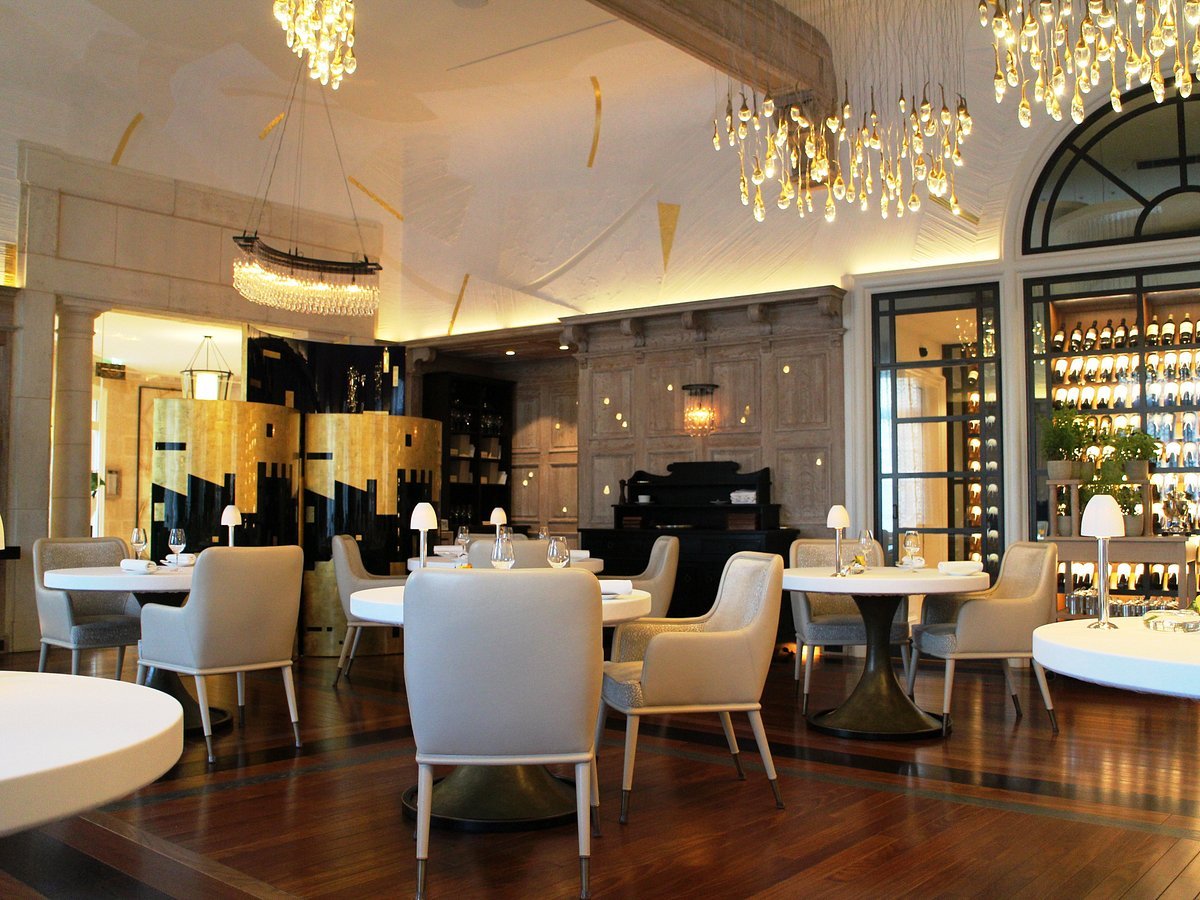
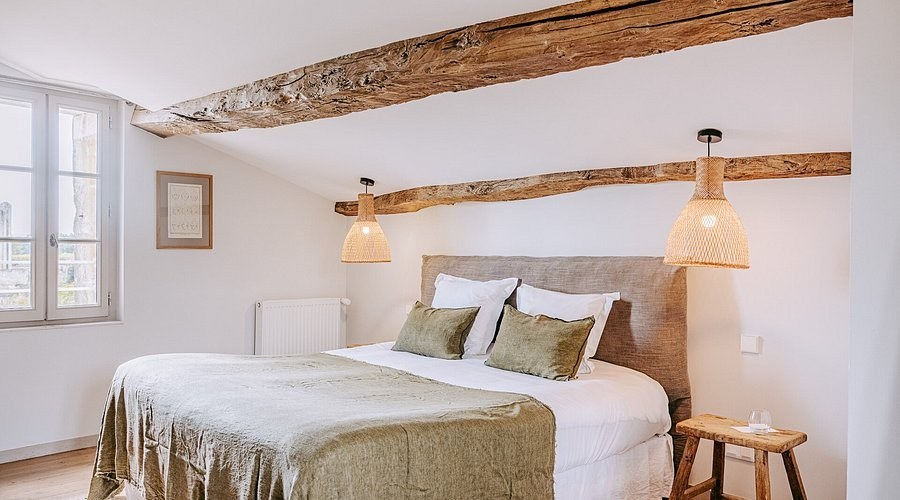
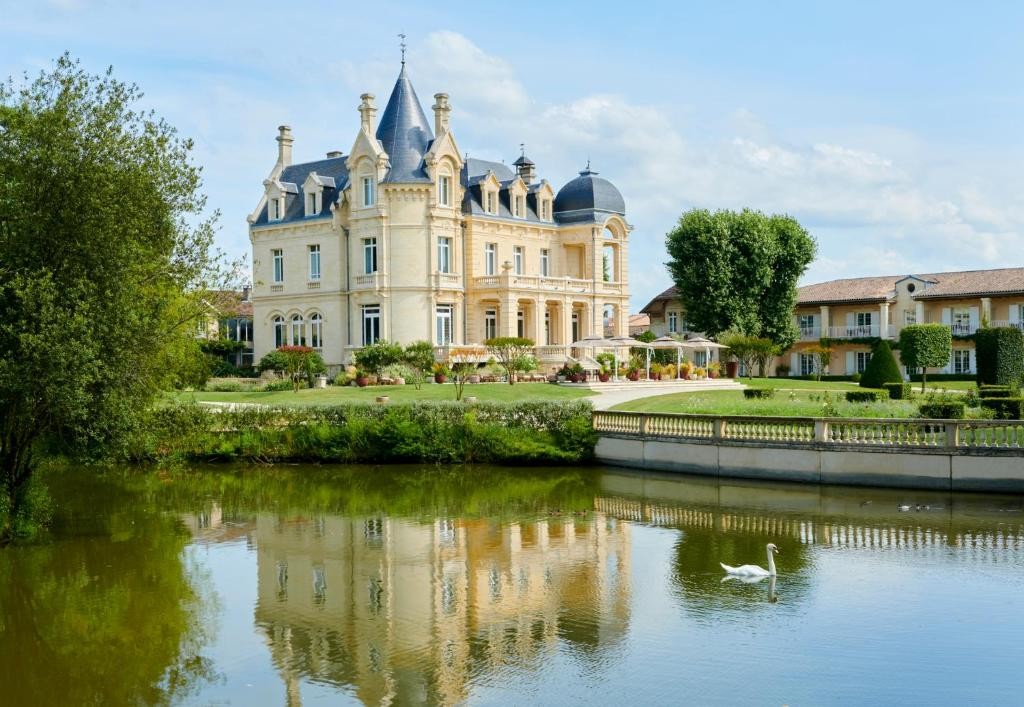
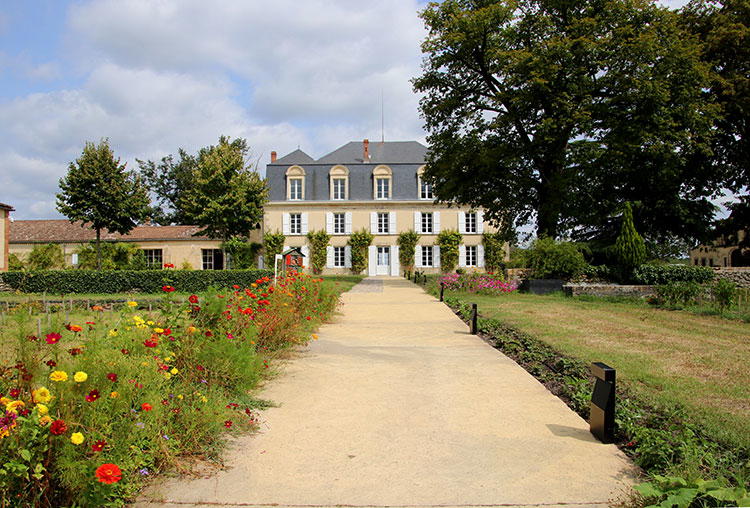
Intimate and unassuming chateau with elegant, classic atmosphere reflecting its ancient fortified history and limestone terroir.
Tags
Vibe
Best For
Experience
Sourcing
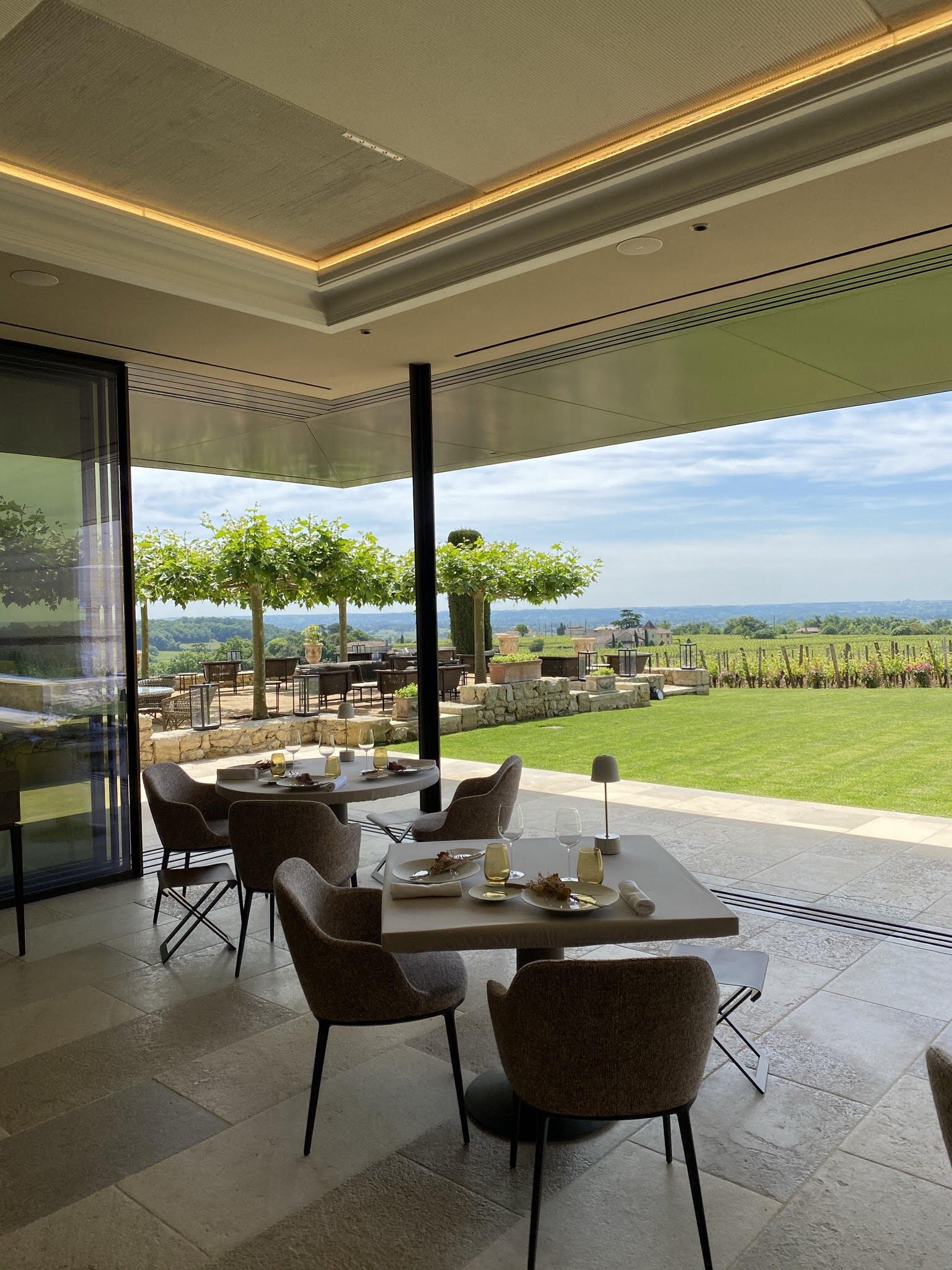
View
At the Vineyard
- Appellation
- Saint-Emilion
- Varietals
- Merlot, Cabernet Franc, Cabernet Sauvignon
- Visits
- By appointment only
- Farming
- Biodynamic
- Wine Styles
- Still Red
- Wine Club
- Not available
Know before you go
Know Before You Go
- Getting there
- 99 Rue des Grandes Murailles, 33330 Saint-Émilion
Planning details
Location
Recognition and awards
Also consider
If you cannot book it
Try Château Canon if the goal is another major Saint-Émilion name with serious collector appeal. Try Château Pavie Macquin if keeping the itinerary focused on Saint-Émilion matters more than holding out for one specific château.
Winery context
How it compares in Saint-Émilion
Château Clos Fourtet is the pick for a serious, prestige-led appointment where scarcity and access are part of the appeal. Château Canon and Château Bélair-Monange are better cross-shops if the priority is comparing major Saint-Émilion names within the same trip, while Clos Fourtet makes more sense when the visit is tied to collecting or allocation interest.
Château Beau-Séjour (héritiers Duffau-Lagarrosse) and Château Pavie Macquin are useful backups if availability drives the decision. Chateau Ausone belongs in the same high-demand conversation, but it should not be treated as an easier alternative. For a first Saint-Émilion itinerary, shortlist two or three of these rather than betting the day on one confirmation.
Explore Saint-Émilion
Around this place
Discover more on Pearl
Unlock the full Château Clos Fourtet guide in Pearl, including awards, comparisons, FAQs, planning details, and nearby places.
Compare Château Clos Fourtet
| Venue | Location | Awards |
|---|---|---|
| Château Clos Fourtet | Saint-Emilion | 2026 Michelin Grape Main Selection - Bordeaux2025 Pearl 3 Star Prestige |
| Château Canon | Saint-Emilion | 2026 Michelin 2 Grapes - Bordeaux2025 Pearl 4 Star Prestige |
| Château Beau-Séjour (héritiers Duffau-Lagarrosse) | Saint-Emilion | No published awards |
| Chateau Ausone | Saint-Emilion | 2026 Michelin 2 Grapes - Bordeaux2025 Pearl 5 Star Prestige |
| Château Bélair-Monange | Saint-Emilion | 2026 Falstaff Winery Guide2026 Michelin 1 Grape - Bordeaux |
| Château Pavie Macquin | Saint-Emilion | No published awards |



How Château Clos Fourtet Saint-Emilion compares with similar nearby venues.
FAQ
Frequently Asked Questions
How long should I plan for a visit to Château Clos Fourtet?
Visit length should be confirmed directly with the venue. Treat Château Clos Fourtet as a Saint-Emilion stop that should be confirmed in advance, and allow enough flexibility in your schedule for the format the venue confirms directly.
What is the dress code at Château Clos Fourtet?
The dress code is smart casual. If your visit involves a specific format or occasion, confirm any additional expectations directly with Château Clos Fourtet before you go.
What other venues are near Château Clos Fourtet?
Château Canon, Château Beau-Séjour (héritiers Duffau-Lagarrosse), Chateau Ausone, Château Bélair-Monange, and Château Pavie Macquin are useful nearby comparison names for a Saint-Emilion itinerary. Château Clos Fourtet can be considered alongside them, especially given its Pearl 3 Star Prestige (2025) recognition.