

Château Lafon-Rochet
Saint-Estèphe
Winery in Saint-Estèphe, France
 Book with Pearl
The Read
Clay-Terroir Classified Growth
Why go
Château Lafon-Rochet is worth targeting for a serious Saint-Estèphe wine itinerary, especially if the goal is appellation depth rather than a casual tasting stop. It works better as a planned anchor than a flexible add-on, with nearby alternatives like Château Cos d'Estournel and Château Haut-Marbuzet offering different strengths.
About Château Lafon-Rochet
Château Lafon-Rochet is a Saint-Estèphe venue with a smart-casual dress code and Pearl 3 Star Prestige recognition for 2025. Before building a full itinerary around the stop, check food service, visitor format, pricing, hours, and appointment structure directly with the venue.
For travellers comparing notable names in and around Saint-Estèphe, Château Lafon-Rochet can be considered alongside Saint-Estèphe references such as Château Cos d'Estournel and Château Haut-Marbuzet, or as part of a broader plan that also includes Chateau Lafite Rothschild, Chateau Mouton Rothschild, and Château Clerc Milon. Keep the comparison high-level unless you have current booking details from each venue.
Book this for Saint-Estèphe context, and check extras directly
The clearest reason to keep Château Lafon-Rochet on a Saint-Estèphe shortlist is simple: it is a Saint-Estèphe venue with Pearl 3 Star Prestige recognition in 2025. Do not assume a tasting format, food program, lunch service, pricing, hours, or capacity from third-party summaries or itinerary templates.
If you are planning a precise day, arrange Château Lafon-Rochet directly with the venue. Do not rely on it as a flexible filler unless you have checked the latest arrangements. For a first Saint-Estèphe visit, it is safer to keep the schedule light and leave room for travel time and changes rather than stacking too many stops that still need direct arrangement.
How to decide between Lafon-Rochet and nearby names
Choose Château Lafon-Rochet when you want a Saint-Estèphe stop with a Pearl 3 Star Prestige signal. Château Cos d'Estournel and Château Haut-Marbuzet are natural Saint-Estèphe points of comparison, while Chateau Lafite Rothschild, Chateau Mouton Rothschild, and Château Clerc Milon fit better as part of a broader regional plan beyond Saint-Estèphe.
Food should not be the reason to book unless the venue has arranged a dining option for your visit. Plan meals elsewhere using the Saint-Estèphe restaurants guide. For the rest of the trip, use the hotel and other planning resources to avoid making Château Lafon-Rochet carry parts of the day that have not been directly arranged.
Planning details
- Location
- Rte de Blanquet, 33180 Saint-Estèphe
- Website
- lafon-rochet.com
- Phone
- +33 5 56 59 32 06
The take
The Take
The Vibe
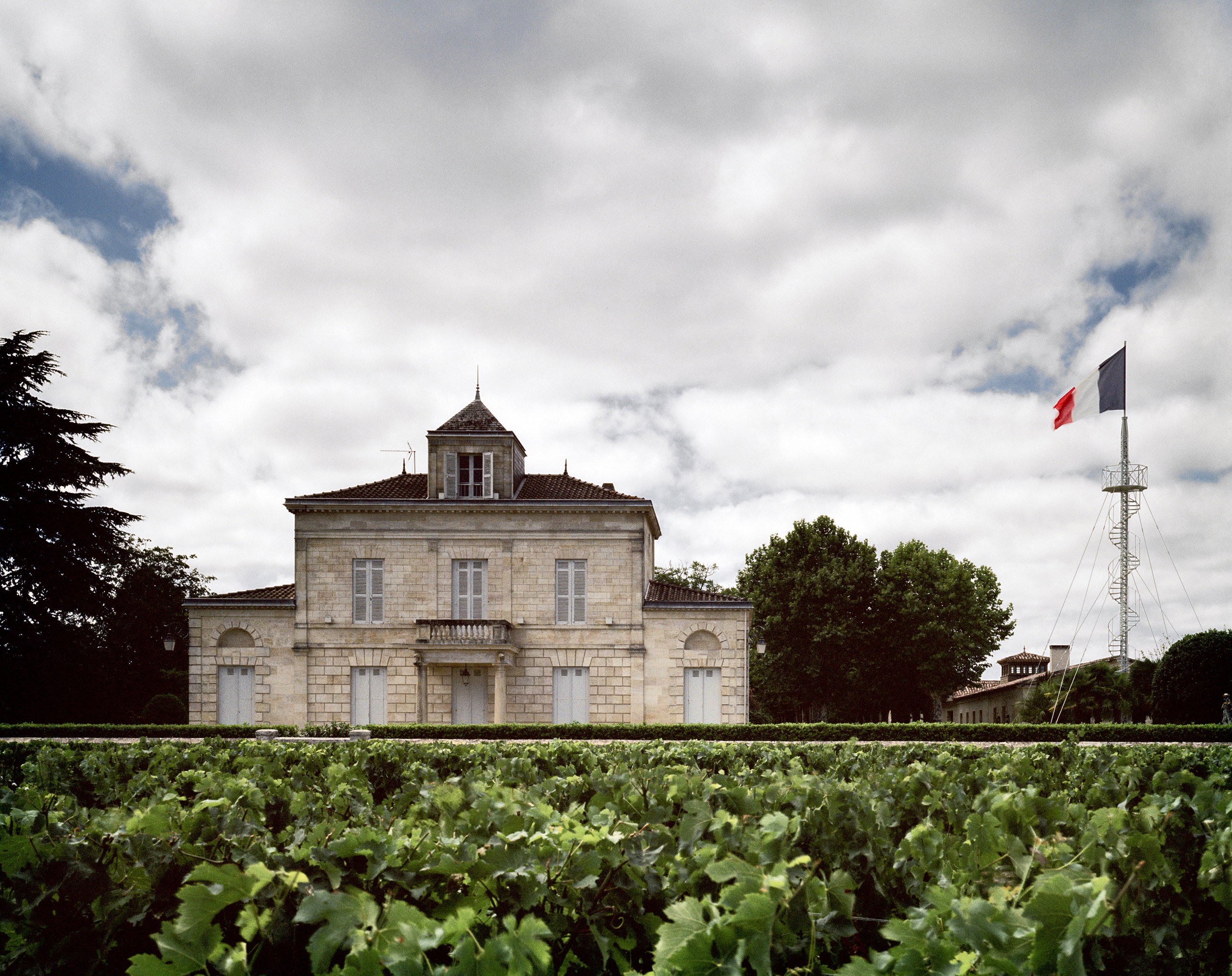
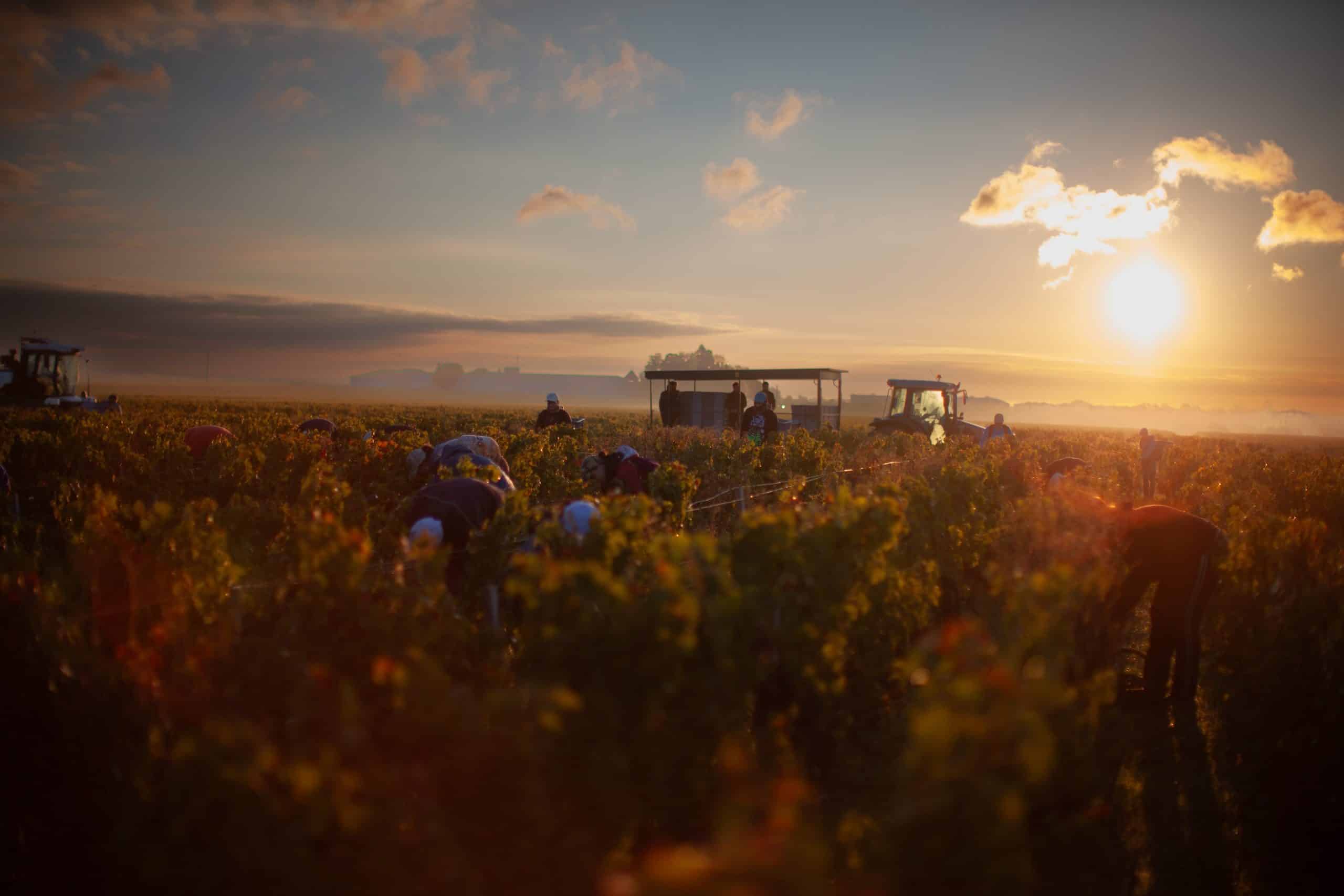
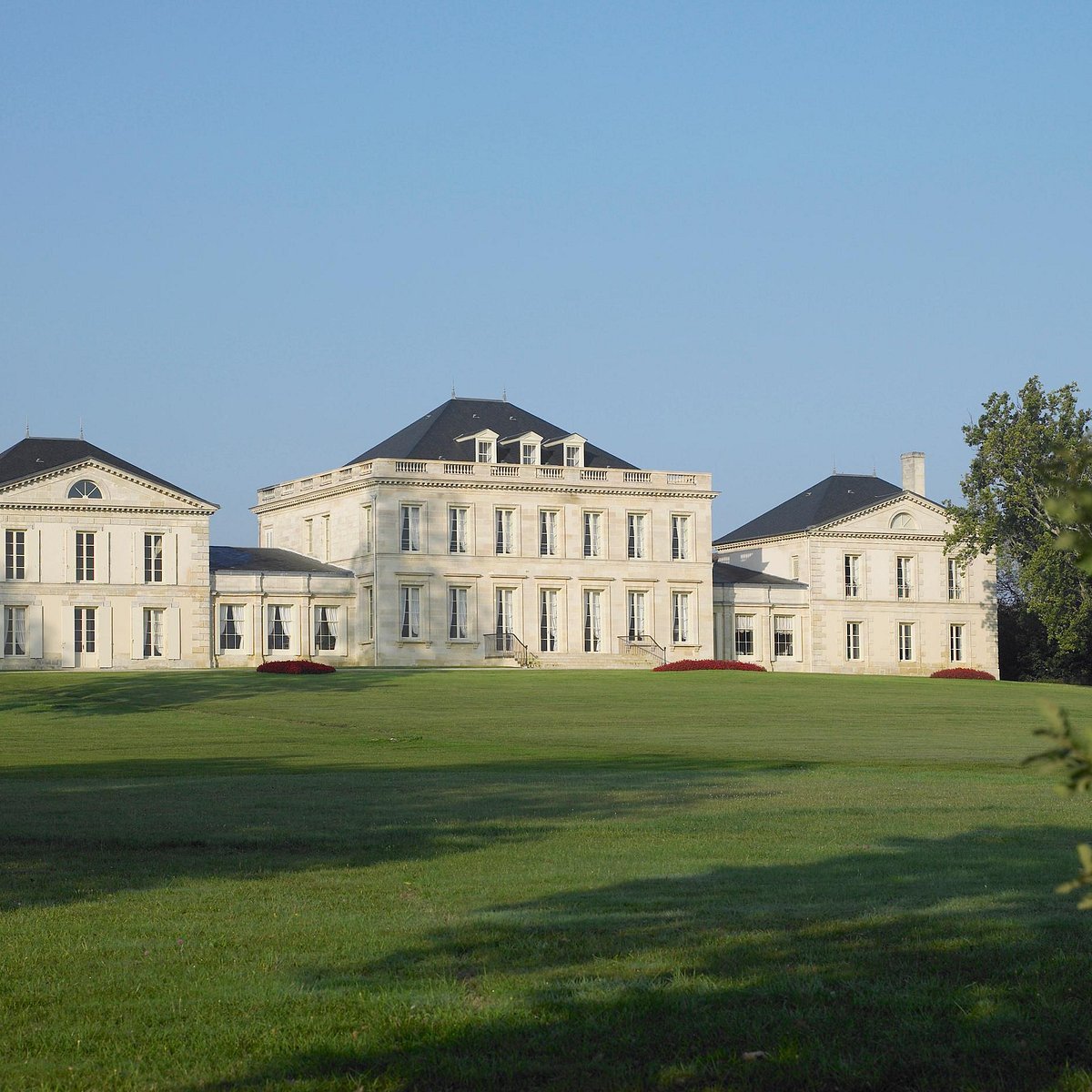
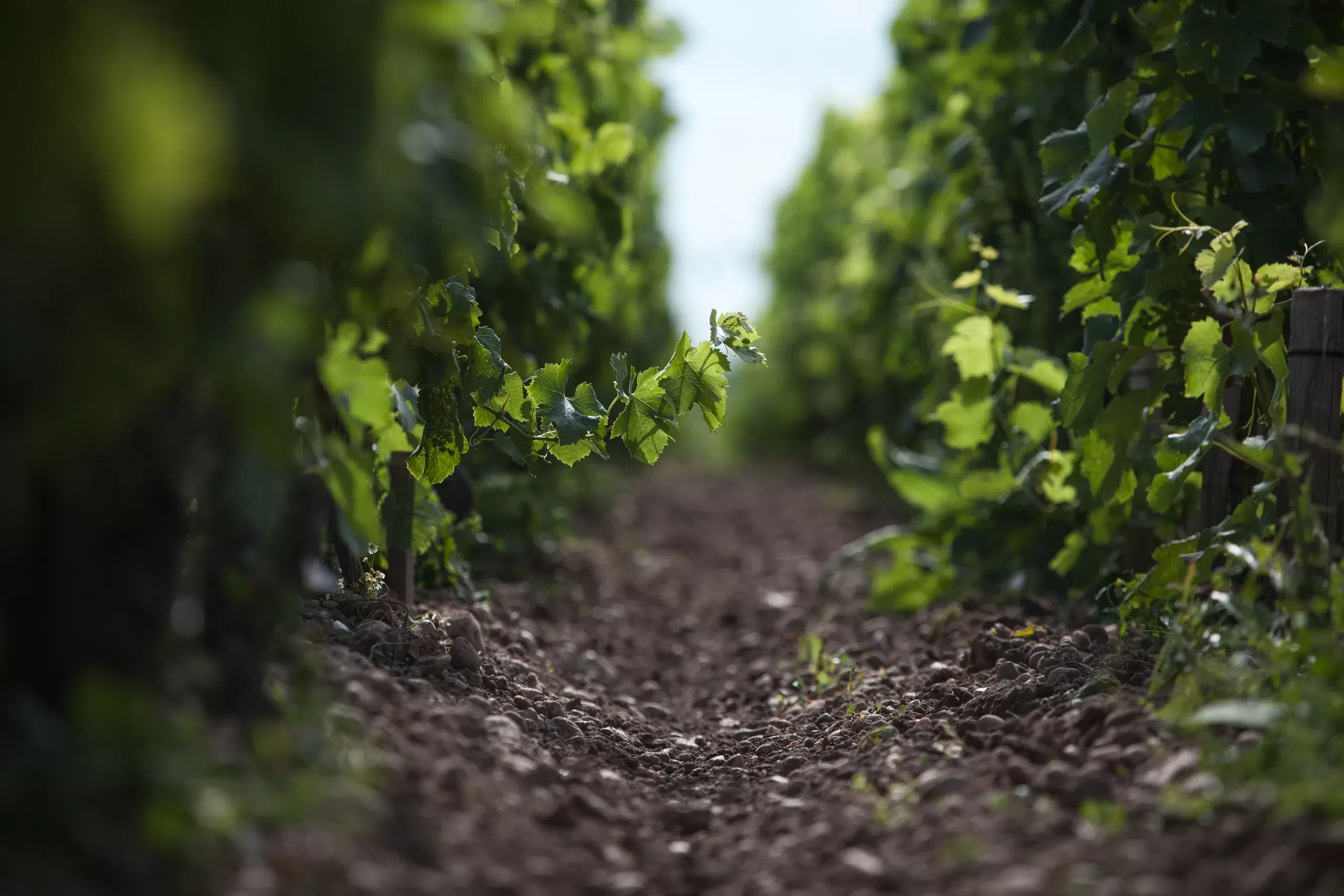
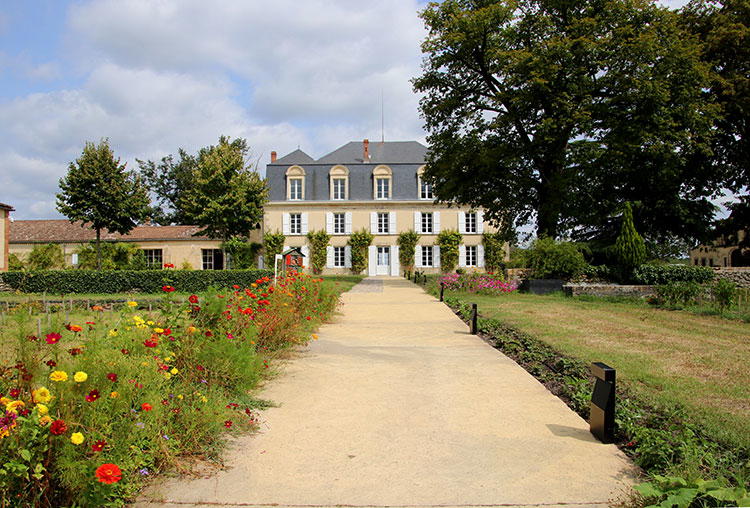
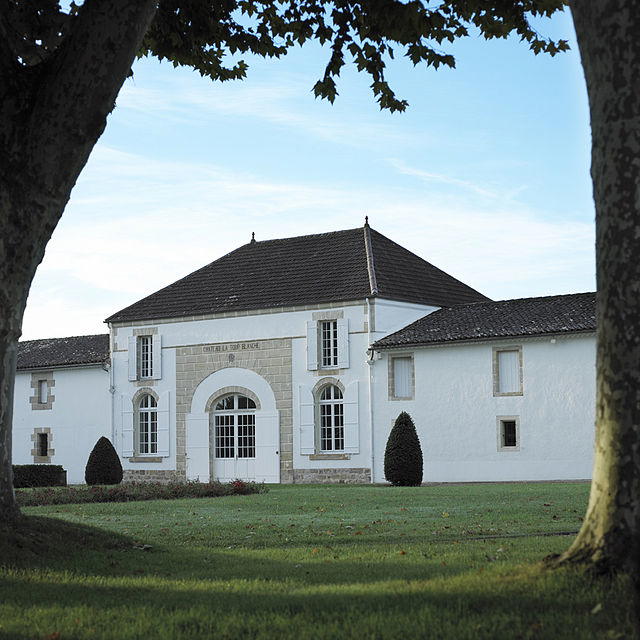
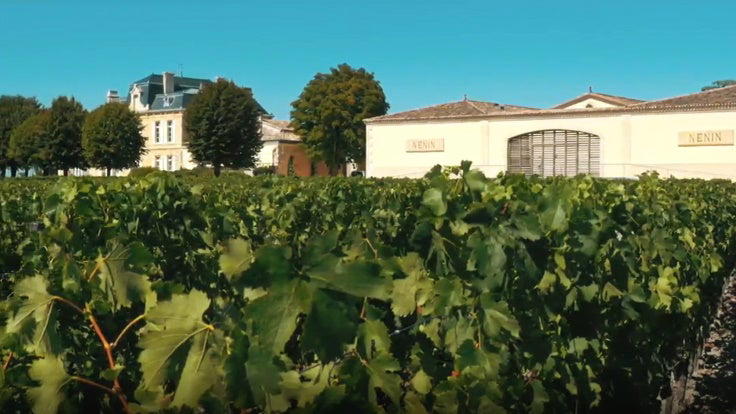
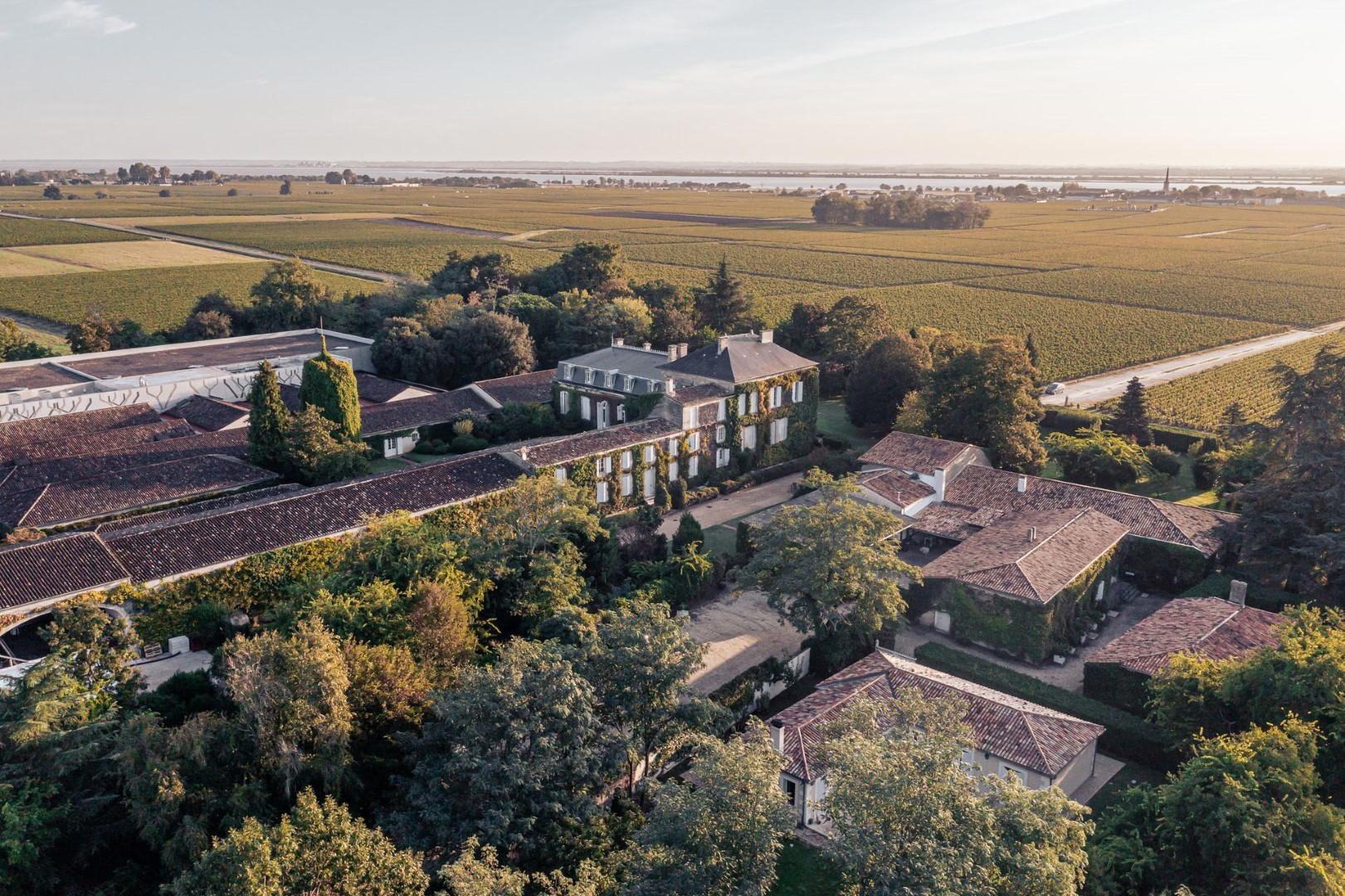
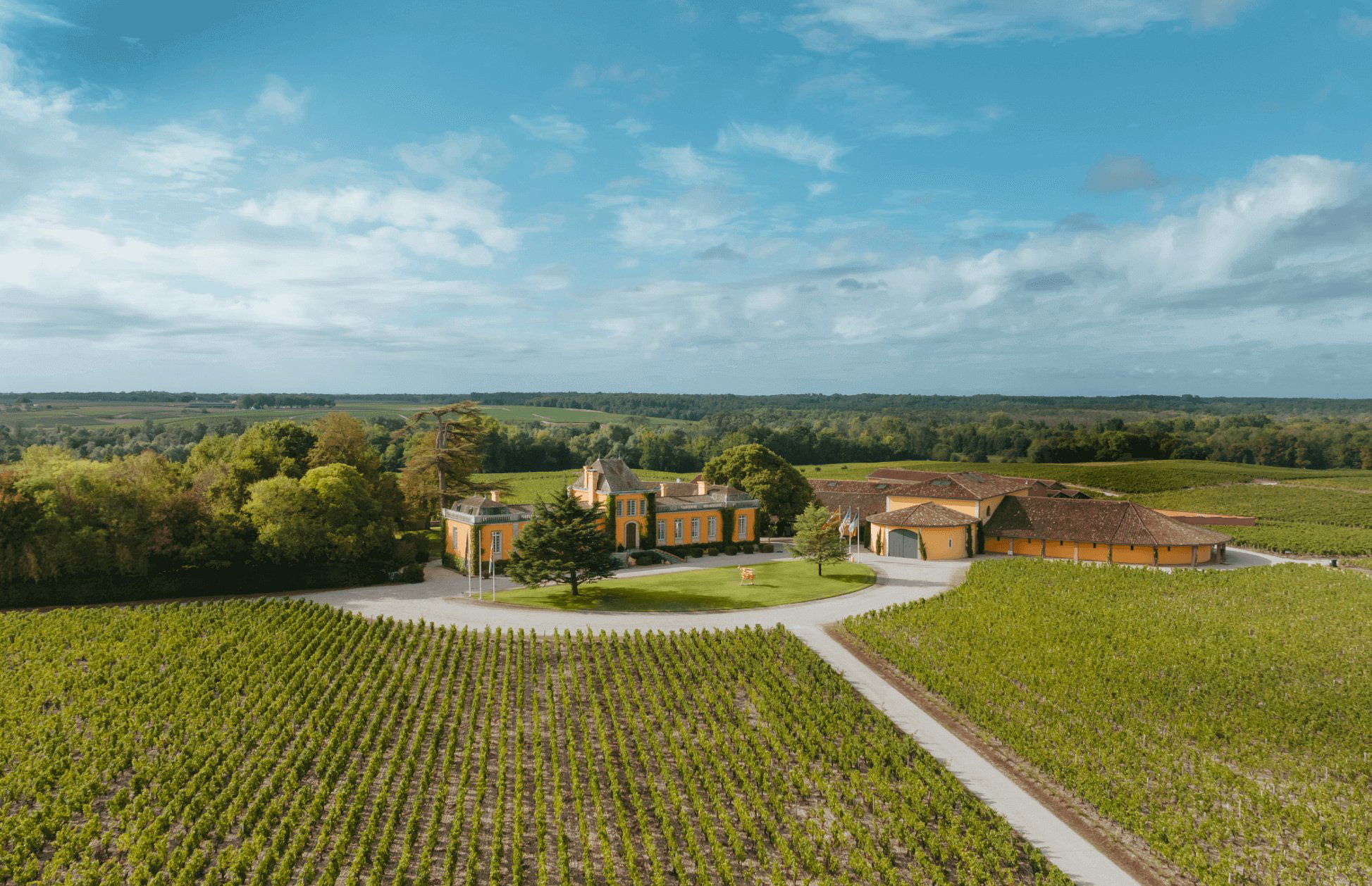
Château Lafon-Rochet reads as a working Médoc estate that prizes restraint over spectacle. The approach along the Rte de Blanquet gives way to vineyard rows stretching to the horizon and a modest chartreuse-style manor; the property feels purposeful rather than theatrical. That quiet, production-focused atmosphere aligns with Saint-Estèphe's character — heavier clay soils, firmer tannins and wines that reward patience. The overall mood is contemplative and sober: an estate for people who prize structure and provenance rather than showy aesthetics.
Best For
This estate is best for visitors who want to understand Saint-Estèphe in context and to study how soil and structure shape a wine’s destiny. The write-up frames Lafon-Rochet as a place for attentive tasting — learning about clay-rich soils, mineral grip and the slower phenolic development that gives these wines aging potential. It suits wine-education focused visits and collectors or enthusiasts who prioritize technical conversations about tannin architecture and maturation trajectories.
Tasting Tips
When engaging with Lafon-Rochet, steer conversations toward appellation context and vintage variation: ask how the estate's clay fractions influence ripening and tannin, and request older vintages or vertical comparisons to see the aging trajectory described in the text. Comparing Saint-Estèphe samples to neighboring Pauillac or Saint-Julien examples helps illustrate the darker fruit registers and firmer tannins noted here. Keep the focus on structure, provenance and cellaring potential rather than on bottle showmanship.
Venue details
Ambiance
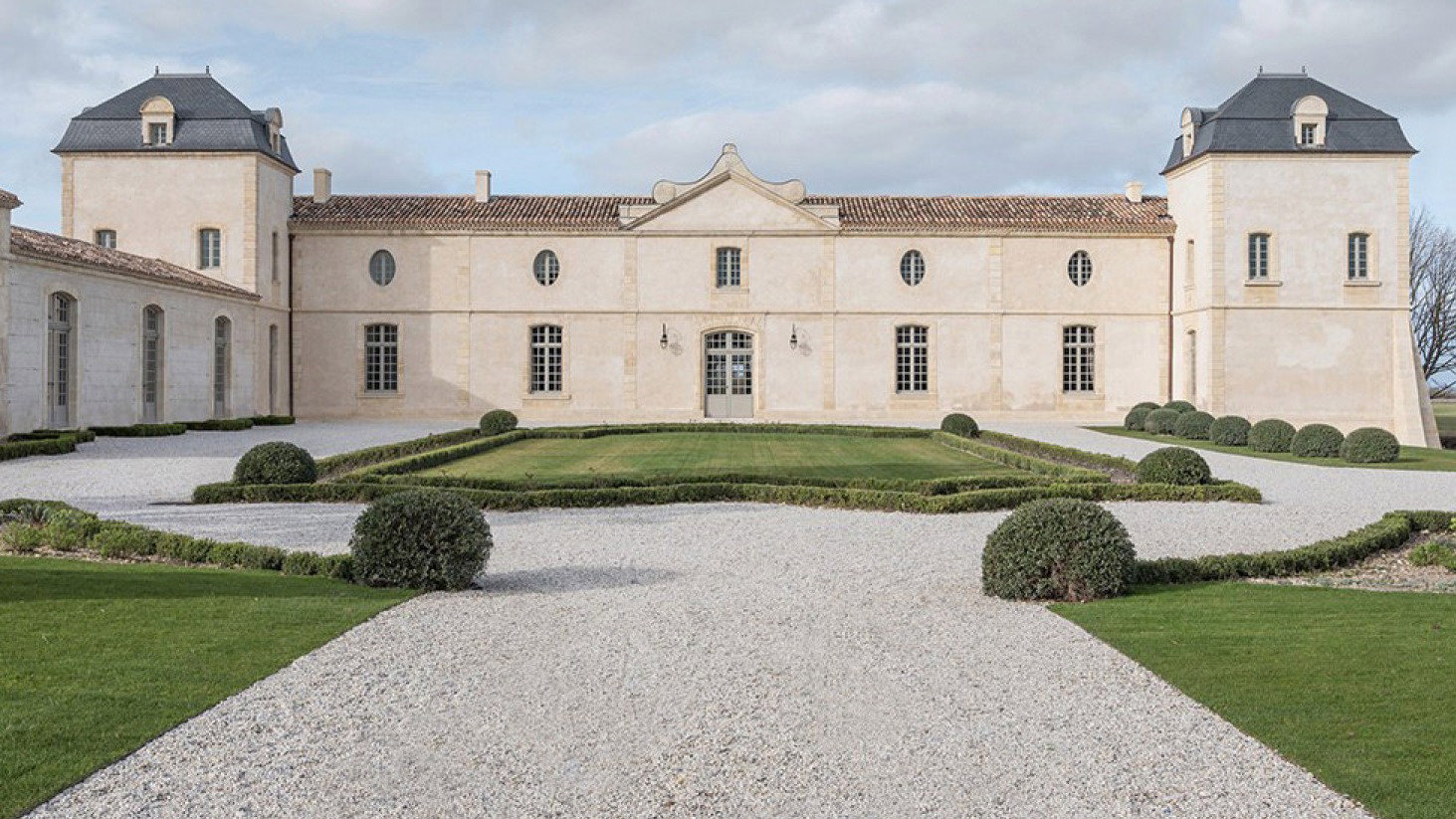
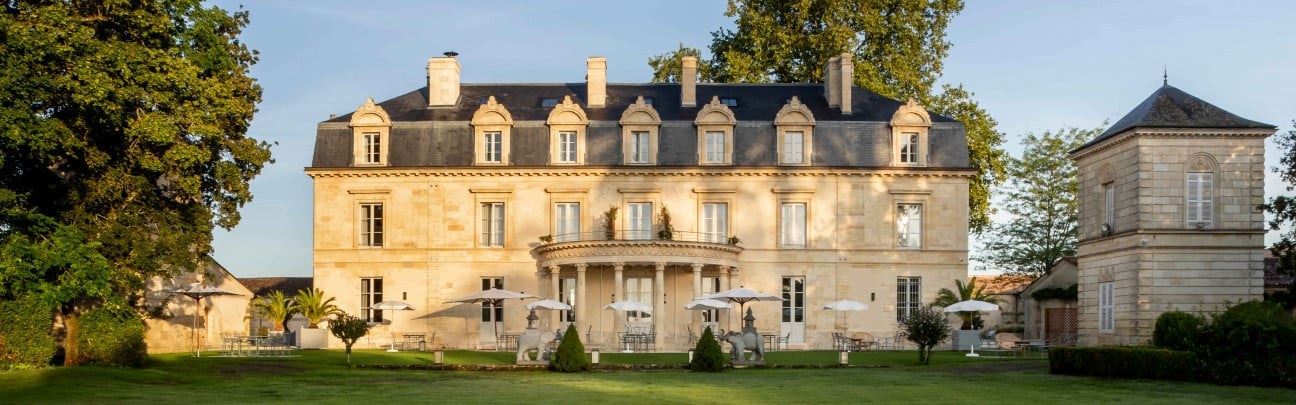
Elegant and sophisticated with a classic historic atmosphere enhanced by modernized cellars.
Tags
Vibe
Best For
Experience
Sourcing
View
At the Vineyard
- Appellation
- Saint-Estèphe
- Varietals
- Cabernet Sauvignon, Merlot, Petit Verdot, Cabernet Franc
- Tour Duration
- 60-90 minutes
- Visits
- By appointment only
- Farming
- Organic
- Wine Styles
- Still Red
- Wine Club
- Not available
Know before you go
Know Before You Go
- Getting there
- Rte de Blanquet, 33180 Saint-Estèphe
Planning details
Location
Recognition and awards

Also consider
Also Consider
- Château Cos d'Estournel, Notable alternative
- Chateau Lafite Rothschild, Notable alternative
- Château Haut-Marbuzet, Notable alternative
- Château Clerc Milon, Notable alternative
- Chateau Mouton Rothschild, Notable alternative
Winery context
How Château Lafon-Rochet compares in Saint-Estèphe
Choose Château Lafon-Rochet when the priority is a serious Saint-Estèphe stop with less emphasis on trophy optics. Château Cos d'Estournel is the stronger pick for visitors who want the more dramatic, high-recognition experience in the commune, while Château Haut-Marbuzet is the better cross-shop for travellers who want a more approachable Saint-Estèphe counterpoint.
For prestige-driven itineraries, Chateau Lafite Rothschild and Chateau Mouton Rothschild carry heavier name recognition, but they also shift the day away from a tight Saint-Estèphe focus. Château Clerc Milon is another useful comparison if the plan extends beyond the commune and the reader wants a broader Médoc route rather than a concentrated Saint-Estèphe day.
Value here is about itinerary quality, not a known tasting price. If the day is limited, book Lafon-Rochet with one nearby Saint-Estèphe peer rather than trying to stack multiple famous addresses. If the first choice is unavailable, cross-shop Cos d'Estournel for a more statement-making visit or Haut-Marbuzet for a gentler alternative in the same local frame.
Explore Saint-Estèphe
Around this place
Discover more on Pearl
Unlock the full Château Lafon-Rochet guide in Pearl, including awards, comparisons, FAQs, planning details, and nearby places.
Compare Château Lafon-Rochet
| Venue | Location | Awards |
|---|---|---|
| Château Lafon-Rochet | Saint-Estèphe | 2026 Michelin Grape Main Selection - Bordeaux2026 Falstaff Winery Guide |
| Château Cos d'Estournel | Saint-Estèphe | No published awards |
| Chateau Lafite Rothschild | Pauillac | 2026 Michelin 3 Grapes - Bordeaux2026 Falstaff Winery Guide2025 Pearl 5 Star Prestige |
| Château Haut-Marbuzet | Saint-Estèphe | 2026 Falstaff Winery Guide2026 Michelin 1 Grape - Bordeaux |
| Château Clerc Milon | Pauillac | 2026 Michelin 1 Grape - Bordeaux2026 Falstaff Winery Guide2025 Pearl 4 Star Prestige |
| Chateau Mouton Rothschild | Pauillac | 2026 Michelin 2 Grapes - Bordeaux2026 Falstaff Winery Guide2025 Pearl 5 Star Prestige2022 World's 50 Best Vineyards · #222021 World's 50 Best Vineyards · #362020 World's 50 Best Vineyards · #332019 World's 50 Best Vineyards · #39 |





How Château Lafon-Rochet Saint-Estèphe compares with similar nearby venues.
FAQ
Frequently Asked Questions
What other venues are near Château Lafon-Rochet?
The clearest Saint-Estèphe comparisons are Château Cos d'Estournel and Château Haut-Marbuzet. Chateau Lafite Rothschild, Château Clerc Milon, and Chateau Mouton Rothschild are better considered as part of a broader regional plan beyond Saint-Estèphe.
What is Château Lafon-Rochet known for?
Château Lafon-Rochet is a Saint-Estèphe venue with Pearl 3 Star Prestige recognition for 2025. It also has a smart-casual dress code.
Where is Château Lafon-Rochet located?
Château Lafon-Rochet is located in Saint-Estèphe.