


Château Nénin
Pomerol, Libourne
Winery in Libourne, France
 Book with Pearl
The Read
Outer Plateau Restraint
Why go
Book Château Nénin if the trip is built around serious Pomerol context rather than casual tasting. It suits collectors, special occasions, and business wine itineraries better than groups trying to fit in several quick stops, with 1869 heritage and Pearl 4 Star Prestige recognition in 2025 supporting the case.
About Château Nénin
For Château Nénin in Libourne, plan around a concise set of practical details: Jean-Hubert Delon is the chef/owner, the dress code is smart casual, and the venue holds 4 Star Prestige recognition for 2025.
The practical takeaway is to plan around that profile. Château Nénin is a Libourne venue with a smart-casual expectation, so it suits visitors who want a polished stop. For details on menus, visits, hours, pricing, or services, check the venue directly before building a detailed itinerary.
Prioritize it for a focused Libourne plan
Use Château Nénin as a named Libourne stop within a wider trip. Pair it with general research on Libourne dining, hotels, bars, wineries, and experiences, and check the venue directly for its current on-site format or service.
The 4 Star Prestige recognition in 2025 places Château Nénin in a notable planning category. The chef/owner is Jean-Hubert Delon, and the dress code is smart casual. Those details can help you decide whether it fits the tone of the day.
How to build the rest of the itinerary around it
If Château Nénin is the main named stop in the plan, keep the surrounding itinerary simple: leave enough time for travel within Libourne, choose other dining based on the group's needs, and check service details before relying on them. The safest approach is to confirm timing, format, and any practical requirements directly with the venue.
For travelers comparing prominent names in the wider wine landscape, points of reference may include Chateau Beauregard, Chateau Petrus, Château La Fleur Petrus, Château Trotanoy, and Vieux Château Certan. Use those comparisons to think about the tone of the trip rather than to assume that Château Nénin offers the same format, services, or visitor experience.
Planning details
- Location
- Château Nenin, 66 Rte de Montagne, 33500 Libourne
- Website
- domaines-delon.com
- Phone
- +33 5 57 51 00 01
The take
The Take
The Vibe
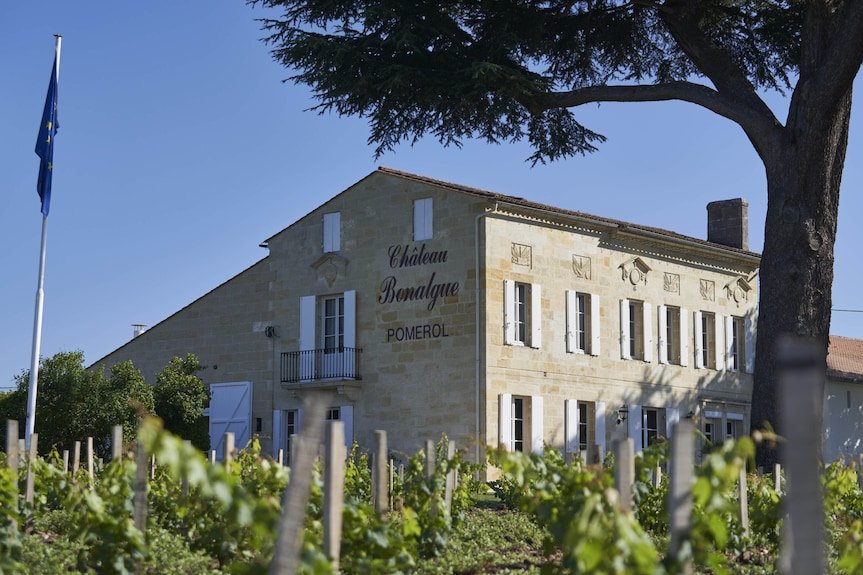
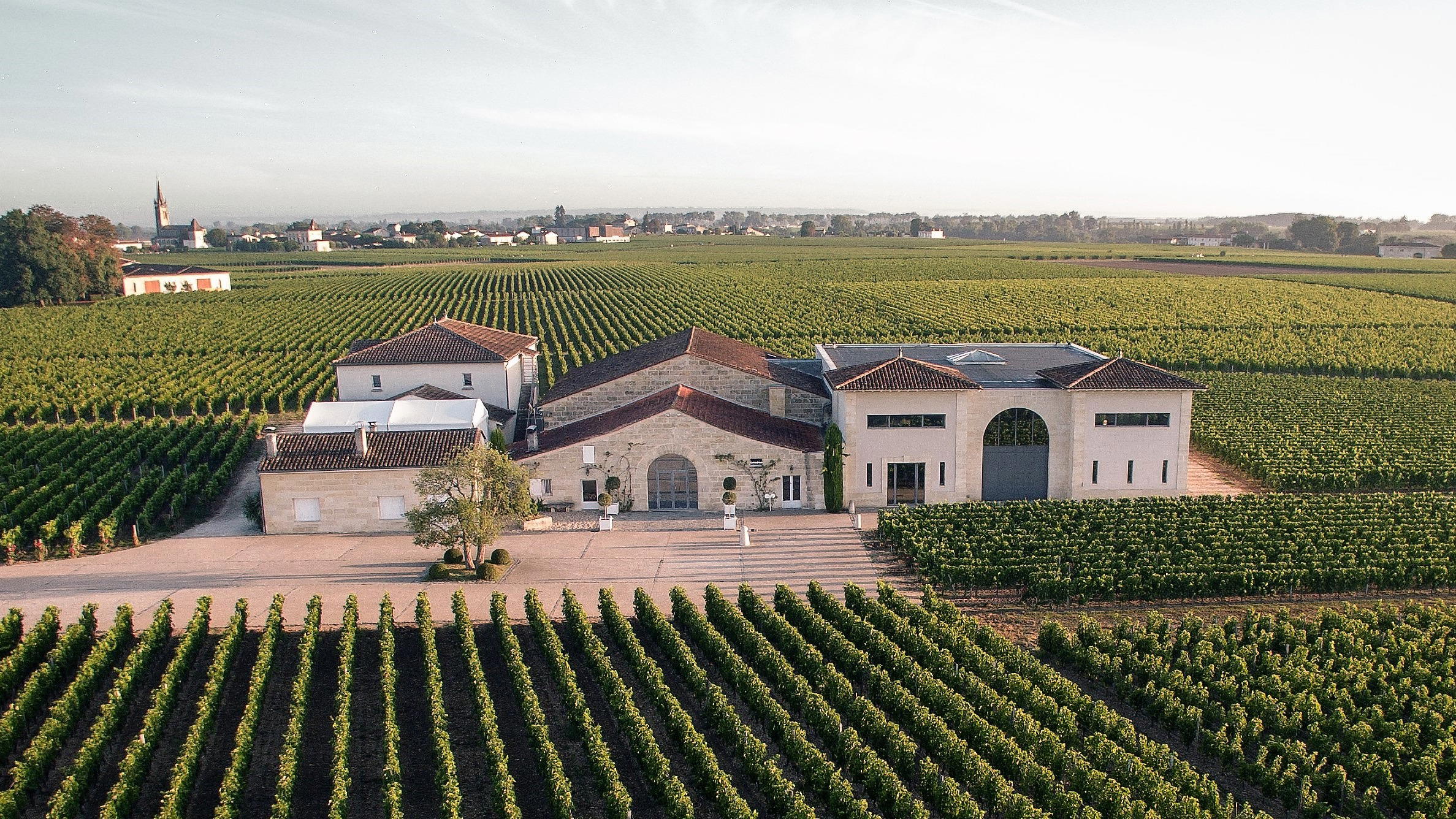
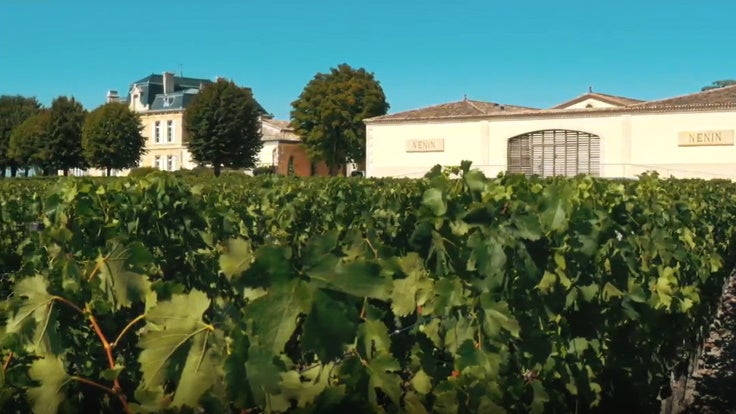
Château Nénin reads like a quietly authoritative Right Bank estate: unflashy in approach but steeped in history. The writing emphasizes the agricultural hush of the plateau rather than grand gates or theatrical arrival, and the narrative puts terroir front and center — gravel and clay soils that shape a plush, Merlot-driven Pomerol character. With continuous production dating back to 1869, the property carries a sense of historical continuity and understated refinement. Visitors and readers get a sense of a place defined by soil and lineage rather than spectacle, where calm landscape and long memory outweigh showy presentation.
Best For
This estate is best for people who come to learn about terroir and Right Bank style. The copy frames Nénin as a useful case study in how gravel-to-clay soils and Merlot-dominant plantings produce a rounder, fleshier Pomerol profile, and it contrasts that immediacy with the Médoc's restraint. That makes the property well suited to focused wine education, comparative tasting, or marking a thoughtful special occasion among fellow wine-interested guests. Expect a contemplative, terroir-forward experience rather than a theatrical visit.
Tasting Tips
When exploring Château Nénin, prioritize bottles that showcase the Merlot-led Pomerol blend and look for vintages that express the plateau’s gravel-to-clay transition. The description highlights wines with more flesh and immediate texture than austere Médoc styles, so seek examples noted for roundness and mid-palate density. Use labels and vintage notes to assess how a given year managed heat and moisture — the clay-retaining subsoil is described as moderating vine stress and shaping fuller-bodied results. Approach the wines with attention to texture and provenance rather than dramatic oak-driven cues.
Venue details
Ambiance
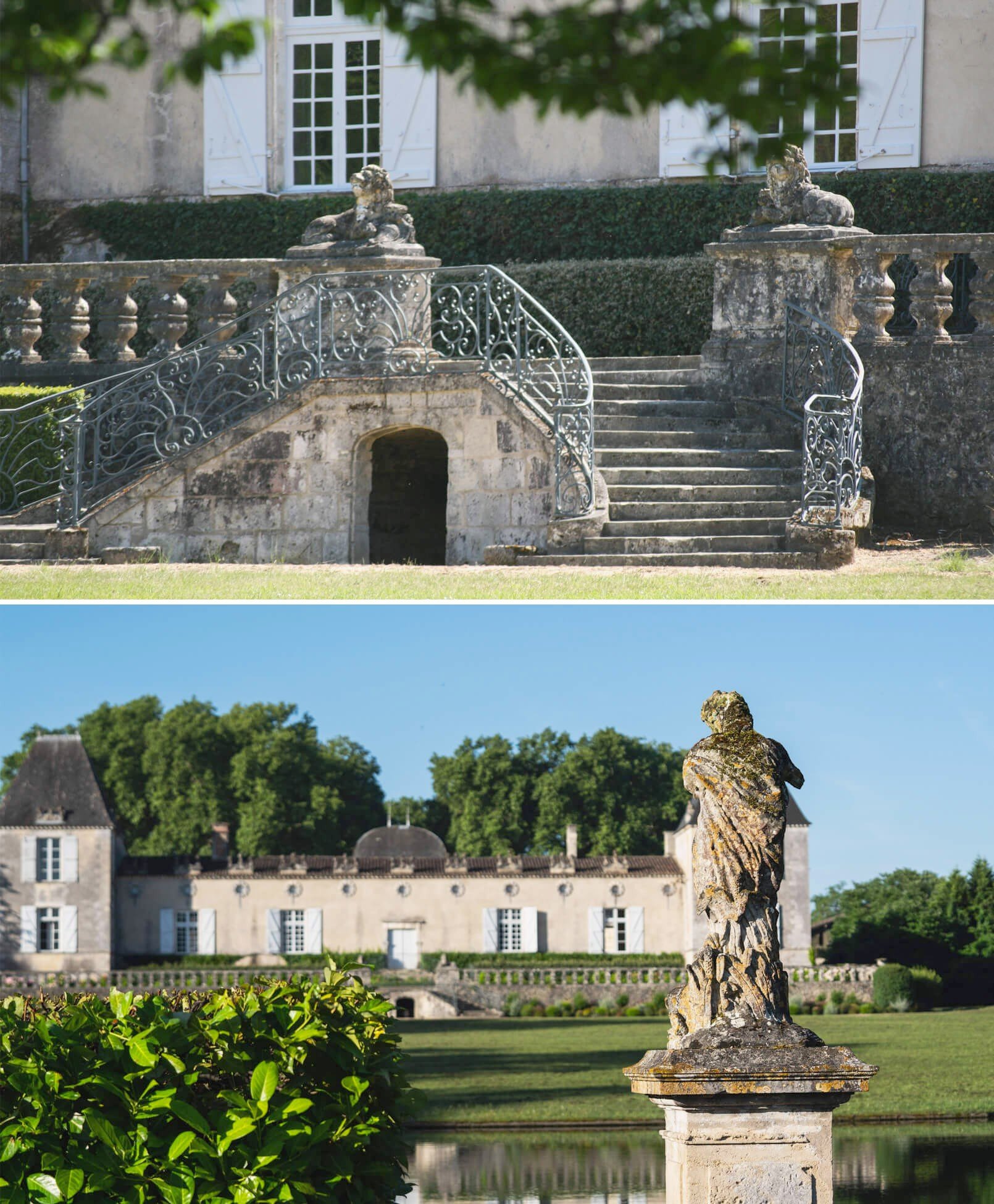
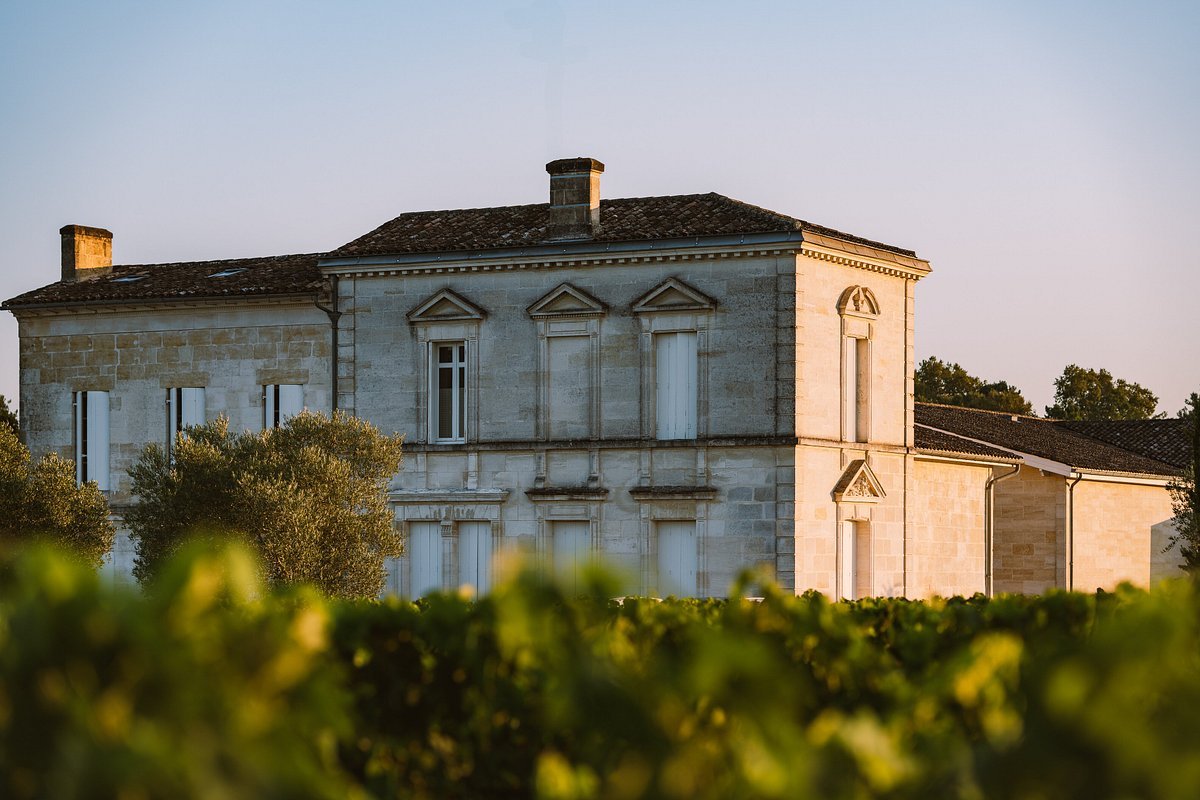
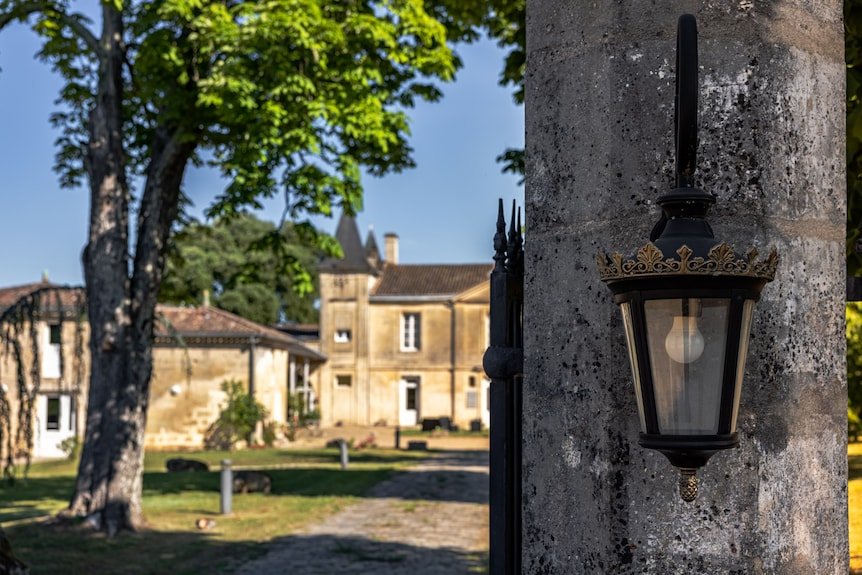
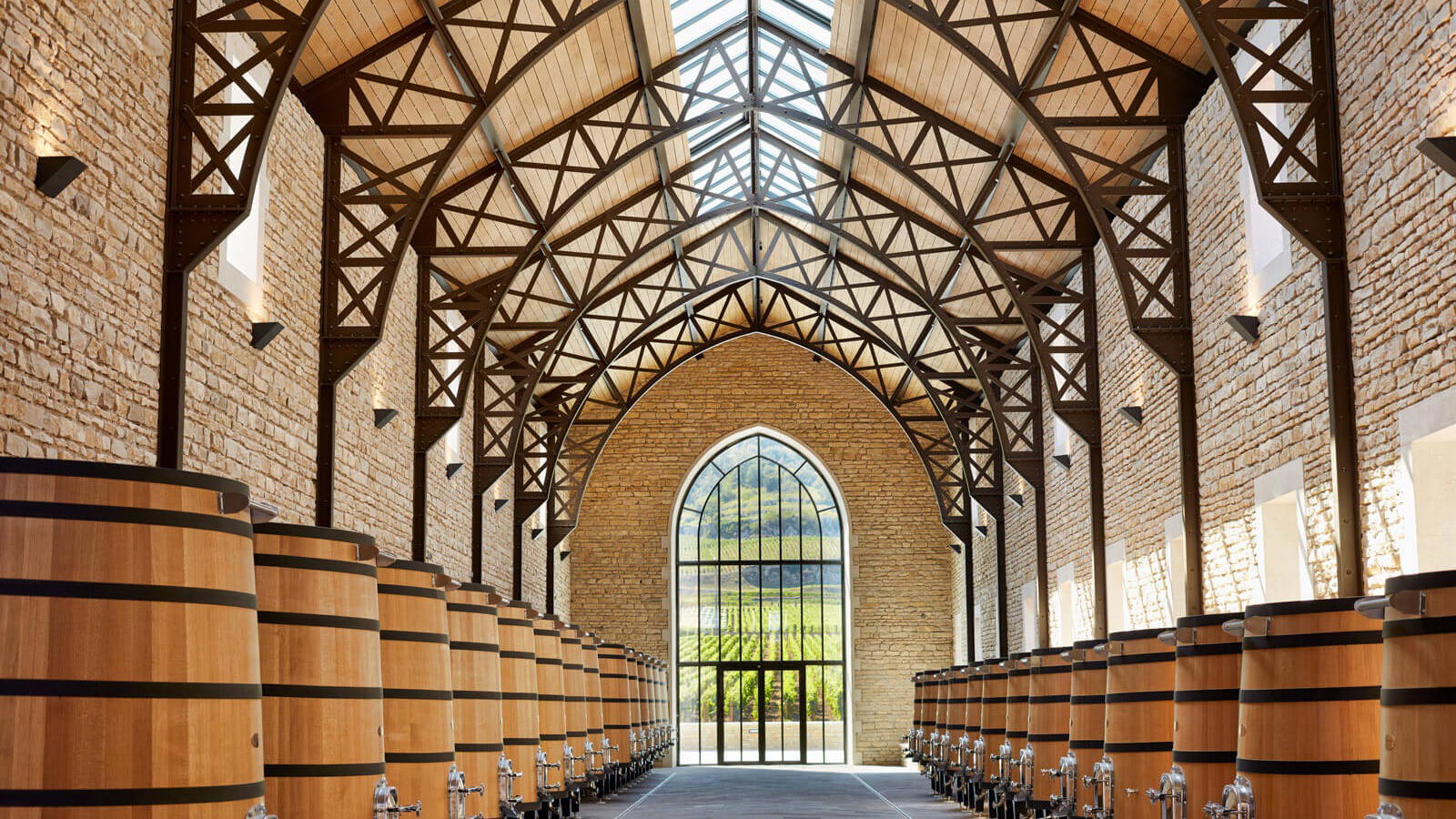
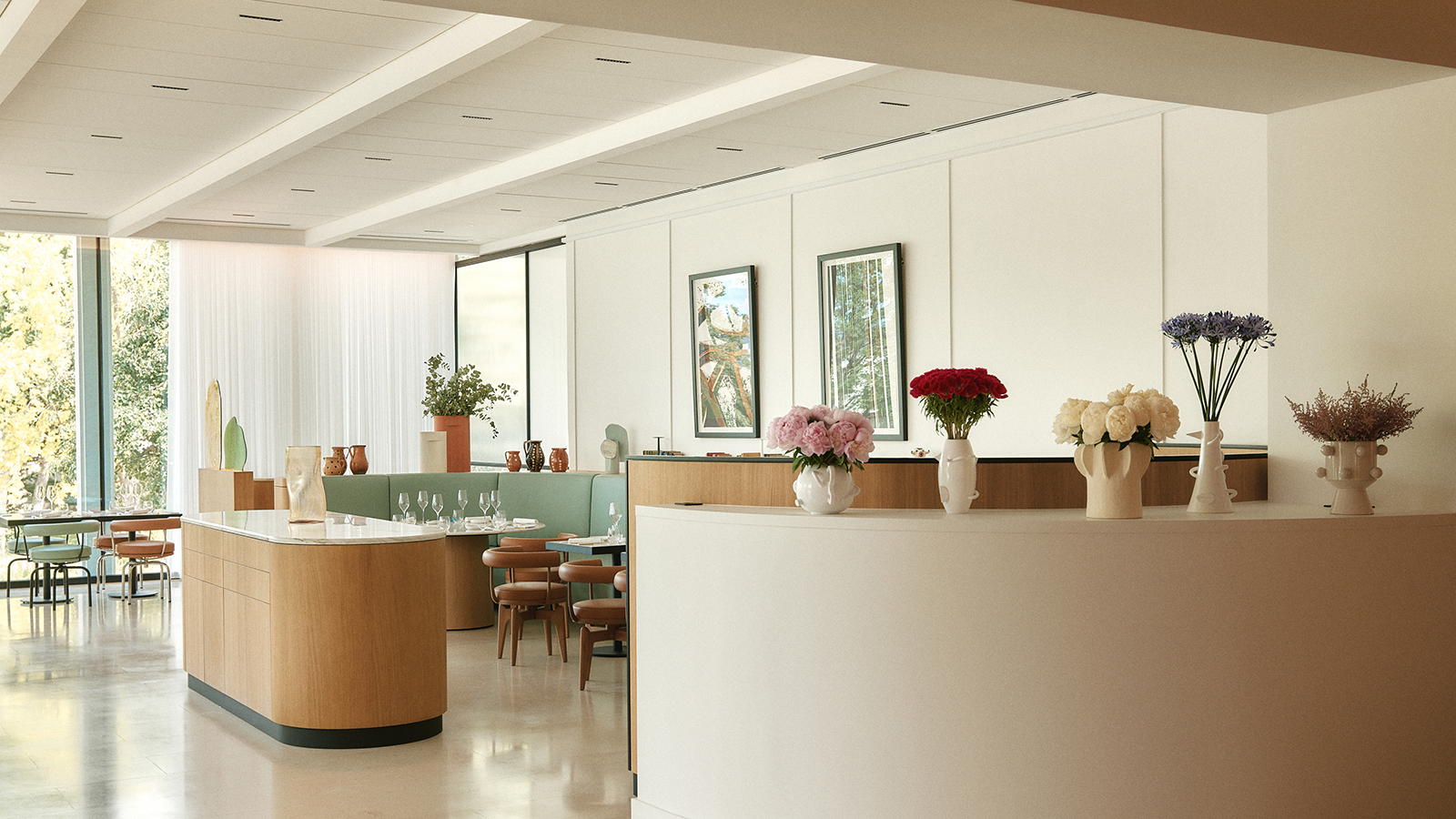
Classic and refined winery atmosphere with modernized facilities amid historic Pomerol vineyards.
Tags
Vibe
Best For
Experience
View
At the Vineyard
- Appellation
- Pomerol AOC
- Varietals
- Merlot, Cabernet Franc, Cabernet Sauvignon
- Visits
- By appointment only
- Wine Styles
- Still Red
- Wine Club
- Not available
Know before you go
Know Before You Go
- Getting there
- Château Nenin, 66 Rte de Montagne, 33500 Libourne
Planning details
Location
Recognition and awards

Also consider
If this is unavailable
Try Chateau Beauregard first if the group wants a more relaxed Pomerol-adjacent plan. For collectors who want to stay in the serious-name lane, Vieux Château Certan is the stronger alternate, though it should be treated as a difficult request rather than a backup with easy availability.
Winery context
How it compares with Libourne-area Pomerol peers
Château Nénin is the more measured choice for travelers who want prestige without making the whole itinerary revolve around a single trophy name. Chateau Petrus is the harder flex and the more difficult target; choose it only if access itself is the point. Château Trotanoy and Vieux Château Certan also sit in a more collector-coded lane, so they make sense for guests who already know the appellation and want a narrower, high-stakes comparison.
For a special occasion with less pressure around name recognition, Château Nénin is easier to justify than Château La Fleur Petrus if the goal is a polished Pomerol visit with historical depth rather than label-chasing. Chateau Beauregard is the better cross-shop for travelers who want a softer landing and a less trophy-driven day. In practical terms: choose Nénin for balance, Petrus for status, Trotanoy or Vieux Château Certan for collector focus, and Beauregard when ambiance and ease matter more than bragging rights.
Explore Libourne
Around this place
Discover more on Pearl
Unlock the full Château Nénin guide in Pearl, including awards, comparisons, FAQs, planning details, and nearby places.
Compare Château Nénin
| Venue | Location | Awards |
|---|---|---|
| Château Nénin | Libourne | 2026 Michelin Grape Main Selection - Bordeaux2026 Falstaff Winery Guide2025 Pearl 4 Star Prestige |
| Chateau Beauregard | Saint-Emilion | No published awards |
| Château Trotanoy | Pomerol | 2026 Michelin 1 Grape - Bordeaux2026 Falstaff Winery Guide2025 Pearl 3 Star Prestige |
| Vieux Château Certan | Pomerol | 2026 Michelin 2 Grapes - Bordeaux2026 Falstaff Winery Guide2025 Pearl 4 Star Prestige |
| Château La Fleur Petrus | Pomerol | No published awards |
| Chateau Petrus | Pomerol | 2026 Michelin 3 Grapes - Bordeaux2026 Falstaff Winery Guide2025 Pearl 5 Star Prestige |



How Château Nénin Libourne compares with similar nearby venues.
FAQ
Frequently Asked Questions
Can Château Nénin handle large groups?
If you are planning for several guests, contact Château Nénin directly to ask whether the venue can accommodate the group and what arrangements are required. The dress code is smart casual.
What are the key details for Château Nénin?
Jean-Hubert Delon is the chef/owner, the dress code is smart casual, and Château Nénin holds 4 Star Prestige recognition for 2025. For wine, menu, tasting, pricing, or service details, contact the venue directly.
When is the best time to visit Château Nénin?
Plan only after confirming timing directly with Château Nénin. The location is Libourne.
How should I compare Château Nénin with other names in the area?
Château Trotanoy and Vieux Château Certan may be useful reference points in the wider wine landscape, but check Château Nénin's own current offering directly before making plans.
How long should I plan for a visit to Château Nénin?
Does Château Nénin serve food?
If you need a meal before or after, plan around other dining in Libourne unless Château Nénin confirms dining arrangements directly.