


Château Beychevelle
Saint-Julien, Saint-Julien-Beychevelle
Winery in Saint-Julien-Beychevelle, France
 Book with Pearl
The Read
Médoc Gravel Precision
Why go
Prioritise Château Beychevelle if the goal is a serious Saint-Julien anchor with deep historical context, not a casual tasting stop. The value is in prestige, estate setting, and left-bank focus; travellers who want easier access or a broader day of comparisons should cross-shop Château Gloria, Château Branaire Ducru, or Château Saint-Pierre.
About Château Beychevelle
Château Beychevelle is a venue in Saint-Julien-Beychevelle with Philippe Blanc listed as chef/owner. Practical details are limited, so it is best approached with a careful planning mindset rather than with fixed expectations. The safest way to plan is to check directly with the venue before committing to a visit, especially if the stop needs to fit into a tightly organised day. Treat the information as a useful starting point, not as a complete guide to what will be available when you arrive.
Pearl recognises Château Beychevelle with 4 Star Prestige in 2025. That recognition gives the venue a clear marker for consideration, while still leaving several practical questions open. The dress code is smart casual, which points toward a polished but not overly formal approach to what you wear. If the visit matters to the shape of your itinerary, it is still worth confirming any current expectations directly, so the dress code and overall visit plan are aligned before you travel.
Plan for a Saint-Julien-Beychevelle stop, not assumptions
The strongest grounded reason to keep Château Beychevelle on a shortlist is its Saint-Julien-Beychevelle identity and 2025 Pearl 4 Star Prestige recognition. Those are the reliable anchors for planning. Beyond that, specific claims about formats, menus, prices, hours, or other practical details should be checked directly with the venue. That distinction matters: the name and recognition may be enough to justify interest, but they should not be stretched into assumptions about the exact experience. A good plan here is one that separates what is known from what still needs checking.
If you are comparing options, keep the decision practical. Château Beychevelle can be considered alongside Château Branaire Ducru, Château Ducru-Beaucaillou, Château Gloria, and Château Saint-Pierre, depending on what is available and what fits your schedule. The comparison should be built around current availability and your own route rather than around unsupported expectations. In a plan where several names may be relevant, the best choice is often the one whose current details are clearest for the day you intend to visit. Château Beychevelle therefore works best as a candidate to check, not as a stop to assume will fit every itinerary automatically.
Who should choose this among comparison venues
Choose Château Beychevelle if you want a Saint-Julien-Beychevelle venue with Pearl 4 Star Prestige recognition for 2025 and a smart casual dress code. That combination gives you a concise reason to place it on the list, particularly if your planning is centred on Saint-Julien-Beychevelle itself. Château Doisy-Védrines may suit a different plan, while Château Branaire Ducru, Château Ducru-Beaucaillou, Château Gloria, and Château Saint-Pierre are natural names to compare when shaping an itinerary. The point is not to rank them without more information, but to use them as a practical comparison set while you establish what is actually possible for your chosen day.
The practical recommendation is simple: check current details before building a day around the visit. Use broader planning resources to compare options and plan the rest of the visit without relying on unsupported assumptions. If Château Beychevelle remains the most convenient and best fit after that checking process, it becomes a stronger choice. If another option has clearer availability for your schedule, that may make more sense. In either case, the sound approach is the same: start with the Saint-Julien-Beychevelle identity, the 2025 Pearl 4 Star Prestige recognition, and the smart casual dress code, then check every practical detail that would affect the visit before making firm plans.
Planning details
- Location
- Château Beychevelle, 33250 Saint-Julien-Beychevelle
- Website
- beychevelle.com
- Phone
- +33 5 56 73 20 70
The take
The Take
The Vibe
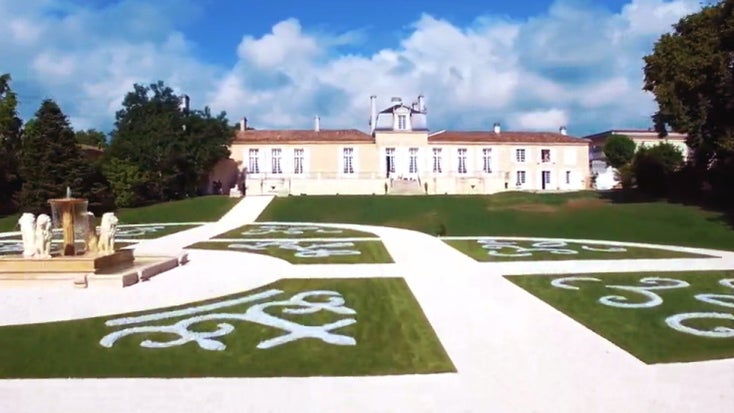
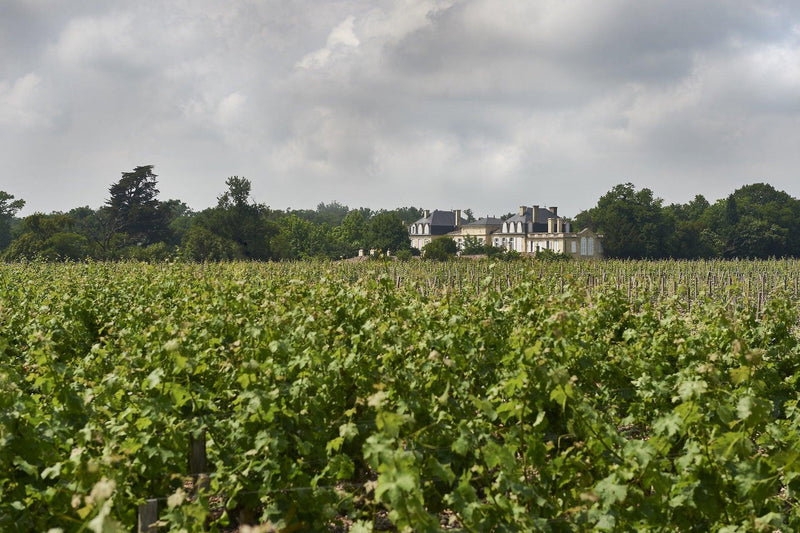
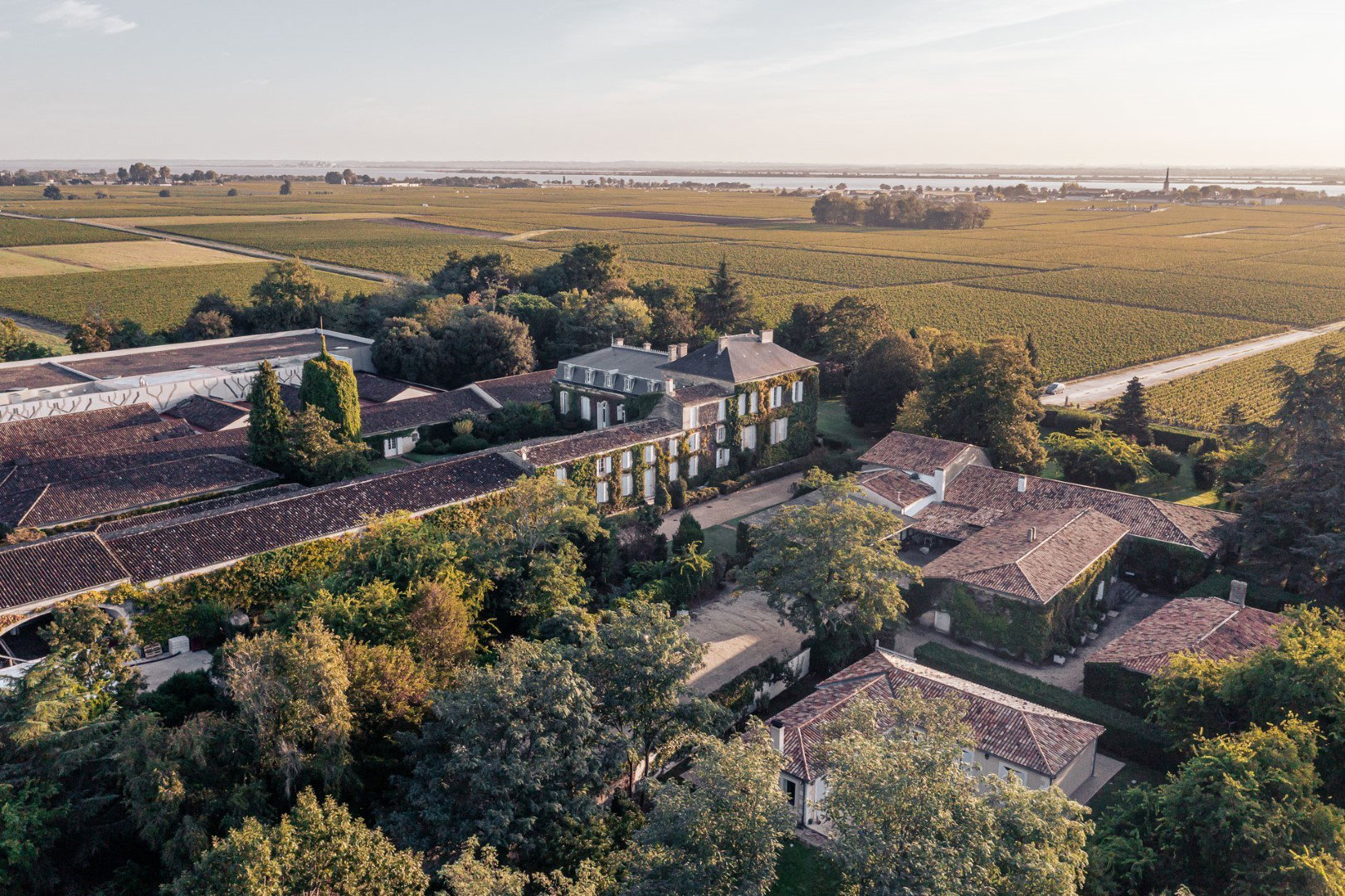
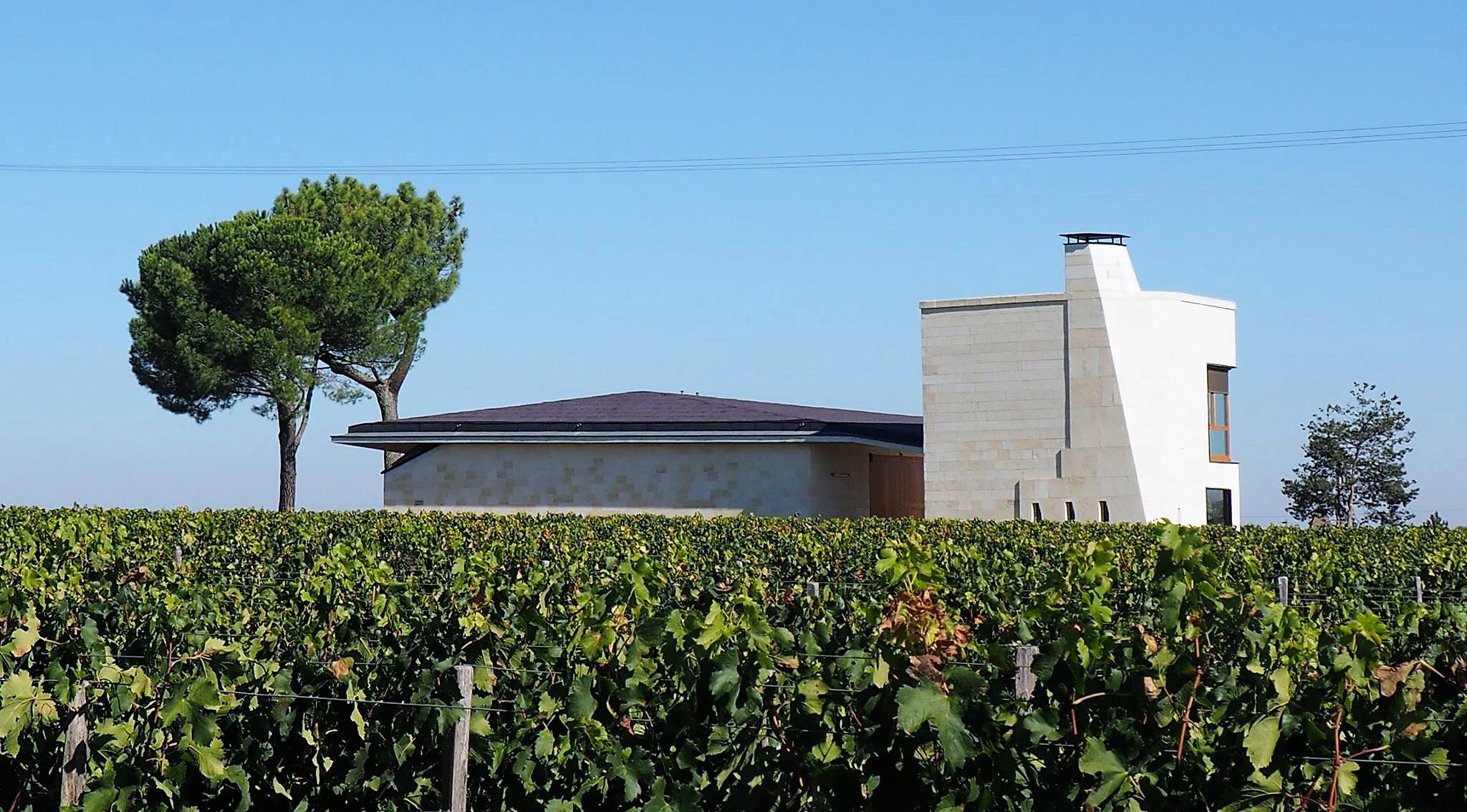
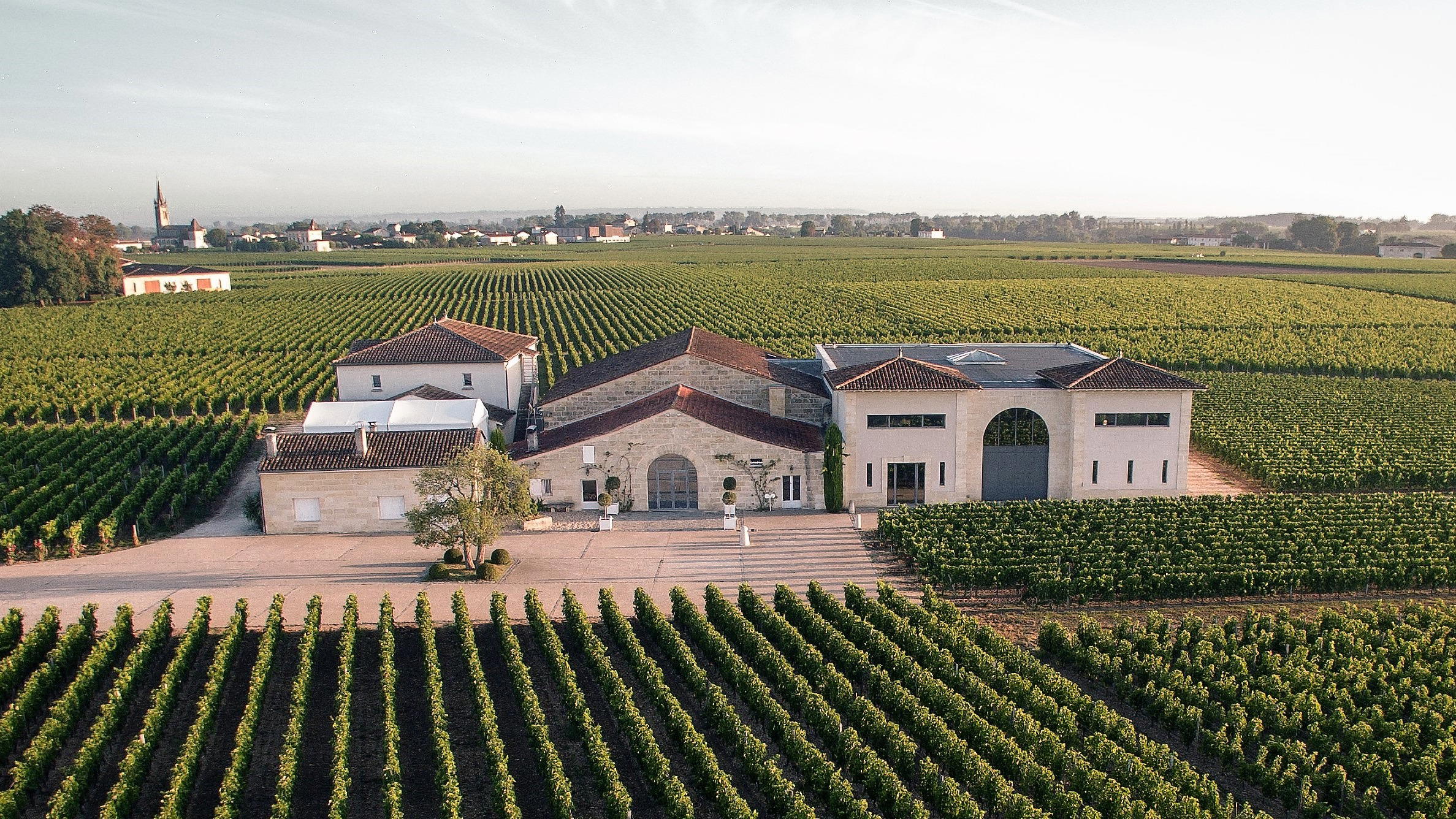
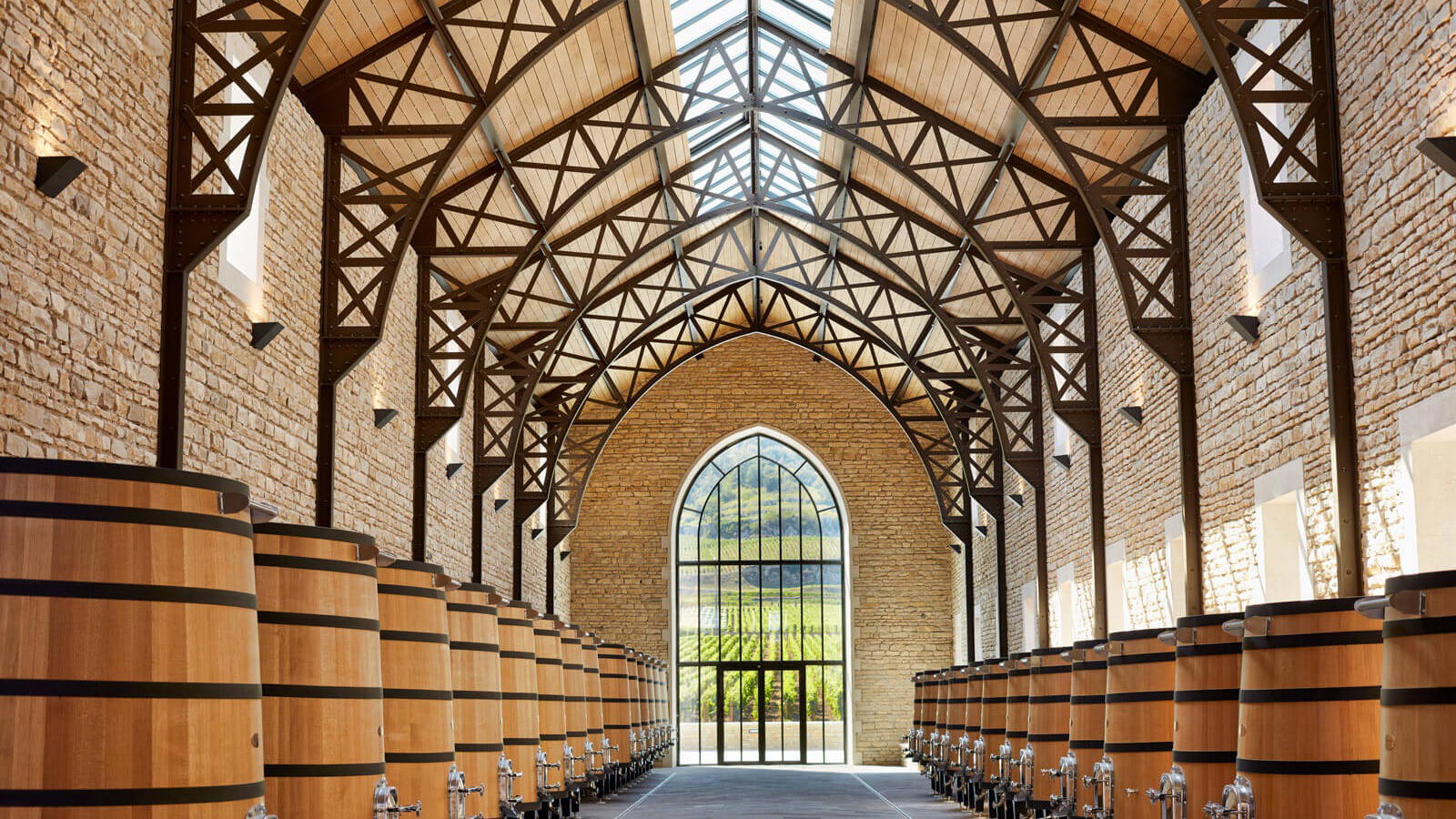
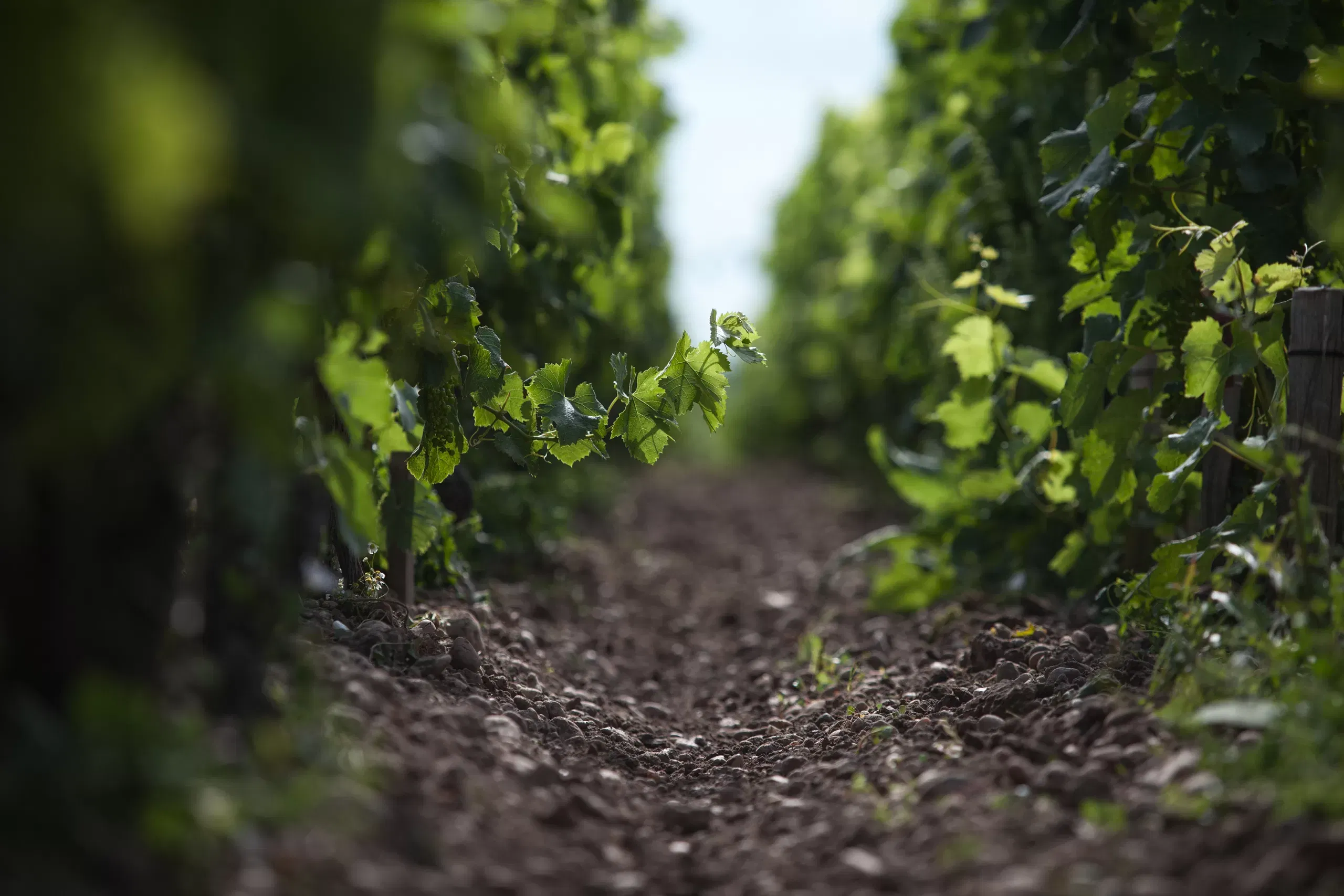
Château Beychevelle reads like a historic maritime estate: centuries of continuous production sit alongside gravel terraces that look straight to the Gironde. The description foregrounds terroir first — deep Günzian and Mindel gravels over clay and limestone — and the river’s moderating influence, so the property feels both rooted and geographically explicative. Visiting the grounds or reading the wines offers a sense of long-term stewardship rather than flash; the narrative is focused on geological logic and accumulated observation, so the overall impression is timeless, considered and quietly dramatic rather than trendy or ephemeral.
Best For
This estate is best experienced as a place for learning and thoughtful celebration. The text frames Beychevelle as a case study in left-bank logic — drainage, gravel terraces and the Gironde’s tempering effect — which makes it especially suited to wine-education outings, technical tastings and visits where terroir is the topic. Its standing in Saint-Julien and deep archival continuity also make it appropriate for special occasions where a sense of history and place enhances the moment, rather than casual drop-ins focused only on novelty.
Tasting Tips
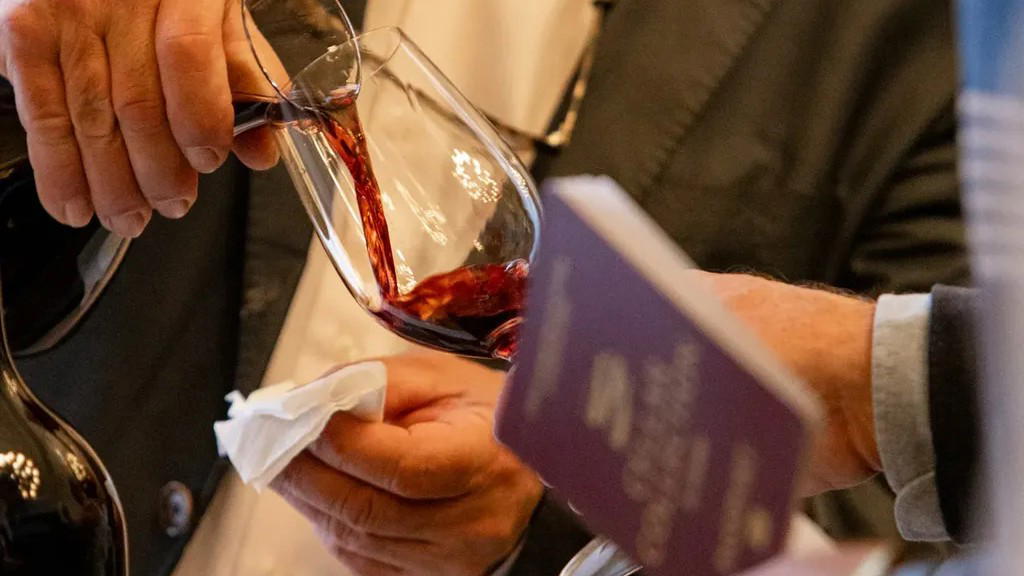
When choosing a bottle from Beychevelle, look for the estate’s Cabernet-led Saint-Julien expressions that balance suppleness with structural precision — the description contrasts the softer left-bank coastal influence here with the firmer Pauillac style. Ask about wines from the higher, well-drained gravel parcels; the copy emphasizes that those terraces retain concentration in wet years. On a tasting, pay attention to the maritime lift and mineral tension that reflect the estate’s proximity to the Gironde, rather than searching for overtly extracted or high-alcohol profiles.
Venue details
Ambiance
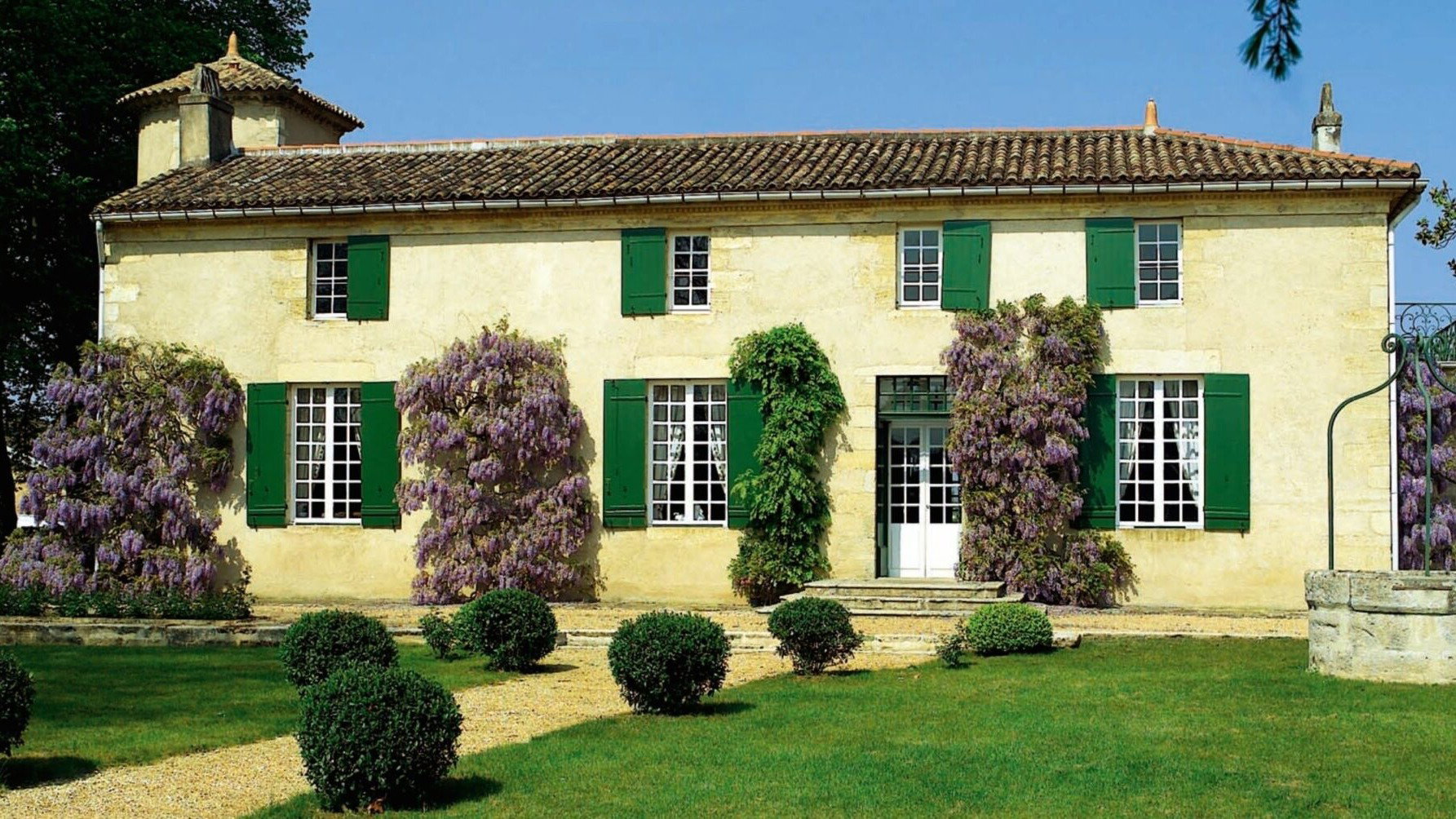
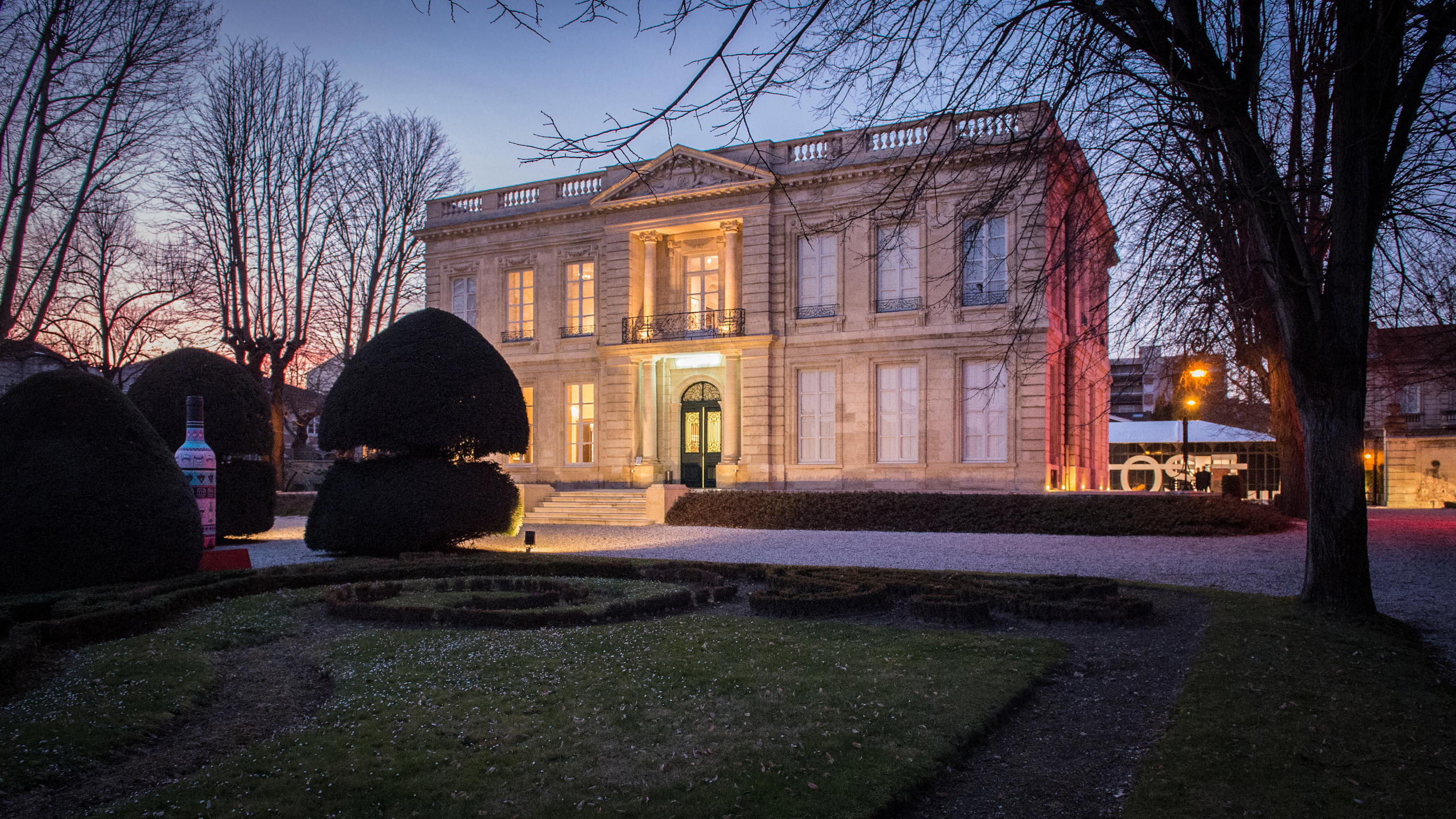
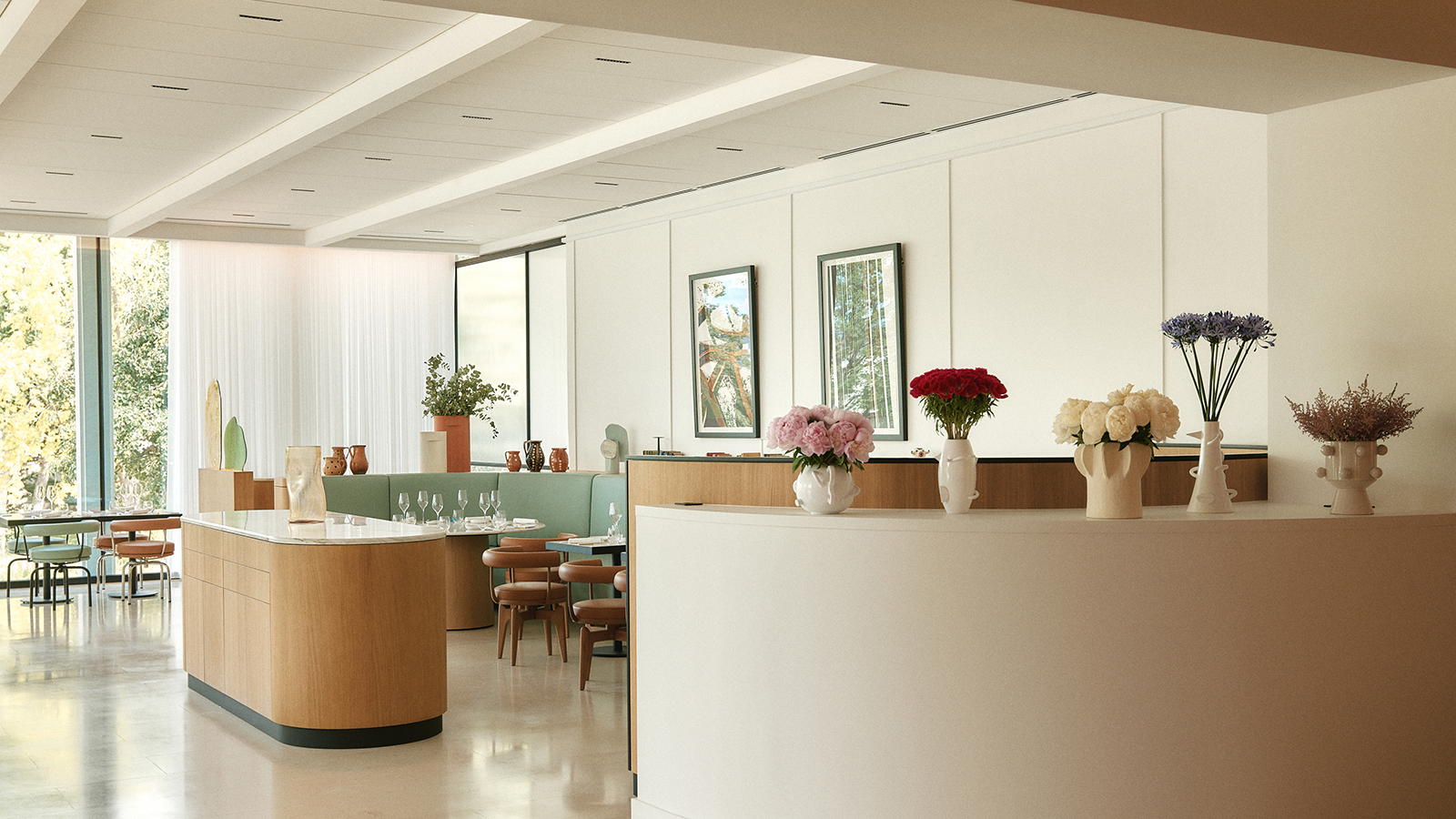
Elegant and sophisticated with a classic, historic atmosphere steeped in tradition and precision.
Tags
Vibe
Best For
Experience
View
At the Vineyard
- Appellation
- Saint-Julien
- Varietals
- Cabernet Sauvignon, Merlot, Petit Verdot, Cabernet Franc
- Tour Duration
- 60-90 minutes
- Visits
- By appointment only
- Wine Styles
- Still Red
- Wine Club
- Not available
Know before you go
Know Before You Go
- Getting there
- Château Beychevelle, 33250 Saint-Julien-Beychevelle
Planning details
Location
Recognition and awards

Also consider
Where to look if this is full
Try Château Gloria first if the goal is staying in Saint-Julien-Beychevelle with less pressure around access. Château Branaire Ducru is the stronger fallback for travellers who still want a serious left-bank comparison and are building a producer-focused day.
Winery context
How it compares in and around Saint-Julien-Beychevelle
Château Beychevelle is the choice for travellers who want a high-prestige Saint-Julien anchor and are willing to work around difficult access. Château Gloria is the more practical cross-shop if the priority is a less formal day in the same village context, while Château Branaire Ducru suits travellers who want another serious left-bank comparison without making the day feel built around one address.
For quality-of-experience, Beychevelle is strongest when ambiance and historical depth matter as much as the tasting itself. Château Ducru-Beaucaillou is the natural peer for a prestige-led itinerary, while Château Saint-Pierre is better for travellers trying to compare classified-growth Saint-Julien styles across a tighter schedule.
Château Doisy-Védrines is the outlier comparison: choose it when the trip needs a different Bordeaux category rather than another Médoc red reference. If the day is only about Saint-Julien, keep the focus on Beychevelle, Gloria, Branaire Ducru, Ducru-Beaucaillou, and Saint-Pierre.
Explore Saint-Julien-Beychevelle
Around this place
Discover more on Pearl
Unlock the full Château Beychevelle guide in Pearl, including awards, comparisons, FAQs, planning details, and nearby places.
Compare Château Beychevelle
| Venue | Location | Awards |
|---|---|---|
| Château Beychevelle | Saint-Julien-Beychevelle | 2026 Michelin Grape Main Selection - Bordeaux2026 Falstaff Winery Guide2025 Pearl 4 Star Prestige |
| Château Branaire Ducru | St-Julien | 2026 Falstaff Winery Guide2026 Michelin 1 Grape - Bordeaux2025 Pearl 3 Star Prestige |
| Château Doisy-Védrines | Saint-Julien-Beychevelle | 2025 Pearl 4 Star Prestige |
| Château Ducru-Beaucaillou | Pauillac | 2026 Falstaff Winery Guide2025 Pearl 4 Star Prestige |
| Château Gloria | Saint-Julien-Beychevelle | 2026 Falstaff Winery Guide |
| Château Saint-Pierre | St-Julien | 2026 Michelin Grape Main Selection - Bordeaux2025 Pearl 3 Star Prestige |

How Château Beychevelle compares with similar nearby venues.
FAQ
Frequently Asked Questions
What other venues can I compare with Château Beychevelle?
Useful comparison names include Château Branaire Ducru, Château Ducru-Beaucaillou, Château Gloria, Château Saint-Pierre, and Château Doisy-Védrines. Choose Château Beychevelle when you want a Saint-Julien-Beychevelle venue with Pearl 4 Star Prestige recognition for 2025.
What practical details should I confirm before visiting Château Beychevelle?
Specific practical details are not listed beyond Saint-Julien-Beychevelle as the location, Philippe Blanc as chef/owner, smart casual dress code, and Pearl 4 Star Prestige recognition for 2025. Check current arrangements directly with Château Beychevelle before planning around a visit.
What is Château Beychevelle known for?
Château Beychevelle is a Saint-Julien-Beychevelle venue recognised with Pearl 4 Star Prestige in 2025. Philippe Blanc is listed as chef/owner, and the dress code is smart casual.
Where is Château Beychevelle located?
Château Beychevelle is located in Saint-Julien-Beychevelle.