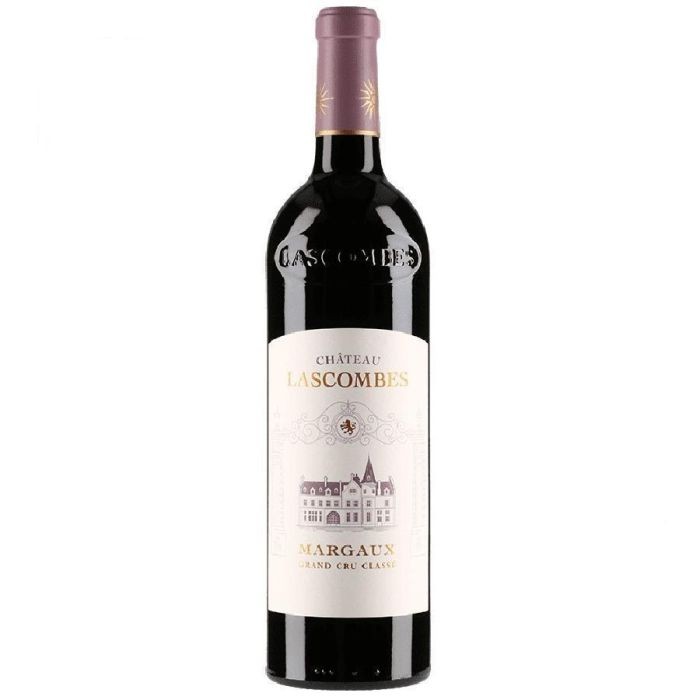



Château Lascombes
Margaux
Winery in Margaux, France
 Book with Pearl
The Read
Margaux Classified Precision
Why go
Château Lascombes is worth prioritizing if the goal is a serious Margaux winery day, not a casual tasting stop. Plan around confirmed access, keep the itinerary tight, and compare it with nearby Margaux peers before committing the whole day.
About Château Lascombes
Château Lascombes is a Pearl 3 Star Prestige (2025) venue in Margaux. Plan around the essentials rather than assumptions about meals, opening hours, pricing, services, or visit formats. It is advisable to research it directly before building a day around it.
The location is Margaux, and Dominique Befve is named as managing director. Dress is smart casual. Beyond this and its Pearl 3 Star Prestige (2025) recognition, specific claims about services, menus, group formats, or visitor access should be checked with the venue before relying on them.
Plan this as a Margaux anchor, not a quick stop
Château Lascombes can be considered an anchor for travelers focusing on Margaux, but details regarding a specific public visit format are not specified. Use Our full Margaux wineries guide to shape the broader day, then add dining or overnight plans from Our full Margaux restaurants guide and Our full Margaux hotels guide.
For a Margaux itinerary, compare it with other named options only where the fit is clear. Château Durfort-Vivens, Château Ferrière, Chateau Malescot St. Exupery, Château Marquis-de-Terme, and Château Marquis-d'Alesme are natural points of comparison for planning in Margaux. If details such as access, timing, or group size matter, confirm them directly before committing.
Who should prioritize it
Prioritize Château Lascombes if you are specifically building a Margaux-focused plan and want to include a Pearl 3 Star Prestige (2025) venue. Dominique Befve is identified as chef/owner, but details about cuisine, menu format, pricing, hours, or a specific visitor experience are not specified.
Groups should be realistic and confirm arrangements in advance, as information on group formats is not provided. Use Our full Margaux experiences guide for non-venue time if the group includes people who do not want a schedule built around one stop. For evening planning, Our full Margaux bars guide can help with broader local research.
If Château Lascombes does not fit your timing, compare it with Chateau Malescot St. Exupery, Château Durfort-Vivens, Château Ferrière, Château Marquis-de-Terme, and Château Marquis-d'Alesme, or look more generally at other dining and venue options in Margaux. Avoid assuming services such as meals, tastings, shipping, or special access unless the venue confirms them directly.
Planning details
- Location
- 1 Cr de Verdun, 33460 Margaux-Cantenac
- Website
- chateau-lascombes.com
- Phone
- +33 5 57 88 70 66
The take
The Take
The Vibe
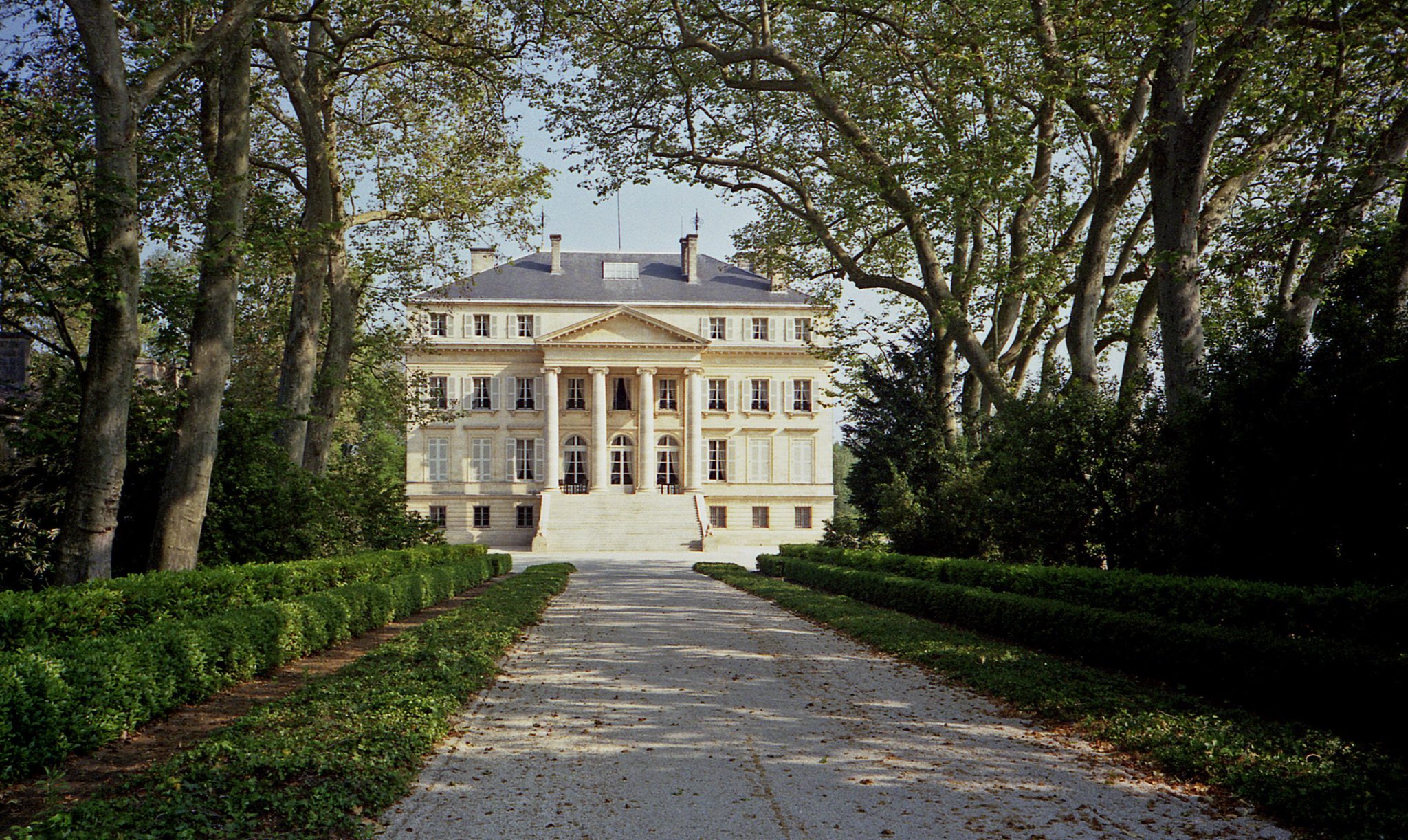
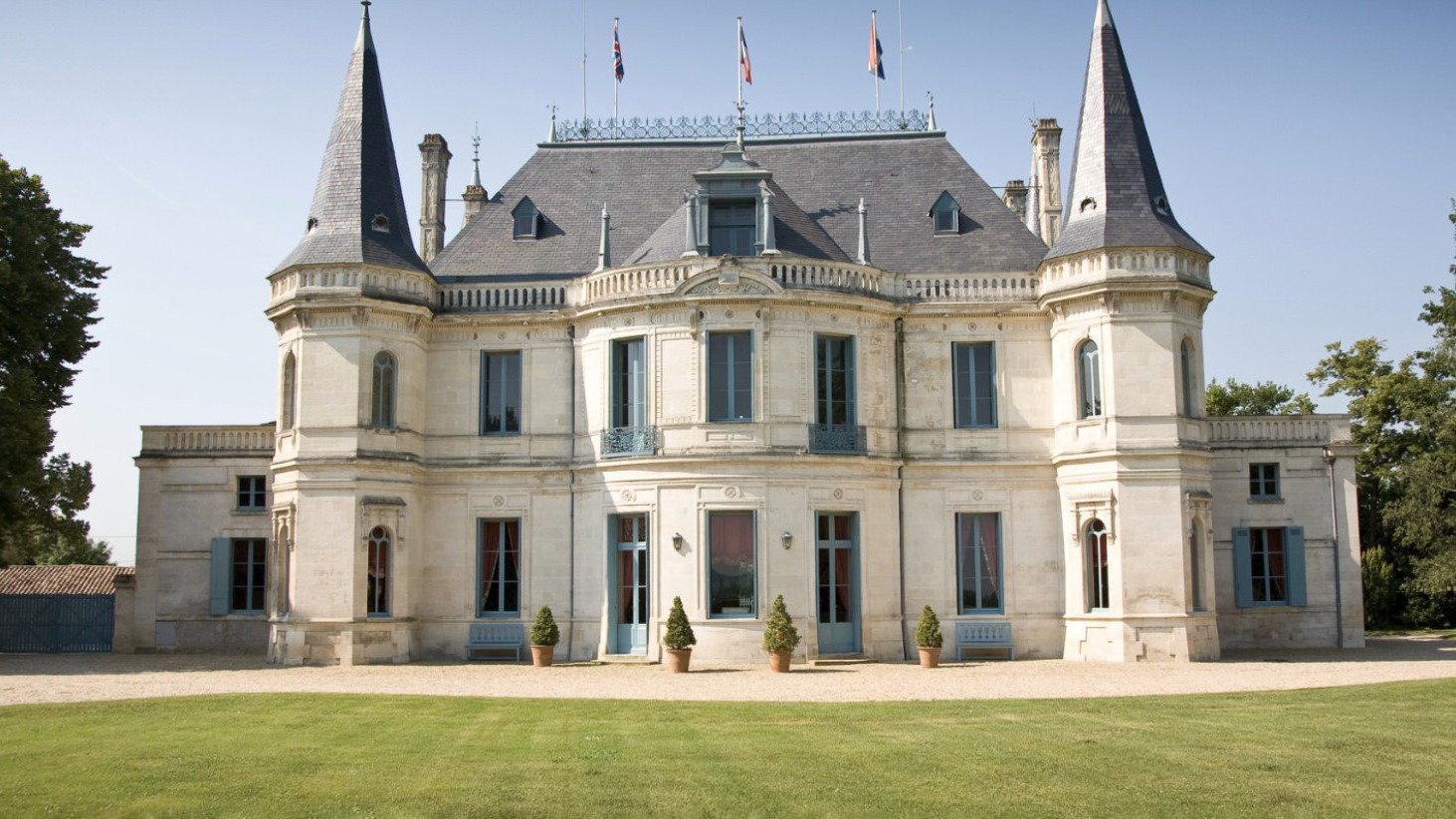
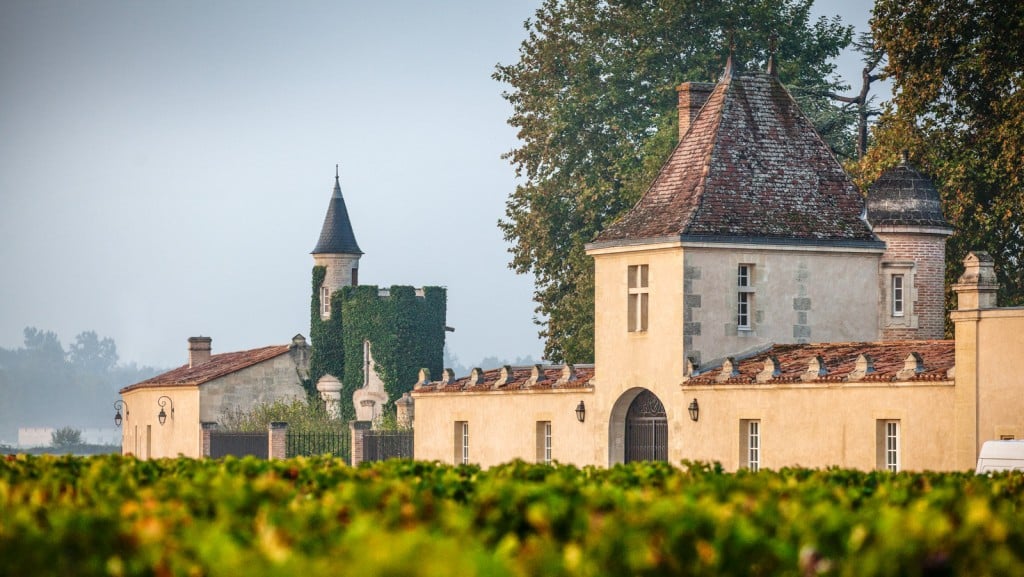
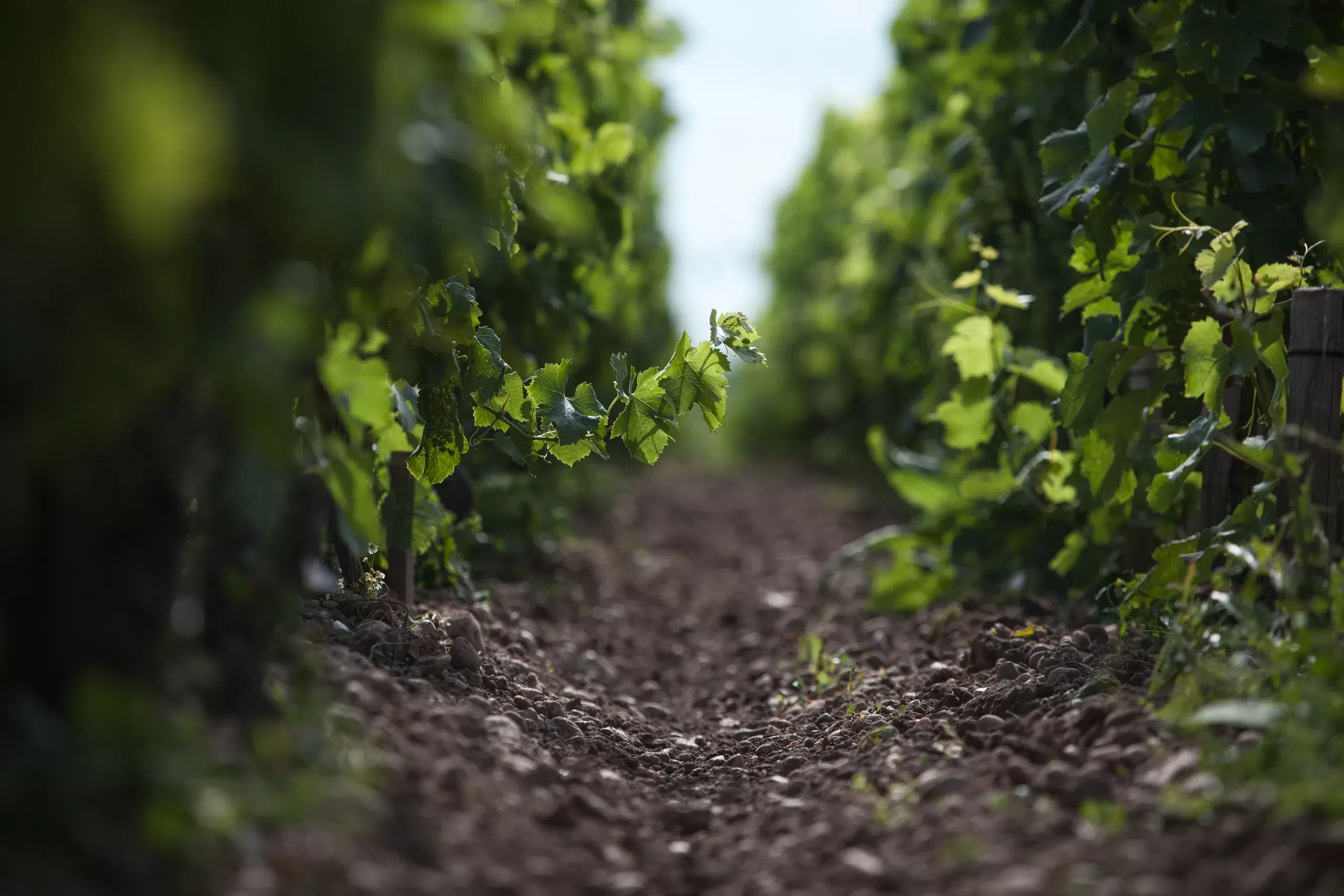
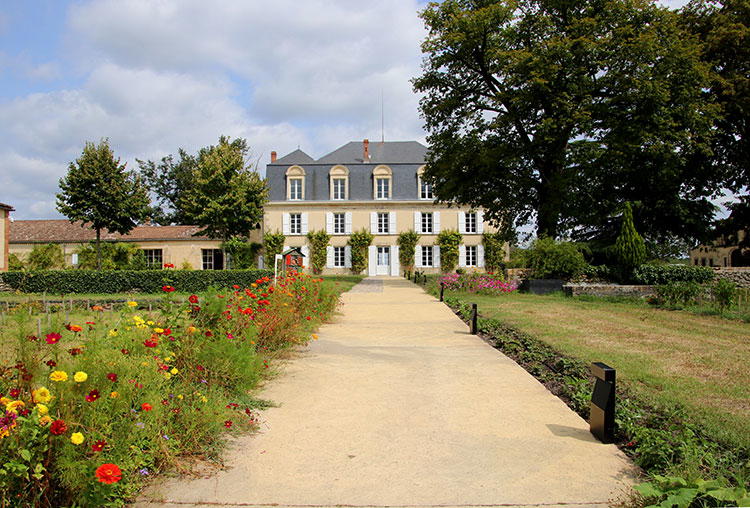
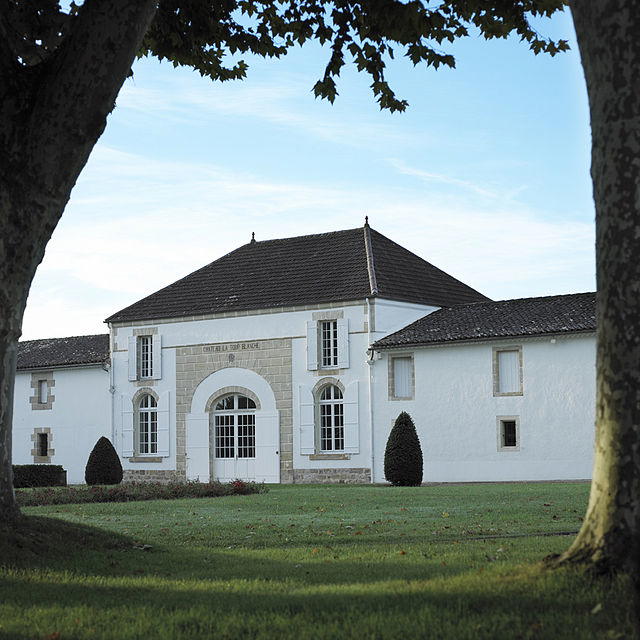
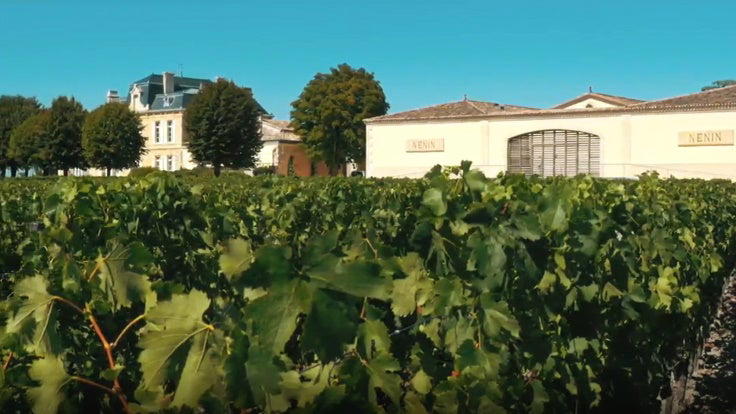
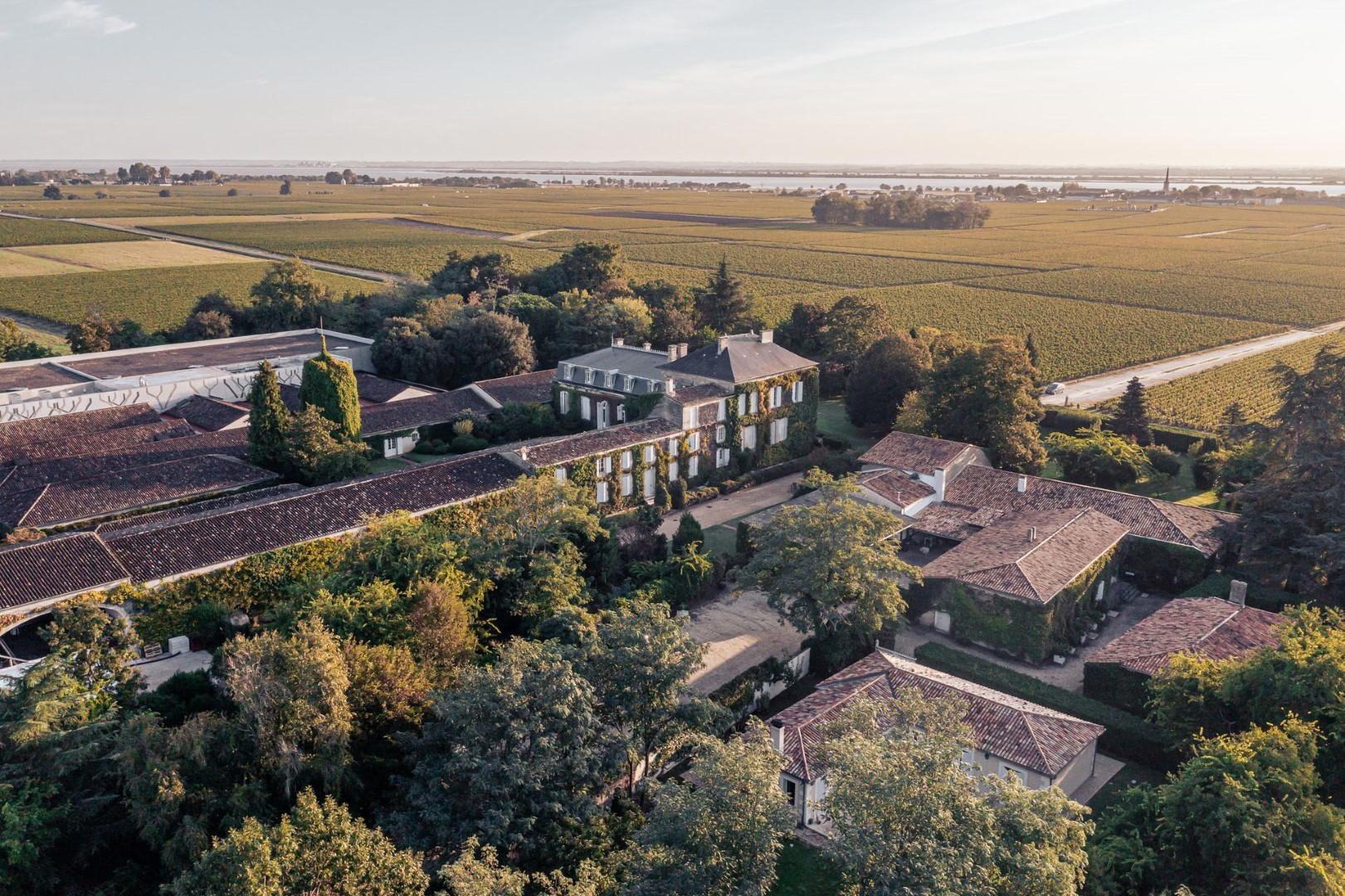
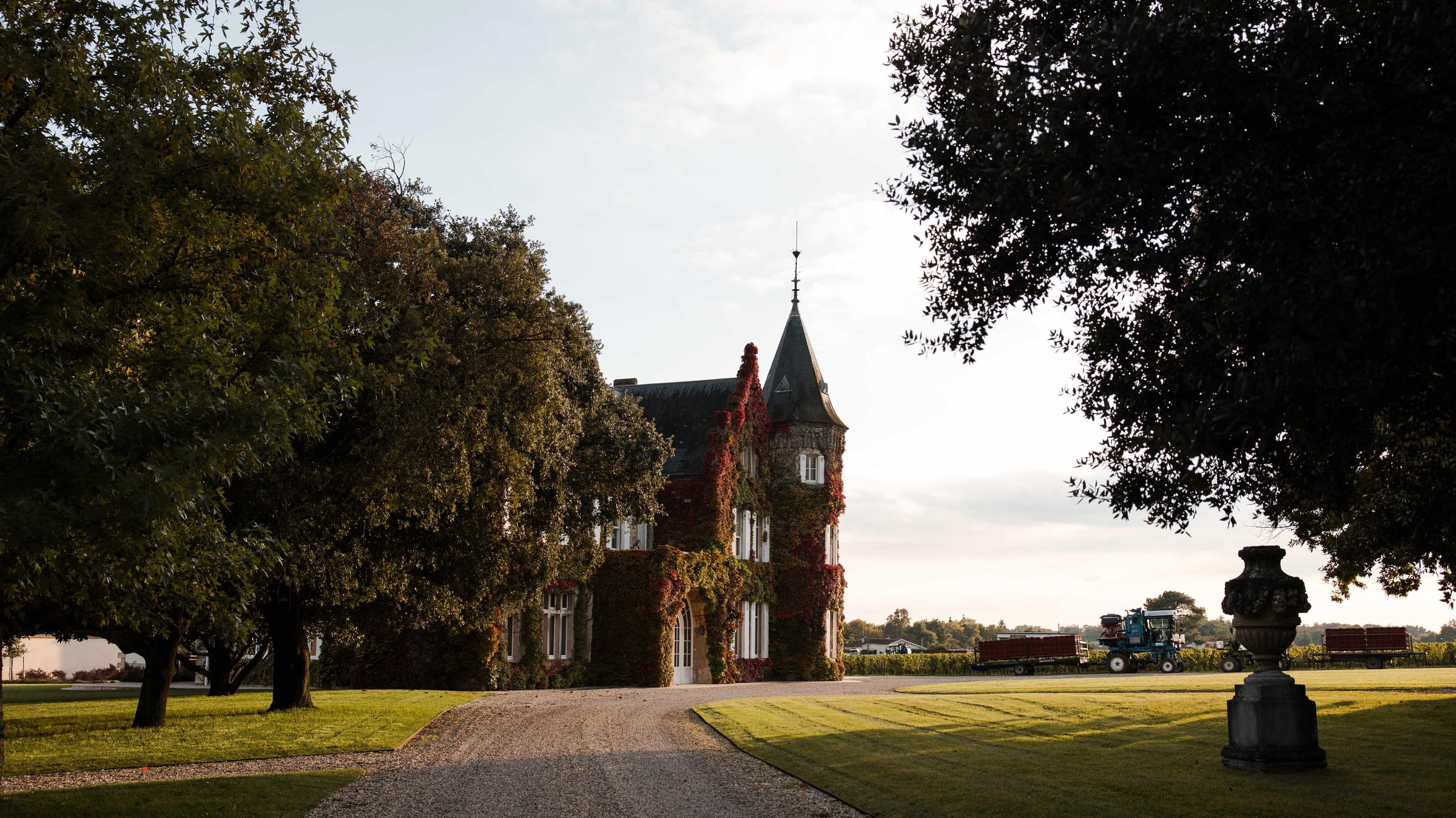
Château Lascombes presents the calm, measured face of Margaux: a long‑lived château set amid flat, pale gravel soils and orderly vine rows that stretch to the horizon. The writing privileges agricultural precision over theatrical architecture, and the estate’s two‑century arc is evident in the sense of accumulated practice rather than ostentation. Visitors encounter silence more than fanfare — quiet afternoons, steady sunlight on gravel, and a composure that reflects the 1855 Classification and decades of tenure. The overall impression is one of scenic restraint and historical gravitas, where landscape and lineage quietly define the estate’s identity.
Best For
Lascombes is best approached by readers and visitors interested in terroir‑driven Margaux and the subtleties of classification. Its profile suits wine education — studying how deep Günzian gravel produces aromatic lift and silkiness — and it also fits special occasions that benefit from a refined, composed setting. The estate’s status as a Second Growth places it clearly in conversation with nearby classified properties, making it a useful stop for comparative tastings or a deliberate celebratory purchase for those who prefer finesse over muscularity.
Tasting Tips
When choosing a Lascombes bottle, look for the hallmarks the text highlights: aromatic lift, a silky midpalate and tannins that read supple rather than austere. These wines tend to express Margaux’s fineness in contrast to Pauillac or Saint‑Julien, so pick Lascombes if you want elegance and perfume. For tastings or purchases, prioritize wines that show verve on the nose and a smooth palate texture; those qualities signal the estate’s gravel‑driven character and its focus on finesse within the Médoc framework.
Venue details
Ambiance
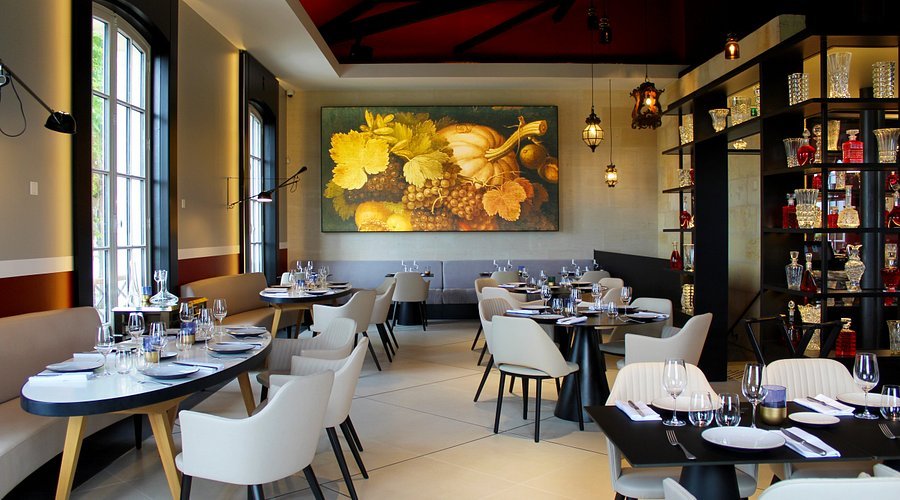
Elegant and classic with a sense of historic grandeur rooted in Bordeaux tradition.
Tags
Vibe
Best For
Experience
View
At the Vineyard
- Appellation
- Margaux AOC
- Varietals
- Cabernet Sauvignon, Merlot, Petit Verdot
- Tour Duration
- 60-90 minutes
- Tour Languages
- English, French
- Visits
- By appointment only
- Production
- Large producer
- Wine Styles
- Still Red
- Wine Club
- Not available
Know before you go
Know Before You Go
- Getting there
- 1 Cr de Verdun, 33460 Margaux-Cantenac
Planning details
Location
Recognition and awards

Also consider
Also Consider
- Château Durfort-Vivens, Notable alternative
- Château Ferrière, Notable alternative
- Château Marquis-d'Alesme, Notable alternative
- Château Marquis-de-Terme, Notable alternative
- Chateau Malescot St. Exupery, Notable alternative
Winery context
How it compares in Margaux
Château Lascombes is the stronger pick for travelers building a high-intent Margaux day around depth and producer context. Château Durfort-Vivens and Château Ferrière are better cross-shops if the priority is a contrasting visit within the same village rather than chasing the hardest access.
For ambiance, compare Lascombes with Château Marquis-d'Alesme and Château Marquis-de-Terme. Those are useful alternatives when the day needs to feel polished but not overloaded. If a booking here proves difficult, they are more sensible fallbacks than reshaping the entire Médoc route.
Chateau Malescot St. Exupery is the other obvious comparison for visitors who want a serious Margaux name in the same orbit. Choose Lascombes when the itinerary can support a more deliberate anchor visit; choose Malescot or the Marquis properties when schedule flexibility matters more.
Explore Margaux
Around this place
Discover more on Pearl
Unlock the full Château Lascombes guide in Pearl, including awards, comparisons, FAQs, planning details, and nearby places.
Compare Château Lascombes
| Venue | Location | Awards |
|---|---|---|
| Château Lascombes | Margaux | 2026 Falstaff Winery Guide2026 Michelin Grape Main Selection - Bordeaux2025 Pearl 3 Star Prestige |
| Château Durfort-Vivens | Margaux | 2026 Falstaff Winery Guide |
| Château Ferrière | Margaux | 2026 Falstaff Winery Guide |
| Château Marquis-d’Alesme | Margaux | No published awards |
| Château Marquis-de-Terme | Margaux | 2026 Falstaff Winery Guide |
| Chateau Malescot St. Exupery | Margaux | 2026 Michelin Grape Main Selection - Bordeaux2025 Pearl 4 Star Prestige |
How Château Lascombes Margaux compares with similar nearby venues.
FAQ
Frequently Asked Questions
Do I need a reservation at Château Lascombes?
Reservation requirements or opening hours are not specified. Because Château Lascombes is a Pearl 3 Star Prestige (2025) venue in Margaux, it is sensible to check directly before planning around it.
Who is listed as chef/owner at Château Lascombes?
Dominique Befve is listed as chef/owner. Further details about cuisine, menu format, services, pricing, or hours are not specified.
When is the best time to visit Château Lascombes?
Hours, seasons, or visitor timing are not provided. Plan only after confirming current availability with the venue, and keep the location described simply as Margaux.
What recognition does Château Lascombes have?
Château Lascombes is a Pearl 3 Star Prestige (2025) venue. Additional awards or ratings are not specified.