
Château Ferrière
Margaux
Winery in Margaux, France
 Book with Pearl
The Read
Micro-Scale Classified Claret
Price
$50–100tasting
Why go
Château Ferrière is a stronger fit for Bordeaux-focused collectors and special-occasion travelers than for casual visitors seeking a clearly defined food or hospitality format. Prioritize it when the goal is a serious Margaux wine decision, then cross-shop nearby estates if the group needs easier planning or broader visitor infrastructure.
About Château Ferrière
Château Ferrière is a Margaux venue. It is located in Margaux, has a smart casual dress code, and holds Pearl 3 Star Prestige (2025) recognition.
For menus, visitor formats, pricing, hours, group size, or services, plan conservatively and confirm current arrangements directly with the venue before building an itinerary around it.
Book it for a Margaux-focused plan
Use Château Ferrière as a Margaux stop when its recognition and basic planning guidance matter, rather than assuming any specific meal, tasting format, or hospitality package. A smart casual dress code applies, so it is a safer choice than casual attire.
For planning, build the day around Margaux itself and verify details before committing. Readers comparing the wider area can use Our full Margaux guide for other local options, then consider restaurants, hotels, and bars separately through Our full Margaux restaurants guide, Our full Margaux hotels guide, and Our full Margaux bars guide.
How to think about value in Margaux
The value question here is whether Château Ferrière fits the kind of Margaux itinerary you are planning. It is practical to confirm current details directly and compare them with other nearby options before deciding.
Comparisons are useful because Margaux has several names competing for attention. Château Durfort-Vivens, Chateau Malescot St. Exupery, Château Lascombes, Château Marquis-de-Terme, and Château Marquis-d'Alesme are natural names to compare when planning time in Margaux.
For a celebration or special stop, decide what kind of experience you need before booking anything. Château Ferrière has Pearl 3 Star Prestige (2025) recognition and a smart casual dress code, but other specifics should be checked with the venue directly.
Planning details
- Location
- 33 bis Rue de la Tremoille, 33460 Margaux-Cantenac
- Website
- gc-lurton-estates.com/fr/chateau-ferriere.html
- Phone
- +33 5 57 88 98 32
The take
The Take
The Vibe
Château Ferrière presents a restrained, quietly confident presence in Margaux. The estate leans into unhurried, small-scale visits where conversation and terroir take precedence over brand spectacle. Anchored by its place in the 1855 Classification, the property feels rooted in history and stewardship rather than marketing noise. Tastings here are measured and deliberate: low-key rooms, thoughtful explanations and an emphasis on what the soils contribute to Cabernet-driven expressions. Visitors looking for a reflective, less crowded Château experience will find Ferrière refreshingly calm and instructive.
Best For
Ferrière suits collectors, curious oenophiles and couples seeking a calm, intimate wine visit. The estate attracts buyers and trade visitors who appreciate classified status without the fanfare of Margaux’s biggest names, so it’s ideal for wine education and focused tastings. The measured pace and sense of place also make it a strong pick for quiet celebratory visits or a romantic getaway centered on tasting and vineyard exploration. Small groups who want attentive, terroir-focused conversation will get the most from a visit here.
Tasting Tips
Book ahead and allow extra time—Ferrière’s production is described as tight and tastings unhurried, so appointments are likely limited and paced. Ask the host about the estate’s terroir and the gravel-over-clay soils that favor Cabernet Sauvignon, and request verticals or classified bottlings when available to appreciate vintage variation. Referencing the château’s 1855 Third Growth status (and the 2025 Pearl 3 Star Prestige note) helps frame the selection; plan to stroll the grounds or vineyards if the visit format allows to connect tasting notes with site characteristics.
Venue details
Ambiance
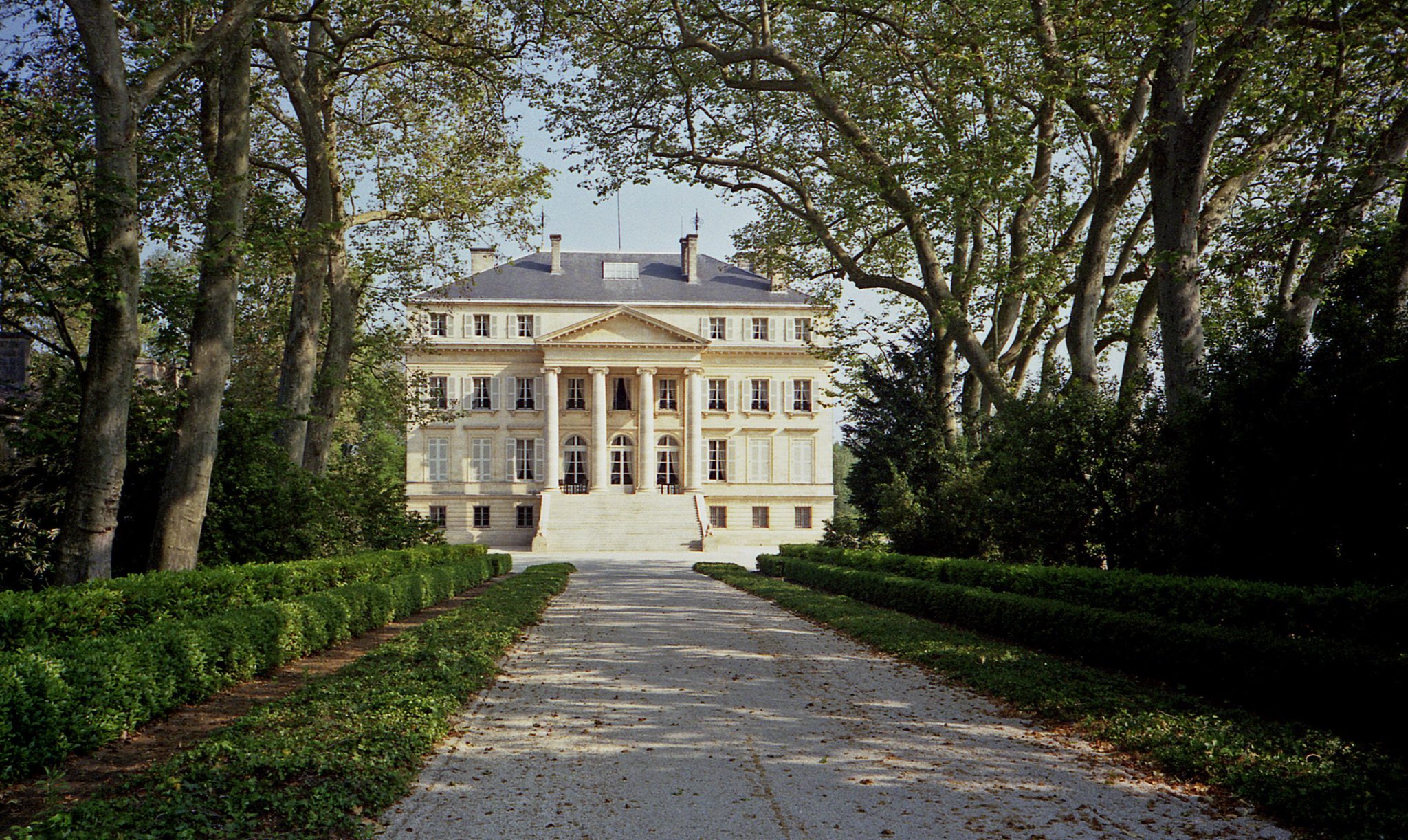
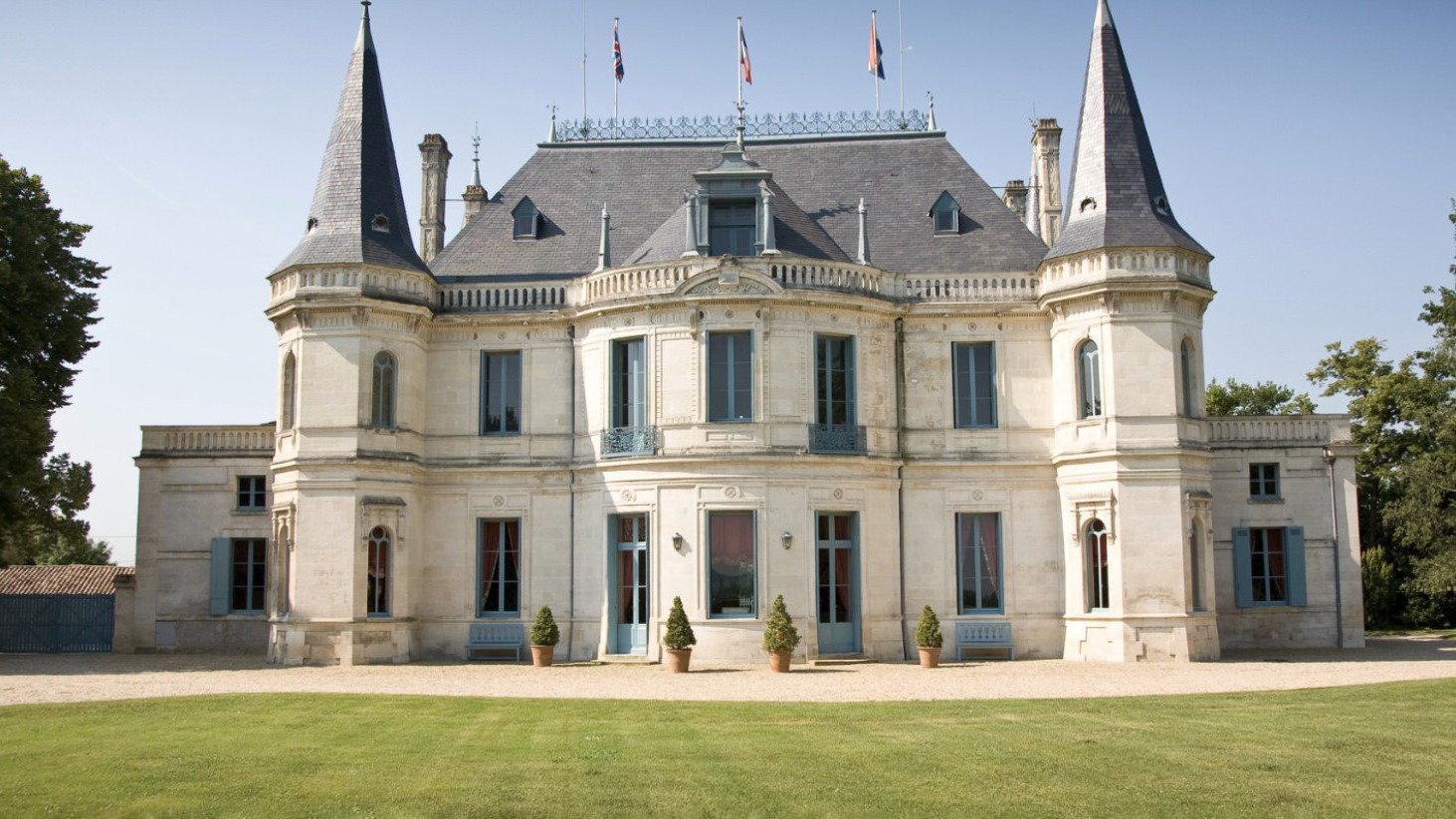
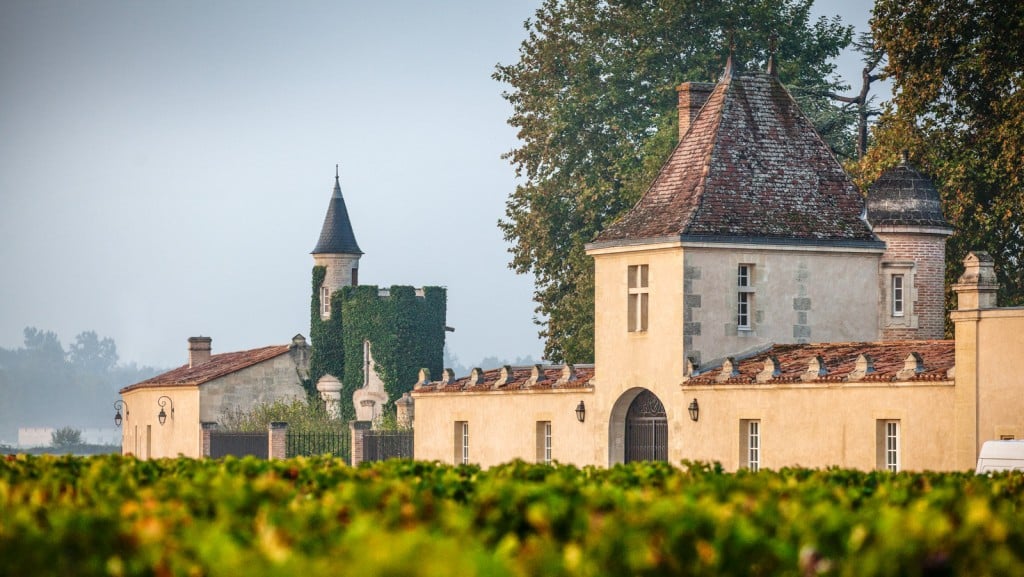
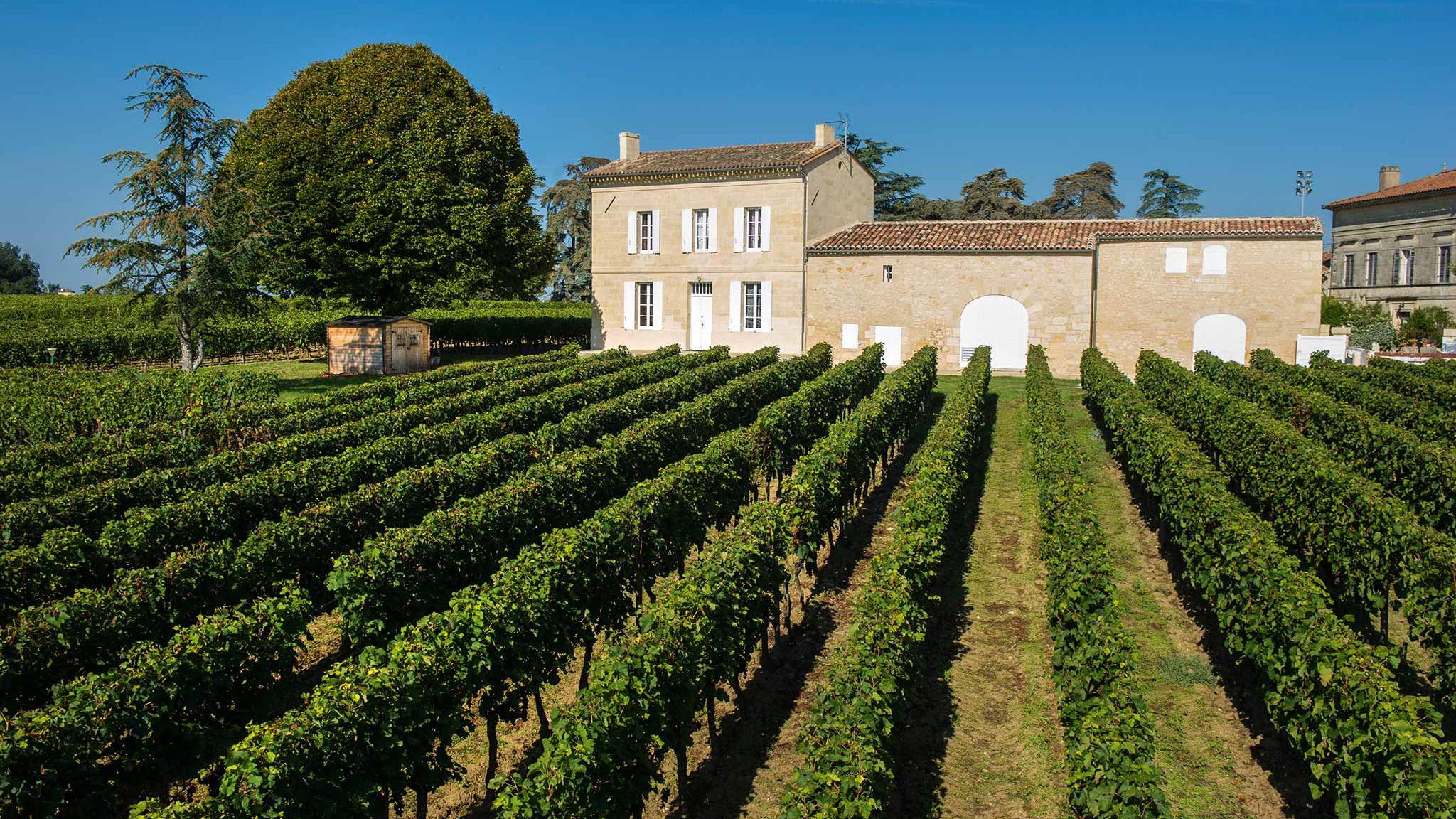
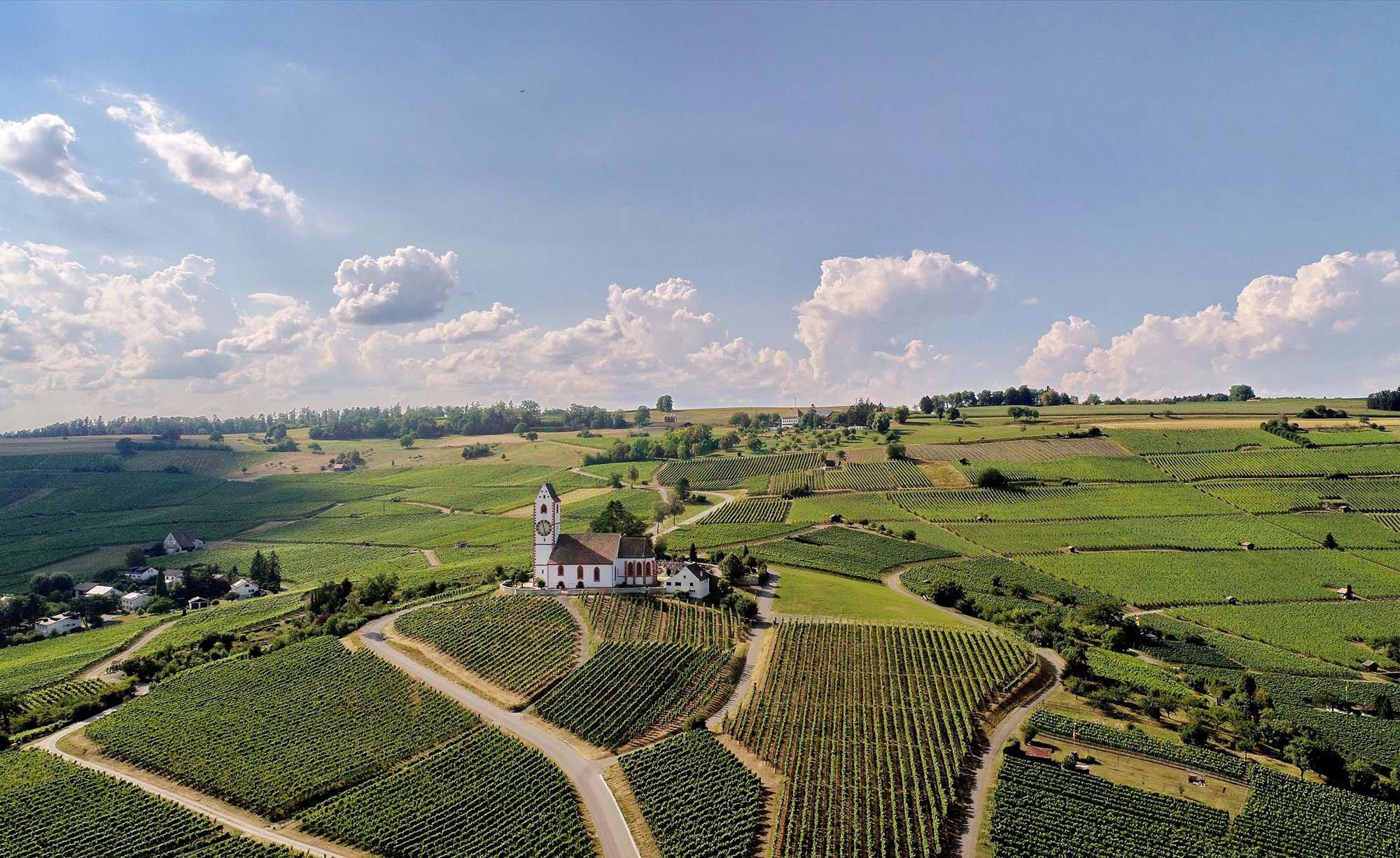
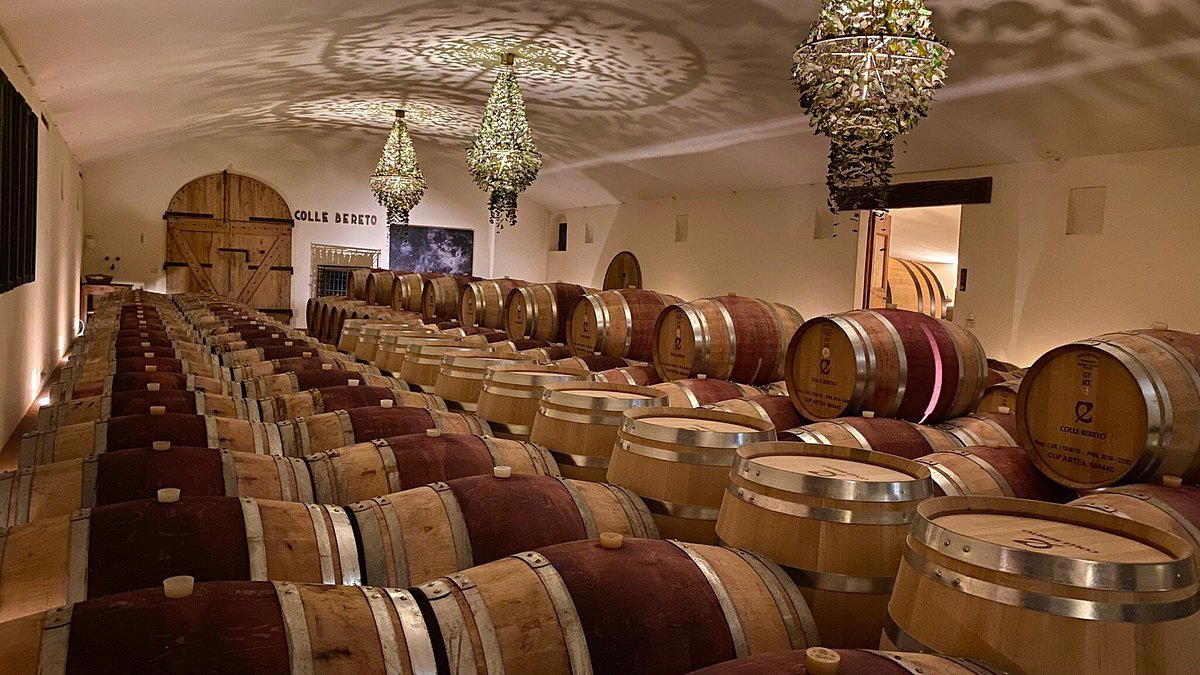
Historic estate with traditional winemaking in a restored château setting, combining old-world elegance with modern biodynamic practices in the heart of Margaux vineyards.
Tags
Vibe
Best For
Experience
Sourcing
View
At the Vineyard
- Appellation
- Margaux AOC
- Varietals
- Cabernet Sauvignon, Merlot, Cabernet Franc, Petit Verdot
- Tour Duration
- 90-120 minutes
- Tour Languages
- French, English
- Visits
- By appointment only
- Farming
- Biodynamic
- Wine Styles
- Still Red, Still White, Still Rose, Amphora
- Shipping
- Available
- Wine Club
- Available
Know before you go
Know Before You Go
- Getting there
- 33 bis Rue de la Tremoille, 33460 Margaux-Cantenac
Planning details
Location
33 bis Rue de la Tremoille, 33460 Margaux-Cantenac · Directions
Recognition and awards

Also consider
Also Consider
- Château Durfort-Vivens, Notable alternative
- Château Marquis-d'Alesme, Notable alternative
- Chateau Malescot St. Exupery, Notable alternative
- Château Lascombes, Notable alternative
- Château Marquis-de-Terme, Notable alternative
Winery context
How Château Ferrière compares in Margaux
Choose Château Ferrière when the visit is about a focused Margaux wine decision and the group is comfortable with a harder booking. Château Durfort-Vivens is the closest comparison for serious wine travelers who want another classified-growth stop without shifting the day away from Margaux. If access is the main concern, hold both as options rather than building the itinerary around only one estate.
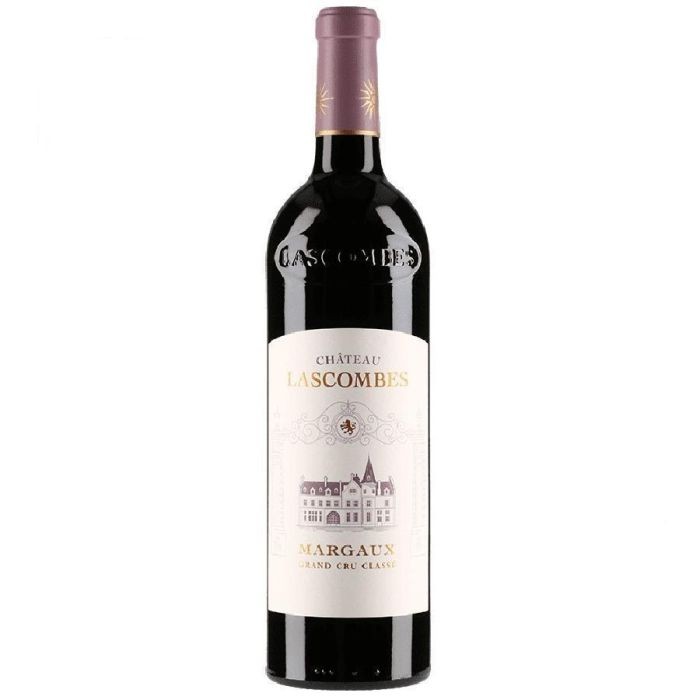
Château Marquis-d'Alesme, Chateau Malescot St. Exupery, and Château Lascombes are the better cross-shops for travelers who want a broader Margaux comparison before deciding what to buy or ship. Lascombes has the stronger name-recognition pull for many visitors; Malescot St. Exupery and Marquis-d'Alesme are useful if the goal is to compare styles and estate experiences within the same village orbit.
Château Marquis-de-Terme is the practical backup to keep on the list when availability drives the day. For a date or client itinerary, Château Ferrière is the more collector-minded pick; for a smoother day with less pressure on a single appointment, cross-shop two or three of these Margaux peers before locking the schedule.
Explore Margaux
Around this place
Discover more on Pearl
Unlock the full Château Ferrière guide in Pearl, including awards, comparisons, FAQs, planning details, and nearby places.
Compare Château Ferrière
| Venue | Location | Awards |
|---|---|---|
| Château Ferrière | Margaux | 2026 Falstaff Winery Guide |
| Château Durfort-Vivens | Margaux | 2026 Falstaff Winery Guide |
| Château Marquis-d’Alesme | Margaux | No published awards |
| Chateau Malescot St. Exupery | Margaux | 2026 Michelin Grape Main Selection - Bordeaux2025 Pearl 4 Star Prestige |
| Château Lascombes | Margaux | 2026 Falstaff Winery Guide2026 Michelin Grape Main Selection - Bordeaux2025 Pearl 3 Star Prestige |
| Château Marquis-de-Terme | Margaux | 2026 Falstaff Winery Guide |


How Château Ferrière Margaux compares with similar nearby venues.
FAQ
Frequently Asked Questions
Does Château Ferrière serve food?
Food service at Château Ferrière is not specified. If a meal is important to your day in Margaux, confirm current details directly with the venue and plan dining separately if needed.
What planning details are available for Château Ferrière?
Its Margaux location, smart casual dress code, and Pearl 3 Star Prestige (2025) recognition are known. Menus, prices, hours, visit formats, or services are not specified.
What other Margaux venues can I compare with Château Ferrière?
Compare it with Château Durfort-Vivens, Château Marquis-d'Alesme, Chateau Malescot St. Exupery, Château Lascombes, and Château Marquis-de-Terme when deciding how to spend time in Margaux.