


Henschke
Keyneton
Winery in Keyneton, Australia
 Book with Pearl
The Read
Single-Vineyard Shiraz Legacy
Price
$30–50tasting
Why go
Henschke is the Keyneton pick for a serious wine-led occasion, not the easiest casual winery stop. Prioritise it if access to the producer matters more than flexible logistics; cross-shop Yalumba or Wolf Blass if the group needs a broader, easier day out.
About Henschke
Henschke in Keyneton is best described as a highly recognised venue associated with Stephen and Prue Henschke. It includes Pearl 3 Star Prestige (2025) and World's 50 Best Vineyards #47 (2025). These details establish the venue as a notable name. Those recognitions are the clearest, safest basis for understanding why it may sit high on a visitor's shortlist. Beyond those points, practical details such as visit format, food service, pricing, hours, group capacity, and booking requirements should not be assumed without checking the venue directly.
For planning purposes, treat Henschke as a Keyneton anchor with limited public detail rather than a venue where every part of the experience can be inferred in advance. That distinction matters: the recognition is significant, but a full visitor experience requires direct confirmation. If an occasion depends on specific food, timing, accessibility, or group arrangements, confirm those details with the venue before building the day around it. This is especially important for travellers trying to coordinate a broader itinerary, where one unconfirmed assumption can affect transport, meals, and the pace of the day.
Worth the effort if its recognition matters most
The strongest grounded reason to prioritise Henschke is its recognition: Pearl 3 Star Prestige (2025) and World's 50 Best Vineyards #47 (2025). That makes it a compelling name for visitors who are specifically interested in a highly regarded Keyneton venue connected with Stephen and Prue Henschke. The venue carries significant recognition, and that recognition is likely to be the main reason many readers look it up, compare it, or consider making space for it in a broader itinerary.
The less certain part is the practical experience. Operational details for menu format, food service, price, hours, tasting structure, reservation rules, or group capacity are not specified. Those gaps do not lessen the standing of the venue, but they do change how it should be planned. Smart casual is the dress code, so visitors should dress accordingly and verify all operational details before travel. Until those details are checked directly, it is better to think of Henschke as a recognised destination requiring confirmation rather than a fully mapped visitor experience.
Build the day with direct confirmation, not assumptions
Because information focuses on recognition and ownership rather than logistics, build any visit around direct confirmation. Yalumba and Wolf Blass may be useful broader comparisons for planning, while Sami-Odi and The Standish Wine Co belong in the conversation for readers comparing notable venues. Spinifex is another natural point of comparison. These comparisons are most useful as orientation points, helping frame the type of day a reader may be considering, rather than as substitutes for checking Henschke's own arrangements.
If the trip extends beyond Keyneton, keep the plan practical and avoid relying on unconfirmed assumptions about Henschke's services. Confirm the visit format, timing, and any hospitality details directly before arranging transport, meals, or a larger itinerary around the stop. A careful approach is particularly sensible if the day involves multiple venues, a tight schedule, or guests with different expectations, because recognition does not automatically confirm how long a visit will take or what will be available on arrival.
Quick reference: choose Henschke when its recognition and Stephen and Prue Henschke connection are the reason for the visit; confirm food, booking, timing, and group details directly before making it the centre of a day.
Planning details
- Location
- 1428 Keyneton Rd, Keyneton SA 5353
- Website
- henschke.com.au
- Phone
- +61 8 8564 8223
The take
The Take
The Vibe
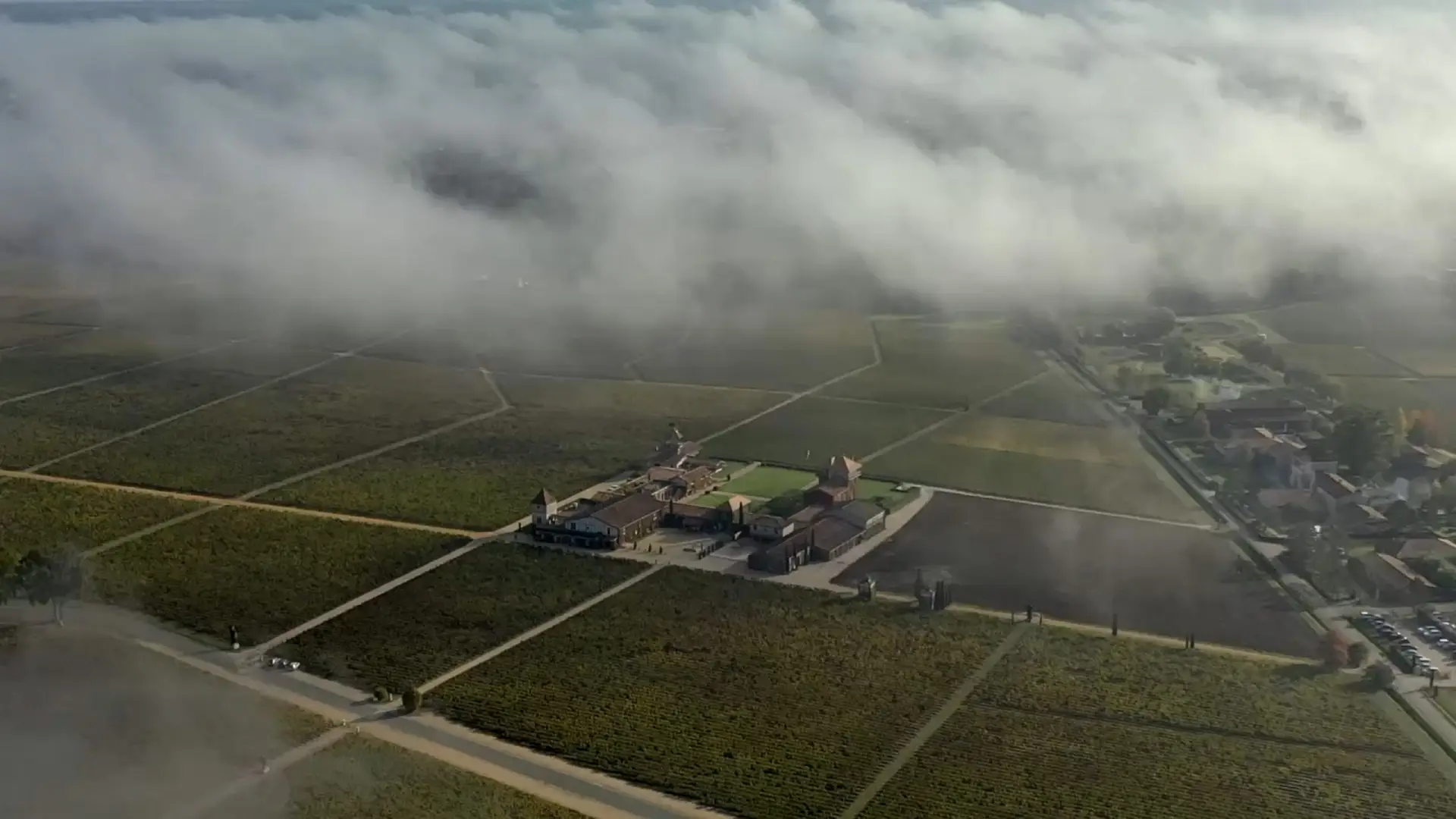
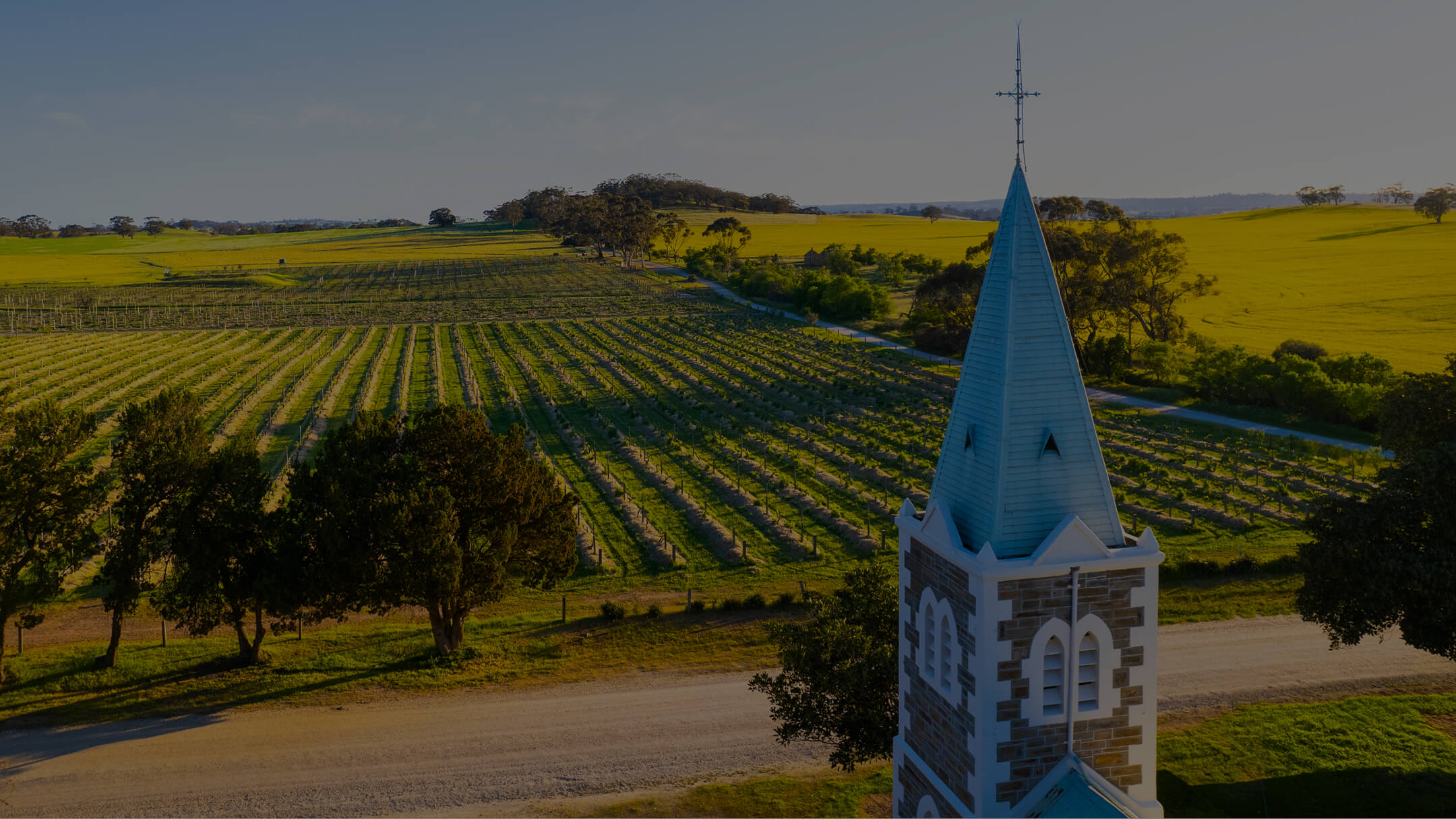
Henschke reads like an agricultural monument: ancient Shiraz vines rooted in fractured schist and ironstone create a landscape-forward winery experience. The writing leans into place — cool, dry upper elevations, century-old root systems and the working estate itself — which frames visits as an encounter with terroir rather than a casual tasting. Expect a measured, contemplative atmosphere where the land and vines are the protagonists, and where the sense of history and site specificity gives the place a classic, scenic calm rather than tourist bustle.
Best For
This is a destination for people who want to learn how site and vine age shape wine, and for those seeking standout bottles for meaningful moments. The estate’s emphasis on terroir — and on the Hill of Grace as a benchmark Australian Shiraz — makes it well suited to wine-education visits and special-occasion purchases. Because the property is presented as a working estate rather than a convenience stop, it appeals to collectors, serious students of Australian Shiraz and visitors who plan their trip specifically to see the vineyards in situ.
Tasting Tips
Plan ahead: Henschke’s Hill of Grace is discussed in terms of international pricing and allocation, so availability can be limited and the wine is positioned at the upper end of the market. The address is described as 'not a convenient cellar door stop,' so visits are best approached as purposeful trips to Keyneton rather than spontaneous detours. Expect to encounter allocation-based purchasing and to need to research availability through the estate’s channels or specialist merchants if you’re targeting specific vintages.
Venue details
Ambiance
Beautifully appointed, professionally elegant cellar door with knowledgeable hosting and a sense of storied family legacy.
Tags
Vibe
Best For
Experience
Sourcing
View
At the Vineyard
- Appellation
- Eden Valley
- Varietals
- shiraz, riesling
- Tour Duration
- 120-180 minutes
- Visits
- By reservation
- Farming
- Sustainable
- Production
- Small producer
- Wine Styles
- Still Red
- Wine Club
- Available
Know before you go
Know Before You Go
- Getting there
- 1428 Keyneton Rd, Keyneton SA 5353
Planning details
Location


Also consider
Where to look if Henschke is not workable
Try Yalumba first if the group needs a broader winery experience with easier planning. Choose Wolf Blass when logistics and group comfort matter more than scarcity.
Winery context
How it compares for value, access, and occasion planning
Henschke is the splurge-minded, scarcity-driven choice in this set. It suits collectors and special-occasion visitors who care more about producer reputation than convenience. Yalumba is the easier recommendation for a broader day out, especially when the group includes people who want a more accessible winery experience rather than a tightly wine-focused stop.
Sami-Odi and The Standish Wine Co are better cross-shops for serious buyers who want a more specialist comparison. Henschke has the stronger prestige signal for a milestone visit, while those peers make more sense if the goal is to compare cult-scale Australian producers rather than anchor a celebratory itinerary.
For practical group planning, Wolf Blass is the safer bet, and Spinifex is the more relaxed alternative. Choose Henschke when the wine name is the reason for the booking; choose Wolf Blass or Yalumba when the day needs smoother logistics and broader appeal.
Explore Keyneton
Around this place
Discover more on Pearl
Unlock the full Henschke guide in Pearl, including awards, comparisons, FAQs, planning details, and nearby places.
Compare Henschke
| Venue | Location | Awards |
|---|---|---|
| Henschke | Keyneton | 2026 Falstaff Winery Guide2025 World's 50 Best Vineyards · #472025 Pearl 3 Star Prestige2023 World's 50 Best Vineyards · #262022 World's 50 Best Vineyards · #362021 World's 50 Best Vineyards · #252020 World's 50 Best Vineyards · #25 |
| Yalumba | Eden Valley | 2026 Falstaff Winery Guide |
| Sami-Odi | Barossa Valley | No published awards |
| The Standish Wine Co | Barossa Valley | No published awards |
| Spinifex | Barossa Valley | No published awards |
| Wolf Blass | Barossa Valley | 2026 Falstaff Winery Guide |
How Henschke Keyneton compares with similar nearby venues.
FAQ
Frequently Asked Questions
Do I need a reservation at Henschke?
Henschke does not specify reservation requirements. Because Henschke is a recognised Keyneton venue with Pearl 3 Star Prestige (2025) and World's 50 Best Vineyards #47 (2025), confirm booking details directly before visiting.
What venues are useful comparisons for Henschke?
Useful comparison names include Yalumba, Sami-Odi, The Standish Wine Co, Spinifex, and Wolf Blass. Check each venue directly for location, visit format, and current availability rather than assuming the same experience across them.
Are membership details for Henschke?
Henschke does not specify membership details. If access, allocations, or terms matter, consult Henschke's official information before making plans.
Can Henschke handle large groups?
Henschke does not specify group capacity. Contact Henschke directly before planning a large-group visit.
How long should I plan for a visit to Henschke?
Henschke does not specify visit length. If you are planning a Keyneton itinerary around Henschke, confirm the current visit format and timing directly with the venue.