
Château Marquis-de-Terme
Margaux
Winery in Margaux, France
 Book with Pearl
The Read
Fourth Growth Margaux Precision
Price
$50–100tasting
Why go
A serious Margaux winery stop for travellers planning a structured Left Bank day, not a casual drop-in tasting. Book it for appellation context and a composed château visit; compare carefully with nearby estates if food pairing, pricing, or flexible access is the deciding factor.
About Château Marquis-de-Terme
Château Marquis-de-Terme is a Margaux venue with a smart casual dress code and Pearl 3 Star Prestige recognition for 2025. Specific public-facing details such as visit format, pricing, capacity, purchase options, or appointment requirements should be confirmed directly with the venue.
A Margaux stop to consider
Château Marquis-de-Terme is in Margaux. For travellers comparing venues in the area, it can be considered alongside other named Margaux options, but the exact experience should not be assumed from the location alone.
If you are seeking a specific restaurant-style or tasting-menu experience, details on menus, pairing formats, visit length, pricing, or service style should be confirmed directly with Château Marquis-de-Terme. The venue is located in Margaux, has a smart casual dress code, and holds Pearl 3 Star Prestige recognition for 2025.
How to use it in a Margaux day
For a Margaux-focused itinerary, compare Château Marquis-de-Terme with Chateau Malescot St. Exupery, Château Durfort-Vivens, Château Marquis-d'Alesme, Château Rauzan-Gassies, and Château Rauzan Ségla. These are natural comparison points when deciding how to structure time in Margaux.
Timing, availability, pricing, and any food or service details should be confirmed directly before you build a schedule around Château Marquis-de-Terme.
Bottom line: consider Château Marquis-de-Terme if you are planning around Margaux and want a smart casual venue with Pearl 3 Star Prestige recognition for 2025. If your decision depends on a specific visit format, food component, price, group arrangement, or purchase option, confirm those details first. For broader planning around the village, use our full Margaux wineries guide, then pair the visit with our full Margaux restaurants guide or our full Margaux hotels guide if the day needs a meal or an overnight base.
Planning details
- Location
- 3 Rte de Rauzan, 33460 Margaux-Cantenac
- Website
- chateau-marquis-de-terme.com
- Phone
- +33 5 57 88 30 01
The take
The Take
The Vibe
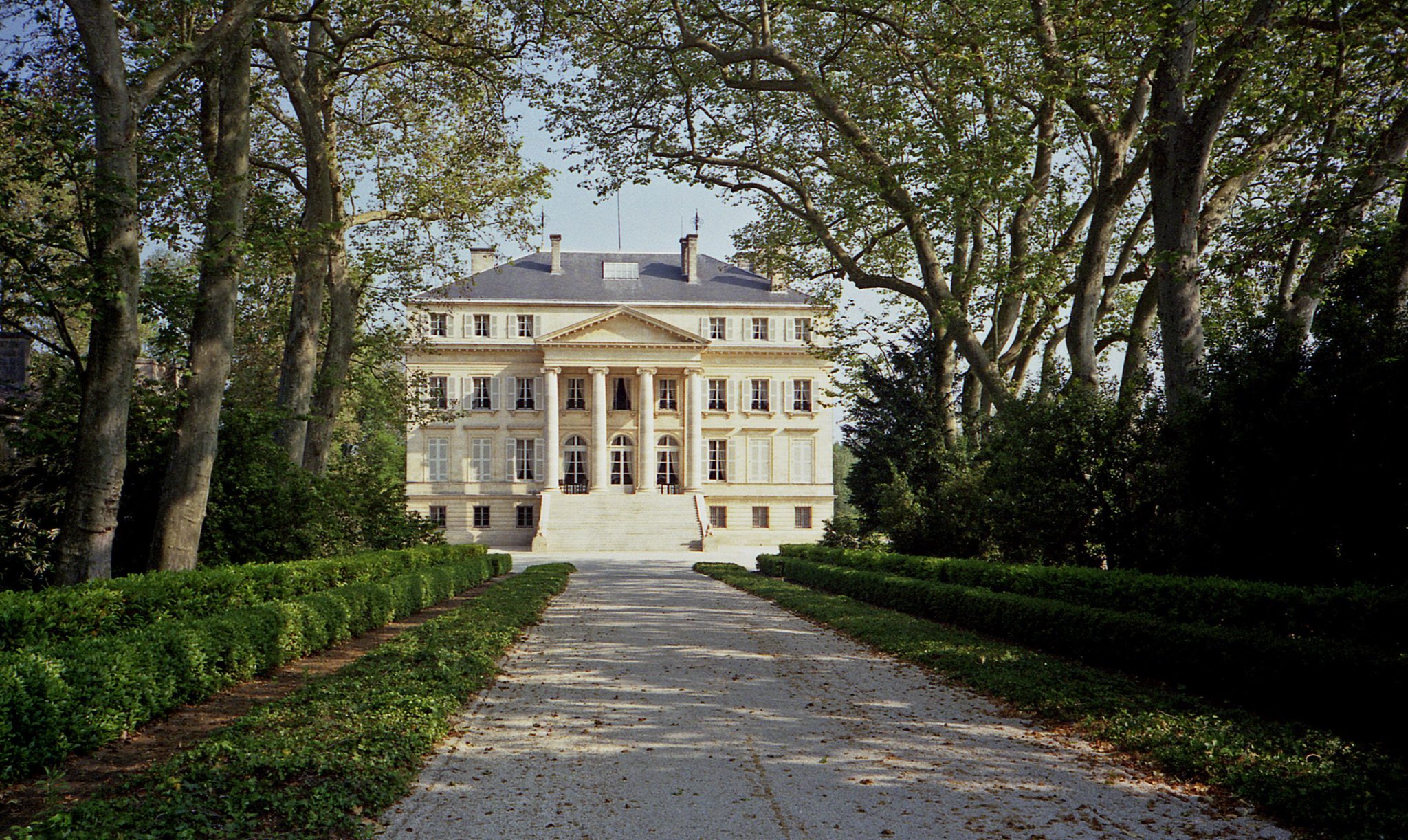
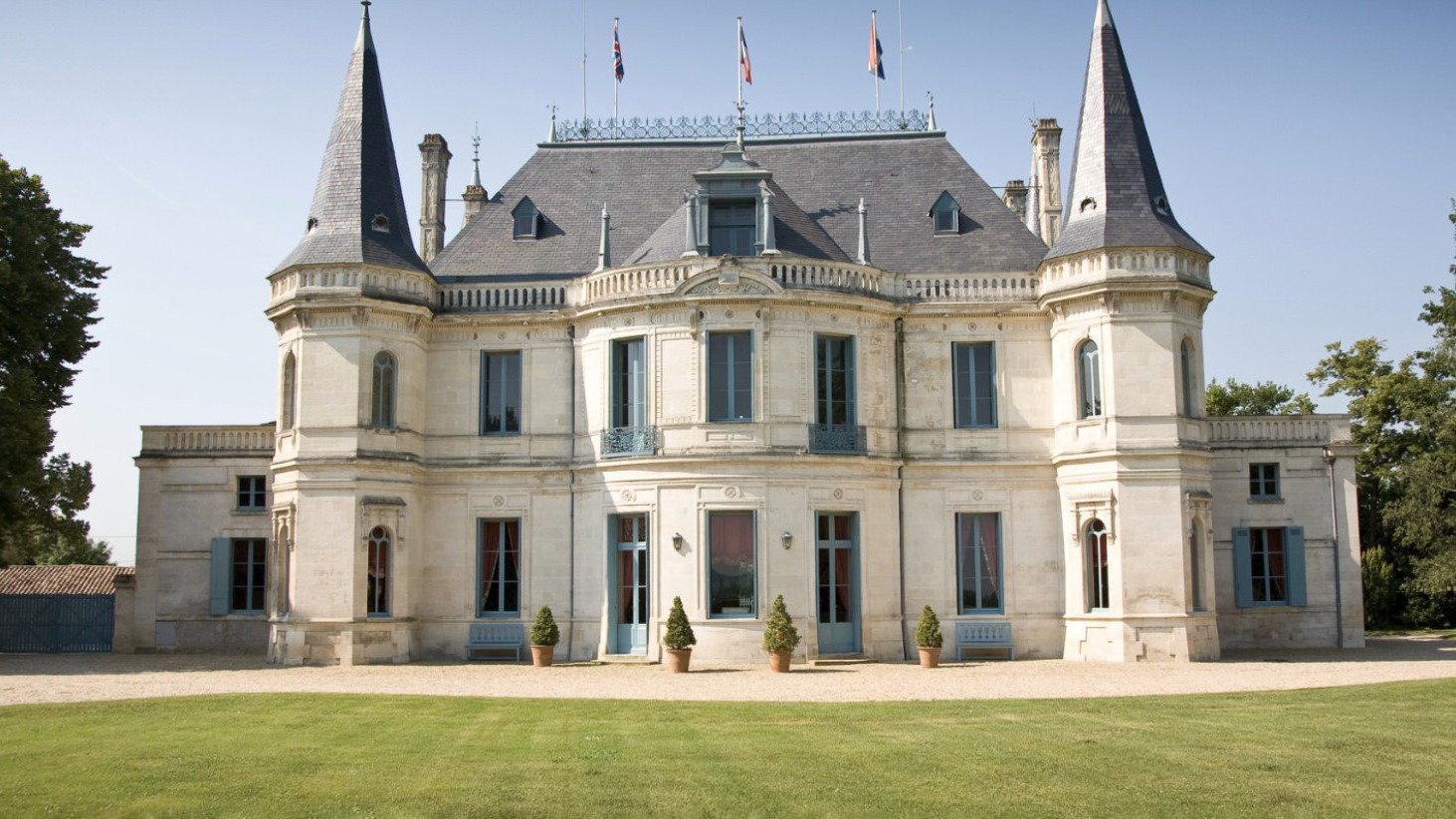
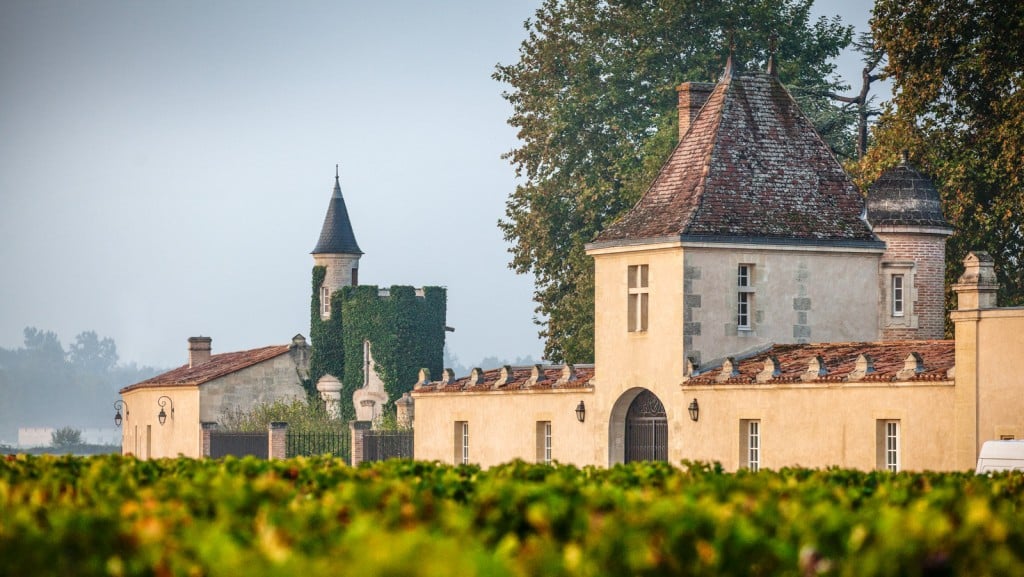
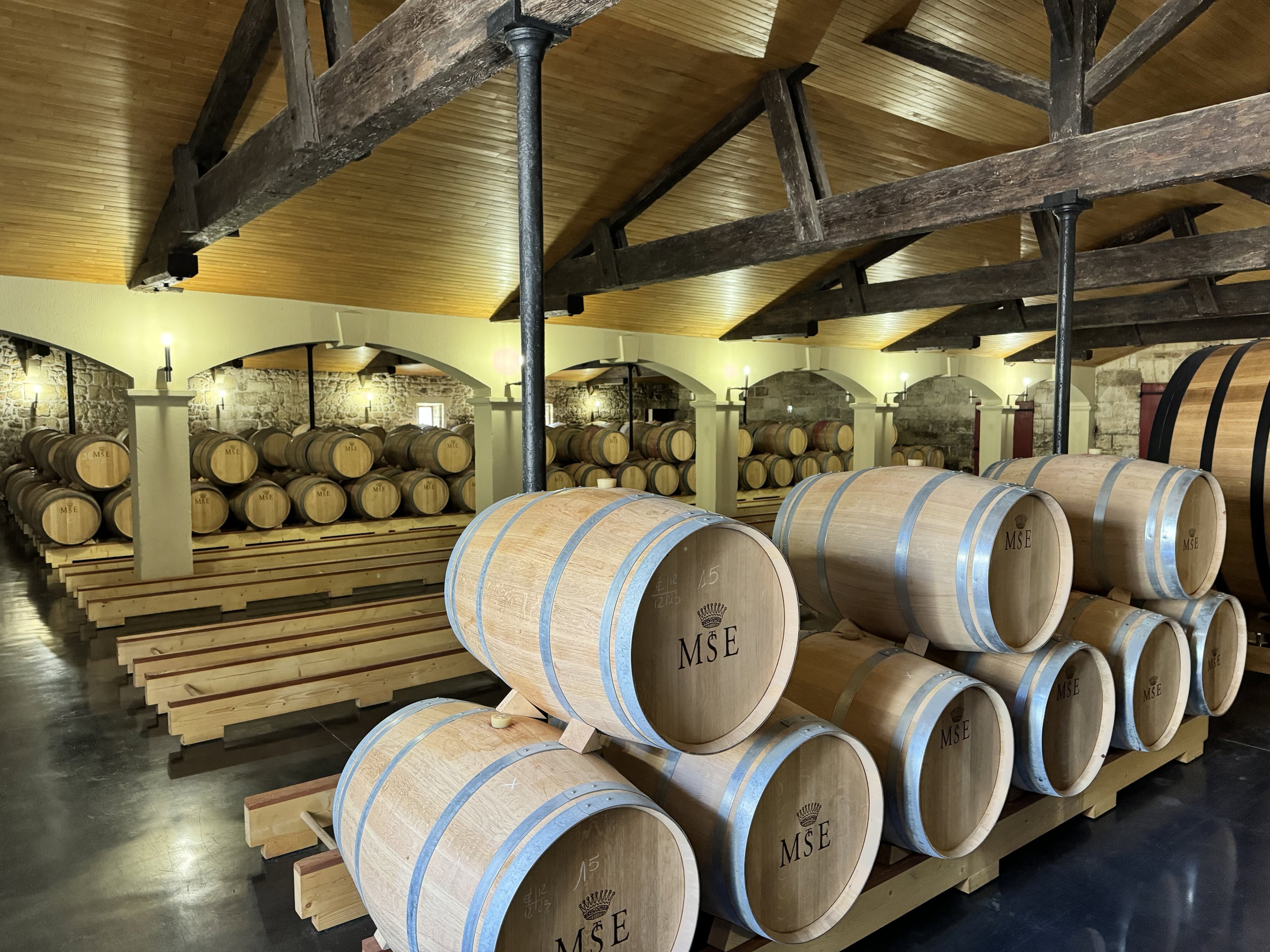
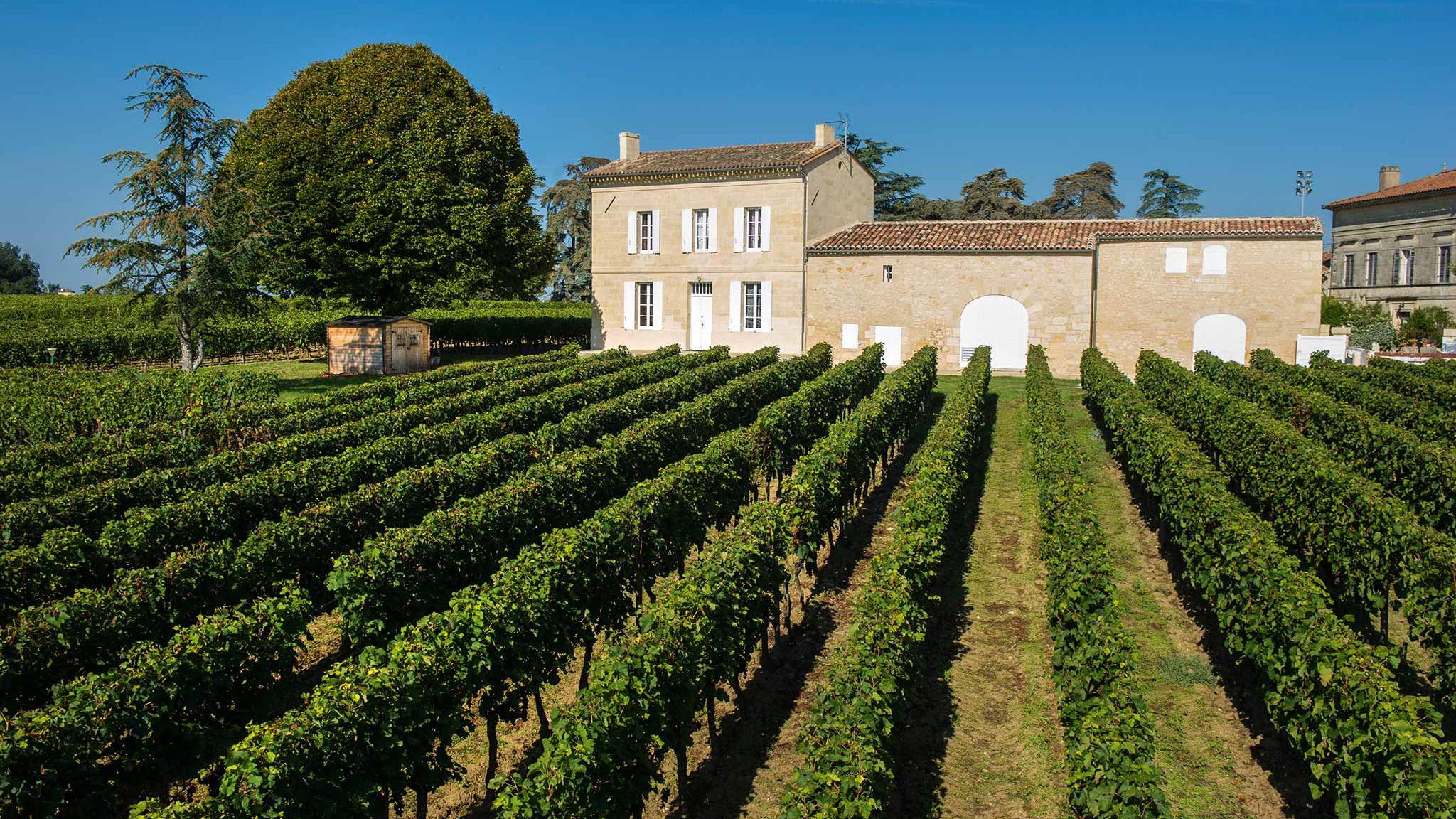
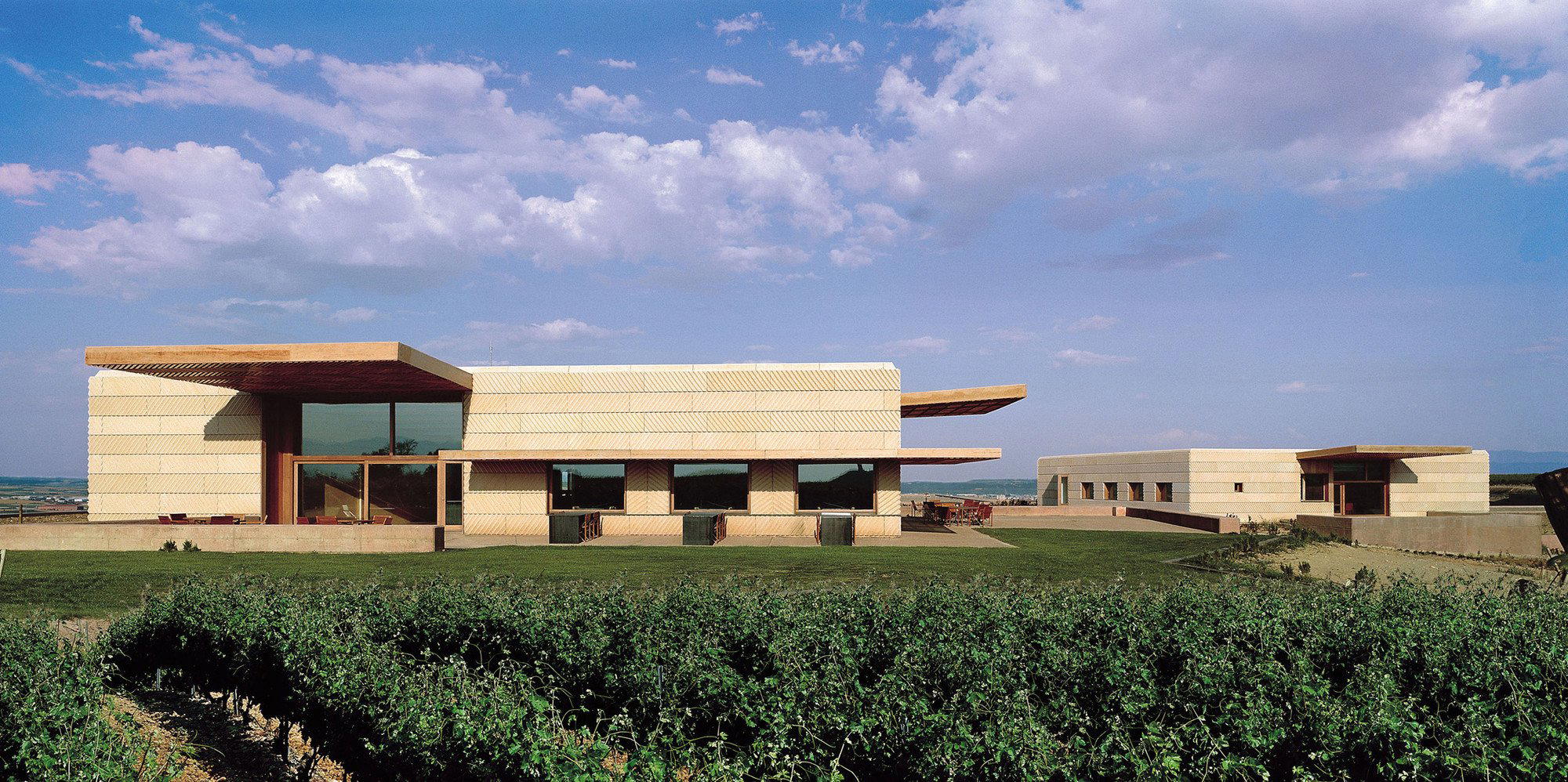
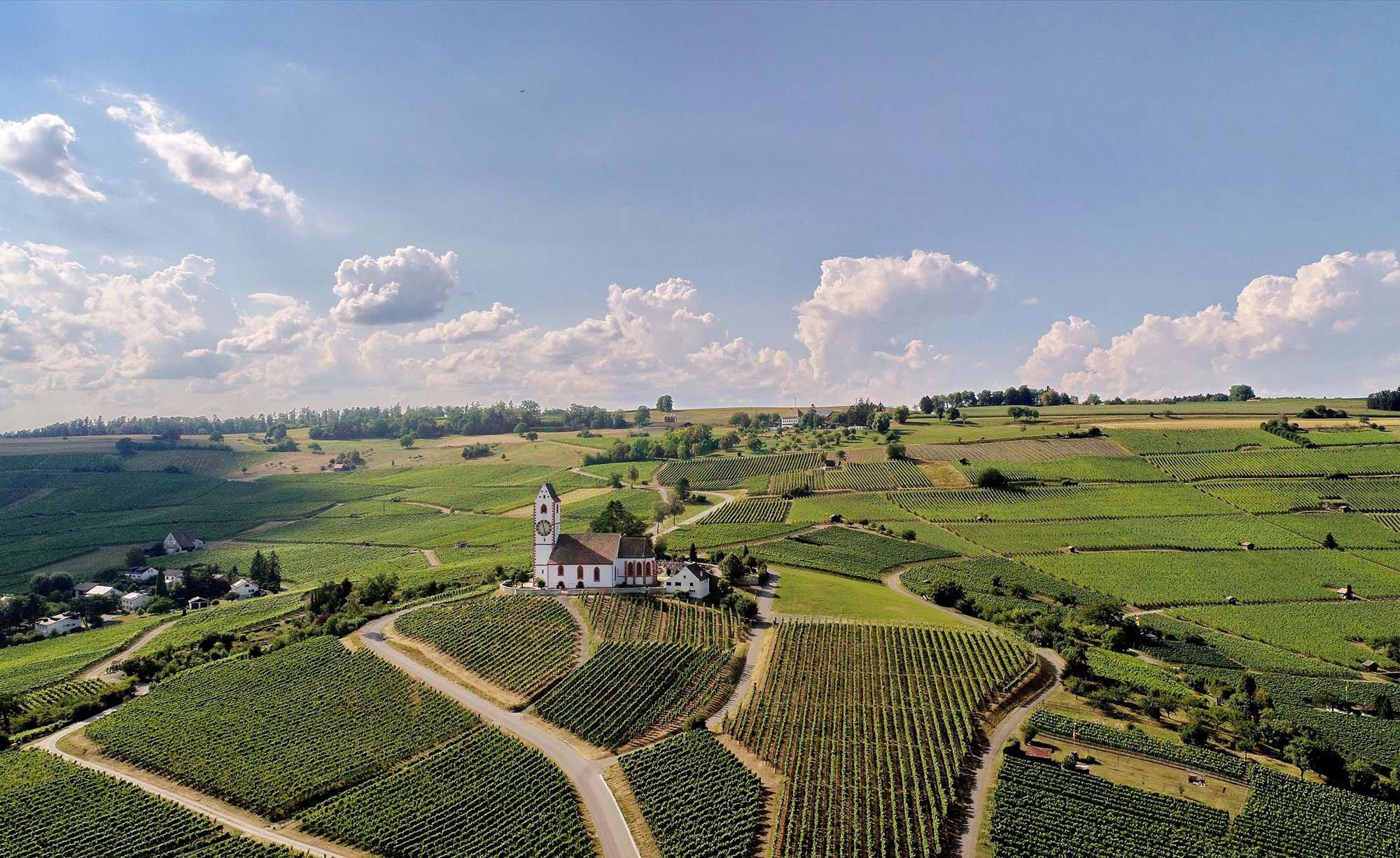
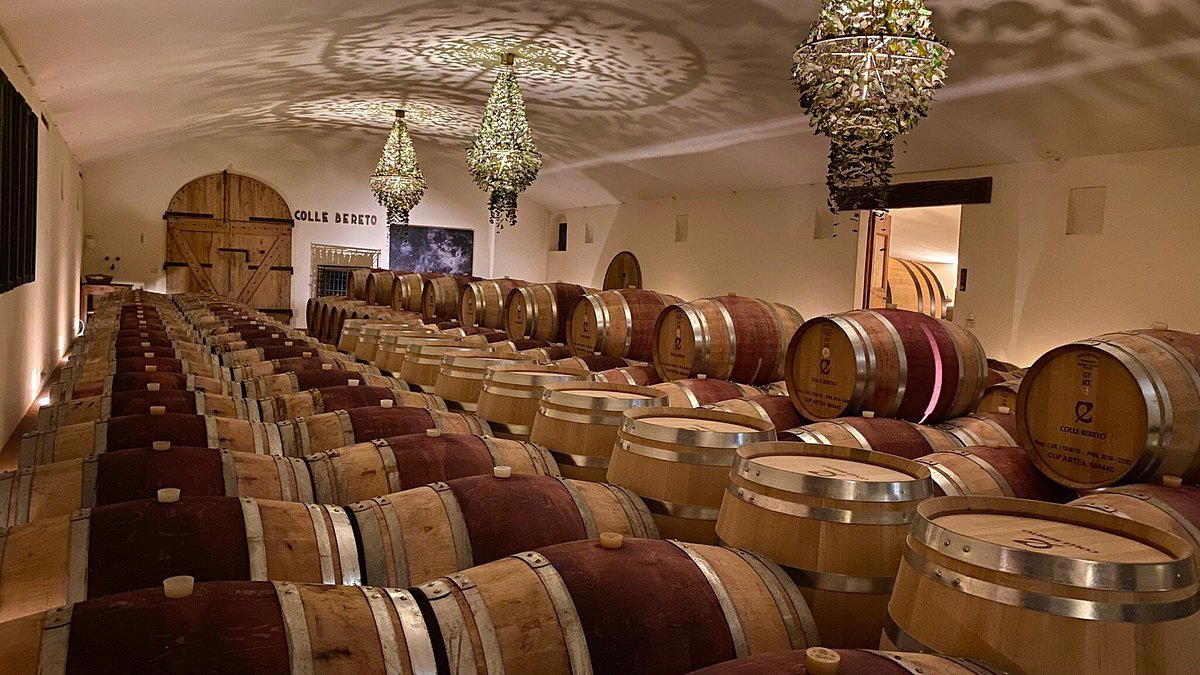
Château Marquis-de-Terme reads like a working Médoc estate rather than a showpiece. The approach along the D2 settles into a low, gravelly plateau and a quieter landscape; the châteaux here present themselves as production-focused properties whose serious activity occurs inside—barrel halls, cool cellars and patient blending are the estate's main theater. That inward, restrained character produces an understated, historic serenity: refinement is in texture and aromatic lift rather than overt power. The writing emphasizes careful cellar management and a focus on time and integration, so the overall mood is contemplative, refined and quietly assured.
Best For
The property is especially well suited to visitors interested in the craft of winemaking and the long game of barrel aging. Because the text centers on cellar practice, barrel programs and Margaux’s aromatic subtlety, Marquis-de-Terme works well for wine-education visits and group outings focused on tasting and learning. Its quietly refined presence and classification pedigree also make it appropriate for special occasions or a measured, romantic getaway where the emphasis is on terroir, texture and patient aging rather than spectacle.
Tasting Tips
When tasting here, frame your impressions around Margaux’s signature traits: aromatic refinement and fine-grained tannin. The description highlights notes like violet, dried rose and graphite, and it foregrounds the estate’s barrel program, so ask about the oak regimen and how much new wood is used. Taste examples that show different stages of integration—young and more mature vintages—so you can judge how the tannins and oak settle over time. Expect wines that reward patience; look for balance and subtlety rather than aggressive extraction.
Venue details
Ambiance
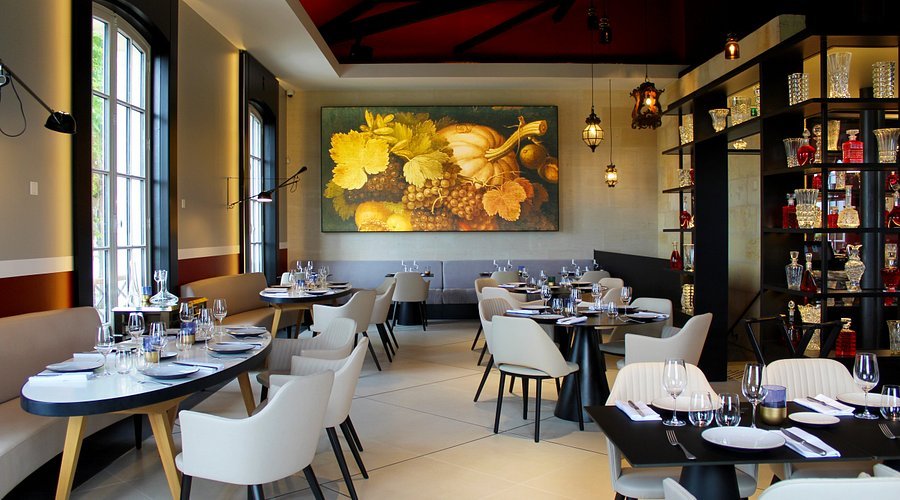
Historic château setting with elegant barrel rooms featuring curated art exhibitions, modern cement vat facilities, and refined tasting spaces that blend ancestral tradition with contemporary design.
Tags
Vibe
Best For
Experience
Sourcing
View
At the Vineyard
- Appellation
- Margaux AOC
- Varietals
- Cabernet Sauvignon, Merlot, Petit Verdot
- Tour Duration
- 90-120 minutes
- Tour Languages
- French, English
- Visits
- By appointment only
- Farming
- Organic
- Wine Styles
- Still Red
- Food Pairing
- Offered
- Wine Club
- Not available
Know before you go
Know Before You Go
- Getting there
- 3 Rte de Rauzan, 33460 Margaux-Cantenac
Planning details
Location
Recognition and awards

Also consider
If you cannot get the appointment
Try Chateau Malescot St. Exupery first if the goal is another serious Margaux château in the same planning zone. For a second fallback, Château Durfort-Vivens is the more useful comparison if the trip is about understanding how different Margaux estates present the appellation.
Winery context
How It Compares
Choose Château Marquis-de-Terme if the priority is a composed Margaux château visit within an efficient Left Bank itinerary. Chateau Malescot St. Exupery is the more obvious cross-shop for visitors building a classified-growth-focused day, while Château Marquis-d'Alesme makes sense for travellers who want another polished Margaux address nearby.
Château Durfort-Vivens is the stronger alternate if the decision is about comparing estate character within the same appellation rather than simply adding another tasting. Château Rauzan-Gassies and Château Rauzan Ségla are better saved for travellers who want a denser Margaux route and are willing to let appointment availability shape the day.
For value, the deciding factor is not a published price here; it is whether the visit fits cleanly into a Margaux-focused schedule. If food pairing or casual access is the key requirement, compare formats before choosing. If the goal is appellation depth, this belongs on the shortlist with the nearby châteaux above.
Explore Margaux
Around this place
Discover more on Pearl
Unlock the full Château Marquis-de-Terme guide in Pearl, including awards, comparisons, FAQs, planning details, and nearby places.
Compare Château Marquis-de-Terme
| Venue | Location | Awards |
|---|---|---|
| Château Marquis-de-Terme | Margaux | 2026 Falstaff Winery Guide |
| Chateau Malescot St. Exupery | Margaux | 2026 Michelin Grape Main Selection - Bordeaux2025 Pearl 4 Star Prestige |
| Château Marquis-d’Alesme | Margaux | No published awards |
| Château Durfort-Vivens | Margaux | 2026 Falstaff Winery Guide |
| Château Rauzan-Gassies | Margaux | 2026 Falstaff Winery Guide |
| Château Rauzan Ségla | Margaux | 2026 Falstaff Winery Guide2026 Michelin 1 Grape - Bordeaux2025 Pearl 4 Star Prestige |



How Château Marquis-de-Terme Margaux compares with similar nearby venues.
FAQ
Frequently Asked Questions
What other venues are near Château Marquis-de-Terme?
Chateau Malescot St. Exupery, Château Marquis-d'Alesme, Château Durfort-Vivens, Château Rauzan-Gassies, and Château Rauzan Ségla are natural comparison points in Margaux. Château Marquis-de-Terme is in Margaux and can be considered as part of broader planning in the area.
Can Château Marquis-de-Terme handle large groups?
Are purchase or shipping options available for Château Marquis-de-Terme?
Are membership or recurring purchase options available for Château Marquis-de-Terme?
If Château Marquis-de-Terme offers any such option, evaluate it based on the terms the venue provides directly and on your own preferences.
Do I need a reservation at Château Marquis-de-Terme?
When is the best time to visit Château Marquis-de-Terme?
Plan around the details Château Marquis-de-Terme confirms directly, especially if you are coordinating it with other Margaux stops.