
Château Durfort-Vivens
Margaux
Winery in Margaux, France
 Book with Pearl
The Read
Classified Margaux Restraint
Why go
Château Durfort-Vivens is worth pursuing for wine-focused travelers building a serious Margaux itinerary, but it is not the easiest fit for a loose day of casual tastings. Book it for appellation depth and name value; cross-shop more flexible Margaux peers if convenience matters more than depth.
About Château Durfort-Vivens
Château Durfort-Vivens is a Margaux venue to plan around its weekday opening hours, smart casual dress code, and Pearl 3 Star Prestige recognition for 2025. Use those essentials as the basis for planning rather than assuming specific services, visit formats, prices, menus, shipping, or other amenities.
For timing, Château Durfort-Vivens is listed as open Monday to Thursday from 9:30 AM to 12:30 PM and 2 to 5 PM, and Friday from 9:30 AM to 12 PM and 2 to 5 PM. It is closed Saturday and Sunday. Travelers should confirm any intended visit details directly through official channels before building a full Margaux itinerary around it.
A Margaux stop for a focused itinerary
A strong reason to keep Château Durfort-Vivens on a Margaux shortlist is its Pearl 3 Star Prestige recognition in 2025. For specific hospitality formats, tasting structures, prices, cuisine, beverage programs, or special services, check directly before making plans. Compare it naturally with nearby Margaux names such as Château Lascombes, Chateau Malescot St. Exupery, Château Ferrière, Château Marquis-de-Terme, and Château Marquis-d'Alesme when deciding how to organize time in the area.
For a Margaux day, plan around the weekday hours and leave room to confirm details in advance. Use Our full Margaux wineries guide as the anchor, then layer in meals from Our full Margaux restaurants guide and other Margaux planning resources as needed. Approach Château Durfort-Vivens as a Margaux listing with specific hours, and avoid assuming services or access details without checking first.
Plan around essentials, not assumptions
The right way to evaluate Château Durfort-Vivens is direct: it is in Margaux, it has weekday hours, the dress code is smart casual, and it holds Pearl 3 Star Prestige recognition for 2025. If your plans depend on a specific tour, tasting, menu, price point, shipping option, accessibility detail, or other service, confirm that directly before relying on it.
Quick reference: prioritize it if a Pearl-recognized Margaux venue fits your itinerary; skip or delay it if your plans require specific services, weekend timing, or last-minute arrangements.
Planning details
- Location
- 3 rue du Général de Gaulle, 33460 Margaux-Cantenac, France
- Website
- gclurton-estates.com/en/chateau-durfort-vivens
- Phone
- +33557883102
The take
The Take
The Vibe
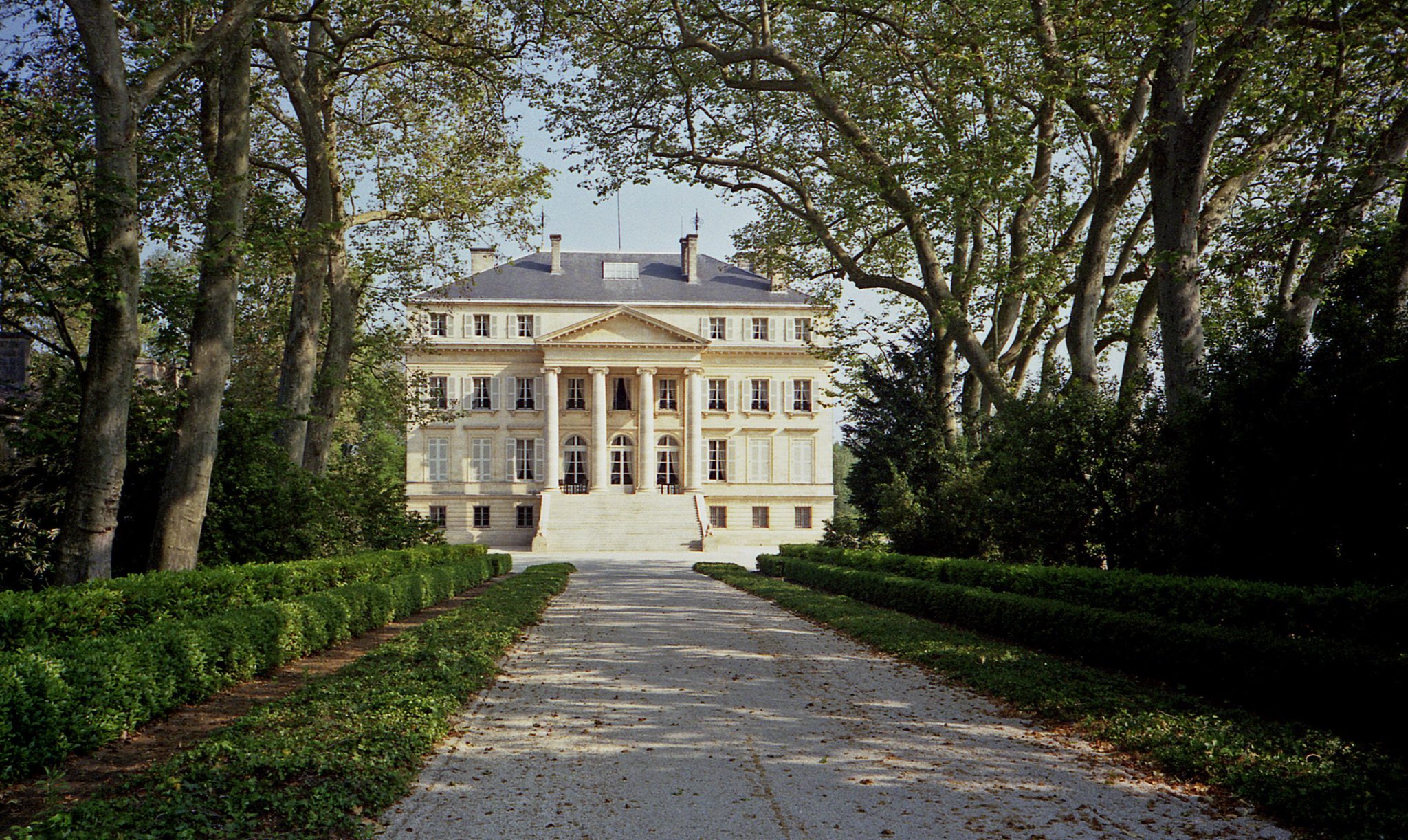
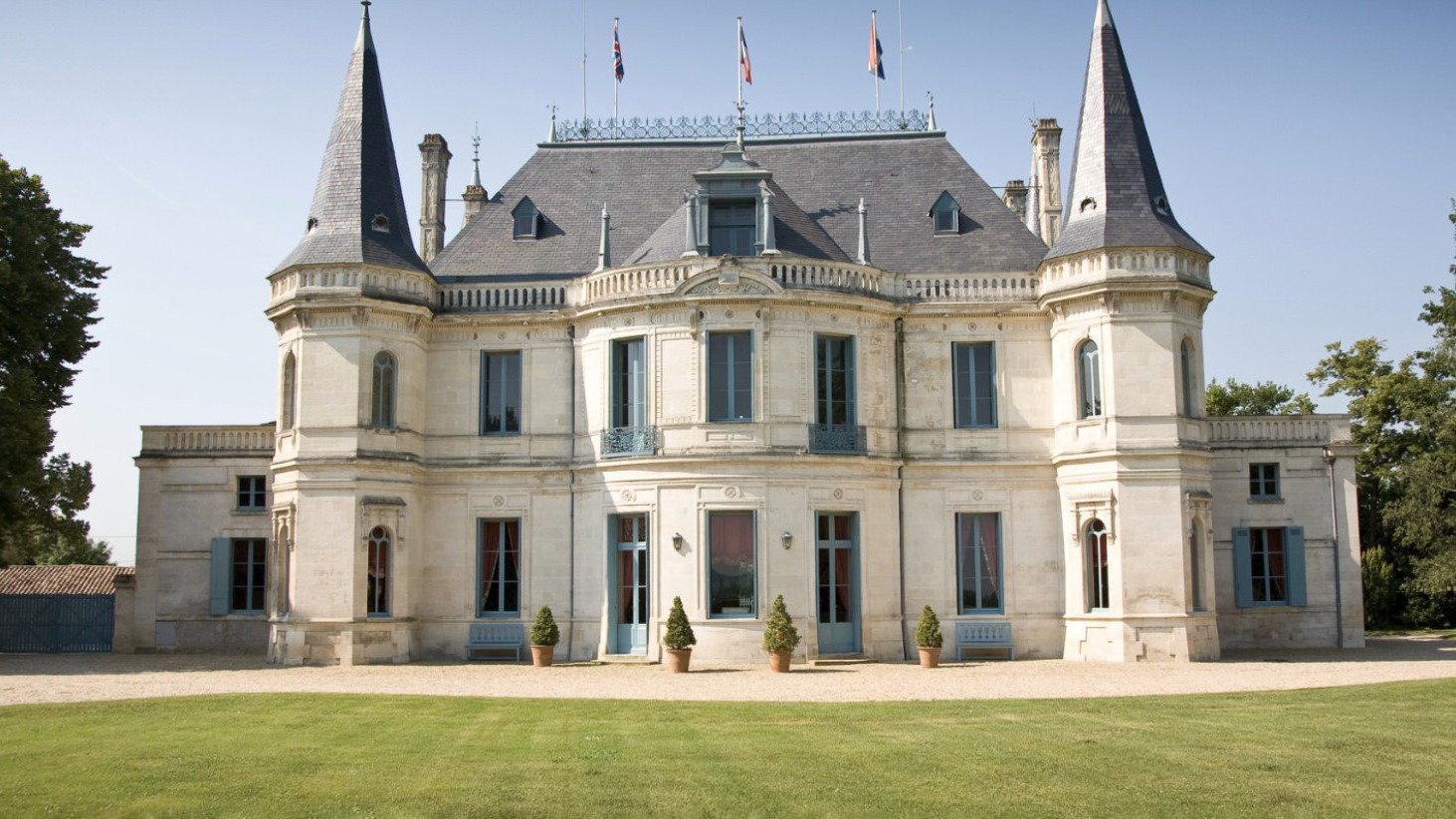
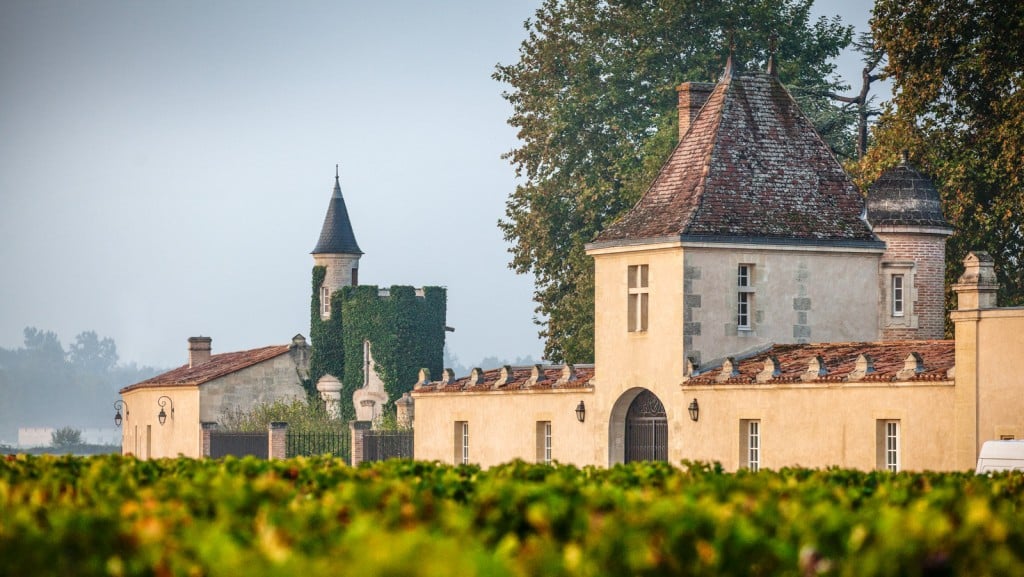
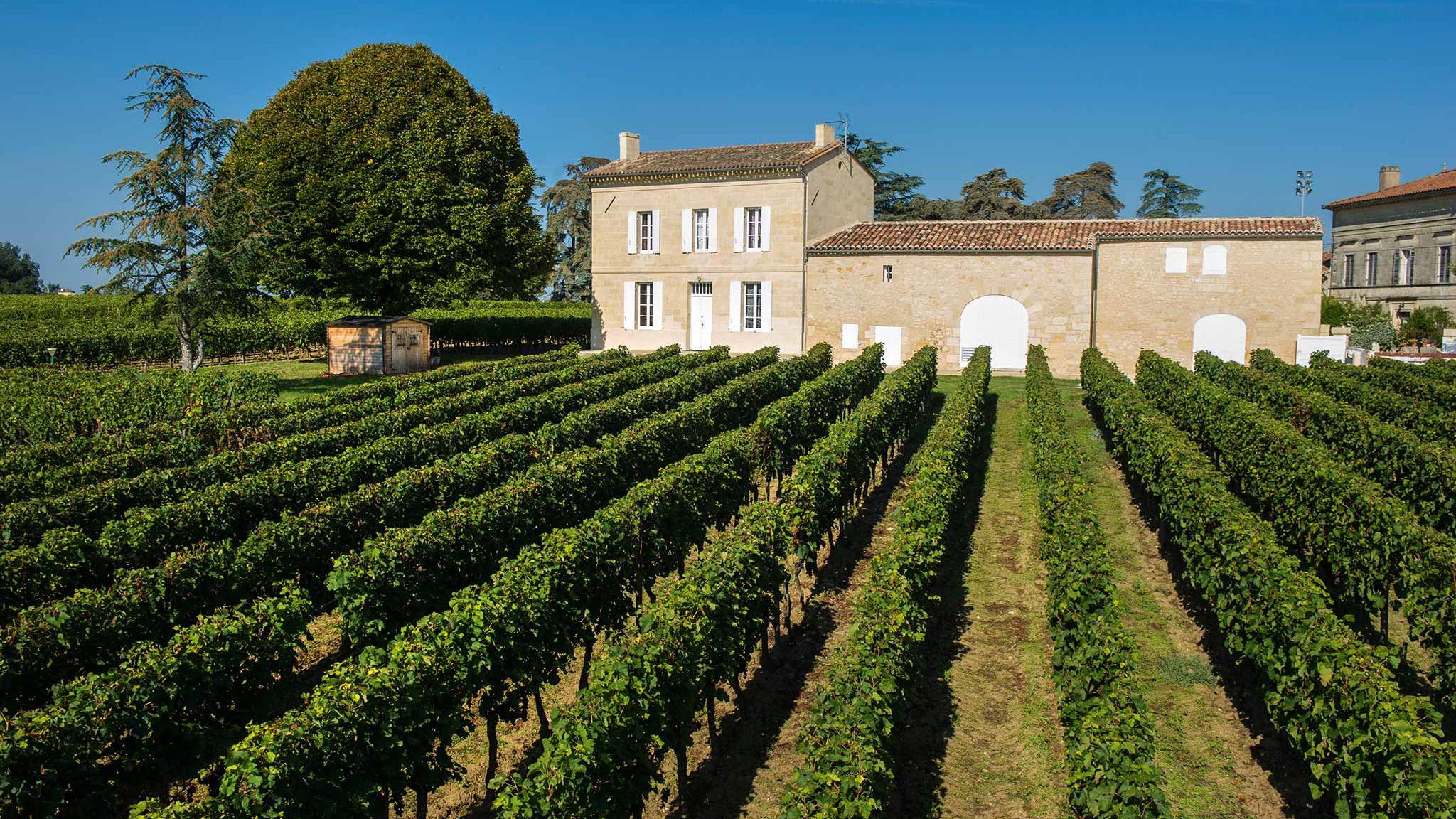
Château Durfort-Vivens reads like an emblem of Margaux tradition: a classified 1855 Second Growth set amid gravel ridges, stone chai walls and wrought-iron gates. The copy foregrounds history and place, tracing three centuries of Bordelais landholding and stylistic conversation with neighbouring grand estates. That sense of lineage gives visits a studied, quietly grand rhythm — the estate feels rooted, serious about terroir and refinement rather than flash. For travelers who value provenance, architectural presence and the reassuring order of a château property, Durfort-Vivens projects a dignified, historic character.
Best For
This estate is best suited to wine-focused visits and milestone moments. The text positions Durfort-Vivens in the upper register of Margaux Second Growths and links its identity to en primeur and cellar-release markets, so it naturally appeals to collectors, students of claret and anyone treating a tasting as a learning moment. Its classified pedigree and measured approach also make it a fitting stop for special-occasion visits where the context of place and vintage matters as much as what’s in the glass.
Tasting Tips
Think like a buyer: the description emphasizes en primeur ratings and cellar-release decisions, so prioritize vintage context and release windows when pursuing Durfort-Vivens. Track en primeur coverage and reputable scoring (the write-up cites a 2025 Pearl 3 Star Prestige rating) and compare notes with peers from Margaux to understand stylistic differences. If you’re collecting, focus on allocations at release or cellar-stock releases rather than relying on last-minute purchases; the estate’s classified standing rewards attention to timing and provenance.
Venue details
Ambiance
Refined and elegant historic château atmosphere with meticulous precision in winemaking.
Tags
Vibe
Best For
Experience
Sourcing
View
At the Vineyard
- Appellation
- Margaux AOC
- Varietals
- Cabernet Sauvignon, Merlot, Cabernet Franc
- Tour Duration
- 60-90 minutes
- Wine Club
- Not available
Know before you go
Know Before You Go
- Getting there
- 3 rue du Général de Gaulle, 33460 Margaux-Cantenac, France
Planning details
Location
3 rue du Général de Gaulle, 33460 Margaux-Cantenac, France · Directions
Recognition and awards

Also consider
Also Consider
- Château Marquis-d'Alesme, Notable alternative
- Château Ferrière, Notable alternative
- Chateau Malescot St. Exupery, Notable alternative
- Château Marquis-de-Terme, Notable alternative
- Château Lascombes, Notable alternative
Winery context
How it compares in Margaux
Choose Château Durfort-Vivens if the priority is a serious Margaux stop with more wine-context appeal than casual visitor convenience. Château Marquis-d'Alesme is the better cross-shop for travelers who want a more obviously polished château visit, while Château Ferrière is the smarter backup when flexibility matters.
Against Chateau Malescot St. Exupery and Château Marquis-de-Terme, Durfort-Vivens is the pick for visitors who already know they want Margaux depth rather than a broad hospitality experience. If the day has only one château slot and mixed levels of wine interest in the group, those peers may be easier to justify.
Château Lascombes is the more natural choice for travelers who want scale and a bigger-name stop in the itinerary. Durfort-Vivens makes more sense as a targeted booking for enthusiasts, especially when the rest of the day is already anchored in Margaux rather than spread across the Médoc.
Explore Margaux
Around this place
Discover more on Pearl
Unlock the full Château Durfort-Vivens guide in Pearl, including awards, comparisons, FAQs, planning details, and nearby places.
Compare Château Durfort-Vivens
| Venue | Location | Awards |
|---|---|---|
| Château Durfort-Vivens | Margaux | 2026 Falstaff Winery Guide |
| Château Marquis-d’Alesme | Margaux | No published awards |
| Château Ferrière | Margaux | 2026 Falstaff Winery Guide |
| Chateau Malescot St. Exupery | Margaux | 2026 Michelin Grape Main Selection - Bordeaux2025 Pearl 4 Star Prestige |
| Château Marquis-de-Terme | Margaux | 2026 Falstaff Winery Guide |
| Château Lascombes | Margaux | 2026 Falstaff Winery Guide2026 Michelin Grape Main Selection - Bordeaux2025 Pearl 3 Star Prestige |


How Château Durfort-Vivens Margaux: Hours, Dress Code, Pearl Recognition compares with similar nearby venues.
FAQ
Frequently Asked Questions
Does Château Durfort-Vivens ship wine?
What is Château Durfort-Vivens known for?
Château Durfort-Vivens is a Margaux venue with Pearl 3 Star Prestige recognition for 2025.
Where is Château Durfort-Vivens located?
Château Durfort-Vivens is located in Margaux.