


Château La Tour Blanche
Bommes
Winery in Bommes, France
 Book with Pearl
The Read
Botrytis-Driven Premier Cru
Why go
Château La Tour Blanche is a strong pick for travellers who want Bommes and Sauternes context rather than a quick tasting-room stop. Prioritise it if your day is built around sweet Bordeaux and nearby estates; cross-shop Château Lafaurie-Peyraguey or Château Rayne-Vigneau if profile or availability matters more.
About Château La Tour Blanche
Château La Tour Blanche is a Pearl 4 Star Prestige venue in Bommes. Frédéric Nivelle is the named chef/owner, and the dress code is smart casual. Travellers should confirm format, pricing, menus, hours, group capacity, and services directly before making plans.
A Bommes anchor for careful planning
Château La Tour Blanche is best approached as a Bommes venue with Pearl 4 Star Prestige recognition in 2025. Frédéric Nivelle is the chef/owner; for cuisine, service style, reservations, pricing, or visit format, check with the venue directly.
If the itinerary is broader than this single venue, use general planning resources to keep the day organised. Links such as Our full Bommes restaurants guide, Our full Bommes hotels guide, Our full Bommes bars guide, and Our full Bommes experiences guide can help with Bommes planning.
Where to place it against comparison venues
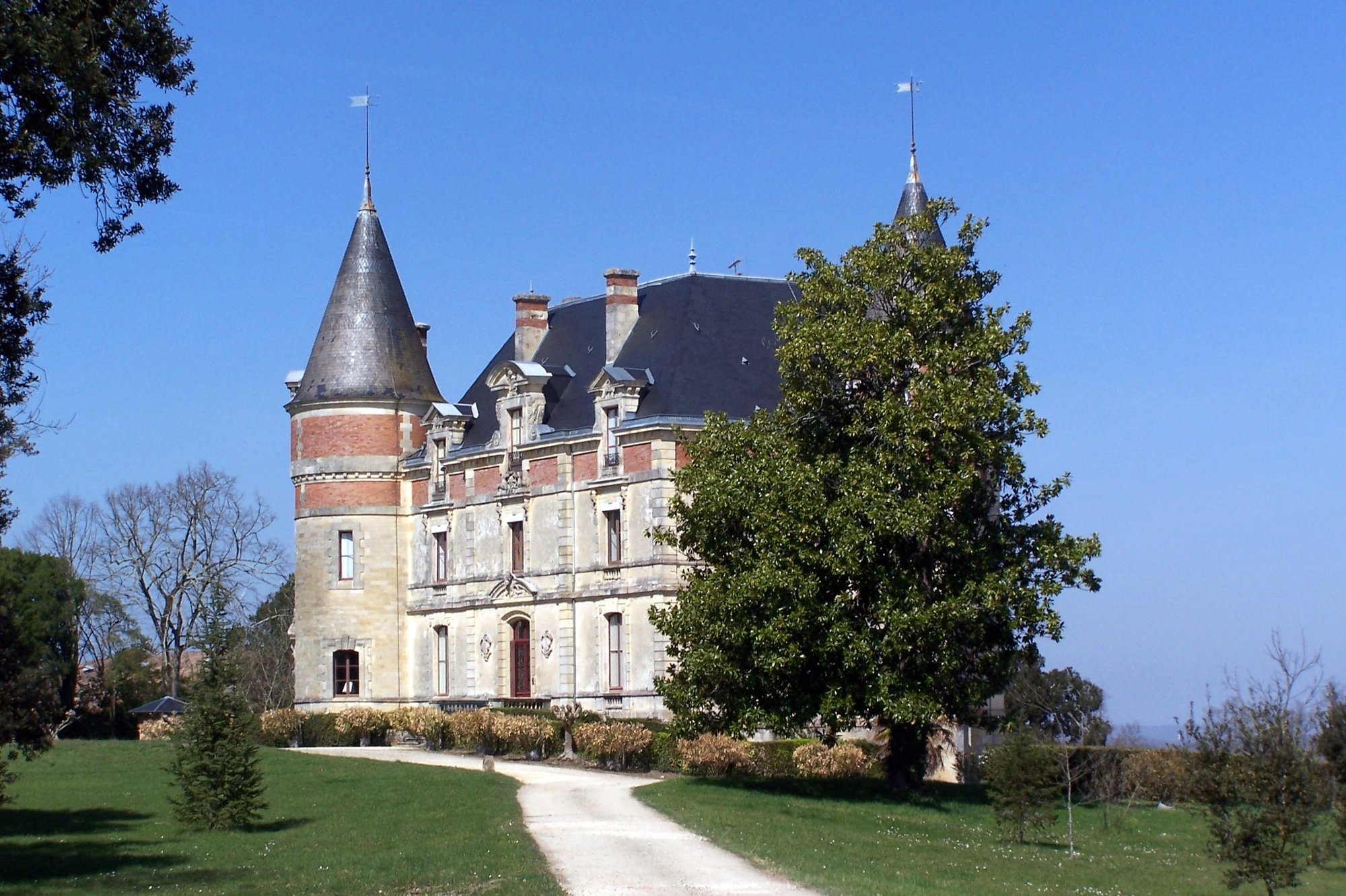
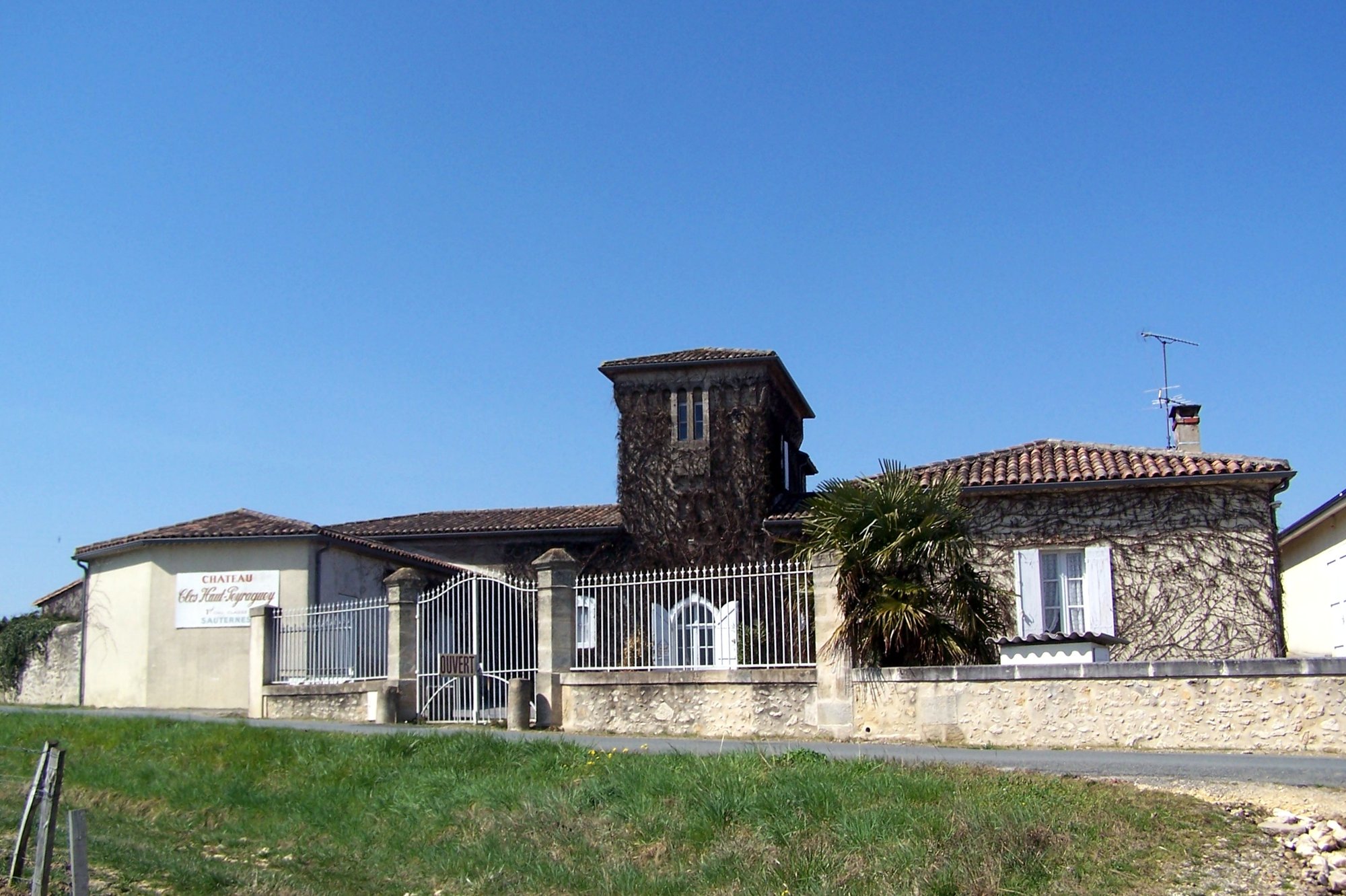
For travellers comparing notable names, Château La Tour Blanche can be considered alongside Château Lafaurie-Peyraguey, Château Rayne-Vigneau, Château Sigalas-Rabaud, Château d'Arche, and Clos Haut-Peyraguey. Keep the comparison practical: choose based on availability, current visitor information, and the kind of experience each venue is offering at the time you plan to go.
Avoid building the day around assumptions. For Château La Tour Blanche, the core planning points are its Bommes location, Frédéric Nivelle as chef/owner, smart casual dress code, and Pearl 4 Star Prestige recognition in 2025. Anything more specific should be checked directly with the venue before you rely on it.
Quick reference: Prioritise Château La Tour Blanche if you want a Pearl 4 Star Prestige venue in Bommes, and confirm all operational details before visiting.
Planning details
- Location
- La Tour Blanche, 33210 Bommes
- Website
- tour-blanche.com
- Phone
- +33 5 57 98 02 73
The take
The Take
The Vibe
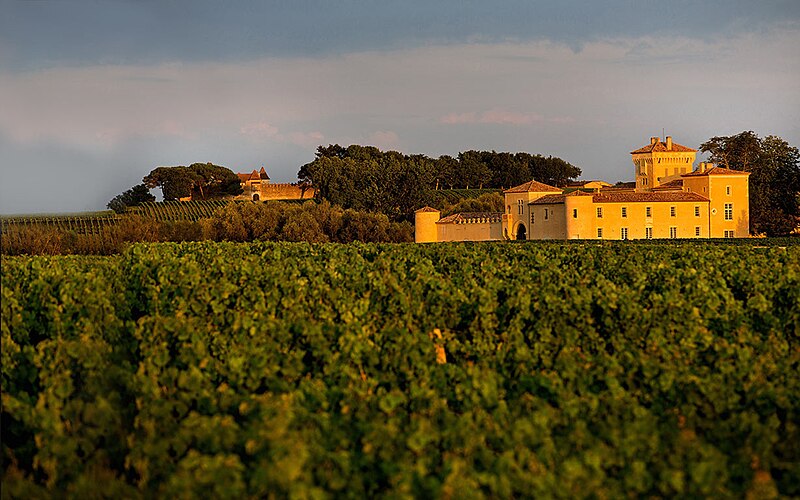
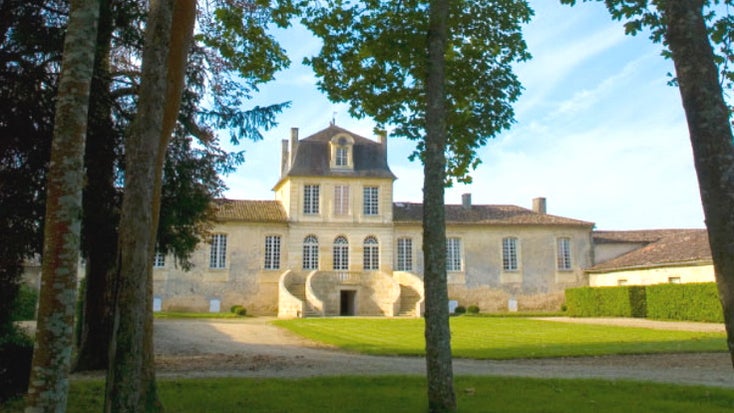
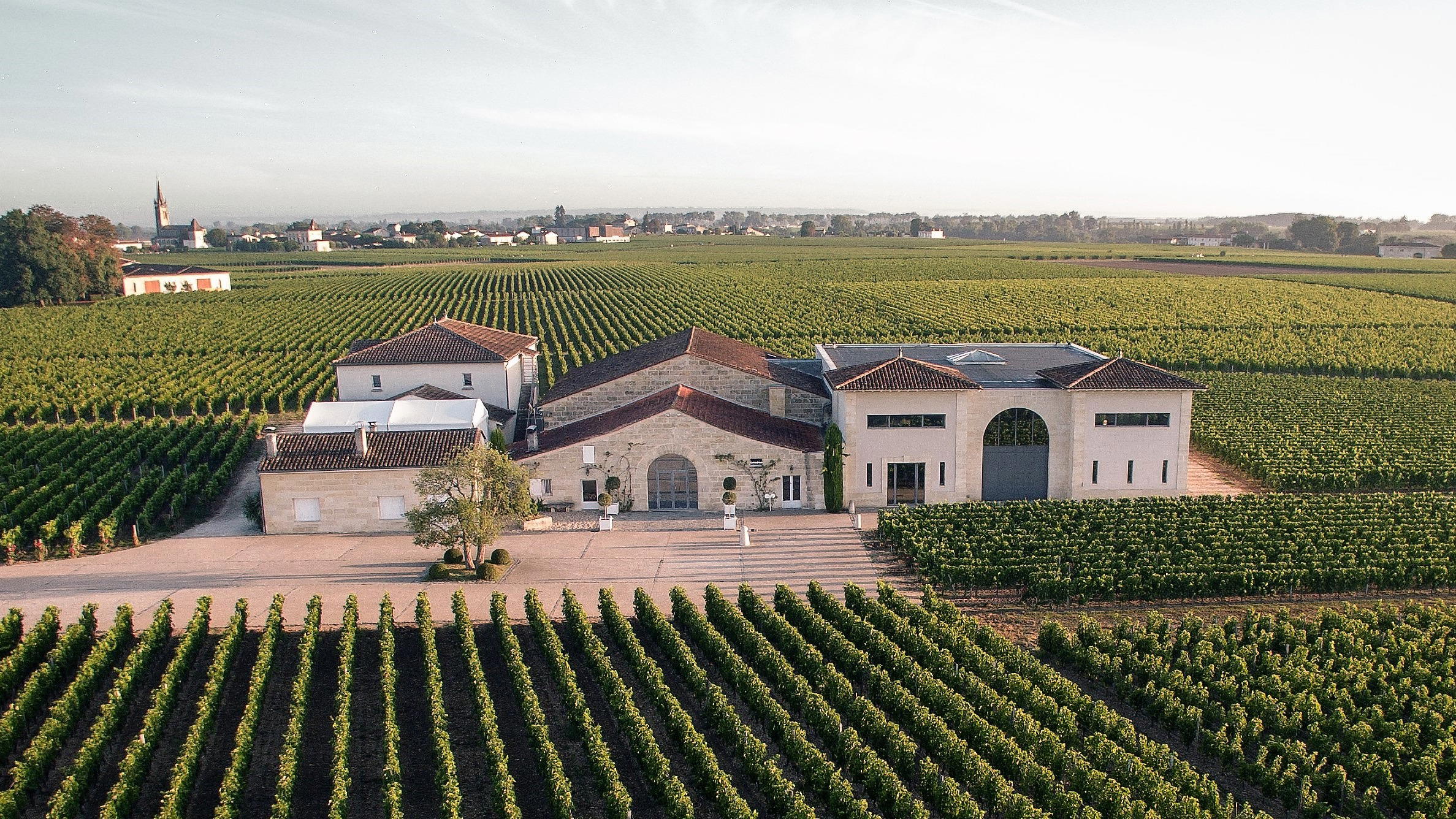
Château La Tour Blanche presents a quietly authoritative experience rooted in Sauternes tradition. The château’s first‑growth status and long history anchor visits in a historic, almost institutional tone, while the low‑lying vine rows and fog‑prone microclimate remind visitors that this is a working estate defined by terroir. Tastings unfold in an intimate, appointment‑only manner: small pours and deliberate pacing create a focused, contemplative atmosphere. Staffers guide guests through the mechanics of botrytis and vintage variation, so the visit feels educational and reverent rather than casual, suitable for anyone who comes to study rather than merely sample the wines.
Best For
La Tour Blanche is best for visitors who come with purpose: students of sweet wine, collectors assessing vintages, and couples or groups marking a special occasion. The estate’s appointment‑based format discourages walk‑in traffic and favors structured tastings that emphasize concentration and technique. Because pours are modest and pacing is deliberate, the property suits small groups and individuals who want a measured, explanatory tasting rather than a bustling cellar‑door experience. Its first‑growth pedigree and focused service make it a destination for people who value context and provenance as much as the wine itself.
Tasting Tips
Book ahead: the estate emphasizes appointment‑based visits rather than open walk‑ins, so secure a slot in advance. Expect small pours and deliberate pacing—tastings are presented as a structured exercise rather than a flight for rapid sampling. Ask staff to explain vintage differences and how botrytis affected concentration in particular years; the team is described as well‑versed in those topics. Allow enough time for a measured visit rather than a quick stop, and treat the tasting as an educational exercise to get the most from the château’s Sauternes offerings.
Venue details
Ambiance
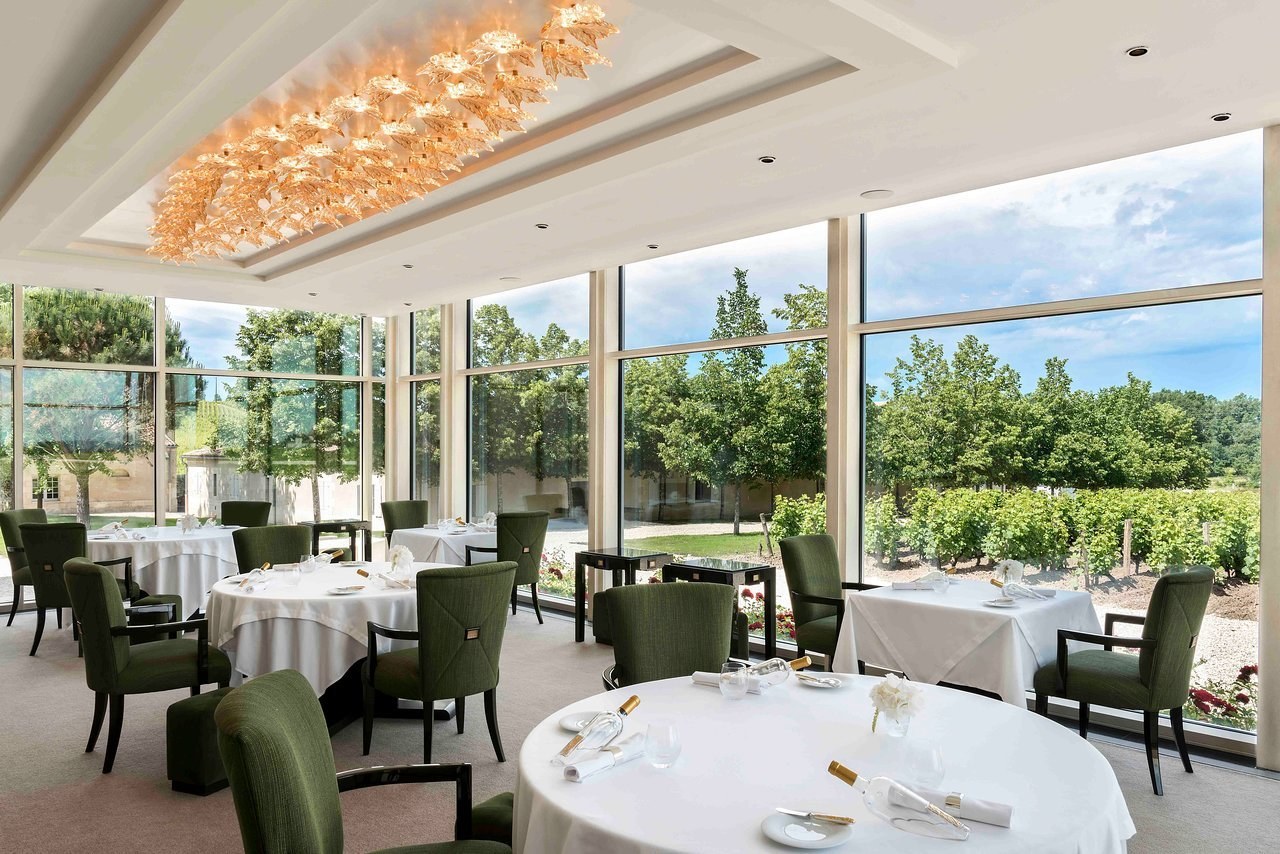
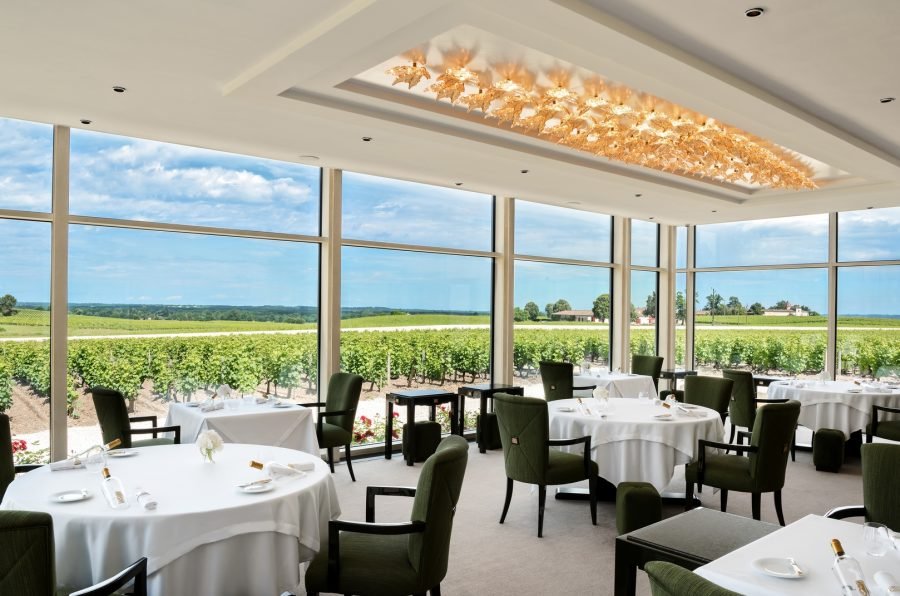
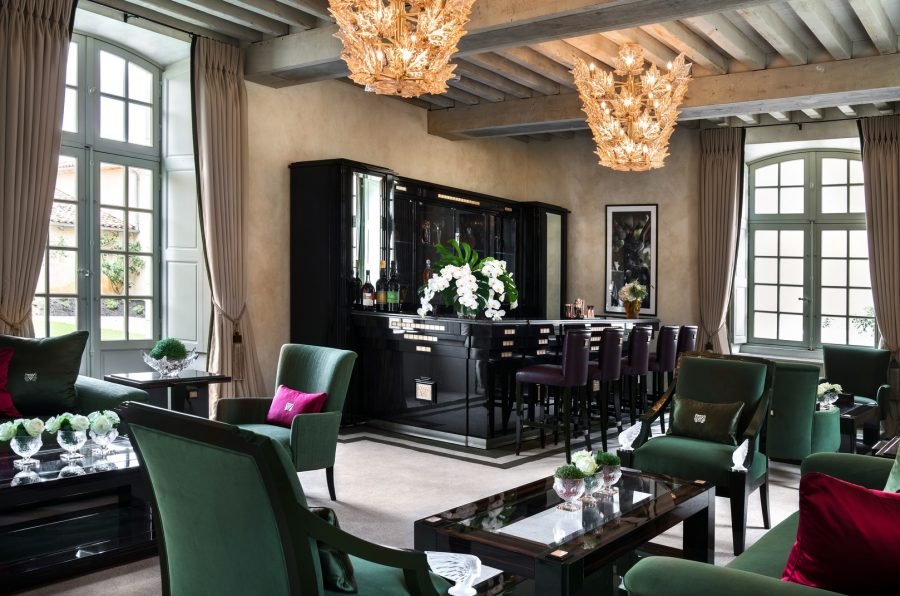
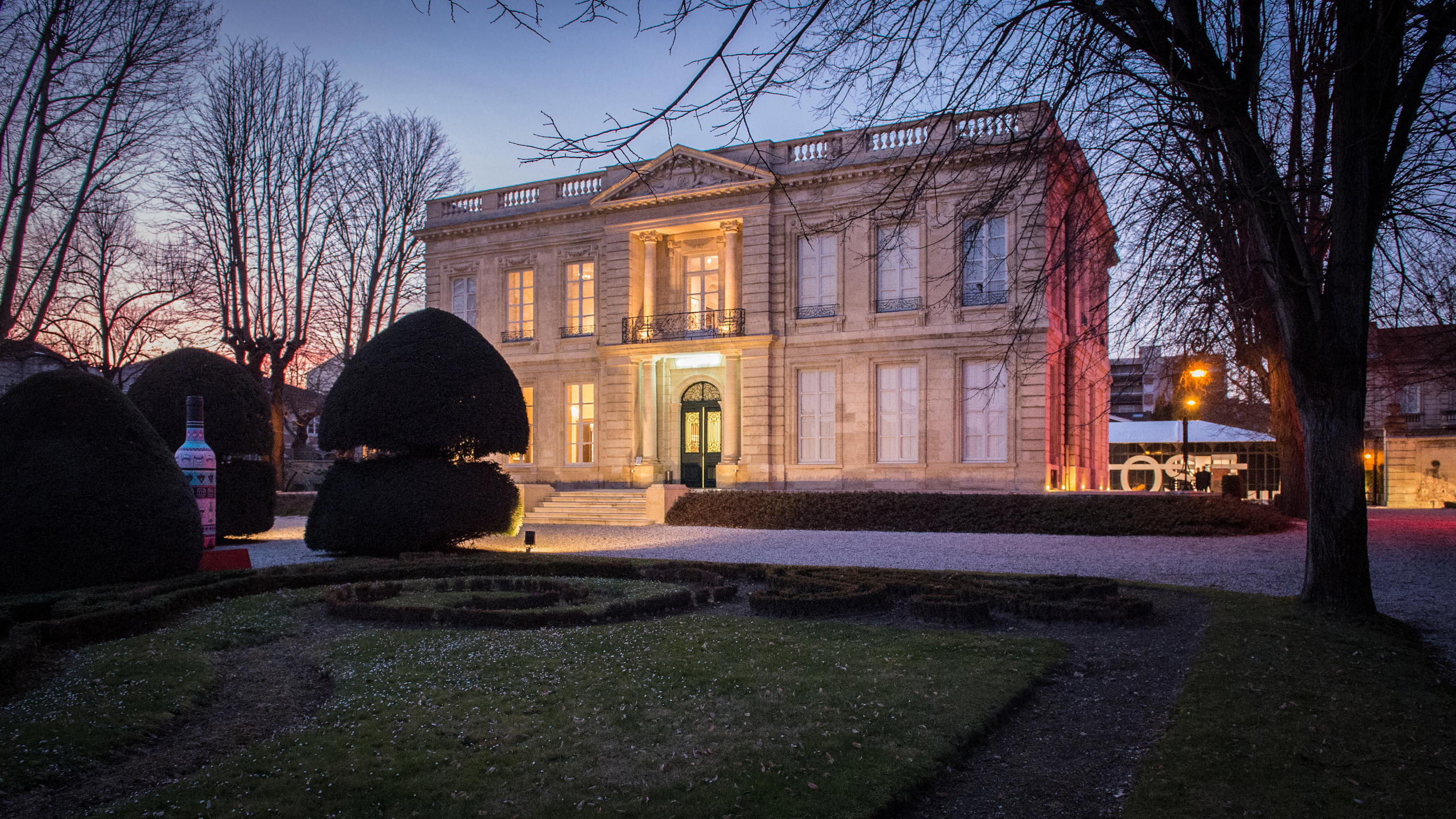
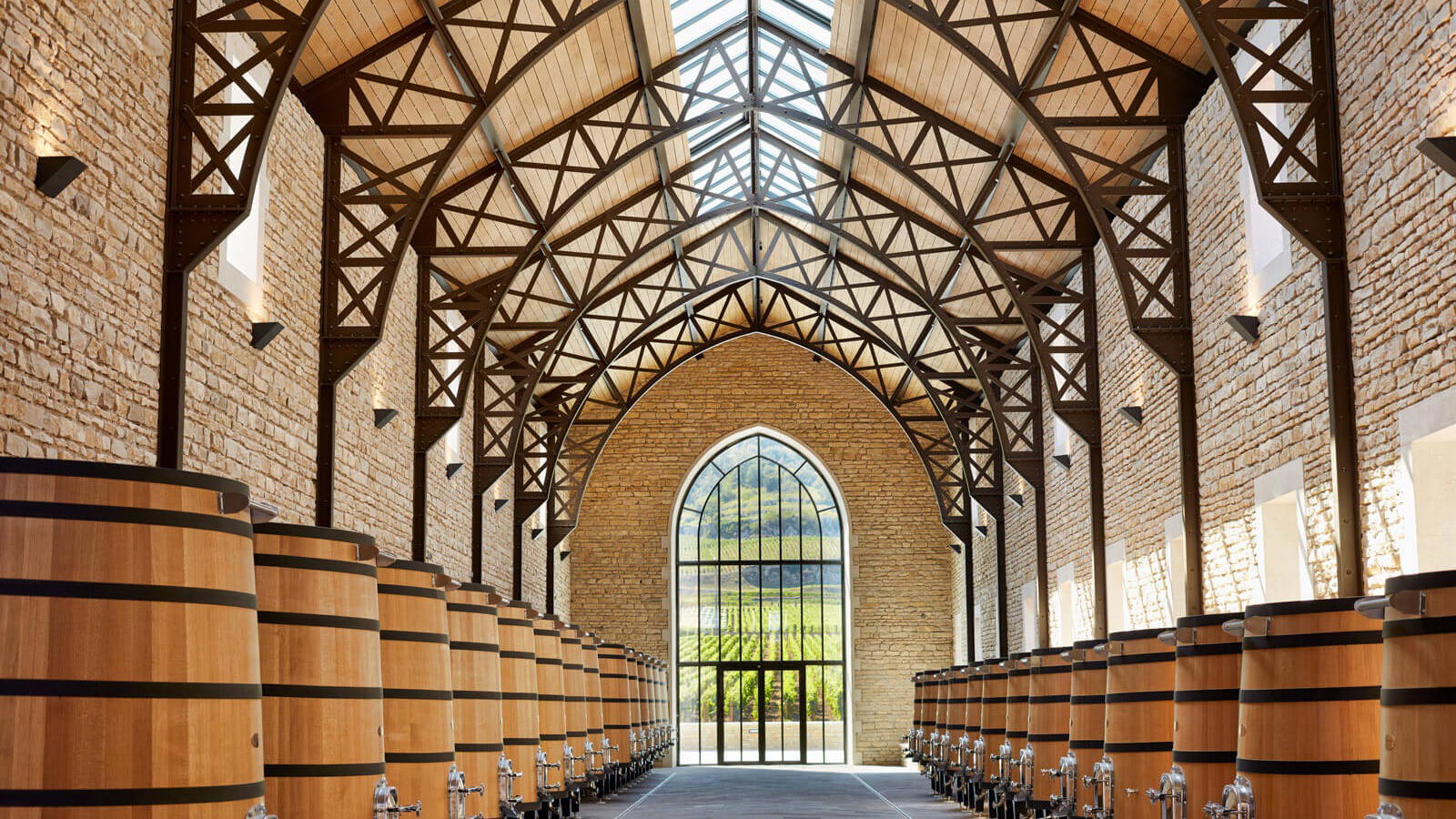
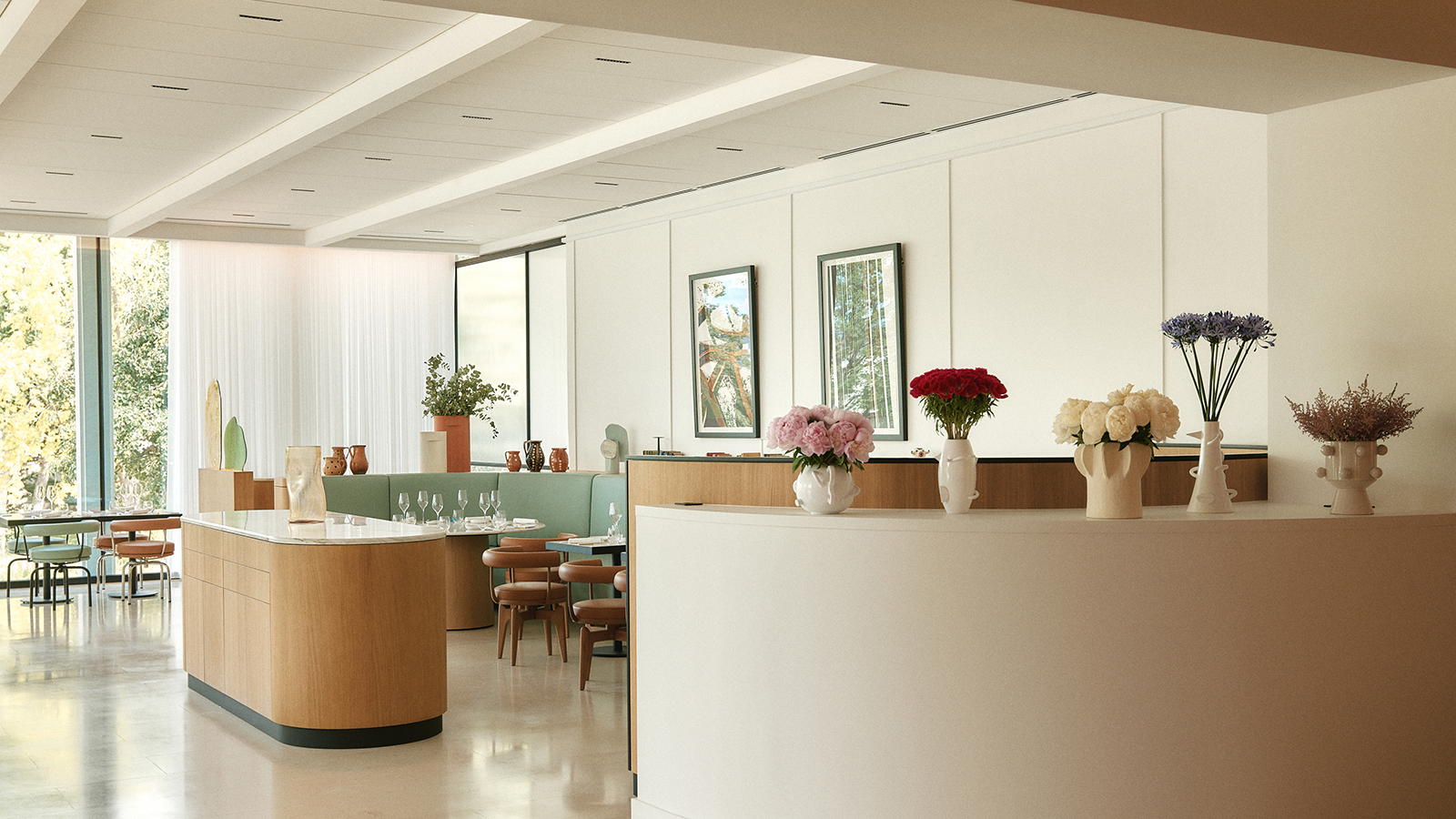
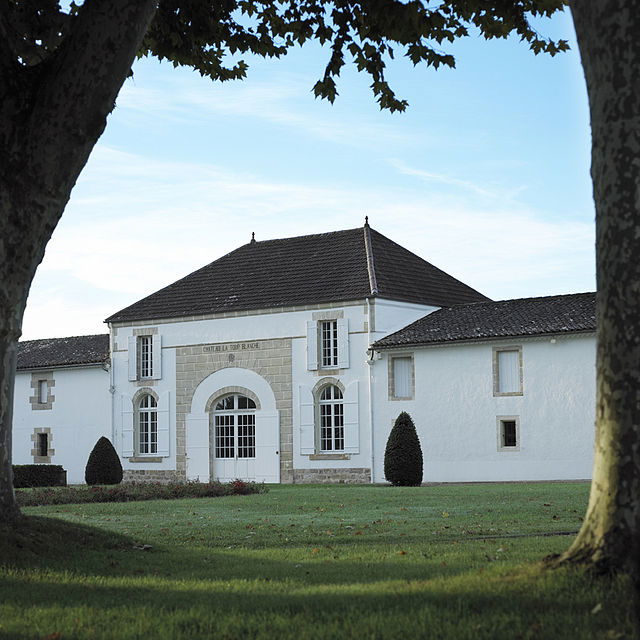
Elegant historic château atmosphere with classic sophistication amid rolling vineyard hills.
Tags
Vibe
Best For
Experience
View
At the Vineyard
- Appellation
- Sauternes AOC
- Varietals
- Sémillon, Sauvignon Blanc, Muscadelle
- Tour Duration
- 60-90 minutes
- Tour Languages
- French, English
- Visits
- By appointment only
- Production
- Small producer
- Wine Styles
- Dessert
- Wine Club
- Not available
Know before you go
Know Before You Go
- Getting there
- La Tour Blanche, 33210 Bommes
Planning details
Location
Recognition and awards

Also consider
Also Consider
- Château Rayne-Vigneau, Notable alternative
- Château d'Arche, Notable alternative
- Clos Haut-Peyraguey, Notable alternative
- Château Lafaurie-Peyraguey, Notable alternative
- Château Sigalas-Rabaud, Notable alternative
Winery context
How it compares in Bommes
Château La Tour Blanche is the better fit for a Sauternes-focused traveller who wants appellation depth and a slower estate rhythm. Château Lafaurie-Peyraguey is the stronger cross-shop if you want the higher-profile Bommes name in the plan, while Château Rayne-Vigneau is the practical fallback when availability matters more than building the day around one address.
For ambiance, Clos Haut-Peyraguey and Château Sigalas-Rabaud are worth comparing if the goal is a compact Bommes route with more than one point of view. Château d'Arche works better as a broader Sauternes-area alternative rather than a direct Bommes-only substitute.
Decision rule: choose La Tour Blanche when the trip is about understanding Sauternes in place; choose Lafaurie-Peyraguey for a more recognisable luxury-leaning stop; choose Rayne-Vigneau or Sigalas-Rabaud when the schedule is tighter and flexibility matters.
Explore Bommes
Around this place
Discover more on Pearl
Unlock the full Château La Tour Blanche guide in Pearl, including awards, comparisons, FAQs, planning details, and nearby places.
Compare Château La Tour Blanche
| Venue | Location | Awards |
|---|---|---|
| Château La Tour Blanche | Bommes | 2026 Michelin Grape Main Selection - Bordeaux2026 Falstaff Winery Guide2025 Pearl 4 Star Prestige |
| Château Rayne-Vigneau | Bommes | 2026 Falstaff Winery Guide |
| Château d’Arche | Sauternes | 2026 Falstaff Winery Guide |
| Clos Haut-Peyraguey | Bommes | 2026 Falstaff Winery Guide |
| Château Lafaurie-Peyraguey | Bommes | 2026 Wine Spectator Best of Award of Excellence2026 Falstaff Winery Guide2025 Pearl 4 Star Prestige |
| Château Sigalas-Rabaud | Bommes | 2026 Michelin 1 Grape - Bordeaux2026 Falstaff Winery Guide2025 Pearl 4 Star Prestige |

How Château La Tour Blanche compares with similar nearby venues.
FAQ
Frequently Asked Questions
Are additional services available at Château La Tour Blanche?
For specific services, contact Château La Tour Blanche directly before planning around them.
When is the best time to visit Château La Tour Blanche?
Opening hours and visit schedules can change. Plan only after confirming the current arrangements directly with the venue in Bommes.
What other venues can I compare with Château La Tour Blanche?
Other names to compare include Château Rayne-Vigneau, Château d'Arche, Clos Haut-Peyraguey, Château Lafaurie-Peyraguey, and Château Sigalas-Rabaud. Use Château La Tour Blanche as a Bommes reference point, then choose based on current details for each venue.
Does Château La Tour Blanche offer memberships or special access?
If repeat visits or special access matters to you, ask Château La Tour Blanche directly for current details.
Can Château La Tour Blanche handle large groups?
Check with Château La Tour Blanche in advance before planning for a group of any size.
How long should I plan for a visit to Château La Tour Blanche?
Because Château La Tour Blanche has Pearl 4 Star Prestige recognition, it is worth confirming the current format and timing before building it into a Bommes itinerary.
What is Château La Tour Blanche known for?
Château La Tour Blanche is in Bommes, has Pearl 4 Star Prestige recognition, names Frédéric Nivelle as chef/owner, and has a smart casual dress code. Ask the venue directly for current details beyond those points.