

2026 Falstaff Winery Guide: The Ultimate Wine Authority — Page 90
Falstaff's 2026 Wineries guide.

Venues on this list
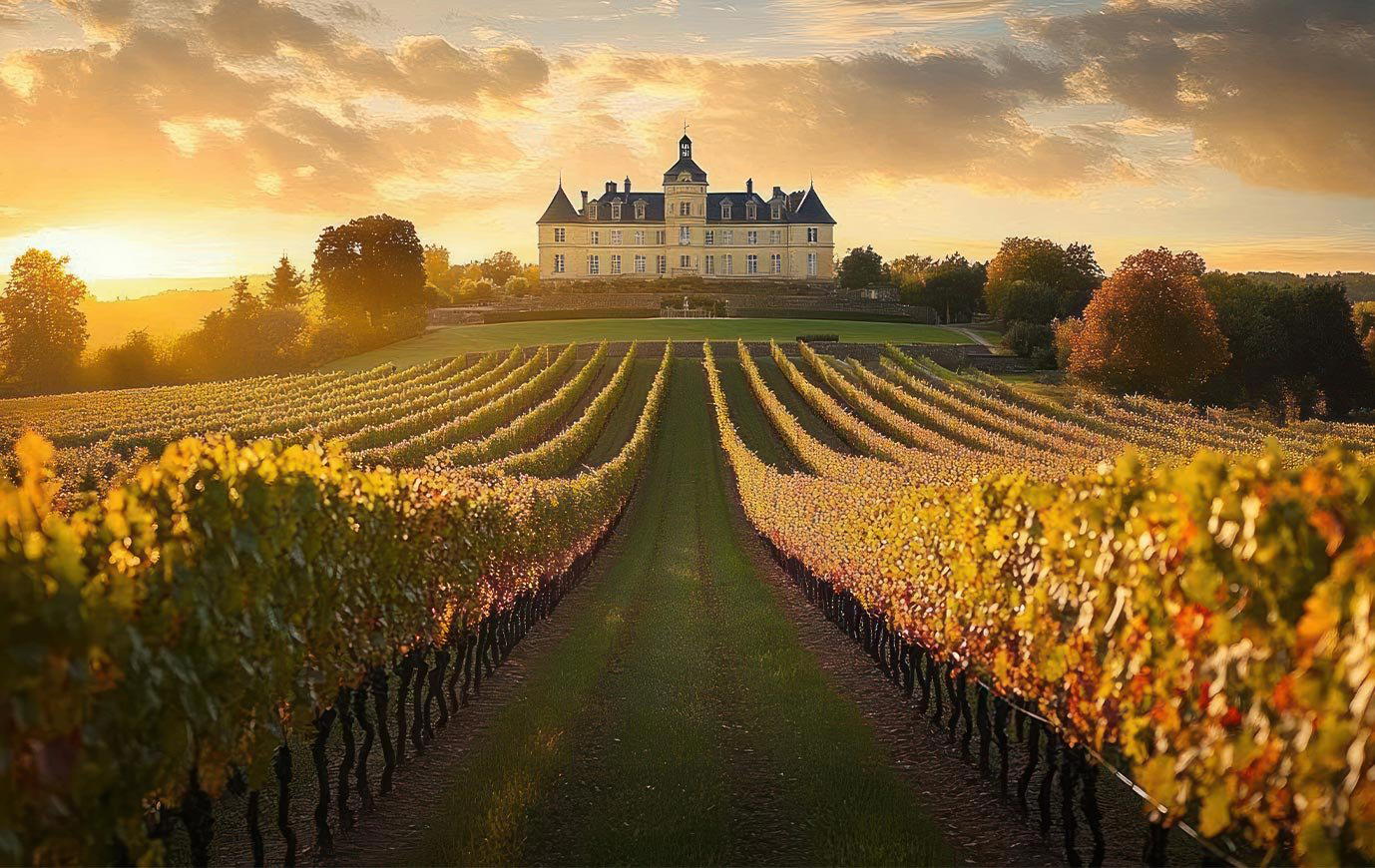
Château Seguin
Canejan, France
Château Seguin works for a calm, wine-first stop in Canejan, especially for couples, small celebrations, or business guests who want conversation over spectacle. The 2026 Falstaff listing is the main credibility signal; choose it for the estate visit, not for a verified food-pairing or restaurant-style program.
Burgenwein – Alexander Häßler
Burgen, Germany
Book Burgenwein – Alexander Häßler if the visit is about a focused Moselle wine decision rather than a casual tasting crawl. The Falstaff 1 Stars recognition for 2026 gives it a clear quality signal, but the smart plan is a small group, advance arrangement, and no assumptions around food, shipping, or walk-in availability.
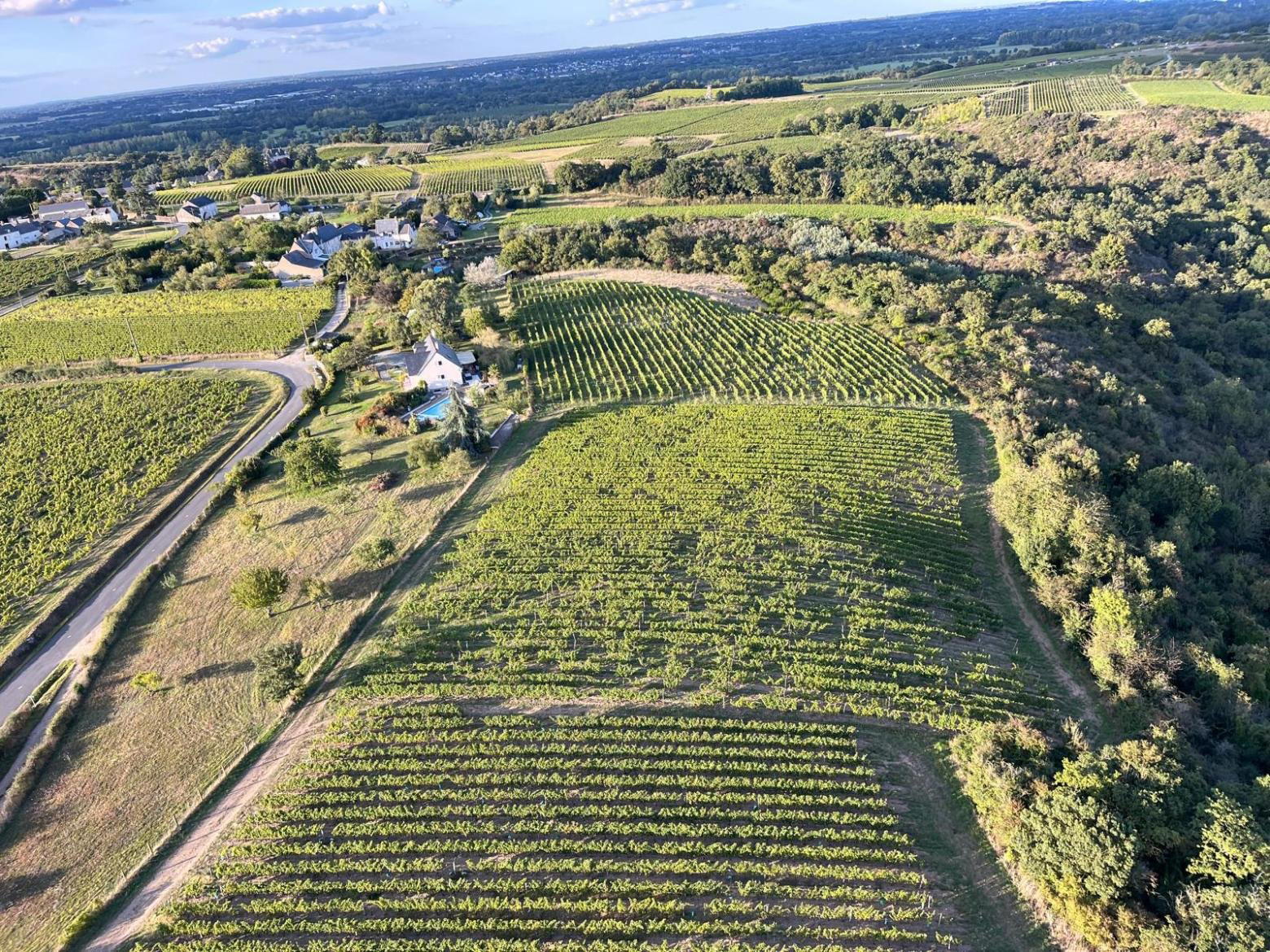
Domaine Patrick Baudouin
Chaudefonds Sur Layon, France
Domaine Patrick Baudouin is worth planning around if you want a guided, terroir-focused Loire tasting rather than a quick cellar-door stop. The draw is Chenin Blanc across Anjou’s dry and sweet traditions, explained through organic farming, old-cellar atmosphere, and the geology of Anjou Noir.
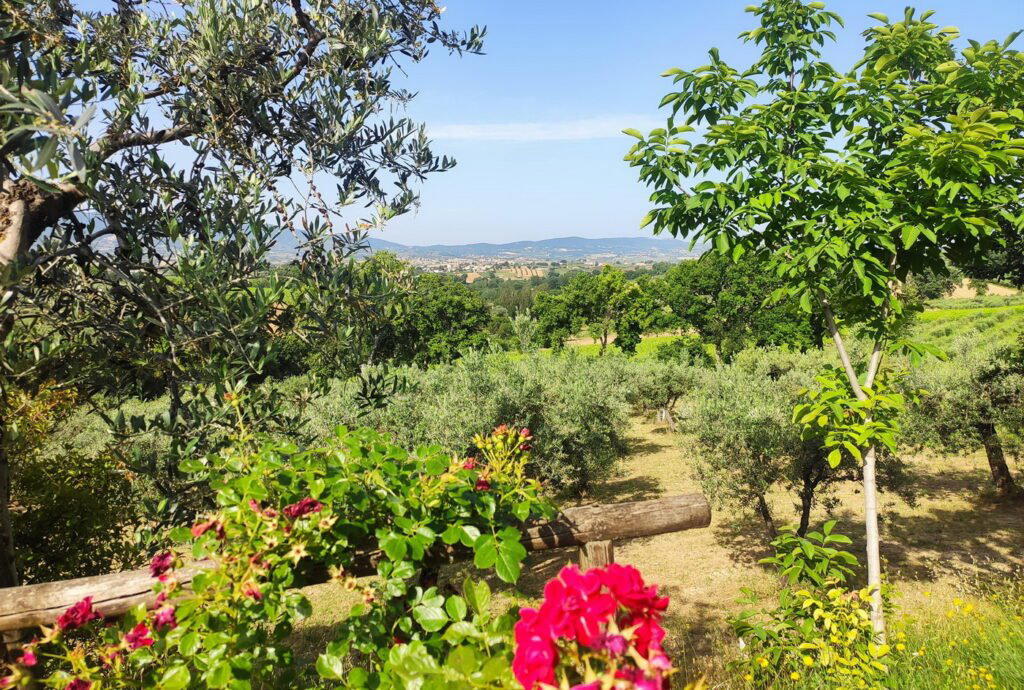
Cantina Colle Ciocco
Montefalco, Italy
Choose Cantina Colle Ciocco for a quiet, wine-led Montefalco tasting where the estate setting adds real context to Sagrantino. It is better for couples and small groups seeking family-run Umbrian tradition than for travelers who need a highly programmed hospitality experience.
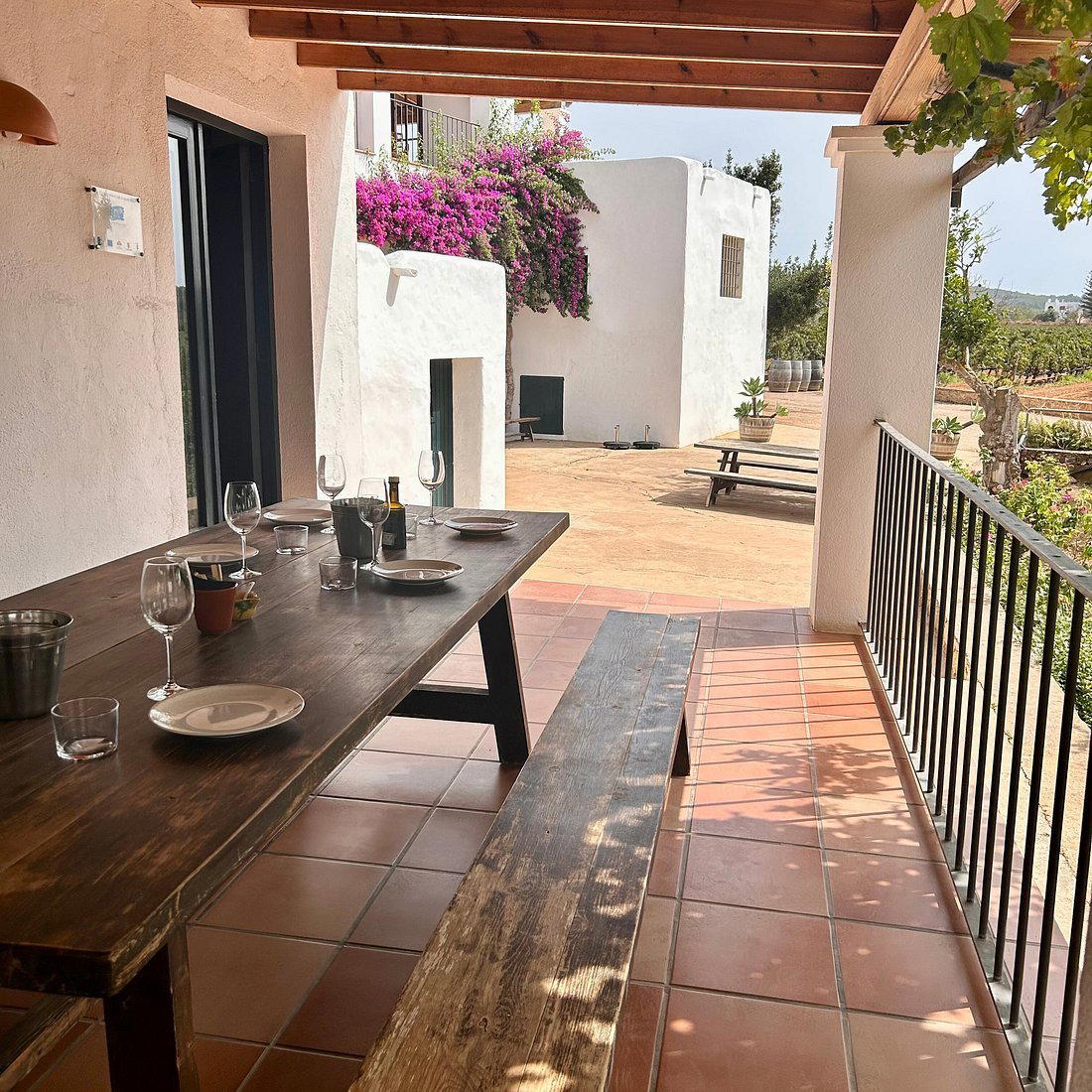
Bodegas y Viñedos Can Rich de Buscastell
San Antonio De Portmany, Spain
A strong pick for travelers who want Ibiza’s rural wine culture rather than a glossy tasting-room stop. Bodegas y Viñedos Can Rich de Buscastell is most useful for organic-wine context, DO Ibiza grounding, and a quieter countryside pace outside San Antonio de Portmany.
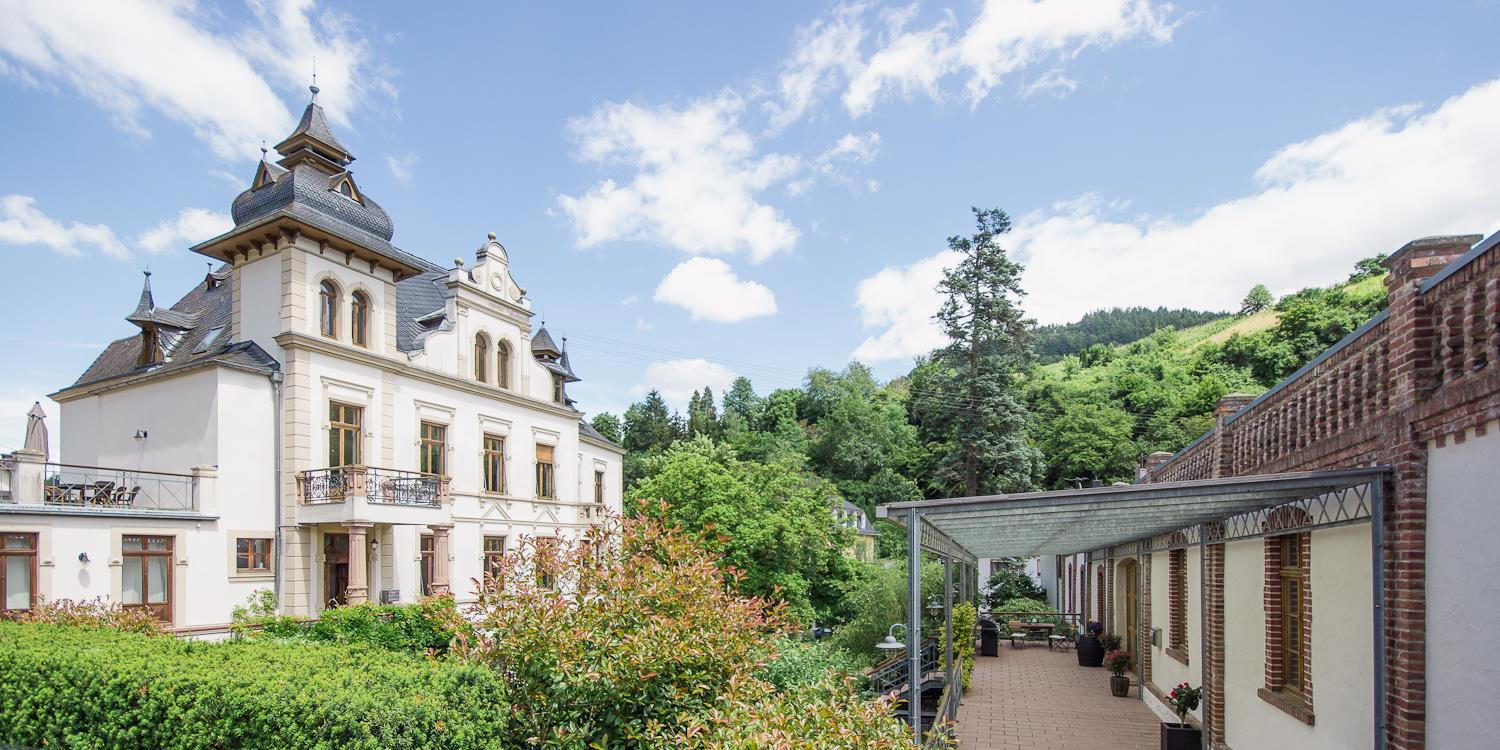
C.A. Haussmann
Traben-Trarbach, Germany
C.A. Haussmann works for a wine-focused Traben-Trarbach itinerary, especially if external recognition matters: it holds Falstaff 1 Stars for 2026. Treat it as a targeted Moselle stop rather than a fully transparent, logistics-led booking, since pricing, cuisine format, hours, and group details are not listed here.
Domaine Michel Noëllat
Vosne-Romanée, France
Domaine Michel Noëllat is a strong pick for a Vosne-Romanée-focused Burgundy trip, especially when the occasion calls for depth over variety. The value case rests on seriousness and external recognition, including Falstaff 4 Stars in 2026, rather than casual tasting convenience. Treat it as a planned appointment anchor, not a flexible walk-in stop.
David Moret
Beaune, France
David Moret is a wine-led Beaune pick for travelers using the city as a Burgundy base, especially when bottle assessment matters more than a restaurant-style meal. Falstaff Listed in 2026, it belongs on a focused Côte de Beaune itinerary rather than a casual dining shortlist.
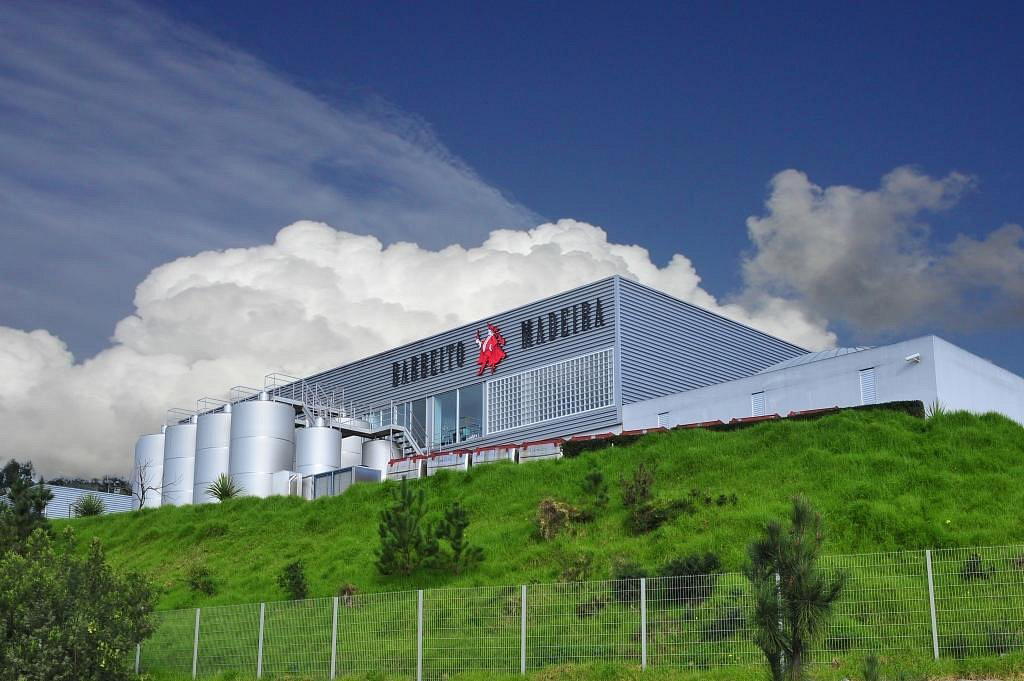
Barbeito
Câmara de Lobos, Portugal
Barbeito is worth prioritizing if the Câmara de Lobos stop is about Madeira wine depth rather than a general sightseeing tasting. The 2026 Falstaff listing gives it a current credibility signal, but plan flexibly and judge value bottle by bottle, especially if shipping or visit logistics matter.
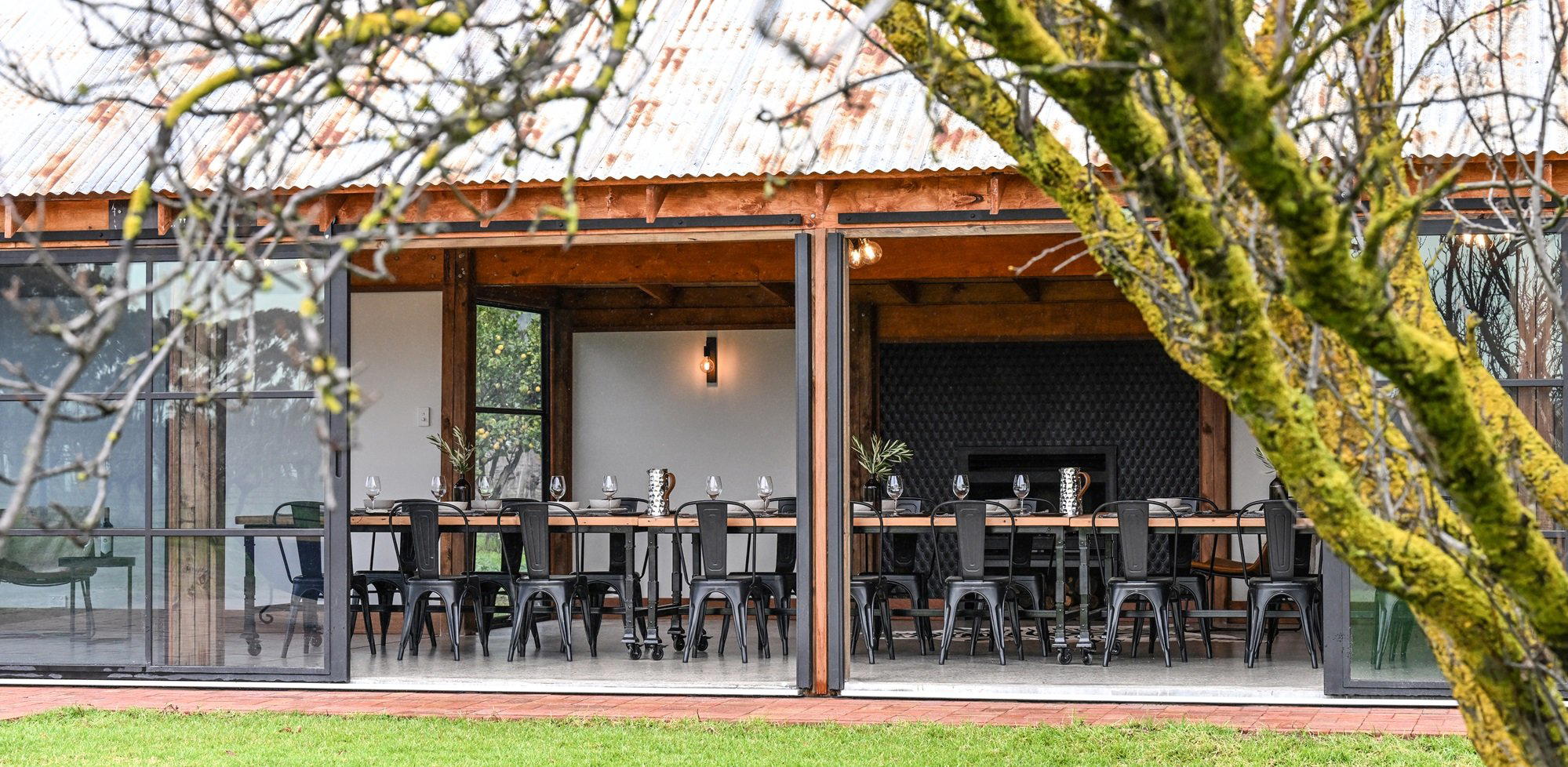
Hart of the Barossa
Vine Vale, Australia
A rustic Vine Vale cellar-door pick for travellers who care more about organic Barossa provenance than glossy wine-country polish. Go for the intimate tasting shed, old-vine setting, and 1902 vineyard history; skip it if you need a published flagship bottle list or a restaurant-style meal plan before committing.
Château Larrieu-Terrefort
Labarde, France
Château Larrieu-Terrefort works as a quieter Labarde winery stop if the goal is Haut-Médoc context rather than a trophy tasting. The strongest signal is its Falstaff Listed recognition for 2026; plan it as part of a wider Labarde route, especially if comparing producers across the village.
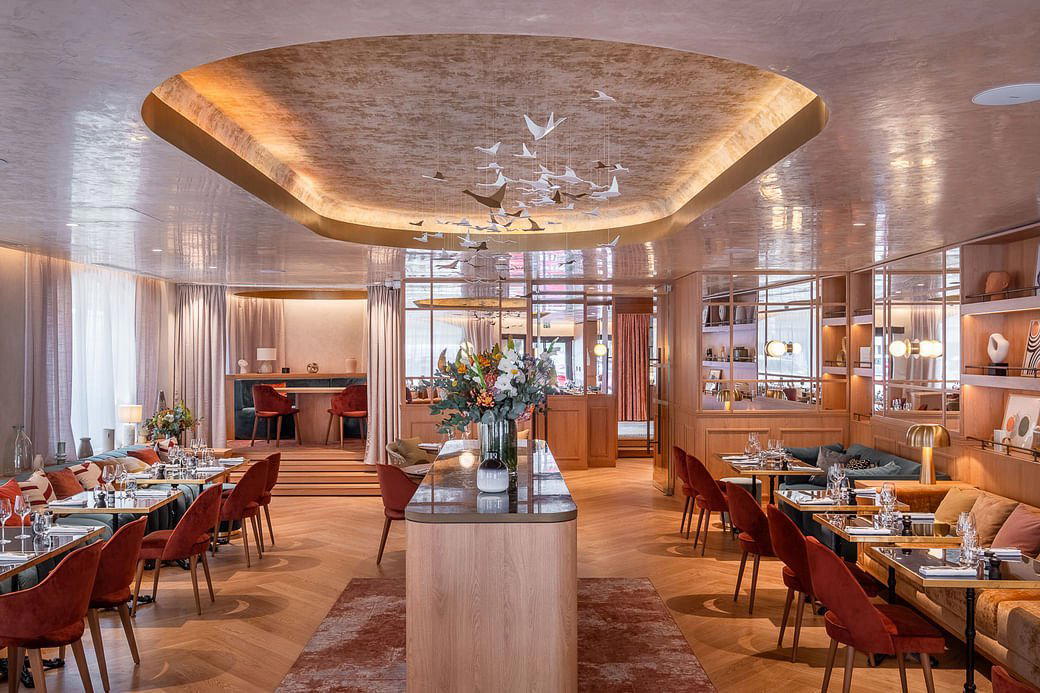
Château Rabaud-Promis
Bommes, France
Château Rabaud-Promis is worth prioritizing for a serious Bommes Sauternes stop, especially for collectors or special-occasion wine travel. It is a better fit for focused sweet-wine interest than for a casual tasting-room crawl, and it should be compared closely with Lafaurie-Peyraguey, Rayne-Vigneau, Sigalas-Rabaud, Clos Haut-Peyraguey, and d'Yquem before planning the day.
Domaine de la Tournelle
Arbois, France
Prioritise Domaine de la Tournelle if low-intervention Jura wine is the reason for the trip, not if you need a polished, always-on tasting room. The strongest case is bottle access: organically farmed Arbois wines, a clear no-intrant philosophy, and recognised Jura varieties handled with intent. July and August are the more useful months for visitor planning.
Scala Dei
Escaladei, Spain
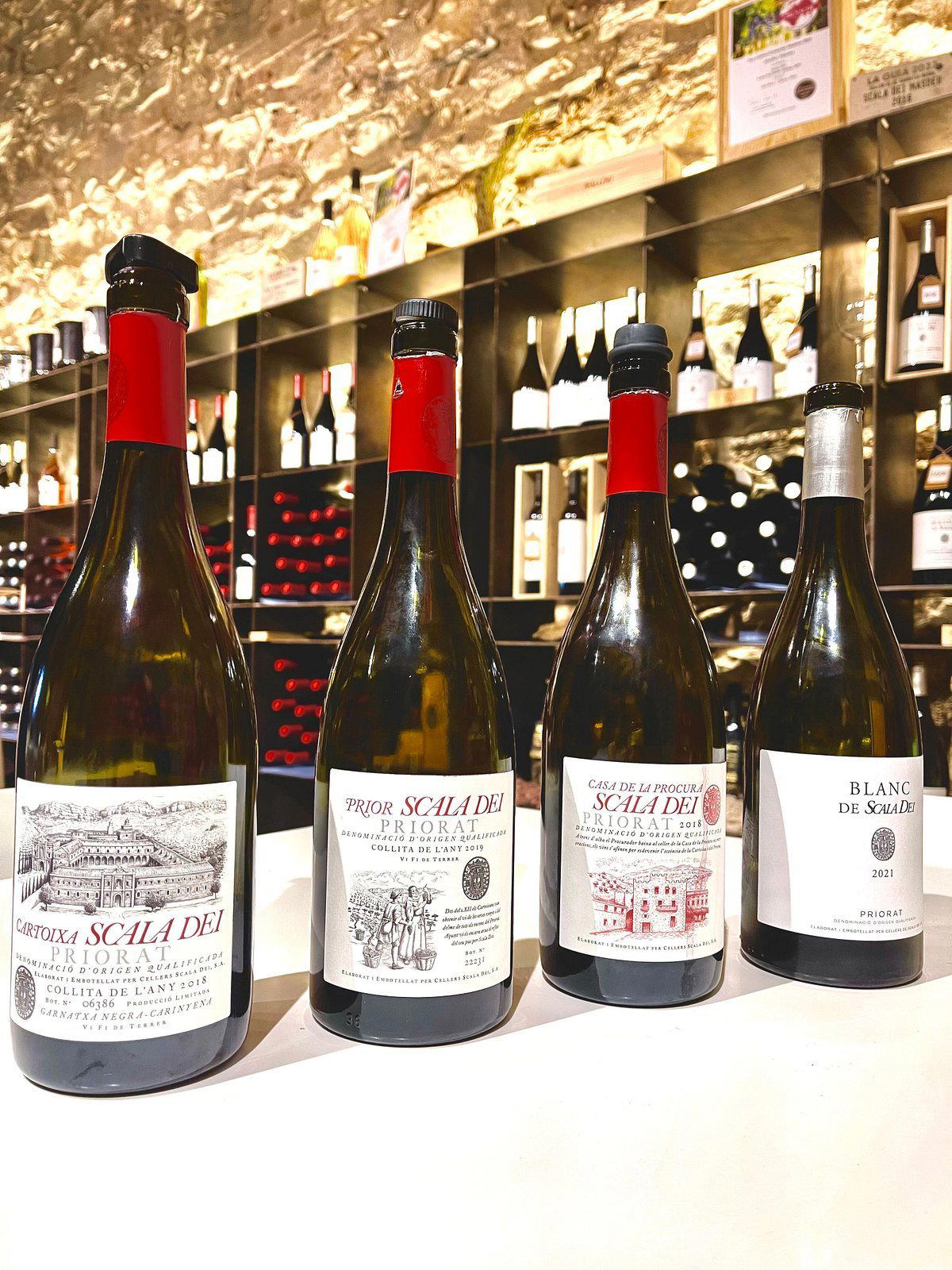
Scala Dei is worth targeting for a serious Priorat-focused wine trip, especially if the goal is producer depth rather than a casual tasting-room circuit. The catch is practical: public details on pricing, shipping, club terms, and visit format are not clear, so it suits planners who confirm availability before shaping the day around Escaladei.
Bio-Weingut Mohr-Gutting
Neustadt, Germany
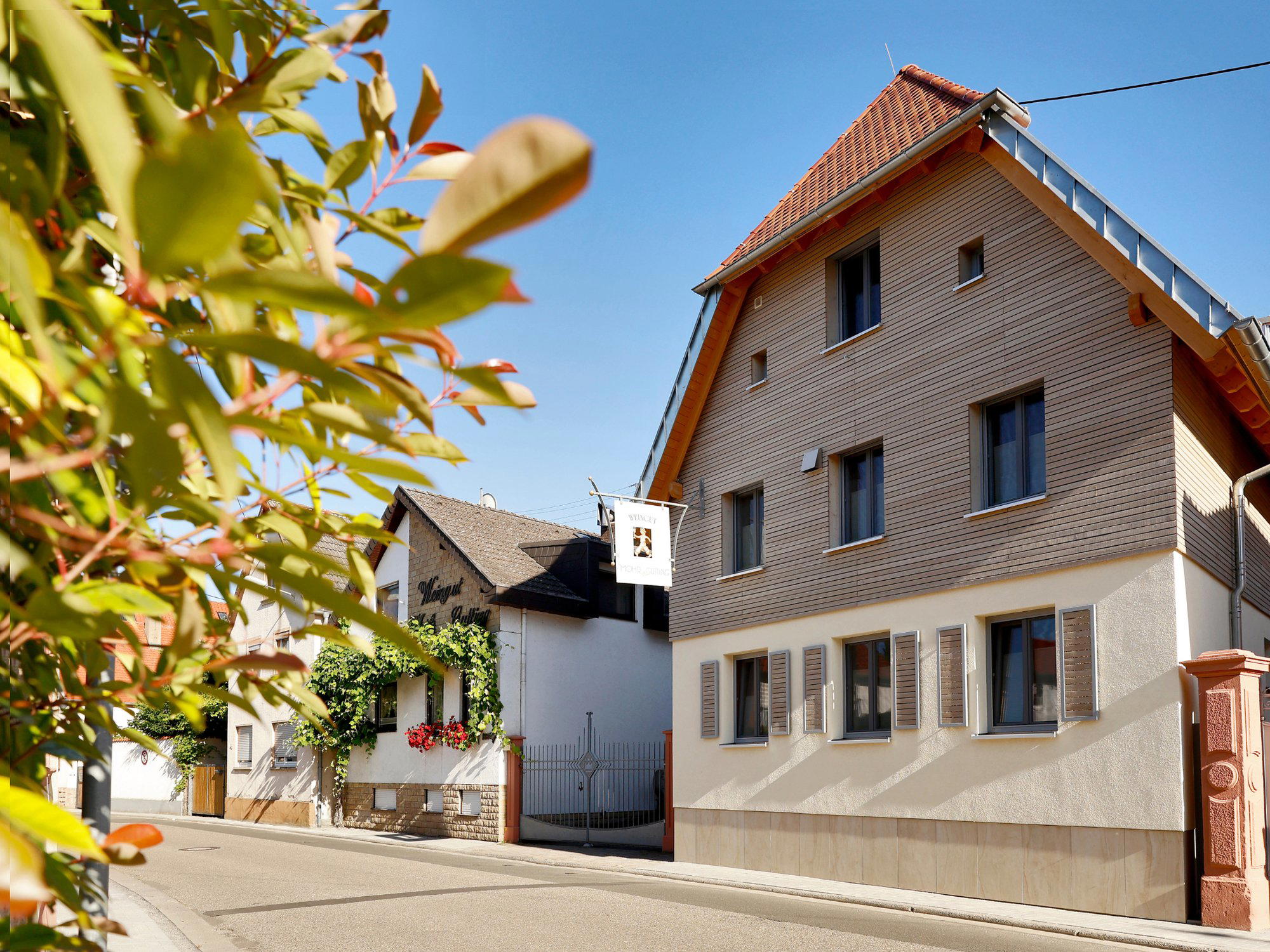
Book Bio-Weingut Mohr-Gutting if the goal is an organic Pfalz tasting with real farming context, especially around Riesling and Pinot varieties. The value is strongest for curious wine drinkers who want a focused, low-frills visit; it is less suited to travelers looking for a long food-led experience or highly polished luxury hospitality.
Auntsfield Estate
Blenheim, New Zealand
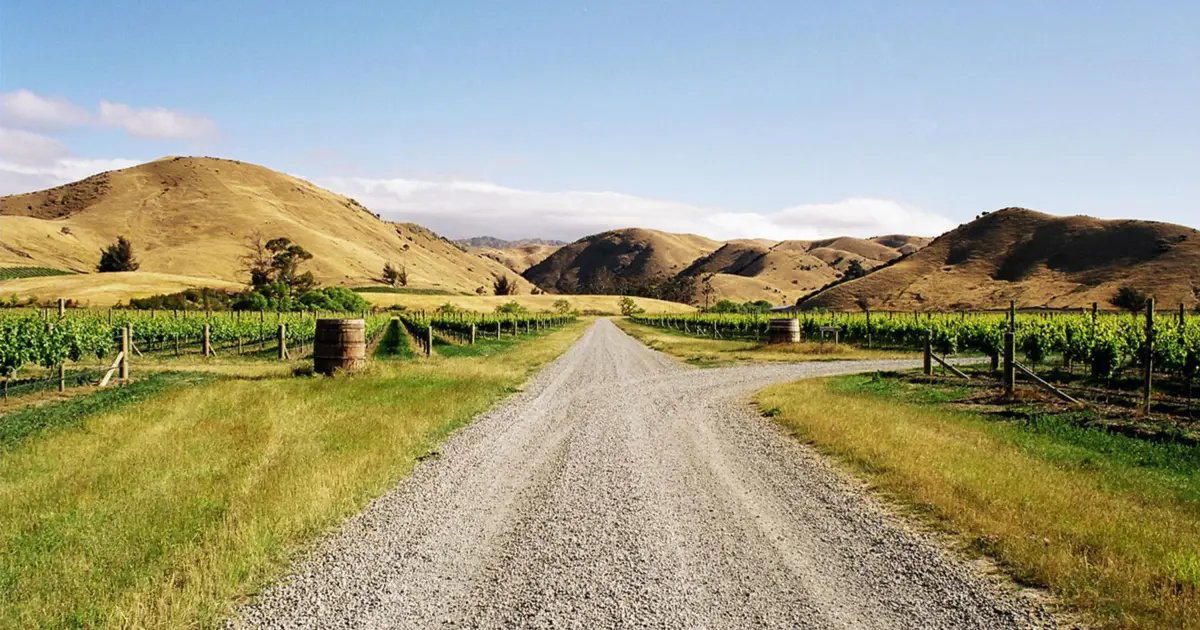
Auntsfield Estate is worth booking if you want a quiet, appointment-led Marlborough tasting with real heritage behind it. The draw is the single-vineyard focus, the 1873 origin story, and a portfolio led by Sauvignon Blanc, Chardonnay, and Pinot Noir, rather than food service or casual drop-in convenience.
Cerbaiona
Montalcino, Italy
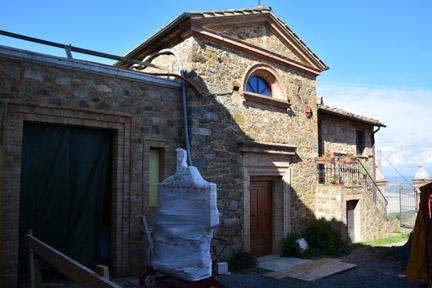
Cerbaiona is for Brunello-focused travelers, not casual tasting-room shoppers. Prioritize it if bottle access, cellar reputation, and a focused Montalcino visit matter more than food service or broad hospitality; otherwise cross-shop larger peers such as Biondi-Santi Tenuta Greppo, Casanova di Neri, or Altesino for a more conventional first winery day.
Domaine Mas Amiel
Maury, France
Book Domaine Mas Amiel if the Maury stop is meant to be wine-led and occasion-worthy, not a casual add-on. The strongest reason to prioritize it is value confidence: Falstaff 3 Stars in 2026 gives the estate a credible quality marker for buyers looking beyond France’s higher-profile regions.
Andeluna Cellars
Tupungato, Argentina
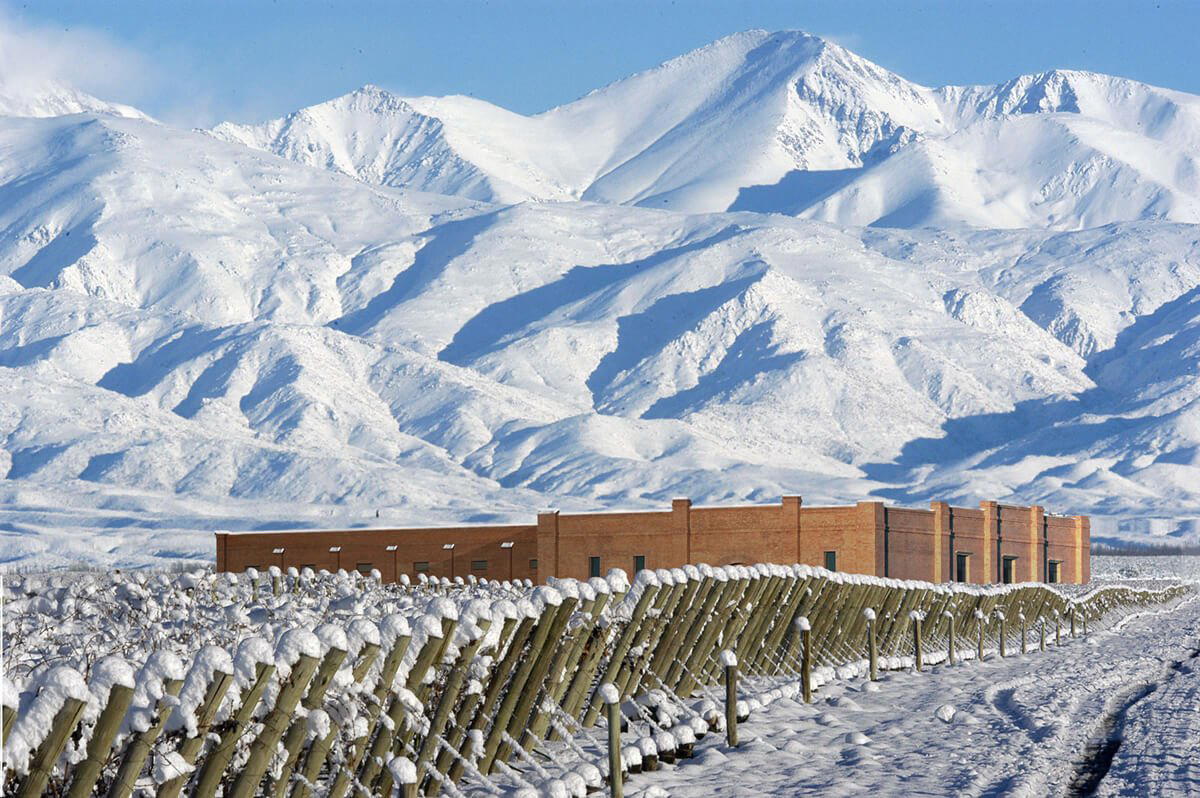
Andeluna Cellars is worth planning around if Tupungato is a serious wine stop on the trip, not a quick tasting between other bookings. Its Pearl 2 Star Prestige recognition makes it a stronger fit for travelers who want a destination-style winery visit, while nearby peers may suit easier routing or broader name recognition.
Fattoria Zerbina
Faenza, Italy
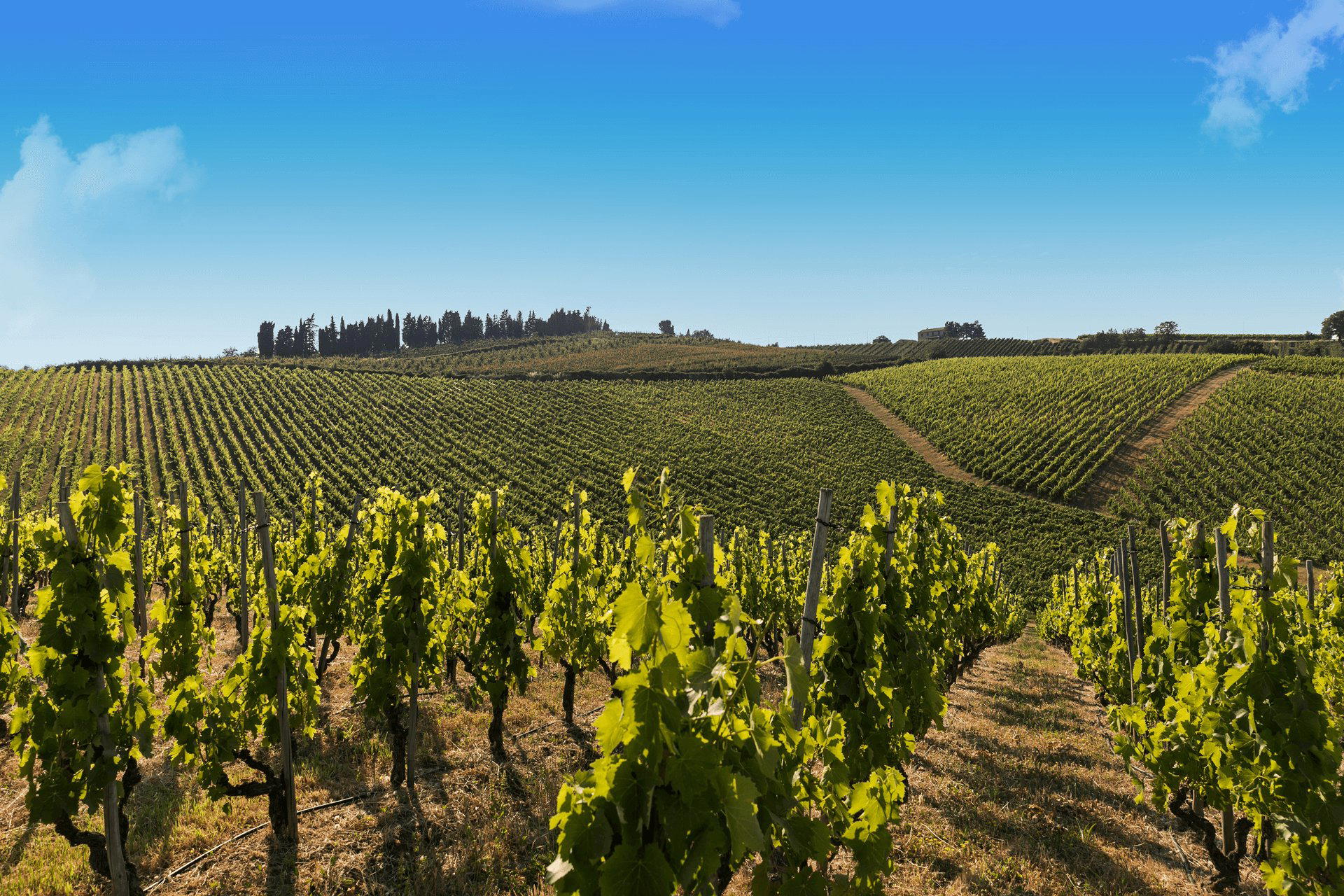
Prioritise Fattoria Zerbina if the goal is a serious Romagna winery visit with organic farming, Albana depth, and hillside context near Faenza. It is better for wine travellers who want guided explanation than for anyone seeking a casual drop-in tasting or restaurant-led estate day.
Weingut Hiedler
Langenlois, Austria
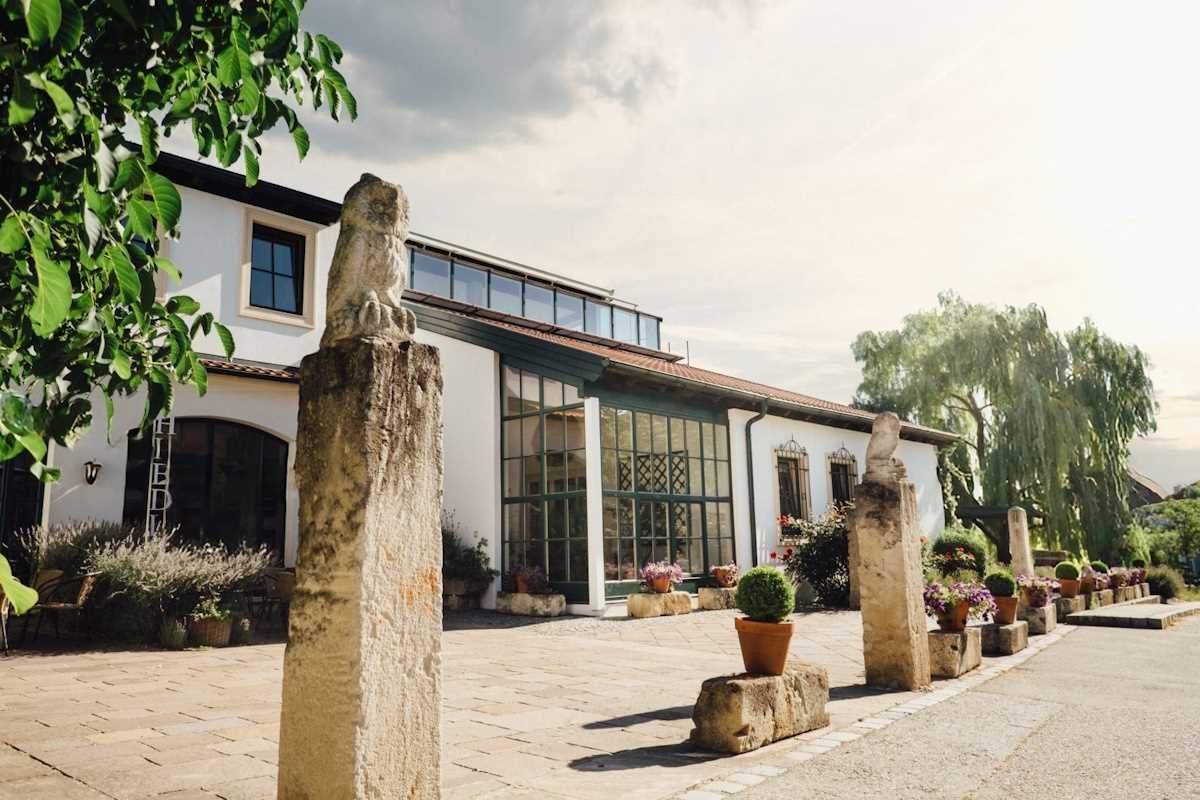
Weingut Hiedler is worth prioritizing if the plan is a serious, appointment-led Langenlois winery visit rather than a casual tasting stop. Cross-shop it with Bründlmayer, Jurtschitsch, Fred Loimer, and Schloss Gobelsburg, especially if timing is tight or the day can only support one or two winery appointments.
Feudi di San Gregorio
Sorbo Serpico, Italy
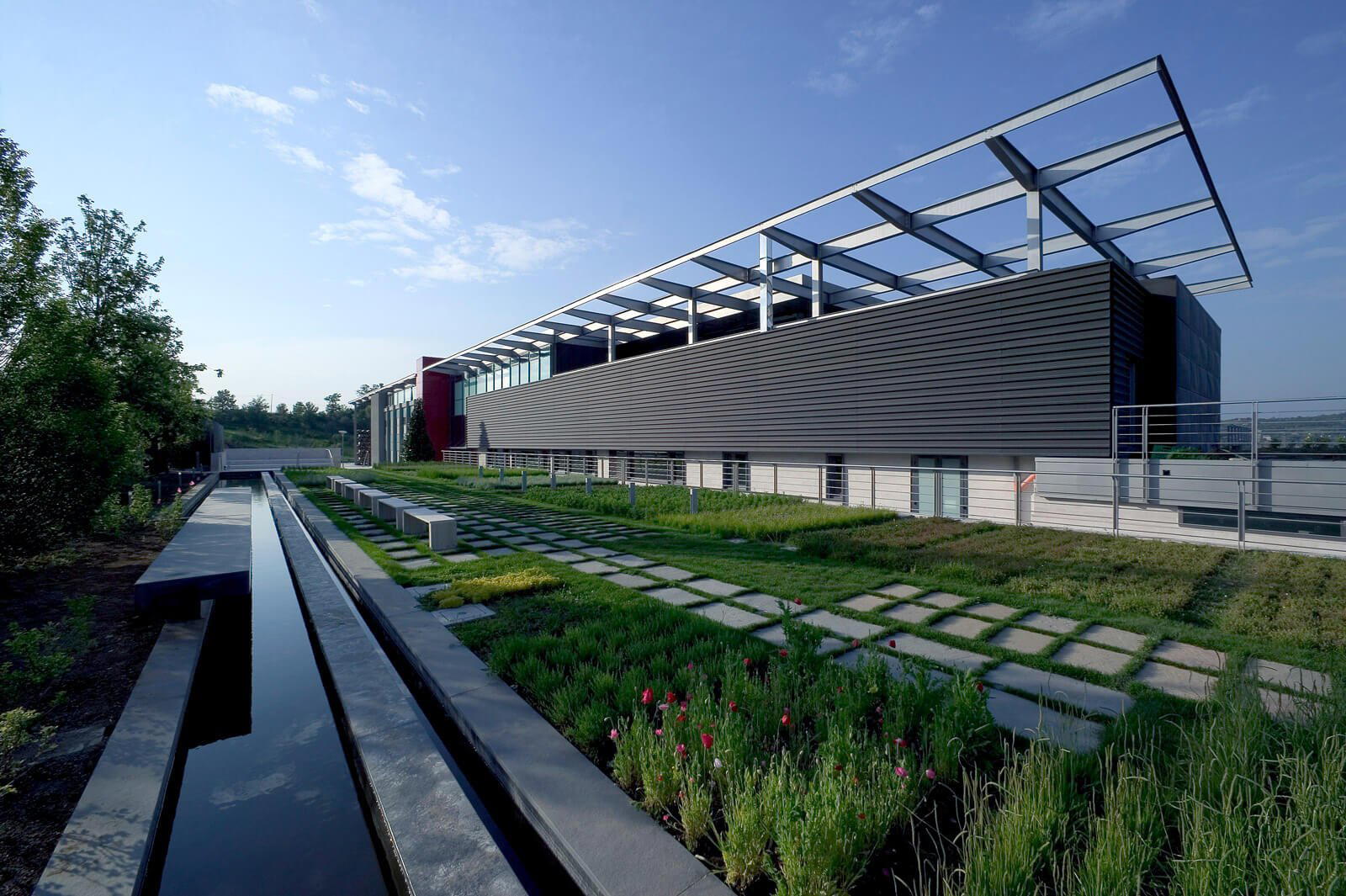
Prioritise Feudi di San Gregorio for a polished, education-led Irpinia tasting built around Campania’s native grapes. It is a stronger fit for special occasions, client outings, and serious wine travellers than for casual drop-ins, especially if an upgraded or private format is available.
Domaine Saint Nicolas
L Ile D Olonne, France
Domaine Saint Nicolas works if the goal is a focused Vendée winery stop near L’Île-d’Olonne rather than a food-led estate visit. Falstaff Listed in 2026 gives it a useful credibility signal, but treat any club or allocation decision as taste-first: sample the wines, confirm terms, then decide.
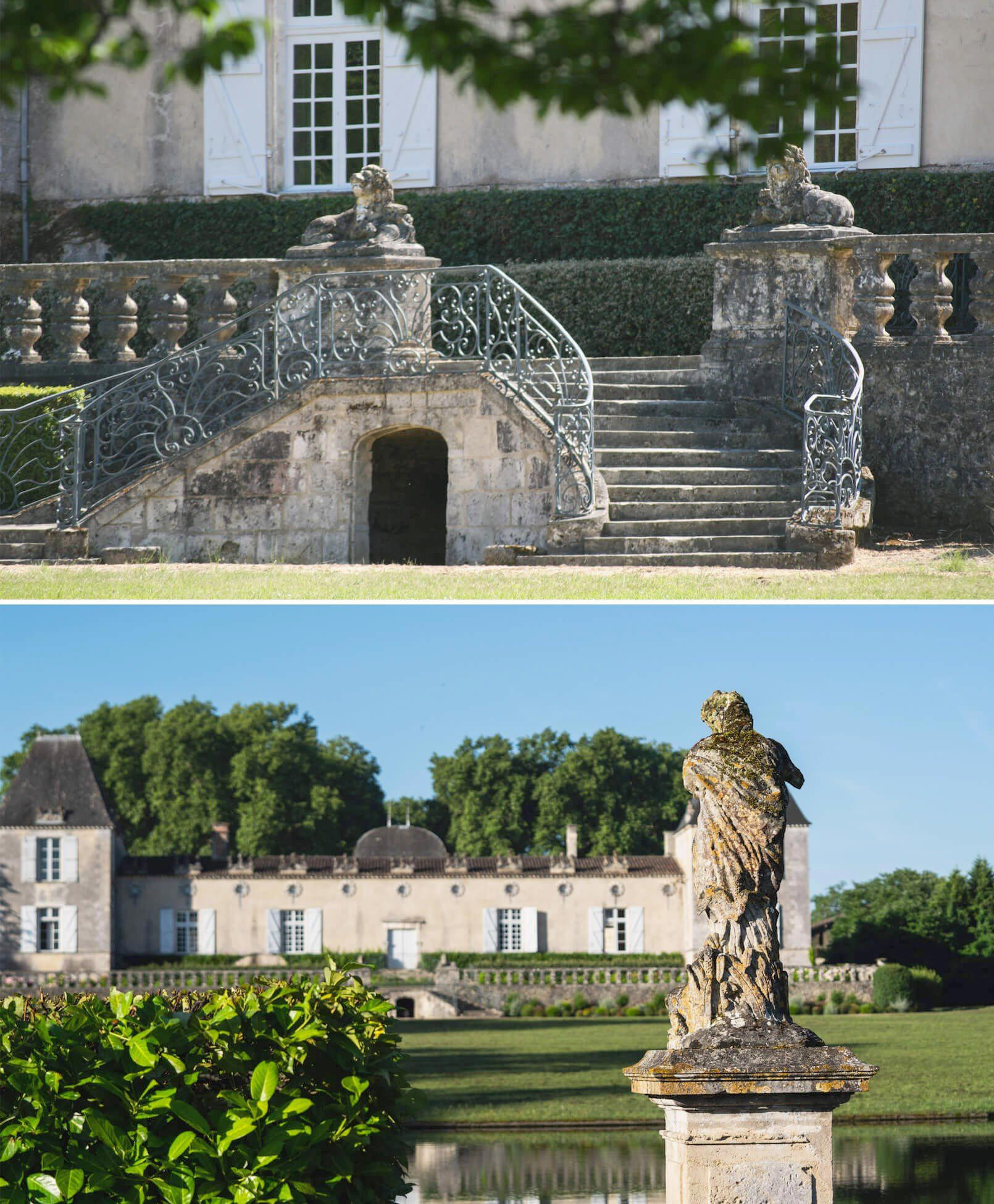
Château de Sales
Libourne, France
Book Château de Sales if current recognition matters and the visit is part of a planned Libourne wine day. The Falstaff Listed 2026 signal gives it credibility, but practical details should be confirmed before arranging a celebration, business outing, or larger group visit around it.
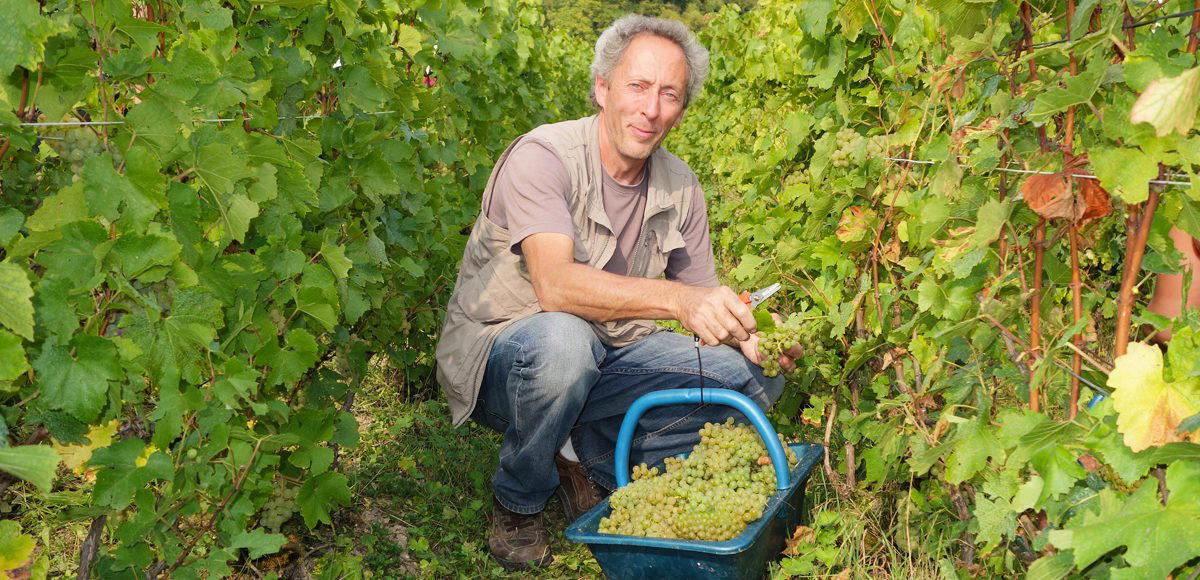
Champagne Pascal Doquet
Vertus, France
Prioritise Champagne Pascal Doquet if the Vertus plan is built around a serious grower-Champagne visit rather than a broad tasting crawl. The 2026 Falstaff 4 Stars signal gives it enough quality credibility to justify advance planning, especially for return visitors looking to go deeper in the area.
Kandlerhof
Bolzano, Italy
Kandlerhof works as a quiet hillside winery stop in Bozen, especially if the draw is South Tyrolean setting, vineyards, and a relaxed rural atmosphere. It is less suited to travelers who need confirmed tasting formats, detailed bottle information, or large-group logistics before committing.
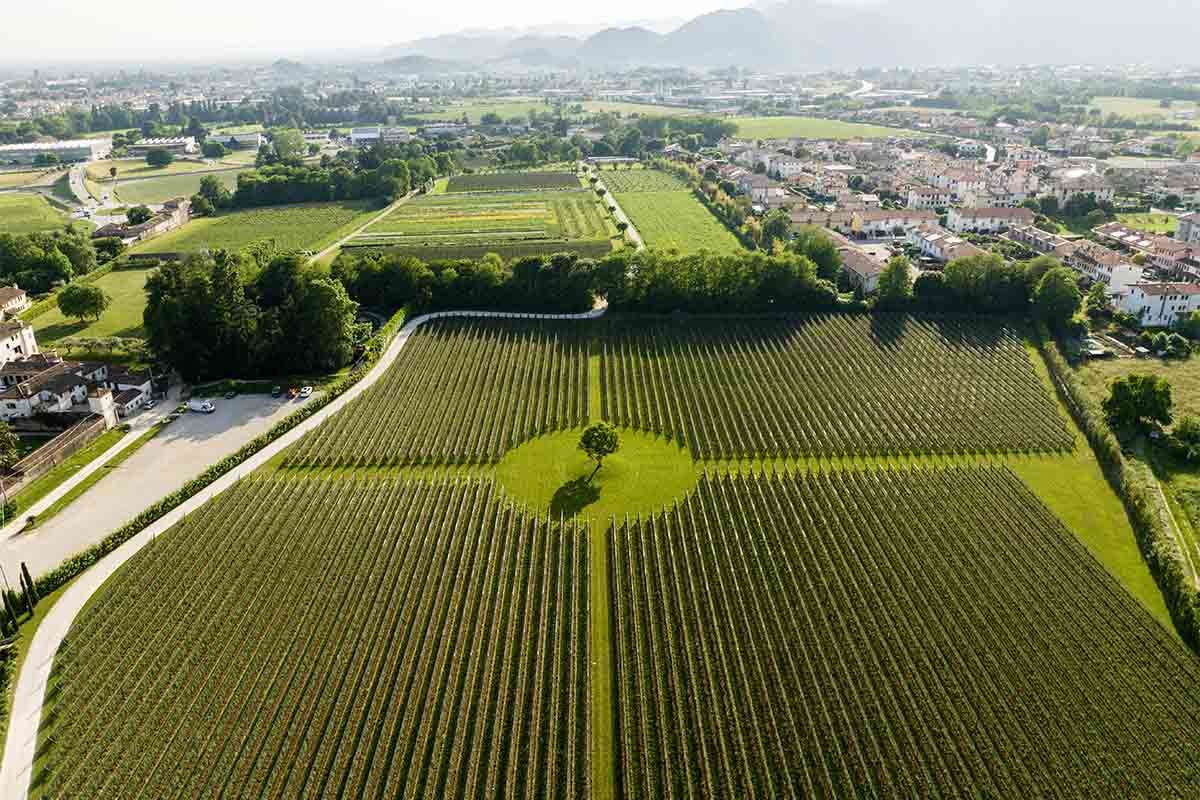
Ca' da Roman
Romano D Ezzelino, Italy
Book Ca' da Roman if the appeal is PIWI grapes, organic farming, and a sustainability-first Veneto estate at the foot of Monte Grappa. It is better for wine explorers seeking agricultural context than for groups wanting a predictable tasting-room format, broad hospitality program, or classic regional lineup.
Isola delle Falcole
Greve in Chianti, Italy
Book Isola delle Falcole if the appeal is small-production Chianti Classico with a clear site story, not a large winery setup. The estate’s limited output, organic vineyard approach, natural winemaking, and Gran Selezione focus make it a strong fit for wine travelers who want depth and context in Greve in Chianti.
fürstlich Weine
Rebstein, Switzerland
Book fürstlich Weine if you want a small, personal Swiss wine stop focused on white wine, direct sales, and a rustic farm-shop setting. It is better for curious drinkers and small groups than for visitors seeking a polished winery complex or named flagship cuvée; the value is in the intimate format and local buying context.
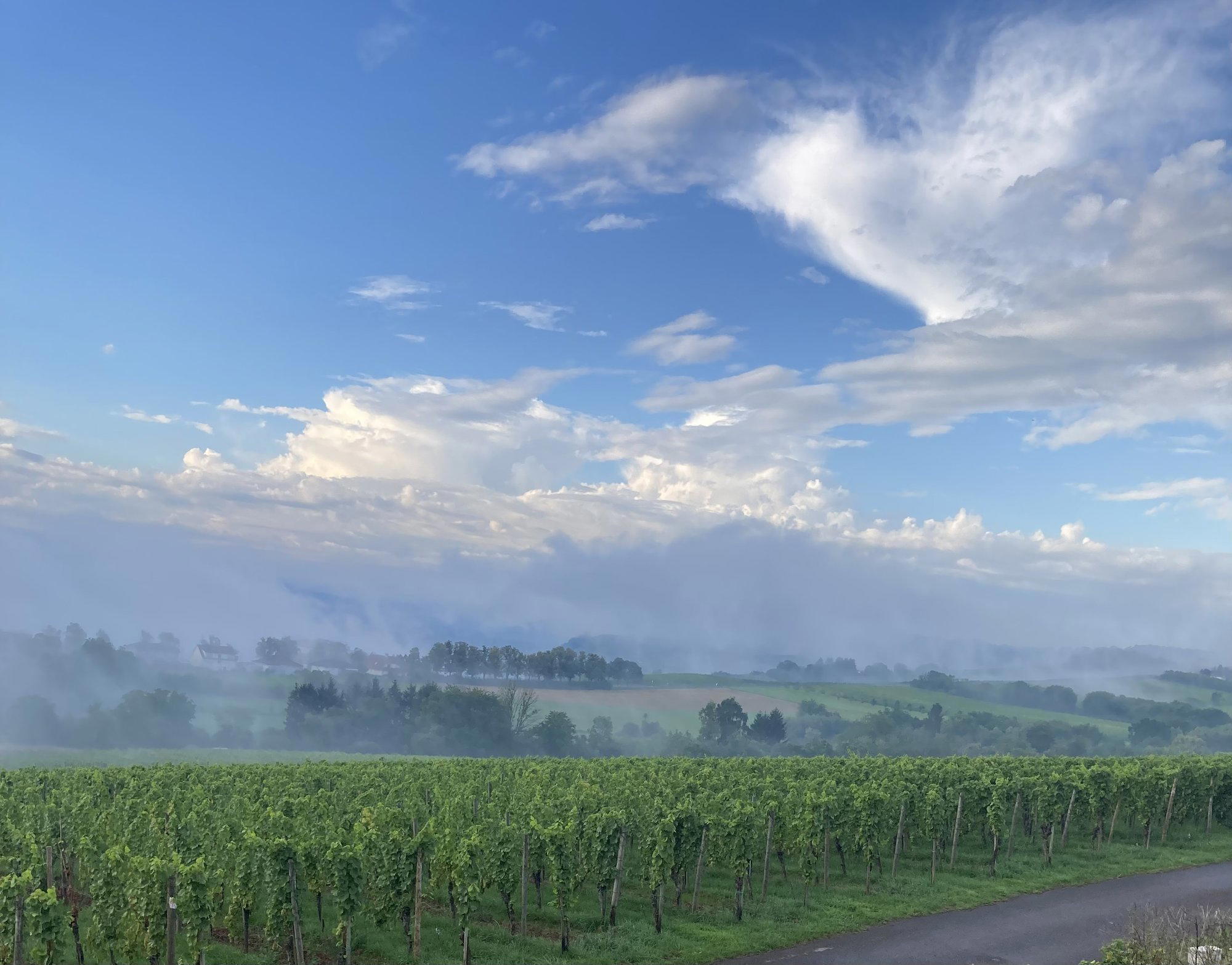
Domaine Mathis Bastian
Remich, Luxembourg
Book Domaine Mathis Bastian if you want a calm Remich vineyard tasting focused on Crémant de Luxembourg and family-run Moselle winemaking. The appeal is the small estate scale, vineyard setting, and appointment-only structure, not flashy design or a high-production visitor center. It suits couples and wine travelers who care about terroir context.
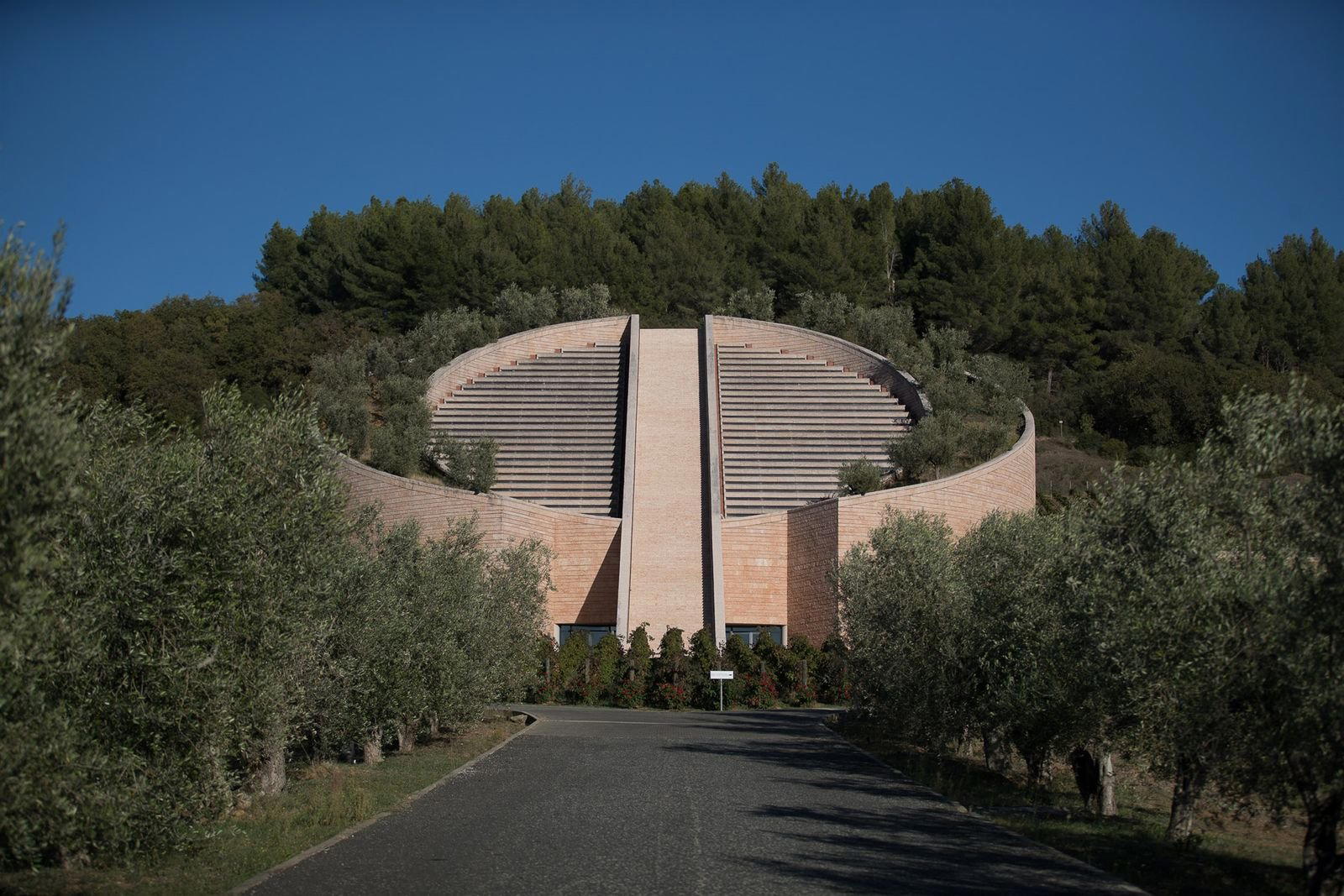
Botto Vini
Ricaldone, Italy
Book Botto Vini if you want a relaxed Monferrato winery visit with family-run character, native Piedmont varieties, and a convent-to-cellar heritage thread. It is better for curious wine travelers than for anyone seeking a luxury tasting-room production, and the 2026 Falstaff listing adds a useful trust signal.
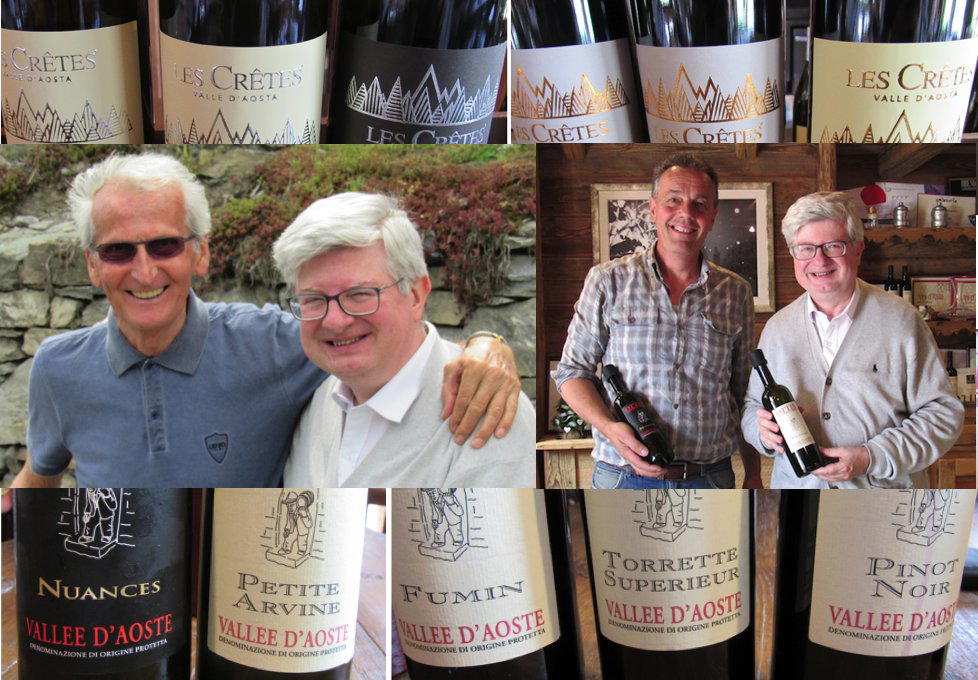
Azienda Agricola San Giusto di Bonti Pierluigi
Piombino, Italy
Book this if the Piombino stop is about coastal Tuscan wine context, native-vine focus, and a smaller family estate rather than a polished tasting-room production. The $$ positioning and 2026 Falstaff listing make the value case reasonable, but appointment-only access means it belongs on a planned itinerary, not a spontaneous wine crawl.
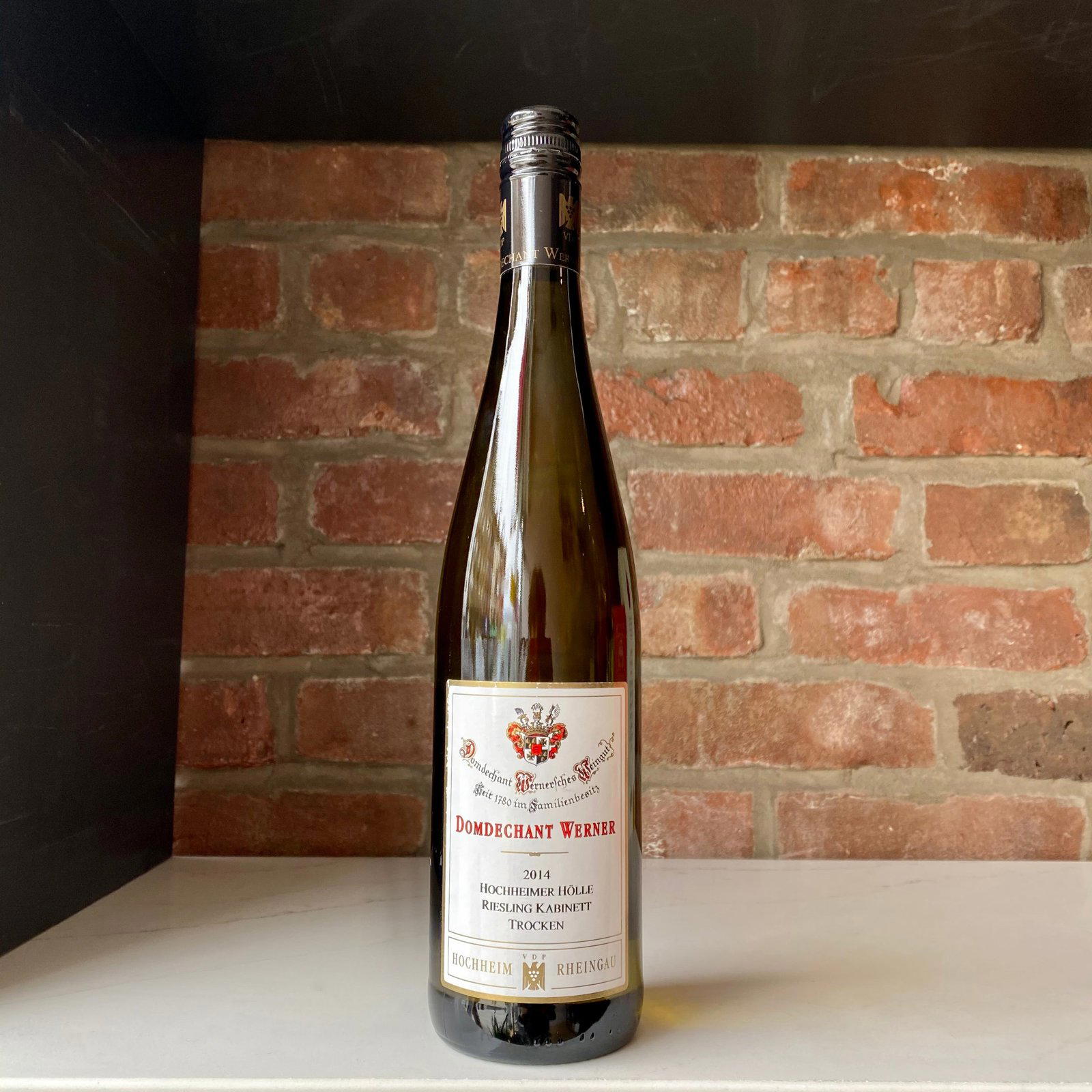
Domdechant Werner’sches Weingut
Hochheim am Main, Germany
Domdechant Werner'sches Weingut is worth prioritizing for a special-occasion Hochheim wine stop when the goal is a serious town-estate visit rather than a large destination campus. Compare it with Weingut Künstler for another local option, or Kloster Eberbach if the setting and scale matter more than staying in Hochheim.
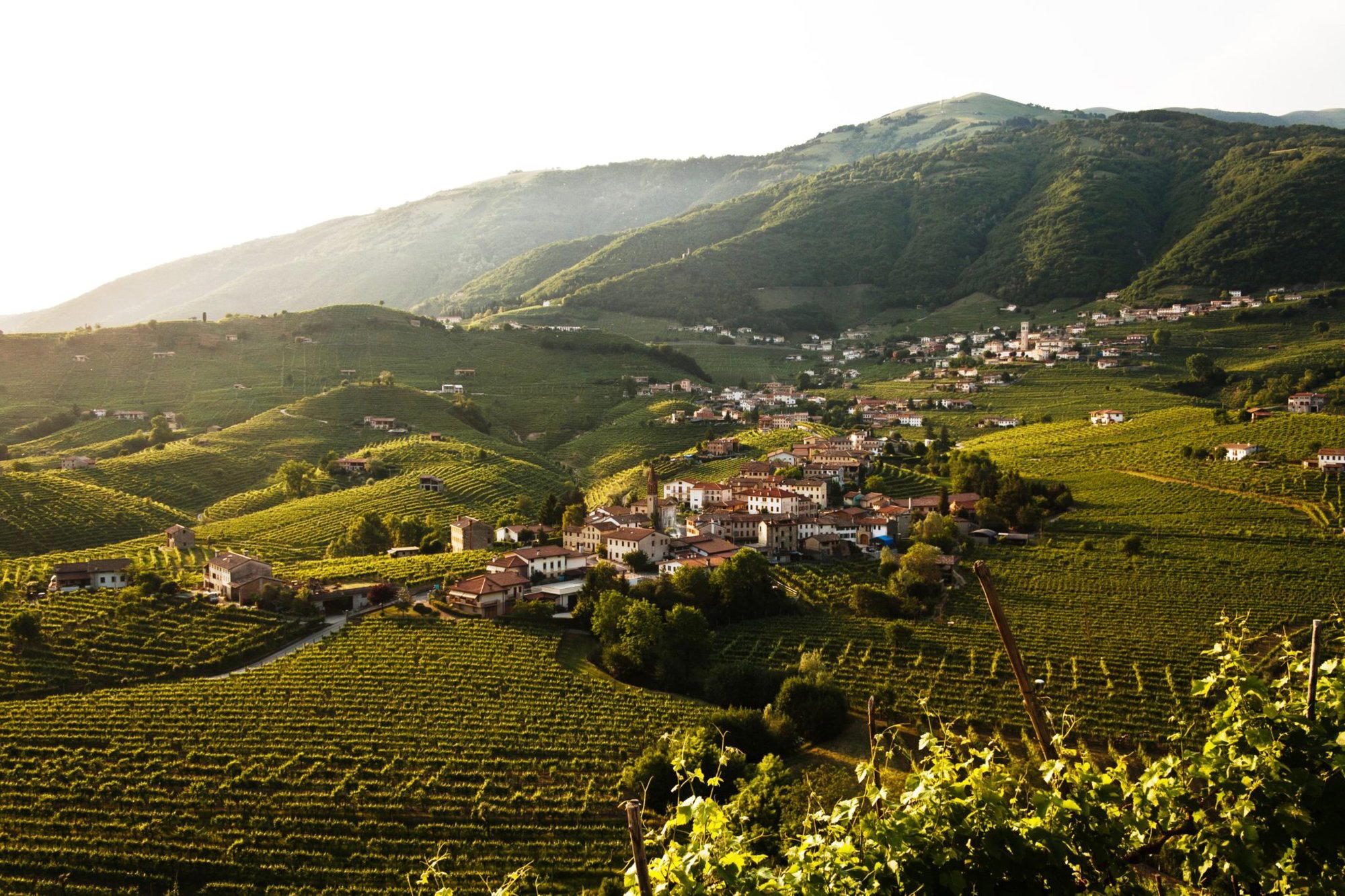
Bisol1542
Valdobbiadene, Italy
Prioritize Bisol1542 if the goal is serious Prosecco Superiore context, especially Cartizze, cru bottlings, and Valdobbiadene terroir. It is better for focused wine travelers than casual tasting groups, with a quiet, educational feel and a premium price signal that makes sense when site-specific sparkling wine is the reason for the visit.
Chaffey Bros. Wine Co
Tanunda, Australia
Chaffey Bros. Wine Co is a better fit for Barossa-focused wine buyers than for guests seeking a food-led cellar-door outing. The 2026 Falstaff listing gives it a useful recognition signal, but wine club value comes down to whether recurring Barossa allocations fit your drinking and gifting habits.
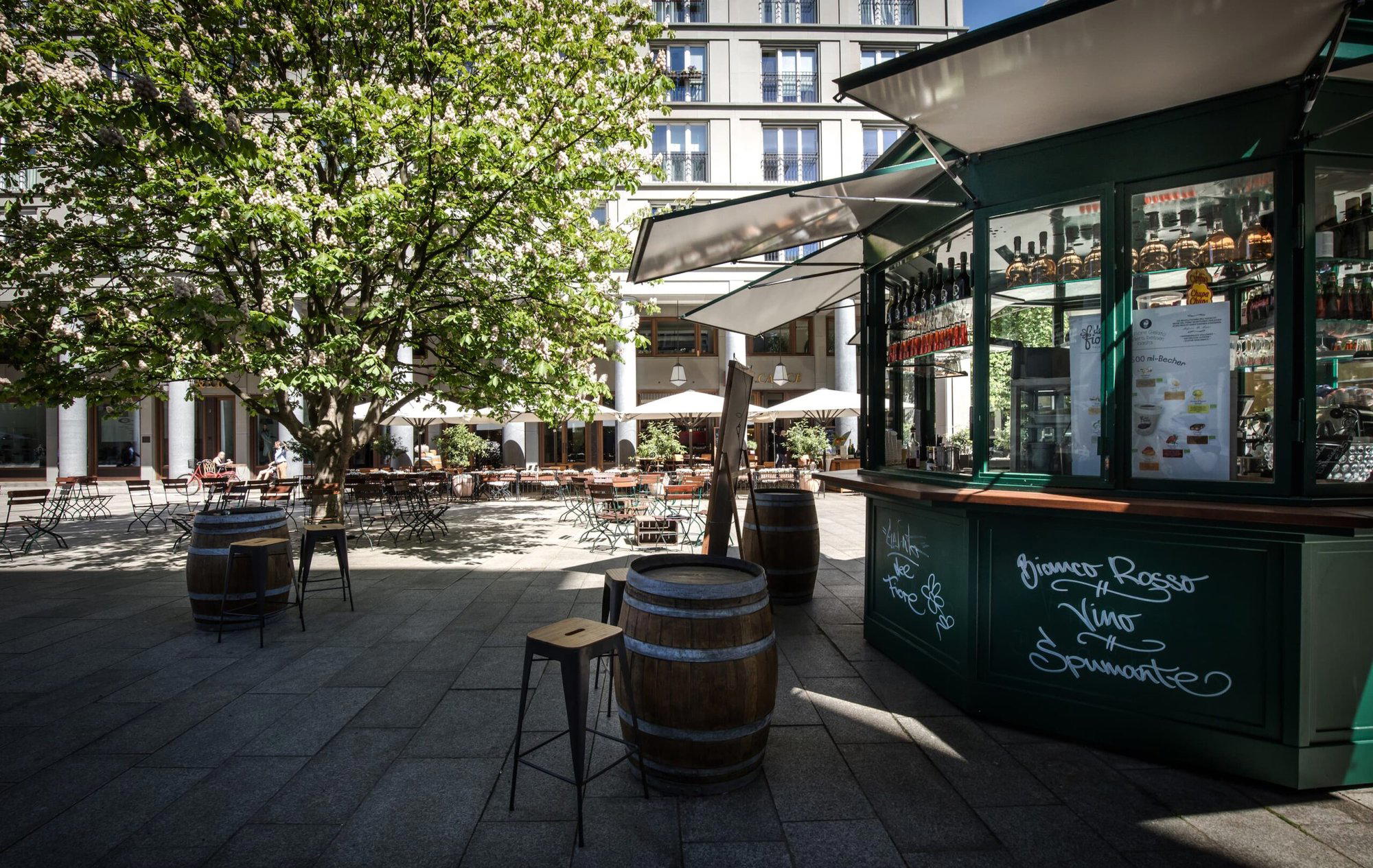
Antonio Bragato
Berlin, Germany
Antonio Bragato is worth shortlisting if the priority is wine discovery backed by a 2026 Falstaff listing, not a fully mapped visitor experience. First-timers should verify the visit format before planning around it, then compare against other Berlin wine options for clearer logistics.
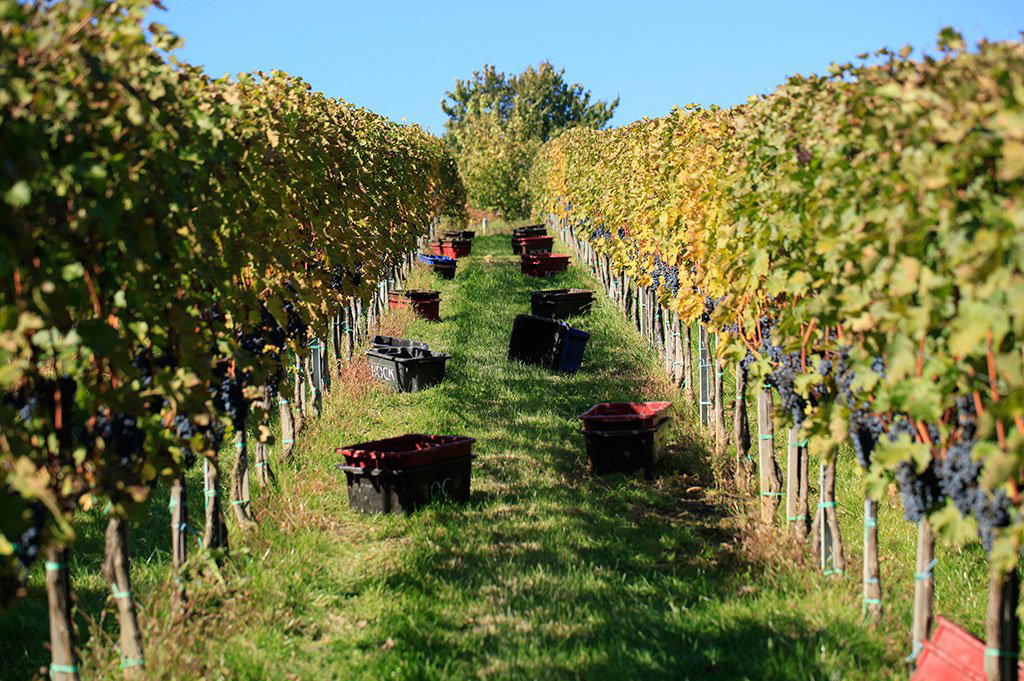
Bock Winery
Villány, Hungary
Bock Winery is the Villány pick for travelers who want a reputation-led winery stop and are willing to plan around access. It is better suited to a focused tasting day than a casual drop-in, especially for small groups that care about regional context and want a more structured experience.
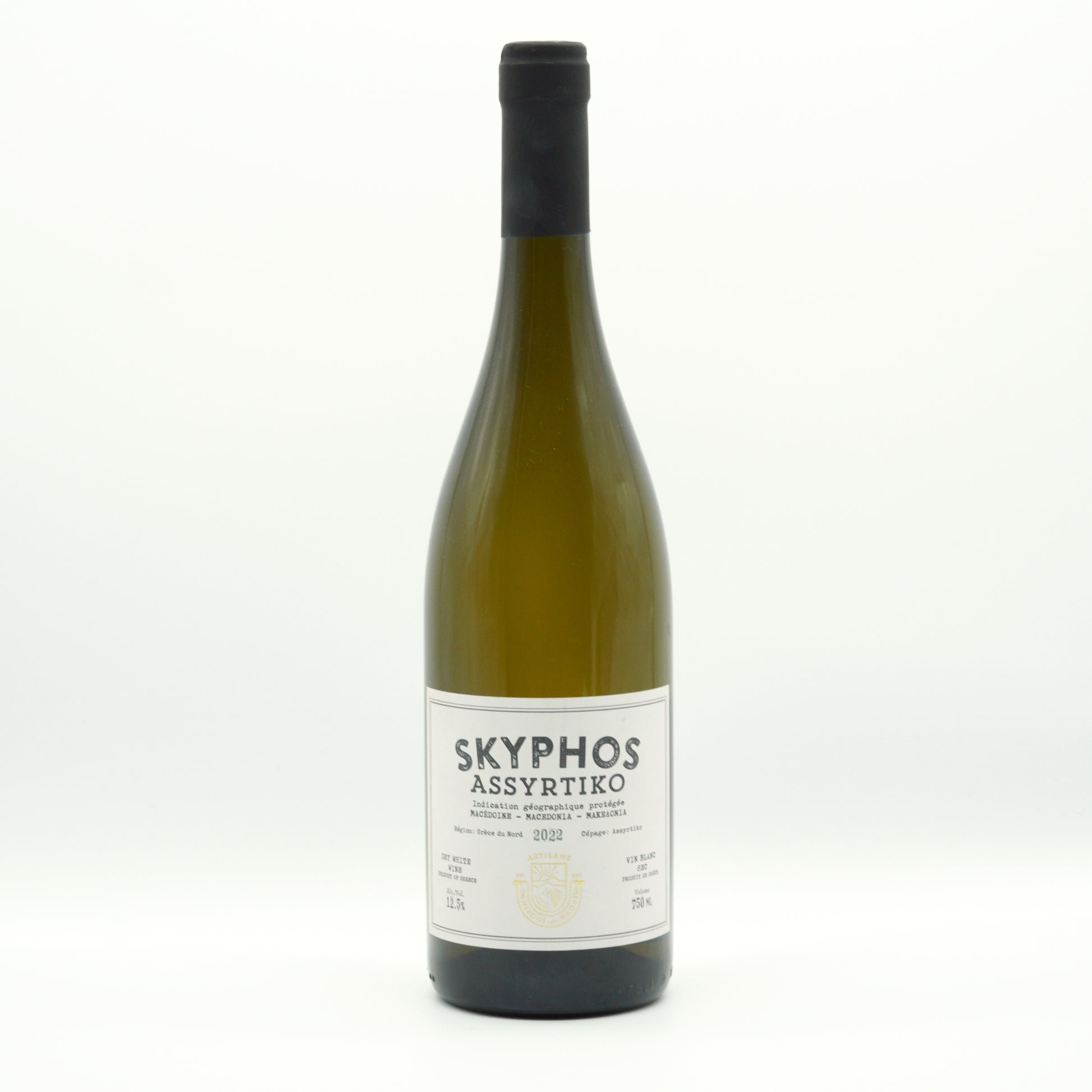
Artisans Vignerons de Naoussa
Stenimachos, Greece
Artisans Vignerons de Naoussa is worth planning around if Naoussa wine is the point of the trip, not just a scenic add-on. Go with a small group, confirm arrangements ahead, and cross-shop nearby estates if the group needs easier logistics, dining, or a more visitor-oriented setup.
Château Soleil
Puisseguin, France
Château Soleil is worth shortlisting if the priority is a serious Merlot-led Puisseguin-Saint-Émilion rather than a polished wine-tourism stop. The value case rests on structured Bordeaux production, Falstaff recognition, and modern investment behind a long estate tradition. Go with a confirmed appointment and treat the visit as a focused tasting, not a full-day hospitality experience.
Adyar Wine
Chnaneir, Lebanon
Book Adyar Wine if the priority is Lebanese wine context rather than a standard tasting-room routine. Its appeal is the combination of monastery-linked heritage, organic production, and vineyards spanning nine terroirs, with a $$ price signal and Falstaff listing adding confidence. Less ideal for travelers who want walk-in convenience or fully published tasting formats.
Grillette
Cressier, Switzerland
Grillette works for a focused Cressier winery stop if structured Swiss red wine is the reason for the visit. The draw is a cellar-led, craft-first setting tied to a Bordeaux-leaning Three Lakes red blend, not a restaurant-style experience. Better for couples and small wine-focused groups than large mixed parties.
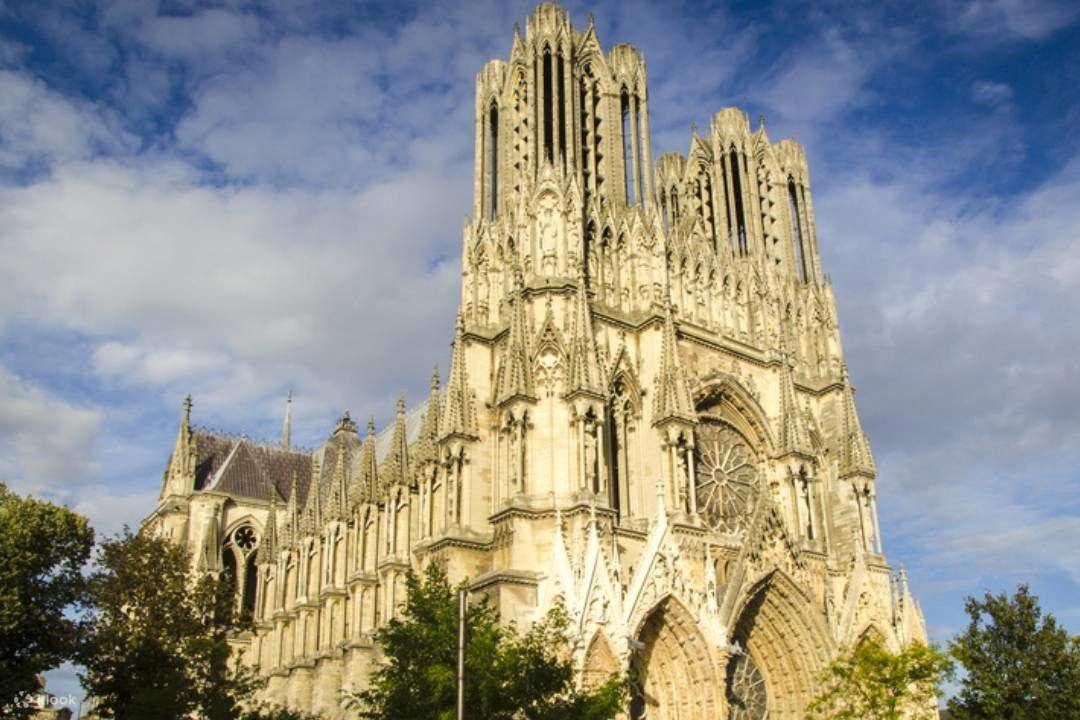
Champagne Veuve Clicquot
Reims, France
A strong choice for a polished Reims Champagne-house visit, especially for celebrations, business hosting, or first-time Champagne travelers who want heritage plus dramatic chalk-cellar atmosphere. The visit is worth prioritizing if rosé history, flagship cuvées, and a refined visitor setting matter more than a small-grower tasting feel.
Fehr & Engeli Weinbau
Ueken, Switzerland
Book Fehr & Engeli Weinbau if you want a quiet, producer-led Fricktal tasting with a clear Aargau identity. The strongest confirmed reason to go is the CHF 23.50 bottle-fermented Pinot Noir rosé sparkling wine, plus flexible tastings by arrangement. It is better for wine context than for a polished destination-winery day.
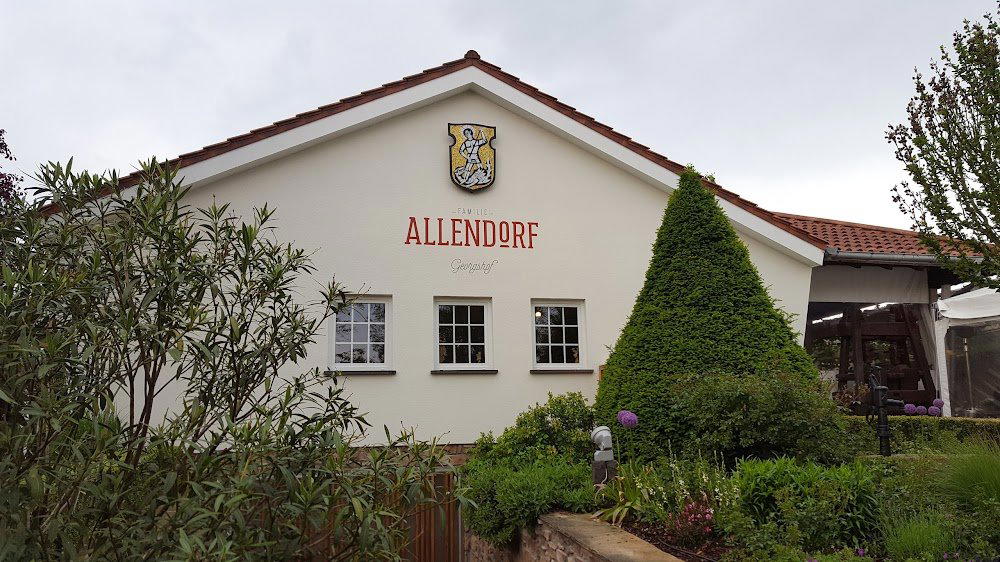
Weingut Allendorf
Oestrich-Winkel, Germany
A serious Oestrich-Winkel winery choice for Rheingau drinkers who care about producer depth and possible allocation value. Prioritise it over castle-led visits if the wine itself is the main reason for going; choose Schloss Vollrads or Schloss Johannisberg instead if the group wants a more scenery-led stop.
Calissano
Alice Bel Colle, Italy
Calissano is a good Alice Bel Colle stop for travelers who want Piedmont beyond the usual red-wine circuit. Book it for Vermouth di Torino, Alta Langa Metodo Classico, and a classic winery atmosphere rooted in a producer founded in 1872; skip it if you want a highly polished, design-forward tasting format.
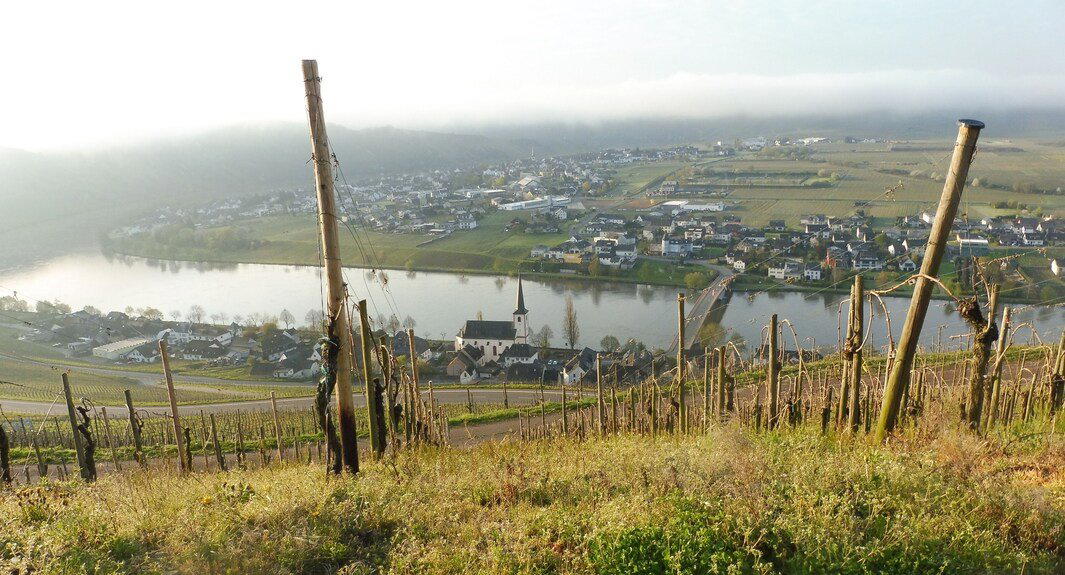
Bio Weingut Hoffmann
Minheim, Germany
Bio Weingut Hoffmann is worth targeting if Minheim is already part of a Mosel wine route and organic viticulture is a priority. Treat it as a focused producer visit rather than a casual drop-in stop; travelers needing food service, broad hospitality infrastructure, or easy last-minute planning should build a more flexible Minheim itinerary first.
Compañía Vinícola del Norte de España
Haro, Spain
Book this if you want a serious Rioja visit with historic cellars, a broad house portfolio and enough production context to make the tasting useful. The strongest reasons to go are the Eiffel Cellar, the 1879 Haro setting and the chance to understand Cune, Imperial, Viña Real and Monopole in one stop.
Lieu Dit Winery
Lompoc, United States
Lieu Dit Winery works for a focused Lompoc wine stop, especially for drinkers who care more about producer credibility than add-on hospitality. Its Falstaff Listed 2026 recognition is the key trust signal; plan ahead if food, large-group space, or a formal tasting structure matters to the visit.
Domaine Raphael Chopin
Lantignie, France
Domaine Raphael Chopin works for a focused Lantignié winery visit if the priority is producer context over a packaged hospitality experience. Falstaff listing recognition in 2026 adds a useful trust signal, but visitors should confirm timing, group suitability, food, and shipping details before building a full itinerary around it.
Domaine Boudau
Rivesaltes, France
Domaine Boudau is worth booking for a relaxed Rivesaltes tasting with real estate substance: 53 hectares, four generations of family history, organic farming, and a portfolio that covers both dry Roussillon wines and fortified local styles. Choose the guided or private format if your group wants vineyard and cellar context; keep it casual if the stop is mainly for tasting and buying.
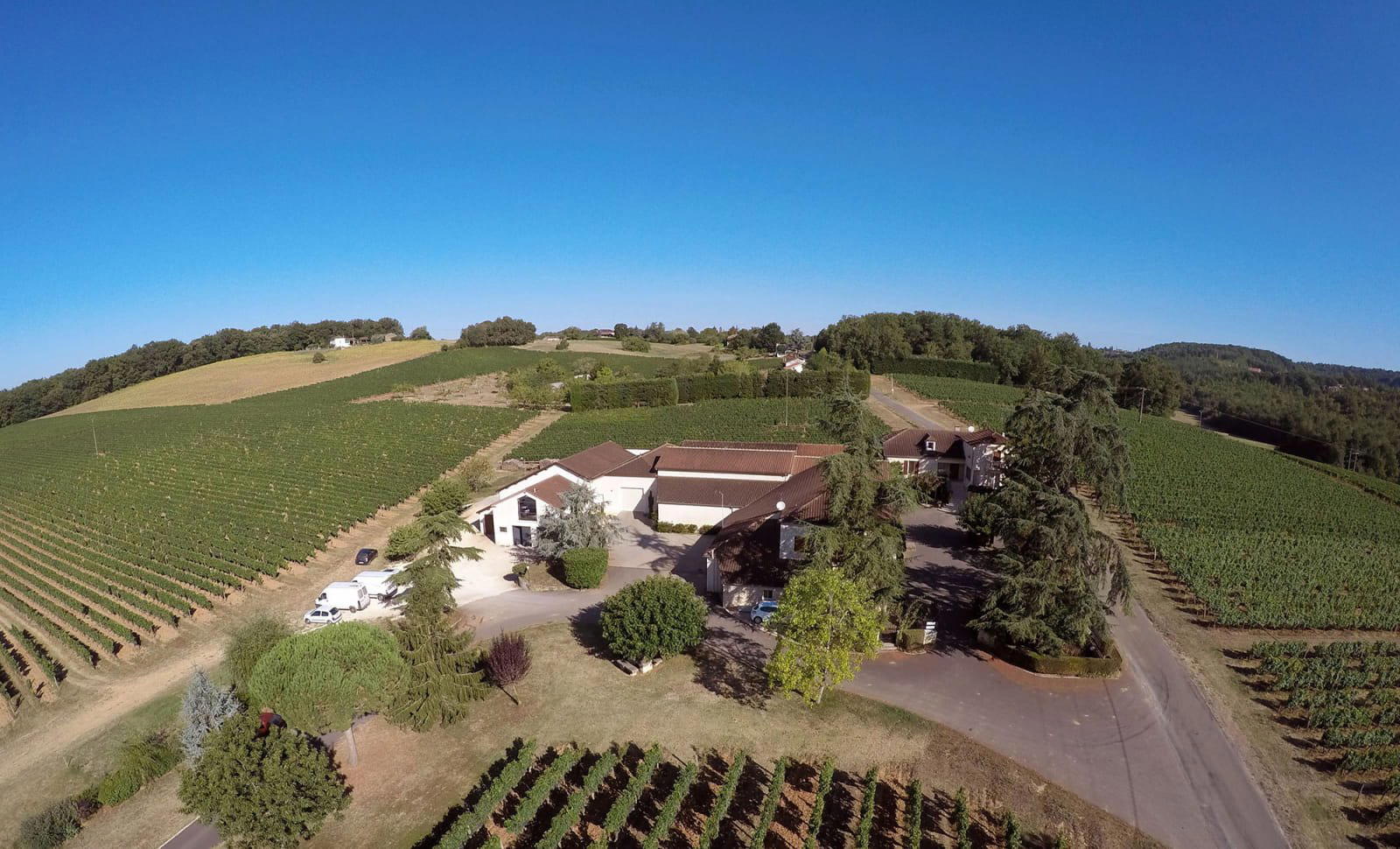
Château Lamartine
Soturac, France
Château Lamartine is worth booking for a focused Cahors tasting built around organic farming, old-vine parcel selection, and a family estate dating to 1883. It is less suited to travelers seeking a food pairing program, but strong for anyone who wants a clear read on traditional Lot Valley Malbec.
How many of these have you visited?
Find out on Pearl and keep score across every place in 2026 Falstaff Winery Guide.