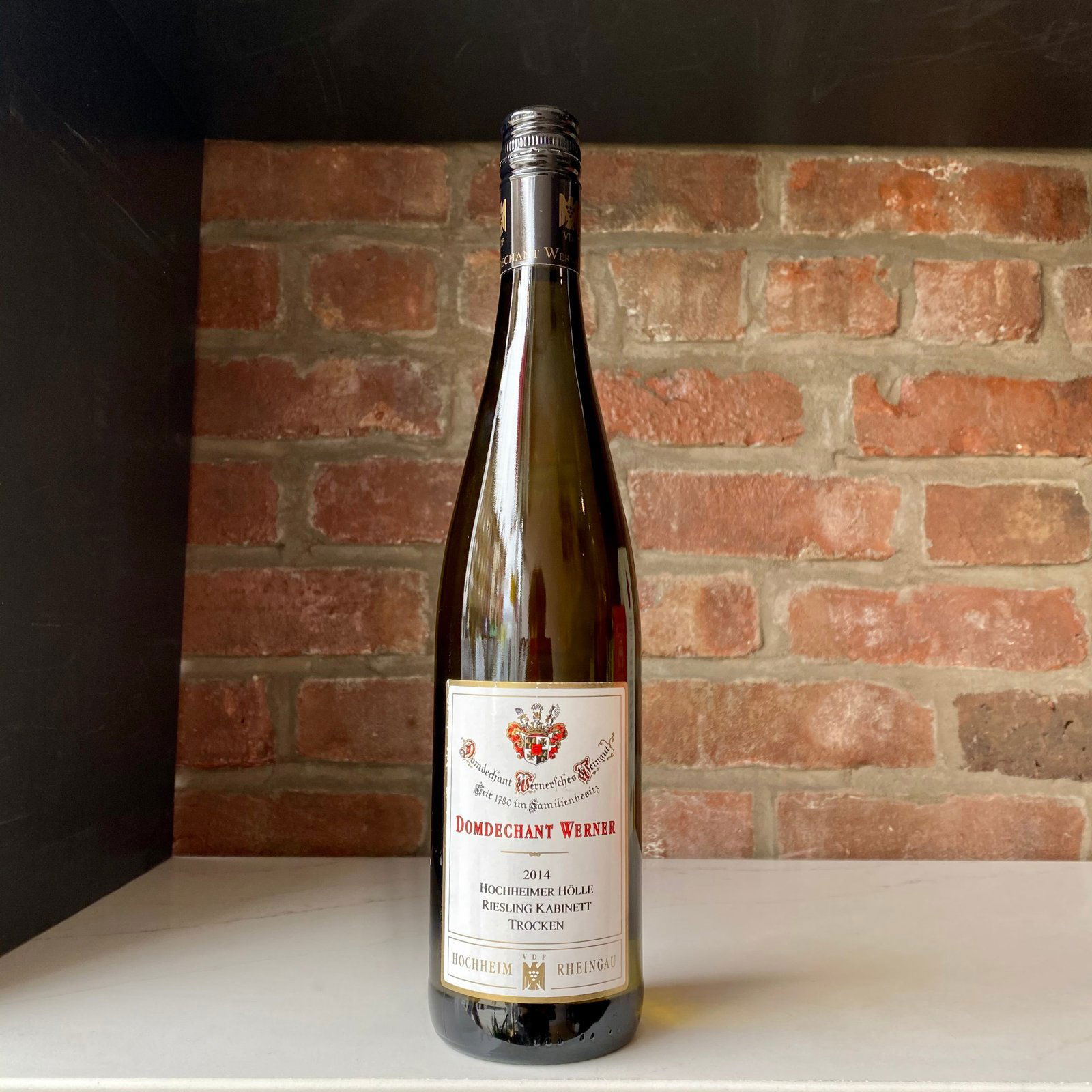

Domdechant Werner’sches Weingut
Hochheim am Main
Winery in Hochheim am Main, Germany
 Book with Pearl
The Read
Rheingau Terroir Authority
Price
$20–30tasting
Why go
Domdechant Werner'sches Weingut is worth prioritizing for a special-occasion Hochheim wine stop when the goal is a serious town-estate visit rather than a large destination campus. Compare it with Weingut Künstler for another local option, or Kloster Eberbach if the setting and scale matter more than staying in Hochheim.
About Domdechant Werner’sches Weingut
Domdechant Werner'sches Weingut is a Hochheim am Main venue listed with Pearl 2 Star Prestige (2025). Plan around the basics rather than assumptions about formats, menus, visitor amenities, or service details. The safest approach is to consider it a stop and confirm arrangements directly before building a special occasion, client plan, or group visit around it.
A Hochheim am Main choice for a focused plan
For a Hochheim am Main itinerary, Domdechant Werner'sches Weingut can be considered alongside other named venues. Readers planning the wider area should pair the visit with Hochheim am Main restaurants, hotels, bars, or experiences if the day needs more structure.
The key planning point is restraint: do not assume a specific visit format, food service, visitor program, or schedule. If the occasion depends on any of those details, confirm them directly with the venue before committing the day. Kloster Eberbach is another named option to compare when planning a broader outing.
Who should choose it when comparing named venues
Choose Domdechant Werner'sches Weingut if it fits your plan: Hochheim am Main, smart casual dress, and Pearl 2 Star Prestige (2025). If you are still comparing options, Weingut Künstler, Weingut Robert Weil, Weingut Balthasar Ress, Weingut Thörle, and Kloster Eberbach are natural names to review separately, with details checked directly with each venue.
The practical verdict: consider it for a polished Hochheim am Main stop, but avoid building the plan around assumptions. Confirm timing, group suitability, food availability, and any visit format directly before you go.
Planning details
- Location
- Rathausstraße 30, 65239 Hochheim am Main
- Website
- domdechantwerner.com
- Phone
- +49 6146 835037
The take
The Take
The Vibe
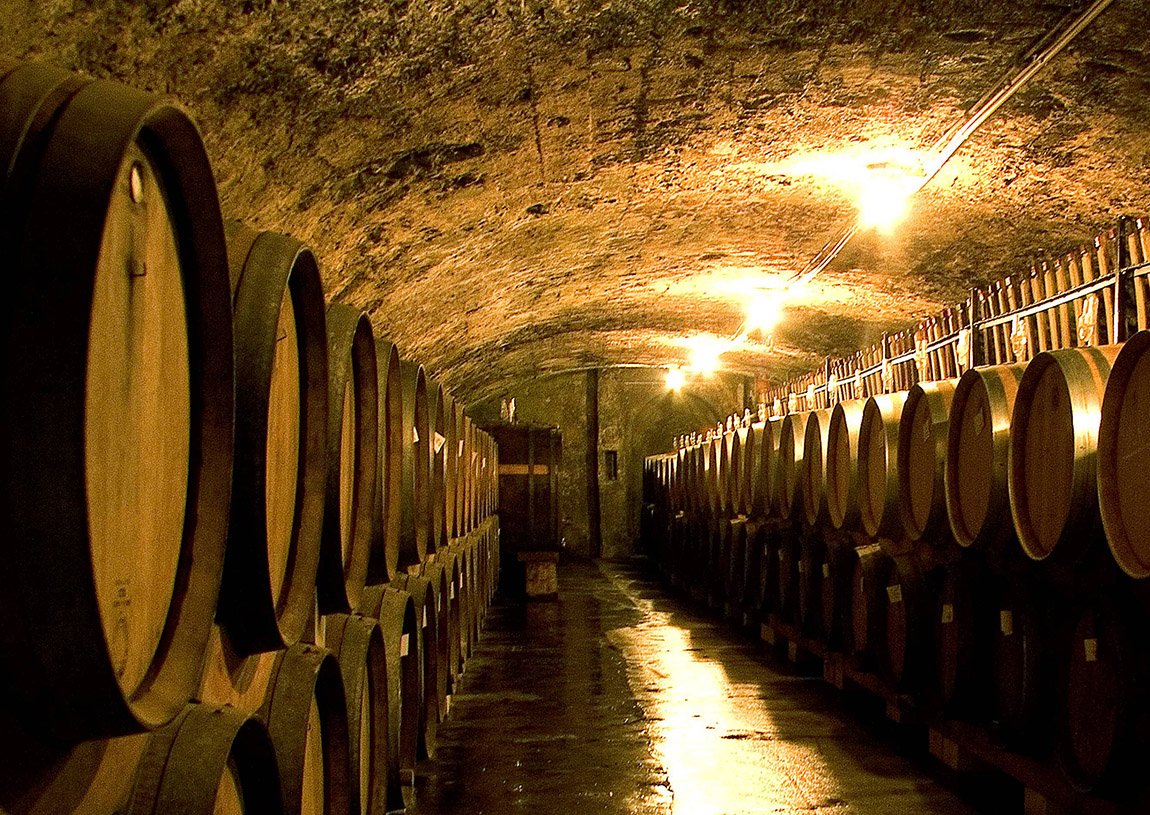
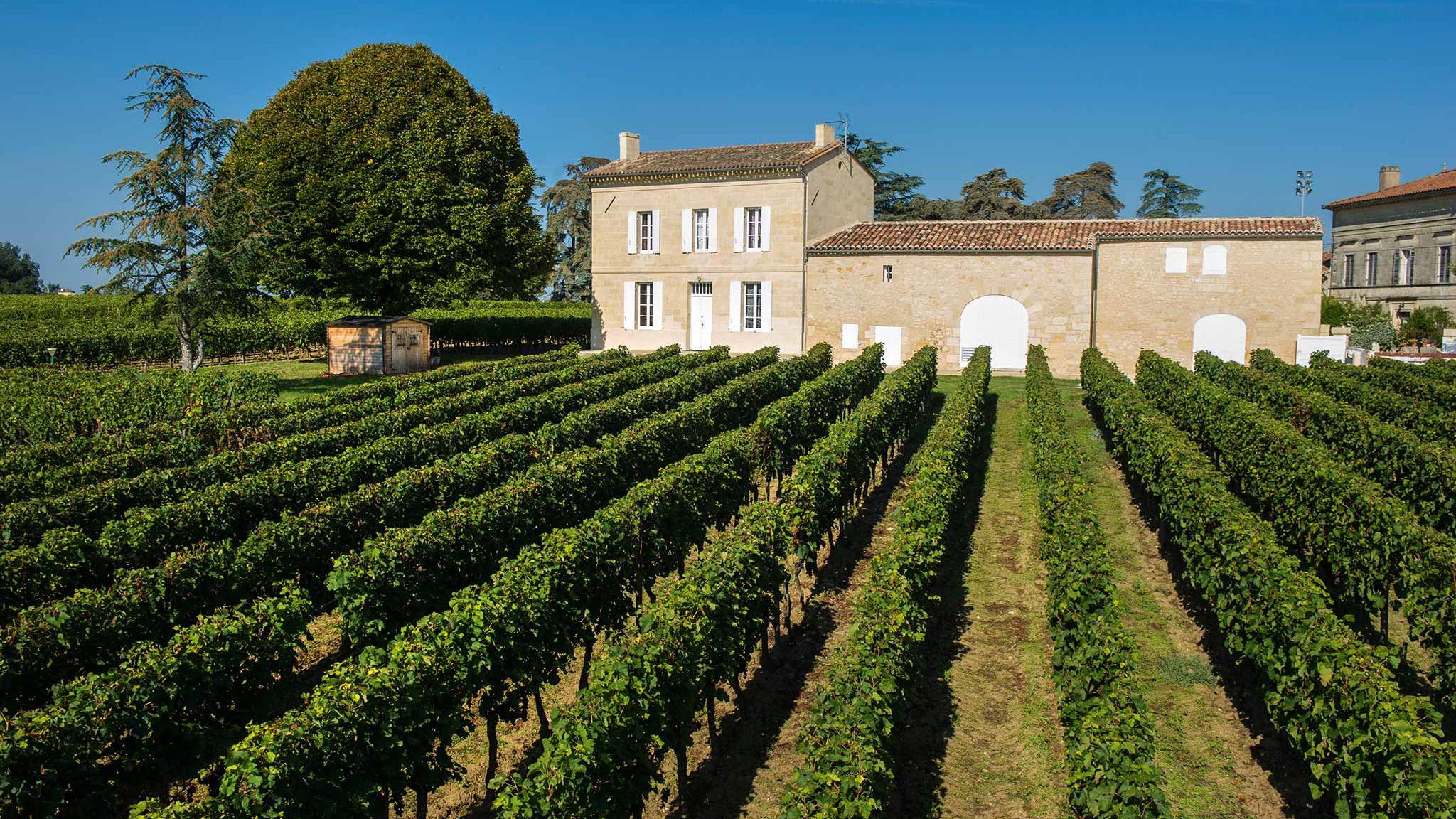
Domdechant Werner’sches Weingut reads like a small, serious estate tucked into Hochheim’s historic core. The writing emphasizes vineyard practice and terroir over visitor spectacle, so the experience is quietly focused and intimate rather than theatrical. The estate’s placement within the town and its long civic ties give it a historic character, while its reputation among collectors lends a sense of being a well‑kept, off‑the‑beaten‑path discovery. Expect a restrained, terroir‑forward personality from the wines and a setting that privileges viticultural substance over tasting‑room design.
Best For
This is a place for people who care about terroir and the nuances of Hochheim Riesling—collectors, students of regional differences, and anyone booking a focused tasting rather than a casual stop. The copy stresses the vineyard origins of the wines and the atypical limestone and loess soils, so tastings here are best approached as education‑forward experiences. Because the estate is a working operation rather than a showpiece cellar door, it suits quieter, appointment‑minded visits and special‑interest gatherings rather than loud tourist crowds.
Tasting Tips
When arranging a visit, make clear that your interest is in the vineyards and the estate’s expression of Hochheim terroir. Ask to taste a range of village and parcel‑level Rieslings and to hear how limestone, loess and exposures shape ripeness and texture; the description repeatedly frames the wines through soils and sun. Because the property is described as a working estate rather than a visitor‑focused cellar door, contact the winery ahead of time to confirm availability and to request any technical or collector‑level bottlings you want to see.
Venue details
Ambiance
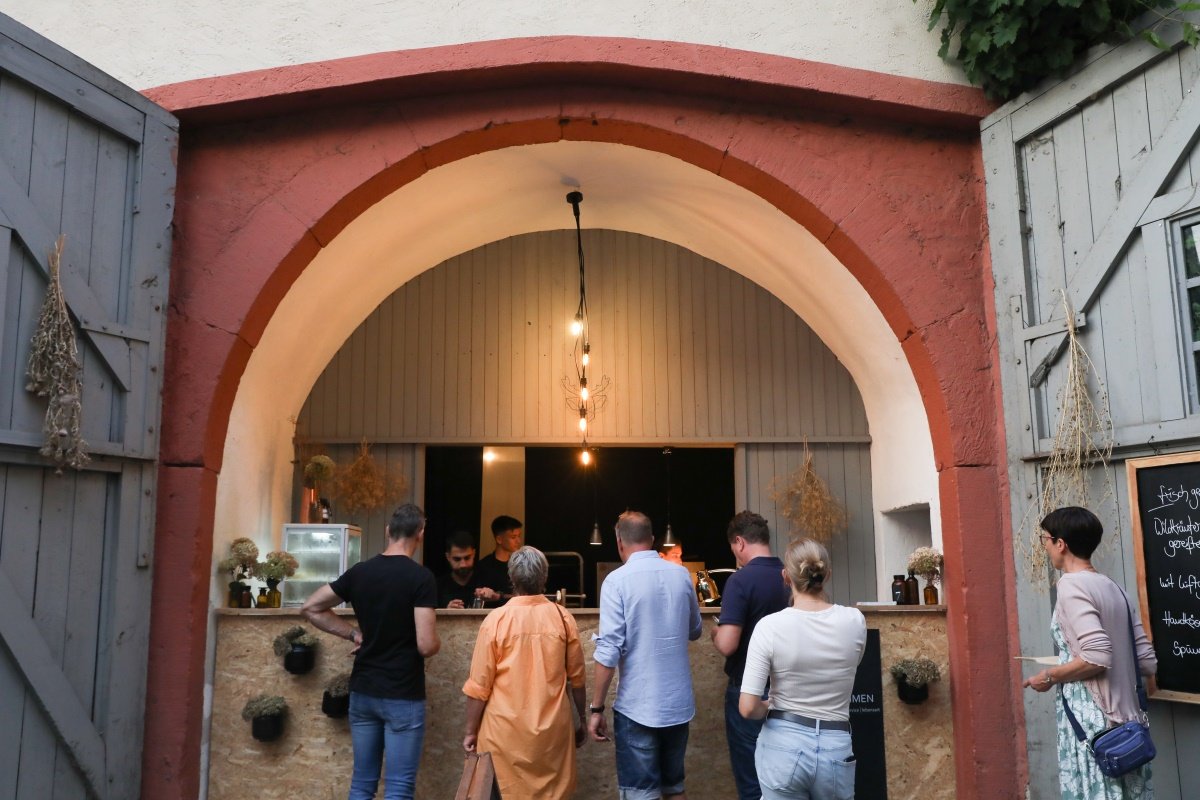
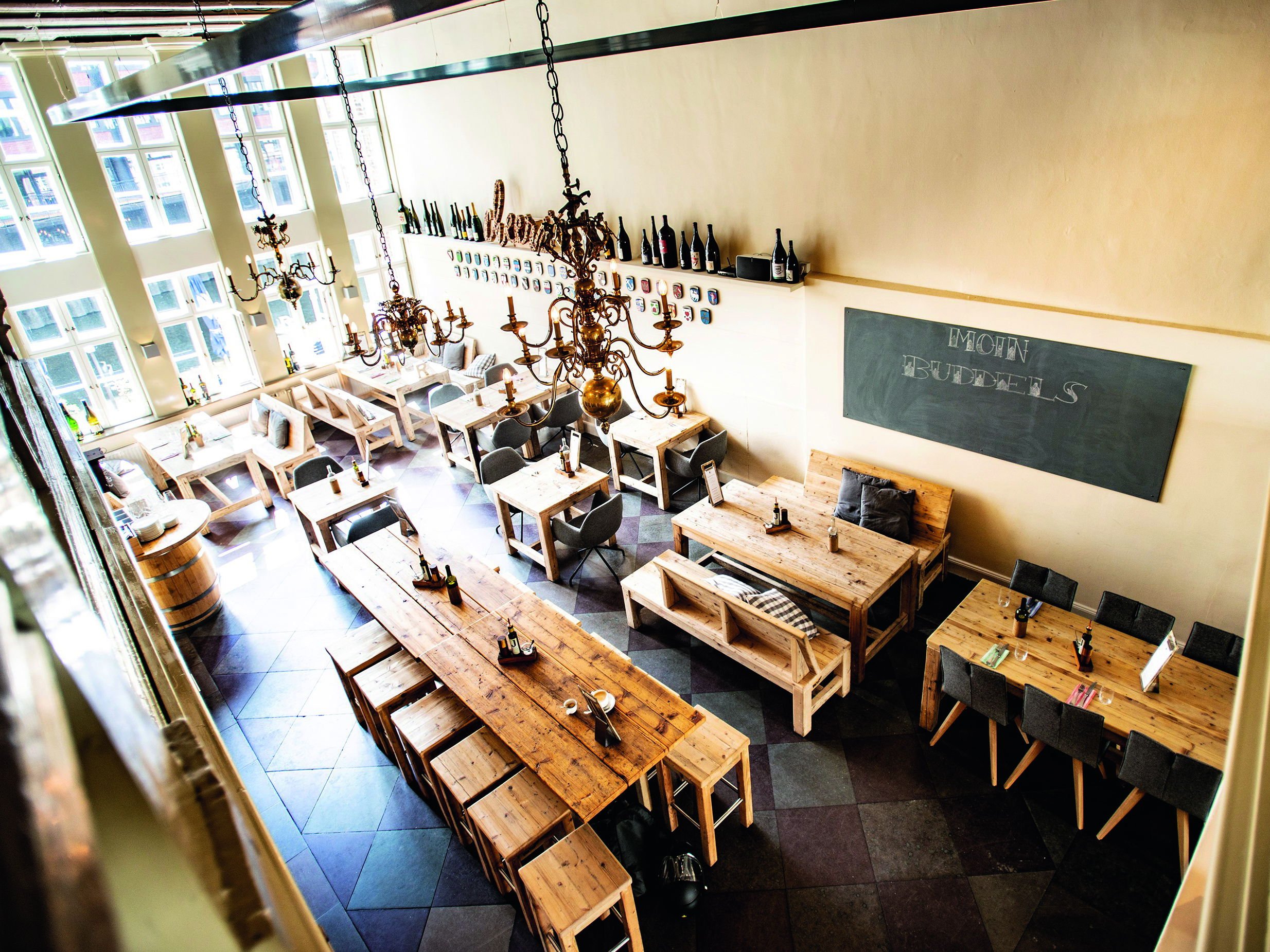
Elegant and classic with a focus on quality Riesling tradition in a historic setting.
Tags
Vibe
Best For
Experience
View
At the Vineyard
- Appellation
- Hochheim Rheingau
- Varietals
- Riesling, Spätburgunder
- Tour Duration
- 60-90 minutes
- Tour Languages
- German, English
- Visits
- By reservation
- Wine Styles
- Still White
- Shipping
- Available
- Wine Club
- Not available
Know before you go
Know Before You Go
- Getting there
- Rathausstraße 30, 65239 Hochheim am Main
Planning details
Location
Recognition and awards

Also consider
Where to look if this is not the right fit
If staying in Hochheim matters, start with Weingut Künstler. It is the most relevant local alternative for readers who want another serious winery option without shifting the day out of town.
If the setting is more important than Hochheim convenience, cross-shop Kloster Eberbach. It is the stronger choice for visitors who want scale, history, and a more destination-style wine stop.
Winery context
How it compares with nearby Rheingau wineries
Domdechant Werner'sches Weingut is the tighter Hochheim choice: better for a focused, occasion-minded estate visit than for visitors trying to turn one winery into a full-day attraction. Weingut Künstler is the closest local cross-shop and the more obvious pick if name recognition within Hochheim is the deciding factor.
Against the out-of-metro Rheingau names, the trade-off is convenience versus scale. Weingut Robert Weil and Weingut Balthasar Ress are stronger fits for travelers building a broader Rheingau wine day, while Domdechant Werner'sches Weingut makes more sense when the plan is anchored in Hochheim am Main.
Kloster Eberbach is the better choice for atmosphere and scale; choose it when the setting is the main event. Weingut Thörle is the practical alternative if the itinerary can stretch beyond the immediate Rheingau/Hochheim cluster.
Explore Hochheim am Main
Around this place
Discover more on Pearl
Unlock the full Domdechant Werner’sches Weingut guide in Pearl, including awards, comparisons, FAQs, planning details, and nearby places.
Compare Domdechant Werner’sches Weingut
| Venue | Location | Awards |
|---|---|---|
| Domdechant Werner’sches Weingut | Hochheim am Main | 2026 Falstaff Winery Guide |
| Weingut Künstler | Hochheim am Main | 2026 Falstaff Winery Guide |
| Weingut Robert Weil | Kiedrich | 2026 Falstaff Winery Guide |
| Weingut Balthasar Ress | Eltville | 2026 Falstaff Winery Guide2025 Decanter Winery Prestige |
| Weingut Thörle | Saulheim | 2026 Falstaff Winery Guide |
| Kloster Eberbach | Eltville | No published awards |

How Domdechant Werner'sches Weingut compares with similar nearby venues.
FAQ
Frequently Asked Questions
What other venues can I compare with Domdechant Werner'sches Weingut?
For comparison planning, consider Weingut Künstler, Weingut Robert Weil, Weingut Balthasar Ress, Kloster Eberbach, and Weingut Thörle. Check each venue's current location, visit format, and booking details directly before building an itinerary.
Do I need a reservation at Domdechant Werner'sches Weingut?
It is advisable to check reservation requirements directly. For current visit format and availability, contact Domdechant Werner'sches Weingut directly before planning around it. Key details are Hochheim am Main, smart casual dress, and Pearl 2 Star Prestige (2025).
How long should I plan for a visit to Domdechant Werner'sches Weingut?
Are membership or access details for Domdechant Werner'sches Weingut?
Membership, access, allocation, and purchase terms should be confirmed directly with the venue. If any of those details matter to you, check directly with Domdechant Werner'sches Weingut before joining anything or planning around any benefits.
Are specific products or highlights for Domdechant Werner'sches Weingut?
Specific product highlights, labels, or vintages should be confirmed directly with the venue. For details on specific items, contact the venue.
When is the best time to visit Domdechant Werner'sches Weingut?
Does Domdechant Werner'sches Weingut serve food?
Food service availability should be confirmed directly. Do not plan around a meal unless Domdechant Werner'sches Weingut confirms it. If food is important to the itinerary, confirm current details before you go.